Burgas Pier Visitor Guide: Top Attractions & Travel Tips
Burgas stands as a vibrant coastal gem on the Bulgarian Black Sea coast. This city offers a mix of urban culture and relaxing seaside charm for every traveler. Many visitors start their journey at the iconic pier before exploring the wider region. Our Burgas guide helps you navigate the best local landmarks and hidden spots.
The city serves as a major transport hub for the southern coastline. You will find a relaxed atmosphere here compared to the more crowded resort towns nearby. Locals take great pride in their maritime heritage and lush public parks. Exploring the streets reveals a rich history mixed with modern Bulgarian life.
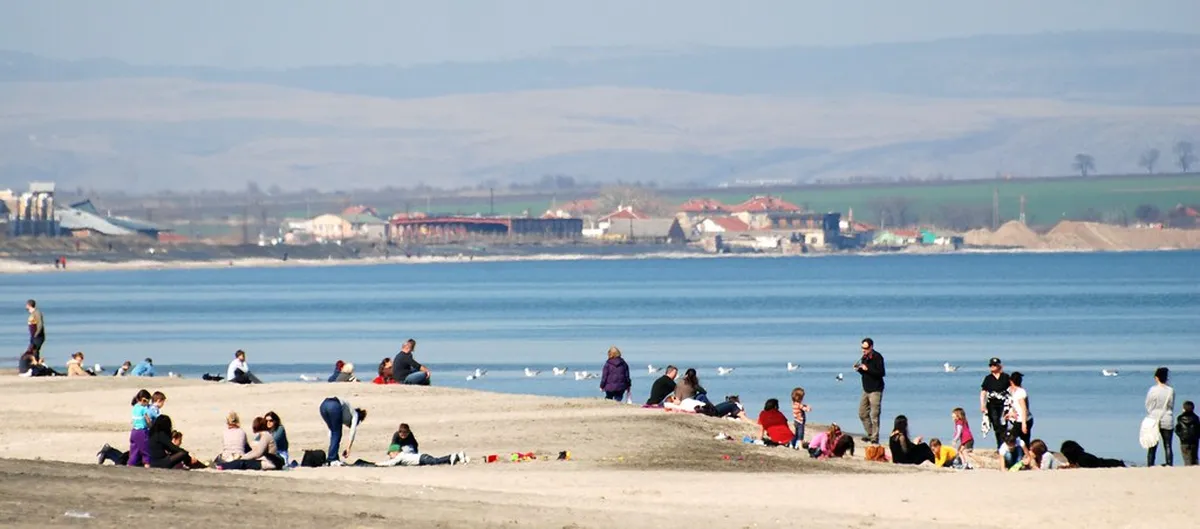
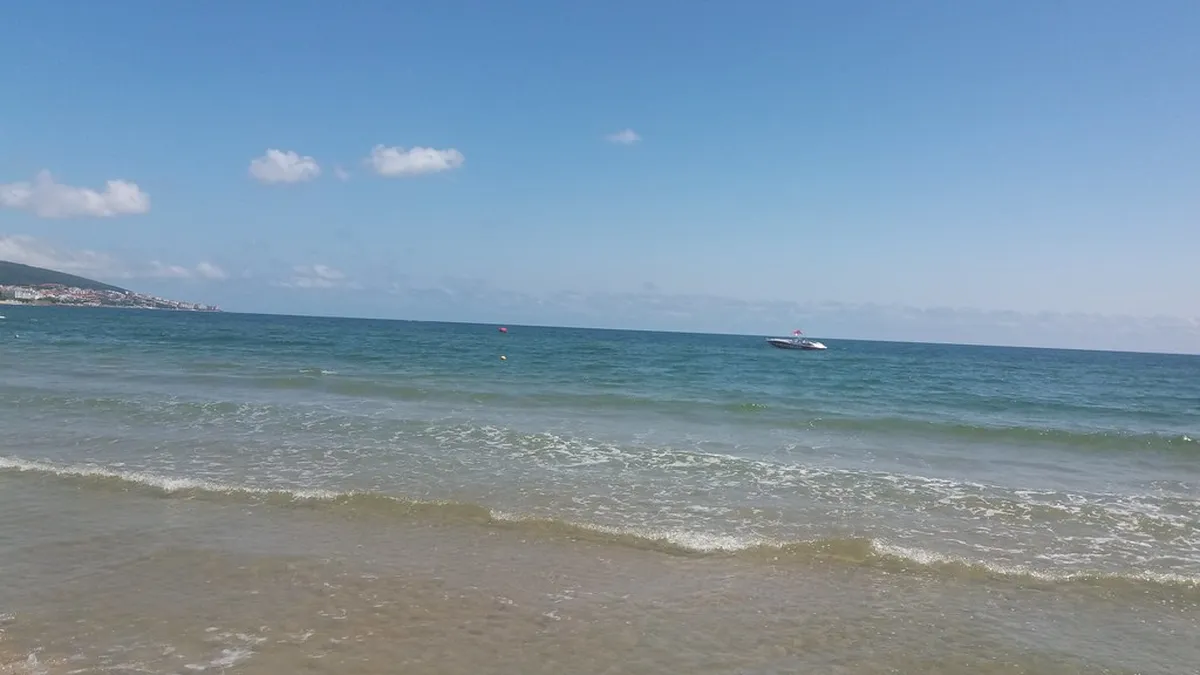
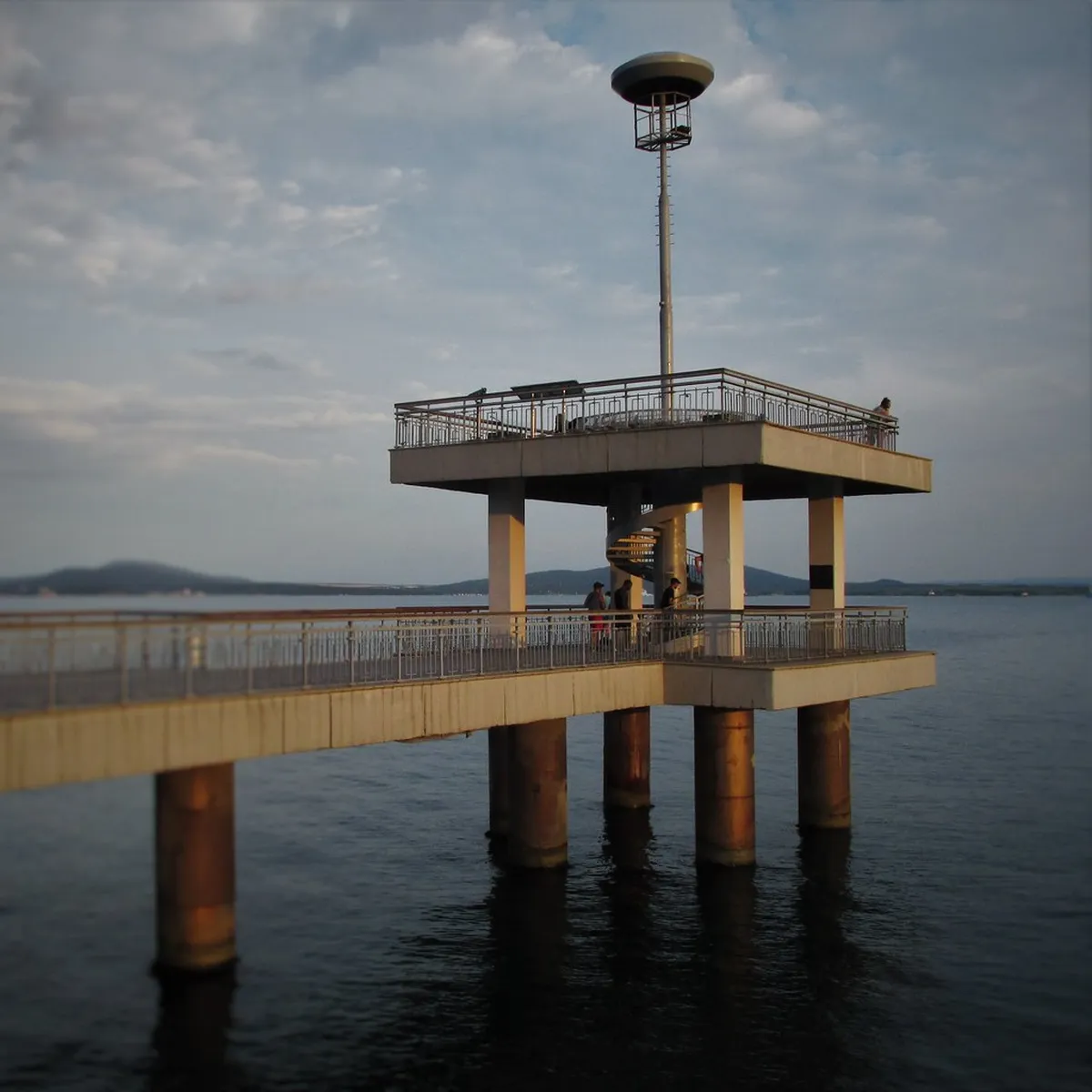
Here's a visual tour of the iconic Burgas Pier and the sweeping views from its raised platform:
The Iconic Burgas Pier: History, Views, and the Epiphany Cross
The Burgas Pier - known to locals simply as Mostika, or "the Bridge" - is a roughly 300-metre T-shaped walkway that reaches out from the edge of the Sea Garden into the Black Sea. It is completely free to walk, with open access around the clock, 365 days a year, and there is no ticket booth or turnstile anywhere along it in 2026. If you have read online about a small pier fee, that charge belongs to a different landmark: the roughly €1.50 boat-dock toll collected at St. Anastasia Island, 1.5km offshore, not the city pier itself.
![Nessebar -St. John the Baptist Church [10th century] in Burgas, Bulgaria](https://toursbulgaria.com/images/burgas-pier-the-iconic-burgas-pier-history-views.webp)
At the seaward end, a raised viewing platform rises about 22 metres above the water and gives the best panoramic sweep of the Gulf of Burgas available from the shoreline. Looking north you can pick out the silhouette of Bulgaria's first port lighthouse near the harbour entrance, and on a clear day, looking east, the low outline of St. Anastasia Island is visible several kilometres out to sea. Sunrise is the calmest time to shoot photos here, before the wind and the crowds pick up.
The full deck is flat, paved, and stroller- and wheelchair-friendly for the entire 300 metres, but it is also one of the windiest spots in the city - open water on both sides funnels a steady onshore breeze that can turn into real gusts by afternoon, so pack a light windbreaker even in July. Railings run along most of the walkway but thin out on the final platform, so keep small children close to the centre rather than the edge. Budget 20 to 30 minutes for an unhurried round trip with a stop at the top. Jumping or diving from the structure is banned outright, and the municipality's official tourism portal warns of a 500-euro fine for anyone caught doing it, a rule enforced because of submerged rocks, old mooring metal, and unpredictable currents below the surface.
The pier is busiest on two dates outside the summer season. Every Epiphany, 6 January, a bishop blesses the water and throws a wooden cross from the pier for a line of young men to retrieve in a freezing race, a Burgas tradition that draws large crowds despite the winter cold. A quieter ritual follows on St. Nikolay's Day, 6 December, when sailors and their families throw wreaths into the sea from the pier in memory of those lost at sea. Outside these dates, the pier doubles as a viewpoint for the Burgas Sailing Week regattas in late April and early May, and a favourite spot for locals to fish off the railings at dusk.
Exploring the Sea Garden: A Coastal Park Guide
The Sea Garden acts as a lush green buffer between the city and the sandy shores. It spans several kilometers and offers shaded paths perfect for long afternoon walks. Vibrant flower beds and manicured lawns create a peaceful environment for families and solo travelers. You can find many benches facing the sea for a quiet moment of reflection.
Cycling is a popular way to see the entire length of the park quickly. Dedicated bike lanes keep pedestrians safe while allowing for active exploration. The park also features numerous monuments dedicated to famous Bulgarian poets and historical figures. Children often enjoy the various playgrounds scattered throughout the northern and southern sections.
Cultural Hubs: Sea Casino, The Snail, and Summer Theatre
The Sea Casino is a striking building that functions as a modern cultural center. It hosts art exhibitions, concerts, and literary readings throughout the entire year. The terrace offers one of the best views of the pier and the central beach. Checking the schedule can lead you to unique local performances or workshops.
The Snail is a whimsical building known for its colorful and spiraled architectural style. It serves as a favorite backdrop for tourist photos due to its playful appearance. Nearby, the Summer Theatre provides an open-air venue for large-scale musical events. Many evening shows are free or very low-cost during the busy summer months.
Annual Highlights: The Burgas Sand Sculptures Festival
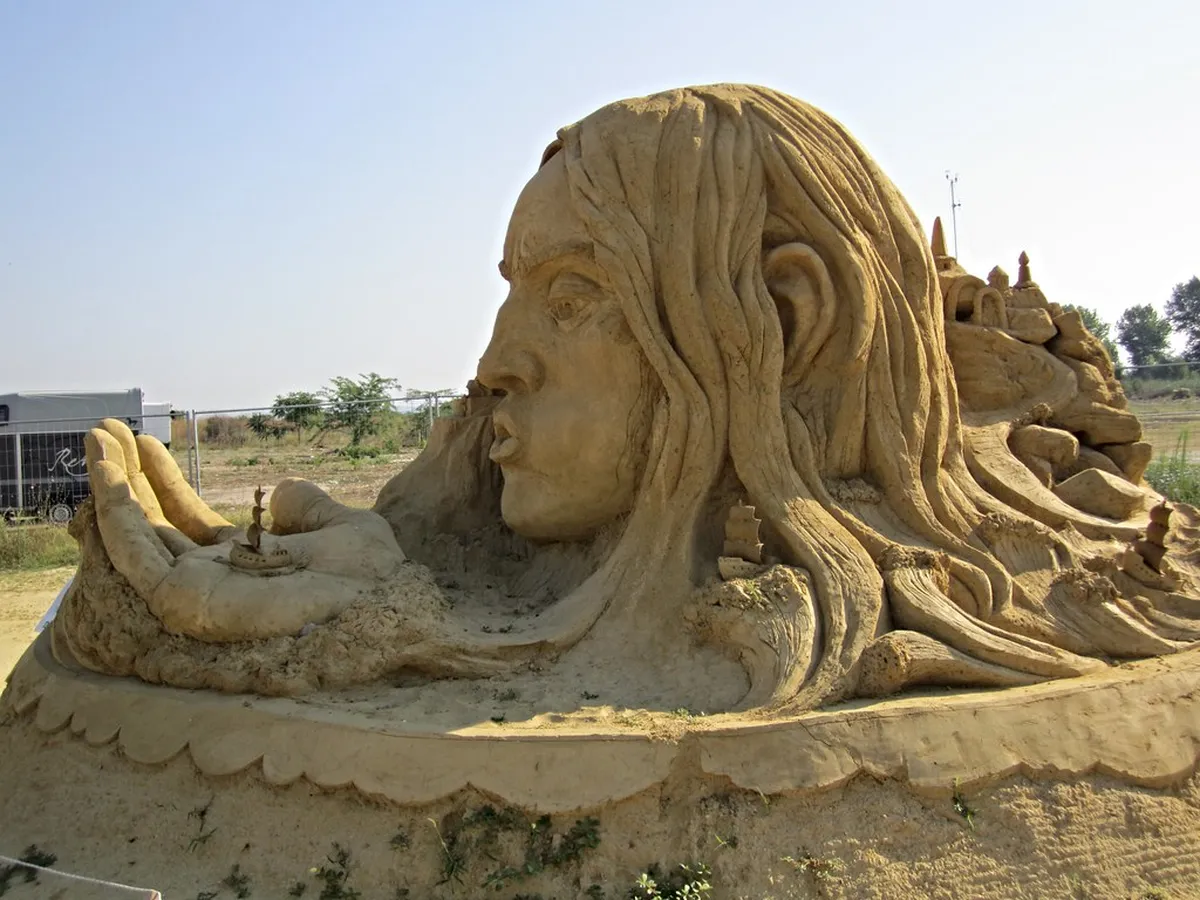
The Burgas Sand Sculptures Festival Visitor Guide is a must-see seasonal attraction for visitors. Artists from around the world gather here to create massive figures from special sand. The festival typically runs from July through September in the Park Ezeroto area. Check the Burgas Municipality - Events page for exact opening dates each year.
Visiting during the late afternoon helps you avoid the strongest heat of the day. The lighting at sunset makes the intricate details of the sculptures stand out beautifully. Each year features a different theme, ranging from fairy tales to historical legends. It is an affordable activity that provides great entertainment for visitors of all ages.
Burgas Beach: Sunbathing and Water Sports Guide
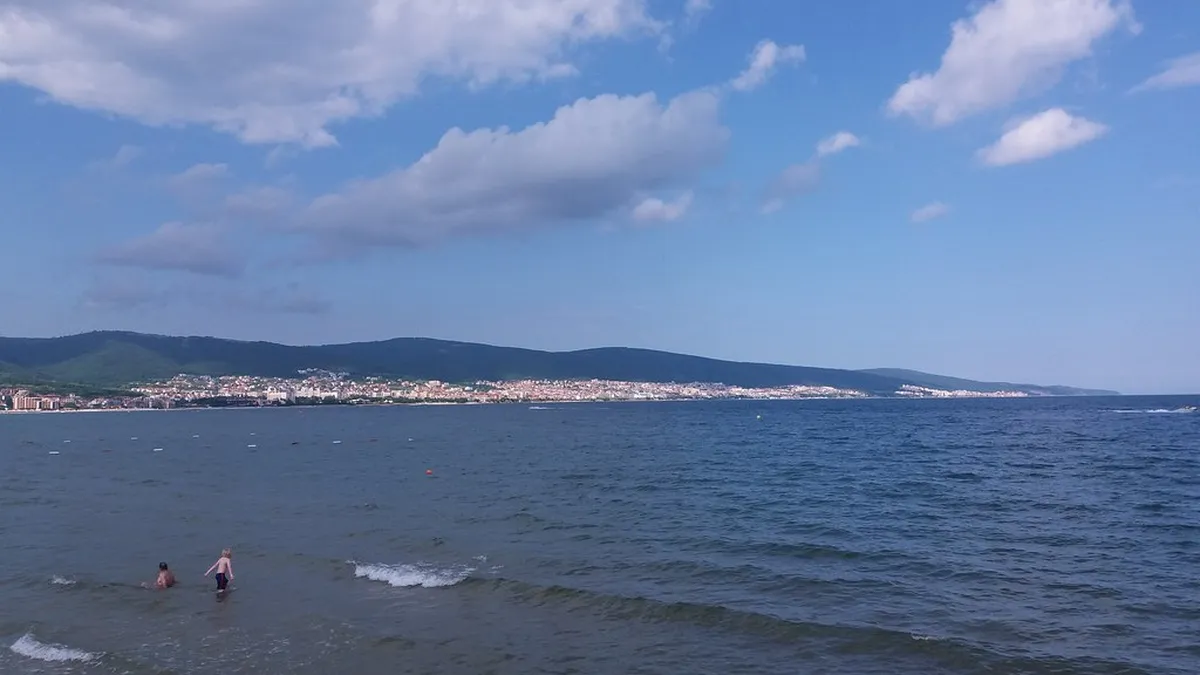
Burgas Beach is approximately 3km long and stretches toward Lake Atanasovsko. The dark sand is rich in magnetite and is known for its healing properties. Wide stretches of shoreline ensure that you can find a quiet spot even in July. Lifeguards patrol the main areas to ensure safety for all swimmers.
Windsurfing and kiteboarding are very popular due to the consistent coastal breezes. Local schools offer lessons for beginners who want to try these exciting water sports. The conditions are often better here than in the more sheltered resort bays. Equipment rentals are available at several points along the northern beach section.
City Center Landmarks: Old Town, Troikata Square, and the Gramophone
Aleksandrovska Street is the main pedestrian artery for shopping and dining in the city. It connects the central railway station with the large Troikata Square. You will find a mix of international brands and charming local boutiques here. The street is always bustling with people enjoying the Mediterranean-style atmosphere.
The Gramophone is a famous bronze sculpture located on Bogoridi Street near the park. Local legends say that turning the handle can bring you good luck and fortune. Troikata Square features large fountains and the impressive Alyosha monument from the socialist era. These landmarks provide excellent navigation points while you explore the city center.
Museums, Art, and Religious Sites in Burgas
The Ethnographic Museum offers a deep look into the traditional life of the region. It is housed in a beautiful 19th-century building with a traditional courtyard. The museum is open from 10am to 6pm for visitors interested in local costumes. Exhibits showcase the unique crafts and rituals of the people from the Strandzha mountains.
The Cathedral of Saints Cyril and Methodius is the largest church in the city. Its stunning stained glass and intricate wood carvings are worth a quiet visit. Many smaller churches are tucked away in the side streets of the old center. These religious sites offer a cool and peaceful escape from the summer sun.
Outdoor Activities: Horse Arena "Lake" and the Saltworks
The Burgas Saltworks, known locally as ludga, provide a unique natural spa experience. They are open from 8am to 8pm with an entry fee of approximately 2 lev. Visitors can float in the high-salinity pink pools and apply healing black mud. This outdoor wellness spot is located at the northern end of the city beach.
Horse Arena Lake offers riding lessons for both beginners and experienced equestrians. The facility is easily accessible and provides a fun outdoor activity for families. Riding through the nearby trails allows you to see the coastal landscape from a different angle. It is a great way to spend a morning away from the central tourist crowds.
Best Day Trips from Burgas: Sozopol, Nessebar, and St. Anastasia Island
Taking a day trip allows you to explore the diverse attractions in Burgas and its surroundings. Sozopol and Nessebar are both located about 35km away in opposite directions. Sozopol offers a bohemian vibe, while Nessebar is famous for its ancient Byzantine churches. Both towns are easily reachable by car or the reliable local bus network.
The St. Anastasia Island ferry takes about 40 minutes from the Port of Burgas. The island is located 1.5km from the coast and features a historic monastery. You can enjoy fresh seafood at the island restaurant while looking back at the city. Booking your ferry tickets in advance is recommended during the peak summer season.
- Ancient Sozopol Cultural Day Trip
- Distance: 35km South
- Vibe: Bohemian History
- Travel: 45 min bus
- Highlight: Old Town
- Nessebar UNESCO Heritage Site Excursion
- Distance: 35km North
- Vibe: Ancient Ruins
- Travel: 50 min bus
- Highlight: Byzantine Churches
- Pomorie Wellness and Salt Trip
- Distance: 20km Northeast
- Vibe: Relaxing Spa
- Travel: 25 min bus
- Highlight: Mud Baths
A Foodie’s Guide to Burgas: Best Restaurants and Craft Beer
Golden Anchor is a legendary spot for traditional seafood and Bulgarian classics. It is open from 10am to 11:30pm and sits right at the entrance of the Sea Garden. The outdoor seating is perfect for watching people enter the park during the evening. Try the grilled mackerel or the local mussels for an authentic taste of the Black Sea.
Papa Beer is the go-to destination for craft beer enthusiasts in the city. They offer a wide selection of Bulgarian and international brews in a cozy setting. The staff is very knowledgeable and can help you choose the right flavor profile. It is a great place to meet locals and other travelers in a relaxed environment.
Practical Planning: Logistics, Getting Around, and Solo Travel Tips
The Burgas Bus system is efficient and covers all major districts and nearby towns. Tickets are affordable and can be purchased directly from the conductor on board. The central bus station is located right next to the main train station. Using public transport is the most cost-effective way to navigate the region.
![Nessebar -Christ Pantocrator Church [13th century] in Burgas, Bulgaria](https://toursbulgaria.com/images/burgas-pier-practical-planning-logistics-getting.webp)
Burgas is generally very safe for solo travelers with high walkability scores. English proficiency is common among younger people and staff in the tourist areas. The city offers a more authentic Bulgarian experience than the nearby party resorts. Solo visitors often find it easy to navigate the flat streets and central park.
Continue planning: Use Burgas Attractions: 10 Best Things to Do in 2026 to connect this guide with the rest of your Bulgaria itinerary.
Frequently Asked Questions
Is the Burgas Pier free to walk on?
Yes. The Pier is an open public walkway with no entry ticket in 2026. The pier fee sometimes quoted online is the boat-dock fee at St. Anastasia Island, not a charge for the city pier.
What are the Burgas Pier's opening hours?
It has open access around the clock, year-round, as part of the public seafront at the edge of the Sea Garden.
How long is the Burgas Pier?
The structure extends roughly 300 metres into the Black Sea, opening up wide views back over the Gulf of Burgas and the city skyline.
Where exactly is the Pier?
It begins at the seafront below the old part of the Sea Garden, next to Central Beach, and is described by the official tourism portal as the natural finish of the park.
Can you swim or jump from the Burgas Pier?
No. Jumping from the bridge is prohibited, and the municipality has warned via its official tourism portal of a 500 euro fine for anyone who jumps from it.
What can you do on the Pier?
It is open to pedestrians and cyclists; people stroll, fish, watch sailing competitions in the bay, and use the raised viewing platform at its seaward end, from which St. Anastasia Island is visible in clear weather.
Does the Pier have any special traditions?
Yes. On Epiphany (6 January) a bishop throws a cross into the sea from the pier for swimmers to retrieve, and on St. Nikolay's Day (6 December) sailors throw wreaths into the water in memory of seafarers lost at sea.
Burgas offers a unique blend of coastal beauty and cultural depth that rewards every visitor. From the heights of the pier to the healing mud of the saltworks, the city provides diverse experiences. Planning your trip around the summer festivals ensures you see the most vibrant side of the region. We hope this guide helps you enjoy every moment of your stay on the Bulgarian coast.
For the latest official information, see the Burgas Pier official site.
For more Burgas planning, read our Best Time to Visit Burgas: Weather & Seasons (2026) guide.
Continue planning
Start with our Burgas attraction directory and compare the practical details with our Sea Garden Burgas visitor page.
For connected planning, compare Burgas attraction directory with Sea Garden Burgas visitor page before finalizing your route.