Shiroka Laka Village
Shiroka Laka village sits at 1,058 metres above sea level, nestled in a valley between the Chernatitsa and Perelishki ridges of the Rhodope Mountains. Walking its narrow cobbled streets feels like stepping into the 19th century. The village is protected as Bulgaria's only architectural-folkloric and ethnographic reserve of its kind, and it carries site number 87 on the country's 100 National Tourist Sites list. This guide covers everything you need for a well-planned visit in 2026.
Must-See Shiroka Attractions
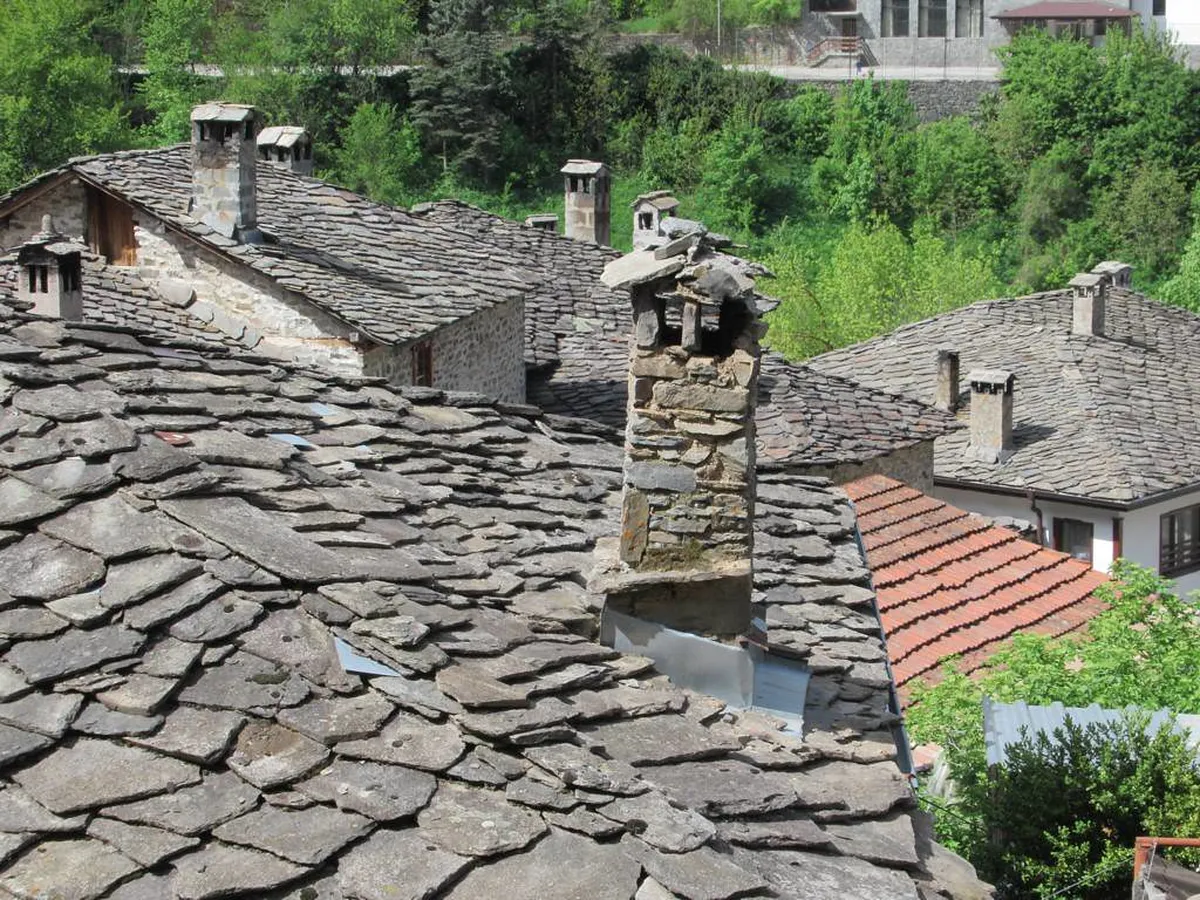
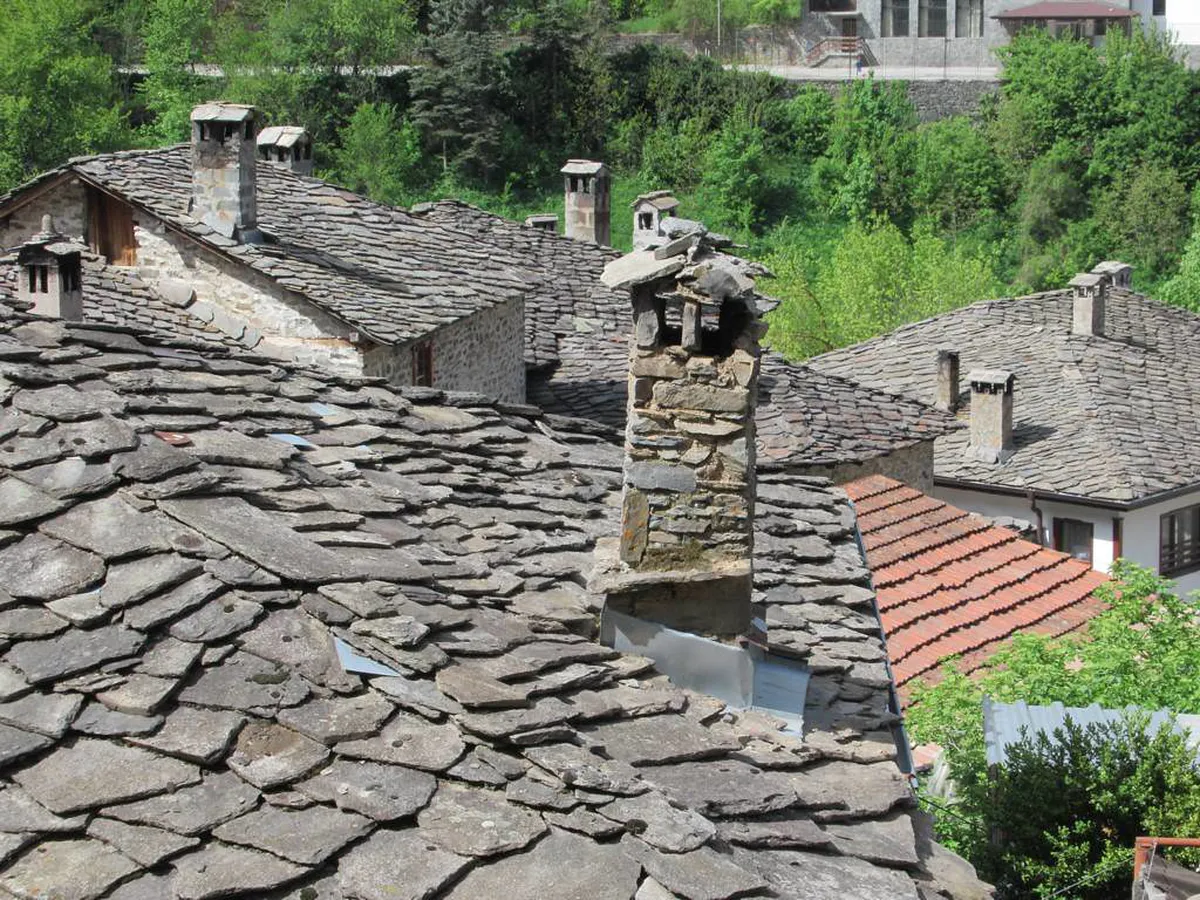
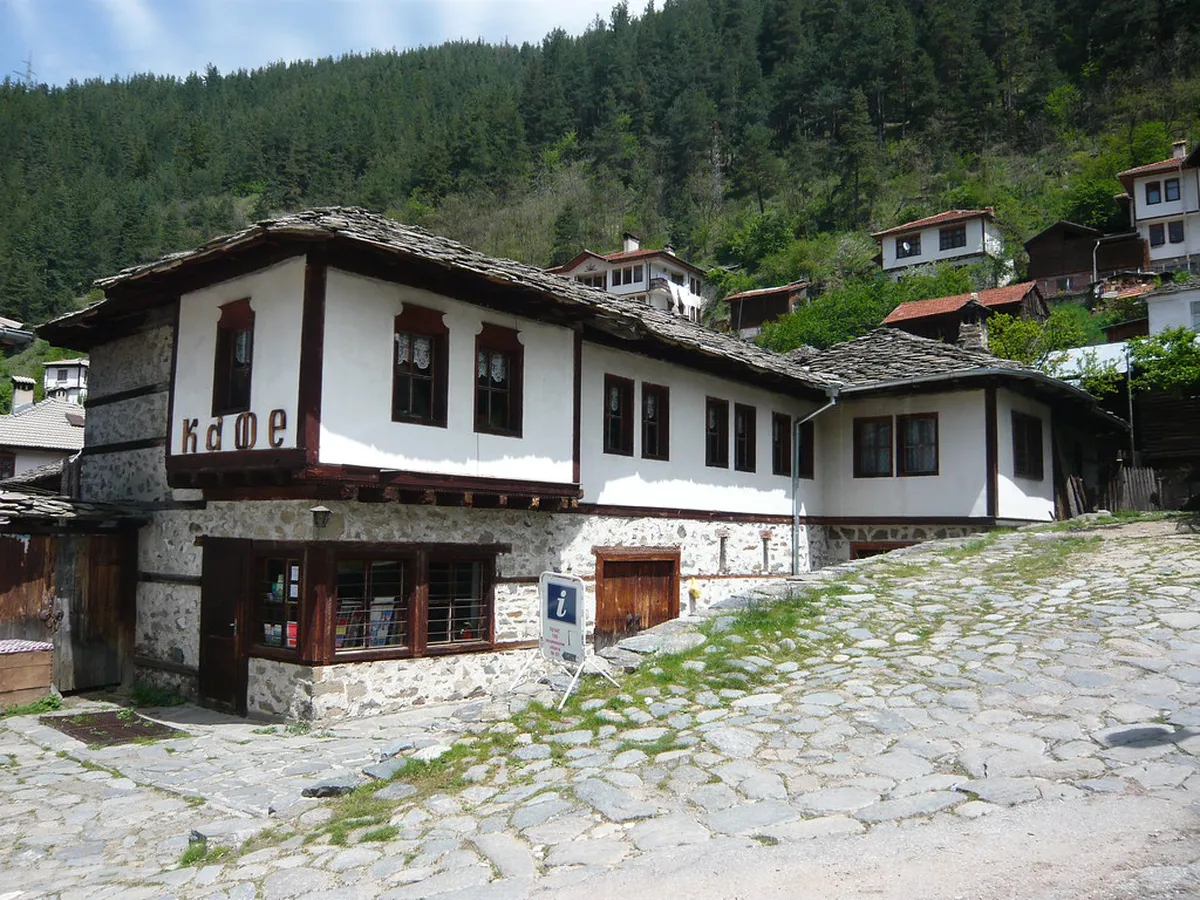
The village is celebrated for its Bulgarian Revival Period houses, more than 90 of which have been declared cultural monuments. These two-storey stone buildings share a recognisable silhouette: deep bay windows that cantilever over the street, internal wooden staircases, and heavy stone-slab roofs that once doubled as a kind of fortress against the Ottoman-era dangers their builders feared. According to Visit Bulgaria, the most famous examples are the Sgurovska, Uchikovska, and Grigorovska houses.
The Sgurovska House stands out as the most impressive. Its intricate wood carvings and spacious reception rooms show the wealth of 19th-century Rhodope merchant families. You can admire the exterior from the street at any hour; some interiors open for guided tours during summer weekends.
The Zgurovski Konak Ethnographic Museum is arranged to recreate the home of a prosperous Rhodope family from the late 19th century. Traditional costumes, wool-weaving tools, and copper household items fill the rooms. It is the best single stop if you want to understand daily life before electricity reached these mountains. This is also a natural entry point for exploring 12 Best Things To Do In The Rhodope Mountains beyond the village itself.
Do not leave without seeing the Church of the Assumption. Local builders raised this stone temple in just 38 days in 1834 — a feat that still draws admiration. A second church, St. Nicholas, stands nearby. In the courtyard of the Assumption Church you will also find the Saint Panteleimon Cell School, built in 1835, one of the earliest Bulgarian-language schools in the region.
- Sgurovska House — the grandest Revival merchant residence in the village
- Uchikovska House — a privately-owned architectural landmark on the main lane
- Grigorovska House — notable for its carved wooden ceiling panels
- Church of the Assumption — built in 38 days in 1834; Saint Panteleimon Cell School in its courtyard
- Zgurovski Konak Ethnographic Museum — the best cultural interior in the village
- Captain Petko Voivoda's house — headquarters of the revolutionary fighter from 1878 to 1879, on the main street
Museums, Art, and Culture in Shiroka
The National School of Folk Arts (NUFI "Shiroka Laka") opened on 1 September 1971 and has been shaping Rhodope musicians for more than five decades. Students study the kaba gaida (bagpipe), the kaval (end-blown flute), and traditional Rhodope singing, then perform across Europe. You might hear the students rehearsing as you walk past — the sound carries far in the narrow valley. The school is sometimes referred to as having been established in 1972 in older sources, but the first entrance exam was held in September 1971.
The Exarch Stefan Community Centre in the village centre houses an information desk where you can pick up maps and ask about upcoming local events. Souvenirs — hand-embroidered textiles, small gaida replicas, and Rhodope ceramics — are sold here too. The monument to Exarch Stefan I, who helped save Bulgarian Jews in 1943, stands in the village square nearby.
Small craft workshops along the main lane sell handmade items directly from the artisans who made them. Supporting these sellers keeps the traditions alive. Village art is rooted in the landscape: expect paintings of pine-forested ridges, embroideries in the red-and-black Rhodope palette, and carved wooden items made from local walnut.
An Architectural Reserve with Rhodope Spirit
The village earned its protected status precisely because of a construction style that evolved under unusual constraints. When Bulgarian families settled here in the 17th century — partly to escape forced Islamisation in the lower valleys — they built into steep slopes, not on flat ground. The result is the amphitheatrical layout you see today: each row of houses sits slightly above the next, so every building faces the sun and the river.
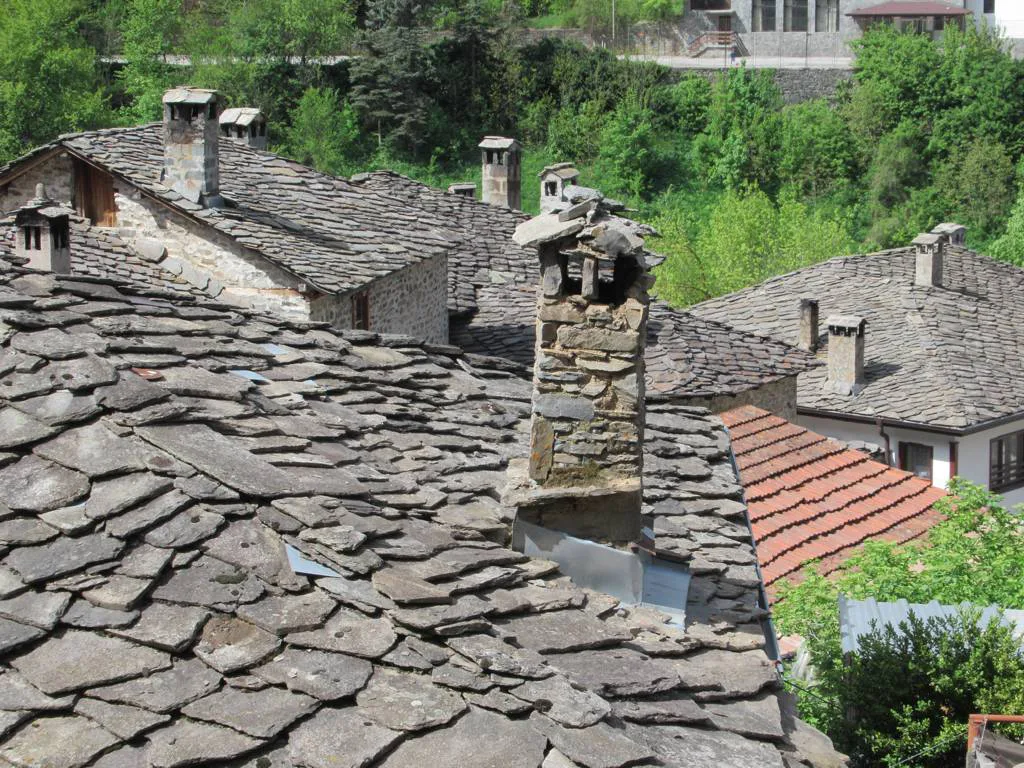
Master builders solved the problem of sloping ground by anchoring stone ground floors directly into the hillside, then extending upper floors outward on wooden beams. The bay windows that project over the street were not decorative afterthoughts — they added floor space without widening the footprint, and their south-facing glass warmed rooms through cold Rhodope winters. The stone-slab roof, heavy enough to discourage both fire and theft, completed a design that has survived two centuries of mountain weather.
Preservation rules today require all new construction within the reserve to match the historic palette of white-plastered walls and grey stone roofs. Walking the streets, you will notice the continuity: even the newer guest houses mimic the deep-eave silhouette. The two arched stone bridges crossing the Shirokolashka River in the village centre are also protected monuments, their curves echoed in the village's own coat of arms.
The Birthplace of the Rhodope Song
Shiroka Laka has been called the "Song Capital of the Orpheus Mountain" for decades. The kaba gaida — a large-bored Rhodope bagpipe with a deep, resonant drone unlike any Highland or Balkan instrument you have heard elsewhere — was developed by pipers born in this village and the hamlets immediately around it. The sound carries across the valley at dusk; if you time your visit right, a student from the folk arts school may be practising near the river.
Radka Kushleva, known as the Nightingale of the Rhodopes, was born into a family of singers and pipers from Shiroka Laka. Her voice first broadcast on Radio Sofia in 1942. She is one of dozens of nationally recognised musicians the village has produced.
On the main street beside the municipal building stands the Bagpiper sculpture — a cast composition celebrating the village's piper tradition. It is one of the more photographed spots in the village and makes a natural landmark when navigating the compact centre. The cobblestone path from the sculpture to the Assumption Church passes the oldest Revival houses and takes about ten minutes at a leisurely pace.
If you visit in 2026, aim for the Pesponedelnik festival on the first Sunday of March. This Mummers event (Kukeri) fills the streets with enormous costumed figures armed with red-painted wooden swords and Rhodope bells of every size. The noise and spectacle are unlike anything you will find at a larger resort. Foreign mummer groups travel from across the Balkans to participate alongside the local bands.
Parks, Gardens, and Outdoor Spots in Shiroka
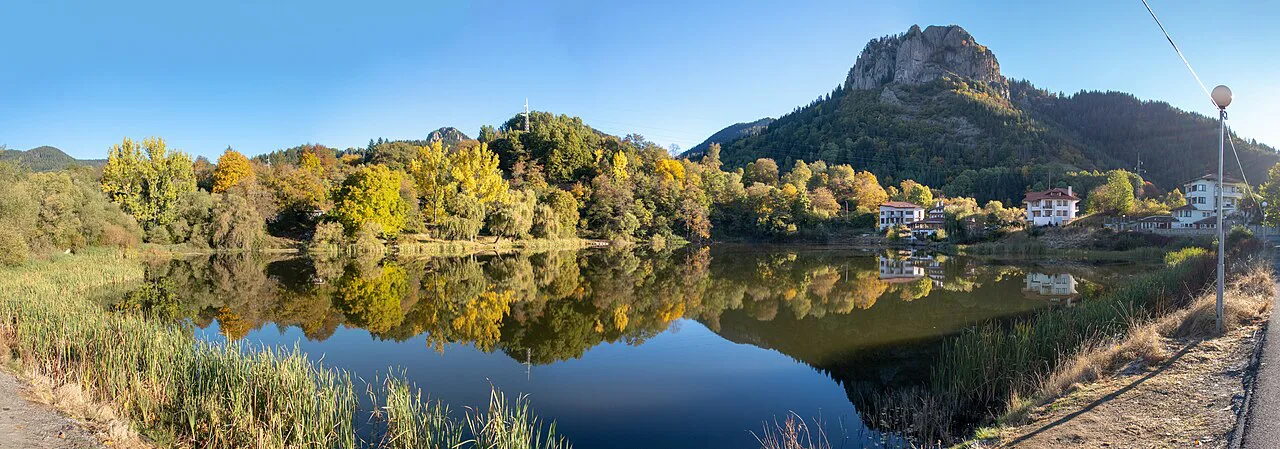
The Shirokolashka River runs 29 kilometres before joining the Vacha. In the village it is shallow and clear, murmuring over rounded stones past the arched bridges. A riverside walk from the central bridge to the edge of the village and back takes under an hour and passes the oldest Revival facades at their most photogenic angle — morning light hits the white plaster walls directly.
Hikers based here can access trails into the Chernatitsa and Perelishki ridges without needing a car. Paths start from the upper lanes of the village and climb through dense pine and beech forest. Spring and early summer bring mountain flowers to the clearings. Two rock formations in the surrounding area — locally called Momata (the Maiden) and Glavata (the Head) — are reachable on shorter walks and worth asking the information centre about for exact trailheads.
Nature lovers often pair a visit here with a stop at the Wonderful Bridges to the north, one of the most dramatic natural rock arches in Bulgaria. The winding mountain road itself is worth the drive.
The Village of Shiroka Laka, Bulgaria
The name comes from the Old Bulgarian word laka (or lѫka), meaning a bend, meander, or curve — a reference to the way the Shirokolashka River winds through the valley here. The village is in Smolyan Municipality, Smolyan District, in southern Bulgaria's Rhodope range. It sits at 1,058 metres, placing it firmly above the summer heat of the lowlands but below the exposed ridgelines.
Settlement here began in the 17th century. The initial inhabitants were Bulgarian families retreating into the mountains to preserve their faith and identity during the period of forced Islamisation. Over the following two centuries the village became a prosperous centre of trade, craftsmanship, and — unusually for a mountain community — education: the Saint Panteleimon Cell School of 1835 was among the earliest in the region.
Shiroka Laka is listed as site number 87 of Bulgaria's 100 National Tourist Sites, a government-endorsed list covering the country's most significant cultural and natural landmarks. It is the only village in Bulgaria to hold the combined designation of architectural, folkloric, and ethnographic reserve — a distinction that reflects the breadth of what has been preserved here, not just the old houses but the living music tradition as well. You can read more about the wider region's heritage in the Wikipedia article on Shiroka Laka.
Family-Friendly and Budget-Friendly Options in Shiroka
The village is almost entirely pedestrian-friendly once you are parked. Children can explore the small squares, watch the Shirokolashka River from the stone bridges, and see craftspeople working in the lane-side workshops. The terrain is uneven cobblestone in places, so bring sturdy shoes for small children; pushchairs are manageable on the main lane only.
Dining is inexpensive by Bulgarian standards. Village mehanas (taverns) serve Patatnik (a grated-potato cake cooked in a wood-fired oven), Smilyan bean stew, kachamak (cornmeal porridge with cheese or butter), and thick Rhodope yogurt. A full meal for two with local wine costs roughly 25–40 BGN (about 13–20 EUR) at a village restaurant. Avoid arriving hungry at midday in summer without a reservation — the small kitchens fill fast.
Most guest houses charge between 40 and 80 BGN per room per night and include a traditional Bulgarian breakfast. Staying in the village means you have the streets largely to yourself once the day-tripper cars leave at dusk, which is the most atmospheric time to be here. The Wikivoyage Rhodope Mountains guide lists additional practical tips for budget travellers in the wider region.
How to Plan a Smooth Shiroka Attractions Day
The village has no public bus service that makes it practical for most foreign visitors, so a car is the default. From Smolyan the drive is 23 km (roughly 25–30 minutes on mountain roads). From Pamporovo ski resort it is only 14–16 km (about 20 minutes). If you are staying in Smolyan, there are plenty of 10 Best Things to Do and See in Smolyan before or after the drive, and the trail to the Smolyan Lakes Guide 2026: the Emerald Eyes of the Rhodopes above the town makes an easy half-day add-on. From Plovdiv allow 90–100 minutes each way. From Sofia the drive is approximately 226 km, around 3 hours and 15 minutes.
Arrive before 10:00 AM to secure parking near the village centre. Summer weekends and the March Mummers festival draw large crowds; parking may start 500 metres from the main square on busy days. Allow three to four hours for a thorough walking tour of core sights.
| Starting Point | Distance | Driving Time |
|---|---|---|
| Smolyan | 23 km | 25–30 minutes |
| Pamporovo | 14–16 km | About 20 minutes |
| Plovdiv | About 93 km | 90–100 minutes |
| Sofia | About 226 km | 3 hours 15 minutes |
Arrive before 10:00 to find parking near the village centre without difficulty. Summer weekends and the March Mummers festival both draw coach parties and private cars; on those days, roadside parking begins about 500 metres from the main square. Allow three to four hours for a thorough walking tour of the core sights. The museum and ethnographic konak keep afternoon hours (typically 09:00–17:00 in summer; confirm locally as hours vary by season).
A simple navigation tip for first-timers: the Bagpiper sculpture on the main street is the easiest central landmark. From there, the Church of the Assumption is a two-minute walk downstream along the river. The Zgurovski Konak is directly opposite. The main Revival houses are within a five-minute radius in either direction along the riverbank lane.
- From Smolyan: 23 km, about 25–30 minutes by car
- From Pamporovo: 14–16 km, about 20 minutes by car
- From Plovdiv: about 93 km, around 90–100 minutes by car
- From Sofia: about 226 km, around 3 hours 15 minutes by car
- Walking tour of core sights: allow 3–4 hours
Where to Stay: Village Guesthouses vs Smolyan
Staying inside Shiroka Laka itself is the quieter, more atmospheric choice. The village has a handful of family-run guesthouses — look for Kashta Karlak and similar locally-listed properties — where rooms typically run 40–80 BGN per night and breakfast is included. After the day visitors leave by late afternoon, the cobbled lanes go almost entirely silent apart from the river. That evening stillness is one of the real draws of an overnight stay.
Staying overnight in the village offers a quiet, atmospheric experience after day-trippers depart by late afternoon. Village guesthouses charge 40–80 BGN per night with breakfast included. Book accommodation at least six weeks in advance for March festival visits.
Smolyan, 23 km away, offers more options: larger hotels, restaurants open past 20:00, a cinema, and the Smolyan Planetarium for an evening activity. Prices in Smolyan tend to be slightly lower for equivalent comfort, and availability is better during festival weekends when village guesthouses fill weeks ahead. If you plan to visit for Pesponedelnik in March 2026, book your accommodation at least six weeks in advance regardless of which base you choose.
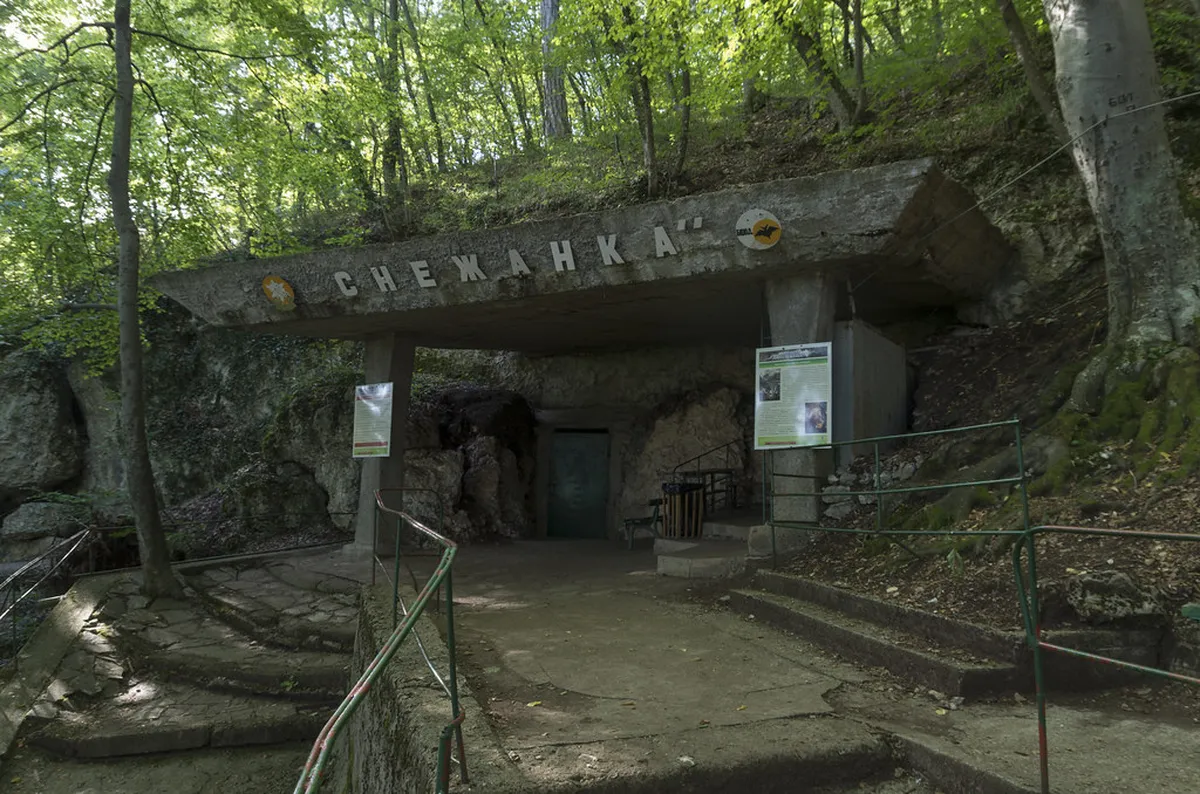
A third option worth considering is Pamporovo, 14–16 km away. In winter it is a ski resort; in summer 2026 it operates as a hiking hub with chairlift access to the Snezhanka Peak area. Staying at Pamporovo combines skiing or hiking with a cultural day trip to Shiroka Laka.
Day-Trip Combinations from Shiroka Laka
Shiroka Laka works well as a hub for the southern Rhodopes. The distances below are driving times on mountain roads — add buffer time for stops.
- Gela village — 8 km south, about 15 minutes. Famous as the legendary birthplace of Orpheus. Worth visiting for the high-altitude Byzantine basilica ruins (1,480 m above sea level, the highest in southeast Europe) and the panoramic views.
- Snezhanka Peak — 19 km southeast, about 29 minutes. The summit observation tower offers views to the Aegean on clear days; the Orpheus Rocks are visible from the top.
- Struilitsa eco-trail start — 24 km west near Devin, about 34 minutes. The trail follows the Vacha River gorge through dense forest past the Samodivsko waterfall.
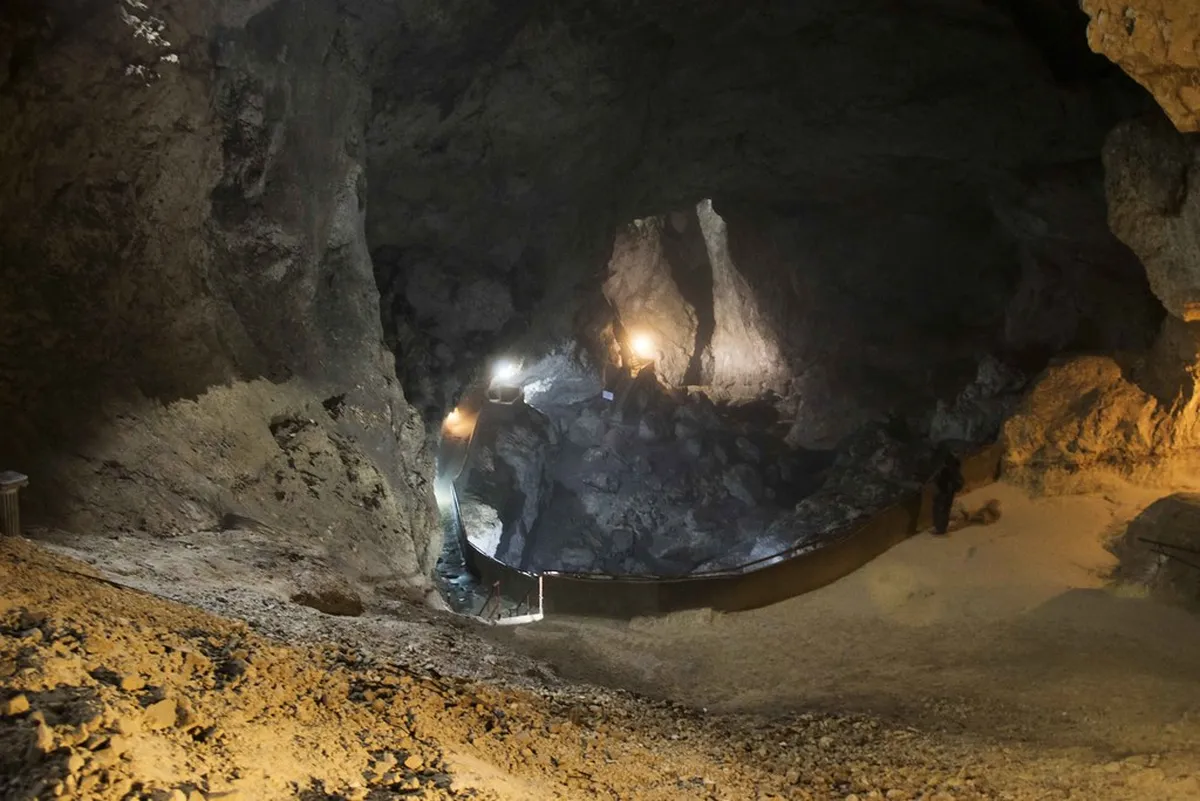
- Yagodina Cave — about 45 minutes west. Pearl-like cave formations and large tunnel chambers. A good indoor option on a rainy afternoon.
- Trigrad Gorge Visitor Guide and Devil's Throat Cave — reachable in a similar direction. A dramatic river gorge and a river-swallowing cave make this a full excursion.
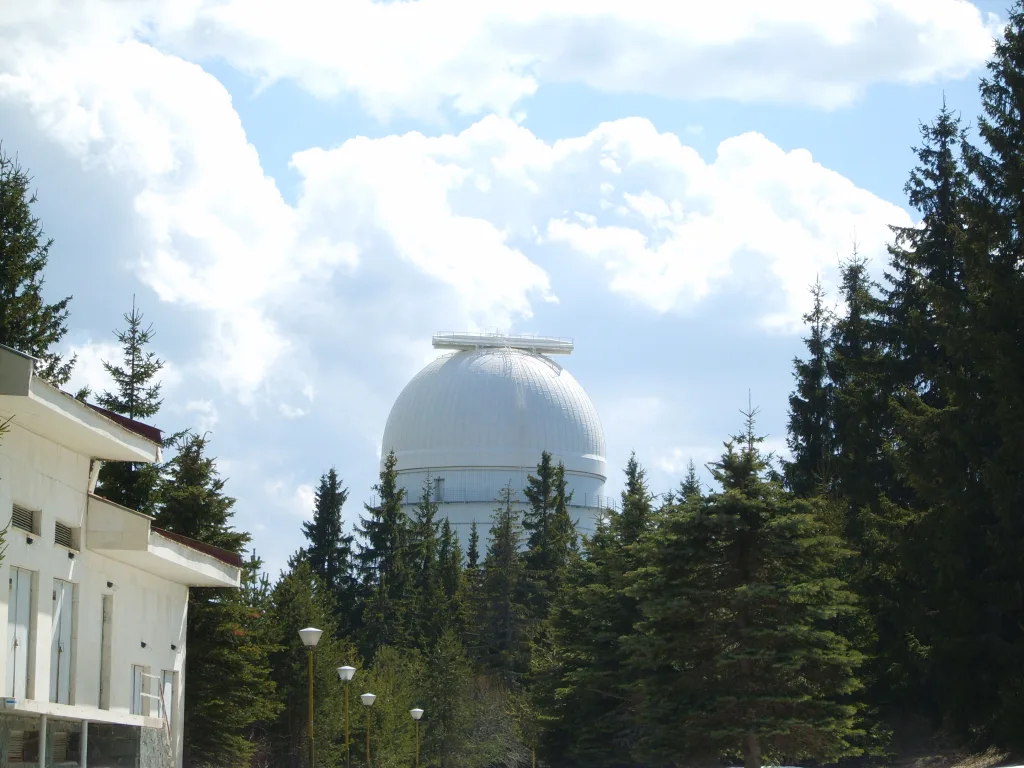
You can combine Gela and Snezhanka into a single half-day loop from the village, returning by a slightly different mountain road for varied scenery. Cave fans can point a Rhodope day loop toward Uhlovitsa Cave Guide: the Rhodopes' Underground Icefall south of Smolyan, while stargazers may prefer an evening detour to Rozhen Observatory: Visiting Bulgaria's Star Mountain — check the official site for current tour times. The Yagodina Cave Travel Guide and Trigrad Gorge are better saved for a separate half-day given the drive time in each direction.
Continue planning: Use 12 Best Things To Do In The Rhodope Mountains and 10 Best Things to Do in Pamporovo in Summer to connect this guide with the rest of your Bulgaria itinerary.
Frequently Asked Questions
What is the best time to visit Shiroka Laka for the Mummers festival?
The best time to visit is the first Sunday of March for the Pesponedelnik festival. This cultural event features traditional Kukeri dancers and unique Rhodope music. It is a loud and colorful celebration that attracts visitors from all over Bulgaria.
How far is Shiroka Laka from Pamporovo?
The village is approximately 16 kilometers away from the Pamporovo ski resort. It takes about 15 to 20 minutes to drive between the two locations. Many visitors enjoy exploring 10 Best Things to Do in Pamporovo in Summer as well for hiking and mountain biking activities.
What are the most famous houses in the Shiroka Laka architectural reserve?
The Sgurovska, Uchikovska, and Grigorovska houses are the most famous landmarks. These buildings represent the peak of Bulgarian Revival architecture with their stone foundations and wooden upper floors. You can visit some of them as museums today.
Is Shiroka Laka worth visiting on a day trip from Smolyan?
Yes, it is definitely worth visiting on a day trip from Smolyan since it is only 23 kilometers away. The drive is short and scenic, allowing you plenty of time to explore the village. You can easily see the main sights and enjoy a local lunch in one afternoon.
Shiroka Laka village remains one of the most enchanting destinations in the Rhodope Mountains. Its combination of historic architecture and deep musical traditions offers a truly authentic Bulgarian experience. Plan your visit today to walk through the living history of this beautiful mountain reserve.