Cape Kaliakra Visitor Guide: 8 Things to Know Before You Go
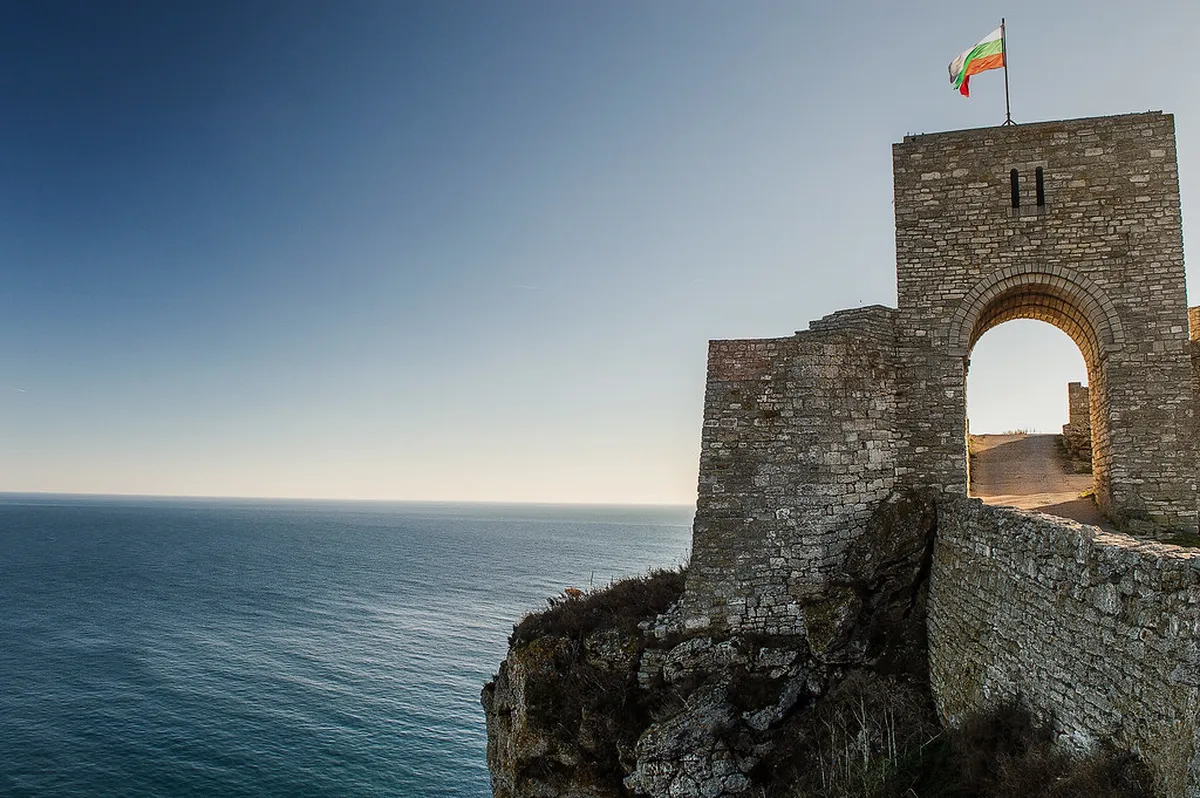
Standing atop the 70-meter cliffs provides a breathtaking view of the deep blue Black Sea waves crashing below. This historic peninsula stretches for two kilometers into the water and holds centuries of fascinating Thracian and Roman history.
The archaeological reserve sits about 80 kilometers north of Varna and remains a top destination for nature lovers. Visitors come here to explore ancient fortress walls while keeping a watchful eye out for dolphins in the surf.
This cape kaliakra visitor guide provides the essential details you need for a successful trip to this rugged Bulgarian landmark. You will discover the best times to visit, local legends, and practical travel tips for 2026.
To experience the cape's dramatic cliffs and walking paths before your visit, this guided tour showcases the area in 4K:
Why Visit Cape Kaliakra? (The #6 Ranked Spot)
Cape Kaliakra earns its reputation as one of Bulgaria's top-ranked coastal sights by combining three things few Black Sea spots offer together: dramatic geology, layered history, and near-total quiet outside July and August. The rust-red limestone cliffs drop 60 to 70 meters straight into turquoise water, a contrast photographers rarely find on the flatter, sandier resort beaches south at Golden Sands or Albena.
Local folklore adds a layer of mystery to the site through the famous legend of the forty Bulgarian maidens. These brave women reportedly tied their hair together and jumped from the cliffs to escape invading Ottoman forces, and the obelisk marking the "Gate of the 40 Maidens" near the entrance is now a required stop before the walk out.
For photography, three spots do most of the work. The obelisk and fortress gate near the entrance frame a clean sunrise silhouette; the flat rock shelf roughly two-thirds of the way out gives the widest unobstructed view of the cliff line for midday shots; and the lighthouse at the very tip is where locals shoot sunset, since the light hits the water at an angle instead of disappearing behind the headland. Plan to arrive at least 30 minutes before sunset to walk the full 2 km without rushing.
History enthusiasts will find the blend of ancient ruins and military monuments captivating throughout the reserve. Every step along the peninsula reveals another piece of the story that shaped this stretch of Dobruja, from Thracian settlers to Ottoman conquest.
Top Highlights: Fortress Ruins and Archaeological Reserve
The history of this site began with the Thracians, who named their fortified settlement Tirrisis many centuries ago. Later, the Romans and Byzantines expanded the walls to protect this vital strategic point on the Black Sea coast.
During the 14th century, the cape served as the powerful capital for the Dobrotitsa dukedom under Bulgarian rule. You can still walk through the restored medieval gates that once guarded the entrance to this thriving seaside city.
The waters surrounding the cape also witnessed the massive 1791 naval battle between Admiral Ushakov and the Ottoman Navy. Fought that July during the Russo-Turkish War, the clash saw Ushakov's fleet defeat a larger Ottoman force in an engagement that helped push the Ottomans toward the peace terms signed weeks later at Jassy, and the victory is commemorated today with a large monument near the tip of the peninsula.
Exploring the archaeological reserve allows you to see the foundations of ancient churches, Roman baths, and stone residences. Many of these structures offer a glimpse into the daily lives of the soldiers and citizens who lived here.
Natural Wonders: 70-Meter Cliffs and Marine Life
The nature reserve encompasses roughly 687.5 acres of protected steppe and coastline, home to more than 400 plant species — a striking concentration for such exposed, wind-scoured terrain. Among them are 47 endangered or protected species, including feather grass (Stipa) rippling across the open steppe and pockets of sea kale (Crambe maritima) rooted right at the cliff edge; picking any plant inside the reserve is illegal, so admire and photograph rather than collect.
Birdwatchers should bring binoculars and plan around the calendar rather than just the season. The headland sits on the Via Pontica flyway, one of Europe's busiest migration corridors, with around 310 species recorded here: March-May brings the spring raptor push, with white storks and honey buzzards riding thermals north; June-August is breeding season for resident pied wheatears and the rare saker falcon; August-October reverses the traffic with the heaviest raptor counts of the year; and even the quiet November-February window can turn up sea ducks and an occasional overwintering falcon. Aristotle's Cormorant nests directly on the cliff faces and is visible most months, not only during migration peaks.
Dolphins are the other big draw, and the cape is one of the more consistent spots on the Bulgarian coast to see them, usually from the cliff-top path rather than from a boat. Calm mornings between May and September give the best odds, since choppy water makes them harder to spot even when they are present.
Sea caves have formed at the base of the cliffs over thousands of years from the constant motion of the waves. These hidden caverns shelter marine life, add to the wild allure of the coastline, and now also house the reserve's small museum, built directly into one of the caves near the tip of the peninsula.
Best Time to Visit: Weather and Seasonal Trade-offs
Spring is arguably the best time for nature enthusiasts because the steppe flowers are in full bloom across the peninsula. The temperatures are mild, making the long walk to the tip of the cape very comfortable for most visitors.
Summer brings the warmest weather and the largest crowds to the archaeological reserve between July and August. According to climatestotravel.com, the coastal region enjoys plenty of sunshine and very little rainfall during these peak months.
Autumn offers a peaceful experience with fewer tourists and the spectacular sight of thousands of birds migrating south. September remains warm enough for coastal exploration while providing much better value for local tours and accommodation.
Winter visits can be quite dramatic as powerful winds often sweep across the exposed cliffs of the narrow peninsula. While the site remains open, travelers should dress in windproof layers and check for any temporary weather closures.
Practical Logistics: How to Get There from Varna
Most travelers reach the cape by driving 80 kilometers north from Varna along the scenic E87 coastal highway. The journey typically takes about 75 minutes and passes through several charming seaside towns and sunflower fields.
Many visitors choose to stay in nearby 4 Top Things to Do in Balchik to enjoy both the palace and the rugged cape. This base allows for a shorter 45-minute drive and more flexibility for sunrise or sunset visits to the reserve.
Organized day tours are widely available from the major resorts like Golden Sands or Albena throughout the summer season. These packages often combine a trip to the cape with a lunch stop at a local mussel farm.
Parking is available near the entrance gate for a small fee, and the site is generally accessible for most fitness levels. Be prepared for a walk of about two kilometers if you intend to reach the very end of the peninsula.
- Travel from Varna
- Time: 75-90 minutes
- Mode: Car or Tour
- Distance: 80 kilometers
- Cost: Moderate
- Travel from Balchik
- Time: 40-50 minutes
- Mode: Car or Taxi
- Distance: 35 kilometers
- Cost: Low
- Travel from Kavarna
- Time: 15-20 minutes
- Mode: Local Taxi
- Distance: 12 kilometers
- Cost: Very Low
Where to Stay: Picking the Right Area Nearby
The town of Balchik offers a wonderful blend of history and comfort for those exploring the northern Bulgarian coast. You can visit the famous Balchik Palace (palace Of Queen Marie) Visitor Guide and its beautiful gardens before heading to the cape.
Staying near the Balchik Botanical Garden (University Botanical Garden) Visitor Guide provides easy access to local restaurants and a relaxing seaside promenade. This area is perfect for families who want a mix of sightseeing and beach time during their holiday.
Kavarna is the closest major town to the cape and serves as a great base for golfers and hikers. The town is much quieter than the southern resorts and offers a more authentic Bulgarian coastal experience.
If you are looking for unique wellness options, consider the area around the Tuzlata (Balchik Mud Baths / Salt Lake) Visitor Guide nearby. These natural springs are famous for their healing properties and are located just a short drive from the main archaeological sites.
Safety Tips: Hazards, Cliffs, and Scams to Avoid
The wind can be surprisingly strong on the open peninsula, even when the weather seems calm in the nearby towns. Hold onto your hats and loose belongings firmly as you walk toward the lighthouse at the very tip.
Safety barriers are in place for a reason, as the 70-meter drops are sheer and the limestone can be crumbly. Never step over the railings to take a photo, as the edges are often unstable due to natural erosion.
Always pay your entrance fee at the official ticket booth to ensure your contribution goes toward preserving the archaeological reserve. Avoid any unofficial guides who may approach you in the parking lot offering private tours at inflated prices.
Bring a bottle of water and wear a high-SPF sunscreen because there is very little shade along the walking path. The sun reflects off the white rocks and the sea, increasing the risk of sunburn during the midday hours.
Mobility is worth planning around, too: the 2 km out-and-back path is mostly flat but surfaced in uneven limestone gravel, with no shade, benches, or handrail once you pass the fenced sections near the entrance. It is not practical for wheelchairs or strollers beyond the first few hundred meters, which already take in the fortress gate, the 40 Maidens obelisk, and the cave museum, so visitors with limited mobility can still see the highlights without attempting the full walk to the lighthouse.
Beyond the Cape: Nearby Bulgarian Beaches
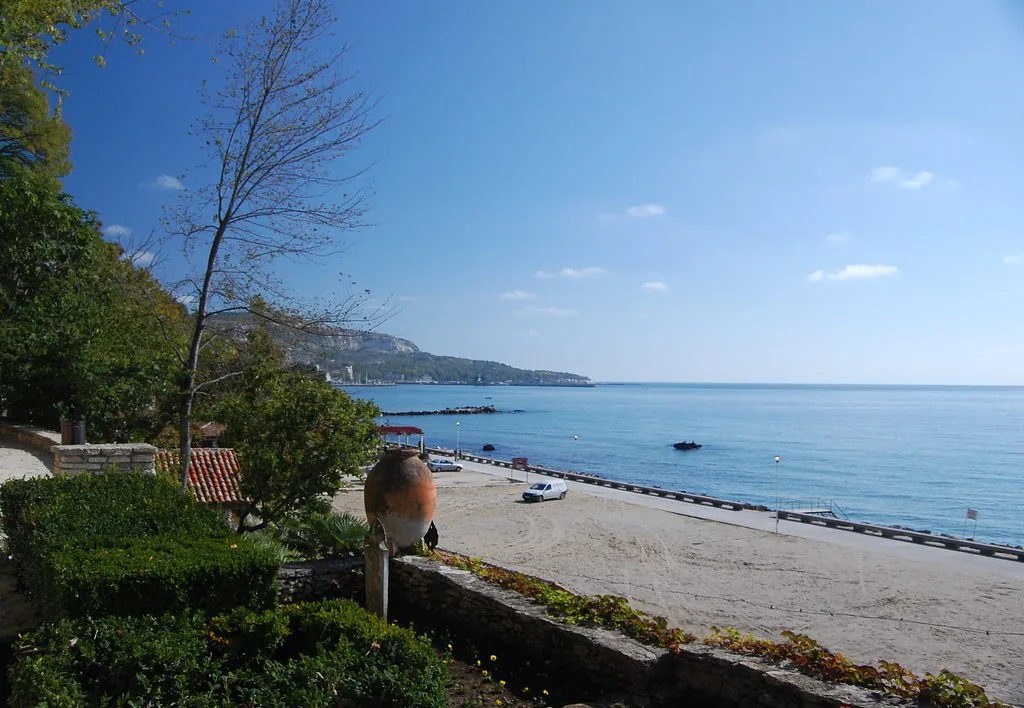
Just a few kilometers from the reserve lies Bolata Beach, which is often cited as one of the most beautiful coves in the world. This red-rock canyon opens into a perfect semicircular beach with calm, shallow waters for swimming.
Kamen Bryag is another must-visit spot for those who appreciate a more rugged and rocky coastline. It is a favorite location for rock climbers and people who enjoy wild camping under the vast Bulgarian sky.
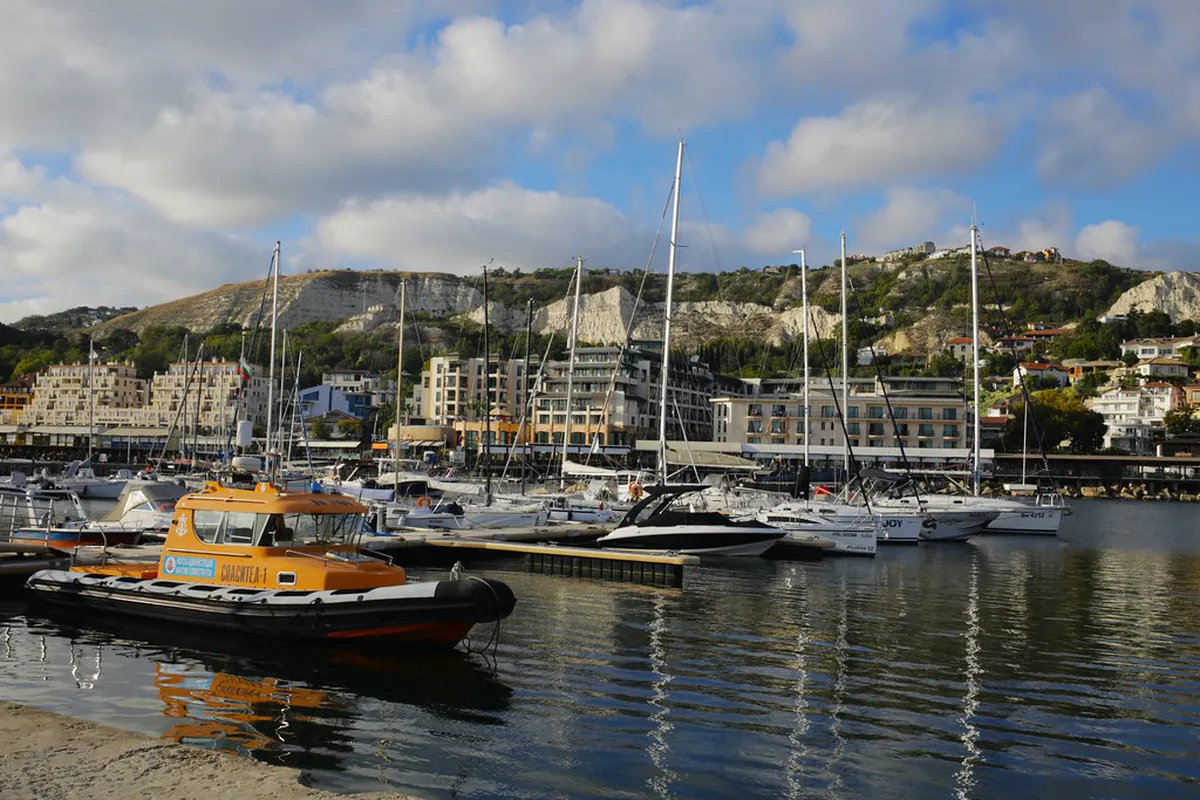
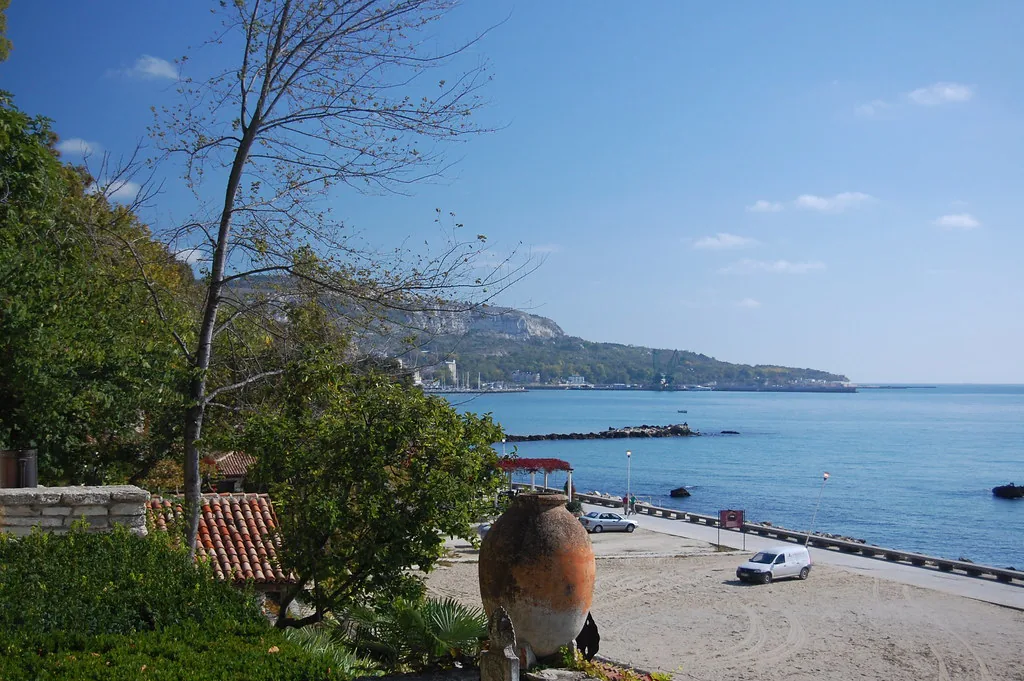
The town of 4 Top Things to Do in Balchik also features several small beaches and a lively marina area for evening walks. It provides a nice contrast to the wild cliffs of Kaliakra with its organized sunbeds and coastal cafes.
Exploring the nearby Yaylata National Archaeological Reserve offers more ruins and ancient cave dwellings to discover. This site is less crowded than Kaliakra and provides a peaceful atmosphere for a morning hike along the sea.
Continue planning: Use Balchik Attractions: 4 Top Things to Do in Balchik to connect this guide with the rest of your Bulgaria itinerary.
Frequently Asked Questions
How do I get to Cape Kaliakra from Balchik or Varna?
The cape lies roughly 30 km north of Balchik and about 60 km northeast of Varna. There is no direct public bus to the tip, so most visitors drive: from Balchik head toward Kavarna, then follow the road through Balgarevo village and continue straight to the reserve car park, from where a paved path leads out along the headland. Organized day tours from Balchik and Varna (often combined with Balchik Palace) are the easiest option without a car.
How much is the entrance fee to Cape Kaliakra?
Adult entry is a modest fee of roughly €2.50–€5 (about BGN 3–10), with reduced tickets for students, seniors and children. Bulgaria adopted the euro in January 2026, so prices are shown in euros; exact rates can change seasonally, so confirm at the on-site booth.
What are the opening hours?
Kaliakra is generally open daily from about 09:00 to 18:00, with longer hours in high summer. It is a seasonal attraction, most reliably open from roughly May through October; outside that window access and the museum may be limited.
Can you see dolphins at Cape Kaliakra?
Yes — the waters off the cape are one of the better spots on the Bulgarian coast to see dolphins, which are often spotted from the cliffs, along with cormorants and shags. Calm, clear mornings in late spring and summer give the best chance.
Is Cape Kaliakra good for birdwatching?
Very much so. The reserve sits on the Via Pontica migration flyway and records around 310 bird species, roughly 100 of which need special conservation. Breeding specialities include pied wheatears and the rare saker falcon, and spring and autumn migrations bring large numbers of raptors and other birds passing the headland.
What is the legend of the 40 maidens?
Local folklore tells of 40 Bulgarian girls, led by the beautiful Kaliakra, who tied their hair together and threw themselves from the cliffs into the sea rather than be captured by the invading Ottomans. An obelisk known as 'The Gate of the 40 Maidens' near the entrance commemorates the legend.
Is there a museum at the cape?
Yes. A small museum is set up inside one of the sea-carved caves of the headland, displaying archaeological finds from the reserve and a scale model showing how the ancient fortress once looked. It sits alongside the fortress-wall ruins near the tip of the cape.
When is the best time to visit Cape Kaliakra?
Late spring to early autumn (May–September) offers warm weather, full opening hours and the best chance of dolphins and clear sea views. Spring and autumn are ideal for birdwatchers chasing the Via Pontica migration, while midday summer visits can be hot and exposed on the treeless headland — bring water and sun protection.
Cape Kaliakra remains a jewel of the Bulgarian Black Sea coast that offers something for every type of traveler. From the ancient Thracian walls to the rare cormorants, the peninsula is a place of endless discovery.
Planning your visit with this cape kaliakra visitor guide ensures you won't miss the hidden caves or the dramatic sunset views. Whether you come for the history or the nature, the rugged beauty of the cliffs will leave a lasting impression.
Pack your camera and prepare for an adventure along one of the most spectacular coastlines in Eastern Europe. The northern coast of Bulgaria is waiting to show you its wild side and its deep historical secrets.
To verify current details, consult the Cape Kaliakra on Wikipedia, Cape Kaliakra official site and Cape Kaliakra official site.
For more Balchik planning, read our Things to Do in Balchik, Bulgaria: 2026 Travel Guide and Varna to Balchik Day Trip: Your Complete 2026 Guide guides.