Damascena Ethnographic Complex & Rose Distillery: 10-Point Visitor Guide
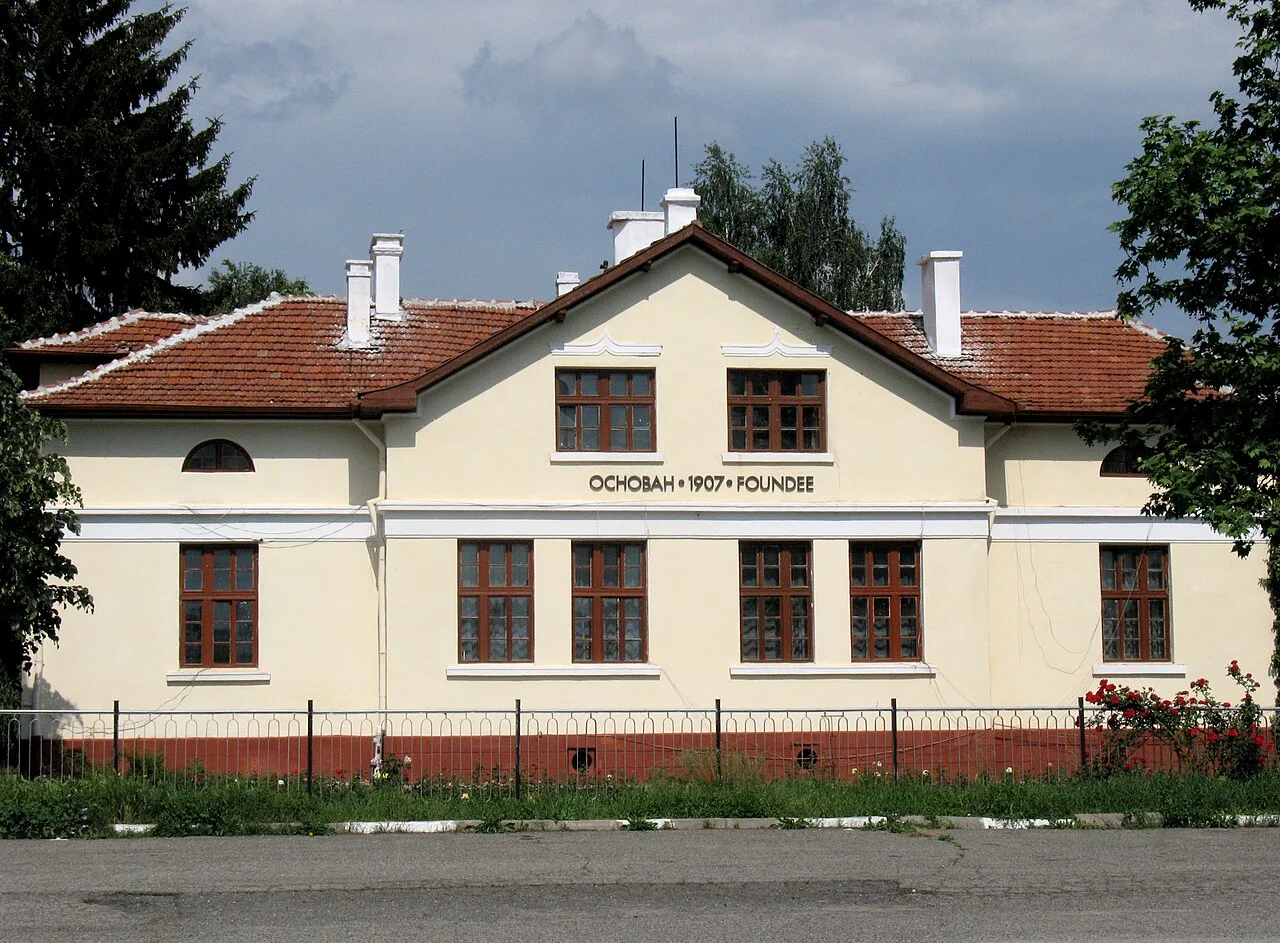
The damascena ethnographic complex & rose distillery visitor guide helps you explore the heart of Bulgaria's famous floral heritage. Located in the scenic village of Skobelevo, this site offers a unique look at the world's finest rose oil production. Visitors can witness the blend of ancient traditions and modern techniques that define the local industry. This comprehensive guide ensures you maximize your time at one of the country's most fragrant landmarks.
The complex serves as a gateway to the legendary Rose Valley (kazanlak) Visitor Guide and its rich history. You will find everything from blooming gardens to historic copper stills used for distilling precious oils. Planning a visit involves understanding the seasonal cycles that dictate the life of the village. Prepare for an immersive journey through the sights and scents of Bulgaria's liquid gold.
To see the working distillery and ethnographic museum in action, here's a tour of the complex:
Must-See Damascena Ethnographic Complex & Rose Distillery Guide
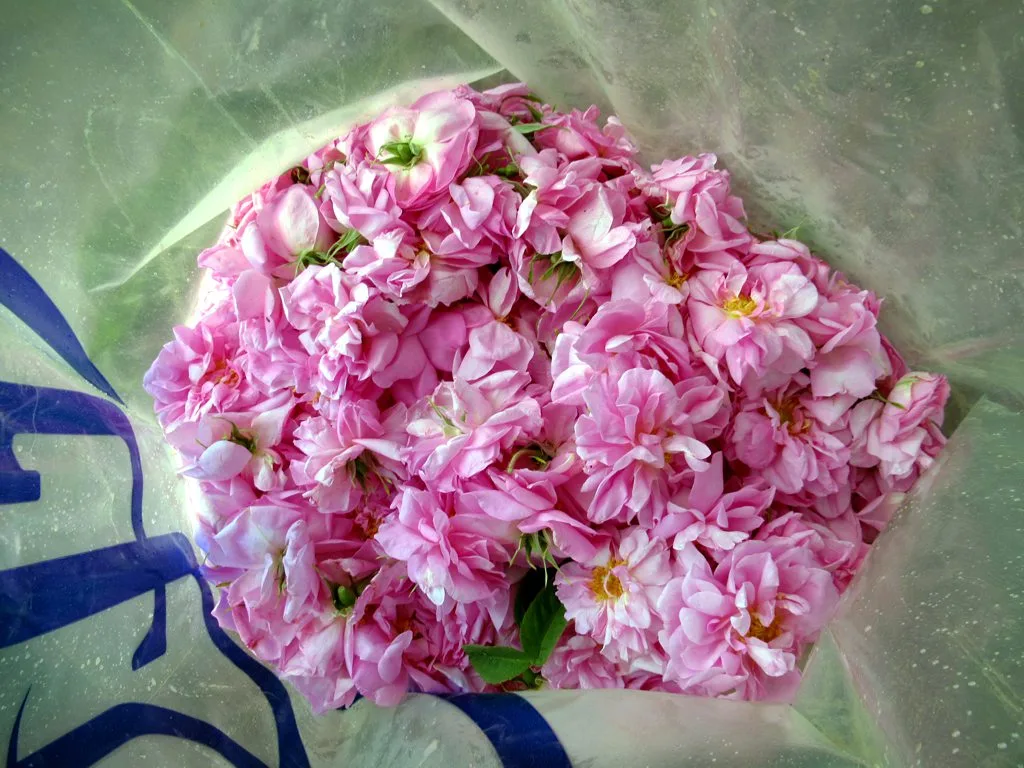
The centerpiece of any visit is the working distillery, where an old "gulapana" still stands next to modern stainless-steel equipment. A guide walks you through both setups side by side, explaining how steam distillation pulls fragrant oil out of freshly picked Rosa damascena petals. Watching the vapor rise from the copper vessels is the most memorable moment for most first-time visitors. Ask your guide how many petals go into a single batch, the answer usually surprises people who assume rose oil is cheap to make.
The adjoining ethnographic museum houses a collection of 19th- and early-20th-century household objects, from carved wooden furniture to hand-loomed textiles. Each room traces how families in Skobelevo lived and worked before the rose industry became mechanized. The displays are compact rather than sprawling, so you can take them in without rushing. Pair the museum with the distillery tour and you get a fuller picture of both the craft and the people who built it.
- The active distillery lets you watch guided demonstrations of steam distillation on the modern equipment, with the process explained in plain terms.
- The historic gulapana exhibit shows the original copper extractor used before electricity reached the valley, a good contrast piece to photograph next to the modern still.
Museums, Art, and Culture in Damascena
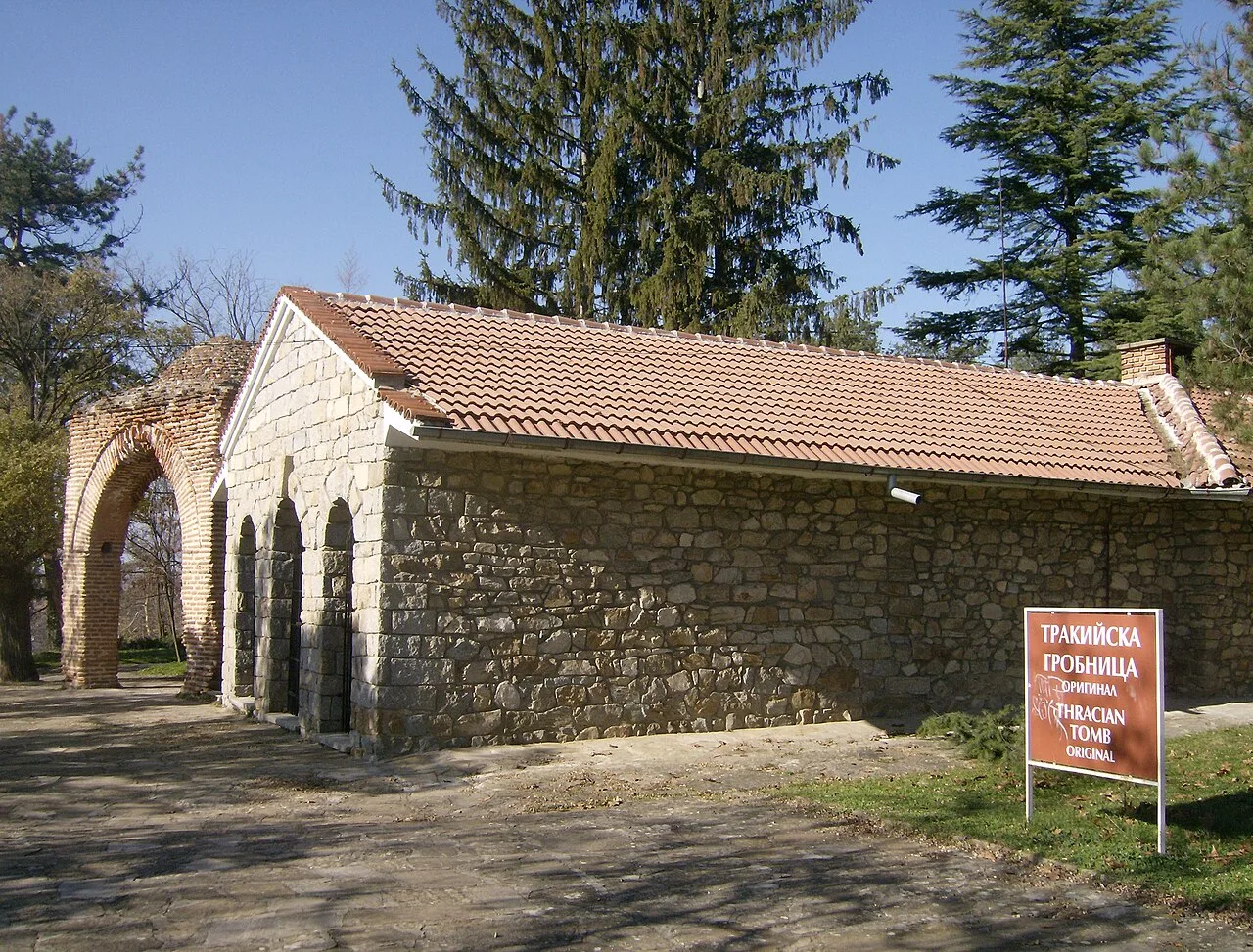
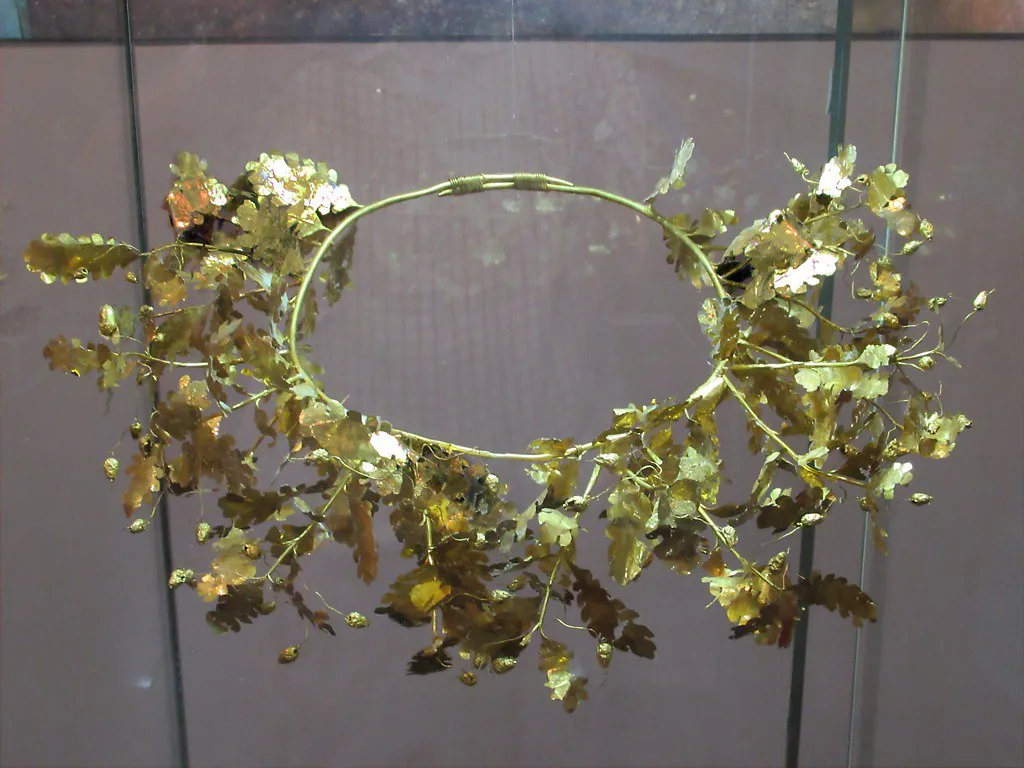
The Thracian culture center on site displays fragments modeled on Thracian sanctuaries and burial mounds, tying the rose valley's agricultural fame to the much older civilization that first settled here. Wall paintings and statues around the grounds depict scenes from regional mythology and daily Thracian life. It is a small but well-placed addition that gives the complex historical depth beyond rose oil alone. Guides typically weave a few minutes of Thracian background into the main distillery tour rather than treating it as a separate stop.
Traditional wood carving and Bulgarian Revival-style architecture appear throughout the main buildings, reinforcing the sense that this is a living craft site rather than a static museum. For a second dose of rose-industry history in the same trip, the Kazanlak Rose Museum (Museum of Roses) Visitor Guide covers the municipal side of the story, export records, antique perfume bottles, and the town's official rose-growing archive, as a contrast to Damascena's working, hands-on distillery. Visiting both in one day gives you the institutional history and the operational craft in a single itinerary.
Parks, Gardens, and Outdoor Spots in Damascena
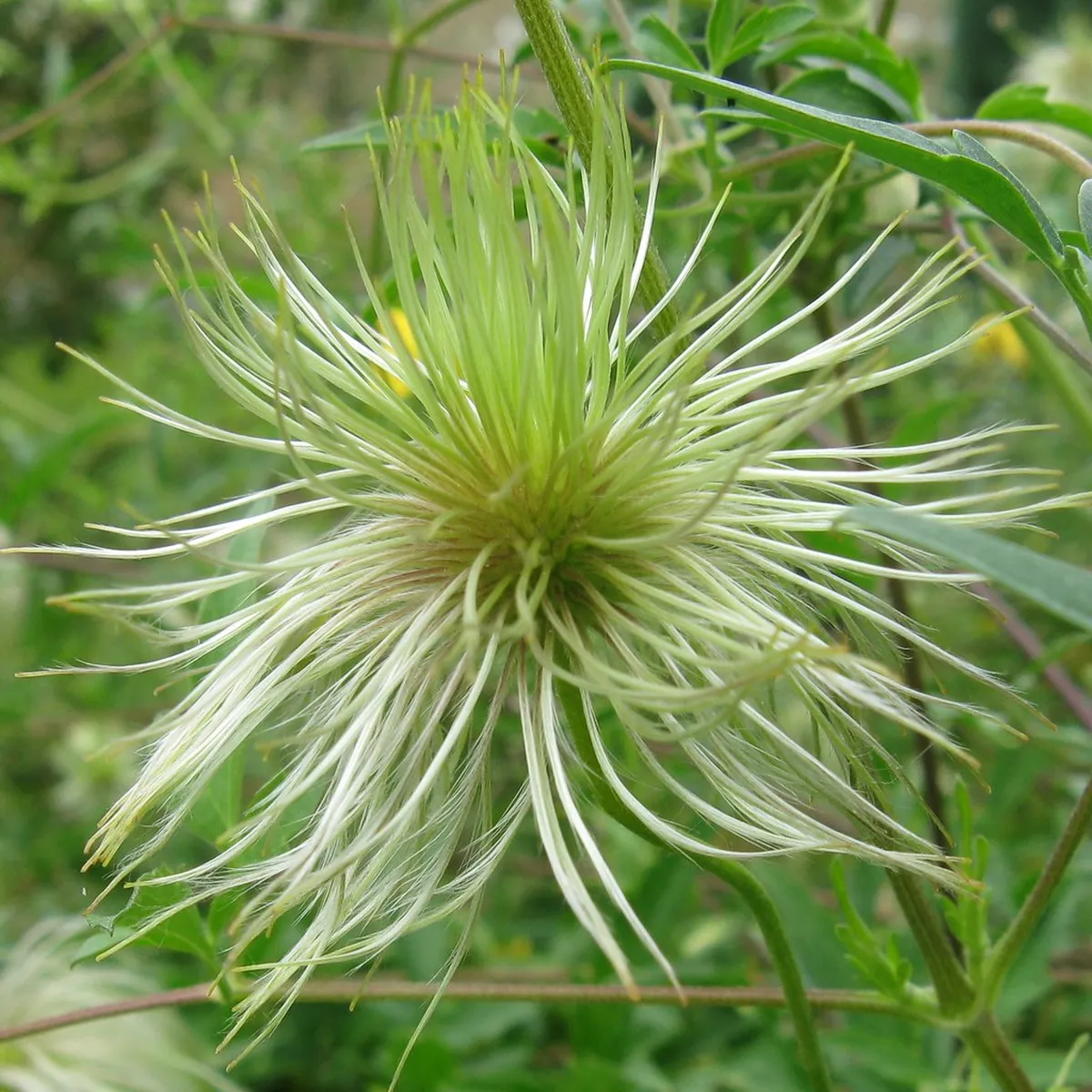
Damascena's gardens hold more than 150 rose and lavender varieties, arranged around water features and a small lake with resident swans. Late May through mid-June is peak bloom, when the paths are thickest with scent and color, but the layout is designed to look decent outside that window too. Photographers get the most dramatic light in the early morning, before the tour buses arrive.
Past the formal gardens, a bio park keeps a small population of wild animals in a semi-natural enclosure, which is a popular stop for children after the more educational indoor exhibits. The grounds are large enough that a slow lap of the gardens alone can take 20 to 30 minutes. Combine that with the on-site restaurant and outdoor pool and it is easy to turn a distillery visit into a half-day outing rather than a quick stop.
Family-Friendly and Budget-Friendly Options in Damascena
Families do well here: the grounds are open and shaded, interactive parts of the distillery tour keep kids engaged, and the bio park gives younger visitors a break from listening to history. In summer, the restaurant's outdoor pool is worth packing swimsuits for, since a stop for lunch by the water can stretch a short visit into a relaxed afternoon. Strollers move fine on the main paths, though a few sections of the historic gulapana exhibit and garden edges use gravel and uneven stone, so visitors using wheelchairs or with limited mobility should ask staff at the entrance which route avoids those spots; most of the core distillery and museum floor is level and accessible.
On cost, the site is one of the better values in the Rose Valley for what it includes: garden access, the museum, and the guided distillery tour are all bundled into the single entrance fee, with discounts for students, children, and seniors. The gift shop sells rose and lavender cosmetics at a range of price points, so it is easy to browse without feeling pressured to buy the premium bottles. Bringing your own picnic is allowed in the outdoor areas if you would rather skip the restaurant altogether.
How to Plan a Smooth Damascena Attractions Day
Budget roughly 90 minutes for the distillery, museum, and gardens, and closer to two hours if you add lunch or a swim. The complex is open for guided visits year-round with a guide on site, though outside the main season it is worth arranging your visit in advance rather than showing up unannounced. Check the official site before you travel, since hours can shift slightly by season. Arriving soon after opening at 09:00 is the best way to beat the mid-morning tour-bus rush.
The most common first-timer mistake is assuming you can watch live rose distillation any day of the year. Fresh-petal distillation only runs during the short harvest window, roughly mid-May to mid-June; visit outside that period and you will still see both sets of equipment and get the full explanation, just without the steam and fresh petals. If harvest timing matters to your trip, build your Rose Valley days around late May or early June rather than treating Damascena as a quick detour on a winter itinerary.
Key Success Factors and Challenges
Founded in 1991, Damascena was the first privately owned rose oil distillery in post-communist Bulgaria, built from a single family operation into one of the Rose Valley's best-known tourist stops. In 2020 it was recognized as a major contributor to the Destination Bulgaria brand and received a Site of the Year award for its work in cultural tourism and rose-oil production leadership. That recognition still shapes how the complex markets itself today.
The business has faced real setbacks too: the 2020-2021 COVID-19 period forced extended closures and cancelled folklore programs, cutting into a business model that already depends on a narrow harvest window. The core challenge has not gone away, roses bloom for a few weeks a year, and the complex has to stay commercially viable for the other ten months on museum visits, dining, and off-season group bookings rather than live distillation.
Closest Attractions in the Rose Valley
Skobelevo sits almost exactly between Kazanlak Attractions and Pavel Banya, so Damascena slots easily into a day trip either direction. Pavel Banya is worth the extra few minutes for its mineral-water spas if you want to end the day soaking rather than sightseeing. Kazanlak itself holds the region's main museums within easy walking distance of the center.
For a bigger day out, drive up to the Buzludzha Monument Visitor Guide for the Balkan mountain views, or stop at the Shipka Pass to cover the 1877 battle history on the same route. Most of these stops are within a 30-45 minute drive of Damascena, which makes a rose-valley-plus-mountains loop realistic in a single day if you start early.
Financial Situation: Entrance Fees and Discounts
Adult admission is about 6 EUR (12 BGN) for a guided visit that covers the gardens, museum, and distillery viewing areas. Bulgaria adopted the euro in January 2026, so any leva prices you see quoted convert at the fixed rate of 1.95583 BGN to 1 EUR, useful to know if a price list at the entrance still shows BGN. It is a reasonable rate for roughly 90 minutes of guided content plus the grounds.
Students, children, and seniors typically pay around half the adult rate with valid ID, and groups can arrange discounted rates in advance. Both cash and card are accepted at the ticket booth. Hold onto your ticket, since it can double as entry for the restaurant and pool area depending on the season.
Essential Terminology: Understanding the Rose Industry
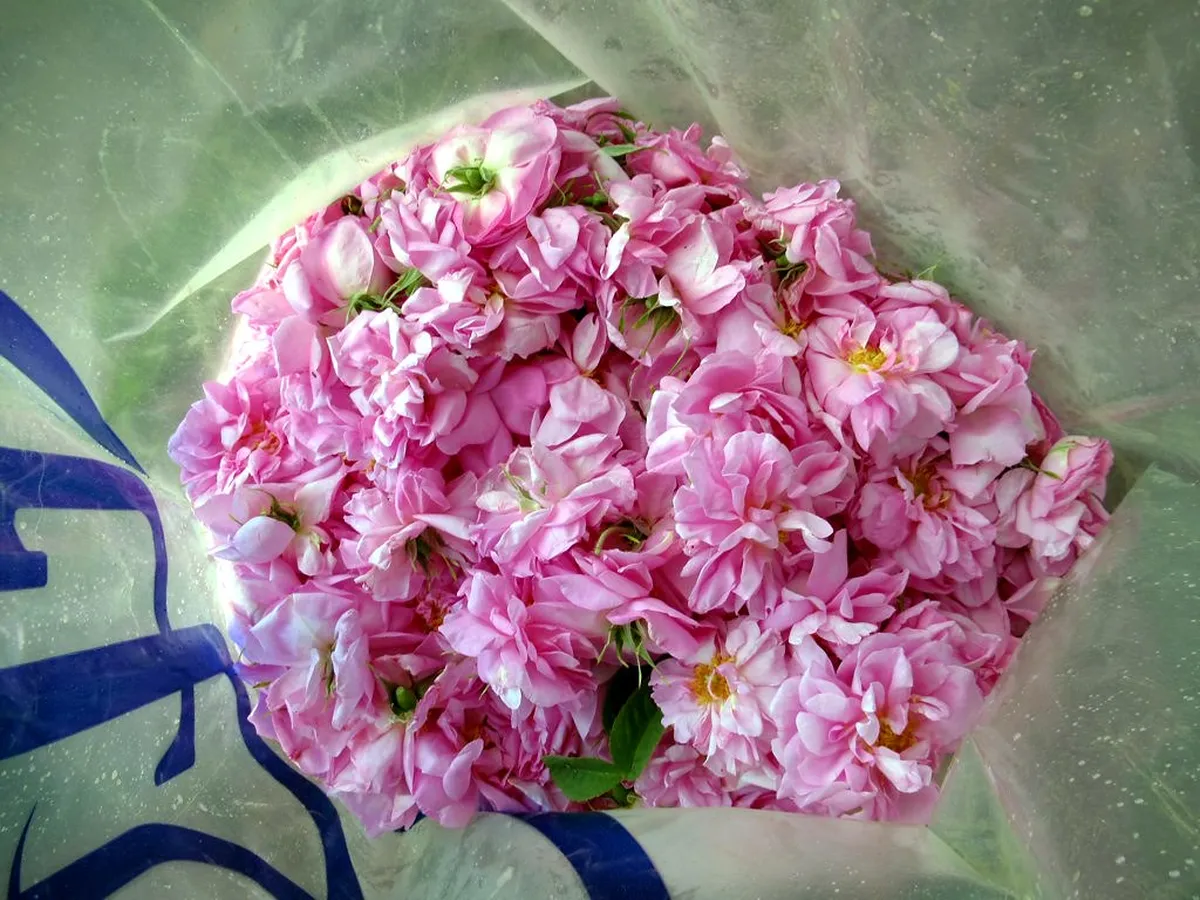
Gulpana refers to the traditional copper extractor Bulgarian distillers used before industrial equipment arrived, and you will see one preserved on site next to its modern replacement. Liquid gold is the local nickname for Bulgarian rose oil, and it is not just marketing: it typically takes somewhere around 3,000 to 4,000 kilograms of fresh rose petals to yield a single kilogram of oil, and that oil trades internationally for thousands of euros per kilogram as a base ingredient for high-end perfume. That math is worth knowing before you price the small bottles in the gift shop, a few milliliters of the real thing is genuinely expensive to produce.
The Pink Campaign is the local name for the harvest period in May and June, when the whole valley shifts its attention to picking petals at dawn before the heat burns off their oil content. You will hear both terms constantly on the guided tour, along with references to the Thracian sanctuaries and the "Destination Bulgaria" branding the complex has used since its 2020 award.
Marketing Approach and Cultural Recognition
Damascena leans hard on the Pink Campaign to draw visitors during its two-week peak, timed alongside the wider Kazanlak Rose Festival, which peaks on the first weekend of June (5-7 June in 2026). Folklore programs featuring traditional dance, song, and rose-product tastings run through the harvest window, giving the complex a festival atmosphere that outlasts a typical guided tour.
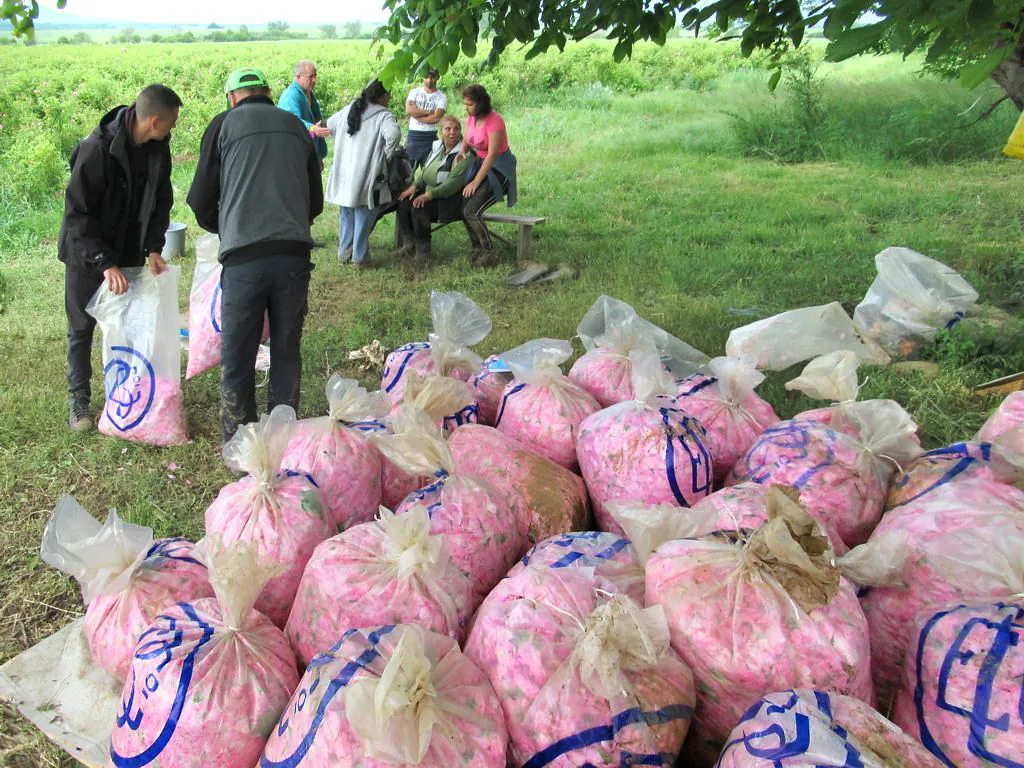
Outside the harvest weeks, the complex relies on partnerships with tour operators and its Destination Bulgaria branding to keep visitor numbers steady through the rest of the year. Ongoing investment in the grounds, restaurant, and pool area is part of that strategy, aimed at making Damascena a worthwhile stop even when the roses are not in bloom.
Continue planning: Use Kazanlak Attractions: Rose Valley, Thracian Tombs & Shipka to connect this guide with the rest of your Bulgaria itinerary.
Frequently Asked Questions
What can you see and do at the Damascena Ethnographic Complex?
The working complex combines a rose- and lavender-oil distillery with an open-air ethnographic museum. Visitors can watch a demonstration of traditional steam distillation, see the old 'gulapana' still and a modern distillery, walk the rose and lavender gardens with water features and swan lake, browse a collection of 19th- and early-20th-century household objects, buy rose and lavender cosmetics in the shop, and eat at the on-site restaurant and bar with its garden and outdoor pool.
How much is entry to Damascena?
Adult admission is about 6 EUR (12 BGN) and includes a guided visit, with roughly half-price reductions for students, children, and seniors. Bulgaria adopted the euro in January 2026, so leva prices convert at the fixed rate of 1.95583 BGN to 1 EUR.
What are the opening hours?
Damascena is open for paid, guided visits year-round, with a guide on site; outside the main season it is best to arrange your visit in advance. The restaurant and grounds are also open to visitors.
When is the best time to visit for the rose harvest?
The Rosa damascena harvest runs from roughly mid/late May to mid-June, when live distillation demonstrations are at their most atmospheric and the fields are in bloom. Roses are picked at dawn, usually between about 5 and 10 a.m., while the petals still hold their oil, and the Kazanlak Rose Festival peaks on the first weekend of June (5-7 June in 2026).
How do I get to Damascena from Kazanlak?
The complex is in Skobelevo village, in the municipality of Pavel Banya, about 4 km off the Sofia-Burgas main road and roughly midway between Kazanlak and Pavel Banya. By car or taxi it is about a 15-20 minute drive from Kazanlak, with a taxi costing on the order of 15-25 BGN; the route is signposted along rural roads.
Can you watch actual distillation outside the harvest season?
Live distillation of fresh roses only happens during the short May-June harvest window. Outside that season you can still tour the old and modern distillery equipment, the ethnographic collection, and the gardens, and staff explain the rose-oil production process.
How long should I plan for a visit?
Most visitors spend about one to one and a half hours touring the distillery, museum, and gardens, and longer if you stop for a meal at the restaurant or a swim at the pool.
The Damascena Ethnographic Complex offers a mix of history, culture, and natural beauty. Whether you are interested in the science of distillation or the art of Thracian culture, there is options for different travel styles. Visiting during the Pink Campaign provides an unforgettable sensory experience in central the Rose Valley. Make sure to include this award-winning site on your next trip through central Bulgaria.
For more Kazanlak planning, read our 7 Best Things to Do in Kazanlak (2026), 2-Day Kazanlak Itinerary: Tombs, Roses & Shipka, and Thracian Tomb Of Kazanlak Travel Guide guides.
For the latest official information, see the Damascena Ethnographic Complex & Rose Distillery official site and Damascena Ethnographic Complex & Rose Distillery official site.