Kulata Ethnographic Complex Visitor Guide
The Kulata Ethnographic Complex stands as a living window into the rich heritage of the Rose Valley. Located in the oldest neighborhood of Kazanlak Attractions, this site preserves the soul of 19th-century Bulgaria. Visitors can step back in time to explore how both town merchants and village farmers lived and worked.
This complex serves as a vital branch of the Iskra Historical Museum, protecting local traditions for future generations. You will find beautiful architecture, fragrant gardens, and authentic artisan workshops scattered across the grounds. This guide provides everything you need to plan a memorable trip to this cultural gem.
This video report captures the layout and key exhibits of the complex:
What is the Kulata Ethnographic Complex?
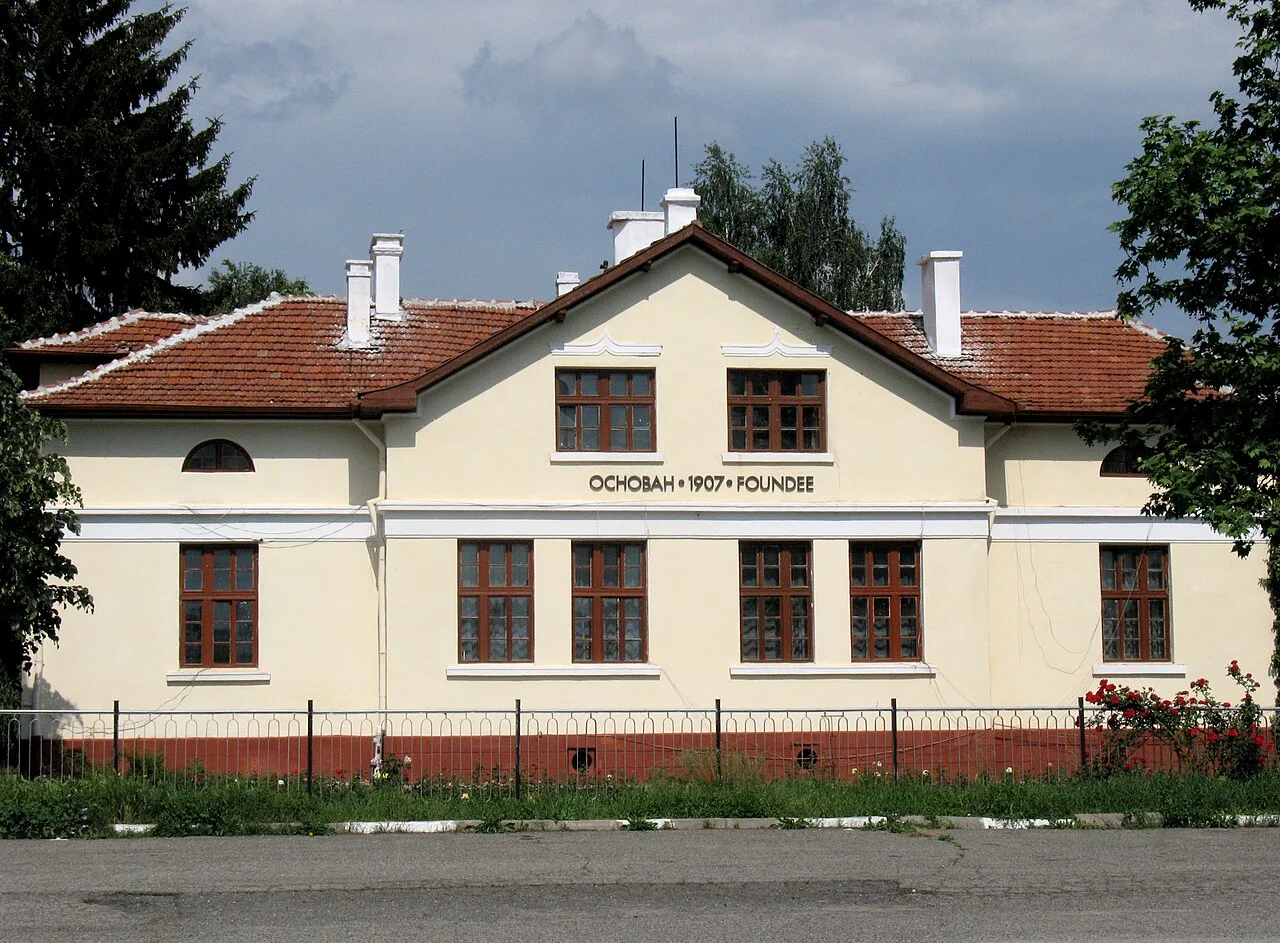
The complex is a pair of restored National Revival houses that together represent daily life in Kazanlak during the 1800s, at the heart of the wider Rose Valley (kazanlak) Visitor Guide. It has operated since 1976 as a branch of the Iskra Historical Museum, the city's main history and archaeology institution. Walking through the gate on Nikola Petkov Street takes you straight from a modern residential block into a 19th-century courtyard.
The site is split into two contrasting exhibits sharing one yard. One house belonged to a wealthy town merchant and shows the polished, outward-facing side of the rose trade. The other is a modest single-storey dwelling that shows how rural rose-growing families actually lived and worked.
Because Kulata is a branch of the Iskra Historical Museum rather than a standalone attraction, admission, hours, and closures are set centrally by the museum, and a phone call ahead reaches the Iskra office, not a separate desk at the gate.
The History of the Hadzhienov House (Town Lifestyle)
The town house is named for its original owner, Ivan Hadzhienov, a 19th-century Kazanlak merchant and civic benefactor who grew wealthy through the rose oil trade. He commissioned master-builders from Tryavna, a town famous across Bulgaria for its woodcarving and construction guilds, to design a home that would announce his standing among the valley's rose barons.
Their work survives in details rarely preserved elsewhere: columned arches across the façade, densely carved wooden ceilings in the reception rooms, and the original balcony railings. The floor plan is symmetrical and generously proportioned, built for entertaining trade partners and local officials rather than for daily chores. You can learn more about the house's origins through Rose Travel - Ethnographic Complex Kulata for deeper historical context.
Inside, the furnishings reconstruct a household straddling two worlds: Ottoman-era textiles and low cushioned seating sit alongside imported European clocks and glassware bought with rose-oil profits.
Exploring the Village Lifestyle House and Gardens
Step through the connecting gate and the mood changes completely. The village house is a single-storey, stone-and-timber dwelling built for work rather than display. Storage rooms for tools, grain, and rose-oil equipment take priority over reception space, and the low ceilings and thick walls reflect a very different budget than the Hadzhienov house next door.
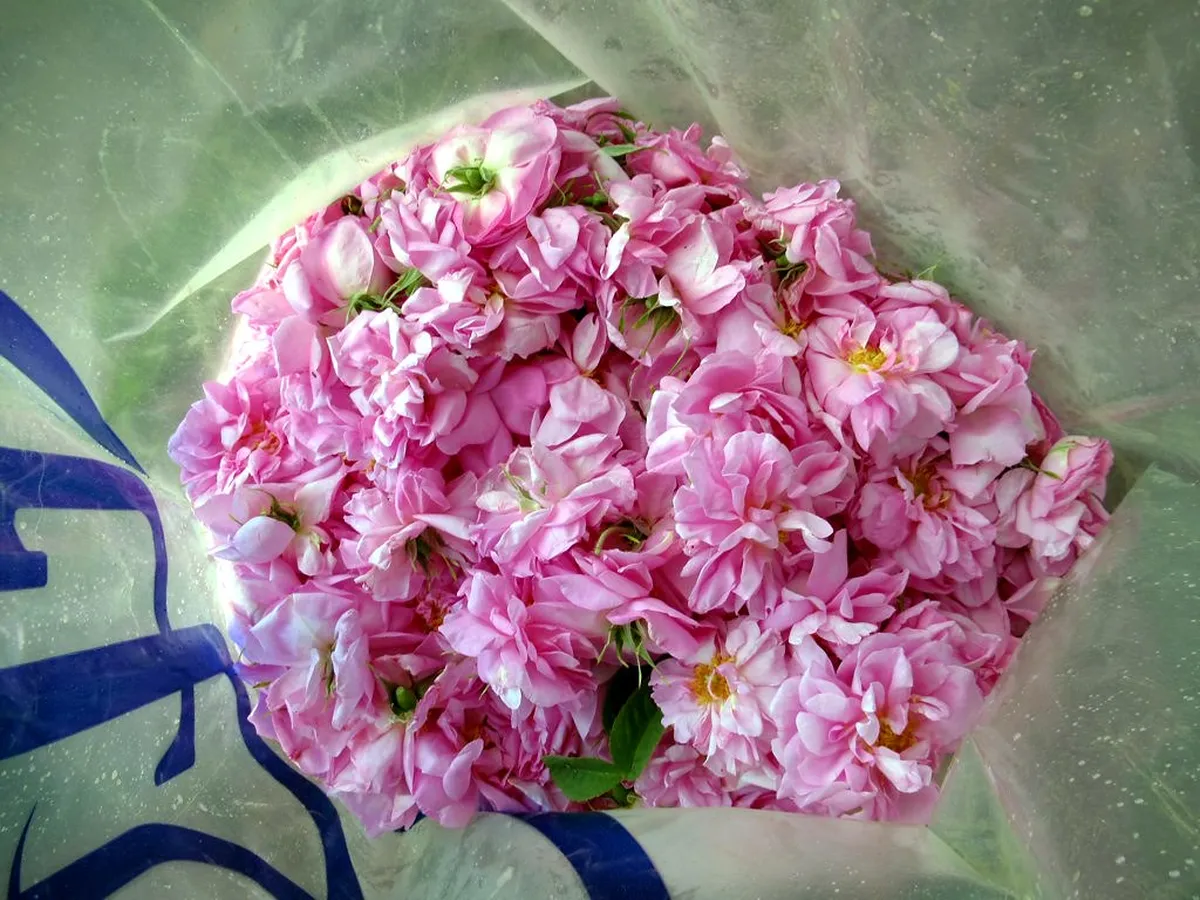
The centerpiece of the yard is the gulpana, a stone-walled rose garden that gave even modest rose-growing families a sheltered plot close to home. Unlike the open fields farmed on shared village land, a gulpana was a private, walled enclosure no bigger than a large room, where a household grew a small stock of Rosa damascena for its own still and for extra income between harvests, the walls trapping warmth for an earlier bloom.
Easy to miss is the equipment set up for producing sharlan, or walnut oil, standing in the same yard as the rose-boiling installations. Walnut oil was a genuine parallel economy in 19th-century Kazanlak, used for cooking and lighting and traded in years when the rose harvest ran short, and it goes unmentioned in most general guides to the complex. The wooden presses and grinding stones on display are worth a slow look precisely because they tell a story most visitors never hear: this valley's wealth was never a one-crop economy.
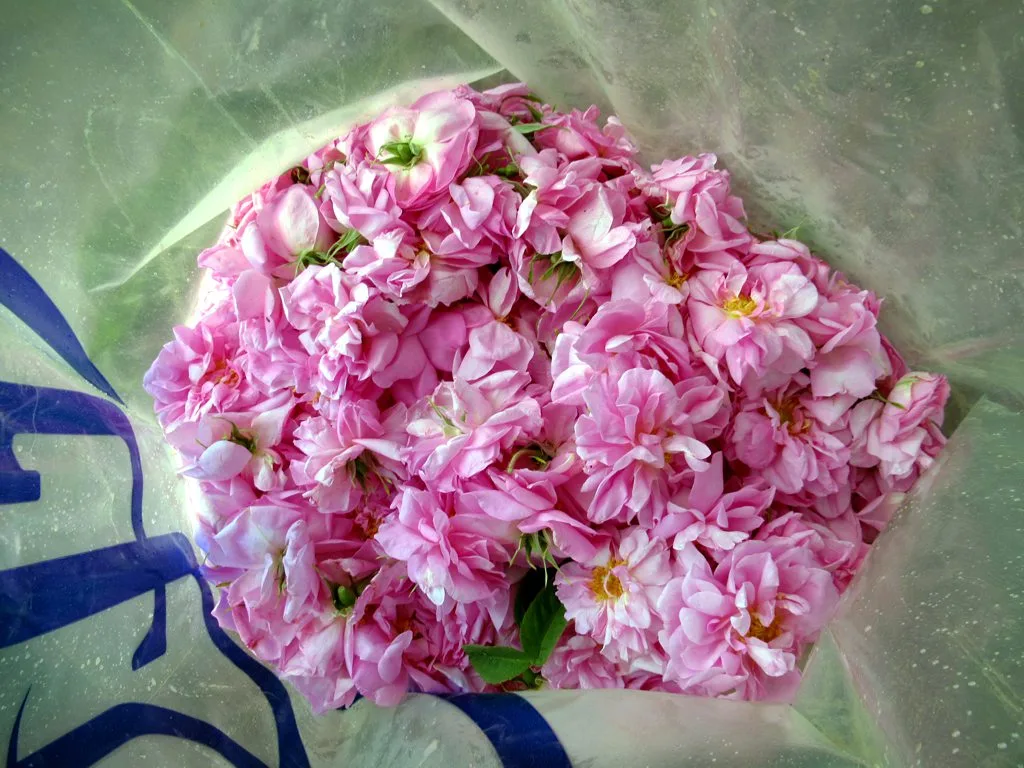
Fragrant Rosa damascena still grows around both houses, and the rose-distillery presentation re-enacts the picking and boiling process on a small still similar to those once found in every grower's yard.
Town House vs. Village House: A Quick Comparison
The two houses are deliberately paired so a single visit covers the full range of 19th-century Rose Valley life. Here is how they differ at a glance:
- Town House (Hadzhienov)
- Owner: merchant and benefactor Ivan Hadzhienov
- Built by: master-builders brought in from Tryavna
- Standout features: columned arches, carved wooden ceilings, original balcony railings
- Purpose: hosting trade partners and displaying merchant status
- Village House
- Owner: a working rose-growing family
- Built for: farm labor and rose-oil production
- Standout features: the gulpana walled rose garden, rose-boiling and sharlan (walnut-oil) equipment
- Purpose: daily agricultural work and household economy
Most visitors spend roughly equal time in each, since the contrast between polished merchant living and working farm life is the whole point of the complex. Photography is generally allowed in both for a small fee.
Traditional Bulgarian Crafts: Luthiers and Coppersmiths
Kulata is not just a museum of buildings but a working hub for living traditions. Artisan workshops operate within the grounds, keeping older Bulgarian crafts alive rather than displaying them behind glass. On a good day you can watch a master at work rather than just read a placard about one.
The luthier's workshop is particularly notable for producing string instruments such as violins and mandolins; Kazanlak has a long-standing reputation as a center for musical instrument making in Bulgaria. The smell of aged wood and varnish fills the small, quiet workspace.
The coppersmith's workshop shows the skill required to hammer out vessels and plates by hand. These copper items were essential in every 19th-century Bulgarian household for cooking and for storing rose oil during processing, so the craft and the rose economy were never really separate trades.
The Rose Experience: Liqueur and Jam Tastings
No visit is complete without sampling the edible side of the Rose Valley. The courtyard hosts tastings of rose liqueur, essential oils, and sweet rose jam, made using recipes that highlight the flower's delicate flavor rather than mask it.
The rose liqueur has a floral aroma and a smooth, sweet finish; guides can explain how the petals are picked at dawn to preserve their essential oils before the heat of the day dissipates them. For a structured version of this experience, a Pelago self-guided tour for Kulata bundles the site visit with the liqueur and rose jam tasting.
The tasting add-on costs roughly 1.53 EUR (3 BGN) on top of the entry ticket, and the jam itself pairs well with traditional Bulgarian yogurt. Many visitors follow their tasting with a stop at the Kazanlak Rose Museum (Museum of Roses) Visitor Guide for the more technical side of rose-oil distillation.
Essential Visitor Information: Location and Tickets
Kulata sits in the oldest neighborhood of Kazanlak, near Tyulbeto Park, and keeps museum hours rather than a separate schedule: in winter it is generally by prior arrangement, so a call to the Iskra Historical Museum office beats showing up on spec.
Tickets are issued through the Iskra Historical Museum rather than a separate operator, so the same ticket often opens more than one Iskra-run site the same day. Since Bulgaria's euro adoption in January 2026, prices convert at the fixed rate of 1.95583 BGN to 1 EUR; treat the euro figure as approximate.
Late May through early June, when the surrounding fields and the Kazanlak Rose Festival are both at their peak, is the liveliest but also the busiest time to visit. Off-peak months trade the festival atmosphere for a quiet courtyard with no queue at all.
- Know before you go
- Address: 18 Nikola Petkov Street, Kazanlak, about 1 km from the town centre
- Hours: daily 09:00-17:30 from 13 April; winter is by prior arrangement
- Adult ticket: about 2.56 EUR (5 BGN); students about 0.51 EUR (1 BGN)
- Tasting add-on: about 1.53 EUR (3 BGN) for liqueur, oil, and culinary samples
- Tickets: issued through the Iskra Historical Museum, not a separate booth
- Duration: 45 minutes to an hour, longer with the tasting
- Accessibility: cobbled courtyard and stepped thresholds into both houses make full wheelchair access difficult; ask staff about the easiest route between buildings
How to Get to the Complex in Kazanlak
The complex is an easy 10-15 minute walk from the main square of Kazanlak, roughly 1 km via Nikola Petkov Street near Tyulbeto Park. Brown tourist signs mark the route from the major intersections along the way.
Drivers will find limited street parking near the entrance rather than a dedicated lot, so arriving on foot or by taxi is usually simpler. Taxis are inexpensive from the train or bus station, and the short ride removes any guesswork about which side street to take.
The walk itself is part of the experience: the surrounding streets are lined with older houses that echo the museum's own architecture, so you get a preview of the National Revival period before you even reach the gate.
Kulata vs. Etar: Which Ethnographic Museum to Visit?
Search results for ethnographic museums in Bulgaria often mix up two different sites: Kulata is in Kazanlak, in the Rose Valley; Etar is near Gabrovo, about an hour's drive away on the other side of the Balkan range.
- Kulata (Kazanlak)
- Two houses, roughly 45-60 minutes to visit
- Focus: rose economy, merchant vs. rural family life
- Best paired with the Rose Museum and the Thracian Tomb
- Etar (near Gabrovo)
- Around 50 buildings across roughly 7 hectares, a half-day visit
- Focus: water-powered workshops and a full working artisan street
- Best paired with a Gabrovo/Balkan mountains itinerary
If you are based in the Rose Valley, Kulata is the practical choice. If your route runs through Gabrovo instead, Etar is worth the half-day it demands; see the Live the World guide to Etar for that side of the comparison. Fitting both into one day is possible but tight, since they sit on opposite sides of the Shipka Pass.
Nearby Attractions in the Valley of the Thracian Kings
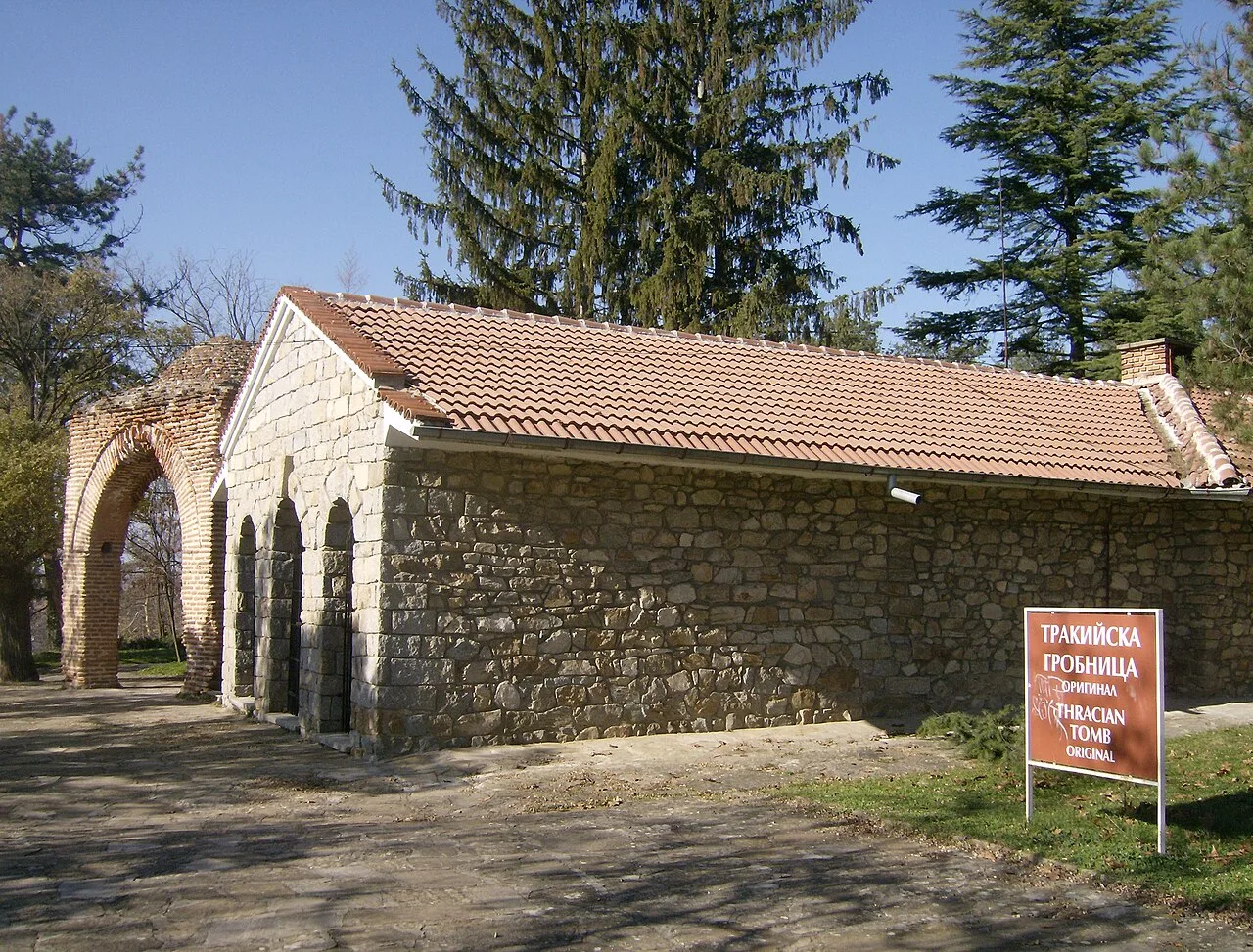
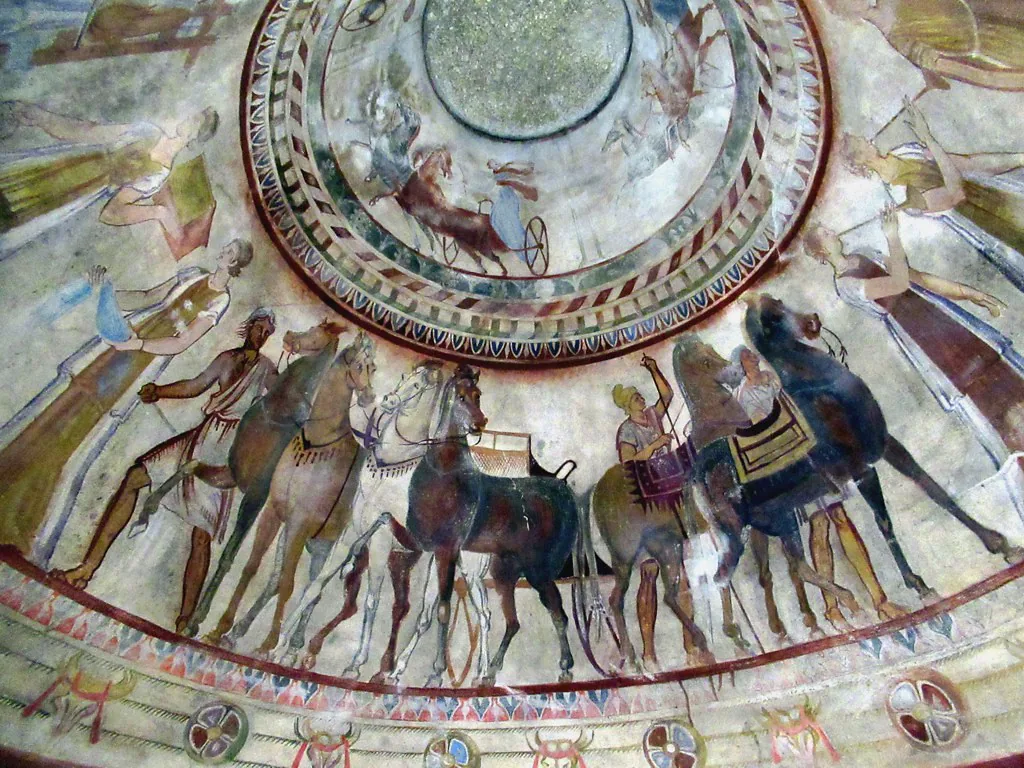
Kazanlak is famous for more than roses and 19th-century architecture. The city sits at the heart of the Valley of the Thracian Kings, where more than a dozen burial mounds have been excavated. The Thracian Tomb of Kazanlak Visitor Guide, a UNESCO World Heritage site, is a short trip from the complex.
History enthusiasts should also plan a visit to the Shipka Memorial Church (nativity Memorial Temple) Visitor Guide in the mountains above town. Its golden domes are visible from the valley floor, and the climb up offers panoramic views over the whole Kazanlak basin.
For a completely different era, the Buzludzha Monument Visitor Guide is a short drive away. This saucer-shaped structure is one of Bulgaria's best-known examples of socialist-era architecture. Combining any of these with a Kulata visit makes for a full day that spans Thracian antiquity, National Revival craft, and 20th-century politics in one valley.
Continue planning: Use Kazanlak Attractions: Rose Valley, Thracian Tombs & Shipka to connect this guide with the rest of your Bulgaria itinerary.
Frequently Asked Questions
What is the Kulata Ethnographic Complex?
Kulata is a restored complex of two National Revival houses in Kazanlak, founded in 1976 as a branch of the Iskra Historical Museum. The 'town' house belonged to the 19th-century merchant and benefactor Ivan Hadzhienov and was built by master-builders from Tryavna, with columned arches, wood-carved ceilings, and period furnishings; an adjoining single-storey village house shows late-18th to early-19th-century sub-Balkan rural life. Together they portray the everyday life of rose-growing families in the Valley of the Roses.
What demonstrations and tastings are offered?
Visitors can watch a primitive rose-distillery presentation that re-enacts the rose-picking and oil-making tradition, taste essential oils, and sample culinary products made from oil-bearing roses. The complex also displays equipment for extracting sharlan (walnut oil), an important 19th-century Kazanlak industry, alongside farm implements and carts in the yard.
How much does it cost to visit?
Adult entry is about 2.56 EUR (5 BGN) and students pay about 0.51 EUR (1 BGN), with an optional rose-liqueur, essential-oil, and culinary tasting for roughly 1.53 EUR (3 BGN) extra. Since Bulgaria adopted the euro in January 2026, leva prices convert at the fixed rate of 1.95583 BGN to 1 EUR; check the Iskra Museum site for the current 2026 tariff.
What are the opening hours?
From 13 April the complex is open daily from 09:00 to 17:30. In the winter off-season it is generally visited by prior arrangement, so it is worth contacting the Iskra Museum ahead of time.
When is the best time to visit for the rose harvest?
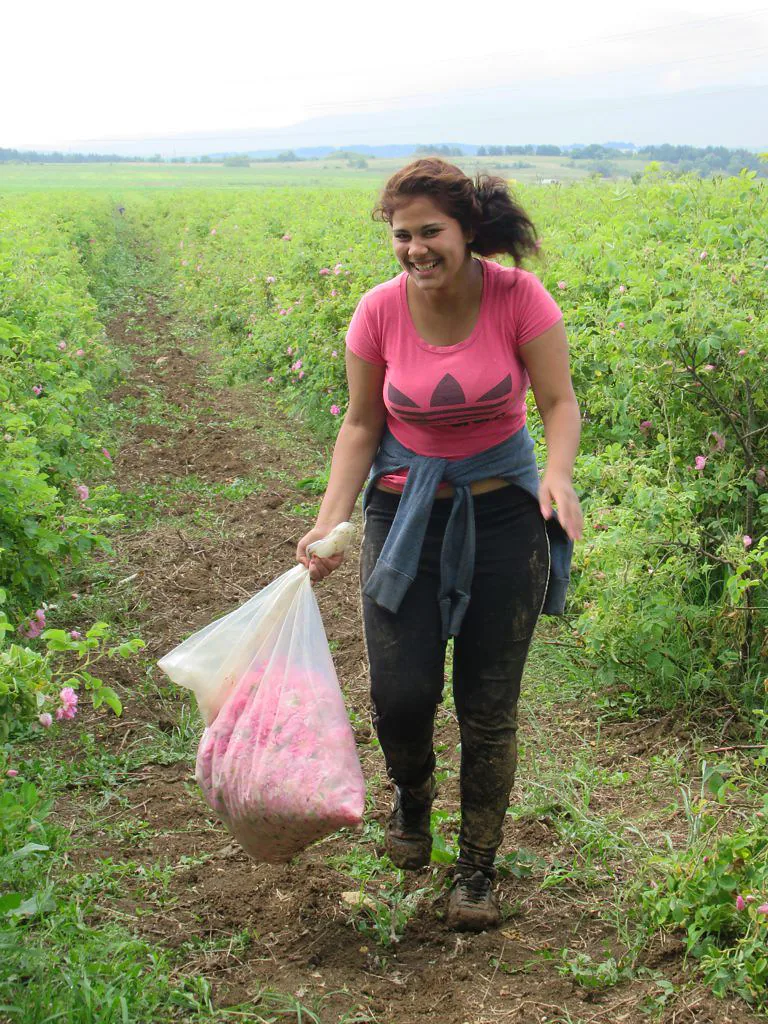
Time your visit to the Rosa damascena harvest in late May to early June, when the surrounding Rose Valley is in bloom and the rose-distillery demonstration is most evocative. The Kazanlak Rose Festival peaks on the first weekend of June, with the main 2026 celebrations on 5-7 June.
How do I get there from central Kazanlak?
Kulata sits on Nikola Petkov Street, only about 1 km from the town centre near Tyulbeto Park, making it an easy 10-15 minute walk or a short taxi ride from central Kazanlak.
How long should I plan for a visit?
Touring the two houses, the yard exhibits, and the rose-distillery presentation usually takes about 45 minutes to an hour, a little longer if you add the essential-oil and culinary tasting.
Can I combine Kulata with other Kazanlak museums?
Yes. Kulata is one of several sites run by the Iskra Historical Museum, so it pairs naturally with the Museum of the Rose and the Kazanlak Thracian Tomb (a UNESCO-listed site with a nearby replica), all within or close to town.
The Kulata Ethnographic Complex offers an essential look at the cultural identity of the Rose Valley. From the grand merchant homes to the rustic rose gardens, every corner tells a story of Bulgarian resilience. A visit here provides a perfect balance of history, craftsmanship, and sensory delight.
Whether you are tasting rose liqueur or watching a luthier at work, the experience is deeply authentic. It serves as a quiet escape from the modern world and a tribute to the traditions of Kazanlak. Make sure to include this site on your next journey through central Bulgaria.
Plan your trip today to discover the magic of the Kazanlak region for yourself. The beauty of the 19th-century architecture and the scent of the roses will stay with you long after you leave. This lesser-known place is waiting to share its secrets with every curious traveler.
For more Kazanlak planning, read our 2-Day Kazanlak Itinerary: Tombs, Roses & Shipka and Best Time to Visit Kazanlak 2026 Guide guides.
For official details, visit the Kulata Ethnographic Complex official site, Kulata Ethnographic Complex official site and Kulata Ethnographic Complex official site.