Malyovitsa Visitor Guide
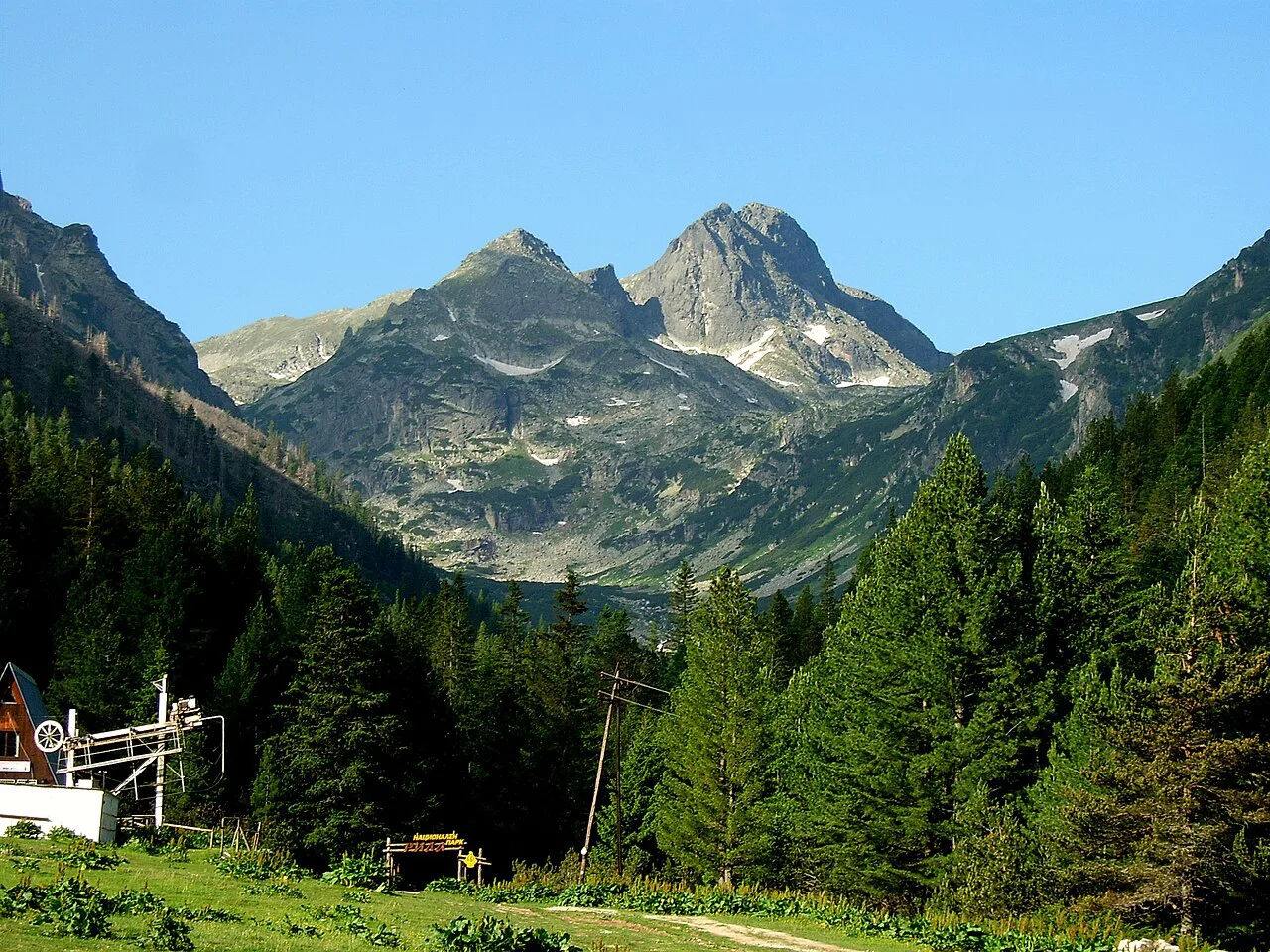
Malyovitsa is a striking peak in the northwestern Rila Mountains, reaching 2,729 meters and ranking among Bulgaria's most iconic climbs. Its resort and mountaineering school have trained generations of Bulgarian alpinists. In 2026 it remains one of the most accessible high-mountain summits within day-trip range of Sofia.
The area blends rugged alpine scenery with a compact resort base around the Malyovitsa hut. Hikers often pair a visit with the Rila National Park Visitor Guide or the fuller list of things to do in Borovets. The trails and summit are free year-round; only the hut beds, ski drags, guides, and transport carry a fee.
Planning a visit means understanding the terrain, season, and a few logistics most guides skip. This guide covers the route stage by stage, where to sleep, and how to stay safe if the weather turns.
For a visual sense of the mountain and the climb before you go, this walkthrough covers the ascent and the key terrain features:
📍 Where Is Malyovitsa?
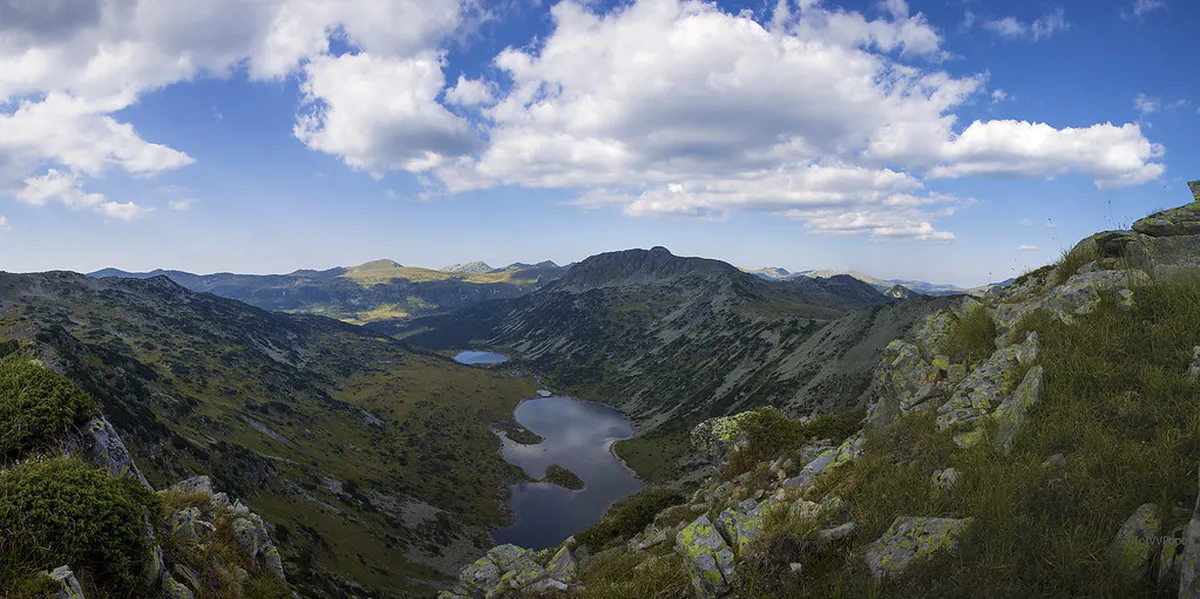
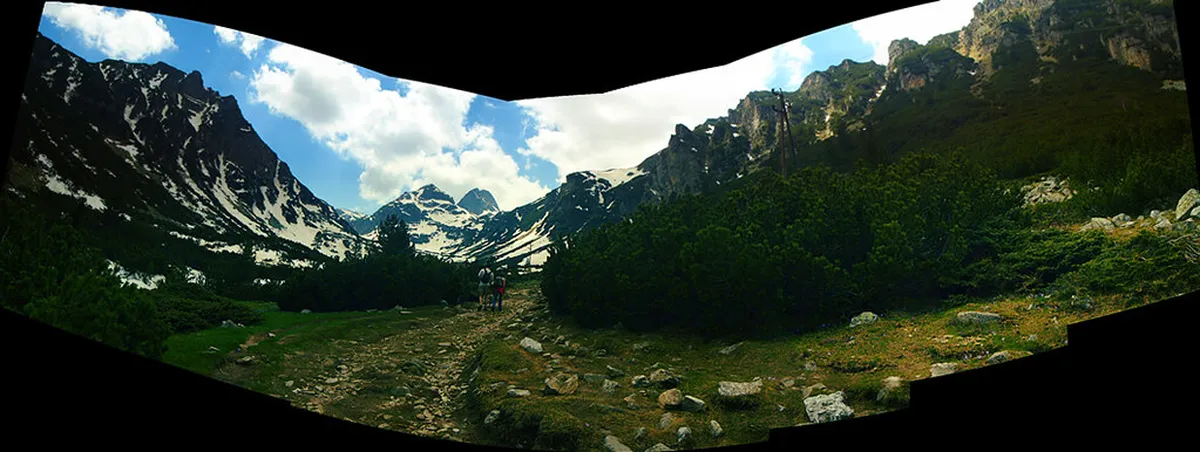
Malyovitsa stands in the northwestern corner of the Rila range, alongside Musala, the Seven Rila Lakes, and Rila Monastery further west. Its glacial valley and sharp granite ridgeline make this sub-range look more alpine than most of the Balkans. The peak rises above the small Malyovitsa resort, near Samokov and not far from Borovets.
The approach runs through Govedartsi, the last village before the resort, which has its own guesthouses and makes a useful lower-altitude base the night before an early start.
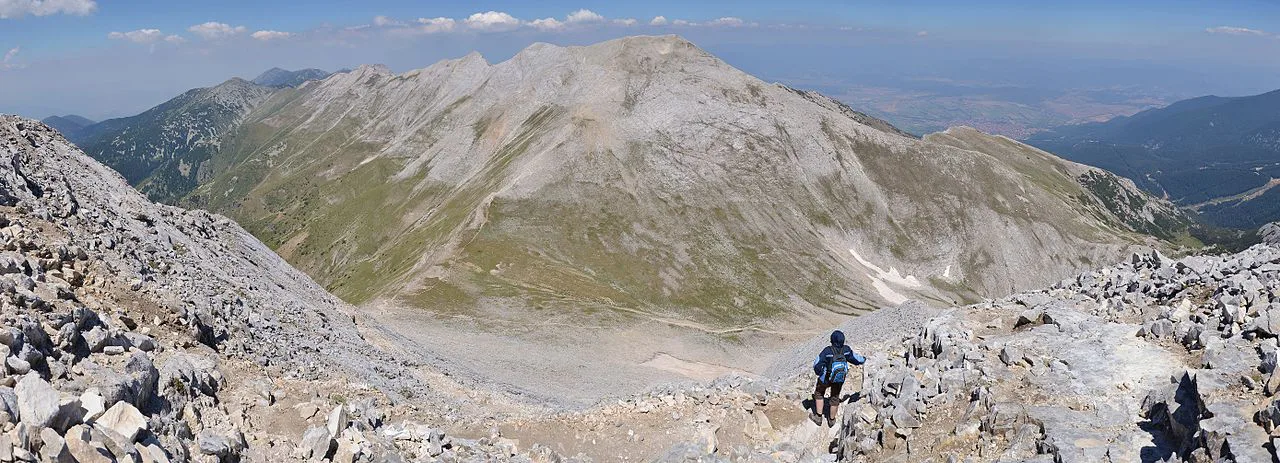
From the summit, the view stretches across the jagged Rila ridgeline and, on clear days, toward Pirin on the horizon. That mix of easy access and genuinely wild scenery keeps drawing hikers and photographers back.
🚗 Distances & Getting to the Trailhead
Malyovitsa resort sits about 90 kilometers from Sofia, roughly 1 hour 45 minutes by car via Samokov and Govedartsi. The route is well signposted, and the final stretch up the valley is paved to the resort car park.
There is no direct bus from Sofia to the resort. Travelers without a car take a bus to Samokov, then a taxi for the final stretch through Govedartsi — about 18 km from Samokov, 10 km further from Govedartsi itself. Unlike Musala, whose ascent is shortened by the Borovets gondola, Malyovitsa has no lift; every meter is on foot.
A car park sits at the resort, with day rates aimed at hikers. Arrive early on summer weekends, when day-trippers from Sofia fill the closest spaces by mid-morning.
🥾 The Route: Hut to Summit
The hike starts at the Central Mountain School at 1,770 meters, where a gentle 45-minute path leads to the Malyovitsa hut. Past the hut, the trail steepens through granite terraces known as balconies: the First Balcony at 2,100 meters, then the Second Balcony at 2,220 meters, each a natural rest stop.
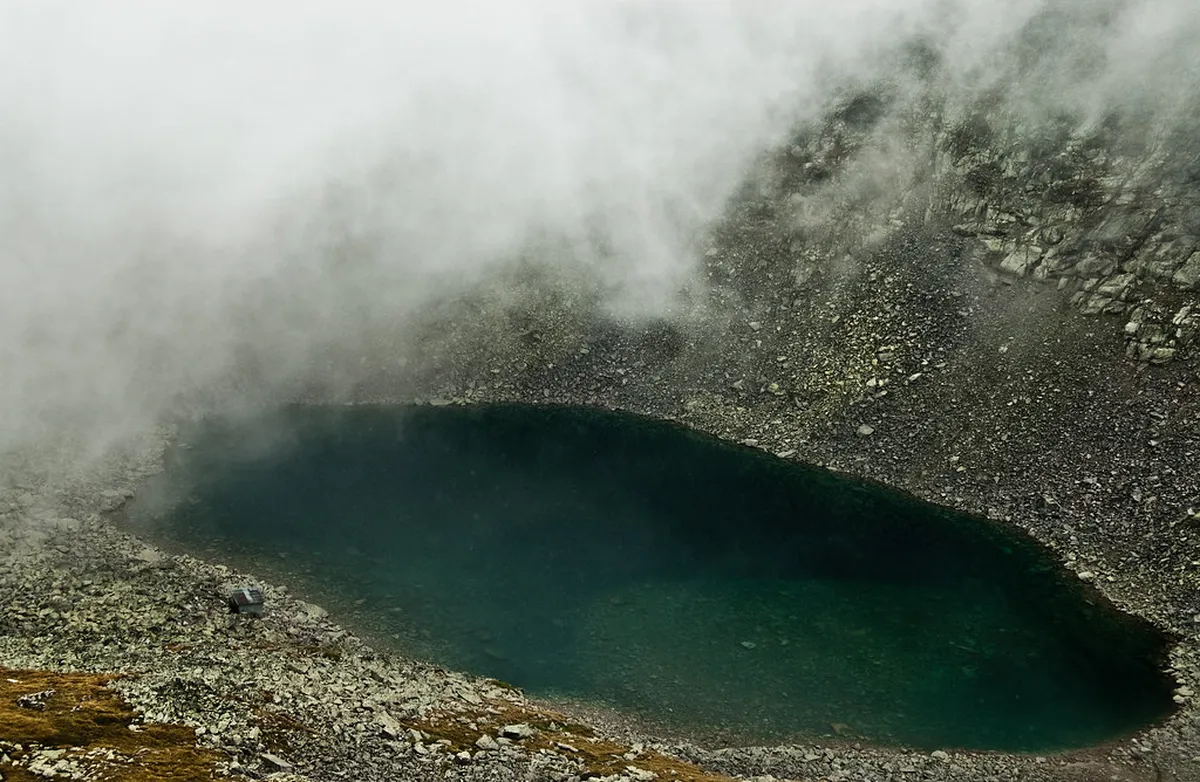
From the Second Balcony, the path continues past the glacial Deer Lake at 2,465 meters before the final push. The steepest section — close to 40 degrees underfoot — comes after Deer Lake, on loose rock that demands careful footing, not technical skill. Climbing here differs from Musala Peak Visitor Guide's more technical final terrain.
Hikers wanting a different day can loop toward Strashnoto Ezero, the Scary Lake, a quieter route that trades the summit for glacial scenery. The table below compares both.
| Route | Elevation gain | Round-trip time | Difficulty | Highlights |
|---|---|---|---|---|
| Summit via the Balconies | ~900 m | 6-8 hours | Moderate to hard | First & Second Balcony, Deer Lake, summit views |
| Scary Lake circuit | ~750 m | 5-7 hours | Moderate | Strashnoto Ezero, glacial cirque, fewer hikers |
🧗 The Cradle of Bulgarian Mountaineering
Malyovitsa is widely considered the birthplace of organized mountaineering in Bulgaria, with expeditions from the Central Mountain School dating to the early 1920s. Its famous north wall was first climbed in 1938, and generations of Bulgarian alpinists trained on these slopes.
A small Mountaineering Museum near the resort documents that history, with vintage climbing gear and accounts of notable mountain rescues — real depth for anyone curious about the culture behind the trail.
Recent renovation, led by Dimitar Hristov, follows a deliberately 'less is more' approach: restoring Hotel Alpinist without over-building the valley. The resort still feels like a mountaineering base rather than a resort town, which is part of why climbers keep coming back.
🏨 Where to Stay: UC Malyovitsa & Hotel Alpinist
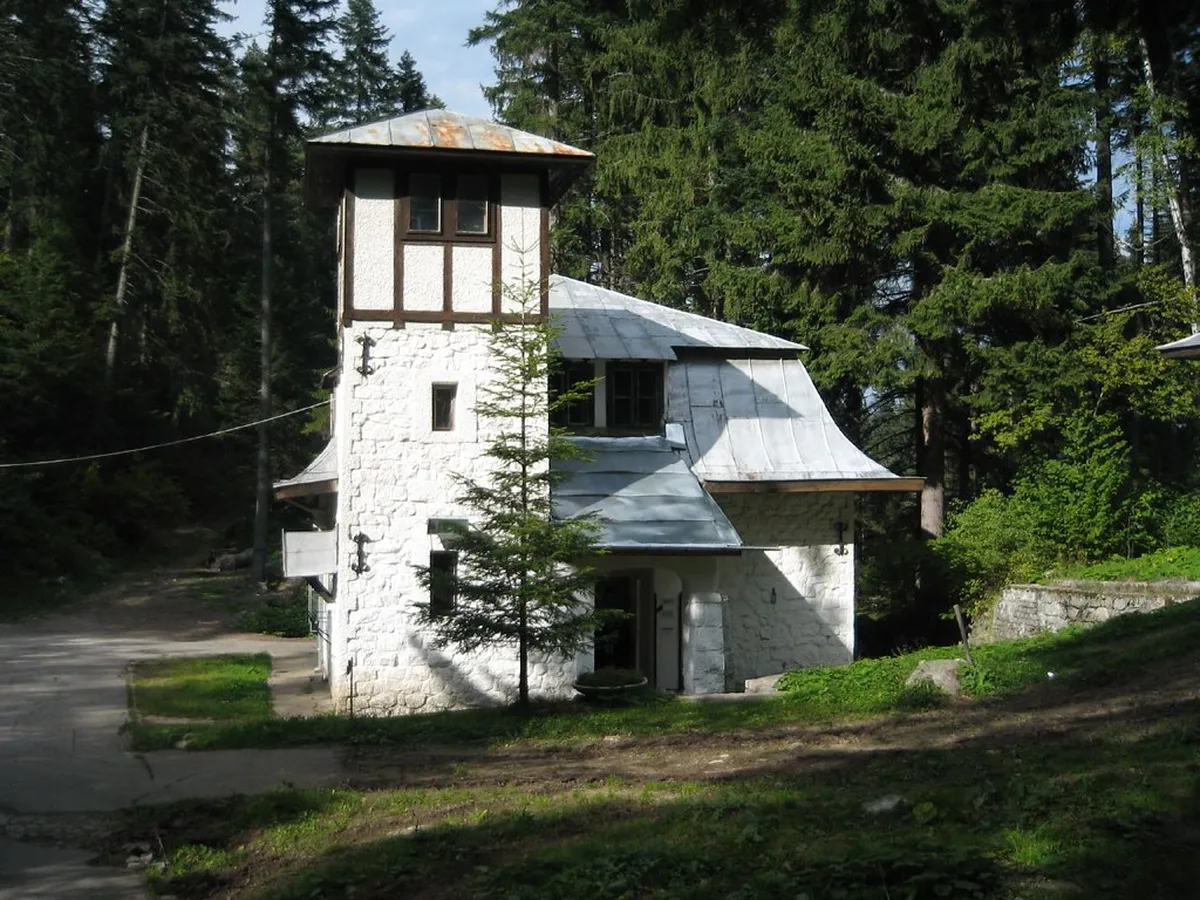
UC Malyovitsa is the main hub for food and lodging, and Hotel Alpinist is its most comfortable option after recent renovation. Rooms are simple but warm, with hearty meals suited to a day of hiking. For an early start, the Malyovitsa hut itself offers basic dormitory beds a short walk from the trailhead — book ahead for summer weekends and ski season.
Travelers who prefer a valley base with more guesthouse choice can stay in Govedartsi, about 10 km back down the road, and drive up for the day — an early alarm rather than extra cost.
- Solo alpinists and early starters: the Malyovitsa hut
- Families wanting comfort: Hotel Alpinist
- Groups and larger parties: UC Malyovitsa
- Ski beginners based at Mecha Polyana: Hotel Alpinist or a Govedartsi guesthouse
- Budget travelers: the Mountain Shelter dormitory
⛷️ Malyovitsa Resort: Skiing & Summer Attractions
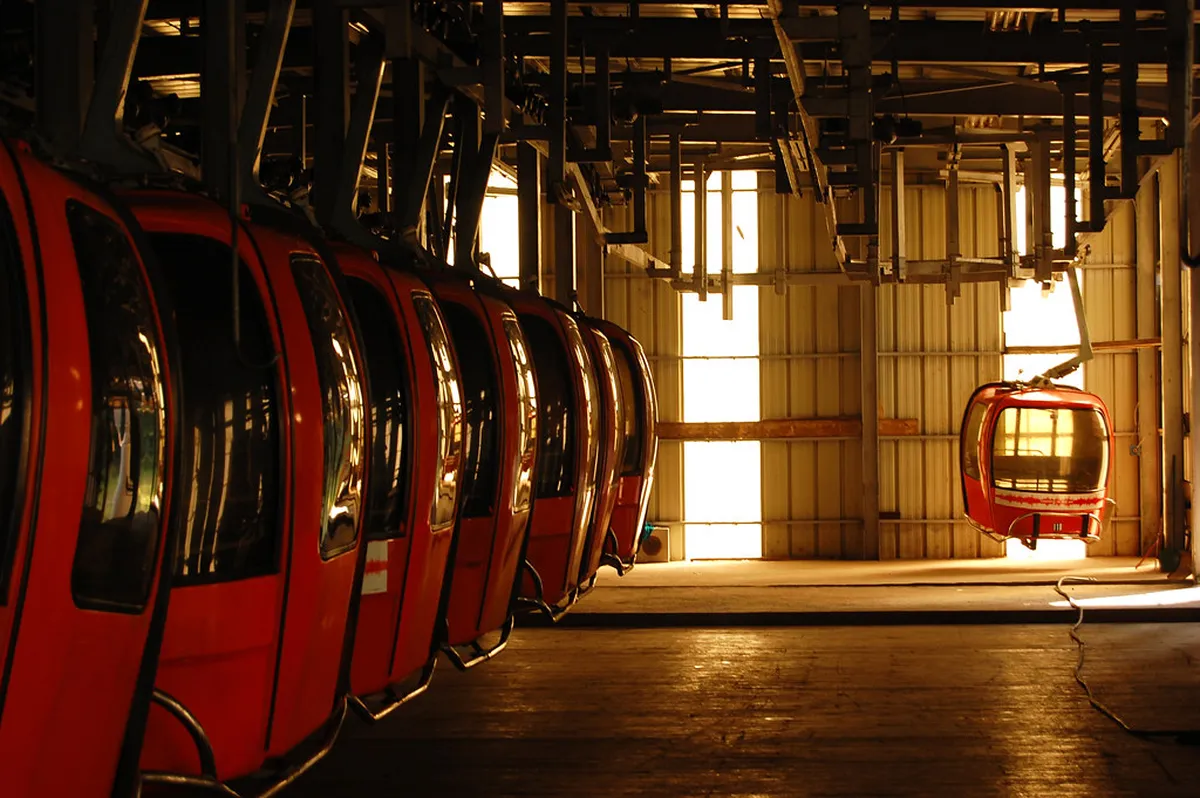
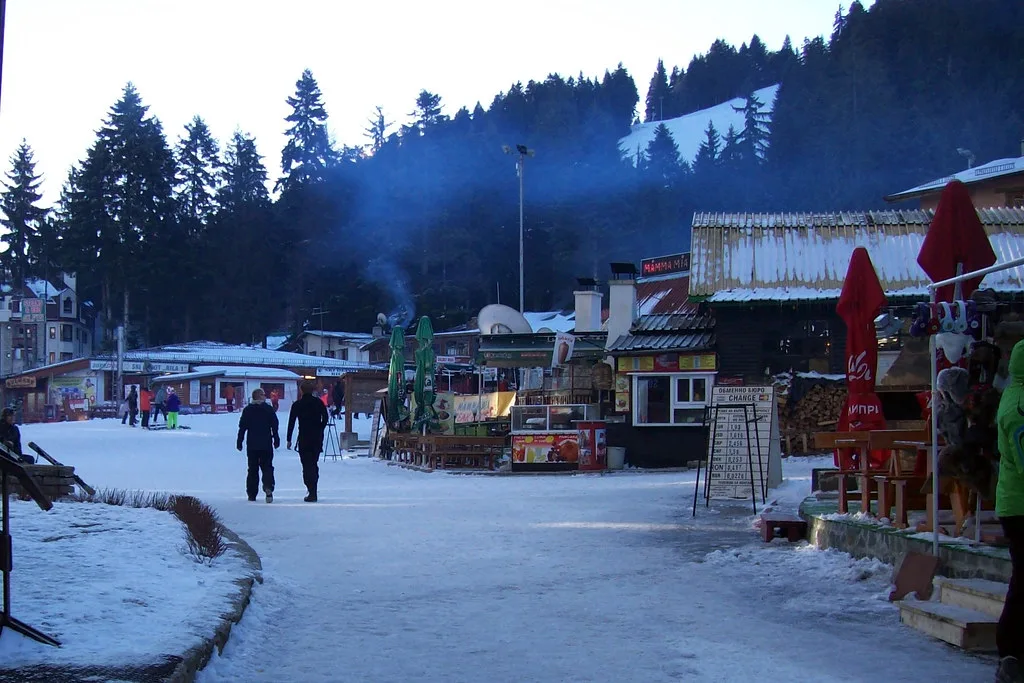
Winter turns the valley into a low-key ski destination, with beginner and intermediate slopes at Mecha Polyana served by drag lifts rather than a modern gondola. Ski schools and rental shops operate near the lower station.
In summer, the same base hosts an adventure park, high-ropes courses, and a climbing wall for a taste of the sport without the full hike. Families tend to stay near the lower station for the forest air.
For a bigger day out, the Borovets Gondola (Yastrebets Gondola) Visitor Guide is a short drive away and opens a very different mountain — higher, busier, and geared to a broader range of visitors. Combining both gives a useful contrast in scale.
🗓️ Season, Weather & What to Bring
Late June through September is the reliable window, once snow clears the higher terraces; some years leave patches near Deer Lake into early July, so check conditions first. Weather turns fast — clear mornings can storm by early afternoon, so aim to be off the summit ridge before midday.
Pack sturdy boots, a waterproof shell, and layers even in August, since the balconies and summit sit well above valley weather. Sun protection matters more than it looks on a cloudy day at altitude, and carry a headlamp for a Second Balcony detour if you linger into evening.
Winter changes the mountain completely — see the safety notes below before going above the hut between November and April.
🚨 Safety, Rescue & Signing In at the Hut
Before setting out, sign the paper trail register at the Malyovitsa hut — a long-standing custom across Rila and Pirin huts that tells rescue teams who is on the mountain and when to expect them back. It costs nothing, takes thirty seconds, and is exactly what search-and-rescue teams rely on if a hiker overstays their return time.
Mobile signal is unreliable past the hut and effectively absent on the balconies and summit ridge, so tell someone your planned return time before losing coverage. In a genuine emergency, dial 112 — Bulgaria's emergency number routes mountain callouts to the Planinska Spasitelna Sluzhba (PSS), the volunteer rescue service covering this part of Rila.
Winter turns the same slopes into avalanche terrain. Stick to the marked winter poles rather than summer shortcuts across open gullies, avoid the ground below the Second Balcony after fresh snow, and check conditions with the hut before going above it — the summer route and the winter line are not the same path.
💡 Insider Hints for Malyovitsa Mountain
Strashnoto Ezero — the Scary Lake — takes its name from folklore about a tourist who survived a violent overnight thunderstorm there and lived to tell of it; read the fuller version here. It is one of the better-known pieces of Rila hiking folklore.
The First and Second Balconies are not just trail markers — they are distinct glacial terraces, carved by the same ice-age glaciers that shaped Deer Lake and the cirque around it.
On the way back to Sofia, the Tsarska Bistritsa (Royal Palace Borovets) Visitor Guide makes a worthwhile detour — a former royal hunting lodge offering a quieter contrast to a strenuous day on the mountain.
Continue planning: Use Borovets Attractions: Top 5 Things to Do in Borovets & the Rila Mountains to connect this guide with the rest of your Bulgaria itinerary.
Frequently Asked Questions
Is it free to hike Malyovitsa?
Yes. Hiking Malyovitsa and reaching the peak is free, and the trails are open all year. You only pay for optional extras such as a bed at the Malyovitsa hut, the seasonal ski drags, a guide, or transport up the valley.
How do you get to Malyovitsa from Sofia?
Take a bus from Sofia to Samokov, then continue by local bus or taxi toward the village of Govedartsi and up to the Malyovitsa centre; the trailhead is about 18 km from Samokov and only around 10 km from Govedartsi on a good road. Without a car, a pre-arranged taxi or an organised hike from Sofia is the simplest option.
How do you get to Malyovitsa from Borovets?
Malyovitsa is on the opposite, northwestern side of the Rila massif from Borovets, so there is no direct trail transfer for casual visitors. The practical route is by road back down via Samokov and up the Govedartsi valley, roughly an hour's drive; ridge traverses between the two exist but are multi-day mountaineering routes.
How difficult is the Malyovitsa peak hike?
From the Malyovitsa hut (about 1,700 m) to the 2,729 m summit is a demanding but non-technical day hike in summer, gaining around 1,000 m over steep, rocky terrain of up to about 40 degrees, with no scrambling required. Good boots and solid fitness are essential, and snow or ice makes it a serious alpine outing in the colder months.
Where is the Malyovitsa hut?
The Malyovitsa hut (hizha Malyovitsa) sits at roughly 1,700 m at the road-end of the Malyovitsa centre and is the main starting point for the peak, the Malyovishki Lakes, and the classic route toward Scary Lake (Strashnoto ezero). Beds are paid and best booked ahead in summer.
What is the best season to visit Malyovitsa?
Mid-June to mid-September is best for hiking the peak, once the high snow has melted. Winter brings beginner-friendly skiing on the ski drags at the centre, but the summit and upper walls then require full alpine experience and equipment.
Why is Malyovitsa famous for mountaineering?
Malyovitsa is considered the birthplace of organised Bulgarian mountaineering and rock climbing, with expeditions dating to the early 1920s and its celebrated north wall first climbed in 1938. It remains a training ground for climbers and a base for alpine courses at the foot of the peak.
Malyovitsa pairs genuine alpine adventure with a resort that has kept its mountaineering character intact. Whether you come for a single summit day or a longer stay based in Govedartsi, the valley rewards a bit of planning around season, weather, and the route's steeper sections.
Sign in at the hut, respect the mountain in winter, and build in time for the history and folklore that make Malyovitsa more than just a peak to tick off. In 2026 it remains one of the most rewarding high-Rila days within easy reach of Sofia.
For the latest official information, see the Malyovitsa official site, Malyovitsa on Wikipedia and Malyovitsa on Wikipedia.
For more Borovets planning, read our Borovets in Summer 2026: Hiking, Musala & Mountain Escapes guide.