Wellness & Spas in Hisarya
Hisarya stands as one of the oldest and most prestigious wellness destinations in Europe, famous for its 22 distinct mineral springs. Travelers visit this Bulgarian gem to experience a unique blend of ancient Roman history and modern balneology. The town offers a tranquil atmosphere where healing waters flow freely from public fountains and luxury hotel taps alike.
Choosing the right facility depends on whether you seek clinical rehabilitation or pure relaxation. Many visitors begin at the iconic colonnade to sample different water temperatures and mineral profiles before committing to a hotel or treatment package. This guide covers the top medical centers, public pools, family amenities, and historical sites so you can plan a restorative 2026 visit with confidence.
Here's a video overview of Hisarya's healing springs and ancient spa heritage before you plan your wellness visit:
The Healing Properties of Hisarya's Mineral Springs
The mineral water in Hisarya is characterized by its high alkalinity and low total dissolved solids, making it exceptionally gentle for both drinking and bathing. Each of the 22 springs has a unique chemical composition targeted at specific health conditions. Spring temperatures across the network range from 37°C to 51°C, warm enough for therapeutic benefit without artificial heating.
Momina Banya is the most visited spring, prized for its mild radon content, which is traditionally indicated for skin conditions, respiratory complaints, and joint inflammation. The spring at the central colonnade runs at approximately 42°C and is the one most locals use for the classic morning drinking cure. If you are exploring broader 10 Best Spa Towns and Planning Tips in Bulgaria, you will find Hisarya's water notably softer and lower in sulphur than springs at Velingrad or Bankya.
The waters are clinically indicated for treating digestive disorders, kidney and bladder conditions, liver and biliary tract diseases, metabolic conditions including diabetes and gout, and diseases of the locomotor system. Many hotels pipe raw spring water directly into treatment rooms, so guests receive the same mineral profile whether they soak in a pool or receive a private mineral bath. Always read the signage at each fountain: some springs are certified for internal use only, while others are designated for foot baths and external application.
Each spring at the colonnade is labeled with mineral analysis and traditional indications — read the signage before drinking. Momina Banya's higher silica and radon content suits external bathing rather than drinking in large quantities.
The Spring Drinking Cure: Which Fountain to Visit and When
The drinking cure — "pitenna balneolechenie" in Bulgarian — is a distinct practice that most visitors underestimate. It involves consuming small quantities of specific spring waters at set intervals throughout the day, not simply gulping from any available tap. The colonnade in the central park houses labeled spouts where you can walk from one to the next, each signed with temperature, mineral analysis, and the conditions it is traditionally used for.
For digestive and kidney support, the cooler springs (37°C–40°C) are preferred because warmer water can irritate the stomach lining when consumed in volume. The standard protocol recommended by local balneologists is 150–250 ml per spring, drunk slowly over five to ten minutes, three times daily before meals. Momina Banya's fountain water, with its higher silica and radon levels, is better suited to external bathing and foot immersion rather than drinking in large quantities — an important distinction that official hotel materials often gloss over.
Bring a small ceramic or glass cup rather than a plastic bottle: locals consider this standard etiquette, and the clay does not interfere with the water's mineral taste. The colonnade is open from early morning, and the best time to start your drinking round is between 07:00 and 09:00 before breakfast. This routine pairs naturally with a morning stroll along the park paths and prepares the body for afternoon spa treatments.
The standard drinking-cure protocol is 150–250 ml per spring, consumed slowly over 5–10 minutes, three times daily before meals. Cooler springs (37°C–40°C) are preferred for digestive support because warmer water can irritate the stomach lining.
Top-Rated Wellness and Medical Spa Centers
Augusta SPA Center is the largest facility in the region, spanning over 3,000 square meters across three floors with more than 100 health and beauty procedures. Treatments are applied by qualified doctors, physiotherapists, and rehabilitation specialists certified under Bulgarian Ministry of Tourism Regulation No. 2 of 2016. The center is open to both hotel guests and external visitors daily from 09:00 to 19:00, which makes it accessible even if you are staying at a smaller guesthouse in town.
Spa Hotel Hissar sits 109 metres from Augusta and offers a similarly comprehensive program, including a large indoor mineral pool, multiple sauna types, a steam room, and a dedicated salt room for halotherapy. Their physiotherapy packages are tailored to individual assessments, making this property well suited for guests arriving with a specific diagnosis. External visitors can purchase daily spa passes directly at reception.
Sana Spa Hotel takes a more boutique approach, combining high-end aesthetic treatments — such as lifting facials, body peeling with rose oil, and anti-cellulite programs — alongside traditional balneotherapy. It appeals to visitors who want wellness rather than medical rehabilitation, and the smaller scale means shorter waiting times for treatments. For guests comparing options, 10 Best Wellness & Spas in Velingrad offer a useful benchmark: Hisarya's centers tend to be more medically oriented, while Velingrad leans toward leisure spa culture.
Daily pass prices at hotel pools typically run 20–40 BGN (10–20 EUR) for external visitors. Prices are higher on weekends and during the peak June–September and October seasons, when capacity limits apply. Arrive before 10:00 on a Saturday to secure entry without a long wait.
Essential Balneotherapy and Therapeutic Treatments
Balneotherapy at Hisarya's certified centers goes well beyond simple pool soaking. Hydrotherapy sessions use targeted water pressure and mineral content to improve joint mobility and peripheral circulation, and underwater massage adds mechanical stimulation to the mineral benefit. A typical introductory course runs five to seven consecutive days, which is why most visitors choose stays of at least a long weekend.
Peloid or mud therapy (lugotherapy) applies mineral-rich mud to the body to reduce inflammation and ease chronic musculoskeletal pain. It is particularly effective for arthritis, post-surgical rehabilitation, and fibromyalgia. Augusta SPA Center and Spa Hotel Hissar both offer this treatment in dedicated procedure rooms, usually combined with a follow-up hydrotherapy rinse.
Dry carbonated baths and halotherapy (the salt room) round out the core medical offerings. A dry carbonated bath uses CO2 gas rather than water, expanding peripheral blood vessels and lowering blood pressure in roughly 15 minutes — an important option for guests who cannot tolerate full immersion. The salt room at Augusta seats up to four people and is open to guests who purchase a standard daily pass without needing a separate medical consultation.
Post-Covid rehabilitation packages are a newer addition at several Hisarya centers, focusing on lung capacity, immune function, and stamina rebuilding through a combination of halotherapy, graduated hydrotherapy, and physiotherapy. These structured programs typically run seven to ten days and require a brief intake assessment on arrival.
Public Mineral Pools and Drinking Fountains
Hisarya's public bath houses provide the most affordable access to mineral water, and they carry genuine historical atmosphere. The Momina Banya public bath is the most popular, housed in a building that has occupied the same site since the nineteenth century. Entry fees are a fraction of hotel day-pass rates, generally under 10 BGN for a standard mineral bath session.
The central colonnade in the park is the heart of the public drinking-cure experience, with labeled spouts dispensing water from several distinct springs for free. Locals bring glass jugs and ceramic cups rather than single-use bottles, and refilling stations are clustered along the colonnade's shaded walkway. Each tap is signed with mineral analysis and traditional indications, so you can choose the spring that aligns with your health objective.
Public facilities operate within specific schedules and may designate separate entry hours by gender for the communal soak pools. Swim caps are mandatory in all pool areas — public and hotel alike — and most facilities sell disposable caps on-site for around 2 BGN if you forget yours. Flip-flops are required in changing rooms and recommended at all wet surfaces.
How to Choose: Medical Balneology vs. Leisure Wellness
The distinction matters before you book. Medical balneology in Hisarya means a doctor-supervised program: you complete a health intake form on arrival, a physician reviews your case, and treatments are sequenced to address a specific condition over multiple days. Augusta Medical Spa Center and Spa Hotel Hissar operate on this model. These are the right choice if you have a diagnosed chronic condition, are recovering from surgery, or want a structured Post-Covid rehabilitation course.
Leisure wellness, by contrast, means you choose from a menu of individual treatments — a mineral pool soak, a massage, a facial, a salt room session — without medical oversight. Sana Spa Hotel and the spa wings of smaller guesthouses operate this way. If your goal is rest and de-stressing rather than clinical improvement, this path is simpler and requires no advance paperwork.
A practical middle ground exists: buy a daily spa pass at Augusta or Hissar for pool and sauna access (leisure), then separately book a single medical consultation to add one or two targeted procedures such as a mud wrap or physiotherapy session. This hybrid approach suits visitors staying two to three nights who want both relaxation and some therapeutic benefit without committing to a full seven-day medical program.
| Aspect | Medical Balneology | Leisure Wellness |
|---|---|---|
| Doctor Oversight | Required health intake & physician review | No medical consultation |
| Program Structure | Sequenced over 5–10 days | Choose treatments à la carte |
| Best For | Chronic conditions, post-surgical recovery, post-Covid | Rest, de-stressing, beauty treatments |
| Facilities | Augusta Medical Spa, Spa Hotel Hissar | Sana Spa Hotel, guesthouse spa wings |
| Typical Stay | Minimum 5–7 days | 1–3 days or as desired |
| Paperwork | Yes, advance form completion | Minimal, at reception |
Family-Friendly Spa Facilities and Kids' Zones
Hisarya is a strong choice for family wellness travel because the town center is compact and pedestrian-friendly, with wide park paths and minimal traffic. Children are welcome at the main hotel pools, and the Augusta SPA complex is particularly well set up for families: it features an indoor children's pool with a water slide, a separate shallow outdoor children's pool, and a supervised indoor play area, all included in the family room rate.
The outdoor seasonal pool at Augusta opens for summer and includes a water bar and sun loungers, making it a full afternoon activity for families. Children under a certain age — typically 12 — are often admitted to pool areas at reduced rates or free when accompanying a paying adult, but confirm the current policy when booking as it can change by season.
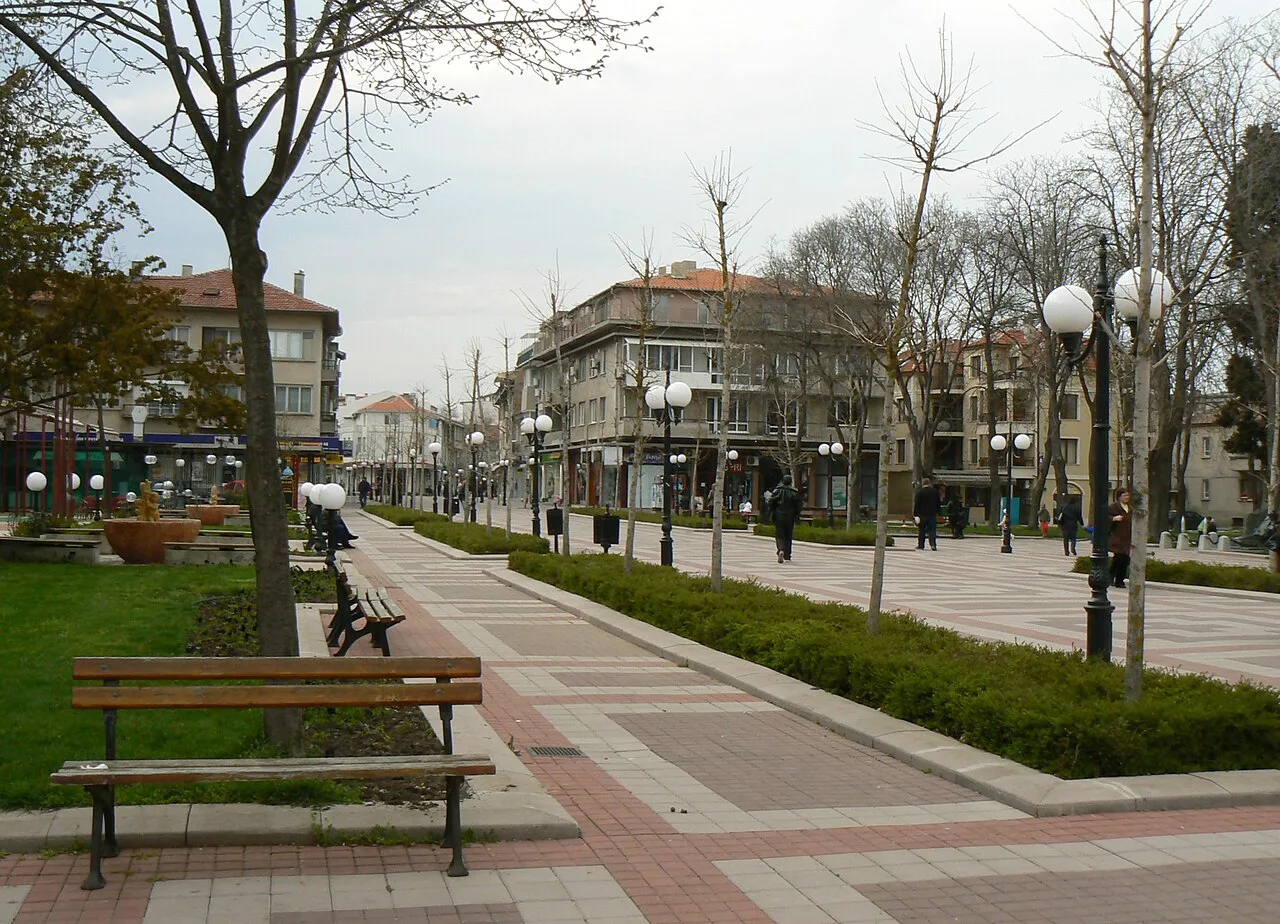
Beyond the pools, the town's large central park doubles as a playground for younger visitors, with open lawns, shaded paths, and the Roman ruins that older children find genuinely fascinating. A practical family itinerary combines morning park exploration with an early afternoon mineral pool session and an evening walk along the old fortress walls — manageable and restorative for both adults and children.
Combining Wellness with Hisarya's Roman Heritage
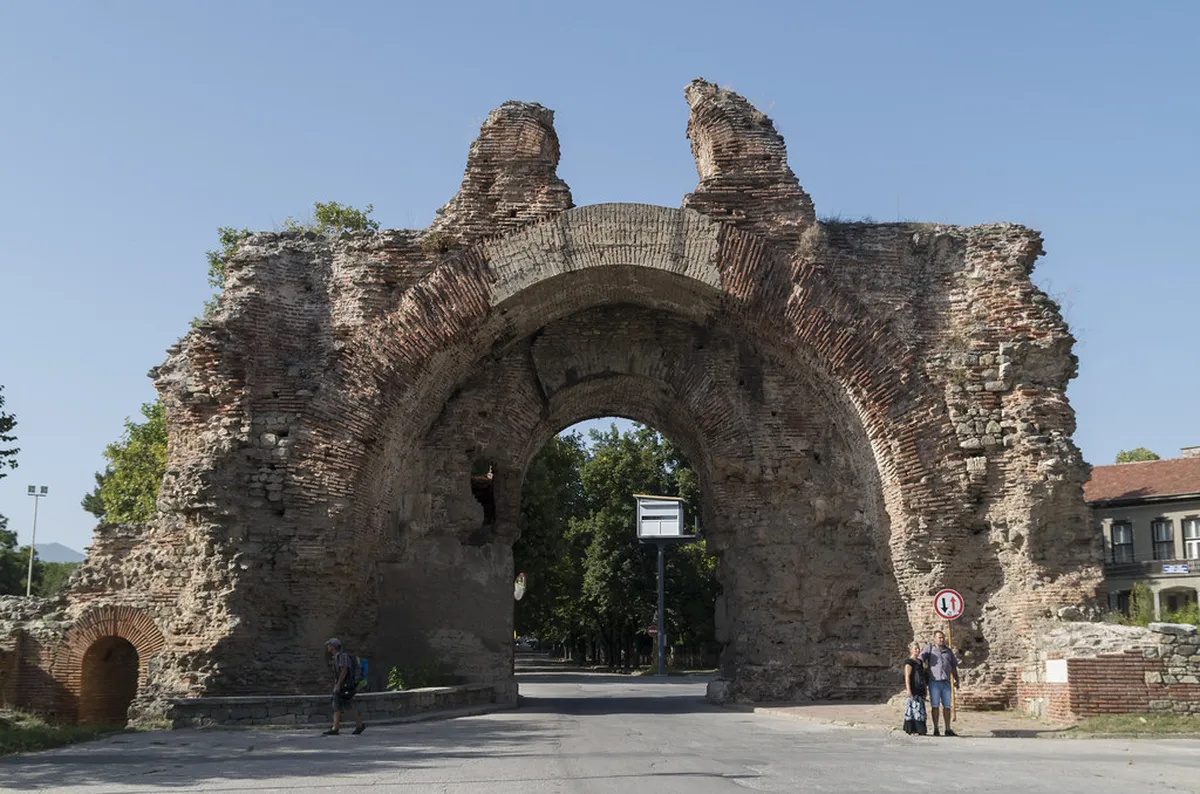
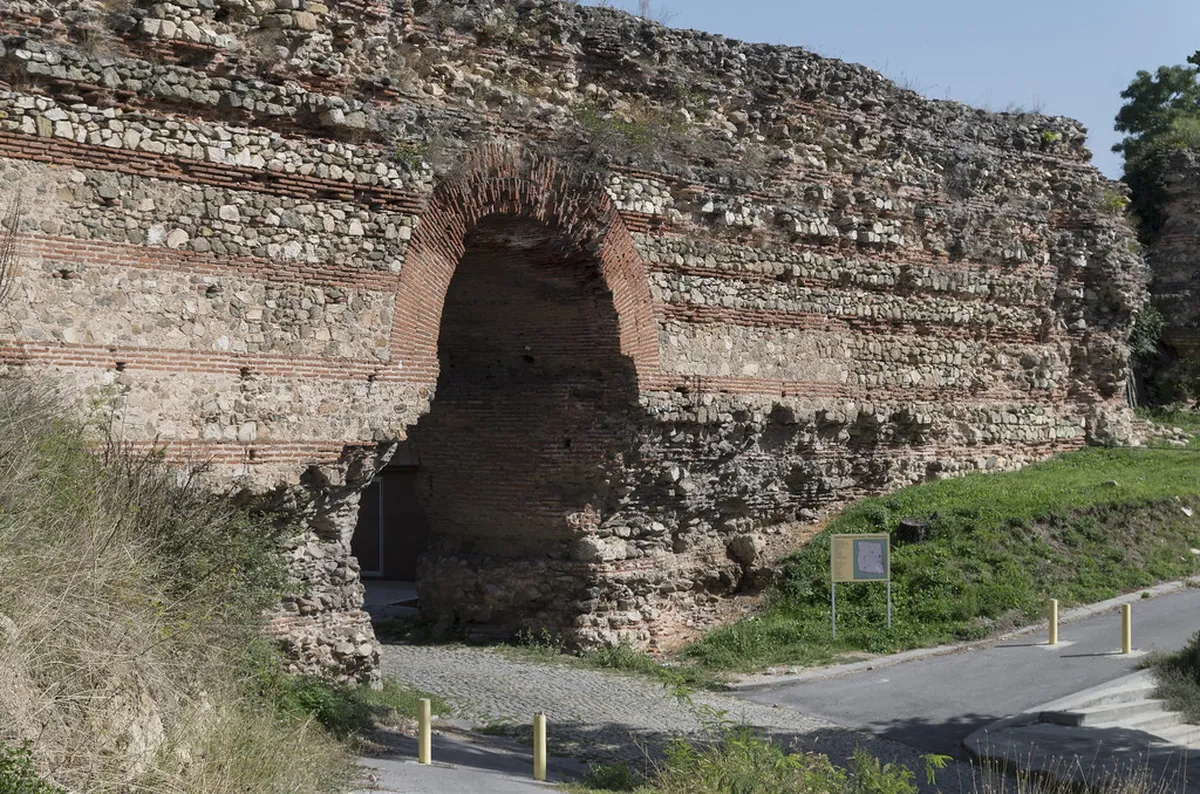
Hisarya was Diocletianopolis in the Roman era, a city built specifically around its thermal waters and fortified with walls that still stand to impressive height today. Walking the perimeter of the Kamilite fortress gate and exploring the Roman Archaeological Park in the central park takes roughly ninety minutes and costs a small entrance fee. The original Roman bath chambers and drainage channels are visible, and the contrast with a modern spa visit later the same afternoon is genuinely striking.
An Ancient Wellness day works well structured as follows: arrive at the colonnade at 08:00 for the morning drinking round, visit the Roman park from 09:30 to 11:00, then check into your hotel spa or a hotel day-pass for afternoon treatments from 14:00 onwards. The physical walk through the ruins is light enough not to fatigue the muscles before a massage, but stimulating enough to sharpen the mind. Many visitors report that understanding the two-thousand-year history of water healing in the same location deepens their appreciation of even a straightforward mineral pool soak.
The early Christian basilicas and the small regional history museum are also within comfortable walking distance of the main spa zone. If you are planning a broader itinerary through the Plovdiv region, the Roman amphitheater in Plovdiv city (45 minutes by bus or car) makes a logical extension, connecting Diocletianopolis with the better-known Roman legacy of the provincial capital.
Know Before You Go: Practical Tips for Your Hisarya Visit
Plovdiv is the nearest international gateway by air (about 45 km away), with direct buses from Sofia Central Bus Station reaching Hisarya in roughly two hours. The journey from Plovdiv by taxi or rideshare takes under an hour, making Hisarya an ideal day trip or overnight wellness escape from the city. If you are planning a first-time Sofia stopover, consider checking out Wellness & Spas in Sofia before heading to Hisarya for a useful point of comparison.
Pack a swim cap — it is mandatory at every pool in town, public and hotel alike. Most facilities sell disposable caps at reception for 2 BGN, but bringing your own reusable cap is better. A small ceramic or glass cup is useful for the colonnade drinking-cure fountains. Flip-flops are required in all changing rooms, and a light cotton bathrobe saves multiple trips between room and pool if you are doing a full treatment day.
Medical spa procedures at certified centers require an intake consultation before any treatment can begin, so plan to arrive at the spa at least 20–30 minutes before your first appointment to complete the health form and speak briefly with a doctor. For individual beauty or relaxation services — massages, facials, body wraps — no consultation is required, but advance booking is strongly recommended during the April–May and September–October peak seasons. Midweek visits (Tuesday through Thursday) offer shorter queues, lower weekend surcharges, and more choice of appointment times.
Continue planning: Use 10 Best Spa Towns and Planning Tips in Bulgaria and Wellness & Spas In Devin Travel Guide to connect this guide with the rest of your Bulgaria itinerary.
Frequently Asked Questions
What are the best spa hotels in Hisarya for medical treatment?
Augusta Medical Spa and Spa Hotel Hissar are the top choices for clinical balneotherapy. They offer professional medical staff and over 100 specialized procedures. These facilities are ideal for treating digestive, renal, and musculoskeletal conditions using certified mineral water protocols.
Can you visit Hisarya spa pools without staying at a hotel?
Yes, many major hotels offer daily passes for external visitors to use their mineral pools and wellness areas. Prices typically range from 20 to 40 BGN. Additionally, the town has public bath houses that provide affordable access to the healing waters for all visitors.
What is the temperature of the mineral water in Hisarya?
The natural temperature of the 22 springs in Hisarya varies between 37°C and 51°C. This range makes the water perfect for various therapeutic uses without the need for artificial heating. Each spring is labeled with its specific temperature at the public drinking fountains.
Is Hisarya suitable for a family wellness vacation?
Hisarya is excellent for families due to its large parks, safe pedestrian zones, and kid-friendly hotel pools. Many resorts, such as Augusta, feature dedicated children's sections with slides and shallow water. It offers a balanced environment for both adult relaxation and family fun.
Hisarya remains a premier destination for anyone seeking the profound healing benefits of mineral water in 2026. Whether you are arriving for a doctor-supervised balneotherapy course, a leisure spa day, or a family break, the town's 22 springs and well-certified spa centers provide a solution for every need. Combining treatments with a walk through the Roman ruins and the morning drinking cure at the colonnade turns a standard spa trip into something genuinely memorable.
From the expansive medical floors at Augusta to the boutique aesthetic focus of Sana Spa, the variety ensures a fit for every traveler and budget. Remember to bring your swim cap, book treatments in advance for peak season, and allow time to slow down at the public fountains. Your body and mind will benefit from a tradition of water healing that has lasted two thousand years in this corner of Bulgaria.