Getting Around Bulgaria
Bulgaria offers a diverse range of transport options that blend modern efficiency with charmingly old-school experiences for every traveler.
Navigating the country successfully involves understanding the differences between the bustling capital and the quieter rural provinces.
This comprehensive guide provides the essential details you need to master the roads, rails, and city streets across this Balkan gem.
You will find that getting around Bulgaria requires a bit of local knowledge to ensure a smooth and enjoyable journey. For broader trip planning, consult our Bulgaria Travel Tips: Your Essential Guide to Planning a Trip guide.
Before booking an intercity train, understand the operational challenges that have emerged with Bulgaria's newer rail fleet:
Nationwide Transport: Buses and Coaches
Buses are the most popular way to travel between major cities like Sofia, Varna, and Plovdiv for most visitors. Many travelers find that coaches offer more frequent departures than the national rail system on popular routes. You can easily reach the Bulgaria's Top Destinations by using these reliable bus networks. Most regional routes are operated by private companies that maintain modern fleets for long-distance travel.
Union Ivkoni stands out as the largest bus operator, providing extensive coverage across the entire country at low cost. Their website allows for online booking, which is highly recommended during the busy summer months for popular coastal routes. Tickets are generally affordable, though prices can fluctuate slightly based on the season or current demand. Always arrive at the station at least twenty minutes before your scheduled departure to locate your platform.
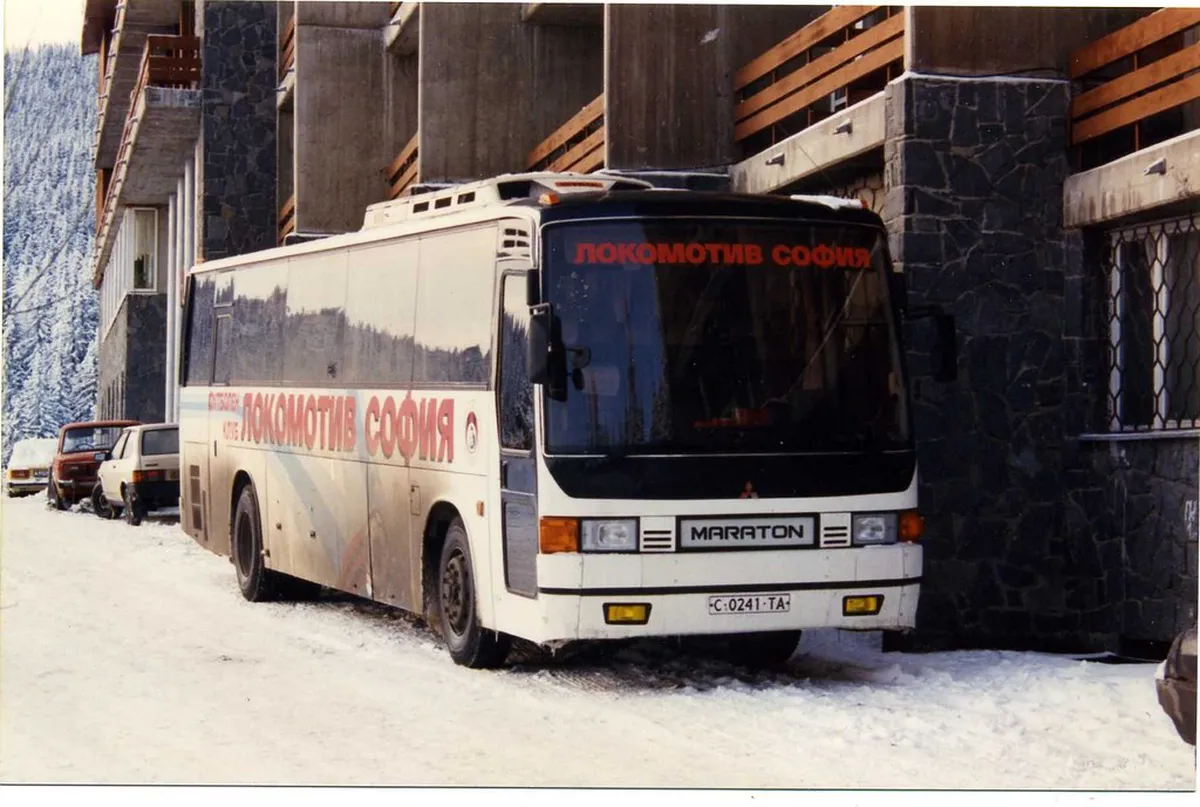
Book bus tickets several days in advance for popular summer routes, especially coastal trips from Sofia to Varna and Burgas. Seats on morning departures often sell out, and online booking through Union Ivkoni is cheaper than buying at the station.
Smaller towns often rely on minibuses, known locally as marshrutkas, which operate on fixed schedules from regional transport hubs. These vehicles are faster than large coaches but offer less space for heavy luggage or personal comfort. You should carry cash in the local currency, as many small-town ticket kiosks do not accept international credit cards. For more details about Bulgaria's currency and payments, check our dedicated guide. Understanding a few words of Bulgarian can help you identify the correct vehicle in smaller stations.
Central bus stations in major cities are usually located next to the main train stations for easy transfers between modes. These hubs feature waiting areas, small cafes, and kiosks selling snacks for your upcoming long-distance journey. Check the digital boards for platform numbers, as gates can sometimes change shortly before the bus arrives. Keep your ticket handy for the driver to scan before you board the vehicle.
The Bulgarian Rail Network: Trains Between Cities
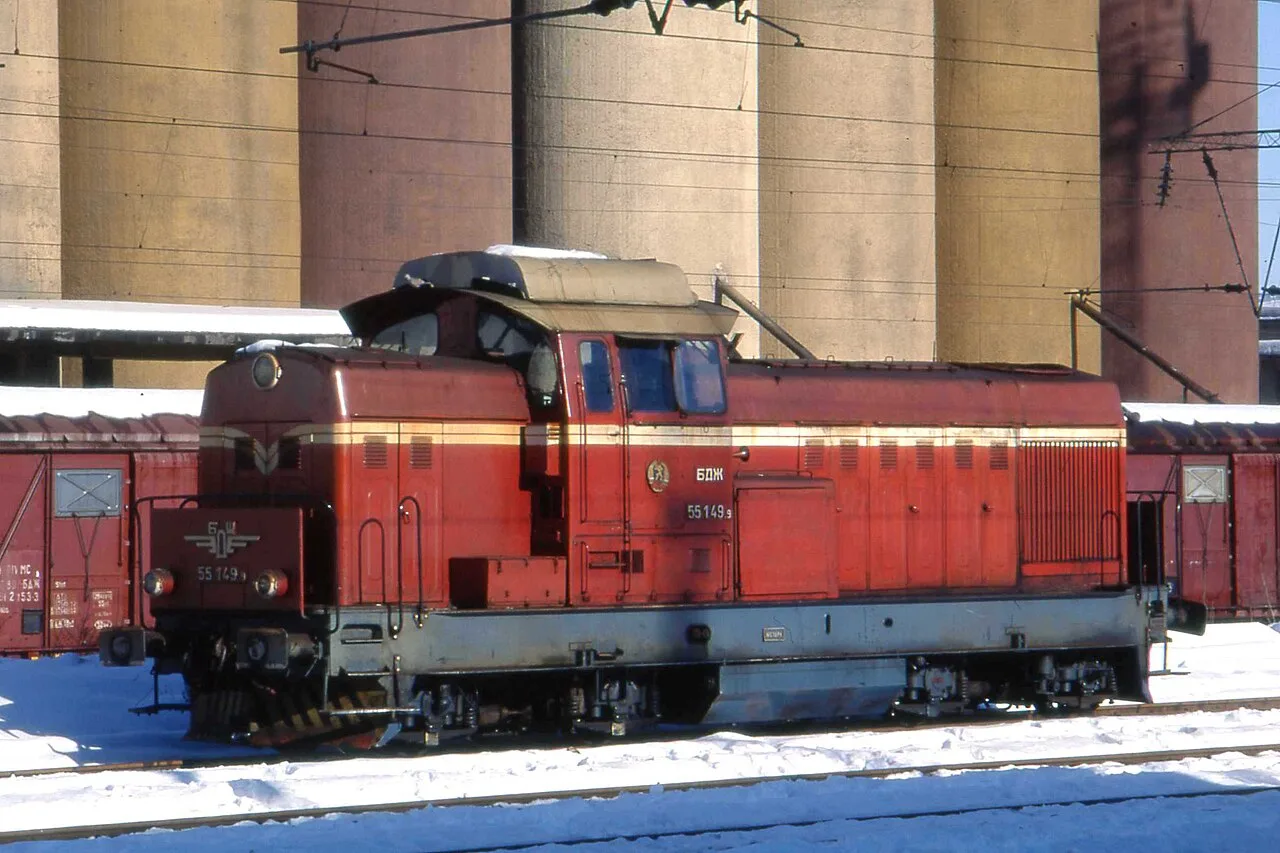
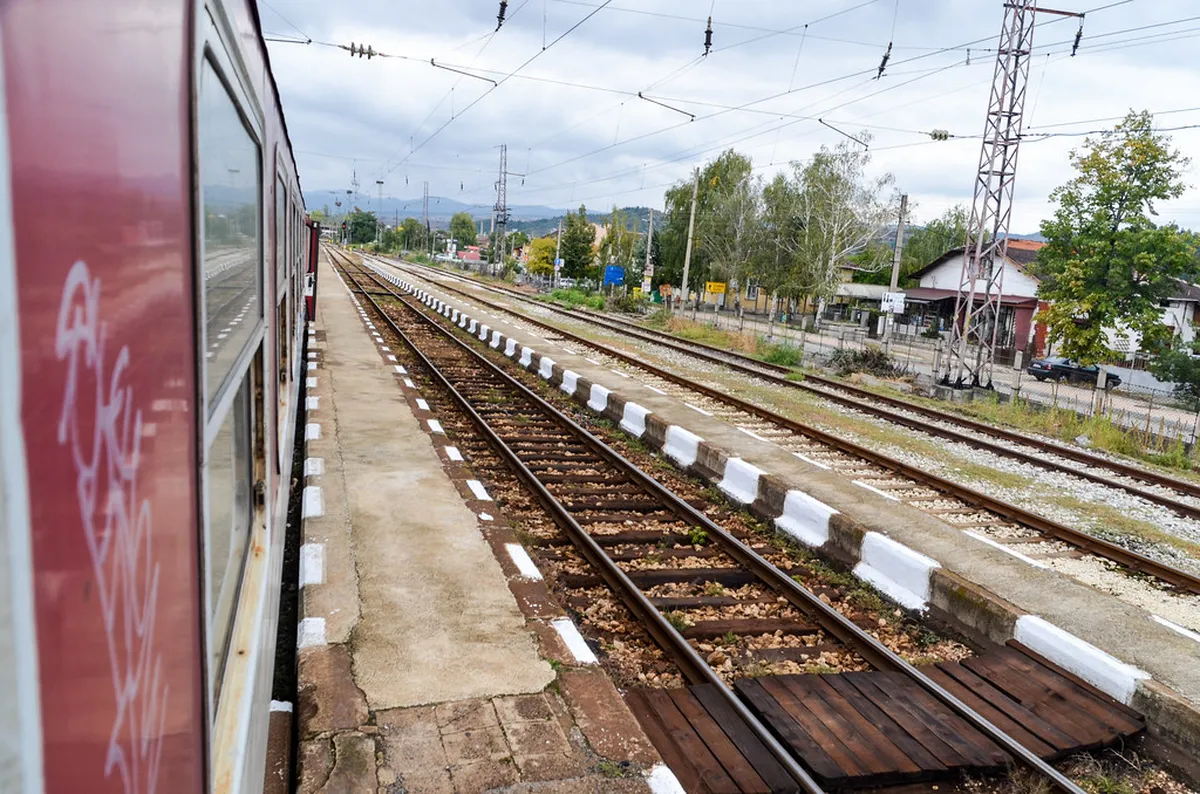
The Bulgarian State Railways, known as BDZ, offers an affordable and nostalgic way to see the beautiful countryside. While trains are often slower than buses, they provide more legroom and a classic travel experience for slow-travel enthusiasts. You can use a Bulgaria Trip Planner to plan your stops at historic stations along the main rail lines. Booking tickets online is possible for major routes at bdz.bg, but physical tickets are still common at smaller stations and can be purchased from the conductor on board.
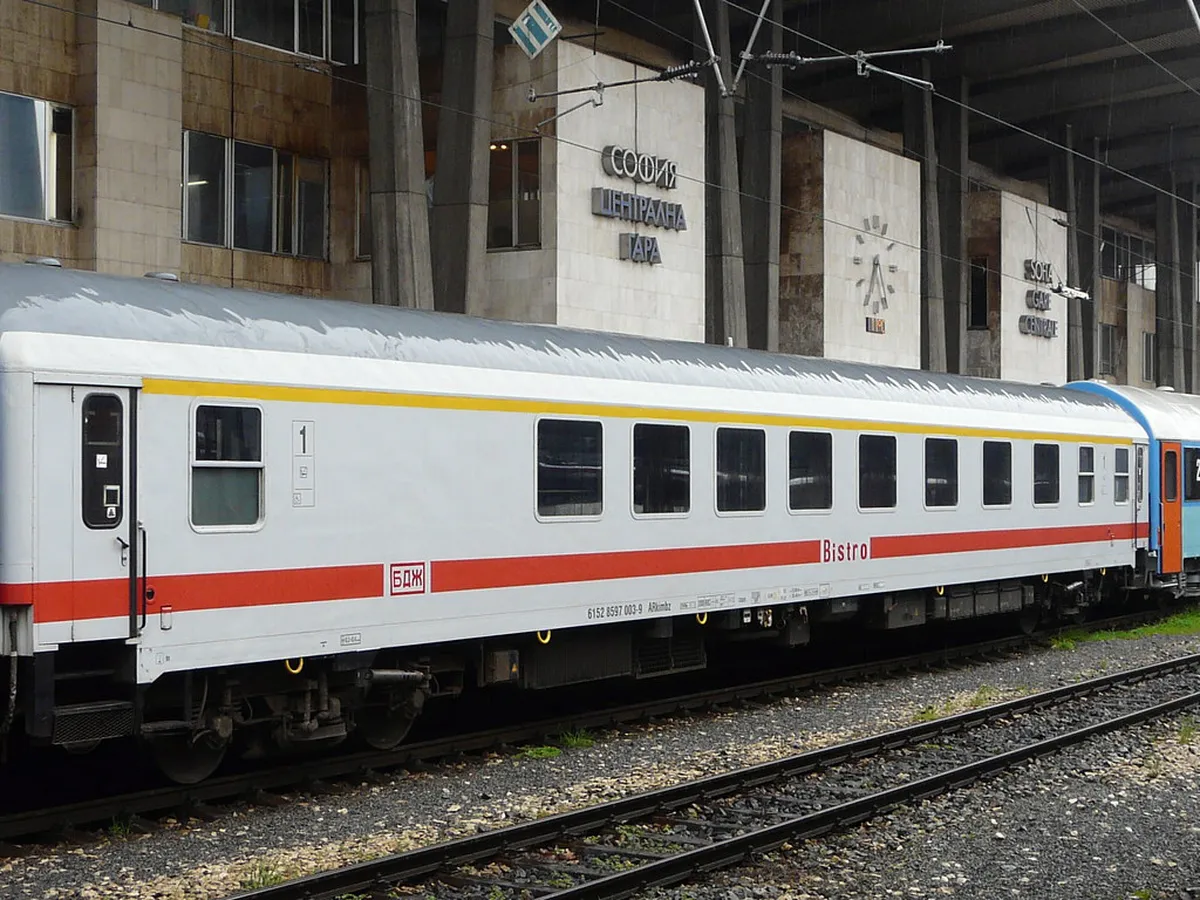
Many BDZ regional train carriages lack air conditioning. In July and August, interior temperatures can exceed 40°C on long routes like Sofia–Varna (7 hours). Book early morning departures, bring at least 1.5 liters of water, and consider upgrading to first-class or newer Siemens Desiro trains when available.
A major pain point for summer travelers is the lack of air conditioning on many older train carriages. Temperatures inside the cabins can rise significantly during July and August, making long journeys uncomfortable — particularly on the Sofia–Varna route, which takes around seven hours. Try to book the newer Siemens Desiro trains or first-class seats to increase your chances of having a cooler environment. Bringing plenty of water and a handheld fan is a wise move for any mid-day rail trip in the warmer months.
The narrow-gauge railway from Septemvri to Dobrinishte is a must-do experience for anyone seeking breathtaking mountain views. This slow-moving train winds through the Rhodope Mountains and offers a unique perspective on rural Bulgarian life and landscapes. A ticket costs around 10–12 BGN (approximately €5–€6) and the journey takes about five hours end to end. Ensure you check the seasonal schedule, as departures are limited to a few times per day and advance booking is wise in summer.
First-class tickets are only slightly more expensive than second-class and often provide a much quieter and more spacious atmosphere. Most major trains include a small cafe car, but it is better to bring your own snacks for longer trips. Conductors are generally helpful and will announce major stops, though rarely in English — having your destination written in Cyrillic helps considerably.
Train vs. Bus on Bulgaria's Busiest Routes
Choosing between train and bus depends on the route. For the Sofia–Plovdiv corridor, buses win on both speed and frequency: the journey takes around 2 hours by bus compared to 2.5–3 hours by train, and Union Ivkoni runs departures every 30–60 minutes from Sofia Central Bus Station. Fares are comparable at roughly 14–18 BGN (€7–€9) each way. The train is still worth considering if you want to read, stretch your legs in a seat, or arrive directly at Plovdiv Central Station in central the city.
On the Sofia–Varna route, the difference is more dramatic. The overnight train takes approximately 7–8 hours but costs as little as 25 BGN (€12–€13) in second class, and a couchette allows you to sleep through the journey and arrive in the morning. Buses cover the same distance in about 6.5 hours for a similar price but require an alert passenger the whole way. For the Black Sea coast in summer, booking bus tickets several days ahead is strongly recommended — seats on popular morning departures sell out fast.
Sofia to Burgas is a third common corridor where the calculus shifts again. BDZ runs a direct train in roughly 6 hours; buses do it in 5.5 hours and depart more frequently. Both cost around 22–28 BGN (€11–€14). If you are traveling with large luggage or surfboards for the coast, buses have more accessible under-carriage storage than older train carriages. Whichever mode you choose, book through the operator's website or at the station — third-party booking platforms often add unnecessary fees.
| Route | Train | Bus |
|---|---|---|
| Sofia–Plovdiv | 2.5–3 hours, 14–18 BGN | 2 hours, 14–18 BGN |
| Sofia–Varna | 7–8 hours, 25 BGN (couchette available) | 6.5 hours, 25 BGN |
| Sofia–Burgas | 6 hours, 22–28 BGN | 5.5 hours, 22–28 BGN |
Public Transport in Sofia and Major Hubs
Sofia features a highly efficient metro system that connects the airport directly to the city center in under thirty minutes. The metro is clean, safe, and very easy to navigate thanks to clear signage in both Cyrillic and Latin alphabets. Using the metro is the fastest way to avoid the heavy traffic that often clogs the capital's main boulevards. A single metro ride costs 1.60 BGN (under €1) and a ten-trip card works out cheaper still.
Digital payments have transformed how visitors move around the capital, making physical ticket queues largely unnecessary. You can simply tap your contactless credit or debit card on the readers located at the entrance of every metro gate. The system automatically calculates the best fare for your daily travel, so multiple journeys in one day are capped automatically. For a deeper look at the city, check out this insider cultural guide to Sofia (The Guardian) for local tips on neighborhoods and timing.
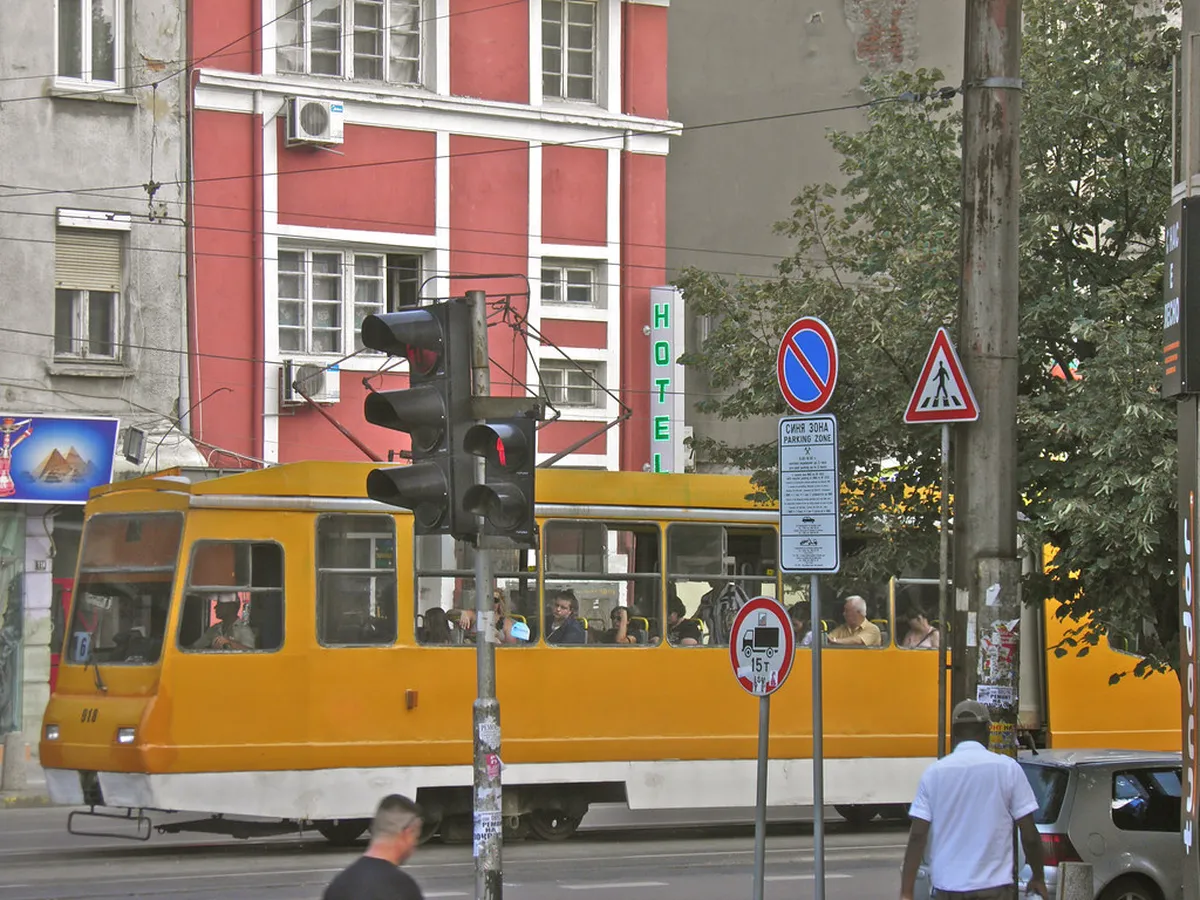
Trams and trolleybuses provide excellent coverage in areas of Sofia where the metro lines do not yet reach. These vehicles offer a charming way to see the historic architecture while moving between different neighborhoods and parks. Be sure to validate your ticket immediately upon boarding if you are not using the digital tap-to-pay system. Inspection teams frequently check for valid fares and can issue fines of 40 BGN or more to passengers without a properly stamped ticket.
In cities like Plovdiv and Varna, the public transport network consists primarily of an extensive bus system. These buses connect the central districts with the outskirts and popular coastal resorts during the busy summer months. Most bus stops in larger cities feature digital displays that show expected arrival times. Always have small change ready — many conductors still prefer cash over card for the standard 1.50 BGN urban fare.
Car Rentals and Driving in Bulgaria
Renting a car offers the ultimate freedom to explore remote monasteries and hidden mountain villages at your own pace. Many travelers choose to pick up their vehicles at the airport to begin a Bulgaria Road Trip Route immediately. You will need an international driving permit if your license is not from an EU country or Switzerland. Check out these cheap car rentals in Sofia (Guide to Europe) to find the best deals for your trip.
Electronic vignettes are mandatory for driving on all main roads and motorways outside of the city limits. Most rental companies include the vignette in the price, but you should always verify this before leaving the lot. You can purchase a vignette online at bgtoll.bg or at most petrol stations near the border if you are driving your own vehicle. Failure to have a valid vignette can result in fines of 300 BGN from the specialized road toll police patrols. For detailed advice on local driving logistics, read more in our guide to Bulgaria Car Hire Tips.
Spark is a popular electric car-sharing service available in Sofia and Plovdiv for short-term urban rentals. You can locate and unlock these cars using a mobile app, making it a very convenient option for quick city trips without the hassle of a traditional rental agency. Rates run on a per-minute basis, which is cost-effective for journeys under 30 minutes but less so for day-long excursions where a flat-rate rental wins. This service also helps reduce your carbon footprint while exploring the historic streets of the Bulgarian capital.
Driving in Bulgaria can be challenging due to varying road conditions and the assertive driving style of some locals. Many secondary roads in mountainous areas are narrow and may have potholes that require careful navigation. You should always follow the speed limits strictly, as police often use mobile cameras to catch speeding drivers on highways. For more advice on local routes, read about exploring Sofia like a local (BBC Travel) before you set off.
Taxis and Ride-Hailing Apps
Taxis are widely available and relatively cheap in Bulgaria compared to Western European standards. You should always look for legitimate yellow taxis that display their meter rates clearly on the passenger window — the per-kilometer rate should be under 1.00 BGN during the day. Avoid accepting rides from drivers who approach you inside the airport terminal or train station halls, as these are typically unlicensed operators charging three to four times the legal rate.
The TaxiMe app is the most reliable way to book a ride in Sofia and other large cities. It allows you to see the driver's rating, the estimated fare, and the car's arrival time in real-time. This app helps you avoid the risk of being overcharged by unscrupulous drivers who target tourists. You can pay through the app with a credit card or provide cash directly to the driver at the end of the journey.
Bolt has also established a strong presence in Bulgaria, offering a familiar ride-hailing experience for many international travelers. The app works similarly to Uber, which is currently not permitted to operate within the country. Using Bolt ensures that you have a digital record of your journey and a pre-determined price for the trip. It is particularly useful for late-night rides when public transport options are less frequent or unavailable.
Always check that the taxi meter is running as soon as you start your journey to ensure a fair price. If a driver refuses to turn on the meter, it is best to politely ask them to stop and find another vehicle. Most drivers in major cities speak basic English, but having your destination written in Cyrillic can be very helpful. Tipping is not mandatory but rounding up the fare is a common and appreciated gesture among locals.
Alternative Travel: Cycling and Walking
Sofia is significantly more walkable than its Balkan reputation suggests. The city center is compact enough that most major sights — from the Alexander Nevsky Cathedral Visitor Guide to Vitosha Boulevard Visitor Guide — are reachable on foot within 20–30 minutes. Good walking shoes are genuinely useful here: many pavements around older neighborhoods are made of cobblestones that become slippery in wet weather. Walking also lets you discover the city's network of small parks and pedestrian streets that buses and taxis simply bypass.
Cycling is a growing option in Sofia and Plovdiv. Sofia introduced a public bike-share scheme called Next Bike that gives you access to docking stations scattered around the center for around 2 BGN per 30 minutes. In Plovdiv, the riverside path along the Maritsa makes for a flat and scenic cycling route connecting the Old Town area with the Kapana Creative District Visitor Guide. Rental shops near both city centers offer hybrid bikes from around 20 BGN per day — a practical choice for half-day exploration before switching to the metro or a taxi for longer hops.
Outside the cities, cycling on mountain routes is best reserved for confident riders with suitable gear. The roads toward the Rhodope Mountains and Rila foothills are strikingly beautiful but carry fast-moving traffic on narrow carriageways. Organized bike-tour operators in Bansko and Borovets supply guides, helmets, and route-mapped e-bikes for those who want to tackle the elevation without guesswork. Walking trails are clearly marked in most national parks, with trailhead information boards posted in both Bulgarian and English.
Practical Logistics: Payments, AC, and Schedules
While Sofia is very digital-friendly, traveling through rural Bulgaria often requires a different approach to payments and planning. You should always carry enough Bulgarian Lev in cash for bus tickets, small cafes, and local guesthouses. Card payments are becoming more common in 2026, but small-town kiosks and marshrutka drivers still prefer physical currency for most transactions. Having a mix of payment methods ensures you are prepared for any situation during your travels. See our Bulgaria travel costs guide for budgeting tips.
The air conditioning gap on public transport deserves more attention than most guides give it. Sofia's metro and the newer intercity buses are fully climate-controlled, but the majority of BDZ train carriages on regional routes run without AC. In July and August, midday temperatures inside a stationary carriage can exceed 40°C. If you are traveling by train in summer, book the earliest morning departure you can find, bring at least 1.5 liters of water, and consider first-class — older first-class cars are not always cooler but they carry fewer passengers. Many older intercity buses also have broken or absent AC; opening a window and sitting on the shaded side of the bus helps.
Learning to read the Cyrillic alphabet can significantly improve your experience when navigating bus stations and local road signs. While many major signs are bilingual, smaller villages may only display names in the local script. This skill is especially useful when trying to identify your destination on a fast-moving minibus or at a rural train platform. You can find more helpful advice on the Top Bulgaria Attractions guide for cultural and practical tips.
Schedules for regional buses and trains can change seasonally, so it is vital to verify times on official websites before your trip. Apps like Moovit can be incredibly helpful for navigating city transit and finding the best routes in real-time. Planning your connections with a bit of extra time will help reduce stress if a vehicle is slightly delayed. Auto-stop (hitchhiking) is a common sight in rural Bulgaria and is generally considered safe among locals, but tourists should exercise standard caution and stick to official transport for longer distances or solo travel.
Explore more: Getting Around Bulgaria: The Ultimate Transportation Guide
Use these focused guides to plan the details, compare options, and build an itinerary that fits your trip.
- Burgas to Varna: Train, Bus & Drive Guide 2026
- Plovdiv to Pamporovo: Transfer & Travel Guide
- Sofia Airport Car Rental: A Step-by-Step Guide
- Sofia Airport Lounge Travel Guide
- Sofia Airport Parking Travel Guide 2026
- Sofia to Belgrade Train: Full 2026 Travel Guide
- How to Take the Sofia to Istanbul Train
- Sofia to Pamporovo: How to Get There in 2026
- Sofia to Skopje Bus: 2026 Step-by-Step Guide
- How to Get from Sofia to Sunny Beach
- Sofia to Thessaloniki Train: Full 2026 Guide
- Veliko Tarnovo to Varna: Bus, Train, or Drive?
Explore more: Getting Around Bulgaria: The Ultimate Transportation Guide
Use these focused guides to plan the details, compare options, and build an itinerary that fits your trip.
- Buses In Bulgaria Travel Guide
- Plovdiv To Veliko Tarnovo Travel Guide: Buses, Trains & More
- How to Get from Sofia to Bansko: Your Complete Transport Guide
- Sofia To Burgas Travel Guide: Trains, Buses & Road Trip Stops
- Sofia to Veliko Tarnovo: Your Complete Transport Guide (Bus, Train, Car)
- Trains In Bulgaria Travel Guide: Routes, Tickets & Tips
Frequently Asked Questions
Is public transport in Bulgaria easy for tourists?
Yes, public transport is generally easy to use, especially in major cities like Sofia. The metro and bus systems are affordable and well-connected. However, rural travel may require more planning and some knowledge of the Cyrillic alphabet for signs. Check our road trip guide for more details.
Does Bulgaria have Uber or Bolt?
Uber does not operate in Bulgaria, but Bolt is a popular and reliable alternative in larger cities. You can also use the local TaxiMe app to book licensed yellow taxis. These apps provide transparent pricing and help you avoid common transport scams in the capital.
How do you pay for the metro in Sofia?
The easiest way to pay for the Sofia metro is by tapping your contactless credit or debit card at the gates. You can also purchase single-trip tickets or rechargeable transport cards at station kiosks. The digital system automatically applies a daily cap to save you money on multiple trips.
Is it safe to drive a rental car in Bulgaria?
Driving a rental car is safe, but you must stay alert for potholes and aggressive driving on secondary roads. Always ensure you have a valid electronic vignette for highways and follow all local speed limits. Renting from reputable agencies at the airport is the best way to ensure vehicle quality.
Mastering the various ways of navigating Bulgaria will significantly enhance your travel experience across this beautiful country.
From the efficient Sofia metro to the scenic mountain trains, each mode of transport offers its own unique perspective.
By following the tips in this guide, you can travel with confidence and focus on enjoying the rich culture and history.
Safe travels as you explore everything that Bulgaria has to offer in 2026 and beyond.
Explore More Bulgaria Transport Guides
Plan every leg of your trip with our dedicated guides — pick a transport mode, or jump straight to the intercity route you need.
By Transport Mode
- Renting A Car In Bulgaria: Complete Guide & Driving Tips
- Trains in Bulgaria (BDŽ Railways)
- Buses in Bulgaria (Intercity Coaches)