Kordopulov House Visitor Guide
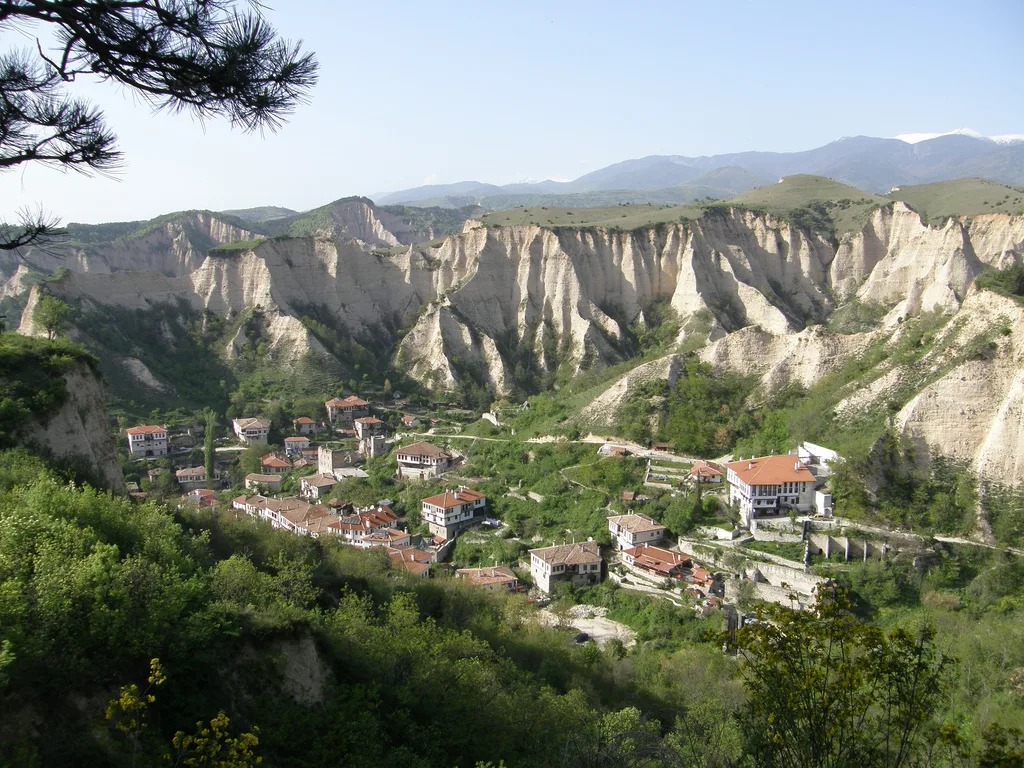
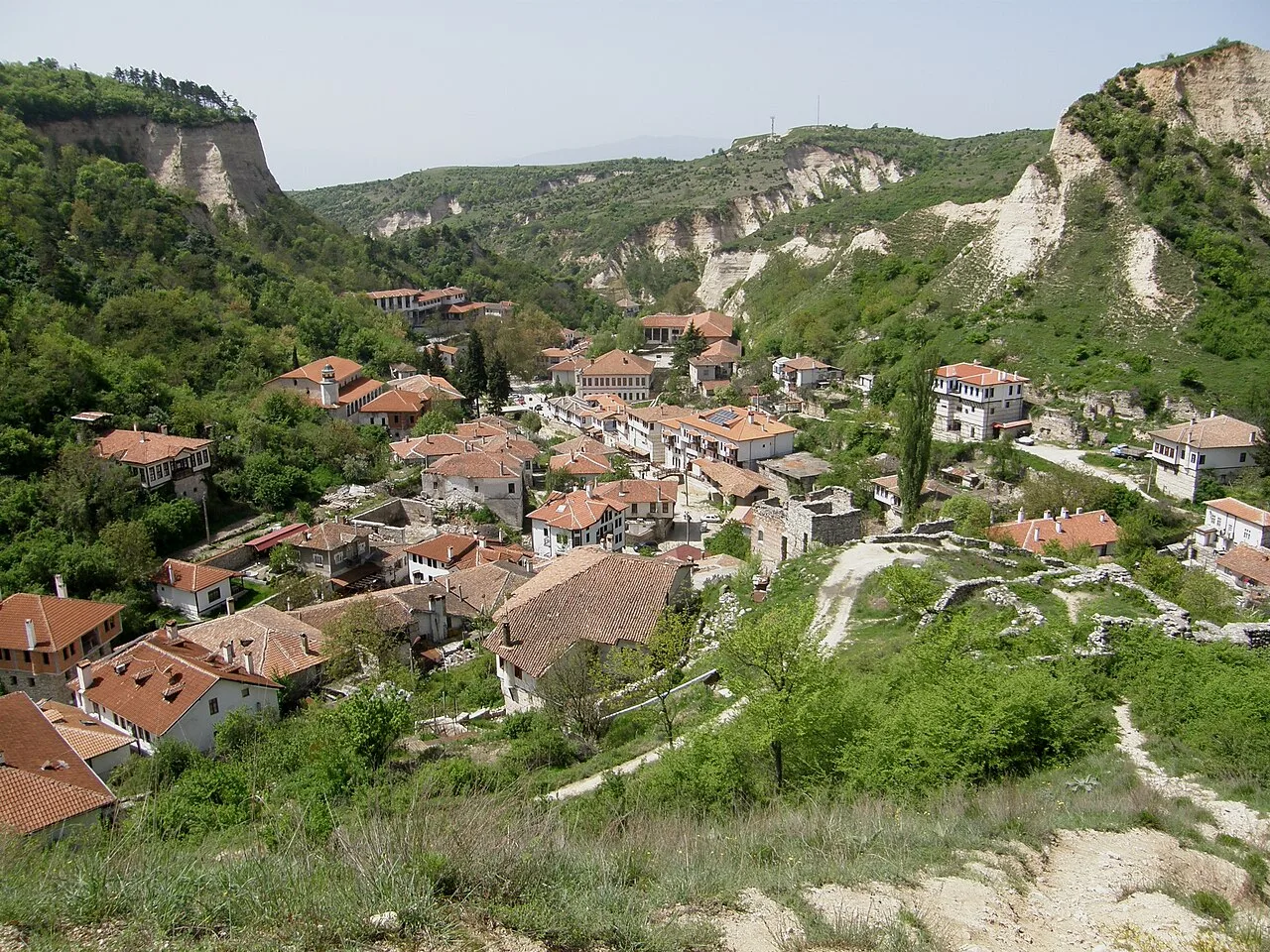
The Kordopulov House stands as a masterpiece of Bulgarian National Revival architecture in central Melnik. Built in 1754, this grand structure was once the home of wealthy Greek wine merchants. Visitors today can explore the massive wine cellars and beautifully decorated rooms that define this historic landmark.
This walk-through video provides a visual introduction to the house's main rooms and architectural features:
Planning a trip to Bulgaria's smallest city requires a helpful Melnik travel guide to see every highlight. This house is the largest surviving building of its era anywhere in the country. It showcases a unique blend of Ottoman, Venetian, and European styles that fascinate every traveler.
The house is not just a museum but a testament to the thriving wine trade of the 18th century. From secret tunnels to stained-glass windows, every corner tells a story of wealth and tradition. This 2026 guide covers the history, the architecture, and the practical, euro-era details you need before you climb the hill.
History and Heritage of the Kordopulov House
Manol Kordopulov commissioned this impressive residence in 1754 to serve as both a home and a business hub. The family gained immense wealth by exporting the famous broad-leaved Melnik wine to Venice, Vienna, and Paris. Their success allowed them to build a structure that rivaled the finest merchant homes anywhere in the Balkans.
The house is also frequently called the Tsintsarova house, after a later owner, George Tsintsarov, who kept the property and its wine-production traditions running for decades. Records place an even older building on the same site as far back as the 15th or 16th century, which the Kordopulov family later replaced with the residence standing today. Understanding these overlapping family legacies helps visitors appreciate the social status this building once represented.
Historical accounts describe the home as a hub for trade and cultural exchange well into the 19th century, when Melnik's wine merchants dealt directly with buyers across the Ottoman Empire and beyond. This heritage makes it a vital stop for anyone interested in the Bulgarian National Revival period.
Preservation efforts have kept the original spirit of the Kordopulov House alive for modern tourists. Much of the furniture and decor remains intact to provide an authentic glimpse into the past. Walking through these rooms feels like stepping back into a time of merchant princes and traders.
Architectural Features of the Bulgarian Revival Period
The architecture of the Kordopulov House follows the classic National Revival style with a focus on vertical, defensible space. It rises through three distinct levels that each served a different purpose for the merchant family and their workers, with heavy stone at the base giving way to lighter timber framing higher up.
Architects designed the upper floor with rows of protruding bow windows to maximize natural light and street views, letting residents observe the town below while keeping the interior private behind thick outer walls.
Inside, the walls carry intricate murals and decorative plasterwork that reflect the family's sophisticated tastes, with floral patterns and geometric shapes covering surfaces from the entry hall to the reception rooms. Timber does the structural heavy lifting throughout, from the massive support beams to the delicate window frames, and that carpentry is what has kept the building standing for over 270 years.
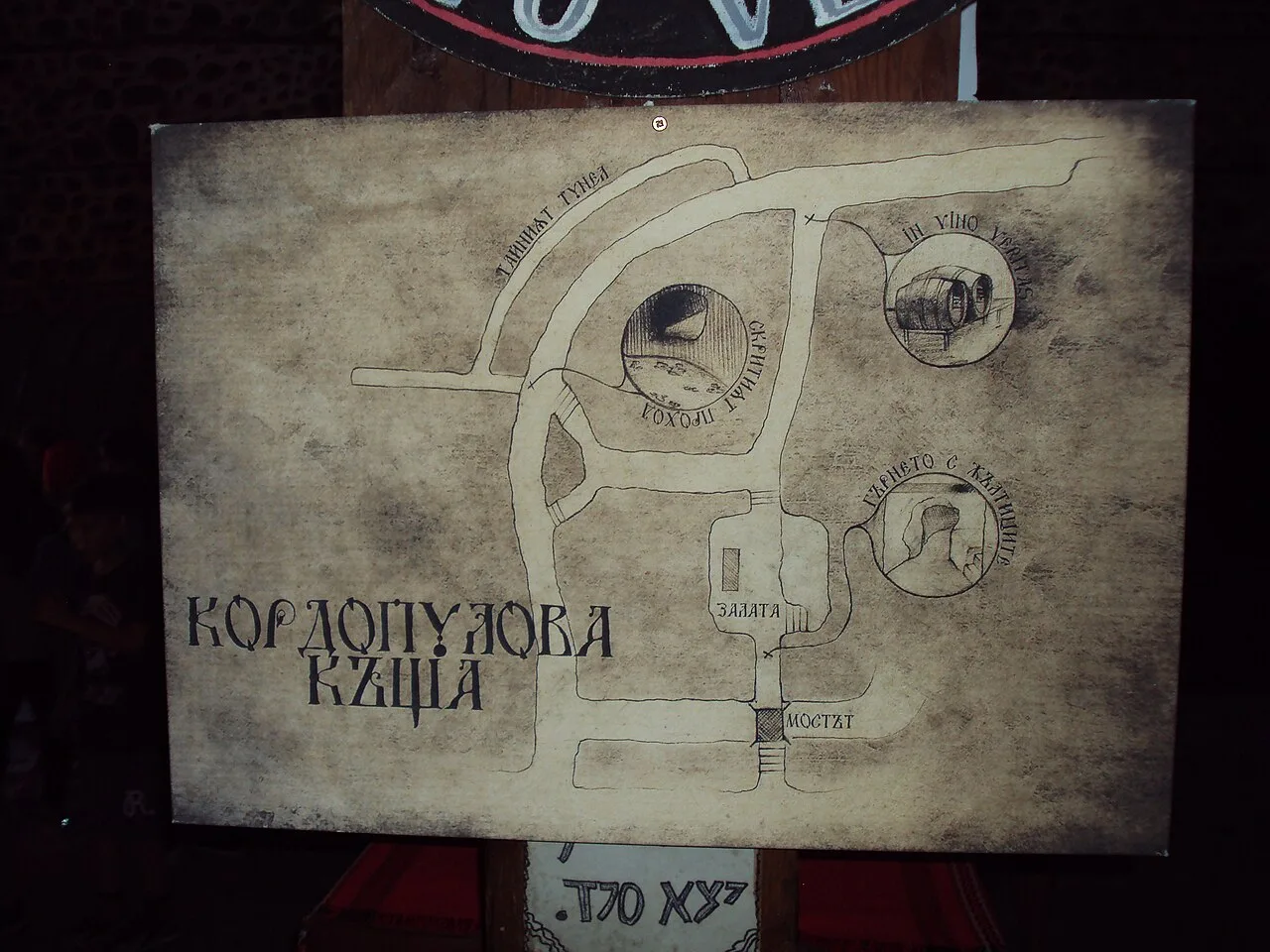
- The ground floor holds the rock-cut wine cellars and the tunnel mouths that once doubled as a discreet route for moving goods, or people, out of sight of the street.
- The semi-floor above is purely functional — storage and the everyday business of running a large merchant household, with none of the decoration found upstairs.
- The top floor, wrapped in bow windows, was reserved for formal receptions and shows off the house's finest woodwork, plasterwork, and stained glass.
The Underground Wine Cellars and Tunnel System
Beneath the residence lies a network of tunnels carved directly into the soft sandstone rock, running roughly 150 to 180 metres and holding an estimated 300 tonnes of wine at full capacity. The largest barrel down there holds around 12.5 tonnes on its own. The natural rock provides a near-ideal environment for aging the local Melnik varieties without mechanical cooling.
The temperature inside stays close to a constant 10 to 12 degrees Celsius year-round, which is exactly the stability wine needs and exactly why the cellars still work today, more than two and a half centuries after they were dug. Bring a light layer even in a Melnik summer — the contrast between the sun outside and the cool tunnels is sharper than most visitors expect.
A fascinating feature of the cellar is its system of narrow secret passages, originally built for security, letting the owners move valuable goods, or themselves, quickly during periods of regional unrest. Many visitors find these tight corridors the most atmospheric part of the whole tour.
Wine enthusiasts get a very different experience here than at a conventional museum display case, because everything in these tunnels was built to actually make and age wine, not just show it off. The Kordopulov family used these specific chambers to mature their private stock for years before it ever left the property. Seeing the barrels still resting in place, some large enough to hold several thousand litres, gives a real sense of the industry's historic scale.
The Guest Room: Venetian Glass and Wood Carvings
The guest room is the most opulent space in the house and served as a stage for wealthy visitors. It features 24 windows arranged in two rows to flood the room with colored light. The upper row consists of rare Venetian stained glass that depicts beautiful floral scenes.
The ceiling is a masterpiece of wood carving featuring a sun-like mosaic at its center. Skilled artisans spent months crafting the intricate patterns that represent the blooming fields of the region. This baroque influence shows how European art trends reached even this remote corner of Bulgaria.
Cultural history buffs will appreciate that Viennese actors reportedly performed in this very room when the house was dedicated, brought in specifically by the Kordopulov family to entertain their guests. The space was designed with strong acoustics to host musical evenings and theatrical performances. That connection to Vienna highlights the high cultural status the family maintained through their trade.
Low sofas called mindaleks line the walls for seating, and the mix of Ottoman comfort with European elegance creates an atmosphere found nowhere else in Melnik. It remains one of the best-preserved examples of high-society life from the 18th century anywhere in Bulgaria.
The Melnik Wine That Built This House
The grape behind all this wealth is the shiroka melnishka loza, or "broad-leaved Melnik vine," a thick-skinned, deeply colored variety that grows almost nowhere else in the world. What most visitors never hear on a standard tour is that the sandy, schist-heavy soil around Melnik is one of the reasons phylloxera never wiped out these vines the way it devastated most of Europe's vineyards in the late 1800s. Vines here could stay on their own roots instead of needing the grafted American rootstock that changed the taste of wine almost everywhere else on the continent.
That un-grafted, high-tannin grape is what let the Kordopulov family age wine for years in these exact cellars rather than sell it young, and it is why their wine reached buyers as far away as the Russian imperial court and the salons of Vienna and Paris. Local guides in Melnik still like to repeat the old, unverifiable story that Winston Churchill once praised the wine's strength — a fun anecdote to hear on-site, even if no one can point to a reliable source for it.
You can still taste that same grape a few metres from where it was historically aged: the house runs a working cellar with tasting packages that historically ran about 14 to 18 BGN, roughly 7.16 to 9.20 EUR, pairing a few pours with local cheese and dry appetizers. It is worth budgeting for on the day, since it is one of the few places in town where the wine, the cellar, and the history line up in the same room.
Essential Visitor Information: Hours and Location
The Kordopulov House sits in the eastern quarter of Melnik, reached by narrow cobblestone paths that climb from the town center. The walk is genuinely steep in places, and anyone with mobility limitations should expect stairs both outside and inside the house.
For 2026, the house is generally open daily from 09:30 to 18:30 between 1 April and 30 September, and from 09:30 to 16:30 between 1 October and 31 March; some sources report a Monday-Tuesday closure, so confirm before you make the climb. Admission was historically about 3 BGN, roughly 1.53 EUR at the fixed conversion rate, with some sources quoting 4 BGN — Bulgaria adopted the euro in January 2026, so it is worth confirming the current euro-denominated price directly at the ticket office (tel. +359 74 372 265) rather than relying on older listings.
Combine your visit with the wine-tasting session in the cellar described above, and remember to bring a layer for the tunnels even if you arrive in shorts and sandals. Parking in Melnik can be difficult during peak summer months or holiday weekends, so it is best to park near the town entrance and walk in, which also gives you the best views of the surrounding sandstone cliffs.
Other Notable Sites in the Blagoevgrad Region
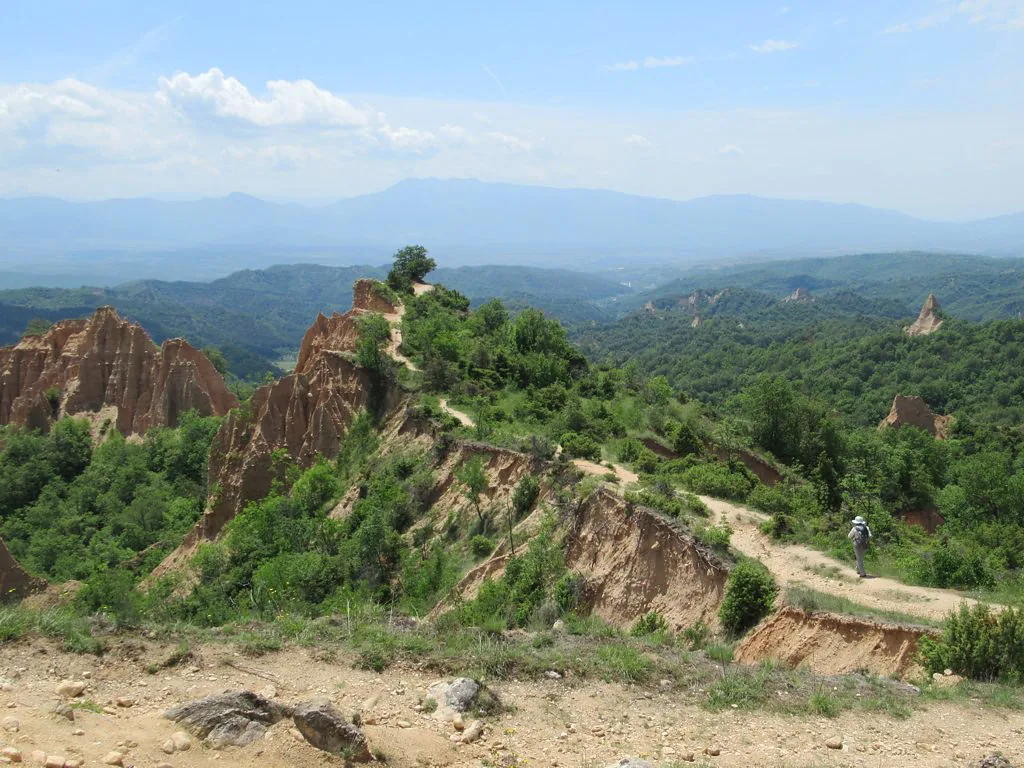
After exploring the house, most visitors head to the Melnik Sandstone Pyramids Travel Guide that surround the city. These natural rock formations create a dramatic backdrop and offer several hiking trails for active travelers. The view from the ridges provides a stunning perspective of the entire valley.
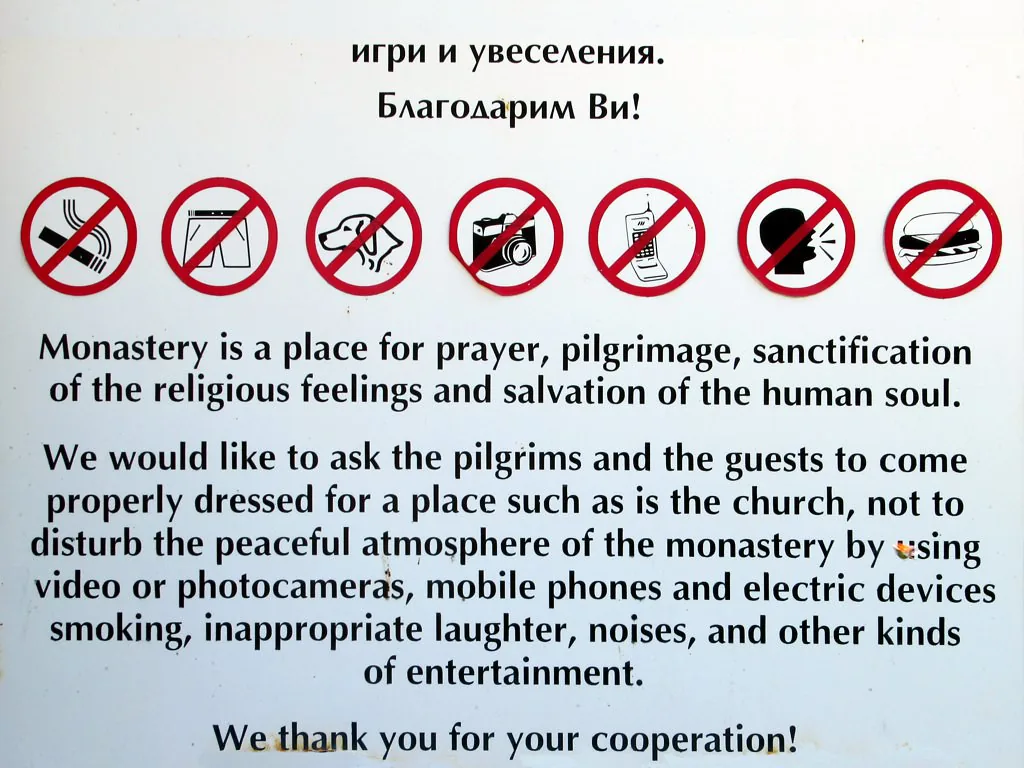
A short drive or hike away lies the historic Rozhen Monastery (Nativity of the Mother of God) Visitor Guide, one of the oldest in Bulgaria. It features beautiful frescoes and a peaceful courtyard that contrasts with the busy streets of Melnik. Combining these two sites makes for a satisfying full-day itinerary in the region.
History lovers can also hike up to the ruins of the Despot Slav Fortress (St. Nicholas Fortress) Guide on the hill above the town. The fortress offers a glimpse into the medieval defenses of the region and panoramic views of the Pirin Mountains. It is a great spot for photography during the golden hour.
The Blagoevgrad region is known for its diverse attractions, from hot mineral springs to ancient mountain trails. Planning your visit around these landmarks, alongside the Kordopulov House, gives a fuller picture of southwestern Bulgaria.
Continue planning: Use Melnik Attractions: Things to Do in Bulgaria's Smallest Wine Town to connect this guide with the rest of your Bulgaria itinerary.
Frequently Asked Questions
What is Kordopulov House?
Kordopulov House is the largest Bulgarian National Revival house in the country, built in 1754 in the town of Melnik for the wealthy wine merchant Manolis Kordopoulos. It now operates as a private museum showcasing period rooms, Venetian stained glass, and an extensive rock-cut wine cellar.
How much is entry to Kordopulov House?
Listed pre-euro admission was about 3 BGN (roughly 1.53 EUR at the fixed rate of 1.95583 BGN to 1 EUR), with some sources quoting 4 BGN. Because Bulgaria adopted the euro in January 2026, confirm the current euro price at the ticket office (tel. +359 74 372 265).
What are the opening hours?
The house is generally open daily from 09:30 to 18:30 between 1 April and 30 September, and from 09:30 to 16:30 between 1 October and 31 March. Some sources report a Monday-Tuesday closure, so it is best to confirm before visiting.
Why is Kordopulov House famous?
It is celebrated as Bulgaria's largest Revival-era house and for its dramatic wine cellars carved into the sandstone rock, its Venetian stained-glass windows, and its ornately painted rooms - a showcase of Melnik's centuries-old wine-making heritage.
Can you taste Melnik wine there?
Yes. The house maintains a working cellar and offers wine-tasting packages (historically about 14-18 BGN, roughly 7.16-9.20 EUR) that pair local Melnik wines with cheeses and dry appetizers. Confirm current tasting prices at the cellar.
How big are the wine cellars?
The cellars are reached by roughly 150-180 metres of tunnels dug into the sandstone rock. The largest barrel holds around 12.5 tonnes, and the cellar's total storage capacity is about 300 tonnes.
Where is Kordopulov House located?
It sits in the eastern part of Melnik, Bulgaria's smallest town, in the Pirin wine region of Blagoevgrad Province in the country's southwest. Coordinates are approximately 41.523 N, 23.398 E.
The Kordopulov House is a must-visit destination for anyone traveling through southwestern Bulgaria. It perfectly captures the intersection of history, art, and the legendary wine culture of Melnik. From the cool depths of the tunnels to the bright guest rooms, the experience is memorable.
Visiting this landmark allows you to appreciate the architectural genius of the Bulgarian National Revival period. The house remains a symbol of the city's golden age and its enduring spirit. We hope this guide helps you plan a successful and enriching visit to this historic treasure.
Make sure to take your time exploring both the interior decorations and the massive underground cellar network. Melnik offers a unique atmosphere that is best enjoyed at a slow and steady pace. Enjoy your journey into the heart of Bulgaria's smallest and most charming city.
For more Melnik planning, read our 10 Best Things to Do in Melnik (2026), Melnik Wine: Guide to Bulgarian Varietals & Wine Country, and Kordopulov House Travel Guide guides.
Pair your visit with the Melnik Museum of Wine to go deeper on the town's winemaking tradition.
To verify current details, consult the Kordopulov House on Wikipedia and Kordopulov House official site.