Bansko Old Town Visitor Guide
The historic center of Bansko offers a sharp contrast to the modern ski slopes found nearby. You will find ancient stone walls and quiet cobblestone streets that tell stories of the Bulgarian National Revival. This bansko old town visitor guide helps you navigate the cultural treasures hidden within the city's heart. Travelers often discover that the historic district provides a much deeper connection to Bulgarian heritage.
Here's a visual walkthrough of the historic lanes and fortified houses:
The quarter sits at the southern edge of town and forms the natural starting point for anything further into the Pirin National Park Visitor Guide beyond it. Walking through the old lanes feels like stepping back into the 18th century, past workshops turned guesthouses and quiet chapel courtyards. Plan on two to three hours to wander it properly, longer if you stop inside a house-museum or linger over coffee in one of the squares.
Where is Bansko and How to Get There
Bansko sits at the foot of the Pirin Mountains in southwestern Bulgaria, and the Old Town occupies the original heart of the settlement around Nikola Vaptsarov Square. The town is about 150 km from Sofia, roughly a two-hour drive on Route 1 and the E79, or a three-hour bus ride from Sofia's Central Bus Station for around 20 BGN (about €10) one way. Renting a car at Sofia Airport gives the most flexibility, though private transfers and shared shuttles are easy to book for groups arriving with ski gear or extra luggage.
Once in town, the Old Town itself is entirely walkable and largely car-free in its core lanes. From a gondola-area hotel it's about a 15-20 minute walk along Pirin Street to reach Vaptsarov Square, or a short taxi ride if you'd rather save your legs for the cobblestones once you arrive.
The History and Architecture of Bansko’s Old Town
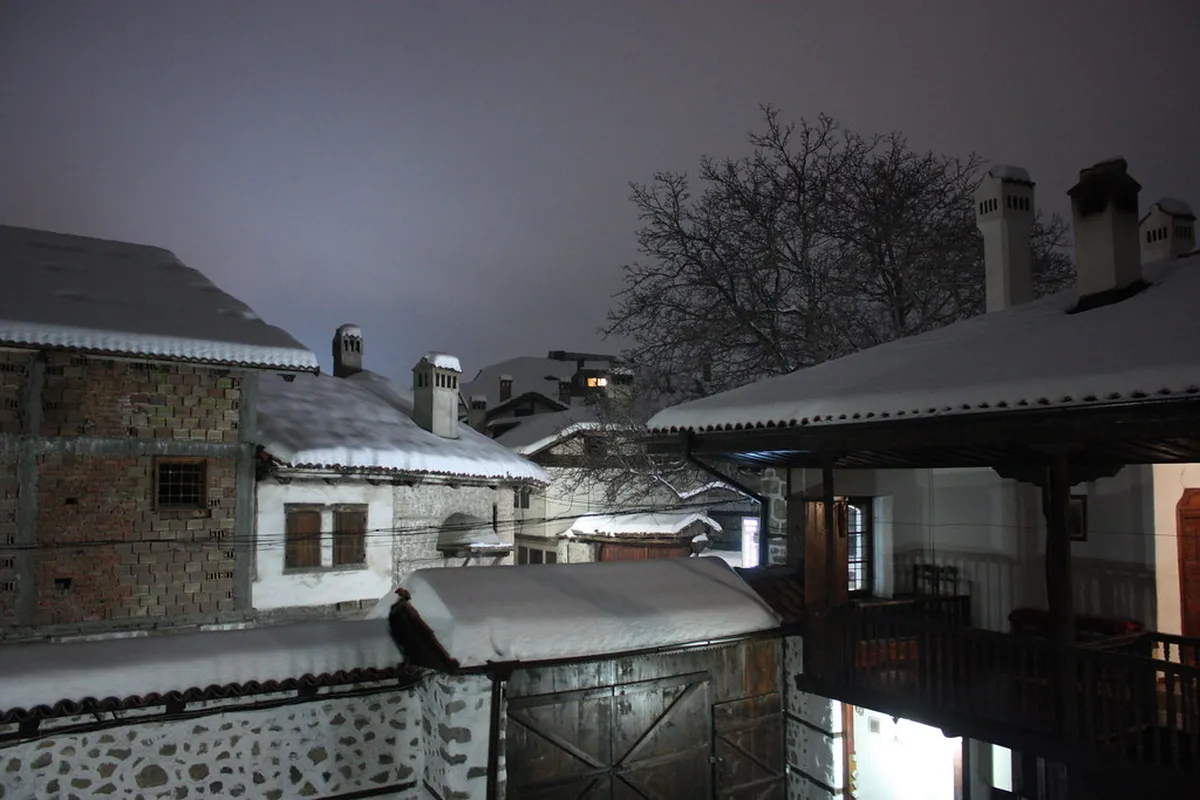
The architecture here reflects the wealth of 18th- and 19th-century Bansko merchants, traders who grew rich moving goods along routes toward Thessaloniki and Vienna and built homes that doubled as strongholds. Local builders developed what's now classified as a subtype of the Razlog-Chepino Revival house: massive stone ground floors with walls up to 1.2 meters thick, small iron-grilled windows, heavy studded gates, and in several houses, hidden passages built for times of unrest.
Above the stone base, the upper floors switch to light timber frames with wide bay windows, carved wooden ceilings, and painted murals — a deliberate contrast between a fortress below and a comfortable, light-filled home above. Exploring the Old Town lets you see that transition on almost every street, particularly along the lanes branching off Pirin Street.
The municipality enforces strict preservation codes across the district, which is why so many original 18th-century facades survive rather than having been replaced. Most of the best-preserved houses now operate as museums or small family-run guesthouses, so the architecture isn't just something you look at from the street — in the Old Town, you can sleep inside it too.
Cultural and Historical Sites in Bansko
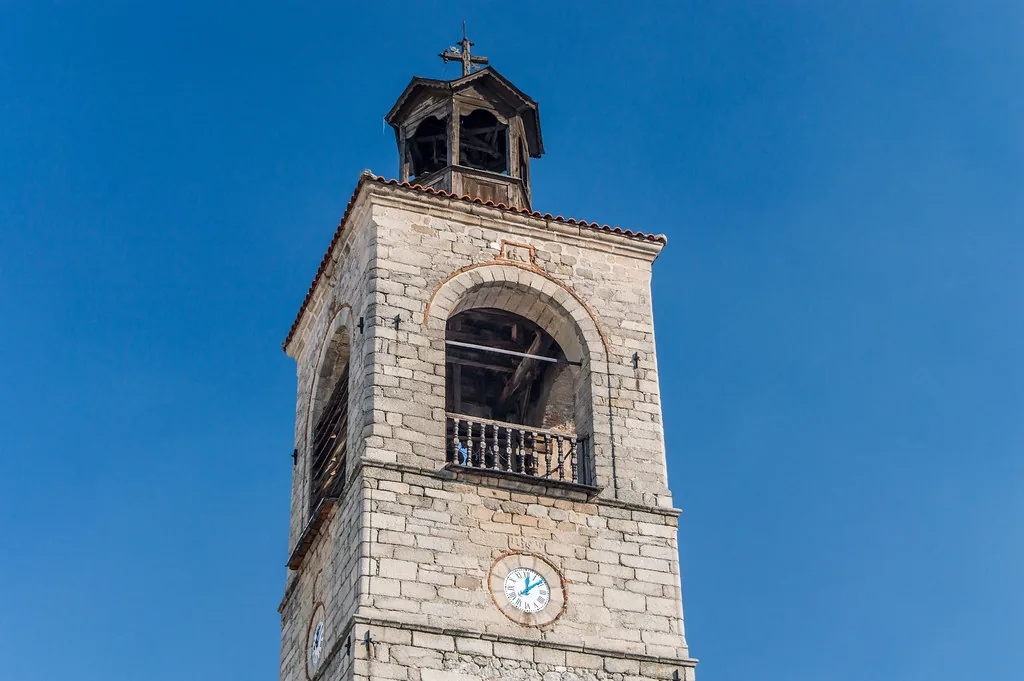
The Holy Trinity Church anchors the district from neighboring Vazrazhdane Square. Completed in 1835 during Ottoman rule, the walled complex includes a 30-meter bell tower that doubles as a landmark for orienting yourself in the lanes, plus an interior of frescoes and a carved wooden iconostasis worth the few minutes it takes to step inside.
Nikola Vaptsarov Square, the district's main gathering point, is named for the poet born here in 1909; his childhood home is preserved as the Nikola Vaptsarov House Museum Visitor Guide. A short walk away, the Neofit Rilski House Museum Visitor Guide covers the life of the National Revival educator, and the Velyanova House Visitor Guide holds some of the most detailed decorative frescoes of any fortified house in town. Each museum charges its own modest entry fee — check each museum's page for current hours and pricing rather than a number quoted elsewhere online, since these are adjusted by season.
A Bansko Free Tour covers all of these stops in roughly two hours, usually starting near the church. Local guides fill in details — which house belonged to which merchant family, why certain gates have two locks — that are easy to miss walking through alone. Check the Google Maps location for the tour's meeting point before you go.
The Cafe Culture of Bansko
Dining in the Old Town centers on the mehana, the traditional Bulgarian tavern. Stone walls, open fireplaces, and family recipes passed down for generations define the genre — order 'Banski Chomlek' or 'Kapama', both slow-cooked in clay pots, for the dish most associated with the region. A hearty meal for two in an Old Town mehana typically runs €20-36 (about 40-70 BGN), often less than the same meal near the gondola.
The difference between eating in the Old Town and eating near the lift comes down to atmosphere and price rather than food quality. Old Town mehanas tend to be smaller and family-run, set inside genuine 18th-century houses with live folk music some evenings; New Town restaurants near the gondola skew larger, cater to ski groups, and often run 15-25% higher on the same dishes purely for location. Stone-wall atmosphere wins in the Old Town; post-ski convenience wins near the lift.
Coffee culture is just as central to daily life here. Small cafes ring Vaptsarov Square and the surrounding lanes, where locals linger over a Turkish coffee well past the point most visitors would call the conversation finished. Grab an outdoor table in the square during the warmer months — it's one of the better people-watching spots in town, and it costs nothing beyond the price of your drink.
A Cobblestone Survival Guide for the Old Town
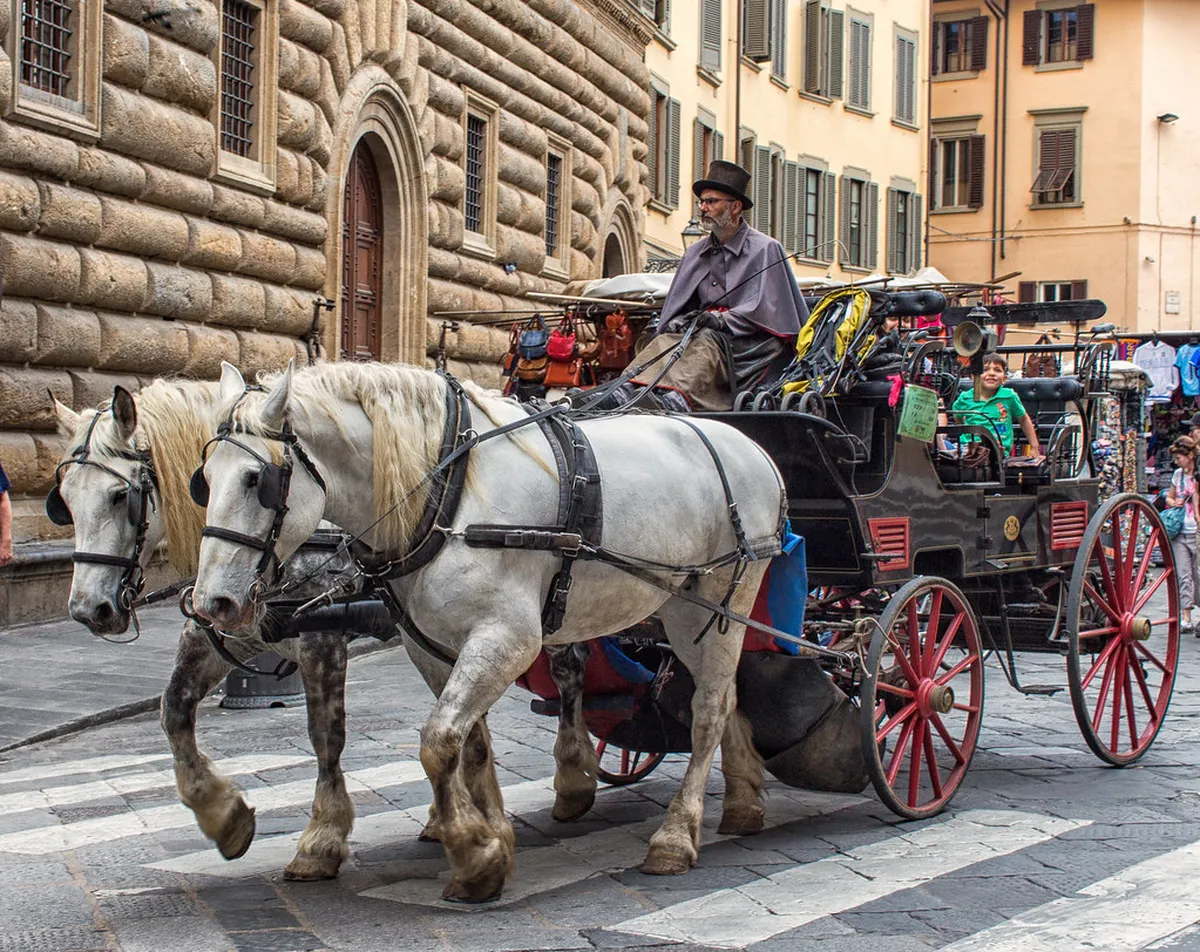
The lanes radiating from Vaptsarov Square are original hand-set stone, uneven in most places and genuinely slick after rain or the first snow of the season. Trainers or thin-soled shoes get uncomfortable fast; a shoe with real tread and ankle support handles the terrain far better, and that's true in July as much as January, since the stones stay damp in shade even on dry days. Anyone combining the Old Town with a hike the same day should just wear the hiking boots into town rather than pack a separate pair of "walking around" shoes.
Mobility is worth planning around too. The core lanes have no ramps, the stone is too irregular for most wheelchairs, and several house-museums have a raised threshold at the entrance with no alternate access. Pirin Street itself, the paved pedestrian spine connecting the Old Town to the gondola area, is flat and far easier going — you can still see the Holy Trinity Church bell tower and the fortified house exteriors from it without leaving the paved surface.
With young kids or a stroller, the worst of the cobblestones cluster in the narrowest side lanes rather than the main squares. Sticking to Vaptsarov Square, Vazrazhdane Square, and Pirin Street covers most of the highlights on manageable ground, and it's also the quietest combination early in the morning, before the day-trip buses arrive.
Wandering Through Bansko’s City Park
The City Park forms a natural, green transition between the Old Town and the newer resort area, a short walk south of Vaptsarov Square. Paved paths, playgrounds, and shaded benches make it a good stop if you need a break from cobblestones underfoot, and it's free to enter and open year-round.
Locals use it as much as visitors do, for morning runs, evening strolls, and the occasional small festival or market in summer. Combine it with the Old Town for a half-day loop: start at the historic core, drift through the park, and finish near the gondola for an early dinner.
Hotels and Accommodation in Bansko
Where to base yourself comes down to a straightforward trade-off. Staying inside the Old Town means sleeping in a fortified stone house or a family-run guesthouse just off Vaptsarov Square — genuine 18th-century architecture, walking distance to every museum and mehana in this guide, and usually a lower nightly rate than the resort hotels. The trade-off is a 15-20 minute walk, or short taxi, to the gondola base station each morning if you're skiing.
Staying near the gondola instead means ski-in, ski-out convenience and larger resort amenities — the Kempinski Hotel Grand Arena Bansko is the best-known option right at the lift — at the cost of a more generic resort feel and higher prices in peak winter weeks. Many travelers split the difference by booking on Pirin Street, the paved corridor connecting the two zones.
Some Old Town guesthouses double as informal homestays, where the owners cook breakfast themselves and are happy to talk through the neighborhood's history over coffee — worth asking about when you book if that interests you more than a standard hotel room. Digital nomads gravitate toward the Old Town for the same quiet, central appeal; monthly apartment rentals in Bansko typically run €300-500 for a furnished one-bedroom. Check the Bansko travel guide for accommodation options across the rest of town.
Activities and Adventure Sports in Bansko
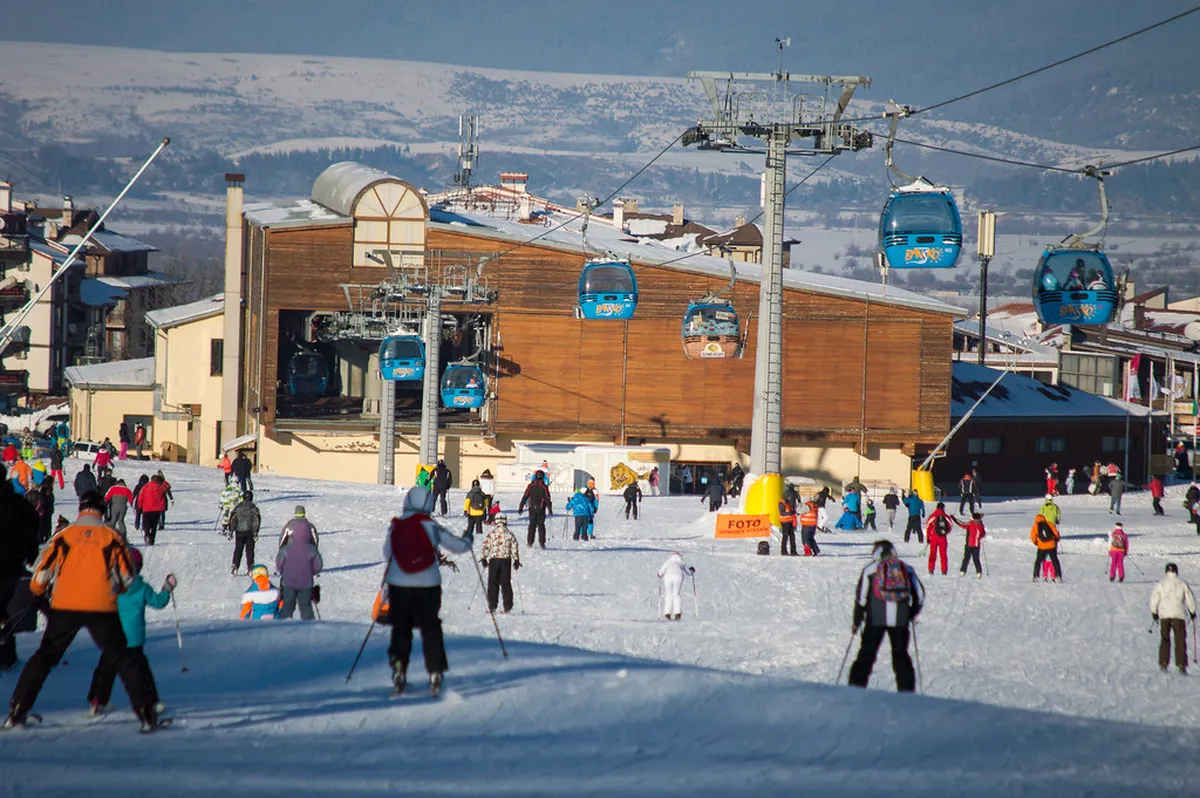
The Old Town is where you eat and sleep with history around you, but most of Bansko's outdoor draw sits beyond the historic core. In winter, the Bansko Gondola Lift Visitor Guide carries skiers up to 16 slopes totaling 75 km, with day passes running about 110 BGN (roughly €56). Summer flips the same terrain over to mountain bikers, with seven marked routes covering 196 km, and to hikers heading up toward Pirin National Park Visitor Guide and Vihren Peak, the range's highest point at 2,914 meters.
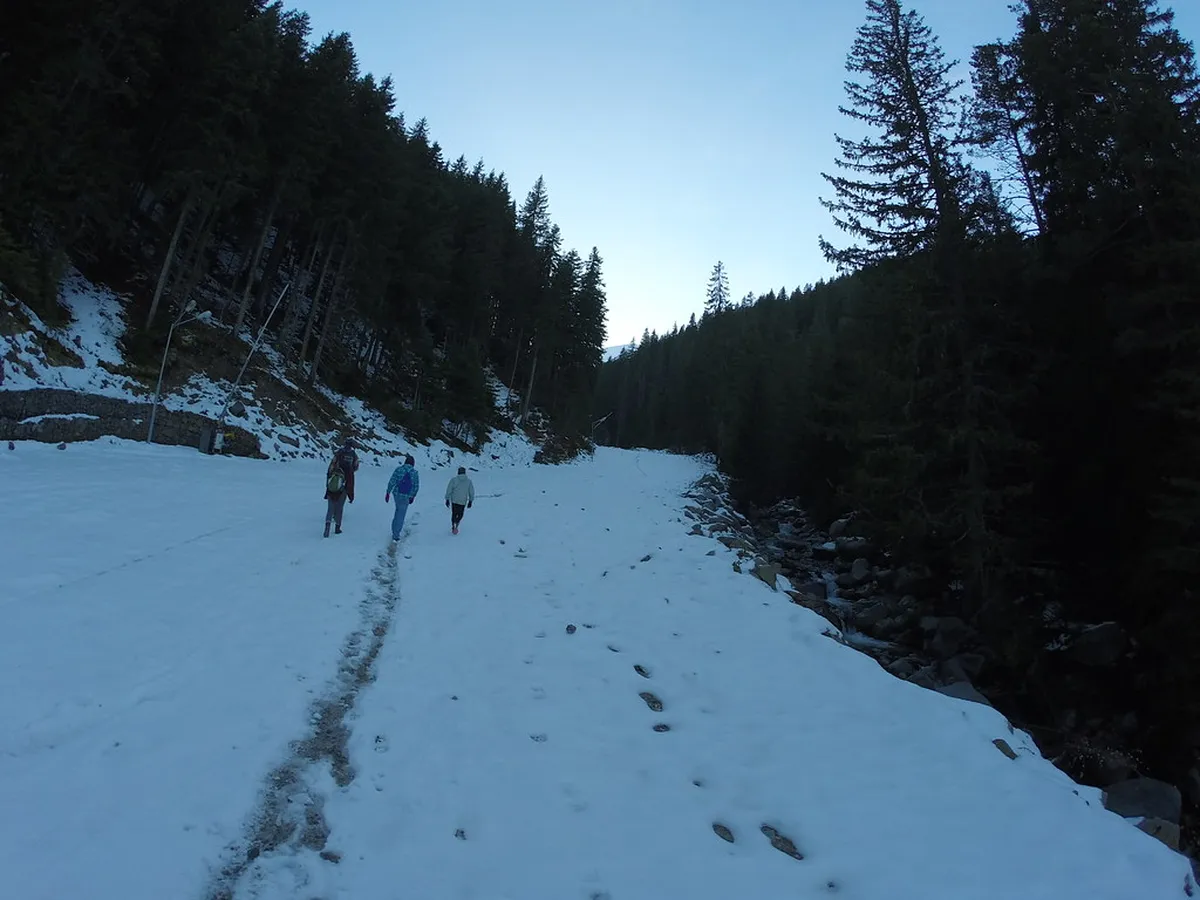
Closer to town, the Demyanishka River eco-trail is a moderate three- to four-hour forest walk that stays shaded most of the way and is at its best from July through August, once spring snowmelt has cleared the path. It's a reasonable half-day add-on if you've already covered the Old Town and want one more walk before dinner back at a mehana.
About 45 minutes away by car, the Dancing Bears Park Belitsa Visitor Guide houses 15 rescued bears in a naturalistic sanctuary, with guided tours lasting around 45 minutes; confirm seasonal opening hours on the Visit Bansko official site before you go. It's a common pairing with an Old Town morning — sanctuary in the early afternoon, mehana dinner back in town once you're back.
Optimal Cost for a Full Day in Bansko (USD)
The Old Town itself costs nothing to visit — the streets, squares, and church exterior form a free public quarter open at all hours, which is easy to forget when most guides to Bansko quote daily budgets built around ski passes and spa treatments. If you're tight on funds, you can spend a full morning here seeing most of what makes the district worth visiting and pay for nothing beyond a coffee.
Add a museum or two and a meal, and a realistic 2026 day in the Old Town runs €25-45 per person (about 50-90 BGN): a couple of house-museum entries at a few euros each, a mehana lunch or dinner, and a coffee or two. The Bulgarian Lev is pegged to the euro at a fixed rate, so BGN and EUR prices move together, and cards are widely accepted, though the oldest mehanas still prefer cash for small tabs.
- A budget day covering the Old Town only — museums, one mehana meal, coffee — lands around €25-45 (50-90 BGN) per person.
- A fuller day that adds a Bear Sanctuary tour or a half-day on the slopes pushes the total to roughly €70-140 (140-275 BGN) per person, including transport.
- A luxury day with spa time, a multi-course mehana dinner, and premium ski or tour bookings can run €150-300+ (300-590 BGN) per person.
Whatever your budget, museum and tour prices are worth checking on each attraction's own page before you go, since they're adjusted more often than general cost-of-living estimates.
Continue planning: Use Bansko Attractions: Top 8 Things to Do in Bansko to connect this guide with the rest of your Bulgaria itinerary.
Frequently Asked Questions
Is Bansko Old Town free to visit?
Yes. The old town is a free public quarter of cobbled lanes and squares that you can wander at any time. Only the individual house-museums inside it (such as the Nikola Vaptsarov house-museum or Velyanova House) charge their own small admission fees.
What should I see in Bansko Old Town?
The core sights are Nikola Vaptsarov Square with the monument and house-museum of the poet born here in 1909, the adjacent Vazrazhdane Square with the 1835 Holy Trinity Church and its 30 m bell tower, the frescoed Velyanova House, the house of National Revival educator Neofit Rilski, and the fortified stone houses lining the lanes off Pirin Street.
What is a mehana and where are the best ones?
A mehana is a traditional Bulgarian tavern, and Bansko's old town is famous for them — stone-walled dining rooms serving grilled meats, local Pirin dishes and homemade rakia, often with live folk music in the evenings. Some of the town's oldest mehanas line the perimeter of Nikola Vaptsarov Square and the surrounding lanes.
Why do the old houses in Bansko look like small fortresses?
During the town's prosperous 18th- and 19th-century trading era, Bansko merchants built fortified stone houses with walls up to 1.2 m thick, small iron-grilled windows, heavy studded gates, hidden passages and hideouts. The style is a subtype of the Razlog-Chepino Revival house, combining defence with the comfort of a wealthy home.
How far is the old town from the Bansko gondola station?
About 1.5 km. From Nikola Vaptsarov Square you can walk along Pirin Street to the gondola base station behind the Kempinski Hotel Grand Arena in roughly 15-20 minutes.
When is the best time to explore Bansko Old Town?
The quarter is rewarding year-round: in winter it fills with apres-ski crowds heading to the mehanas, while in summer the cobbled lanes are quieter and pleasant for daytime strolls between the house-museums and the church complex. Evenings are best for the tavern atmosphere and folk music.
Is Bansko Old Town the same as the ski resort area?
No. The historic quarter sits in the town centre around Nikola Vaptsarov and Vazrazhdane squares, while the modern hotel and ski zone spreads towards the gondola station at the town's southern edge. The two are connected by Pirin Street, the main pedestrian axis lined with shops and restaurants.
Exploring the historic core is an essential part of any visit to this mountain destination. The combination of fortified architecture and rich traditions creates a unique travel experience. Use this bansko old town visitor guide to balance your mountain adventures with cultural discovery. The memories of quiet cobblestone streets and hearty mehana meals will likely stay with you forever.
For more Bansko planning, read our Bansko Itinerary: 10 Essential Sections for Your Trip guide and explore Best Time To Visit Bansko: 7 Essential Seasonal Insights.
For authoritative information, refer to the Bansko Old Town on Wikipedia.
Browse all Bansko attractions in our Bansko attractions hub.