Arbanasi Visitor Guide: 10 Essential Things to See & Do
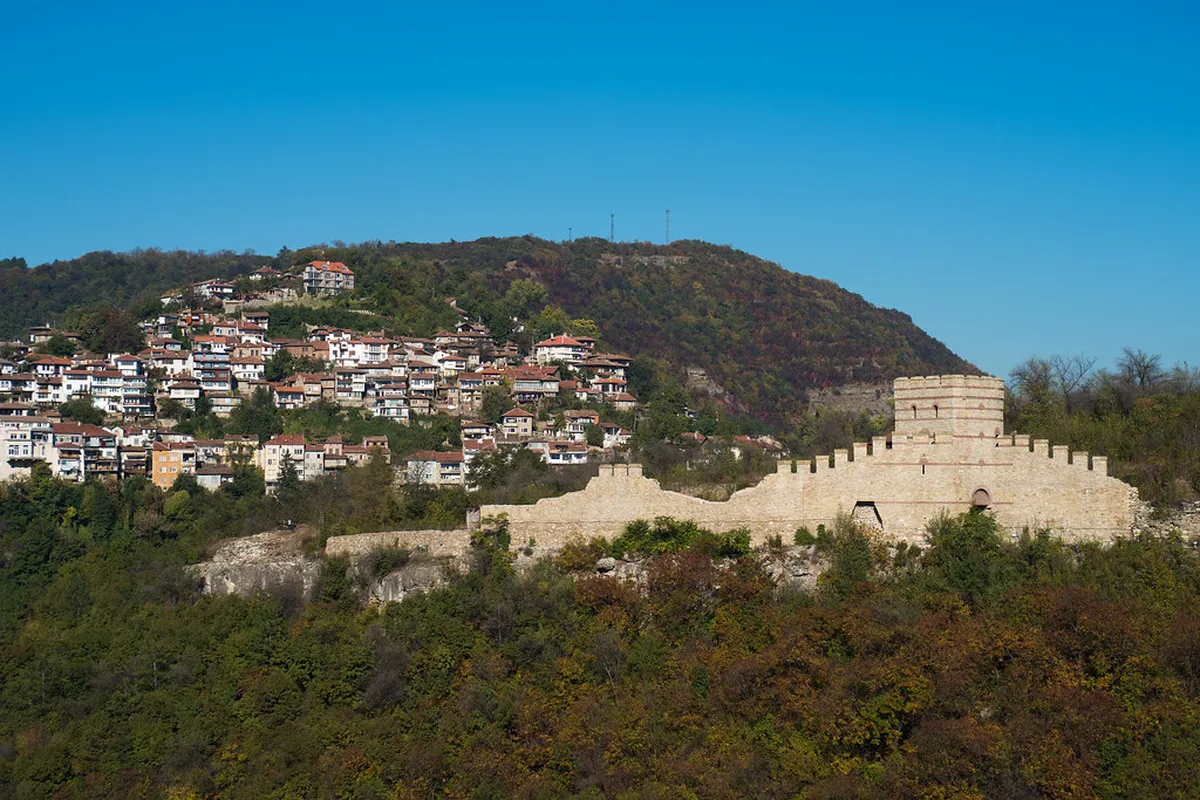
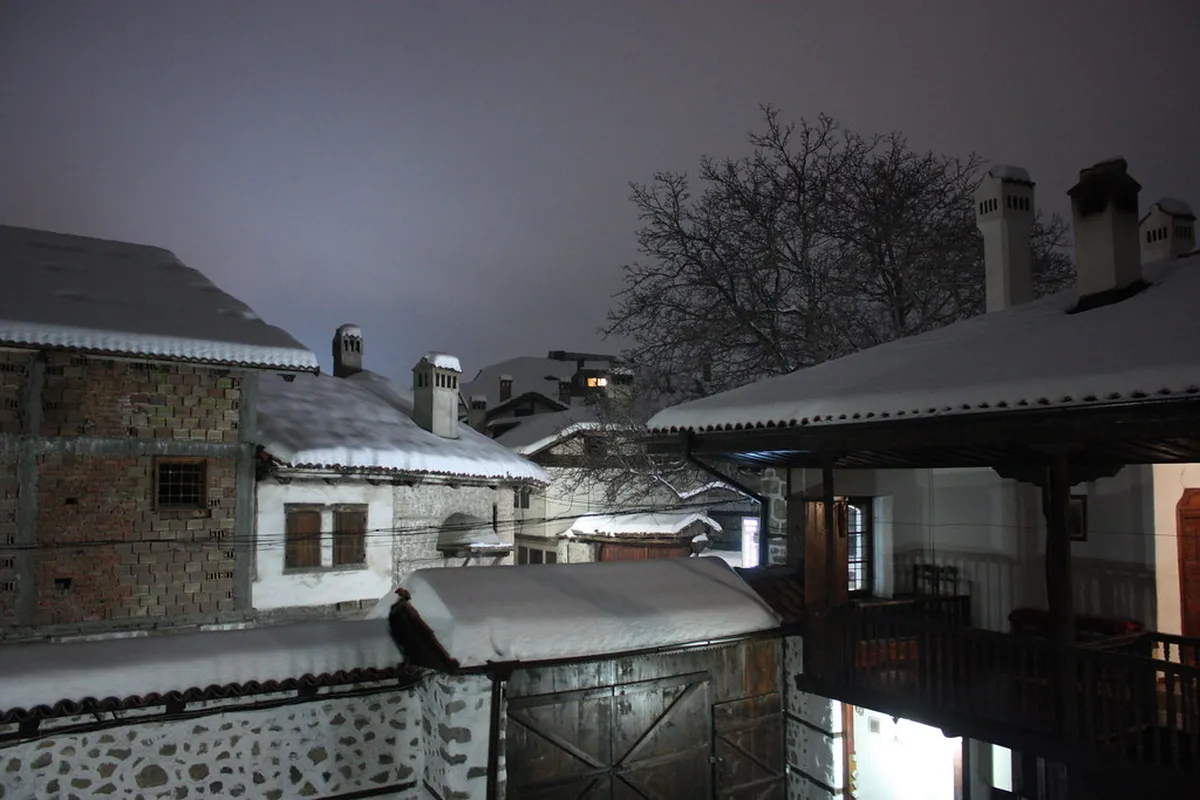
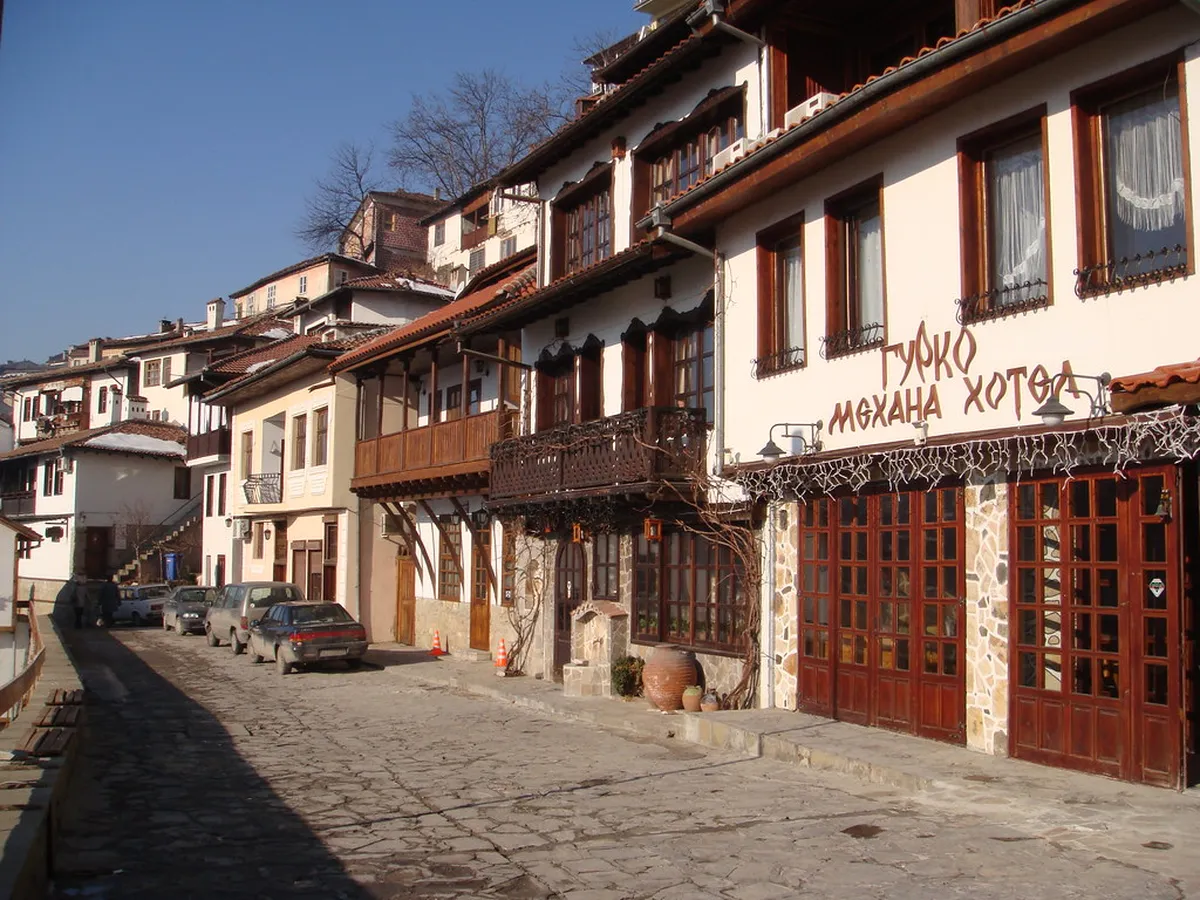
Arbanasi is a stone-built hill village on a plateau just 4 km from Veliko Tarnovo, protected today as one of Bulgaria's architectural reserves. The draw is its 17th- and 18th-century "house-fortress" architecture: thick stone walls, heavy timber gates, and courtyards built by merchants who needed both status and security. Inside a handful of those walls are churches whose interiors are covered floor to ceiling in Orthodox frescoes, most famously the Church of the Nativity.
Walking the lanes costs nothing - only the two museum sites charge admission - so Arbanasi works equally well as a half-day add-on to a Veliko Tarnovo trip or a full day once you fold in the hiking paths below the plateau. This guide covers what to see, what it actually costs, how to get there, and a few practical points 2026 visitors need that most write-ups skip, including how the switch to the euro affects what you'll pay.
To see the village's stone architecture and layout before visiting, here's a helpful visual walk-through:
Must-See Arbanasi Attractions
The Church of the Nativity is the reason most people make the trip. Its low stone exterior gives no hint of what's inside: a naos, narthex, gallery, and a chapel dedicated to St John the Baptist, with frescoes covering the walls, arches, and ceiling almost without a gap. A standard ticket is 7.67 EUR (15 BGN), 12.78 EUR (25 BGN) for a family, and guided tours run from 15.34 EUR in Bulgarian to 25.56 EUR in a foreign language. In 2026 it opens daily 09:00-18:00 from April to September, with shorter hours the rest of the year, and the museum asks individual visitors to call at least 30 minutes ahead of arrival.
The Monastery of the Virgin Mary sits on the village's western edge and holds an icon many locals consider miraculous, said to have been hidden away during Ottoman rule and only rediscovered generations later by a shepherd. Saint Nicholas Monastery, on a hill to the south below where Park Hotel Arbanasi now stands, dates to the Second Bulgarian Empire and was rebuilt more than once after being destroyed; its carved wooden iconostasis is one of the better examples of Balkan church craftsmanship you'll find outside a major city.
A few of Arbanasi's other historic churches reward a look even from the outside, among them the Church of the Holy Archangels Michael and Gabriel near the southern end of the village. Some of the smaller churches, including this one, typically close for winter until late March, so if you're visiting between November and March, confirm which sites are actually open before you plan your route.
Museums, Art, and Culture in Arbanasi
Konstantsalieva House is Arbanasi's other ticketed site and the clearest way to see the fortress-house style up close. Built at the end of the 17th century, it belonged to a wealthy merchant family and now shows how that household actually lived, with furniture, textiles, and kitchen tools laid out room by room. Admission mirrors the church: 7.67 EUR (15 BGN) standard, 12.78 EUR (25 BGN) family, on the same 09:00-18:00 high-season schedule.
Outside the two museums, the stone facades themselves are the exhibit. Carved lintels and window frames blend Bulgarian and wider Balkan motifs, and it's worth slowing down on the back streets rather than sticking to the main lane, since some of the best stonework is on houses with no sign at all. The house of Peter Deunov, on the southeastern edge of the village, honors the Bulgarian philosopher who wrote one of his best-known works while staying there.
A few small workshops still operate on the main street, where you can watch weaving or pottery in progress and buy directly from the maker rather than a gift shop. Most museum sites keep consistent daily hours in high season, but confirm before a winter visit, since several close for a midday break or scale back hours outside April-September.
Parks, Gardens, and Outdoor Spots in Arbanasi
The Xilifor resting area sits about 2 km south of the village, down toward the Yantra River valley. It's a genuine local hangout rather than a tourist stop - a small lake, a wooded picnic ground, and a couple of simple food stalls - and it makes a good turnaround point if you've walked out from the village center rather than driven.
The high points of the Arbanasi plateau give some of the better free views in the region, with the Balkan Mountains visible on a clear day and Veliko Tarnovo's fortress hills laid out below. The northern edge of the village is the spot locals point to for watching the sunset.
Most of the private courtyards behind Arbanasi's stone walls stay closed to the public, but a number of guesthouses let non-guests sit in their gardens for the price of a coffee. Expect roses, fruit trees, and boxwood hedges rather than anything manicured - these are working household gardens, not show gardens.
Family-Friendly and Budget-Friendly Options in Arbanasi
Walking Arbanasi's lanes is free, and the village is small enough that kids can wander without traffic worries. You only pay to go inside the Church of the Nativity and Konstantsalieva House; everything else - the streets, the fountains, the church exteriors, the viewpoints - is open access.
One 2026 detail worth knowing before you budget the day: Bulgaria adopted the euro as its official currency on 1 January 2026, at the long-standing fixed rate of 1.95583 BGN to 1 EUR, so the ticket prices quoted above (7.67 EUR / 15 BGN, and so on) reflect that exact conversion rather than a rounded estimate. Card readers are becoming more common at the two museum ticket desks, but Arbanasi is still a small village - church candle stands, some guesthouse breakfasts, and the odd craft stall stay cash-only, so carry a little cash alongside a card.
If you're combining Arbanasi with other Veliko Tarnovo sights, ask at the museum desk about joint tickets; the same regional museum authority also runs sites like the Samovodska Charshia Visitor Guide craft quarter in the city, and combined passes occasionally beat paying per site. Bring your own water and a snack - village cafes charge a premium given the tourist volume, and the public stone fountains near the main square and church entrances run clean, drinkable mountain water for free.
How to Plan a Smooth Arbanasi Attractions Day
Bus line 12 runs from the West Bus Station in Veliko Tarnovo and stops near the village center; it's the cheapest option if you're not driving. A taxi costs roughly 5 EUR each way and takes about ten minutes - agree the fare, in euro or leva, before you set off.
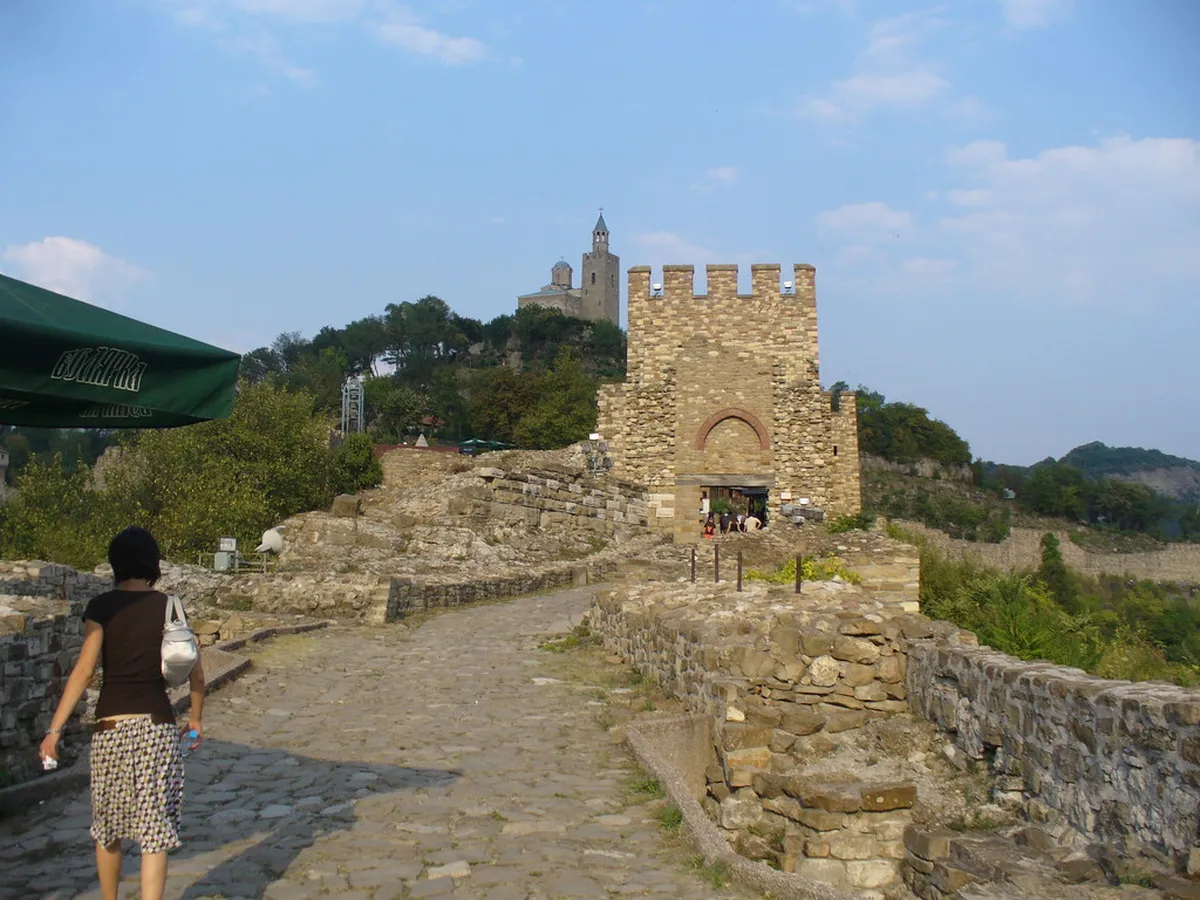
Walking up from the city is also an option: the route takes about an hour through the woods below the plateau, and you'll catch views of Tsarevets Fortress Visitor Guide from several points on the climb. It's a real hike, not a stroll - wear proper shoes, since the path is loose and rocky in places.
Arbanasi's lanes are cobbled and slope steeply in stretches, and both museum buildings have steps at the entrance with no lift, so wheelchair and stroller access is realistically limited to the flatter ground near the main square rather than the full village or the ticketed interiors. Start before 10:00 to beat the coach groups, and if you want to see inside the Church of the Nativity as an individual visitor, call at least 30 minutes ahead - the museum asks for advance notice rather than just walking up. Budget at least four hours for the churches and houses alone.
Hiking Routes Near Arbanasi
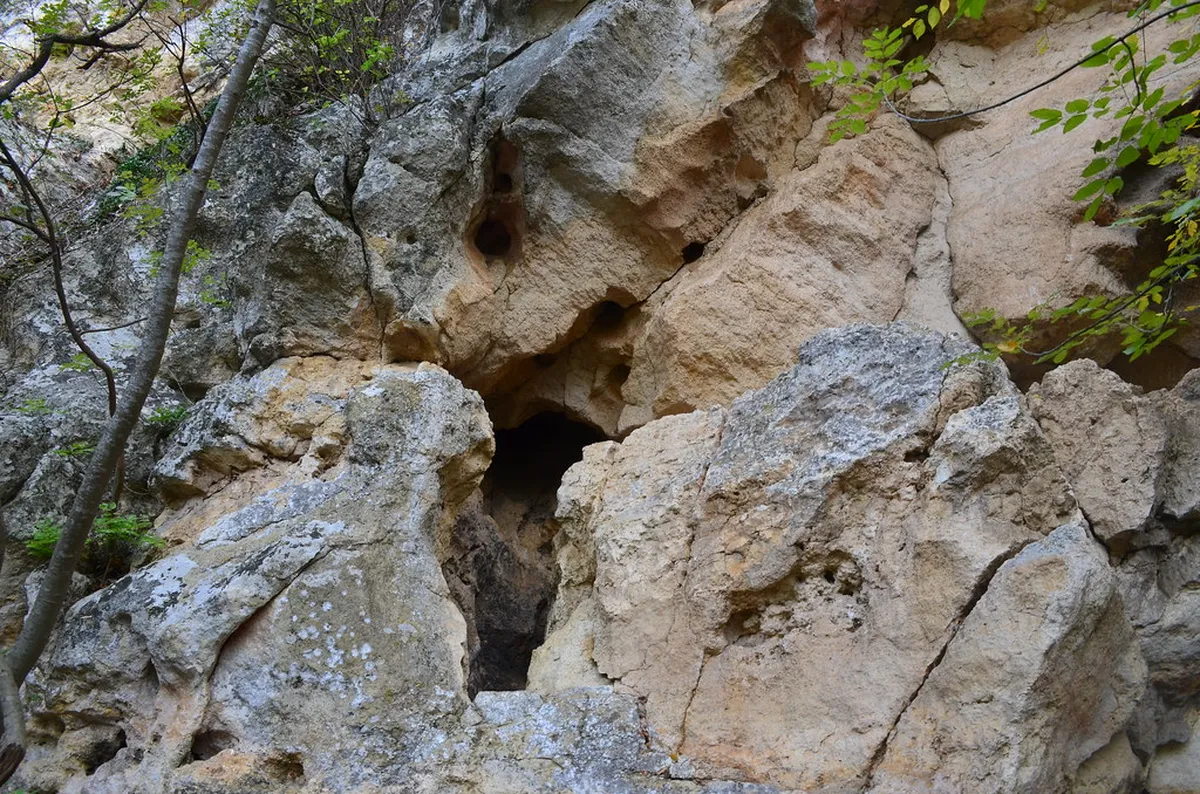
The path to the Kalugerska Hole cave starts near the eastern edge of the village and takes no more than 15-20 minutes at an easy pace. Trail markers appear every few minutes, so it's hard to get lost, and the payoff is a narrow cave entrance with the sound of an underground stream running just inside.
The Great Lako, a shaded gully spot with the remains of an old stone fountain, is about 15 minutes' walk from the outskirts along a mostly overlapping route. Continue past it and the path connects toward the Preobrazhenski (Transfiguration) Monastery Visitor Guide in the valley below, a longer but manageable extension if you have most of the day free.
These trails are well-marked but not staffed - carry water, tell someone your route if you're hiking alone, and note the paths turn slick and muddy for a day or two after heavy rain. A downloaded offline map is worth more out here than a phone signal you can't count on.
Where to Stay: Park Hotel Arbanasi and Local Stays
Park Hotel Arbanasi, on the high ground at the southern edge of the village, is the closest thing to a resort stay in the area - pool, spa, and rooms with views back toward Veliko Tarnovo's fortress hills. It suits travelers who want comfort after a day of walking rather than a strictly traditional experience.
For that, the stone guesthouses scattered through the older streets are the better pick: hand-woven rugs, exposed timber beams, and a breakfast of homemade yogurt, local honey, and fresh banitsa. Staying overnight also means you get the village to yourself before the day-trip buses arrive and after they leave.
Book ahead for the summer festival season and expect lower rates in spring and late autumn. Most guesthouses sit within easy walking distance of the main square, so a car isn't essential once you've arrived - useful to know if you're staying without a rental.
Short History of Arbanasi
The earliest documented reference to Arbanasi is a 1538 decree from Ottoman sultan Suleiman the Magnificent, granting the village lands to his Grand Vizier. From there it grew into a merchant town, and its wealthiest stretch ran through the 17th and 18th centuries, when local traders moved silk, meat, and leather across the Ottoman Empire and built the fortified stone houses that still define the village today.
That prosperity didn't last unbroken. Raids and epidemics through the late 18th century pushed the village into decline, and the population never fully returned to its trading-era peak - one reason the historic core survived largely intact instead of being replaced by later development.
Today Arbanasi is protected as an architectural reserve, with strict building codes that keep the plateau's skyline close to how it looked 300 years ago. Researchers continue studying the church frescoes for what they reveal about religious life under Ottoman rule. For more background before you go, en.Wikivoyage.org has additional detail.
Interesting Fountains of Arbanasi
The Kokonska Fountain, on the main street near Konstantsalieva House, dates to 1786 and takes its name from a woman of that household. Its carved stone arch is one of the most photographed details in the village, and the small square around it is a good shaded spot to rest partway through a walking loop.
The Market Fountain, on the main square, dates to 1829 and served as the social hub of the village's trading days - the spot where merchants and neighbors actually crossed paths. The stonework is plainer than Kokonska's but photographs well in late-afternoon light, when the low sun catches the carved inscriptions.
Smaller fountains are tucked into the residential backstreets away from the main lane, each usually carrying the name of the family who paid for it. They're unmarked on most tourist maps, so finding them is part of the appeal - a good excuse to wander off the direct route between the church and the museum.
Continue planning: Use Veliko Tarnovo Attractions: 10 Top Things to Do to connect this guide with the rest of your Bulgaria itinerary.
Frequently Asked Questions
Is Arbanasi free to visit?
Yes, wandering the village itself costs nothing - the cobbled lanes, stone walls and fortified house exteriors of the architectural reserve are open access. Only the museum-run interiors, such as the Church of the Nativity and the Konstantsalieva House, charge admission.
How much do Arbanasi's museum sites cost in 2026?
The Church of the Nativity and the Konstantsalieva House, both managed by the Regional Museum of History - Veliko Tarnovo, each charge 7.67 EUR (15 BGN) for a standard ticket and 12.78 EUR (25 BGN) for a family ticket. Guided tours cost extra, from 15.34 EUR (30 BGN) in Bulgarian to 25.56 EUR (50 BGN) in a foreign language.
How far is Arbanasi from Veliko Tarnovo?
Arbanasi sits just 4 km from Veliko Tarnovo, on a plateau about 400 m above sea level between Veliko Tarnovo and Gorna Oryahovitsa. It is a short drive or taxi ride from the old capital.
What is the Church of the Nativity famous for?
It is the earliest and most richly decorated of Arbanasi's churches, its low stone exterior hiding an interior covered wall-to-wall in Orthodox frescoes. The building consists of a naos, a narthex, a gallery and a chapel dedicated to St John the Baptist.
What is the Konstantsalieva House?
It is a fortified merchant house from the end of the 17th century - a 'house-fortress' surrounded by high stone walls - now a museum showing how Arbanasi's wealthy merchants lived. It is run by the Regional Museum of History - Veliko Tarnovo.
What are the opening hours of the Church of the Nativity?
In 2026 it opens daily: 09:00-18:00 from April to September, 09:00-17:00 in October and 10:00-16:00 from November to March, with maintenance on Tuesday mornings. The museum asks individual visitors to phone ahead at least 30 minutes before arriving.
How old is Arbanasi?
The earliest documented reference is a 1538 decree of Ottoman sultan Suleiman the Magnificent granting the lands to his Grand Vizier. It flourished as a merchant center through the 17th and 18th centuries before raids and epidemics sent it into decline.
Is Arbanasi worth visiting from Veliko Tarnovo?
Yes - it is one of Bulgaria's designated architectural reserves, packed with 17th- and 18th-century churches, two monasteries and fortified National Revival merchant houses, all just 4 km from Veliko Tarnovo. Most visitors combine the village lanes, the Church of the Nativity and the Konstantsalieva House into an easy half-day trip.
Arbanasi rewards a slow visit more than a rushed one - the frescoes, the fortress-houses, and the fountains all hold up to a second look. Most people manage the highlights in four to five hours, but staying overnight or adding the hiking paths below the plateau turns it into a fuller day.
For a longer, photo-led walkthrough of the village lanes and individual houses, see our full Arbanasi Village Guide: Churches, History & Visiting Tips. Whichever way you visit in 2026, carry some cash alongside your card, confirm winter hours before you go, and you'll see the village at its best.
To verify current details, consult the Arbanasi official site and Arbanasi on Wikipedia.