Nessebar Attractions: 8 Best Things to Do in the Old Town (2026)
A 2026 guide to Nessebar's 8 best attractions - the UNESCO Old Town's churches, windmill and museum, plus South Beach - with verified EUR prices, opening hours and old-town-to-beach routing.
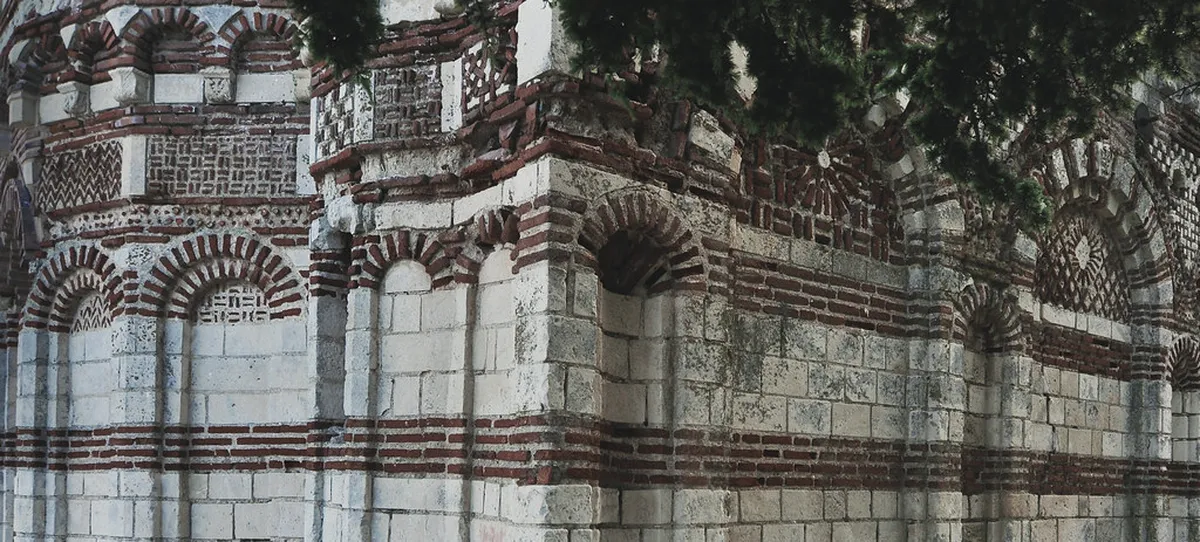
Nessebar's Old Town earned UNESCO World Heritage status in 1983 as the "Ancient City of Nessebar" - a granite peninsula where more than 3,000 years of Thracian, Greek, Roman, Byzantine and medieval Bulgarian building layers survive stacked on top of each other. It's one of the oldest continuously inhabited towns in Europe, and the compact core is essentially an open-air church-museum: roughly 40 surviving churches and chapels packed into a few hundred cobbled metres, reached by a narrow isthmus causeway from the mainland.
Get a feel for the Old Town's streets and architecture with this walking tour:
Guide focusTop 8 attractions in Nessebar · Nessebar attractions by area
Also coveredNessebar attractions by category · Free vs paid: what actually costs money
Planning areaBulgaria
Walking the peninsula itself costs nothing - only a handful of individual church-museums and the Archaeological Museum charge admission. Nessebar is also a beach resort in its own right, sitting immediately south of Sunny Beach, Bulgaria's largest coastal resort, so most visitors pair a half-day or full day of UNESCO sightseeing with time on South Beach or a short bus ride up the coast.
This guide covers Nessebar's 8 most-visited sights - organized by area, by category and by ticket price - plus verified 2026 euro pricing, ready-made itineraries, and the FAQ answers most first-time visitors search for before booking.
New town and the beach. Across the causeway, Nessebar's new town holds most of the hotels, restaurants and parking, plus South Beach immediately south of the crossing point. It's less historic than the peninsula but the practical base for most visitors.
Day-trip from Sunny Beach. Nessebar sits about 7-10 minutes down the coast from Sunny Beach, Bulgaria's largest beach resort, and is one of the most common half-day or full-day excursions from it - by public bus, seasonal water taxi, or organized boat cruise.
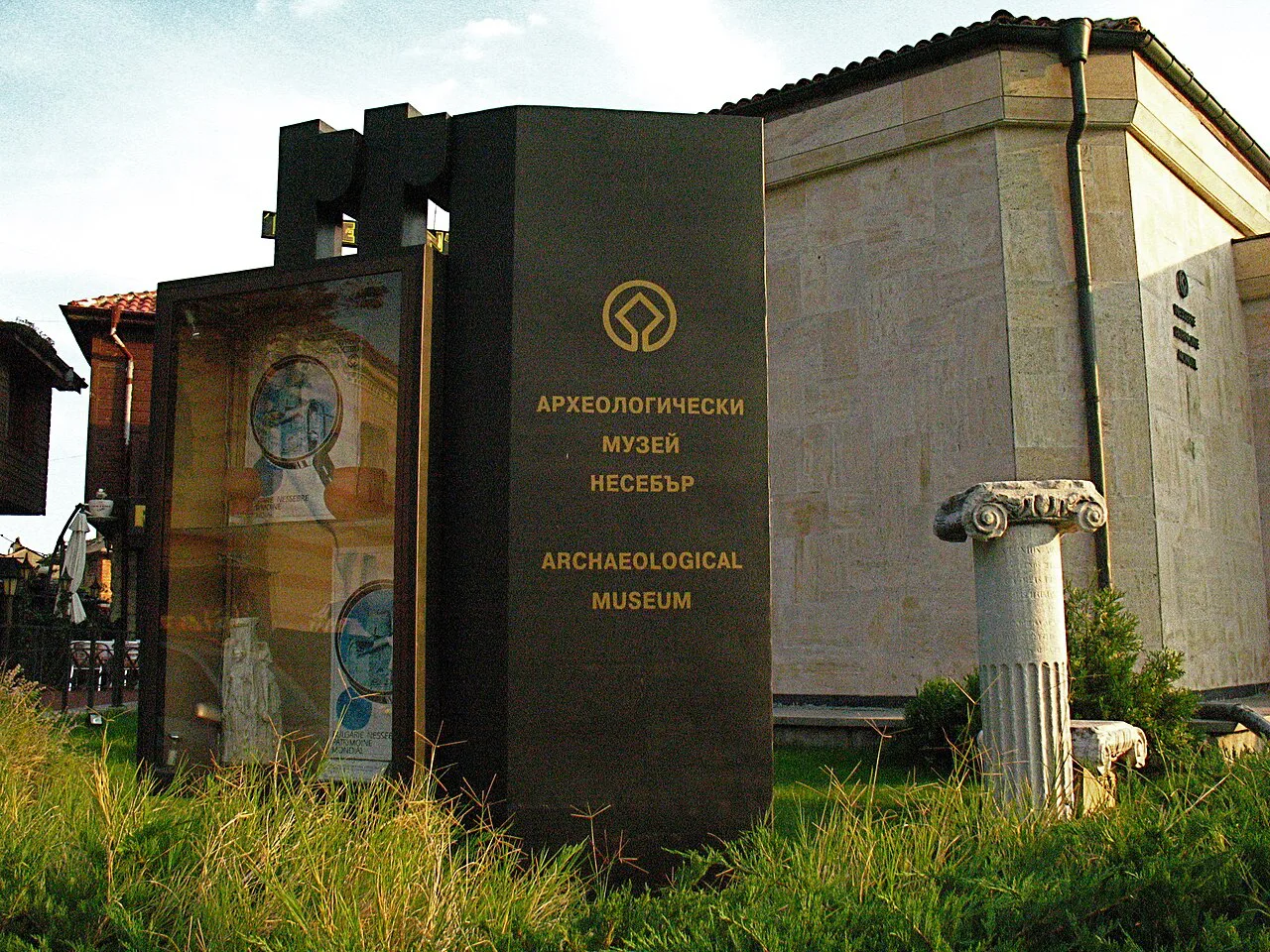
Museum. The Archaeological Museum at the old town gate anchors the "Ancient Nessebar" museum network, which also runs several of the churches above.
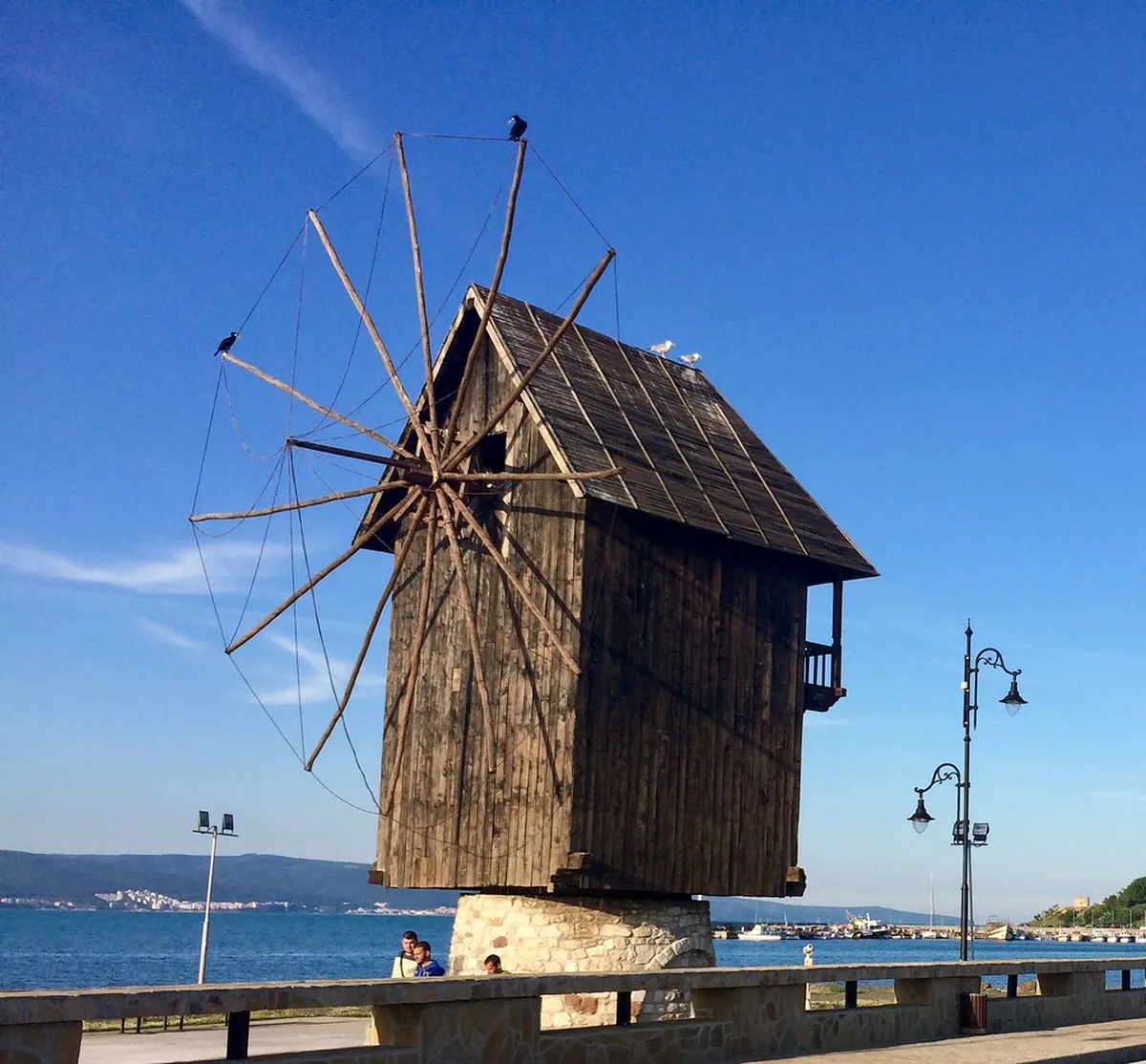
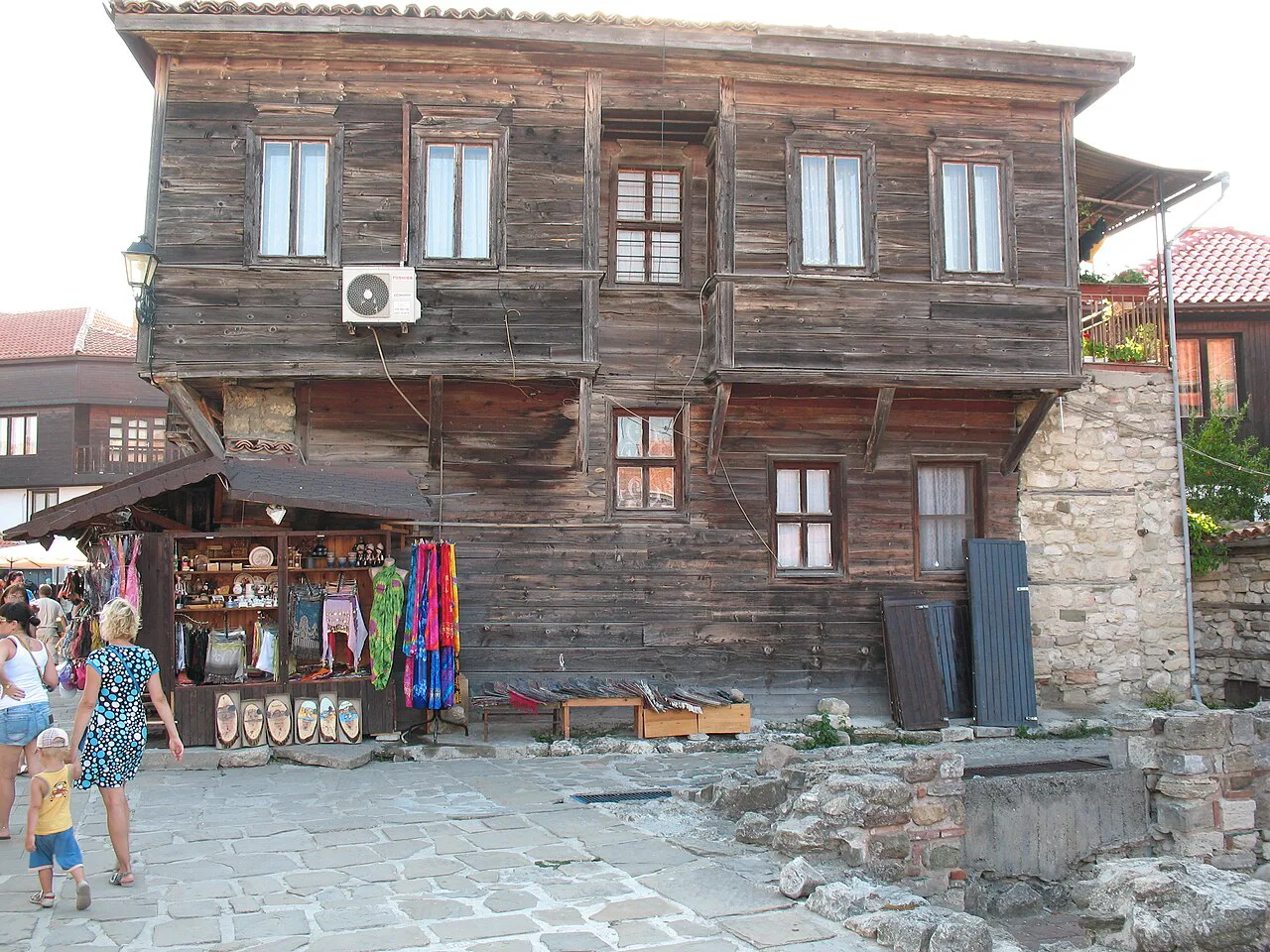
Landmarks. The Nessebar Windmill Visitor Guide on the causeway is the town's most-photographed sight, alongside the peninsula's fortification walls and National Revival timber houses covered in the Old Town guide.
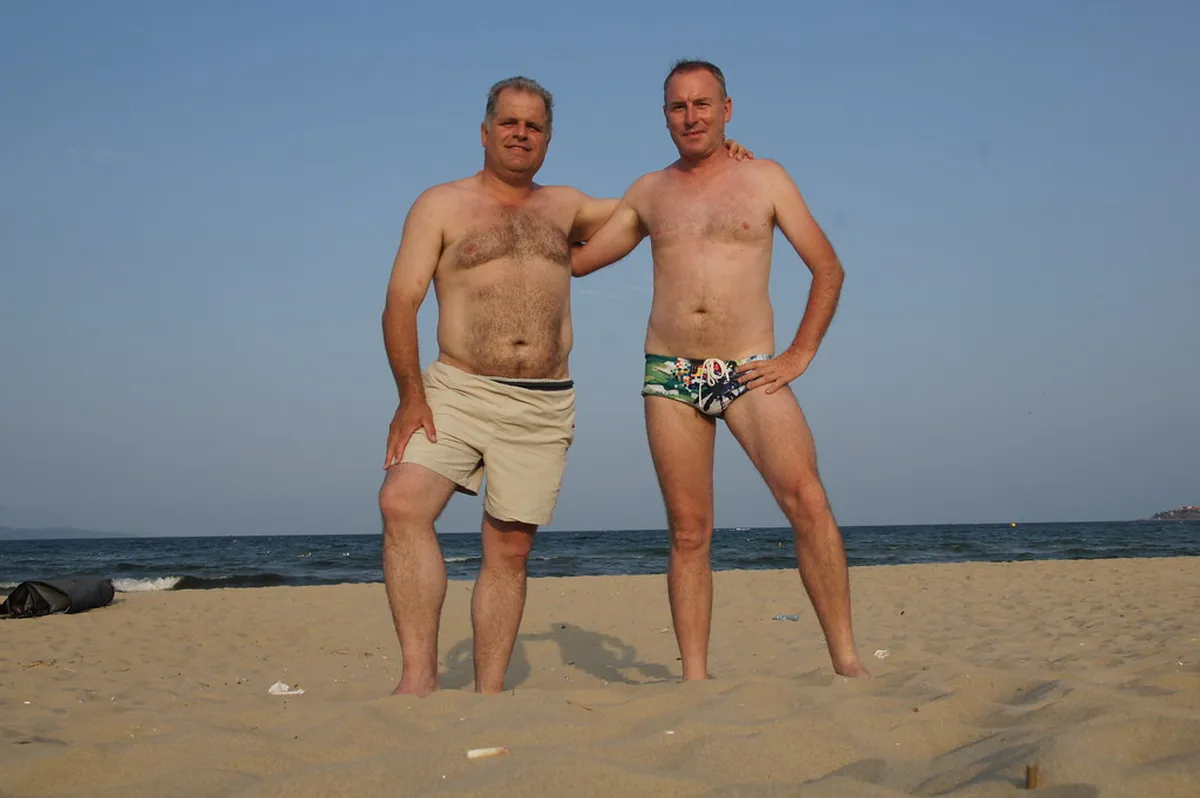
Beach.South Beach is the one sight on this list that isn't historic - a straightforward sand-and-swim stop for pairing with a morning of sightseeing.
Free vs paid: what actually costs money
Most of what draws visitors to Nessebar costs nothing - the Old Town peninsula itself is free to walk at any hour, and five of its eight headline sights charge no admission at all.
Free:
Nessebar Old Town - free access to the peninsula, any hour
Nessebar Windmill - viewed from outside, free at any hour
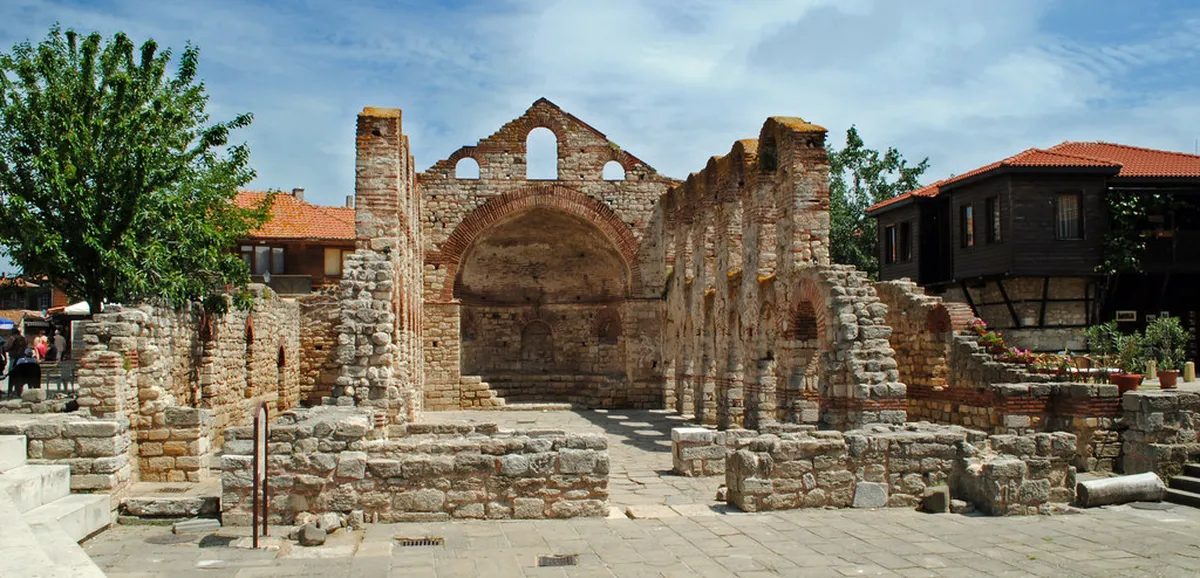
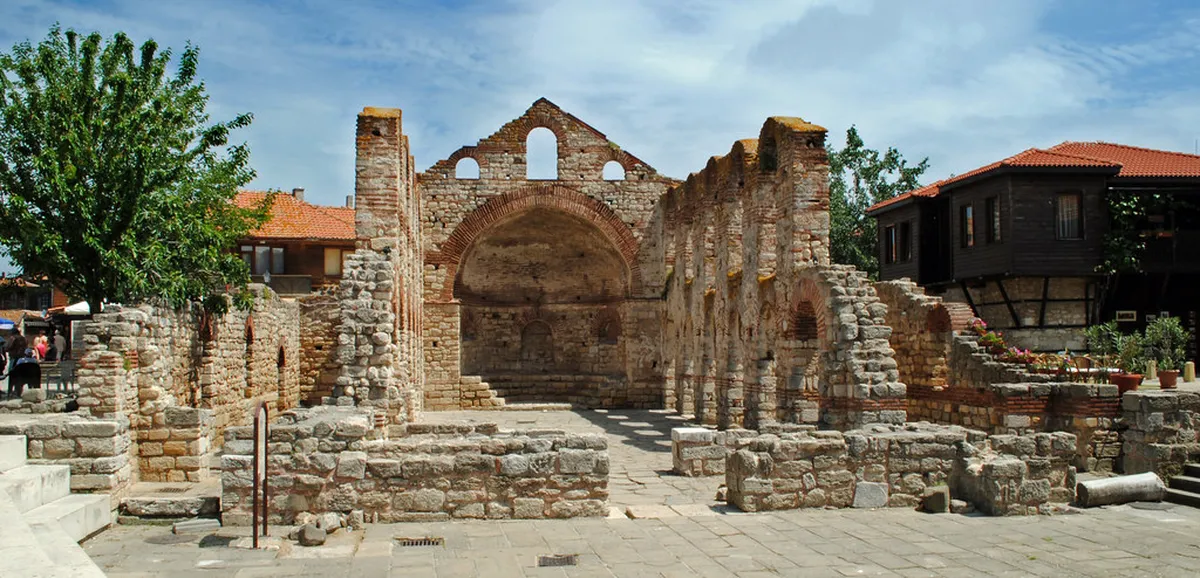
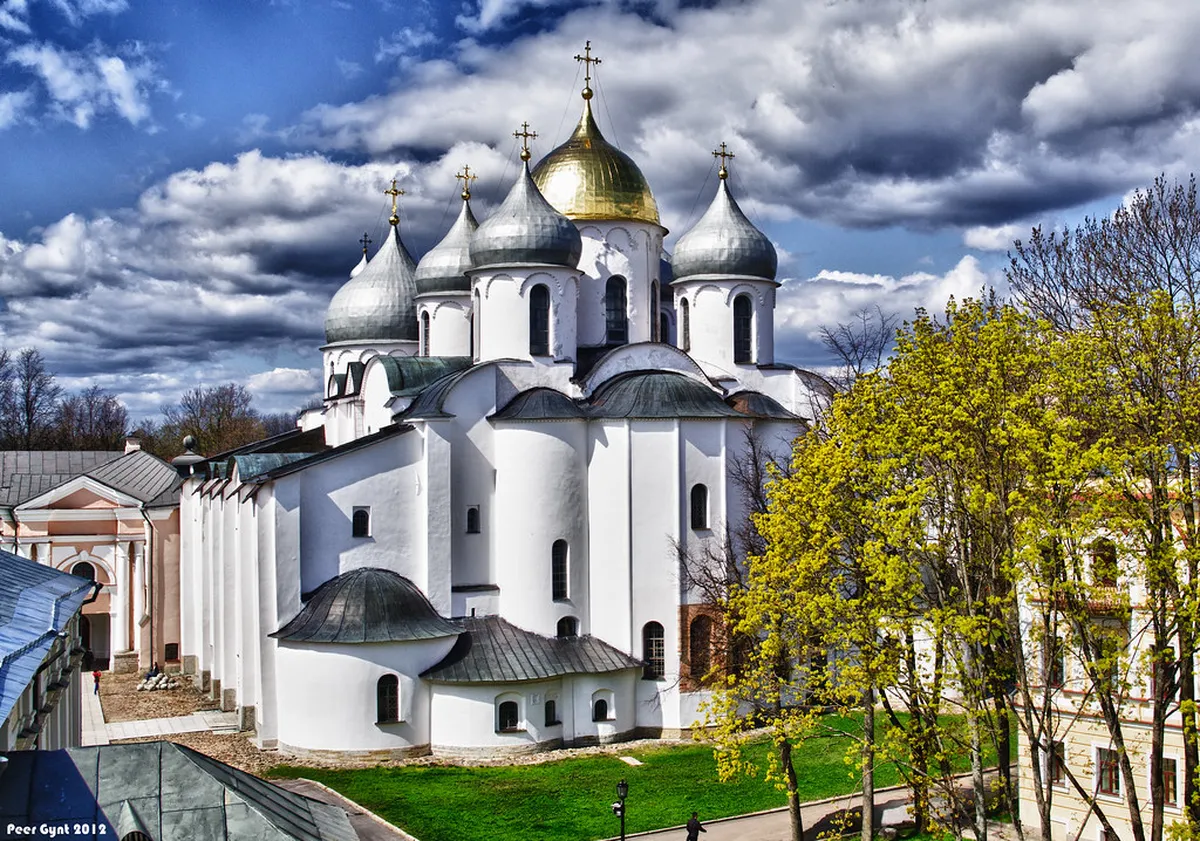
St. Sophia Church (Old Metropolitan Basilica) - open-air ruin, free entry
Church of St. John Aliturgetos - exterior-only ruin, no ticket
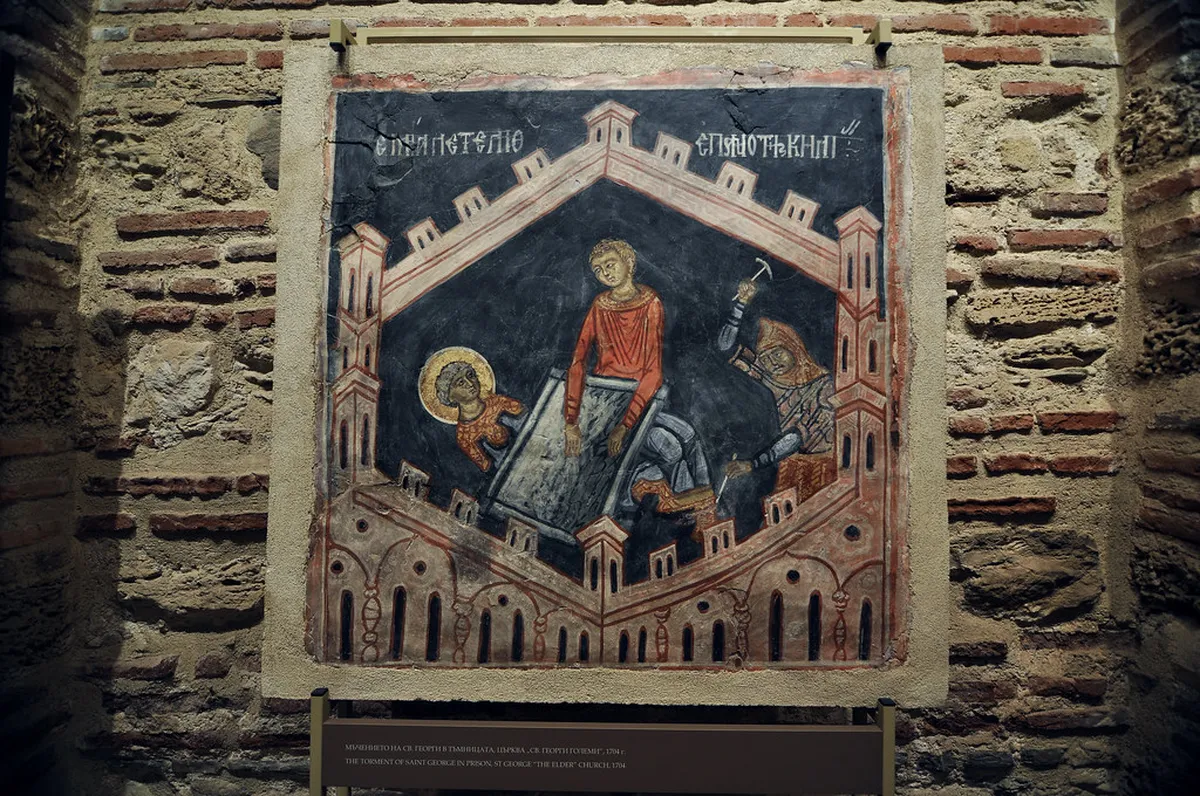
Church of St. Stephen - EUR 4.60 (9.00 BGN) adult, EUR 2.30 (4.50 BGN) child
Archaeological Museum Nessebar - EUR 4.60 (9.00 BGN) adult
Combined church-and-museum ticket - from EUR 6.14
All-sites pass covering Ancient Nessebar's main sites - EUR 17.90, sold at the museum ticket desk
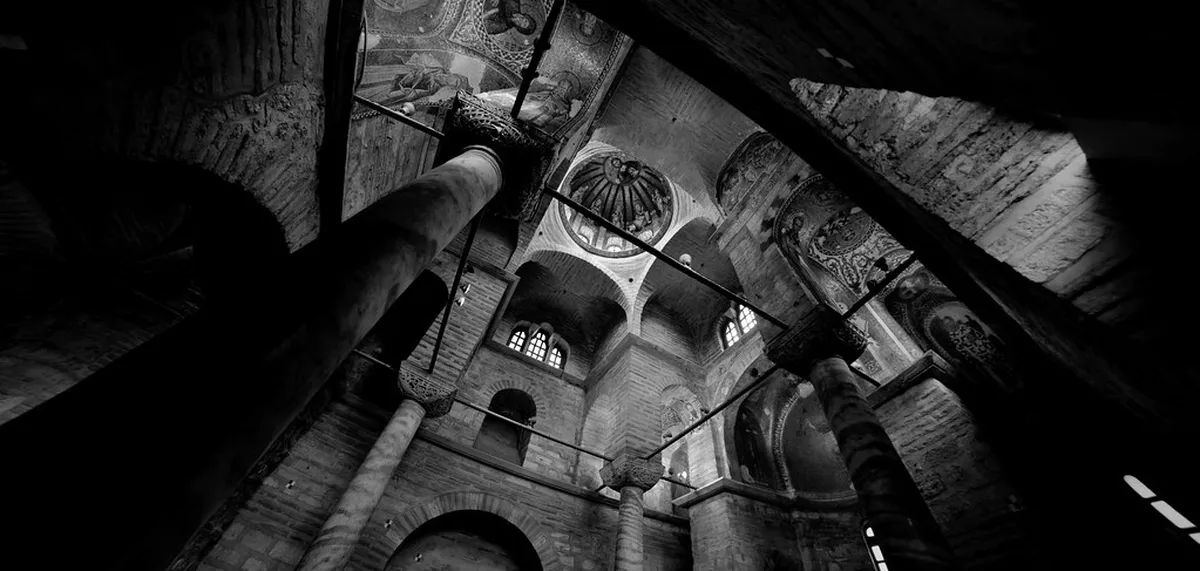
The Church of Christ Pantocrator now hosts rotating museum exhibitions inside; check the entrance signage on the day, since ticketing there varies with the current show.
Full day, churches plus beach. Add the Archaeological Museum to the half-day route, break for lunch in the Old Town, then cross back over the causeway to South Beach for the afternoon.
Rainy day. Stick to the roofed sites - St. Stephen's frescoed interior, the Archaeological Museum's exhibition halls, and Christ Pantocrator's gallery - and save the open-air St. Sophia ruin and windmill viewing for clearer weather.
Getting around Nessebar's attractions
The Old Town peninsula sits at the end of a narrow isthmus causeway; the windmill marks the pedestrian crossing point, and no cars continue onto the peninsula itself. From Sunny Beach, bus 10 covers the roughly 7-10 minute run to Nessebar's new town, with the Old Town entrance a short walk beyond the bus stop; a seasonal water taxi runs the same route along the coast. If you're driving, park in the new town near the causeway - lots fill up in midsummer - and walk in from there; there's no useful parking on the peninsula itself.
Best time to visit Nessebar's attractions
Summer (June-August) is Nessebar's peak: hot, crowded, and busiest in the late morning, when cruise and day-trip excursion groups from Sunny Beach and Burgas converge on the Old Town's narrow lanes, typically between about 10:30 and 14:00. Arriving before 10:00 or after 15:00 avoids most of that rush, and church interiors like St. Stephen's frescoes are easier to actually see without a queue at the door.
May and September are the shoulder-season sweet spot - warm enough for the beach, with noticeably thinner crowds on the peninsula and the same opening hours in effect. Winter shortens hours at some of the paid church-museums, though the Old Town's free sights - the windmill, the St. Sophia ruin, St. John Aliturgetos - stay viewable year-round.
How to save money on Nessebar's attractions
The all-sites pass (EUR 17.90, sold at the Archaeological Museum ticket desk) covers the museum plus the paid churches together - cheaper than paying for St. Stephen and the museum separately if you're doing both.
Five of Nessebar's eight attractions on this list cost nothing to enter: the Old Town itself, the windmill, the St. Sophia ruin, St. John Aliturgetos, and South Beach.
On South Beach, free-towel zones sit alongside the paid umbrella-and-lounger rows - bring your own towel and skip the daily rental fee entirely.
Frequently asked questions
Is Nessebar Old Town free to visit?
Yes - walking Nessebar's UNESCO Old Town peninsula is free at any hour, including the windmill, the St. Sophia ruin and the Church of St. John Aliturgetos. Only the Church of St. Stephen and the Archaeological Museum charge admission, at EUR 4.60 (9.00 BGN) each.
How much time do you need in Nessebar?
A focused half-day (3-4 hours) covers the churches, museum and windmill; add South Beach and lunch in the Old Town and it becomes a comfortable full day. Most visitors day-trip from a Sunny Beach base rather than staying overnight.
What is the entry fee for Nessebar's churches and museum?
The Church of St. Stephen and the Archaeological Museum each cost EUR 4.60 (9.00 BGN) for adults, with a combined ticket from EUR 6.14 and an all-sites pass covering Ancient Nessebar's main sites at EUR 17.90, sold at the museum ticket desk. The Old Town itself, the windmill, the St. Sophia ruin, St. John Aliturgetos and South Beach are all free.
Is Nessebar worth visiting from Sunny Beach?
Yes - Nessebar sits about 7-10 minutes from Sunny Beach on bus 10, making it an easy half-day or full-day trip. It's the UNESCO counterpoint to Sunny Beach's resort strip: churches, a museum and an Old Town peninsula rather than nightclubs and pools.
What is Nessebar famous for?
Nessebar is best known for its UNESCO-listed Old Town, a peninsula inhabited for more than 3,000 years and packed with roughly 40 surviving churches, medieval fortification walls and a wooden Ottoman-era windmill at its causeway entrance.
What is the best time of day to avoid the cruise-excursion crowds?
Late afternoon or early morning. Cruise and day-trip excursion groups typically fill the Old Town's lanes and church interiors from around 10:30 to 14:00, when tour buses and boat groups arrive together; the peninsula is noticeably quieter before 10:00 and after 15:00.
Is there a beach in Nessebar itself?
Yes - Nessebar South Beach runs along the new town's southern shore, a short walk from the causeway into the Old Town. Entry is free, with paid umbrella-and-lounger rows alongside free-towel zones.