Georgi Benkovski House-Museum Visitor Guide
Koprivshtitsa is a town where the spirit of the Bulgarian National Revival lives in every stone street. This georgi benkovski house-museum visitor guide helps you explore the life of a true national hero. The museum stands as a monument to the bravery of the 1876 April Uprising. Visitors often find the wooden architecture and mountain air deeply inspiring during their stay.
For a feel of Koprivshtitsa before you visit, this walking tour showcases the historic town in 4K:
Planning a trip to this historic site requires understanding both the revolutionary past and modern logistics. You will discover how a simple tradesman became a legendary leader for Bulgarian independence. The house is part of the broader Koprivshtitsa Attractions architectural reserve. This guide ensures you maximize your time in this picturesque Sredna Gora mountain town.
The Historical Legacy of Georgi Benkovski
The museum is the birthplace of Gavril Gruev Hlatev, who later took the name Georgi Benkovski. He was a central figure in the struggle against the Ottoman Empire during the late 19th century. His leadership during the April Uprising made him a household name across the entire country. The story of his transformation from a merchant to a rebel leader is fascinating for history buffs.
Benkovski is most famous for forming the Hvarkovata cheta, or the Flying Detachment. This group of mounted rebels moved quickly between villages to spread the news of the revolt. Their mobility and courage gave hope to many Bulgarians during a very dark period. Learning about these events helps visitors appreciate the gravity of the artifacts displayed inside.
Some itineraries mention Bansko's Radonova House in the same breath, since one of its earlier residents is described as an adherent of both Vasil Levski and Benkovski. That museum tells a separate story centered on a 20th-century Bulgarian partisan officer, not on Benkovski himself — the Koprivshtitsa house remains the only site with his actual birthroom and personal effects. Koprivshtitsa itself served as the primary spark for the national movement, and walking through the small rooms of this house still carries that weight. It remains one of the most significant pilgrimage sites for Bulgarian patriots today.
Architectural Highlights of the 1831 House-Museum
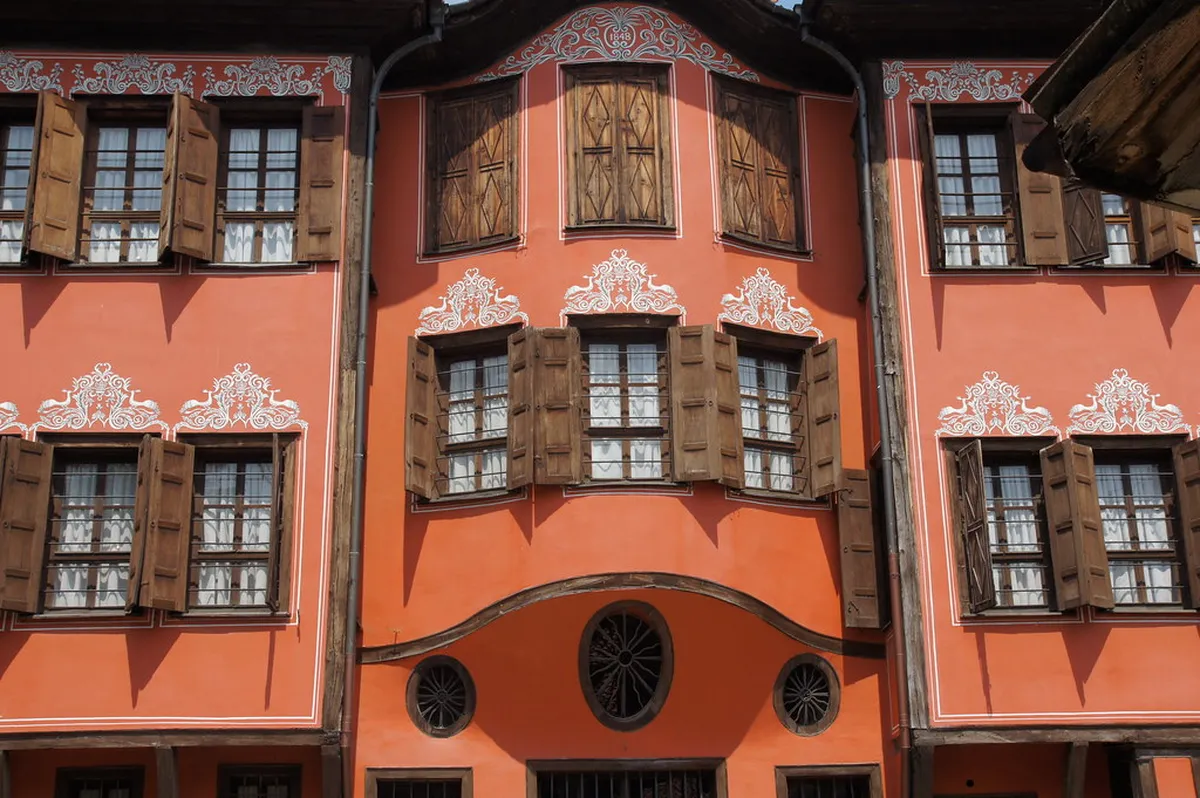
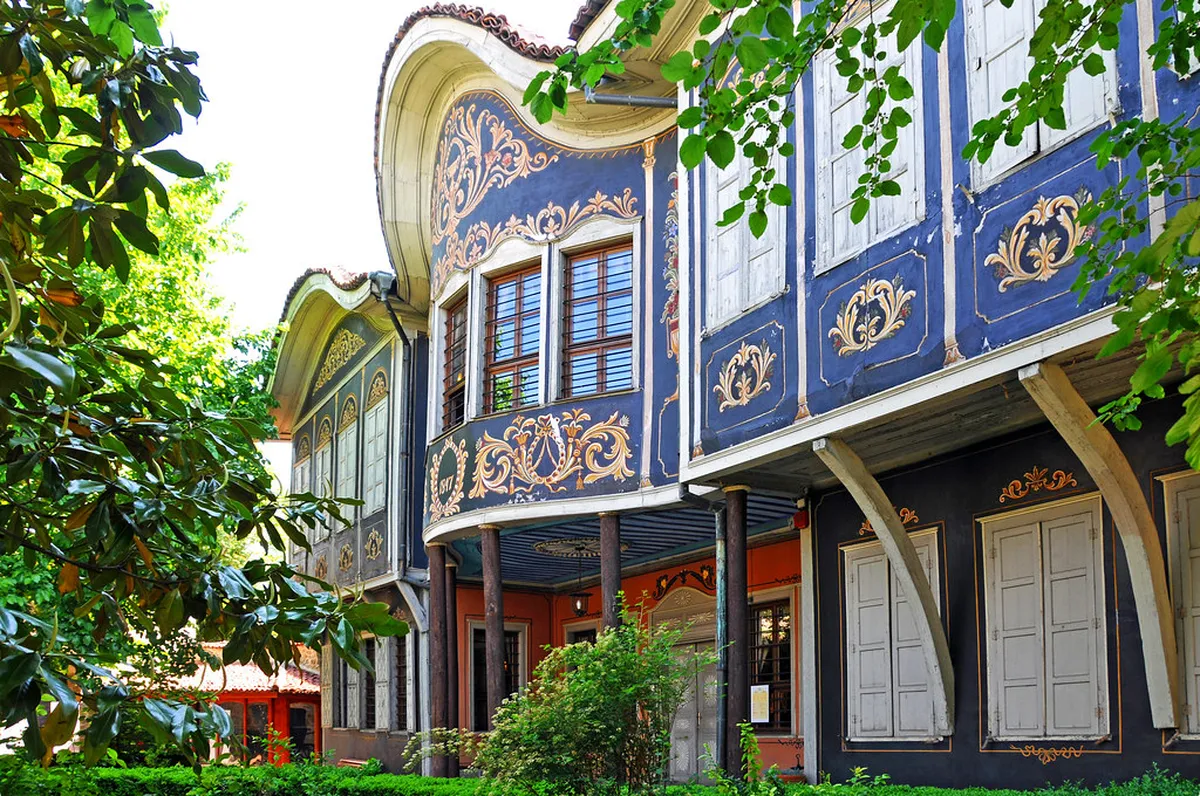
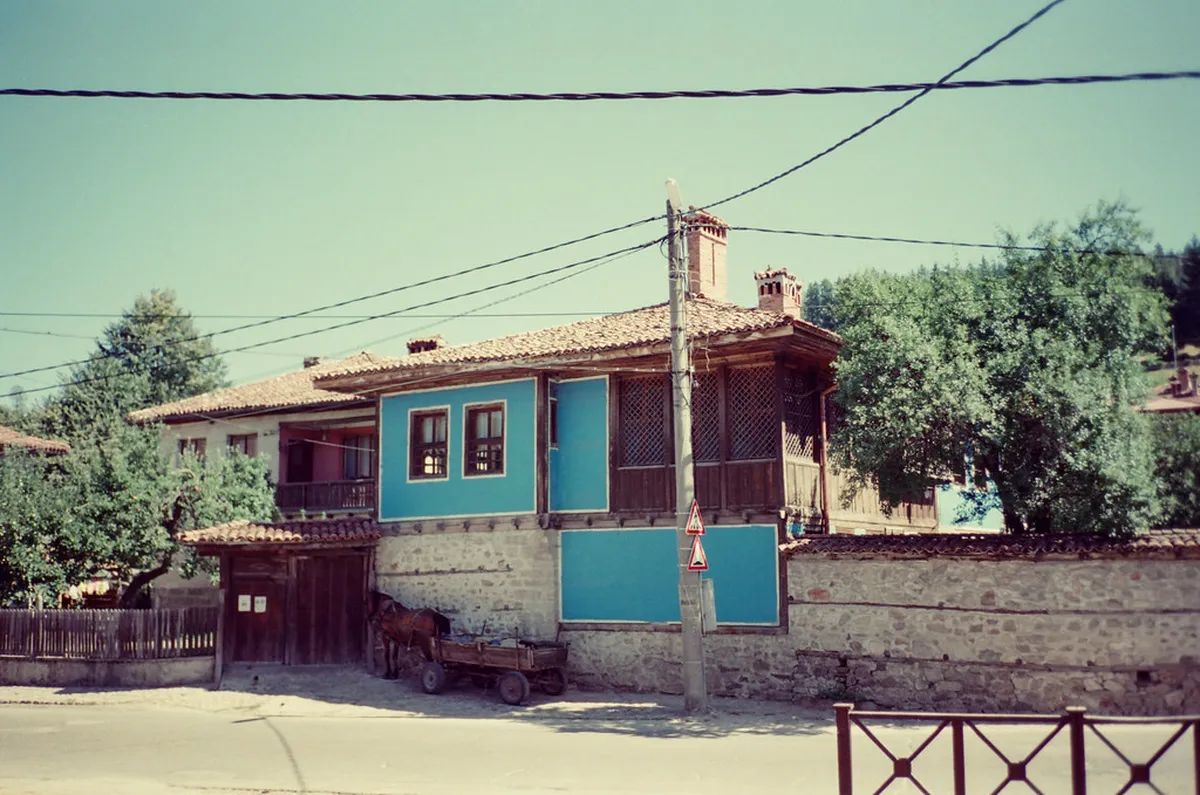
Built in 1831, the house is a classic example of the symmetrical tradesman style. This architectural design was a major status symbol for wealthy Bulgarian merchants at the time. The structure features a beautiful open-air verandah that overlooks the courtyard and the town. Such designs allowed families to enjoy the mountain breeze while staying protected from the elements.
The interior showcases intricate wood-carved ceilings that were hand-crafted by local masters. Dark wood beams contrast with the white walls to create a warm and traditional atmosphere. Each room served a specific purpose, from receiving guests to storing valuable trade goods. Architectural enthusiasts will appreciate the balance and harmony of the building's layout.
Small windows and thick walls were practical choices for the cold winters in the Sredna Gora mountains. The house has been carefully preserved to maintain its original 19th-century appearance. Walking through the doorway feels like stepping back into the era of the Bulgarian National Revival. It provides a stark contrast to the modern buildings found in larger Bulgarian cities.
What to See Inside: Exhibits and the Flying Detachment
The museum houses a rich collection of personal items that belonged to Benkovski and his family. You can see the original weapons used by the rebels during the 1876 April Uprising. One of the most striking exhibits is the revolutionary flag carried by the Flying Detachment. These items bring the stories of the revolution to life for modern visitors.
Display cases also feature traditional uniforms and tools used by the local people during that era. Informational panels explain the strategic importance of Koprivshtitsa in the national liberation movement. Look for the replicas of the cherry-tree cannons which were used as makeshift artillery. These primitive weapons symbolize the resourcefulness of the Bulgarian revolutionaries.
The museum also details the tragic end of Benkovski’s life near the Kostina River. Artifacts from his final days provide a somber conclusion to the heroic narrative. Expect to spend about 45 minutes to an hour exploring the various levels of the house. The exhibits are well-labeled, though a local guide can provide much deeper context.
Essential Visitor Info: Hours, Tickets, and Contact Details
The house-museum, at ul. Georgi Benkovski 5, follows a seasonal schedule and is closed every Tuesday — a detail many first-time visitors miss. Between 1 April and 1 November it opens 09:30-17:30; from 1 November to 1 April, hours shift to 09:00-17:00. Confirm same-day details on the Official Bulgaria Travel Portal - Koprivshtitsa or by phone before the trip.
A single ticket costs EUR 5.00 (BGN 9.78) for adults and EUR 3.00 (BGN 5.87) for students and pensioners. Planning more than two of the six houses? Buy the combined pass instead: EUR 10.00 (BGN 19.56) covers all six and pays for itself after a third site. Bring cash — the ticket kiosks rarely take cards — and note that admission is free for everyone on the last Monday of each month.
- Museum Visiting Details
- Summer Hours (1 Apr-1 Nov): 09:30-17:30
- Winter Hours (1 Nov-1 Apr): 09:00-17:00
- Closed: Tuesdays
- Phone: +359 7184/2811
- Single Ticket: EUR 5.00 (BGN 9.78); Students/Pensioners EUR 3.00 (BGN 5.87)
- Combined Six-Museum Ticket: EUR 10.00 (BGN 19.56)
How to Get to Koprivshtitsa from Sofia
The town is located about 110 kilometers east of Sofia in central Bulgaria. Driving is the fastest option and usually takes between 1.5 and 2 hours. The route follows the Sub-Balkan road, which offers stunning views of the Balkan Mountains. Road conditions are generally good, but winter travel may require snow chains or winter tires.
Public buses depart from the Sofia Central Bus Station several times each day. This is a budget-friendly choice for solo travelers or those without a rental car. The bus ride typically takes around 2.5 hours depending on the number of stops. Booking your return ticket in advance is wise during the busy summer weekends.
Trains run several times a day on the Sofia-Plovdiv line and stop directly at Koprivshtitsa station; the faster services cover the route in about 1.5 hours and tickets cost roughly EUR 7 one-way. The rail journey is scenic, winding through the Sredna Gora foothills, but it requires the onward shuttle covered below since the station sits well outside town. Booking a seat in advance is worth it in July and August, when the Sofia-Plovdiv line gets busy with day-trippers headed to the same string of Revival-era towns.
Logistics: Managing the 8km Train Station Transfer
A common surprise for first-time visitors is the distance of the train station from the town. The station sits approximately 8 kilometers away from the actual architectural reserve. Walking this distance is not recommended if you have luggage or limited time. Fortunately, a dedicated shuttle bus usually meets every arriving train from Sofia.
The shuttle ride into town takes about 10 to 15 minutes and is very affordable. Expect to pay roughly €2 per person for a one-way trip to the central square. Taxis may be available but are much less common than the regular shuttle service. If the shuttle is missing, you can call the museum or a local hotel for assistance.
When returning to the station, the bus departs from the main square before the train's arrival. Check the shuttle schedule at the tourist information center to avoid missing your connection. This small transfer is the only minor hurdle in an otherwise easy day trip. Most travelers find the convenience of the shuttle well worth the small fee.
Exploring the Broader Koprivshtitsa Architectural Reserve
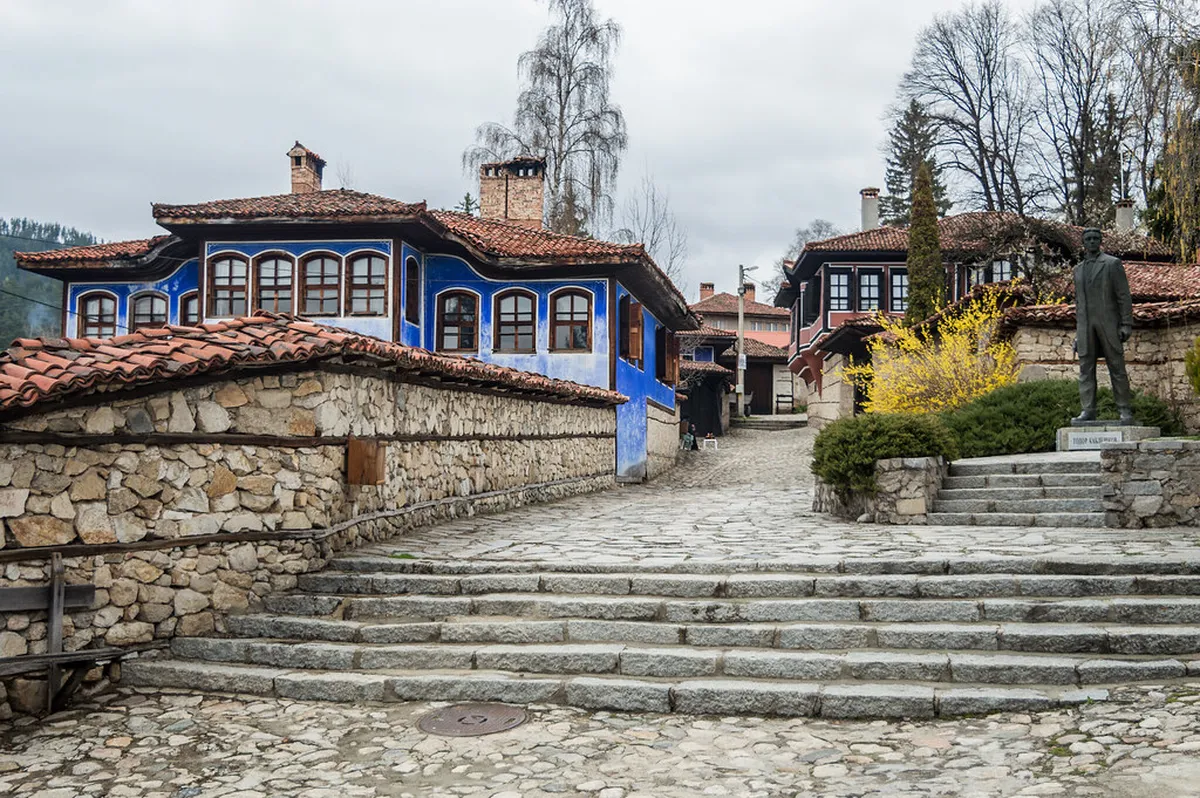
The Benkovski house is just one of many historical gems in this protected town — our roundup of things to do in Koprivshtitsa sets it in the context of a full day here. You should also visit the Todor Kableshkov House-Museum Visitor Guide to see where the rebellion was officially declared. The Oslekov House Visitor Guide offers even more stunning examples of high-end Revival architecture. Each of these sites provides a different perspective on 19th-century Bulgarian life.
Poetry lovers will enjoy the Dimcho Debelyanov House-museum Visitor Guide, which has a very peaceful garden. For a look at how wealthy merchants lived, the Lyutov House (Lutova House) Visitor Guide is a must-see destination. Don't forget to walk across the First Shot Bridge (Kalachev Bridge) Visitor Guide during your afternoon stroll. This bridge is the exact spot where the first bullet of the uprising was fired.
| House-Museum | Main Focus | Time to Allow |
|---|---|---|
| Georgi Benkovski House | Revolutionary history, birthplace of the Flying Detachment leader | 45-60 min |
| Todor Kableshkov House | Where the April Uprising was officially declared | 30-45 min |
| Oslekov House | High-end Revival architecture and merchant wealth | 30-45 min |
| Dimcho Debelyanov House | Romantic poetry and a peaceful garden | 20-30 min |
| Lyutov House | Everyday merchant-family life and crafts | 20-30 min |
| Lyuben Karavelov House | Political and literary legacy | 30-45 min |
Each single ticket costs EUR 5.00 (BGN 9.78); the combined pass for all six is EUR 10.00 (BGN 19.56) and is worth buying once you plan on three or more houses. Most visitors manage three or four houses plus the First Shot Bridge in a day; seeing all six in depth is more realistically a two-day plan.
Practical Tips for a Seamless Museum Visit
The Benkovski house is located on a hill slightly away from the main town square. Wear comfortable walking shoes as the cobblestone streets can be quite uneven and slippery. Follow the signs from the river to find the winding path up to the museum entrance. The walk takes about 10 minutes from the center and offers lovely views along the way.
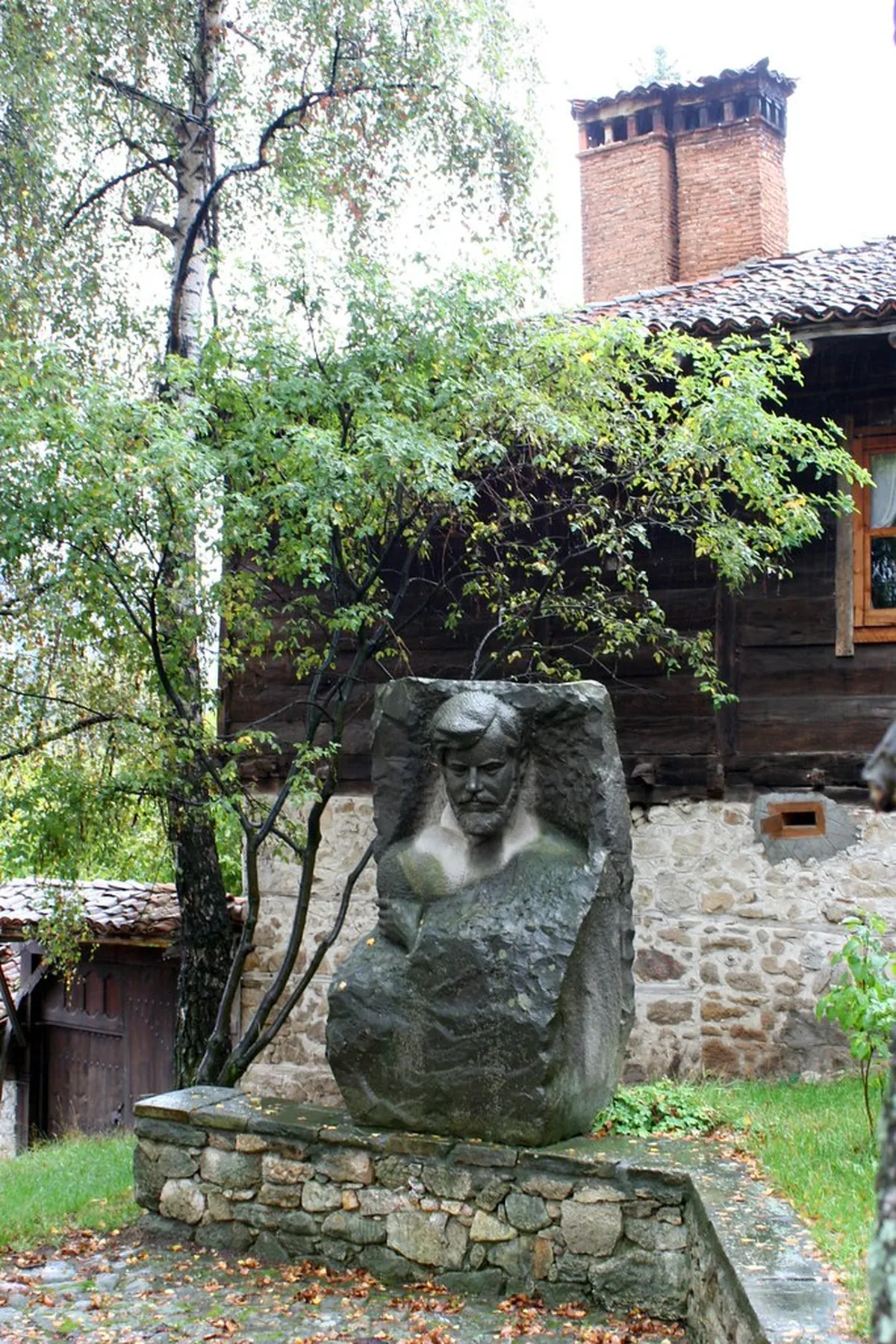
For the best panoramic views of the town, continue climbing to the Georgi Benkovski Monument. This massive stone statue overlooks the entire valley and the red-roofed houses below. It is a perfect spot for photography, especially during the golden hour before sunset. The hike to the monument is steep but the perspective of the Sredna Gora is worth it.
Sofia-based day-tour coaches tend to reach Koprivshtitsa between 10:30 and 14:00, when the ticket queue and courtyard get genuinely crowded. Catching the first morning train or staying overnight and touring before 09:30 lets you move through the exhibits without waiting behind a group. Local restaurants near the river serve excellent traditional Bulgarian dishes like kavarma and banitsa once you have finished the museum circuit, so a late breakfast works better than a rushed lunch on museum days.
One detail general Koprivshtitsa guides rarely mention: the house's original wooden staircase to the upper floor is steep, narrow, and unchanged since 1831, with no ramp or lift under the town's heritage rules. Visitors using wheelchairs, walkers, or pushchairs can view the ground-floor rooms and courtyard but should expect to skip the upper-level displays — a limitation shared by all six directorate house-museums in town, not just this one. If mobility is a concern, ask staff which ground-floor items summarize the Flying Detachment story — the uniform and cherry-wood cannon are usually on the entrance level.
Continue planning: Use Koprivshtitsa Attractions: 6 House-Museums & Things to Do to connect this guide with the rest of your Bulgaria itinerary.
Frequently Asked Questions
Who was Georgi Benkovski?
Georgi Benkovski was the pseudonym of Gavril Gruev Hlatev (1843-1876), a Bulgarian revolutionary born in Koprivshtitsa who became a leading apostle of the anti-Ottoman April Uprising of 1876 and organized its 4th Revolutionary District.
What was the Flying Detachment?
The 'Flying Detachment' (Hvarkovata cheta) was a mounted band of more than 200 insurgents that Benkovski formed and led tirelessly across the region during the April Uprising, moving quickly from village to village to rally rebels, which earned it the name 'flying' band.
What can you see inside the Georgi Benkovski House-Museum?
The house, built in 1831 and turned into a museum in 1966, preserves the room where Benkovski was born and displays original items including his uniform, the gun he used in the uprising, a cherry-wood cannon and the banner of the 4th Revolutionary District.
How much does a ticket to the Benkovski House cost?
A single-museum ticket is EUR 5.00 (BGN 9.78) for adults and EUR 3.00 (BGN 5.87) for students and pensioners; a combined ticket covering all six directorate museums costs EUR 10.00 (BGN 19.56) for adults, which is the better value if you plan to see several houses.
What are the opening hours of the Georgi Benkovski House-Museum?
In summer (1 April to 1 November) the museum is open 09:30-17:30 and in winter (1 November to 1 April) 09:00-17:00. It is closed on Tuesdays; confirm same-day details at the museum ticket office or on direkciamuzei.com.
Is there a monument to Benkovski near the house?
Yes. A bronze equestrian monument to Georgi Benkovski, depicting him mounted on a galloping horse, stands close to the house-museum and is one of Koprivshtitsa's most photographed landmarks.
Can I visit several Koprivshtitsa museums on one ticket?
Yes. The Directorate of Museums sells a combined ticket that admits you to all six of its house-museums, and admission is free on the last Monday of each month.
The Georgi Benkovski house-museum is more than just an old building with wooden beams. It represents the heart of the Bulgarian struggle for liberty and national identity. Visiting this site allows you to connect with the heroes who shaped the modern country. The combination of history and architecture makes it a highlight of any Bulgarian itinerary.
Whether you arrive by train or car, the journey to Koprivshtitsa is always rewarding. Take the time to walk the cobblestone streets and visit the monument on the hill. You will leave with a deeper understanding of the Bulgarian National Revival and its legacy. Start planning your visit today to experience this unique mountain treasure for yourself.
For more Koprivshtitsa planning, read our 12 Best Things To Do in Koprivshtitsa (2026) and The Six Koprivshtitsa House-Museums: Combined Ticket Guide (2026) guides.
For authoritative information, refer to the Georgi Benkovski House-Museum on Wikipedia, Georgi Benkovski House-Museum on Wikipedia, Georgi Benkovski House-Museum official site and Georgi Benkovski House-Museum official site.
For authoritative information, refer to the Georgi Benkovski House-Museum on Wikipedia, Georgi Benkovski House-Museum on Wikipedia, Georgi Benkovski House-Museum official site and Georgi Benkovski House-Museum official site.