Ancient Theatre of Plovdiv Visitor Guide
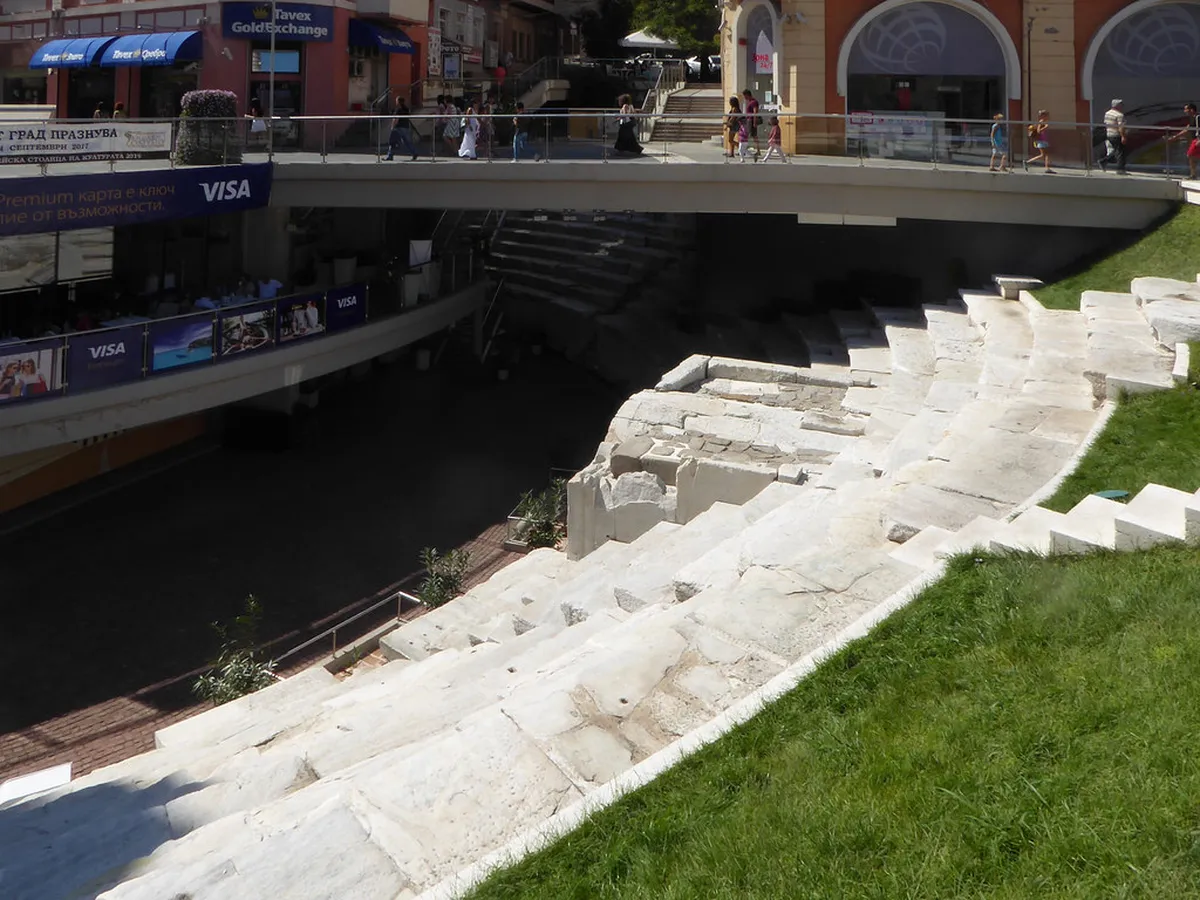
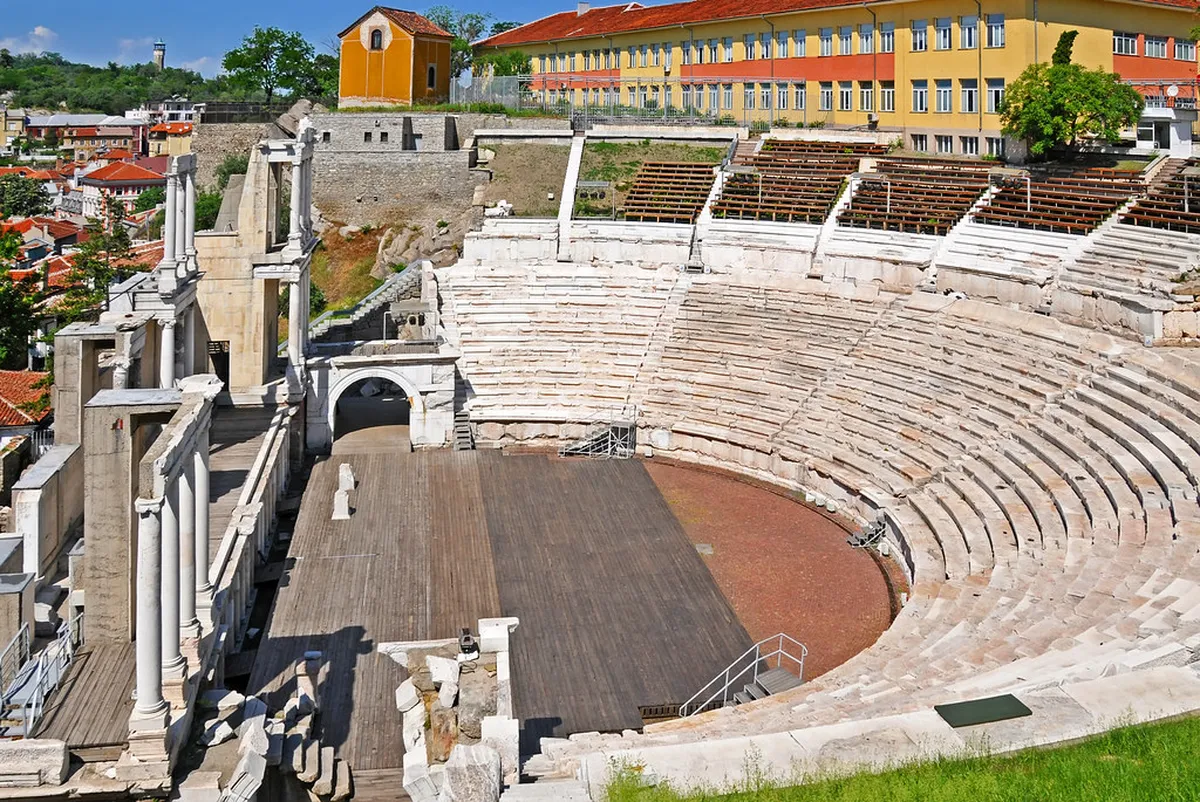
The Ancient Theatre of Plovdiv stands as one of the most well-preserved Roman structures in the world. This magnificent open-air venue serves as the cultural heart of Bulgaria's second-largest city. Visitors flock here to admire the marble tiers and the stunning views over the Thracian Plain. Our comprehensive guide to Plovdiv helps you plan the perfect trip to this historic landmark.
Exploring this site offers a unique window into the grandeur of the ancient Roman Empire. The theatre still hosts world-class operas and rock concerts throughout the warmer months. Walking through the stone corridors feels like stepping back nearly two thousand years in time. It remains the most iconic symbol of the city's long and diverse history.
For a striking visual preview of the Ancient Theatre's architecture and preserved marble seating, watch this walkthrough:
The History of the Ancient Theatre of Philippopolis
The theatre was carved into the saddle between two of Plovdiv's Three Hills in the 90s AD, during the reign of Emperor Domitian, making it a 1st-century structure rather than the slightly later building many visitors assume it to be. It served as the civic and cultural centerpiece of Roman Philippopolis, hosting theatrical performances, public assemblies, and the meetings of the provincial council. Carved inscriptions on several seats still name the guilds and officials who once had reserved places, a detail that brings the social hierarchy of the ancient city to life.
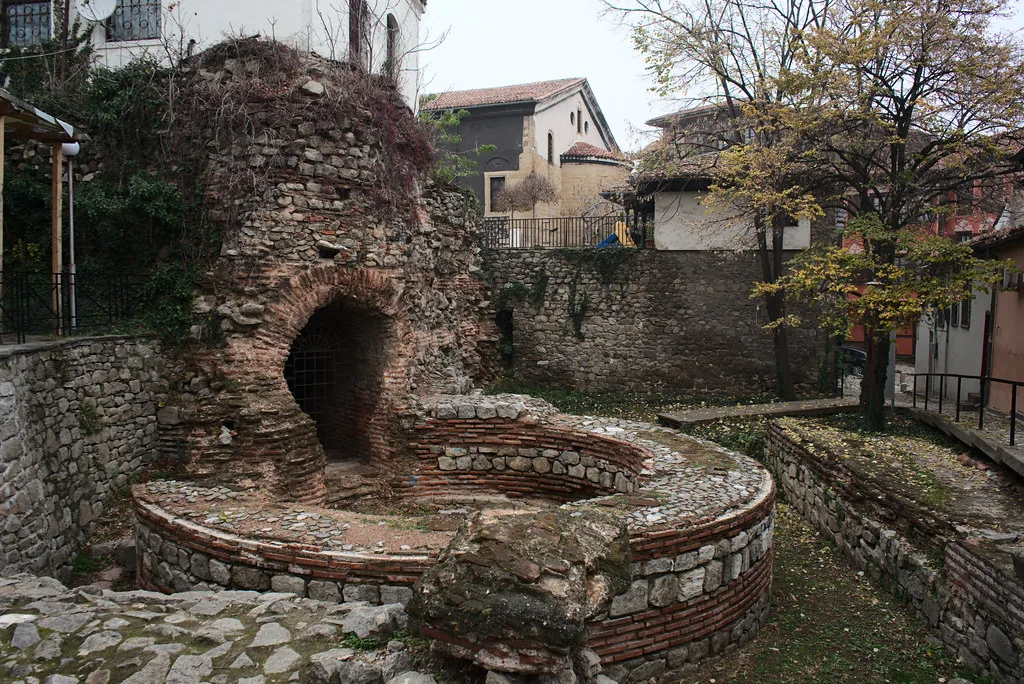
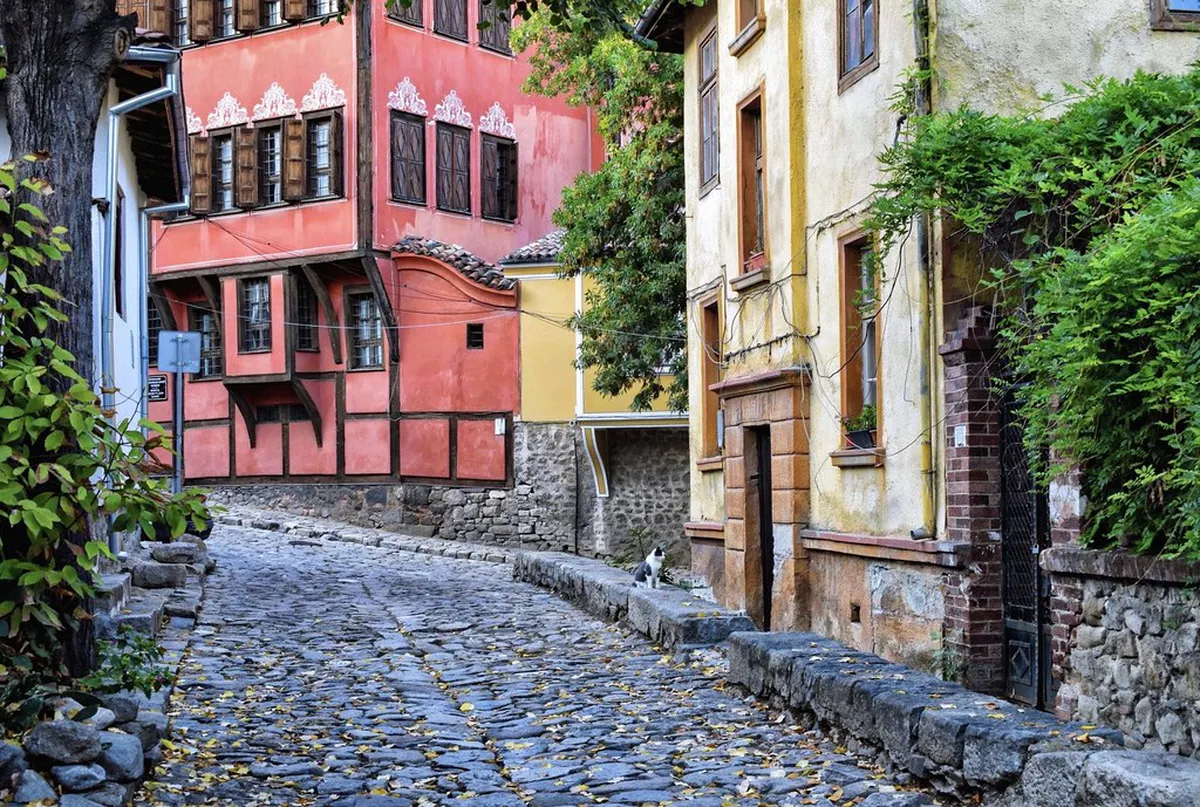
The theatre stayed in active use into the 4th century before earthquake damage and the Gothic and Hunnic raids that swept through Thrace gradually left it in ruins. Centuries of silt and rebuilding buried the marble tiers under the hillside, and generations of Plovdiv residents lived directly above the ruins without knowing they existed. The Plovdiv Old Town Visitor Guide grew up around the buried structure, its Revival-era houses unknowingly resting on Roman foundations.
A landslide on the hillside in 1968 exposed the buried seating, and archaeologists spent the following decade excavating and stabilizing the site through 1979. The theatre reopened to the public soon after and has been one of Bulgaria's flagship archaeological attractions ever since. In 2026 it remains both a preserved monument and a working stage, one of the few Roman theatres anywhere still hosting the kind of live audience it was built for.
Visitor Information: Tickets, Opening Hours, and Location
The entrance sits at 4 Tsar Ivaylo Street, an easy uphill walk from Dzhumaya Square and the Knyaz Alexander pedestrian street. The theatre opens daily from 9:30 to 18:00 between April and October, and from 9:00 to 17:30 from November to March. Ticket sales pause for a short lunch break from 12:30 to 13:00 every day, which trips up more first-time visitors than anything else on this page — plan around it rather than arriving right at midday. Check the Ancienttheaterplovdiv.eu portal before you go, since hours shift on evening-performance days.
Since Bulgaria adopted the euro in January 2026, admission is charged in euro at the gate: EUR 3.58 for adults and EUR 1.53 for school pupils and students, with children under 7 admitted free. Entry is also free for visitors with a disability rated above 50%, and for students and retirees on the first Thursday of each month. If you're seeing several Old Town sites, the Plovdiv City Card and the combined ticket covering up to five sites cost EUR 10.74 for adults or EUR 21.47 for a family — it pays for itself after the second or third stop.
The terrain is the theatre's biggest accessibility challenge: twenty-eight rows of steep, uneven marble climb the hillside with no ramp or lift to the upper tiers. Wheelchair users and anyone with limited mobility can still take in the stage and lower rows from ground level, but the panoramic view from the top is reachable on foot only. Wear shoes with real grip, especially after rain, and budget 30 to 60 minutes, or a full evening for a performance.
The Roman Theatre Architecture and Collection
Twenty-eight rows of marble seats curve around the orchestra in a classic Roman semi-circle, split into two tiers by a wide walkway, the diazoma, that once separated seating by social rank. Ancient engineers built the theatre to hold between 6,000 and 7,000 spectators, an enormous figure for a provincial city, though modern safety limits cap today's performances at around 3,000 seats.
The stage building, the scaenae frons, rises two stories with ornate columns and several restored statues and friezes. Carved inscriptions on individual seats still mark the names of the city officials and guilds who once held reserved places, offering a personal window into the social order of Roman Philippopolis.
The acoustics remain the theatre's most striking feature: performers on stage can be heard clearly from the very last row without any amplification, a product of the hillside's natural slope and the marble's sound-reflecting properties. It's one of the reasons the venue is still booked for live performances nearly two thousand years after it was built, rather than being preserved purely as a museum piece.
Performance Schedule and Tickets
Every summer the theatre becomes Plovdiv's main outdoor stage. The Opera Open festival brings full opera and ballet productions to the marble tiers in June and July, and the venue also hosts rock and pop concerts, folklore shows, and occasional touring acts through August and into September. Because the modern seating cap is around 3,000, popular shows sell out well ahead of the date.
Tickets for these events are handled separately from the daytime entry fee and are sold through the Plovdiv Opera and Philharmonic box office and official event pages rather than at the theatre's daytime ticket window. Book at least two to three weeks ahead for July weekends, and check the schedule before you travel if a specific performance is the reason for your trip — the theatre sometimes closes to daytime visitors earlier than usual on show days to allow for stage setup.
If you can't catch a ticketed show, aim for a late-afternoon visit instead, when the light on the marble is at its best for photos and the crowds have usually thinned. Outside the June-to-September season, the theatre reverts to a quieter daytime monument with nothing scheduled after dark.
Top 5 Landmarks to See in Plovdiv
The city offers a wealth of Roman ruins located within walking distance of the theatre. You can easily spend a full day wandering between these impressive archaeological sites. Many of these landmarks are situated along the main pedestrian street or within the Old Town. Visiting the Roman Stadium of Philippopolis Visitor Guide is a great way to continue your historical journey.
Each site tells a different story about the layers of civilization that built this city. From Ottoman mosques to Thracian fortresses, the variety of architecture is truly stunning. Make sure to bring a camera to capture the contrast between ancient ruins and modern life. The following list highlights the must-see spots located near the Ancient Theatre.
- Ancient Stadium of Philipopolis
- Type: Roman ruin
- Distance: 500 meters away
- Access: Free public view
- Feature: Underground track
- Dzhumaya Mosque
- Type: Ottoman architecture
- Location: Main square
- Style: Multi-domed roof
- Status: Active mosque
- Nebet Tepe
- Type: Thracian fortress
- View: City panorama
- Cost: Free entry
- Best for: Sunset photos
- Kapana Creative District
- Type: Art neighborhood
- Atmosphere: Trendy cafes
- Vibe: Pedestrian zone
- Activity: Street art
- Hisar Kapia Gate
- Type: Medieval gate
- Where: Old Town
- History: Fortress entrance
- Era: 11th century
First-time visitors often mix up the theatre with the Ancient Stadium, since both are Roman and both get called "the amphitheater." Cost and time separate them fastest: the theatre is ticketed at EUR 3.58 and takes 30 to 60 minutes, while the stadium's excavated section is free to view from street level and takes about 15 minutes.
Bulgarian Cuisine to Eat in Plovdiv
Sampling local food is an essential part of the Plovdiv visitor experience. Bulgarian cuisine focuses on fresh vegetables, grilled meats, and rich dairy products, and you'll find many traditional taverns, known as mehanas, scattered throughout the Old Town.
Start your morning with a warm banitsa and a glass of ayran, the flaky cheese-filled pastry that anchors a Bulgarian breakfast. For lunch, a fresh shopska salad of tomatoes, cucumbers, and grated sirene cheese is a local favorite in the heat.
Dinner often features hearty clay pot dishes like kavarma or moussaka. Slow-cooked meats and vegetables create deep flavors that satisfy after a day of walking. Don't forget to try the local wines produced in the nearby Thracian Valley. The region is famous for its robust red wines and crisp white varieties.
Recommended Restaurants in Plovdiv
Choosing where to eat depends on whether you prefer views or a modern vibe. The Old Town offers romantic settings with terraces overlooking the ancient rooftops. However, these spots can sometimes be more expensive and cater mostly to tourists. Exploring the Kapana Creative District Visitor Guide often yields better value and atmosphere.
Kapana is filled with craft beer bars and experimental kitchens run by young chefs. The pedestrian streets here are perfect for people-watching while you enjoy a meal. You can find everything from traditional Bulgarian grills to modern vegan burgers. This area feels more authentic and lively during the evening hours.
For a special occasion, look for restaurants located near the Nebet Tepe Visitor Guide ruins. These establishments offer some of the best sunset views in the entire city. Reservations are recommended during the peak summer months to secure a terrace table. Dining under the stars next to ancient walls is a truly memorable experience.
Typical Costs for a Plovdiv Visit
Plovdiv remains noticeably cheaper than Western Europe, and Bulgaria's move to the euro in January 2026 hasn't changed that. Older guides that still quote everything in lev alone are already a step behind; expect euro pricing at the till, with old BGN figures shown only for reference at the fixed 1.95583 rate.
Attraction admission is the cheapest line item on any Plovdiv budget: the theatre runs EUR 3.58, and the five-site Old Town combined ticket is EUR 10.74. Public transport is cheap for the outer districts, though central sights, including the theatre, are best reached on foot. The breakdown below is a reasonable daily estimate for 2026.
- Accommodation Costs
- Hotel: around EUR 82 per night
- Hostel bed: around EUR 23 per night
- Boutique guesthouse: around EUR 110 per night
- Best value area: Old Town or Kapana
- Dining and Drinks
- Standard meal: around EUR 8 (16 BGN)
- Sit-down dinner: around EUR 23 (45 BGN)
- Local beer: around EUR 2 (4 BGN)
- Coffee: around EUR 1.50 (3 BGN)
- Transportation Fares
- City bus ticket: around EUR 0.80
- Taxi starting fare: around EUR 1.50
- Day transit pass: around EUR 2.30
- Old Town on foot: free, and usually faster than a taxi
Where to Stay in Plovdiv
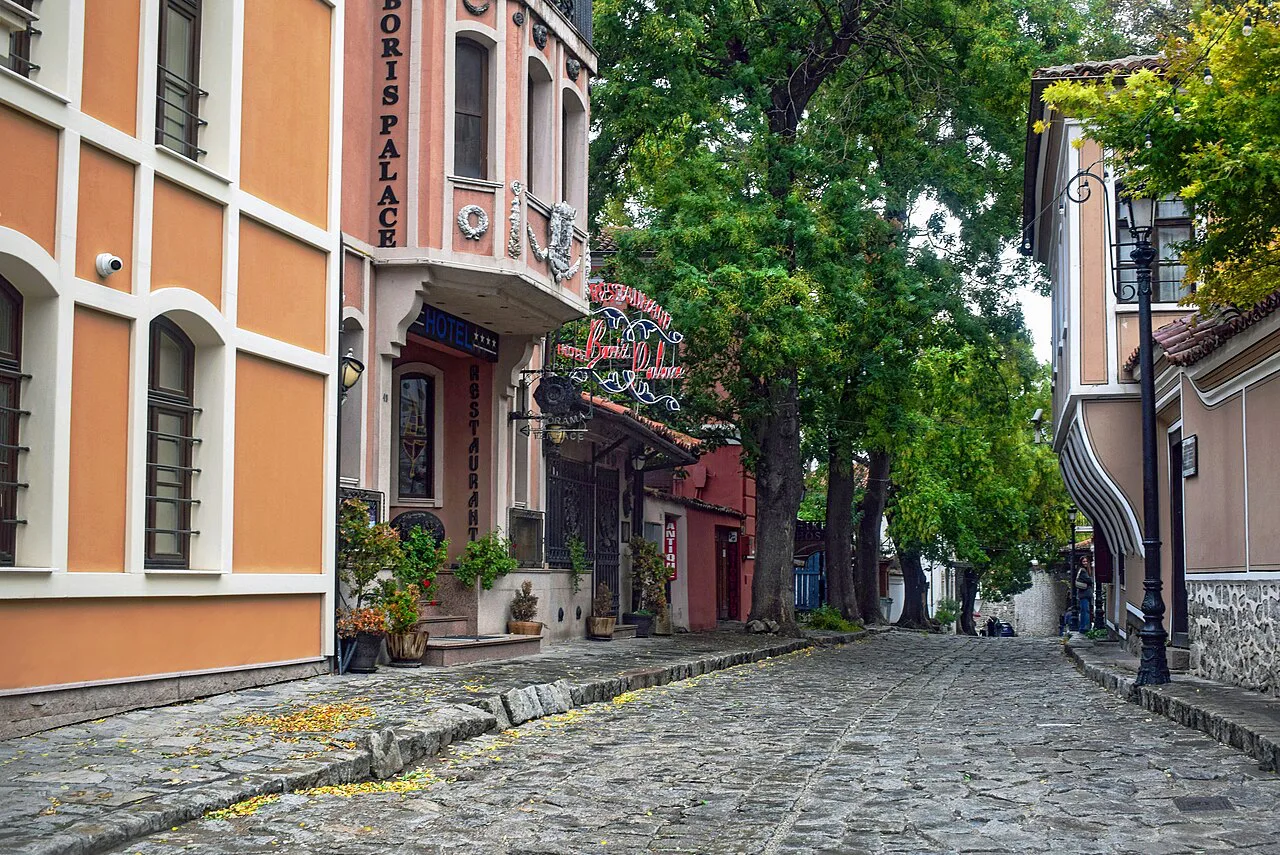
Staying in the Old Town provides the most atmospheric experience for history lovers. Many guesthouses sit inside restored Bulgarian Revival houses, just steps from the theatre and other Roman sites. Keep in mind that the cobblestone streets can be noisy and difficult for heavy luggage.
The city center near the main pedestrian street offers more modern hotel options, convenient for shopping and the central bus and train stations. You will find a range of international chains and local business hotels here, a good choice for travelers who prioritize accessibility.
Kapana is a popular choice for younger travelers and digital nomads, with boutique lofts and creative apartments in central the action. You will be surrounded by the city's best nightlife and coffee shops. Noise levels can be higher on weekends, so bring earplugs if you are a light sleeper.
How Safe is Plovdiv?
Plovdiv is generally considered a very safe city for international tourists. Violent crime is rare, and the central areas are well-lit and frequently patrolled by local police, so you can feel comfortable walking through the main squares late into the evening.
Solo travelers should follow standard precautions as they would in any city: keep an eye on belongings in crowded areas like the Dzhumaya Mosque Visitor Guide square, where pickpocketing is uncommon but not unheard of. Most locals are friendly and willing to help if you lose your way.
The Old Town hills can be dark at night, and the same uneven stones that make the theatre's own steps tricky in daylight become a real tripping hazard after sunset, so stick to the main paths. A reputable taxi app is the safer way back to your hotel late at night.
Tour Inquiry and Booking Form
A professional guided tour can help you uncover the hidden stories of the Roman ruins. Expert guides provide context that you might miss when exploring on your own. We offer customizable itineraries that focus on your specific historical interests. Booking a private tour ensures a personalized experience at your own pace.
Our team can arrange transportation and skip-the-line access to the most popular sites. Whether you are a solo traveler or a large group, we have options to suit you. Contact us today to start planning your journey through the ancient streets of Plovdiv. Let us help you make the most of your visit to this incredible Balkan destination.
Continue planning: Use Plovdiv Attractions: 12 Top Sights, Tickets & Tips to connect this guide with the rest of your Bulgaria itinerary.
Frequently Asked Questions
How much are tickets for the Ancient Theatre of Plovdiv?
Adult tickets cost EUR 3.58 (7 BGN), while students and seniors pay a reduced fee of EUR 1.53 (3 BGN). You can also use the Plovdiv City Card for free entry. Prices are subject to change, so check at the entrance for 2026 updates. Learn more about Plovdiv attractions here.
Is the Plovdiv Roman Theatre still used for performances?
Yes, the theatre is a fully functional venue for modern cultural events. It hosts the Opera Open festival, rock concerts, and traditional folklore shows during the summer. Tickets for these events should be booked well in advance through official ticket portals or the box office.
How much time do you need to visit the Ancient Theatre?
Most visitors spend between 30 and 60 minutes exploring the site. This allows enough time to walk the marble rows, visit the stage area, and take photographs. If you attend a live performance, plan to spend the entire evening enjoying the unique atmosphere.
What is the best time of year to visit Plovdiv?
Late spring and early autumn offer the most pleasant weather for walking the hilly Old Town. May, June, and September provide warm temperatures without the intense heat of mid-summer. These months also coincide with many outdoor performances held at the ancient venue.
The Ancient Theatre of Plovdiv is a must-see destination for anyone visiting Bulgaria. Its blend of Roman grandeur and modern cultural life creates an unforgettable experience. From the marble seating to the panoramic views, every corner of the site tells a story. Visit the Visitplovdiv.com portal for more local travel inspiration.
Planning your trip with the right information ensures a smooth and rewarding visit. Whether you are a history buff or a casual traveler, this landmark will impress you. Take the time to explore the surrounding Old Town and enjoy the local flavors. Plovdiv awaits with its timeless charm and ancient secrets.
For authoritative information, refer to the Ancient Theatre of Plovdiv official site and Ancient Theatre of Plovdiv on Wikipedia.
For more Plovdiv planning, read our Ancient Theatre Plovdiv 2026: Tickets, Events & History guide.