Ultimate Tsar Simeon Garden Visitor Guide for 2026
Visitors often find themselves drawn to the lush landscapes of Tsar Simeon Garden during any trip to Plovdiv. This central park serves as the city's primary green lung and a favorite meeting spot for residents. Our comprehensive tsar simeon garden visitor guide helps you navigate this historic site effectively.
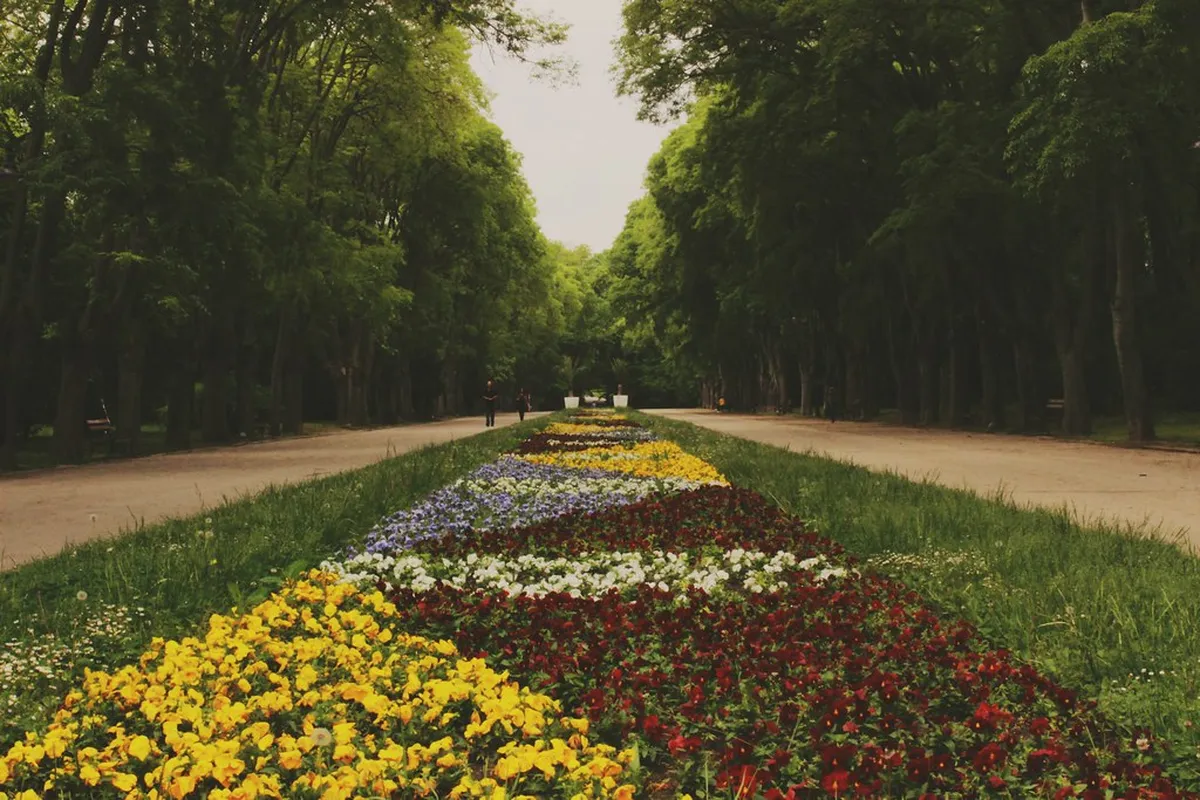
The park offers a refreshing escape from the bustling stone streets of the nearby commercial districts. Stately trees and manicured flower beds create a serene environment for morning walks or evening strolls. Exploring Plovdiv is incomplete without spending time under the shade of its century-old oaks.
Evening hours bring a special magic to the area when the fountains begin their colorful display. Families, couples, and solo travelers all find a welcoming space within these historic gates.
For a preview of the garden's layout and atmosphere, here's a walk-through that covers the main pathways and key attractions:
History and Design of the Garden
Tsar Simeon Garden began as the centerpiece of the First Bulgarian Agricultural and Industrial Exhibition, laid out between October 1891 and July 1892 by Swiss landscape gardener Lucien Chevalas, who earned the local nickname "the Court Gardener." European newspapers covering the exhibition called the grounds something incredible for the Balkan Peninsula.
When the exhibition closed, Prince Ferdinand I decreed that the grounds be gifted to the people of Plovdiv on two conditions: the park would carry the name of the medieval Bulgarian ruler Simeon I, and citizens would take responsibility for maintaining it. That arrangement has held for well over 130 years, and in 2026 the garden is still protected as a monument of landscape art, meaning its layout, mature trees, and 19th-century structures cannot be altered without heritage approval.
Central paths lead past monuments celebrating Bulgaria's political and literary history, framed by exotic tree species Chevalas planted for the original exhibition, across a city-center park covering more than 90,000 square meters.
The Demeter Fountain and Other Monuments
Most visitors head straight for the lake, but the garden's most historically significant piece of art sits just off the main path: the Demeter Fountain, carved by Italian sculptor Arnaldo Zocchi. It is the only structure still standing from the original 1892 exhibition, predating the Singing Fountains show by roughly a century, and it rewards a slow look before or after the crowds gather at the lakefront in the evening.
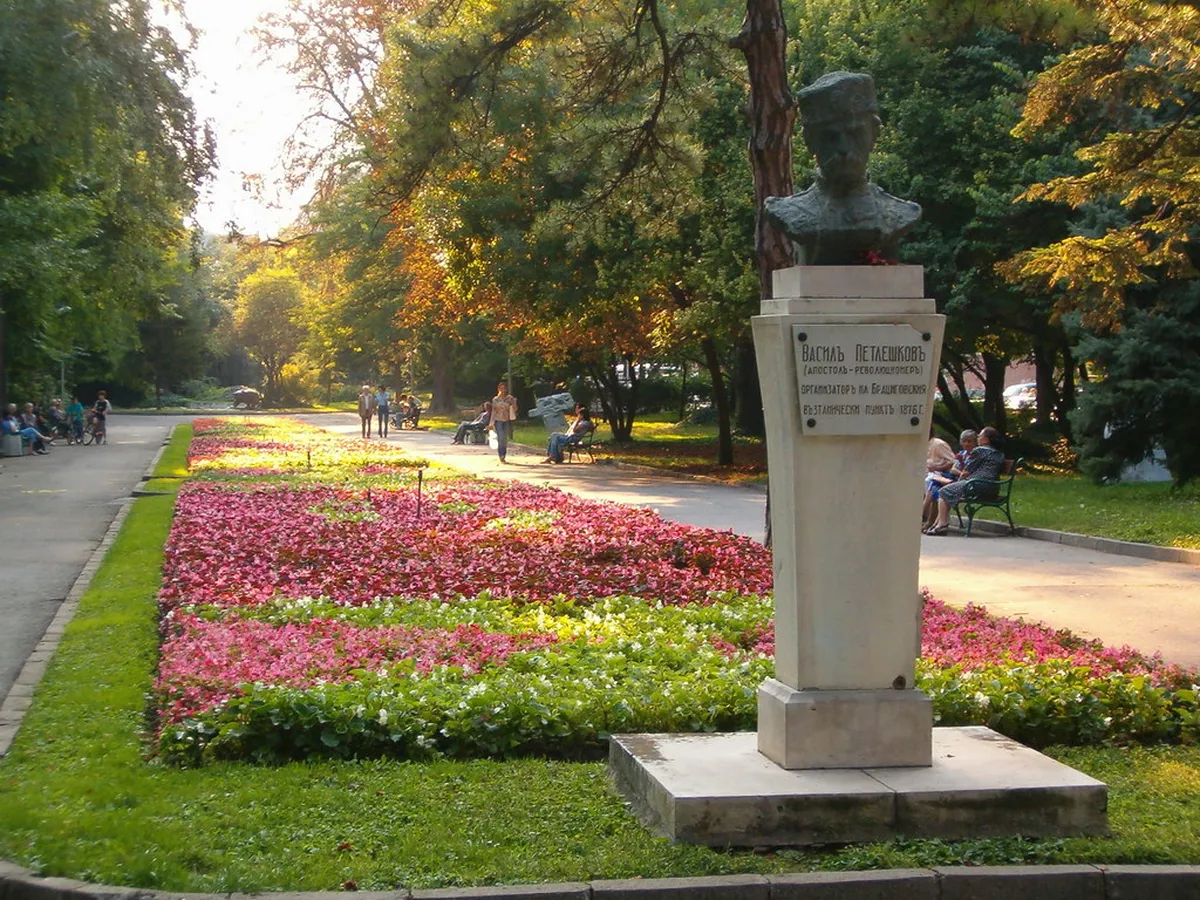
Two smaller, less-photographed fountains round out the water features, Ribarcheto ("the little fisherman") and Mechkata ("the bear"), both easy to miss if you stick to the main lake. Monuments to national figures, including a bust of poet and revolutionary Hristo Botev, sit along the quieter northern paths.
None of it needs a ticket or a guide — bilingual plaques give enough context for a self-guided detour, and pairing it with a stop at the nearby Ancient Theatre of Plovdiv Visitor Guide contrasts 19th-century Plovdiv with its Roman past in one afternoon.
Highlights: The Singing Fountains and More
The Singing Fountains on the central lake are the garden's best-known draw: jets of water choreographed to classical and popular music under colored spotlights. The shows run only in the warmer months, on select evenings after dark, with no fixed, year-round published schedule. Check with the Plovdiv tourist information office or a current local listings source once your travel dates are set, rather than plan an evening around a specific showtime found online.
The common first-timer mistake is assuming the fountains perform nightly, year-round, like a ticketed attraction. Aim for late spring through early autumn, and treat any schedule found online as a starting point to reconfirm locally, since timing shifts with weather and maintenance.
Away from the water, the Morpheus Statue sits beside a small Viennese-style gazebo popular for photos and quiet reading. Playground zones spread across several corners of the park keep younger children away from the quieter paths, which suits families with mixed ages.
- Singing Fountains show on the central lake, free to watch, seasonal, evenings only, with no fixed published schedule
- Morpheus Statue and the nearby Viennese-style gazebo, a quiet spot for photos near the lake
- Children's playgrounds spread across several corners of the park, kept separate from the quieter walking paths
Practical Tips for Your Visit
The garden sits just west of Central Square and south of Sahat Tepe hill, easy to fold into a walking route. It is free and open around the clock in 2026, with no gate hours to plan around.
Summer temperatures in Plovdiv can frequently exceed 35 degrees Celsius during the afternoon. The garden provides essential shade, making it the best place to hide from the sun. Morning visits allow you to enjoy the dew-covered flowers before the crowds arrive.
Accessibility is a major benefit of this park for travelers with mobility concerns. Flat, paved paths crisscross the entire area, making it easy for wheelchairs and strollers. Public restrooms are available near the main entrances for a small fee of 1.00 BGN.
Free Wi-Fi is often available in certain sections of the park near the central cafes. Grab a coffee or a traditional Bulgarian ice cream from the local vendors to enhance your walk. Keep a small amount of cash handy for snacks, as not all kiosks accept international cards.
Nearby Attractions in Plovdiv
Main pedestrian street access makes the garden a perfect starting point for a city tour. You can walk north from the park to reach the Roman Stadium of Philippopolis Visitor Guide in ten minutes. This route passes through the heart of the shopping district and several charming plazas.
Ancient history waits just a short climb away in the legendary Plovdiv Old Town Visitor Guide. Combining a park visit with a museum tour creates a well-balanced daily itinerary.
Creative energy flows through the nearby streets of the Kapana district. This area is famous for its craft beer bars and artisan workshops located just past the mosque. Walking between these sites allows you to see the architectural evolution of the city.
Local Insights and Hidden Corners
Local residents often prefer the quieter corners located away from the main fountain lake. Small sculptures are tucked into the greenery, rewarding those who take the time to explore. The statue of the "Bear" is a nostalgic favorite for many who grew up in Plovdiv.
Sculptures of prominent Bulgarian writers and revolutionaries are scattered throughout the northern sections. Reading the plaques provides a quick lesson in national history while you enjoy the fresh air. These paths are usually less crowded, offering a more contemplative atmosphere for visitors.
Weekends see the park transform into a vibrant hub of local social life. Street performers and musicians often set up near the Viennese Pavilion during the afternoon. Observing the local "aylyak" lifestyle is best done from a park bench with no rush.
Continue planning: Use Plovdiv Attractions: 12 Top Sights, Tickets & Tips to connect this guide with the rest of your Bulgaria itinerary.
Frequently Asked Questions
Is there an entrance fee for Tsar Simeon Garden?
No, there is no entrance fee for the garden. It is a public municipal park open to everyone throughout the year. You can enjoy the Singing Fountains and all monuments for free. This makes it a great budget-friendly stop after visiting the Ancient Theatre of Plovdiv Visitor Guide.
When do the Singing Fountains perform?
The Singing Fountains run seasonally on summer evenings, with light-and-music shows on the park lake. There is no fixed published schedule, so check with the Plovdiv tourist information center or local listings for the current 2026 season before planning your evening around a show.
Are dogs allowed in Tsar Simeon Garden?
Dogs are generally allowed in the park but must remain on a leash at all times. Owners are required to clean up after their pets to keep the lawns pristine. Some specific flower bed areas may be restricted to protect the delicate plants.
Is the park safe to visit at night?
Yes, the park is very safe and well-lit, especially during the fountain shows. It is a popular spot for families and late-night strollers. Security patrols and the presence of many locals contribute to a comfortable and secure environment.
Tsar Simeon Garden remains an essential destination for anyone exploring the cultural capital of Bulgaria. Its blend of 19th-century history and modern entertainment provides something for every type of traveler. If your 2026 dates fall in the warmer months, build in a free evening near the lake and confirm show details locally rather than around a specific time found online.
Modern amenities and deep historical roots make this park a unique urban treasure. It serves as the perfect bridge between the commercial center and the historic hills.
Take your time to wander through the shaded alleys and discover the hidden statues. After your walk, consider heading to the Kapana Creative District Visitor Guide for dinner. The garden is waiting to offer you a peaceful moment in central Plovdiv.
For official details, visit the Tsar Simeon Garden on Wikipedia.
For more Plovdiv planning, read our Ancient Theatre Plovdiv 2026: Tickets, Events & History guide.