Devil's Throat Cave (dyavolsko Garlo) Visitor Guide
Exploring the devil's throat cave (dyavolsko garlo) visitor guide offers a descent into one of Bulgaria's most mysterious natural wonders.
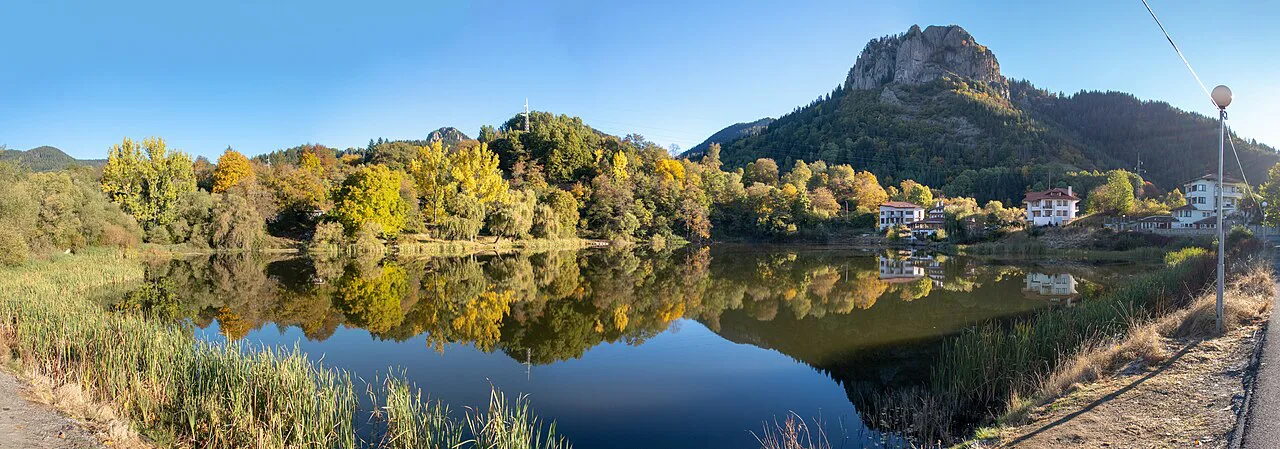
This legendary site is located deep within the Trigrad Gorge and features a massive underground waterfall.
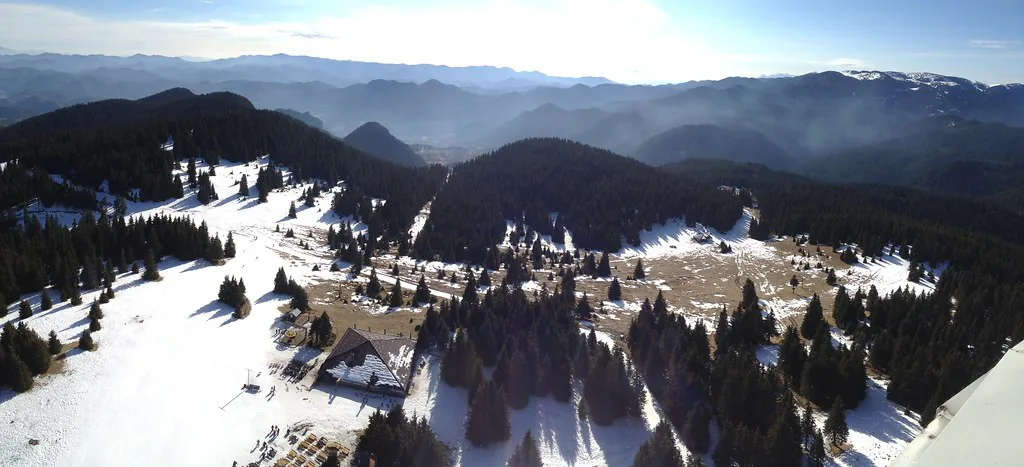
Many travelers choose to stay in nearby Pamporovo Attractions to combine mountain skiing with these unique geological adventures.
You will find that the cool air and roaring water create an unforgettable atmosphere for every explorer.
This video showcases the dramatic scale of the underground waterfall and the roar of the Hall of Thunder before you make the descent into one of Bulgaria's most mysterious natural wonders:
What to Expect Inside Devil's Throat Cave
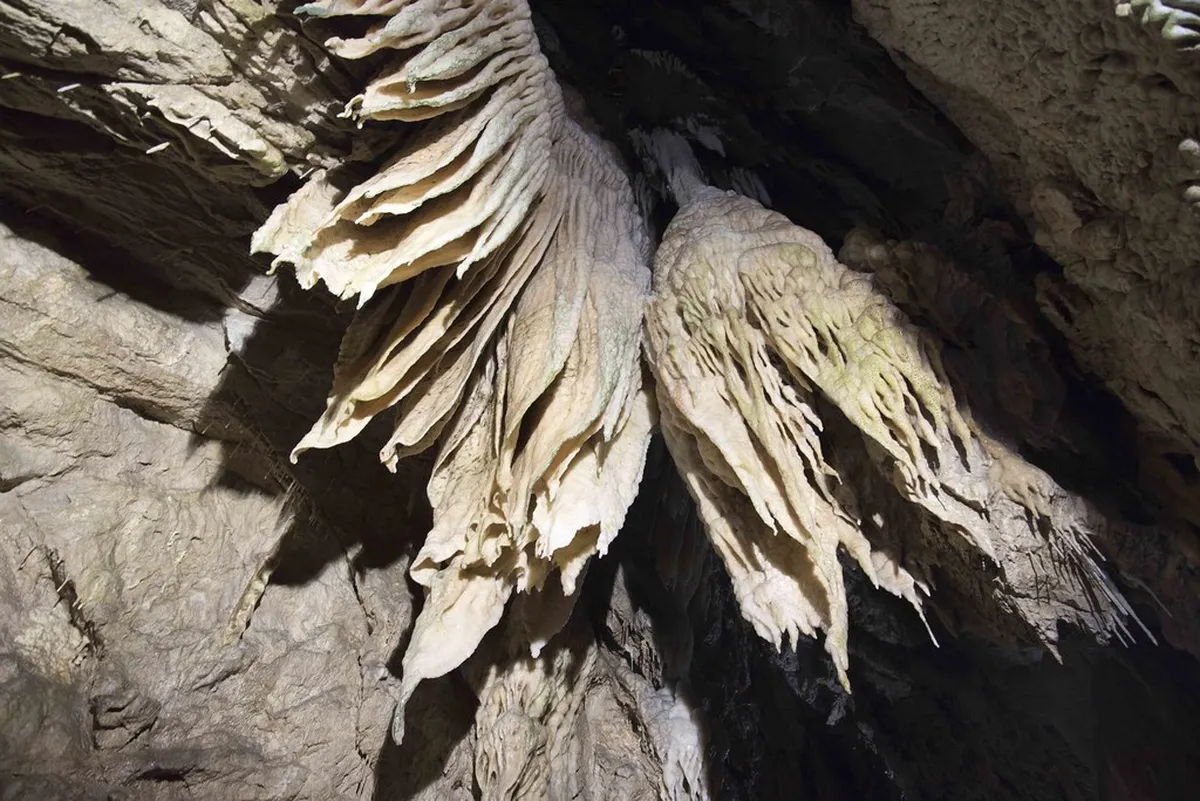
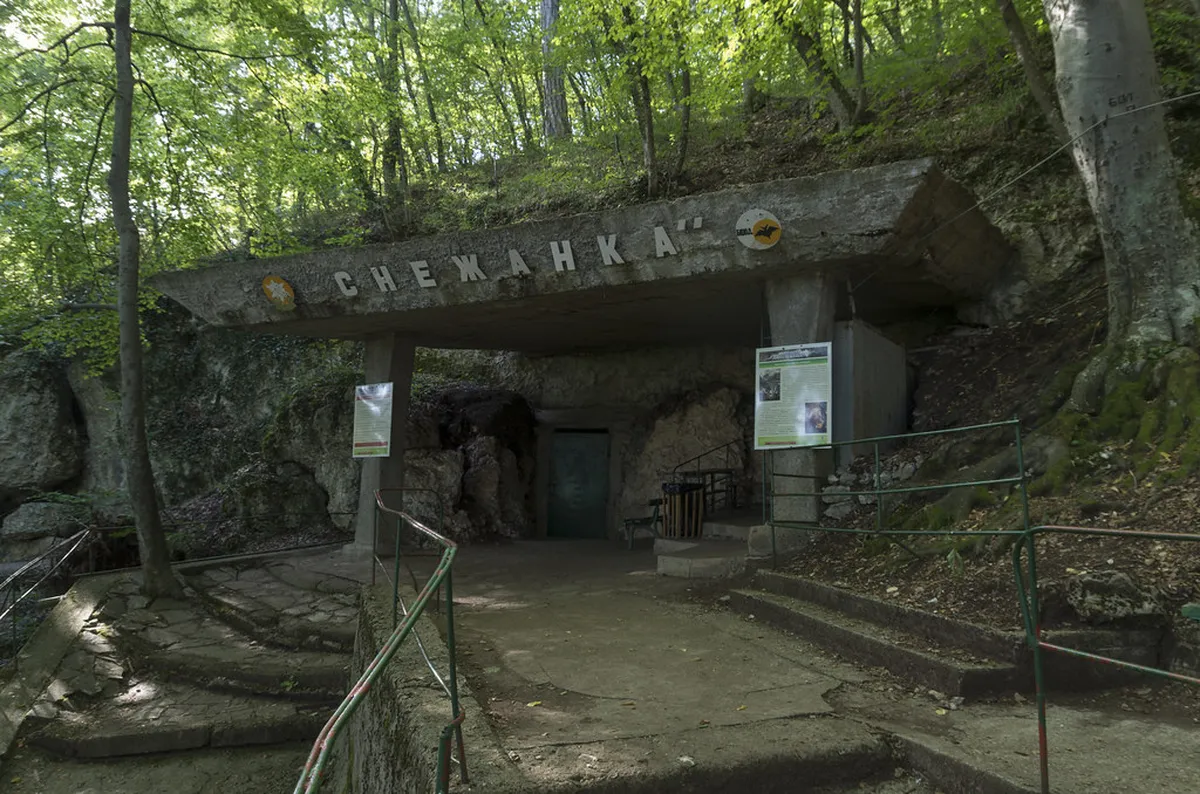
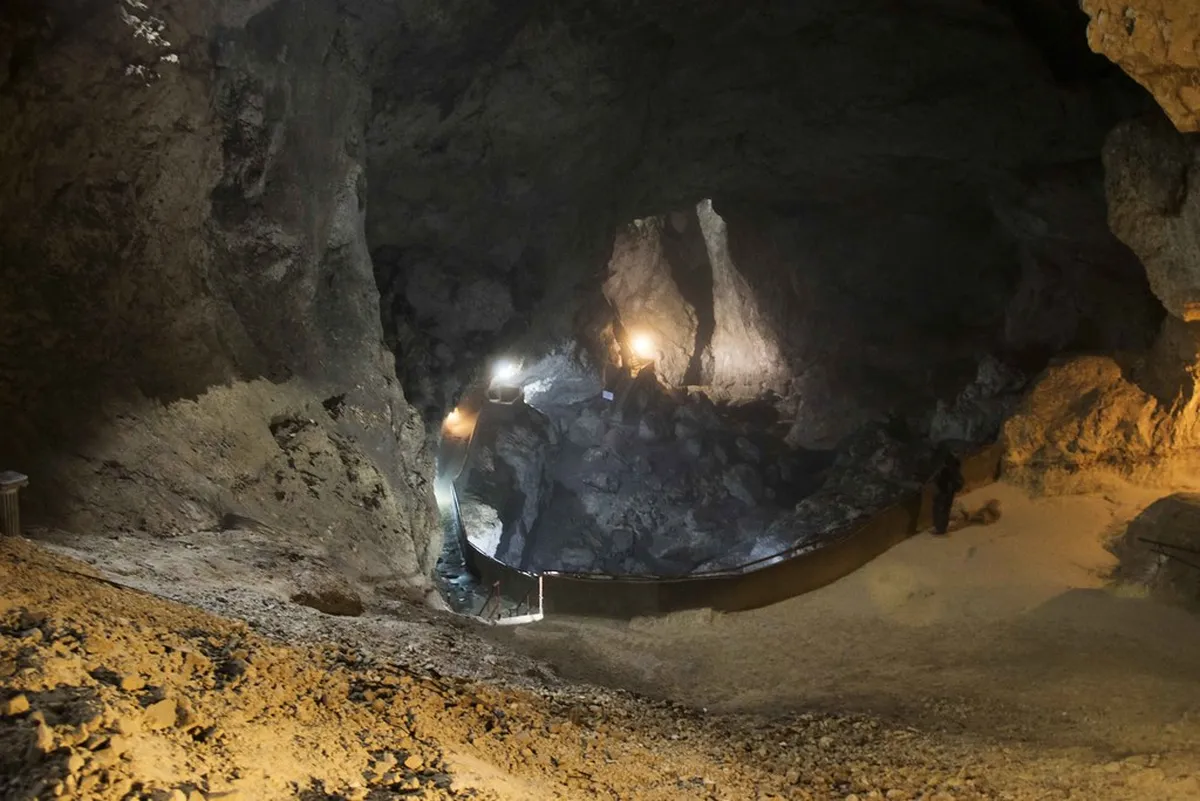
A guided walk takes you through an artificial tunnel and into the Hall of Thunder, the cave's main chamber and one of the largest cave halls in Bulgaria. The Trigrad River crashes down inside the hall as the highest underground waterfall on the Balkan Peninsula, measured at roughly 42 meters. Spray fills the air within seconds of stepping inside, and the sound is loud enough that guides sometimes raise their voices to be heard.
You'll occasionally see the waterfall listed online at 60 meters or more - an older, unverified figure still repeated by a few local operators. The measurement most guides and geological references use today is closer to 42 meters, still enough to hold the Balkan record.
The standard visit runs about an hour door to door, including time to stand in the hall and take photos before the group moves on. You exit through the cave's natural upper opening by climbing roughly 300 steep, often wet steps carved alongside the falls - there's no way to shortcut this part of the route.
The cave sits at about 1,200 meters elevation, so the air inside stays close to 8 degrees Celsius year-round regardless of the season outside. Bring a light jacket and shoes with real grip; sandals and slick soles are a genuine hazard on the stairs.
The Orpheus Legend and the Vanishing River
Local legend places the entrance to the underworld here, claiming this is where Orpheus descended in search of Eurydice - a myth guides retell inside the cave itself, timed to the echo of the falls. Objects dropped into the water are said never to resurface, though dye-tracing experiments have shown the river reappears at a nearby spring roughly 90 minutes later.
That spring lies about 500 meters away at the foot of the gorge, where the Trigrad River re-emerges after vanishing through cracks in the cave floor - a genuine hydrological curiosity rather than pure folklore. Thousands of bats winter inside the cave's stable 8-degree chambers, and the rare wallcreeper nests on the cliffs just outside the entrance.
For more of the region's mythology and craft traditions, the village of Shiroka Laka keeps the Orpheus story alive through woodwork and textiles that still use cave and river motifs.
Trigrad Gorge: The Walk to the Cave
The cave sits at the foot of Trigrad Gorge, whose limestone walls rise between 100 and 300 meters on either side of the Trigrad River. It's one of Bulgaria's longest gorges, and the narrow, winding road that threads through it is part of the experience before you even reach the ticket kiosk.
Hikers based in Trigrad village use the gorge as a trailhead for longer routes: the walk to Yagodina takes about 2.5 hours, while the more demanding Trigrad-Chairishki Lakes-Mugla-Lednitsa hut traverse runs 8 to 9 hours and is best left to properly equipped hikers.
Trigrad Gorge Visitor Guide itself is worth a slow half-hour on foot even if you skip the cave - the cliffs are at their most photogenic in the late morning once the sun clears the eastern rim.
Family Visits, Budget, and Accessibility
Entry is inexpensive - historically only a few euro per adult, with reduced rates for children - but the price shifts from year to year, so treat any figure you read online, including this one, as approximate until you check the board at the kiosk.
The cave is not a good fit for strollers, wheelchairs, or anyone unsteady on stairs: the only way out is via those roughly 300 steps, with no lift or alternate path. Families traveling with toddlers, or with grandparents who have mobility issues, are better served by Yagodina Cave Visitor Guide a short drive away, which has a level, lit walkway.
For families who do make the climb, pack a picnic for the tables near the river outside rather than buying food on-site, and budget the visit as a half-day trip once you count the drive in from Devin or Pamporovo.
How to Plan a Smooth Visit
Groups are led in roughly every hour, and you cannot walk through independently - a guide isn't optional, it's how the site controls foot traffic on a single narrow route. Tickets are sold at a small kiosk at the entrance, in cash, and there's no online booking system, so arriving without a backup plan for a sold-out slot is the single most common mistake first-time visitors make.
On August weekends and around Bulgarian public holidays, the first two or three tours of the day can fill before 11:00. Arrive by opening (10:00 in summer) if you want the first slot, or plan a mid-week visit if your dates are flexible.
The site is open daily, roughly 10:00-17:00 from May to September and 10:00-16:00 the rest of the year, though a few sources list slightly different closing times - call ahead in shoulder season if you're cutting it close. Mobile signal inside the gorge is patchy, so download any maps or booking confirmations before you leave Devin or Pamporovo.
The Underground Boat Descent
Beyond the standard walking tour, local caving club members occasionally run a supervised inflatable-boat descent along the underground stretch of the Trigrad River, floating visitors toward the base of the Hall of Thunder rather than approaching it on foot. It's a different vantage point on the same waterfall - lower, wetter, and considerably more dramatic.
This isn't part of the regular ticket and isn't offered daily; it runs only in the warmer months, roughly May through October, weather and water levels permitting, and needs to be arranged directly with the caving club rather than through the main ticket kiosk. Numbers are small, so it's an add-on you plan around in advance rather than expect to book on arrival.
It suits confident swimmers and travelers who've already done the standard walk-through on a previous visit and want a genuinely different experience of the same cave, rather than first-timers, who should start with the regular guided route.
Adventure Add-Ons Around Trigrad Gorge
A handful of local outfitters, including Bansko Extreme, run backcountry excursions out of Trigrad into the surrounding Rhodope terrain - jeep, buggy, and enduro motorcycle trips that reach viewpoints the cave visit alone won't show you.
A two-hour jeep tour with a driver is the easiest add-on for families or anyone short on time; a four-hour buggy tour suits travelers who want a more hands-on, self-drive experience through forest trails; enduro trips are aimed at riders with prior off-road experience rather than beginners. Single-activity add-ons typically start somewhere around €130-200 for a couple of hours, with multi-day or group packages running well past €1,000 - confirm current pricing directly with the operator, since it varies by season and group size.
None of these require booking ahead of the cave tour itself, so they work well as a same-day add-on if your guided walk finishes by early afternoon.
Where to Stay: Devin vs. Trigrad Village
Most visitors base themselves in Devin, about 30-40 minutes away by car, where the choice of guesthouses and hotels is much wider - including several built around the town's mineral spa tradition, useful if you want to soak tired legs after the cave's stairs. Devin's pedestrian zone and restaurants also make it a more comfortable place to spend an evening than Trigrad itself.
Staying in Trigrad village puts you a few minutes from the cave entrance instead of half an hour, which matters if you want the first guided tour of the day without an early alarm. Accommodation there is simpler - small family-run guesthouses rather than hotels - but it's the practical choice for anyone prioritizing an early start over amenities.
If you'd rather stay closer to the other Rhodope sights, the area around Wonderful Bridges (chudnite Mostove) Visitor Guide has more options with better amenities, at the cost of a longer drive back to Trigrad each day.
Getting There from Pamporovo, Devin, and Smolyan
From Pamporovo Attractions, plan on well over an hour of driving via Devin and up the narrow, winding gorge road - this is a full excursion day, not a quick detour, so build it around one main activity rather than stacking it with other stops.
From Devin, the cave is about 26 kilometers and 30-40 minutes away, mostly on a scenic but tight mountain road with several blind curves in the final stretch through the gorge. Smolyan, the largest town in the Rhodopes, sits roughly 70 kilometers off, worth knowing if you're weighing it against other day-trip bases in the region.
A small car park sits at the cave entrance, but it fills fast on summer weekends; if it's full, there's overflow parking a short walk back down the gorge road toward Trigrad village.
Continue planning: Use Pamporovo Attractions: Top 9 Things to Do in the Rhodope Mountains to connect this guide with the rest of your Bulgaria itinerary.
Frequently Asked Questions
How long does a tour of Devil's Throat Cave take?
The guided tour lasts about an hour. You descend into the cave to see the underground river and the Hall of Thunder, then climb back out via the staircase carved into the rock.
How difficult is the visit and how many stairs are there?
The visit is physically demanding. You exit by climbing roughly 300 steep, often wet and slippery concrete steps (sometimes cited as up to 350) alongside the roaring waterfall, so a basic level of fitness and stable knees are recommended. No special caving gear is required.
How cold is it inside, and should I bring a jacket?
The cave is cool, damp and misty year-round with spray from the waterfall, so a light jacket and shoes with good grip are strongly recommended even in summer.
Can I visit on my own or do I need a guide?
Entry is only permitted with a guide. Visitors are taken in as small groups at roughly hourly intervals; you cannot walk through independently.
What makes Devil's Throat Cave special?
It contains the highest underground waterfall on the Balkan Peninsula (about 42 m). A famous local legend holds that objects thrown into the water never resurface - dye-tracing experiments confirmed water takes over 90 minutes to reappear downstream.
How do I get to Devil's Throat Cave from Pamporovo?
The cave is in the Trigrad Gorge, about 2 km from Trigrad village and roughly 17 km from Devin. From Pamporovo it is a scenic drive of well over an hour via Devin and up the narrow, winding gorge road; a small car park sits at the cave entrance.
Is Devil's Throat Cave open in winter?
Yes, it generally stays open year-round, but on shorter winter hours (typically closing around 16:00 October-April). The optional boat descent organised by the local caving club runs only from about May to the end of October.
Devil's Throat Cave rewards anyone willing to climb out through those 300 steps for a Balkan-record waterfall and a myth that still gives the Hall of Thunder its name.
Come for the standard hourly walking tour if it's your first visit, and save the underground boat descent for a return trip in the warmer months.
Base yourself in Trigrad for an early start or in Devin for more comfort, but either way build the whole day around the gorge rather than squeezing it between other stops.
Check current hours and ticket prices locally before you go in 2026, since both can shift season to season.
For more Pamporovo planning, read our Things to Do in Pamporovo, Bulgaria: Complete 2026 Guide and Day Trips from Pamporovo 2026: Smolyan, Caves & Rhodope Highlights guides.
To verify current details, consult the Devil's Throat Cave (Dyavolsko Garlo) on Wikipedia.