The Six Koprivshtitsa House-Museums
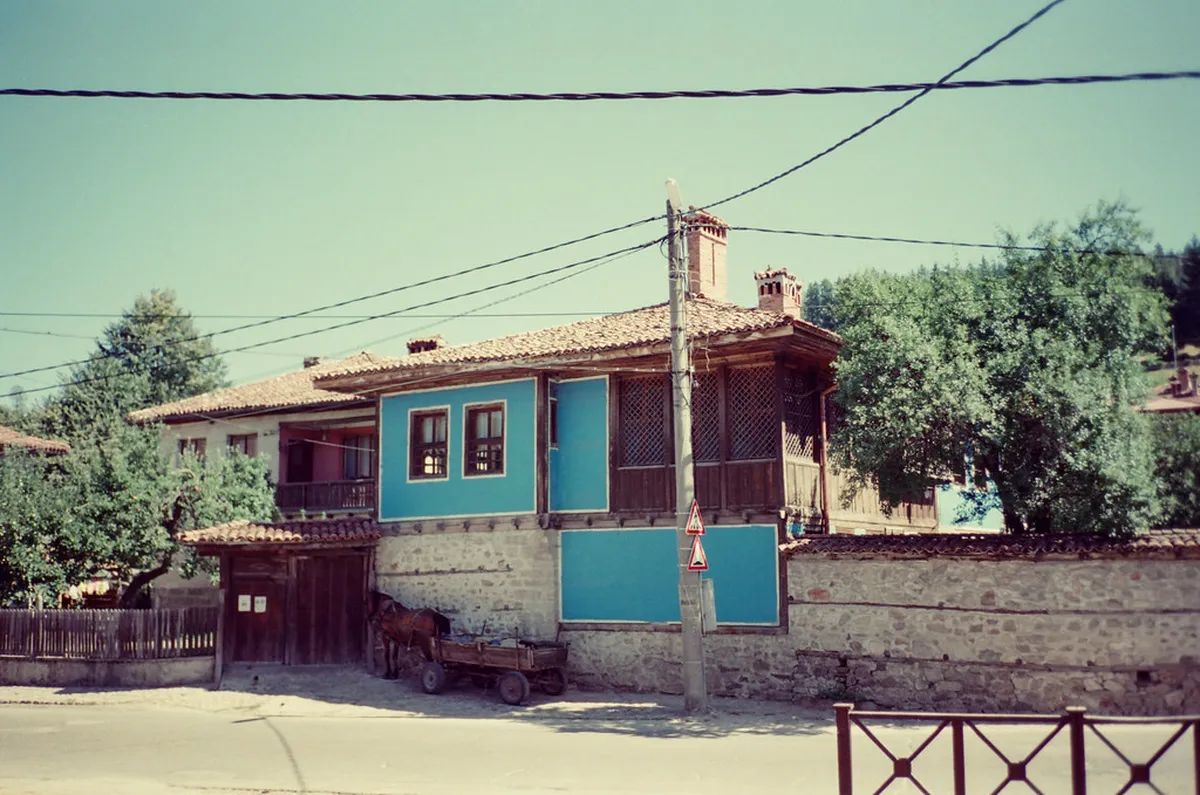
The six state house-museums are the reason most travellers come to Koprivshtitsa. The combined ticket can be bought at the first participating house, and all six can be covered in one unhurried afternoon. Each is a restored National Revival home, and together they tell the story of a single mountain town that punched far above its weight in Bulgaria's 19th-century awakening — producing merchants, writers, and the revolutionaries who lit the 1876 April Uprising.
This guide covers what is actually inside each house, how the combined ticket works in 2026, and the most efficient walking order so you do not double back across the valley. For the wider picture of the town, see our pillar guide to 12 Best Things To Do in Koprivshtitsa.
For a visual introduction to Koprivshtitsa's layout and attractions, this short tour provides helpful context for your house-museum visit:
How the Combined Ticket Works
Koprivshtitsa runs its six principal museum-houses under one museum administration, and a single combined ticket — around 15 BGN (€7.50) for an adult in early 2026 — admits you to all of them. You can also buy individual house tickets for a few leva each, but the combined ticket pays for itself if you plan to see three or more. Students and children get reduced rates with valid ID.
Buy the ticket at any participating house or at the tourist information centre on the main square. Most houses open daily from around 9 AM to 5:30 PM, with shorter winter hours, and the last entry is usually 30 minutes before closing. A separate photography fee sometimes applies inside, so ask at the desk before you start shooting. Carry small BGN notes, as card payment is not guaranteed at every house.
Oslekov House
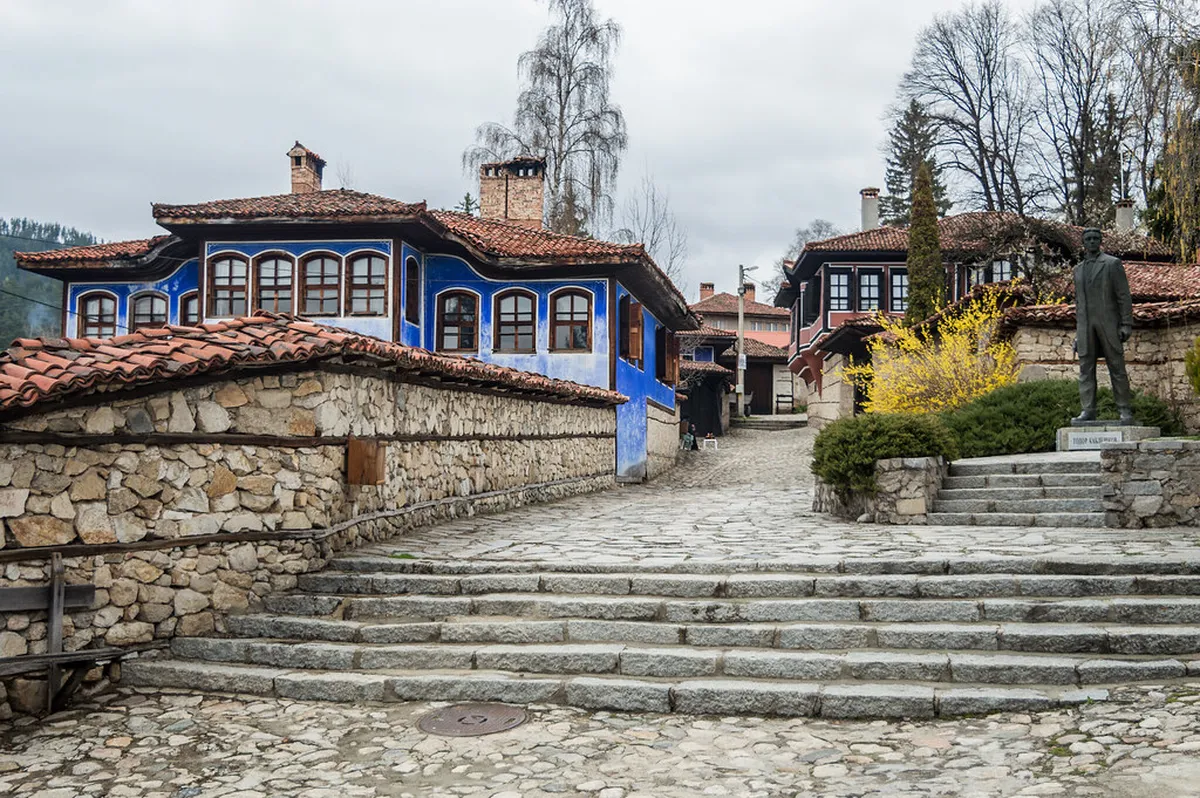
Built in 1856 for the wealthy merchant Nencho Oslekov, this is the architectural showpiece of the six and the most photographed facade in town. Cedar columns reportedly brought from Lebanon frame a painted three-bay front, and the symmetrical plan is unusually grand for Koprivshtitsa. Inside you will find carved wooden sun-ray ceilings, a richly decorated guest room, and displays of period textiles and household crafts.
Because it sits on a short climb above the main square, the morning light hits the painted front beautifully — make it your first stop if you start early. Allow 30 to 40 minutes to take in the ceilings and the textile collection properly.
Todor Kableshkov House
Opened in 1932 as the town's very first museum, this house honours Todor Kableshkov, the young revolutionary who wrote the famous "Bloody Letter" announcing the start of the April Uprising. The building itself is a fine example of Revival domestic architecture, with a curved staircase, carved ceilings, and a symmetrical first floor. Exhibits focus on the 1876 events and Kableshkov's role in them.
For history-minded travellers this is often the most affecting of the six houses. Pair it with a walk to the nearby Bridge of the First Shot to see where the uprising literally began.
Lyuben Karavelov House
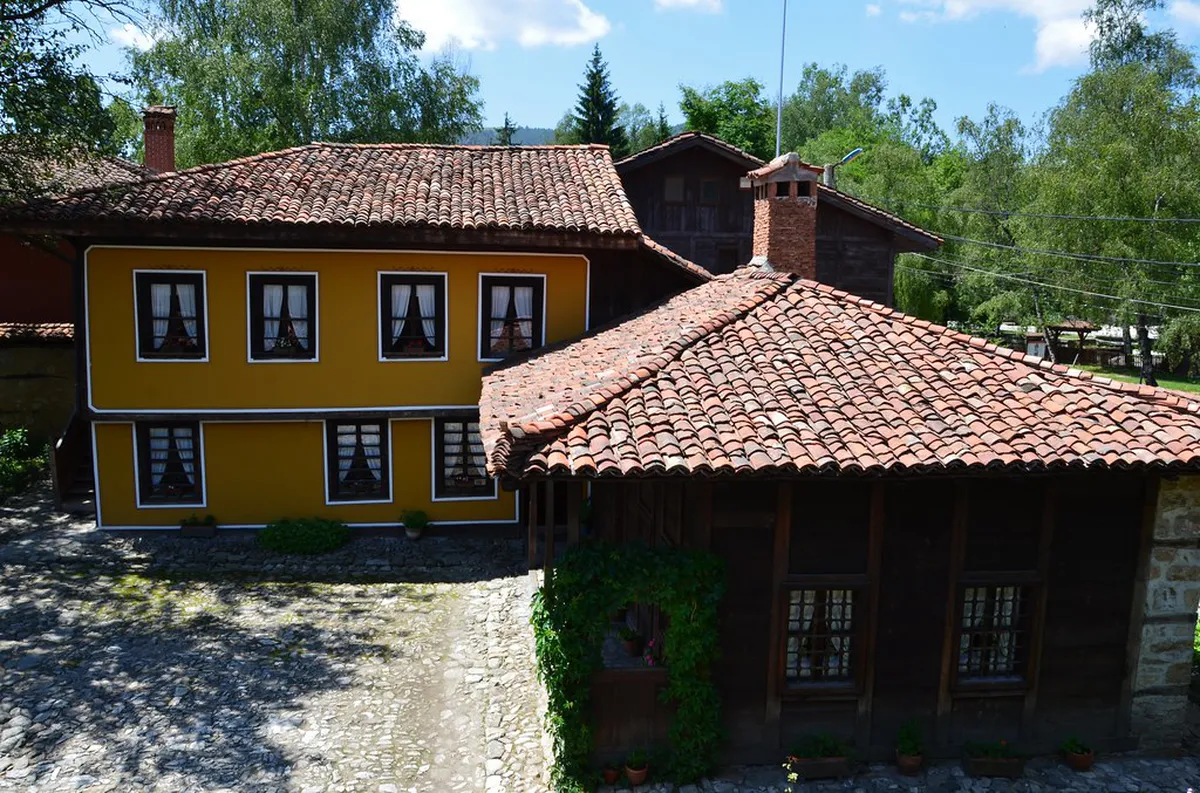
This is not one building but a three-house complex, including the 1810 "Winter House," dedicated to the writer, journalist, and revolutionary Lyuben Karavelov. Alongside the restored living quarters you will find a reconstructed printing press that nods to Karavelov's role in Bulgaria's underground revolutionary press. The shaded courtyard linking the buildings is one of the more peaceful corners of any house tour.
It gives the fullest picture of everyday Revival-era domestic life of the six, from the winter kitchen to the summer rooms. Budget a little extra time here because there is simply more to walk through.
Georgi Benkovski House
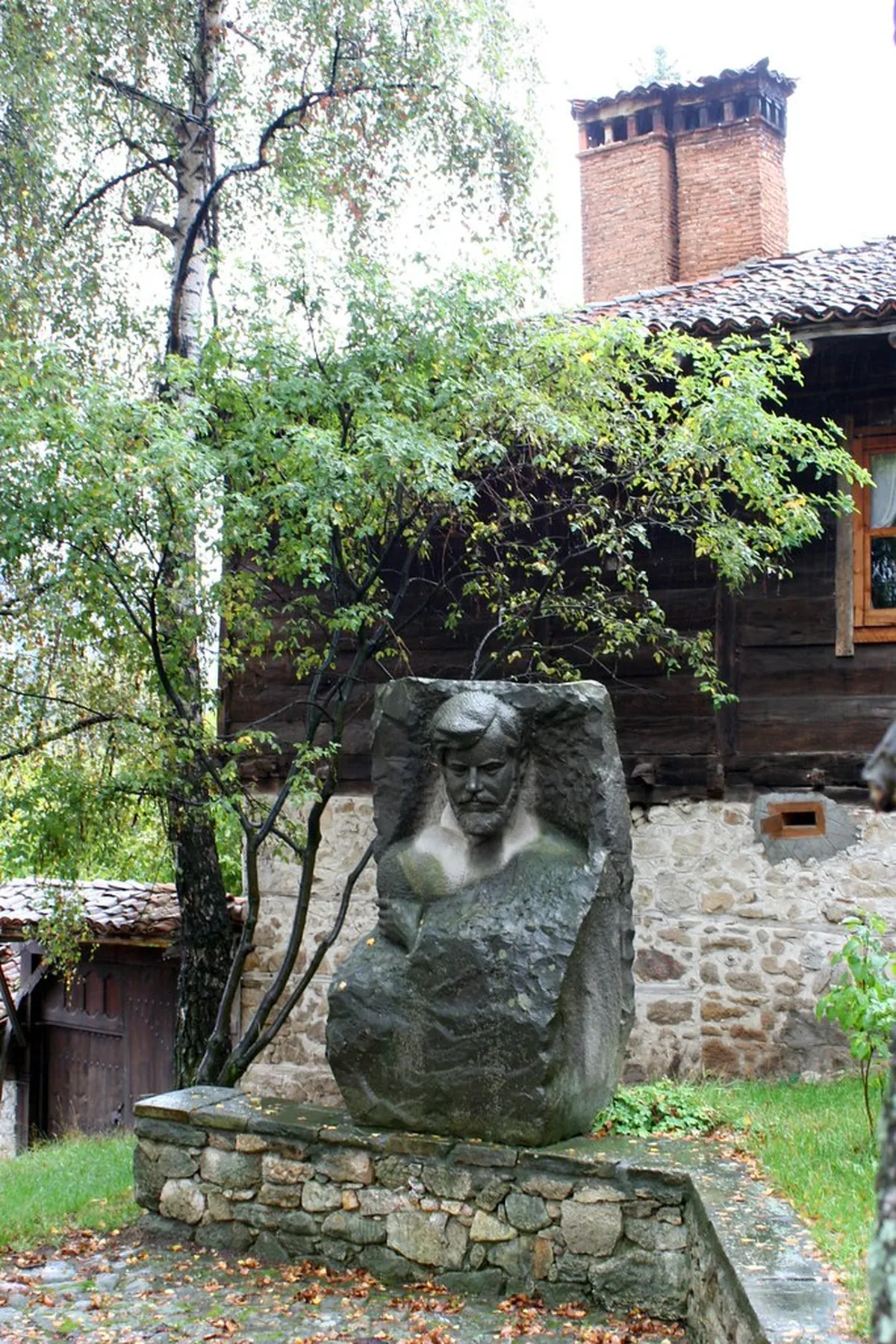
Georgi Benkovski led the legendary "Flying Detachment" of mounted rebels during the uprising, and this is his birthplace. The house frames his biography and the military side of the 1876 events, and just outside stands the striking equestrian Benkovski monument, one of the town's landmark photo stops. The two together make a natural pairing.
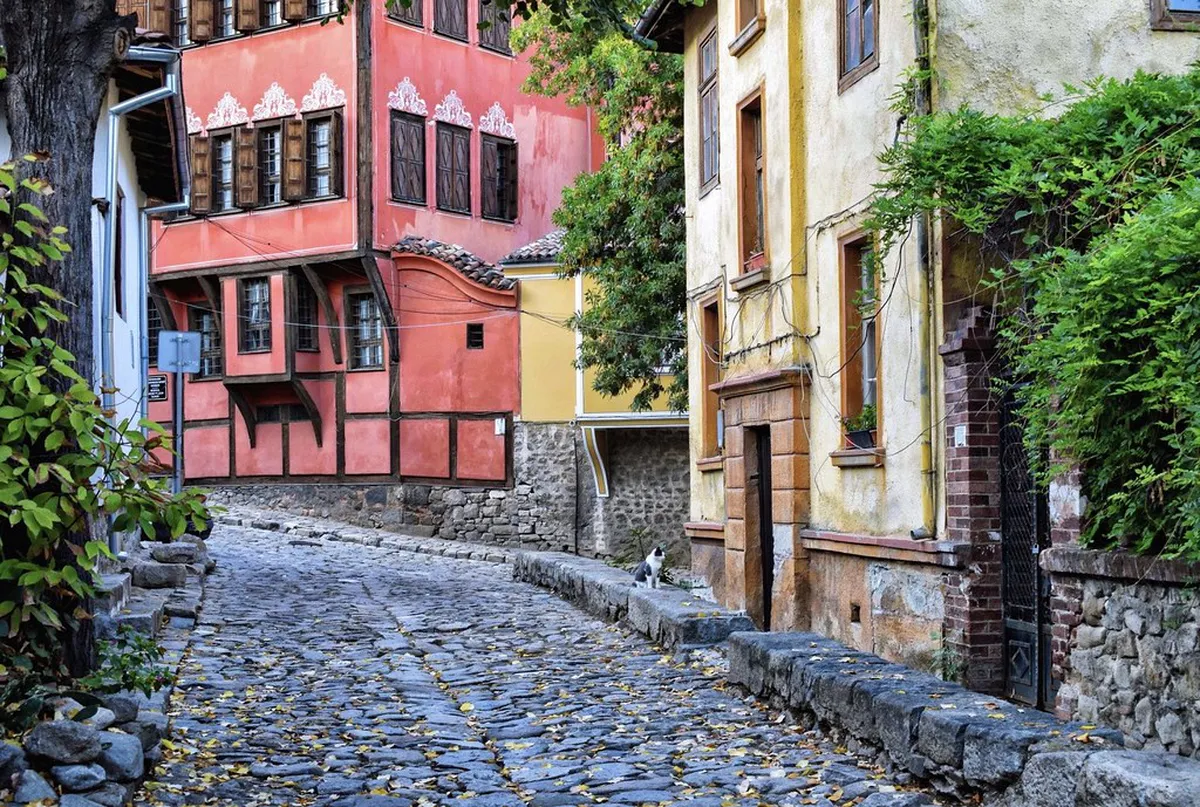
It is a short uphill walk from the centre, so combine it with the church and the Debelyanov house on the same side of the valley to save your legs.
Dimcho Debelyanov House
The birthplace of Dimcho Debelyanov, one of Bulgaria's most beloved lyric poets who was killed in the First World War, is the most literary of the six houses. The rooms are arranged around his life and verse, and the atmosphere is gentle rather than grand. Just behind the nearby Church of the Assumption stands the celebrated "Grieving Mother" sculpture at his grave — a quietly powerful spot that many visitors call the emotional high point of their day.
Even on a tight schedule, do not skip the short walk to the churchyard. It puts the poet's house in its full context.
Lyutov House
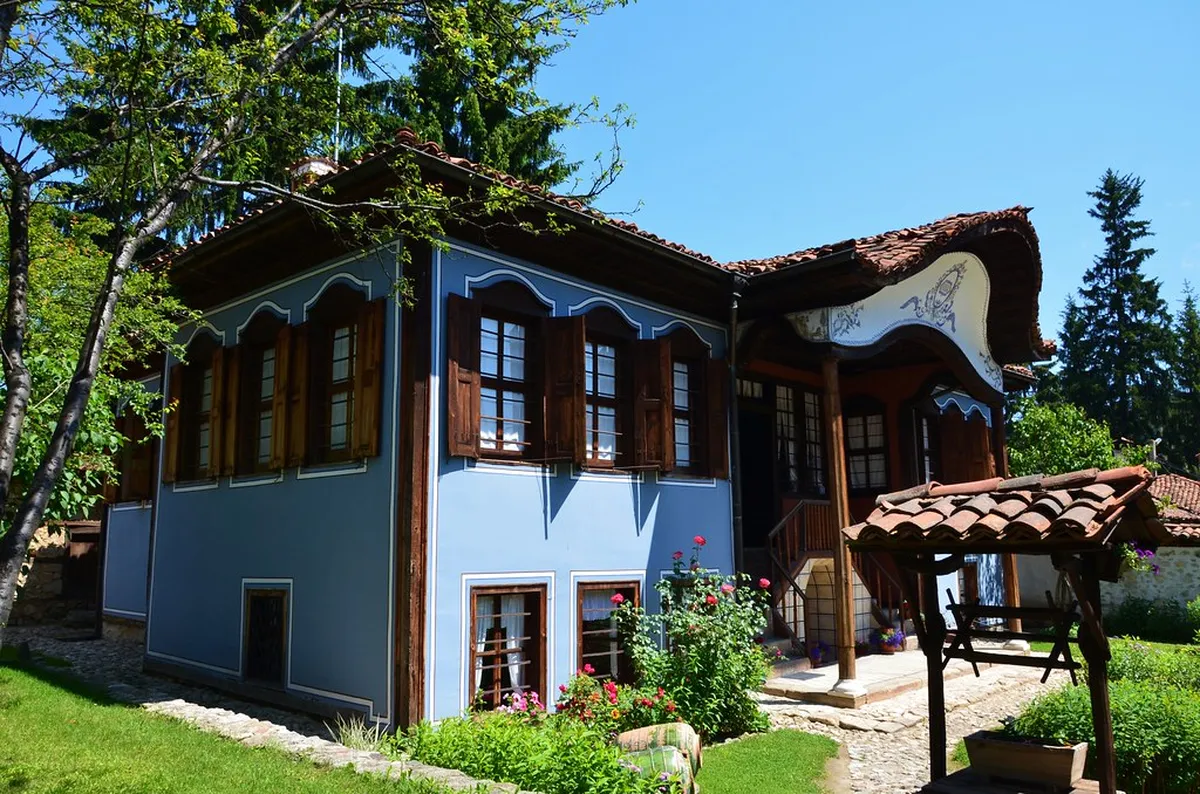
The deep-blue Lyutov House (Lutova House) Visitor Guide, built in 1854 for a wealthy yoghurt merchant, is the architectural counterpoint to Oslekov. Its curved, Baroque-influenced lines and vivid colour make it unmistakable, and inside the standout feature is the "alafranga" murals — painted panels depicting European cities and elaborate floral medallions on the walls and ceilings. The spacious central hall is one of the finest interiors in town.
Leave it for last if you started at Oslekov; seeing the two grandest houses at the bookends of your tour neatly frames the wealth that built Revival Koprivshtitsa.
A Suggested Walking Order
To avoid criss-crossing the valley, start high and work down one side, then up the other. A practical loop: Oslekov first for early light, then Kableshkov and Karavelov near the centre, a lunch break on the main square, then Benkovski, Debelyanov, and the church on the opposite slope, finishing at Lyutov. That sequence keeps the two big architectural showpieces at the start and end.
If you are doing this as a single day from the capital, our Koprivshtitsa Day Trip From Sofia Travel Guide guide times the museum loop around the bus and shuttle schedule. Staying the night is even better — see Where To Stay in Koprivshtitsa: Revival-House Guesthouses (2026) for Revival-house guesthouses, and check our Koprivshtitsa festival guide if you want to align your trip with the town's events.
Continue planning: Use 12 Best Things To Do in Koprivshtitsa and Koprivshtitsa Folklore Festival: Dates & Events Guide to connect this guide with the rest of your Bulgaria itinerary.
Frequently Asked Questions
How many house-museums are there in Koprivshtitsa?
There are six principal state house-museums: Oslekov, Todor Kableshkov, Lyuben Karavelov, Georgi Benkovski, Dimcho Debelyanov, and Lyutov. They are managed together and covered by a single combined ticket. Several other historic buildings and churches in town can also be visited separately.
How much is the combined house-museum ticket in 2026?
The combined ticket for all six houses costs around 15 BGN (about €7.50) for an adult in early 2026, with reduced rates for students and children. Individual house tickets are a few leva each. A separate photography fee sometimes applies, and prices may change as Bulgaria adopts the Euro.
How long does it take to see all six houses?
Allow about half a day at a relaxed pace, roughly 30 to 40 minutes per house plus walking time between them. If you are short on time, Oslekov, Kableshkov, and Lyutov give the best mix of architecture and history. The houses are all within a 20-minute walk of the main square.
Which Koprivshtitsa house is the most impressive?
Oslekov House Visitor Guide (1856) is the architectural showpiece, with its painted facade and carved ceilings, while the blue Lyutov House is famous for its alafranga murals. For history, the Todor Kableshkov House-Museum Visitor Guide — where the uprising's Bloody Letter was written — is the most moving. Most visitors rate these three the highlights.
Are the houses open all year?
Yes, the museum-houses generally open daily year-round, with longer summer hours (around 9 AM to 5:30 PM) and shorter winter hours. Last entry is usually 30 minutes before closing. It is worth confirming current hours at the information centre, especially in winter and around public holidays.
The six Koprivshtitsa house-museums are the most rewarding few hours in town and remarkable value on one combined ticket. From Oslekov's painted grandeur to the quiet poetry of the Debelyanov house, each adds a layer to the story of how one small mountain town shaped modern Bulgaria.
Buy the combined ticket, follow the walking order above, and leave time for the church and the Bridge of the First Shot. Done unhurried, the museum loop is the centrepiece of any Koprivshtitsa visit in 2026.