Plan your 2026 trip to Belogradchik: the red rock formations, Kaleto Fortress built into them, and a Magura Cave day trip — with costs, itineraries and getting-there tips.
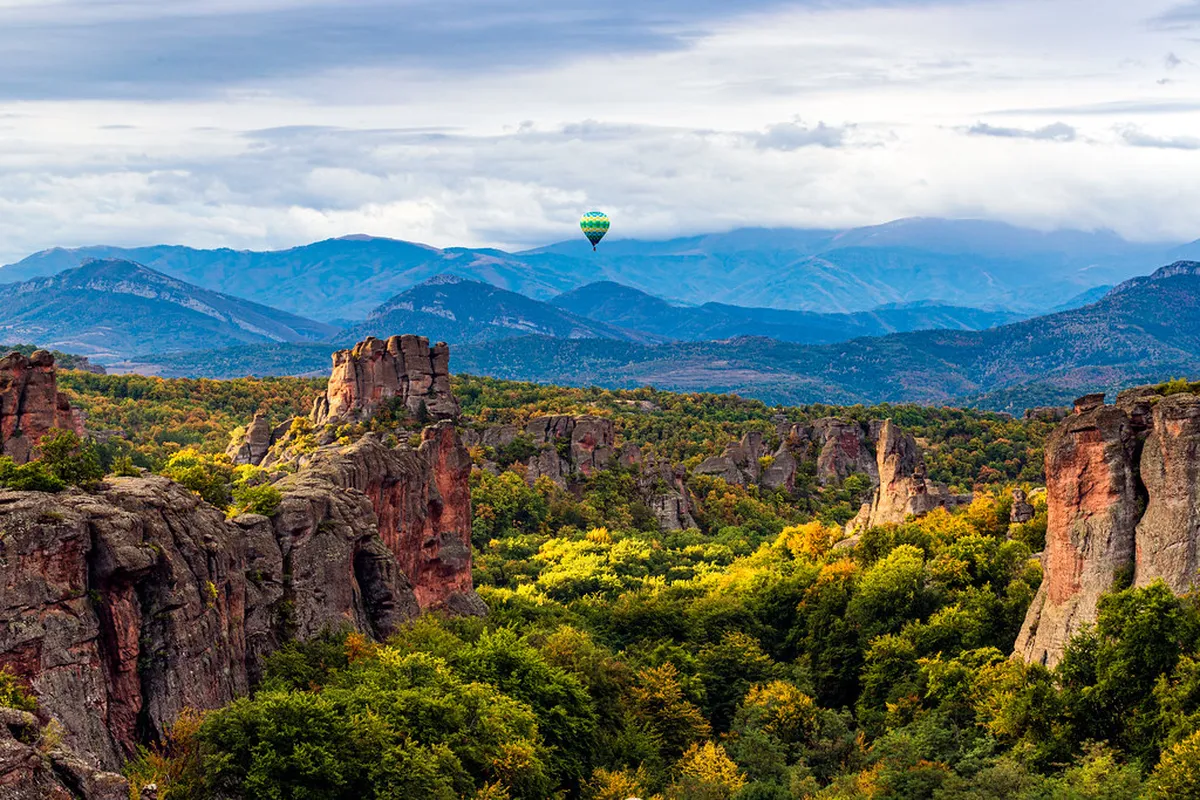
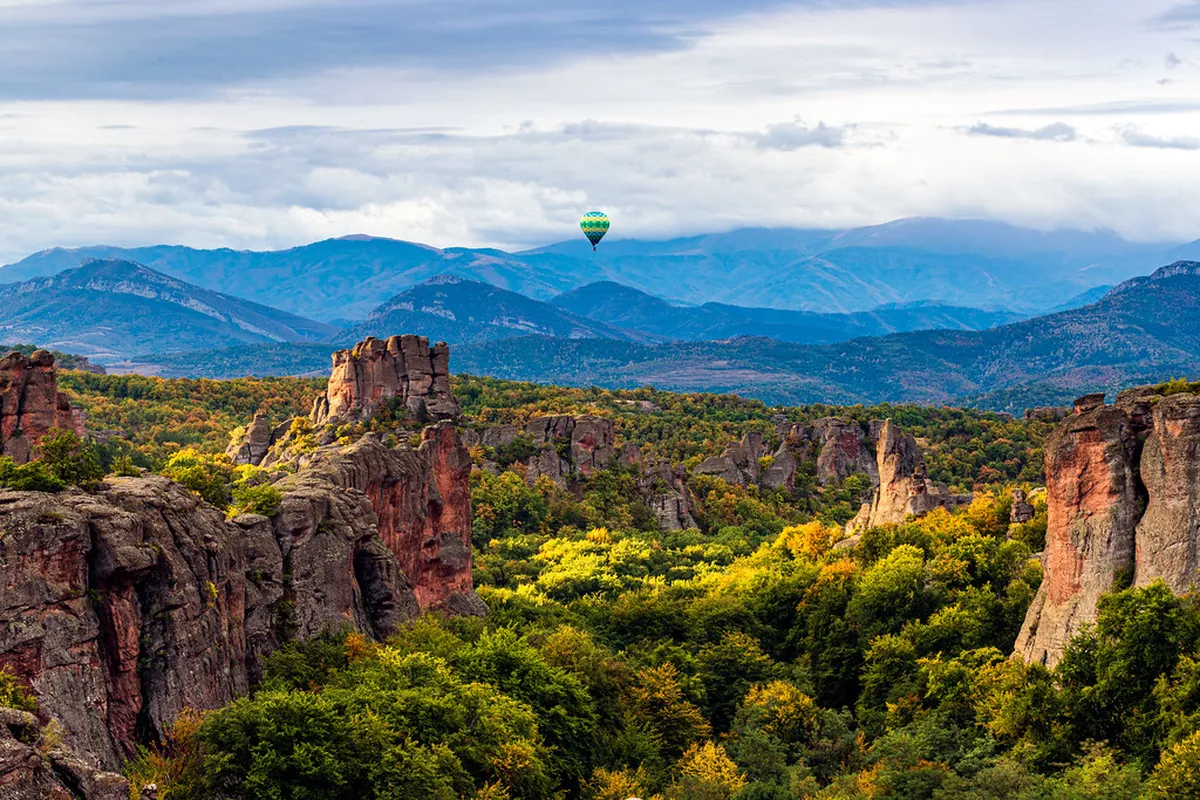
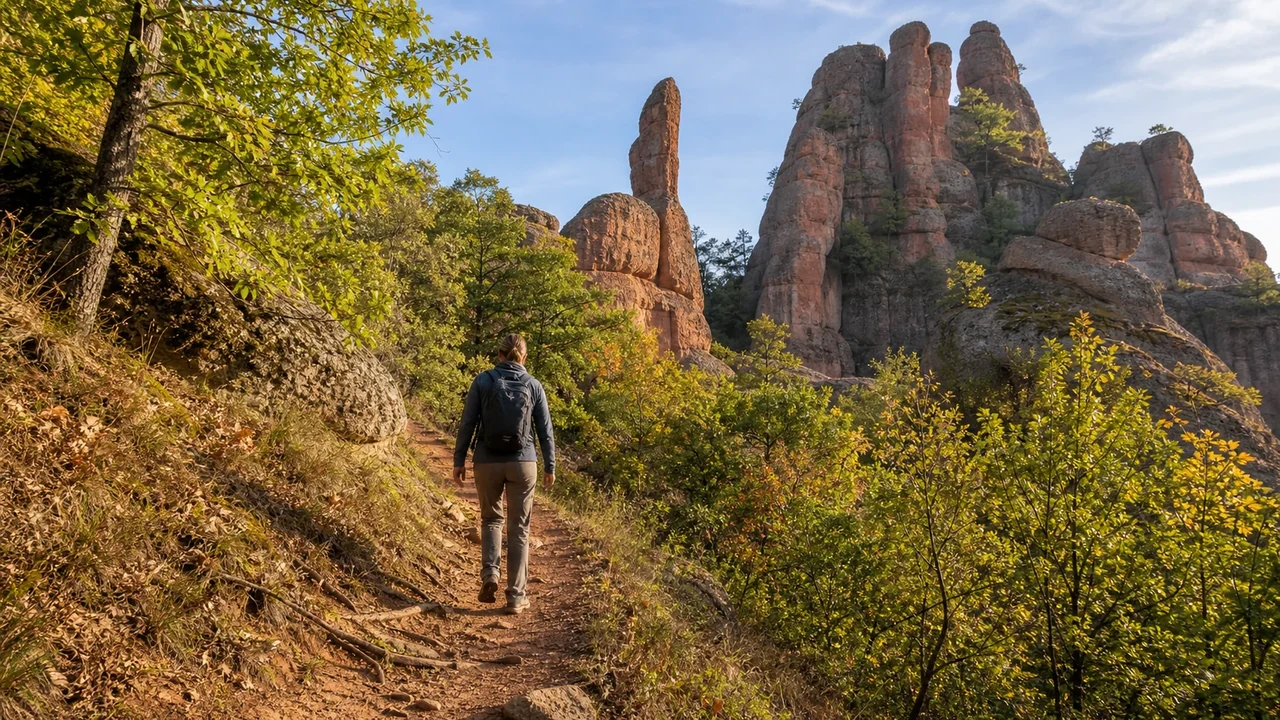
Belogradchik sits in the far northwest corner of Bulgaria, a quiet market town that happens to guard one of Europe's strangest landscapes. The Belogradchik Rocks are a 30-km sweep of rust-red sandstone pillars, some standing 200 metres tall, sculpted by more than 200 million years of wind and rain into shapes locals have named for centuries — a horseman, a schoolgirl, a solitary monk. In 2008 the formations made the final shortlist for the New7Wonders of Nature, and it's easy to see why: nowhere else in the country looks quite like this.
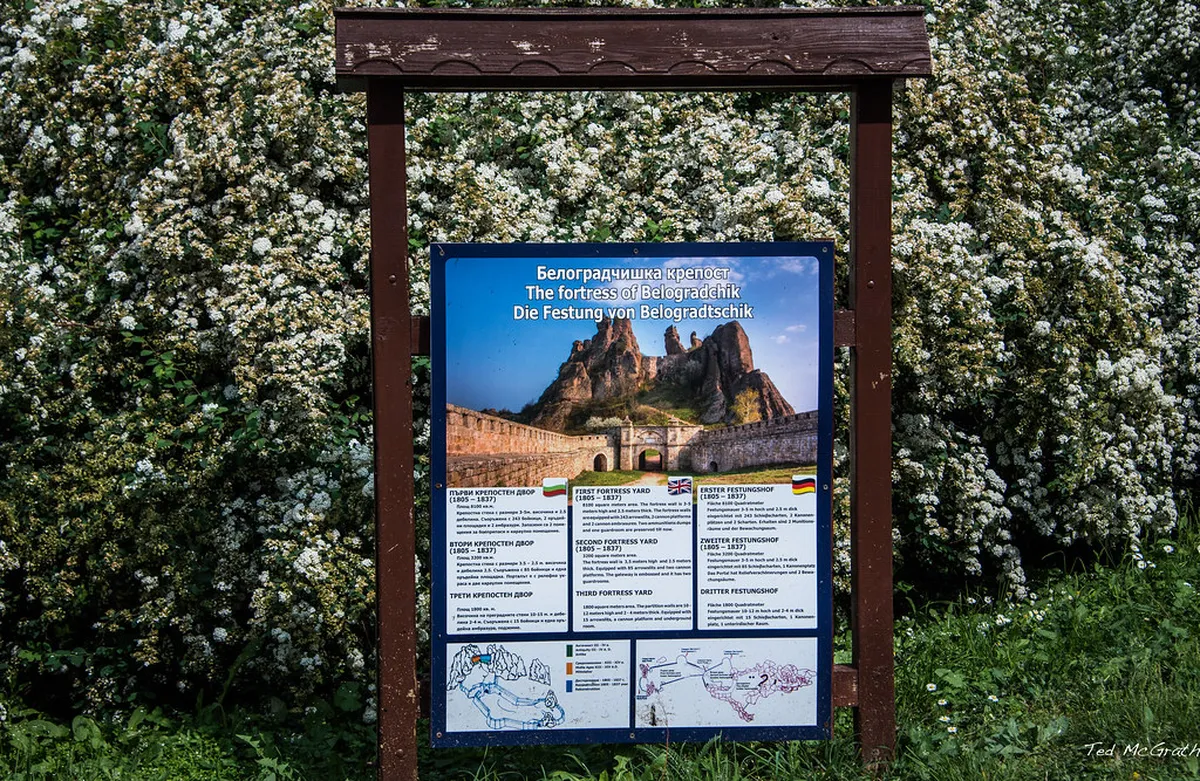
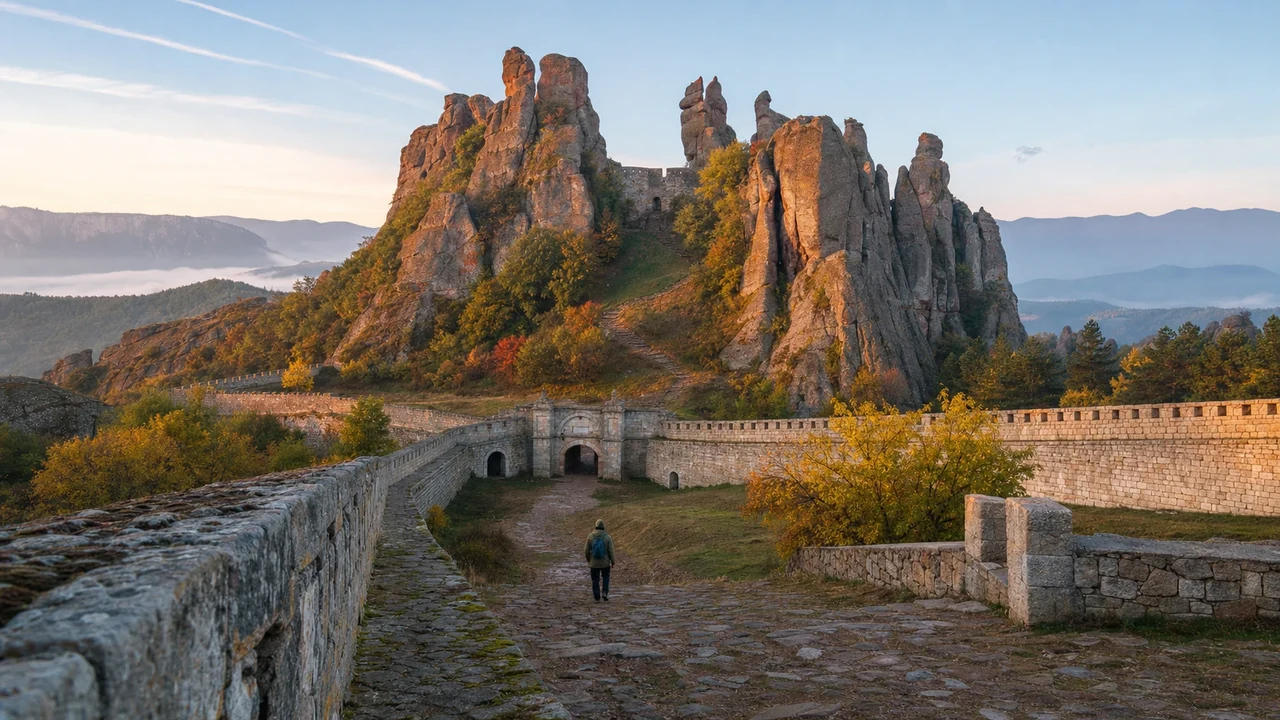
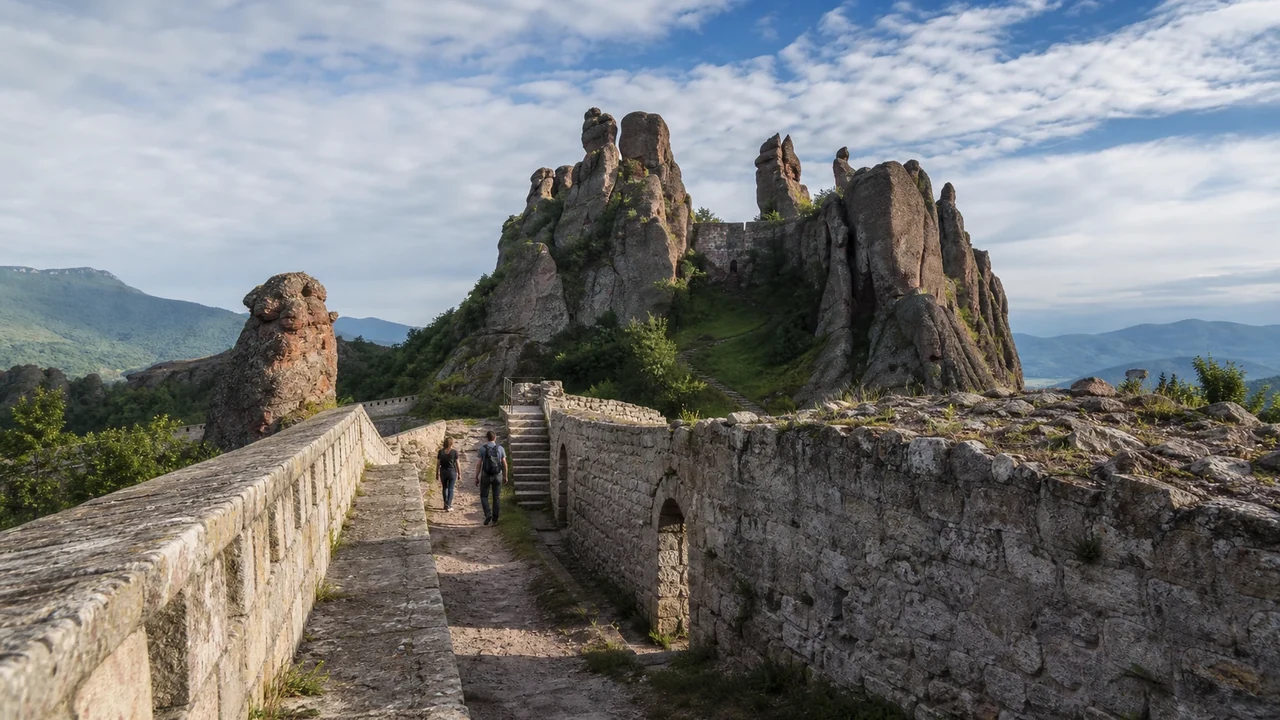
Woven directly into the rock is Belogradchik Fortress, known locally as Kaleto, where Roman, medieval Bulgarian and Ottoman builders each added their own walls to the natural stone until the rocks themselves became the ramparts. A short walk further, the Astronomical Observatory of the Bulgarian Academy of Sciences uses the same clear, low-light-pollution skies that make the rocks glow red at sunset.
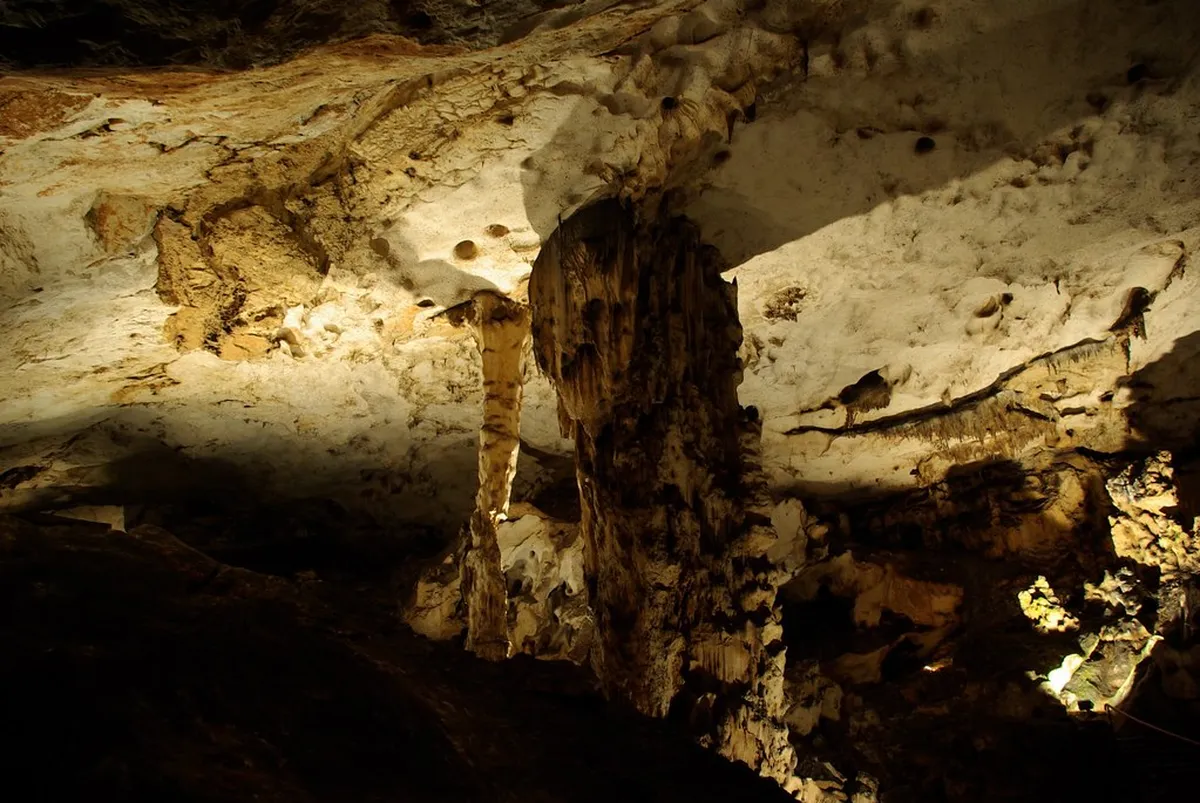
Roughly 25 km away, Magura Cave adds a completely different layer to a visit — cool underground galleries lined with prehistoric paintings some 8,000-10,000 years old, plus a working wine cellar where sparkling wine ages in the dark.
Belogradchik is genuinely remote — around 2-2.5 hours from Sofia and much closer to the Danube town of Vidin than to any other major sight — but for red rock unlike anywhere else in Bulgaria, a fortress built into it, and a cave that predates recorded history, most visitors say it's worth the detour.
Below are the 3 attractions worth building your visit around, followed by themed guidance, verified 2026 pricing, suggested itineraries, and getting-there details.
This video walkthrough covers the fortress climb and the surrounding Belogradchik rock formations:
The Belogradchik Rocks Visitor Guide and Belogradchik Fortress (Kaleto) Visitor Guide are really one visit, not two — the fortress entrance sits about 1.5 km above town, and the ticketed climb through Kaleto is also the best way to get up close to the rock pillars, with viewing platforms cut directly into the stone. Budget 1.5-2 hours to walk the walls, climb the rock-cut and metal staircases to the upper platforms, and take in the panoramas over the Balkan foothills. Photographers should time this for the golden hour, when the sandstone turns a deep red. Pair the fortress with the free roadside and in-town viewpoints for the wider rock formations you can't see from inside the walls, and if clear-sky viewing interests you, the nearby Astronomical Observatory is worth checking for scheduled visits.
Magura Cave as a Day Trip
Magura Cave Visitor Guide is a separate excursion, about 25 km northwest of Belogradchik near Rabisha village, and deserves its own half-day: a guided walk through galleries holding prehistoric wall art, a wine-ageing gallery where Magura Winery ages sparkling wine in the dark, and a giant stalagmite column over 20 m tall. Pair it with the drive out past Rabisha Lake, and dress warmly — the cave holds a constant 12°C year-round regardless of the season outside.
Free vs Paid: What Actually Costs Money
Belogradchik is cheaper than its reputation suggests, and one of its three main sights costs nothing at all.
Free — Viewing the Belogradchik Rocks from the town, the surrounding roads, and several marked viewpoints doesn't require a ticket; you only pay once you want to climb inside the fortress itself.
Paid — Belogradchik Fortress (Kaleto): around 8 BGN (about 4.09 EUR) for an adult ticket. Bulgaria's January 2026 switch to the euro means it's worth confirming the exact figure at the entrance booth on the day.
Paid — Magura Cave: around 5 BGN (about 2.56 EUR) for an adult guided visit, again an approximate post-euro-switch figure — confirm current rates on site or with the ticket office before you go.
Neither ticket is expensive by regional standards, and there's no combined pass linking the two — you buy separately at each entrance.
Suggested Itineraries
Half day (rocks + fortress only): Arrive by mid-morning, walk the free viewpoints around town first, then buy a fortress ticket and climb Kaleto's platforms for the best close-up views of the rock pillars. Two to three hours covers it comfortably, making this the easiest add-on if you're short on time.
Full day (add Magura Cave): Do the rocks and fortress in the morning, then drive the roughly 25 km out to Magura Cave for an afternoon guided tour. This is the most common way to see Belogradchik properly, and matches how most organized day trips from Sofia are structured.
Two days (add Vidin and the Danube): Overnight in Belogradchik or nearby Vidin, giving you a relaxed first day at the rocks, fortress and observatory, then a second day for Magura Cave plus Vidin's Baba Vida fortress and Danube riverfront — worthwhile if you're already making the long trip out from Sofia and don't want to rush it.
Getting to Belogradchik and Getting Around
A car is close to essential here. Public transport reaches the area but leaves gaps a taxi or rental car has to fill.
From Sofia: around 2-2.5 hours by car via Montana on the E79/road 114 — the most reliable option and the one most self-drive visitors use. There's no direct fast train; Sofia-Vidin trains stop at Oreshets, roughly 10 km from town, from where you'll need a taxi onward.
From Vidin: about 50 minutes by car, making Belogradchik a realistic add-on if you're already up on the Danube.
To Magura Cave: budget another 30-40 minutes from Belogradchik to cover the roughly 25 km northwest to Rabisha village, on local roads rather than highway.
Without a car, an organized day tour from Sofia is the practical alternative — most bundle the rocks, fortress and a cave visit into one coach trip and handle the driving for you, at the cost of a fixed schedule.
Best Time to Visit Belogradchik
Spring through autumn (April-October) is the easiest window — mild temperatures for the fortress climb and Magura Cave's approach path, and the longest daylight for combining both sights in one day. Late spring and early autumn avoid both the coldest mountain mornings and the busiest summer weekend crowds at the fortress.
Late afternoon is the best time of day at the rocks and fortress specifically: the sandstone deepens to a rust-red in the hour before sunset, which is when most of the photographs you'll have seen online were taken. Arrive early instead if you want the platforms to yourself.
Magura Cave keeps a constant 12°C regardless of season, so its opening hours (roughly 10:00-17:00 in summer, 10:00-16:00 in winter) matter more than the weather outside — check current hours before driving out, especially off-season.
Frequently Asked Questions
How do you get to Belogradchik from Sofia?
By car, it's roughly 2-2.5 hours via Montana on the E79/road 114. There's no direct fast train — Sofia-Vidin trains stop at Oreshets, about 10 km away, requiring a taxi onward. Organized day tours from Sofia are the easiest option if you don't want to drive.
Is Belogradchik worth visiting?
Yes — the Belogradchik Rocks are a genuinely unusual landscape and a former New7Wonders of Nature finalist, and Kaleto is unlike any other fortress in Bulgaria because it's built directly into the rock. The town is remote, so it rewards visitors willing to make a dedicated trip rather than a passing stop.
Can you go inside Magura Cave?
Yes, by guided tour only — self-guided visits aren't offered. Tours run on seasonal hours (roughly 10:00-17:00 in summer, 10:00-16:00 in winter) and take you past the prehistoric paintings and the wine-ageing gallery; the last tour typically starts about an hour before closing.
How much does it cost to visit Belogradchik Fortress?
Around 8 BGN (about 4.09 EUR) for an adult ticket at current approximate pricing — confirm the exact rate at the entrance, since Bulgaria's January 2026 euro switch means some venues are still finalizing displayed prices.
How long do you need in Belogradchik?
Two to three hours covers the rocks and fortress alone. Add an afternoon (roughly 3-4 hours including driving) if you're also visiting Magura Cave, which is the most common way to structure a day trip.
What is Belogradchik famous for?
Its red sandstone rock formations — sculpted over more than 200 million years into shapes with their own local legends — and Belogradchik Fortress (Kaleto), a fortress built directly into those rocks by Roman, Bulgarian and Ottoman builders in turn.
Is Belogradchik a day trip or worth an overnight stay?
Most visitors see it as a long day trip from Sofia, but an overnight stay lets you catch sunset light on the rocks and add a second day for Magura Cave and nearby Vidin without rushing.
Can you combine Belogradchik and Magura Cave in one day?
Yes — it's the most common itinerary. Do the rocks and fortress in the morning, then drive the roughly 25 km to Magura Cave for an afternoon guided tour.