Bansko Gondola Lift Visitor Guide: 10 Essential Sections
Planning a trip to the Pirin Mountains requires a solid bansko gondola lift visitor guide to navigate the crowds. This essential lift connects the main town to the high-altitude slopes of Banderishka Polyana. Understanding the logistics will save you hours of waiting in the cold or heat.
To see the 25-minute ride and the mountain landscape firsthand, here's a full video walkthrough:
The gondola is more than just transport for skiers and hikers. It serves as a scenic gateway to the UNESCO-listed alpine landscapes above the town. Travelers can enjoy panoramic views during the 25-minute journey to the top.
Overview of the Bansko Gondola Lift
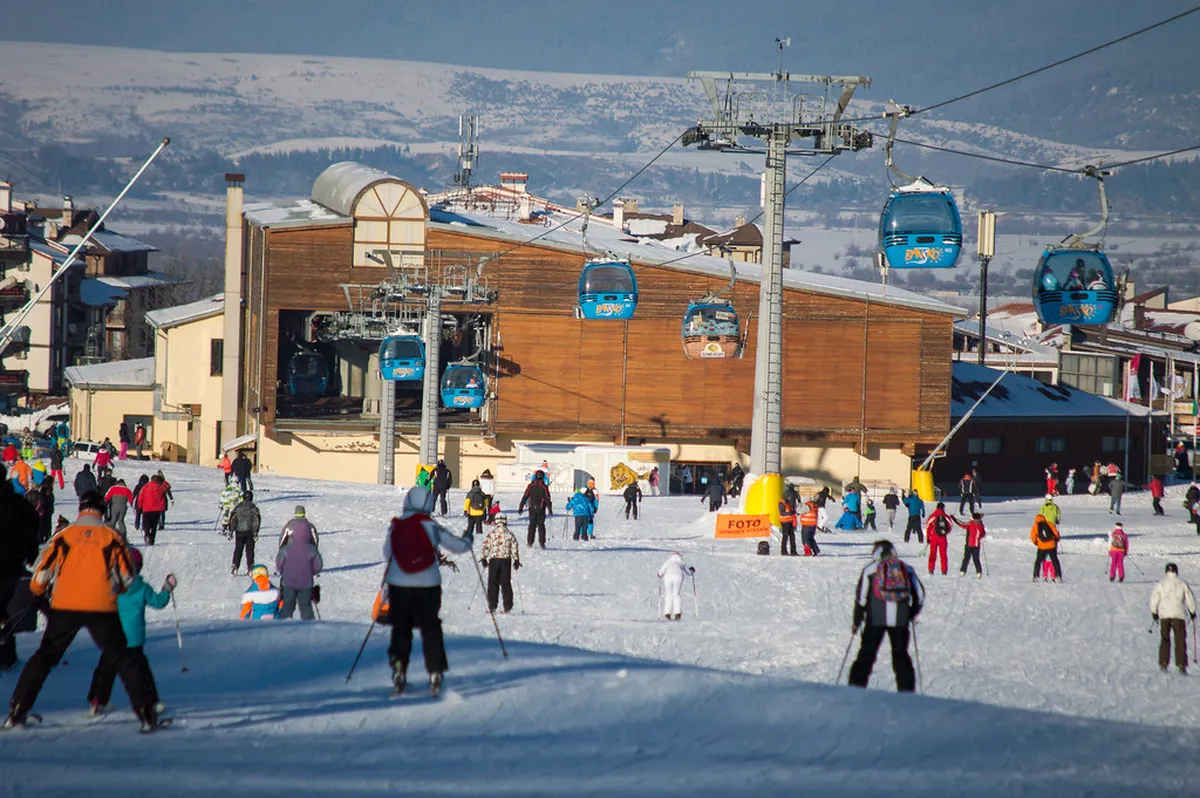
The base station sits at the southern end of town, directly behind the Kempinski Hotel Grand Arena at the top of Pirin Street, around 1,000 m above sea level. It's roughly a **15-20 minute walk** from Nikola Vaptsarov Square, close enough to the Bansko Old Town Visitor Guide that visitors staying in the historic center rarely need a taxi. Most travelers base themselves in Bansko town itself and treat the lift as the start of every mountain day.
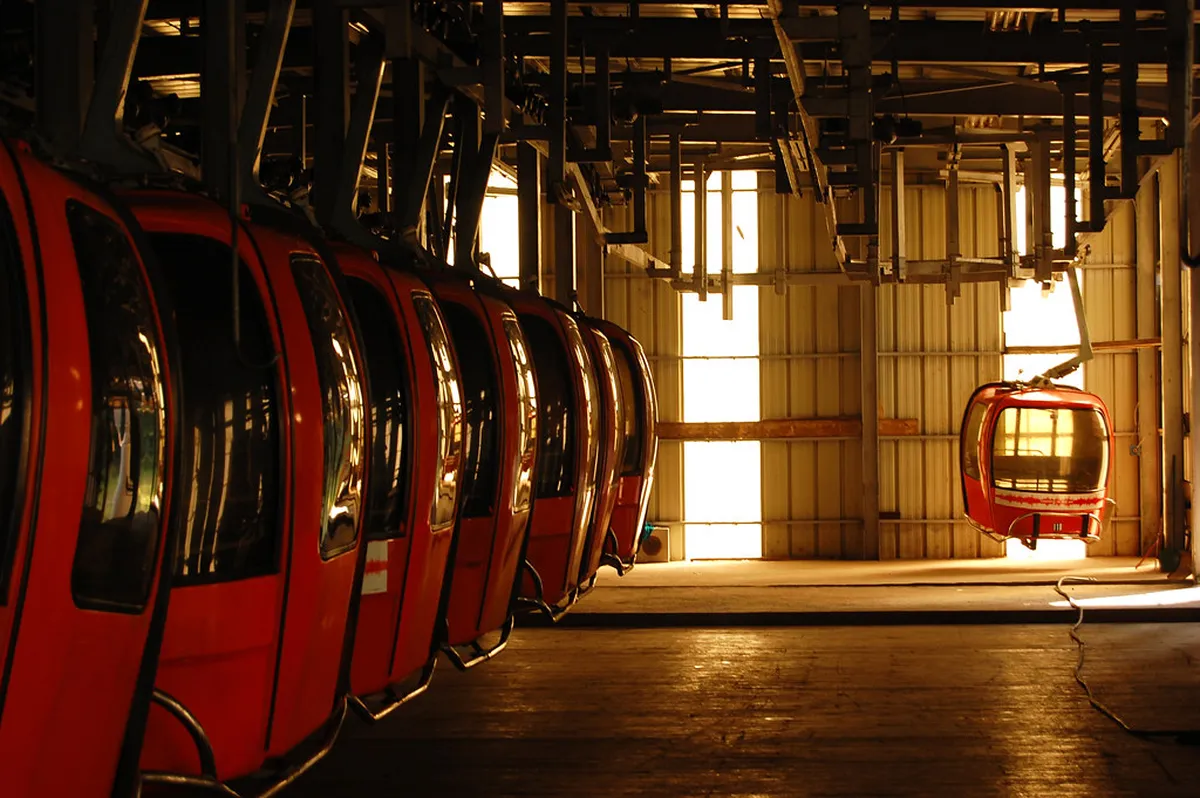
From there, the cabins run about 6.2 km up to Banderishka Polyana, calling at the Chalin Valog mid-station along the way. The full ride takes roughly **25 minutes** in one of the eight-person cabins, operated by Ulen, the same company that runs the resort's chairlifts and ski school.
It helps to keep the two ends of the line straight before you go. The "bottom station" is the town-side building behind the Kempinski; "Banderishka Polyana" is the meadow at the top where the ski zone and summer trailheads actually begin. Mixing the two up — expecting shops or restaurants at the base, or ski hire at the top — is one of the most common first-timer mistakes.
Gondola Operating Hours and Seasons for 2026
The gondola itself runs **08:30-17:00** daily throughout both of its operating windows. Winter 2025/26 lift-pass pricing is valid from **27 December 2025** to **31 March 2026**, though once you're above Banderishka Polyana the mountain's own ski lifts keep a slightly shorter window, roughly **08:45-16:15**.
The summer 2026 season runs from **27 June to 6 September**, with the same 08:30-17:00 hours every day of the week. Outside these two windows — essentially spring and late autumn — the gondola is closed to the public entirely, so don't build a shoulder-season trip around riding it.
High winds occasionally force a temporary closure regardless of season, since the cabins run exposed along most of the route. Check the forecast the night before a planned ride and have a backup plan for that day if conditions look marginal.
Bansko Gondola Prices for 2026
Current fares, unchanged between the winter and summer 2026 seasons unless noted:
- Round trip (pedestrian): **27.00 EUR** (52.81 BGN) adult, **19.00 EUR** (37.16 BGN) child aged 7-11.99
- Summer-only one-way: **24.00 EUR** adult, **21.00 EUR** student aged 12-18.99, **16.00 EUR** child aged 7-11.99
- Children under 7 and seniors over 75: **0.60 EUR** (1.17 BGN) round trip, the same rate applies to visitors with disabilities
- Winter 1-day ski pass, gondola and all lifts included: **59.00 EUR** (115.39 BGN) adult
A plain pedestrian ticket is all you need if you're not skiing — there's no requirement to buy a lift pass just to ride up for the view or a short walk. Skiers are usually better off with the day pass instead, since paying for the gondola and separate lift tickets works out more expensive.
Return tickets bought in summer don't have to be used on the same day: each direction is valid separately, as long as both are used before the season closes on **6 September 2026**. The operator's own gondola pricing page is worth a check before you travel, since fares are set annually.
How to Avoid Bansko Gondola Queues
Winter weekends and the **February half-term** week are when the base station backs up seriously — waits of **2-3 hours** are routine if you arrive after 09:00. Lining up by **08:00**, a full 30 minutes before the 08:30 opening, is the single most effective fix.
A handful of rental shops near the base station, Traventuria among them, open around **07:00**, so early risers can collect skis or a board and still make the front of the ticket line.
Resist the urge to "sleep in and dodge the rush." Arriving around **11:30** is actually one of the worst windows of the day — it catches the tail of the morning crowd overlapping with the first wave of lunch-bound day-trippers, and waits of two hours at exactly this time aren't unusual. Checking the operator's live webcams from your hotel room before getting dressed takes thirty seconds and tells you whether that morning's line looks normal or is already backing up.
Plan B: When the Queue Won't Move
If the base station line is already past the ticket windows, waiting isn't your only option. Taxis and shared vans run the same mountain road up toward Banderishka Polyana or the Shiligarnika chairlift, bypassing the gondola entirely — agree the fare before getting in, since these rides aren't metered.
Several hotels along Pirin Street run their own morning and afternoon shuttle to the top station; ask at reception the evening before, since seats go first on the coldest, busiest mornings. Booking a private transfer in advance guarantees a seat and removes the guesswork, which matters most for families with young children who can't stand around in ski boots for two hours.
None of these options are as cheap as a lift ticket, but on a genuine 2-3 hour queue day, spending a few extra euros to save half your ski day is usually the better trade.
How to Book Tickets and Passes
One rule trips up almost every first-time visitor: you cannot buy a pass for the next day until **16:00** the afternoon before. Showing up at 09:00 hoping to pre-buy tomorrow's ticket simply won't work — the system doesn't release next-day sales until that afternoon cutoff.
Several hotels near the base of the mountain sell lift passes directly at reception, which skips the ticket-office queue entirely; ask when you check in whether yours participates.
The pass system runs on a reloadable plastic keycard. Hang on to one from a previous trip and you can top it up online or at the counter instead of paying the small card deposit again each visit. Local operators such as Ravelo also offer pre-booked transfers bundled with a gondola day, useful if you'd rather not deal with the ticket office at all.
Activities Accessible via the Gondola
In winter, skiers and snowboarders step off at Banderishka Polyana straight onto the groomed pistes of the Bansko ski zone, with runs suited to everyone from first-timers to advanced riders on the resort's black pistes.
In summer, the same meadow becomes the trailhead into Pirin National Park Visitor Guide, with marked hiking routes toward the alpine lakes higher in the range and mountain-bike descents for more experienced riders.
A handful of restaurants at Banderishka Polyana serve simple mountain food with terrace views year-round — a good reason to ride up even on a day you're neither skiing nor hiking.
Family, Budget and Accessibility Notes
Children under 7 and seniors over 75 pay the symbolic **0.60 EUR** round trip, and the same rate is available to visitors with disabilities — worth mentioning at the ticket window since it isn't always signposted.
Anyone skiing more than two days works out cheaper on the multi-day pass than paying for single tickets each morning. Travelers with strollers or wheelchairs should know boarding is via a moving belt rather than a fixed platform; staff will slow it on request, but flagging the need for extra time as you approach the cabin helps.
Budget travelers who aren't skiing can skip the pass altogether: a standalone pedestrian round trip reaches Banderishka Polyana for the view or a short walk, at roughly half the price of the full-day pass.
Paying in Euros in 2026
Bulgaria adopted the euro in January 2026, and the gondola's ticket windows, the Ulen app, and the reloadable keycard system now price everything in EUR first, with BGN shown only as a secondary reference at the fixed rate of roughly 1.96 BGN per euro. Older guides still quoting prices purely in leva are quoting the wrong currency for what actually gets charged.
Cash machines around the base station now dispense euros by default, so carrying a few small euro notes and coins makes queue-side purchases — a coffee, a snack before the ride — noticeably faster than hunting for leva change.
If you're reloading a keycard from a previous winter, don't be surprised to see the balance converted from leva to euro at the fixed rate — the card itself doesn't need replacing.
Continue planning: Use Bansko Attractions: Top 8 Things to Do in Bansko to connect this guide with the rest of your Bulgaria itinerary.
Frequently Asked Questions
How much does the Bansko gondola cost in 2026?
A pedestrian round trip costs 27.00 EUR (52.81 BGN) for adults and 19.00 EUR (37.16 BGN) for children aged 7-11.99, the same in winter 2025/26 and summer 2026. In summer 2026 one-way tickets are also sold: 24.00 EUR adult, 21.00 EUR for students aged 12-18.99, 16.00 EUR for children 7-11.99. Children under 7 and seniors over 75 ride for a symbolic 0.60 EUR (1.17 BGN).
When does the Bansko gondola operate?
The gondola runs 08:30-17:00 daily during its two seasons: the winter ski season (2025/26 lift-pass pricing is valid 27 December 2025 to 31 March 2026) and the summer 2026 season from 27 June to 6 September. Between seasons it is closed to the public.
How long is the gondola ride from Bansko to Banderishka Polyana?
The full ride takes about 25 minutes along a roughly 6.2 km line with three stations: the base station in Bansko town, a mid station at Chalin Valog, and the top station at Banderishka Polyana, the main hub of the ski area. Cabins seat eight people.
Where does the Bansko gondola start?
The base station is at the southern end of Bansko, behind the Kempinski Hotel Grand Arena at the top of Pirin Street, at an altitude of around 1,000 m. It is about a 15-20 minute walk from Nikola Vaptsarov Square in the old town.
Do I need a ski pass to ride the gondola, or can pedestrians buy a ticket?
Pedestrians can buy a standalone gondola round-trip ticket (27.00 EUR adult) without any ski pass. Skiers normally use a lift pass instead — a 1-day adult pass costs 59.00 EUR (115.39 BGN) in the 2025/26 winter season and includes the gondola and all ski lifts.
Can I use a return gondola ticket on a different day?
Yes — in the summer season the official operator states that two-way tickets can be used on different days, as long as each direction is used once before the season ends on 6 September 2026.
Is there a discount for visitors with disabilities?
Yes. The operator sells a gondola round-trip ticket for persons with disabilities at 0.60 EUR (1.17 BGN). Student and senior discounts require a valid student ID or pension documentation.
What is at the top of the Bansko gondola?
The top station sits at Banderishka Polyana, the primary base area of the Bansko ski zone: in winter it is the hub for the resort's slopes and lifts, and in summer it serves as a starting point for walks and hikes into the Pirin Mountains, with mountain restaurants at the meadow.
Mastering the lift mostly comes down to timing: line up before **08:30** in winter, buy next-day passes only after **16:00**, and check the live webcams before you leave your room. Those three habits eliminate most of the delays visitors run into at the base station.
Bansko remains one of the more accessible mountain resorts in Europe for skiers and summer hikers alike, and the gondola is the one piece of infrastructure that makes the whole trip work. Plan around its 2026 hours and euro pricing, and the rest of the mountain — slopes in winter, trails into Pirin National Park in summer — falls into place from there.
For more Bansko planning, read our Bansko Itinerary: 10 Essential Sections for Your Trip guide and explore Best Time To Visit Bansko: 7 Essential Seasonal Insights.
For authoritative information, refer to the Bansko Gondola Lift on Wikipedia, Bansko Gondola Lift official site and Bansko Gondola Lift official site.