Burgas attractions for 2026: the Sea Garden, St. Anastasia Island, the pink Atanasovsko Lake and 7 more sights, with verified EUR prices, hours and visiting tips.
Burgas is a sea-and-lakes city built on a narrow spit of land between the open Black Sea and three protected saltwater lagoons, which is a rarer combination than it sounds. A hypersaline lake blushes pink in high summer on one edge of town; a mud-cure lagoon with free open-air pools sits on the other; and an inhabited monastery island lies fifteen minutes offshore by boat. Few Bulgarian coastal cities pack this much natural range into a centre you can still cross on foot.
This 4K walking tour covers the Old Town, Sea Garden and beachfront:
Guide focusTop 10 attractions in Burgas · Burgas attractions by neighborhood
Also coveredBurgas attractions by category · Free vs paid: what actually costs money
Planning areaBulgaria
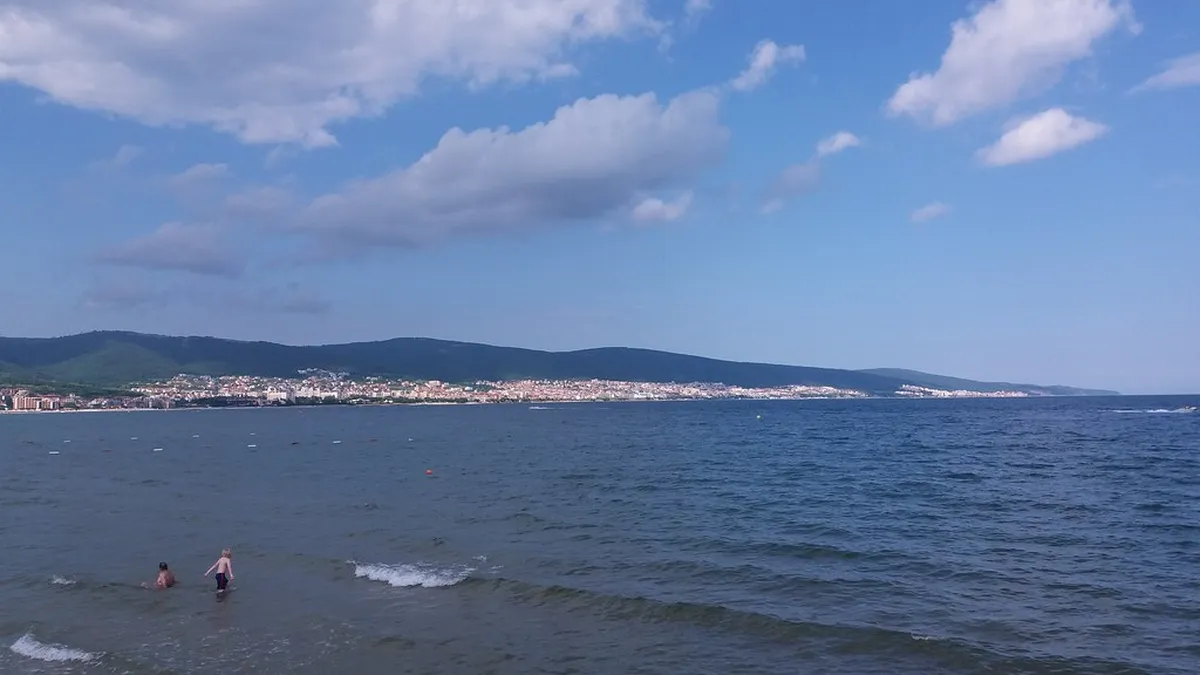
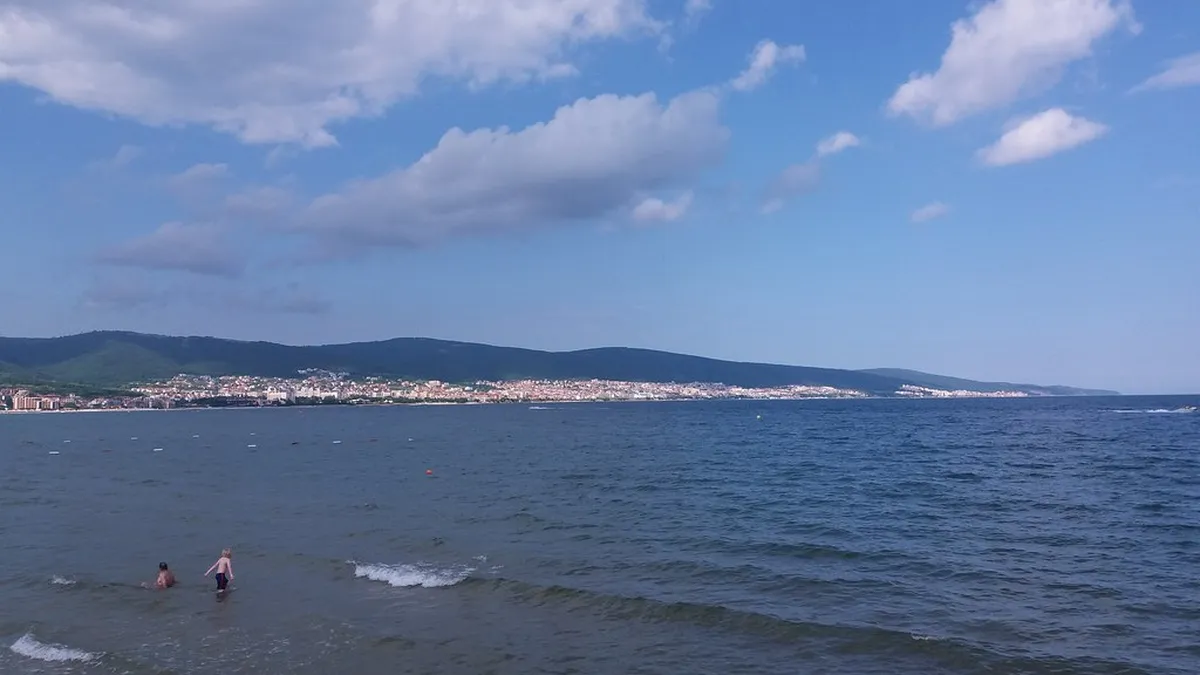
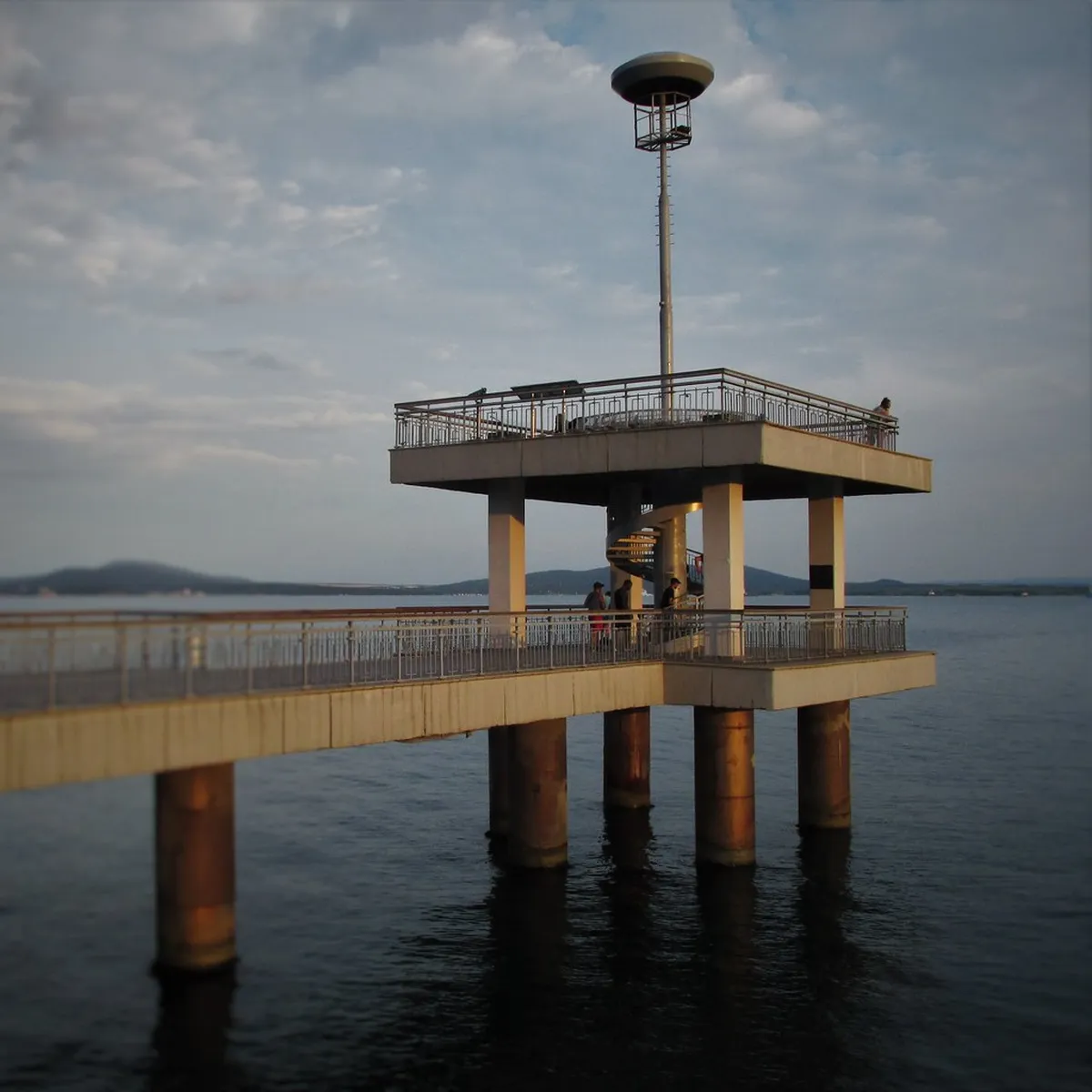
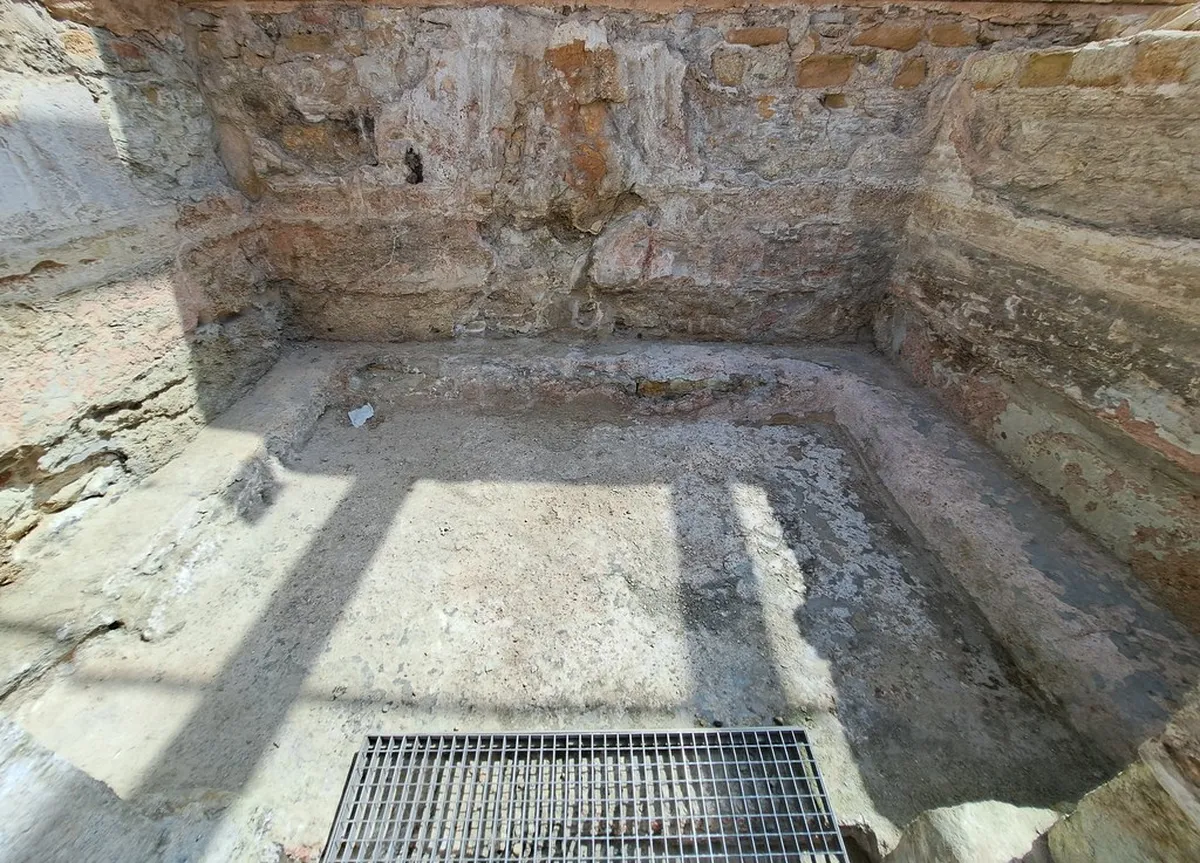
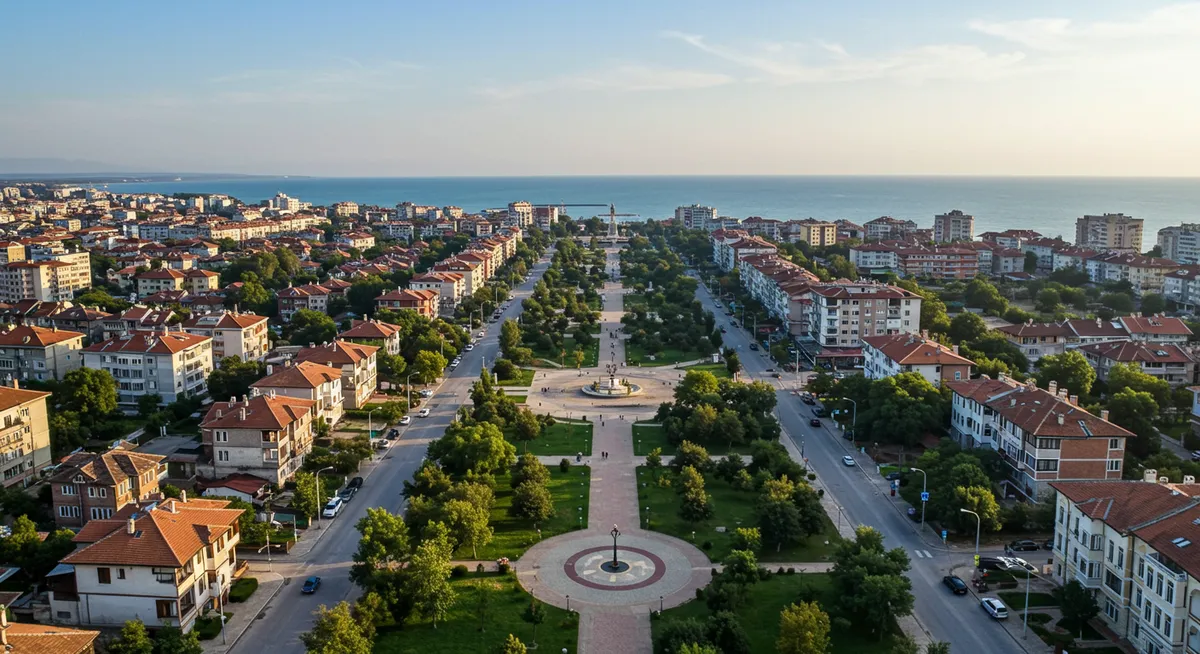
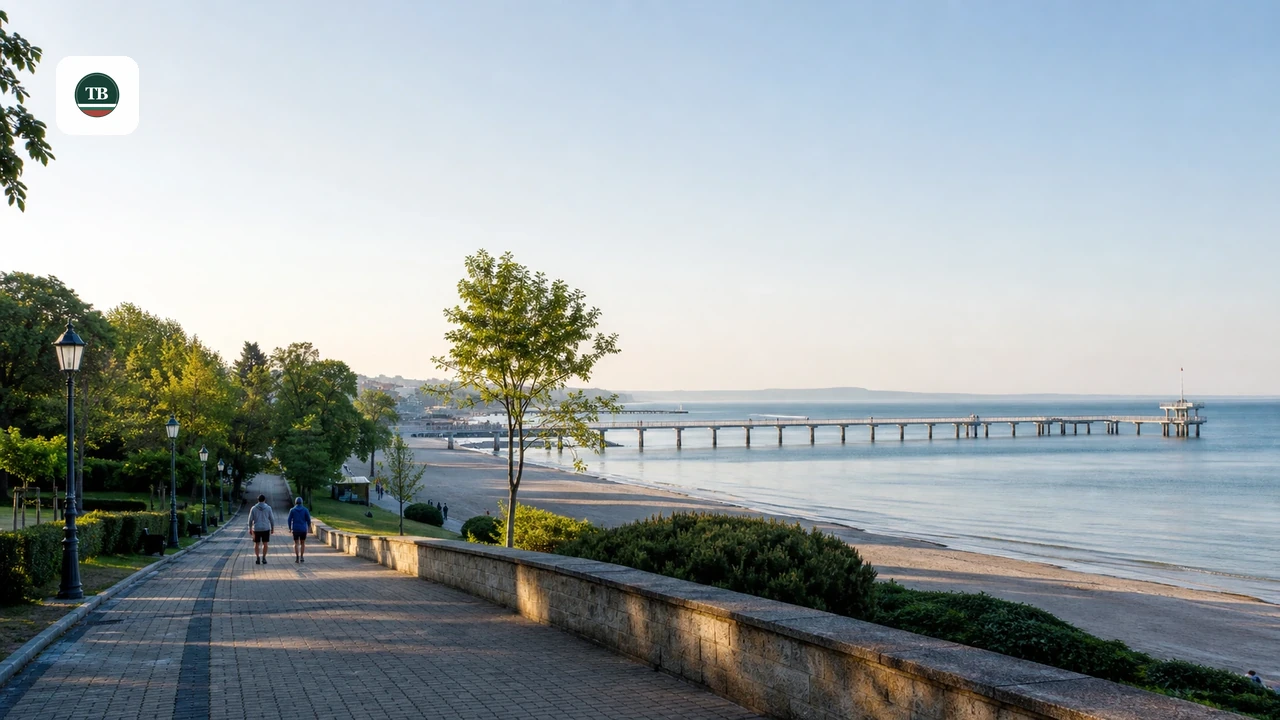
The city's Roman layer surfaces west of the centre, in the Vetren quarter, where the ancient spa town of Aquae Calidae once drew bathers to the same thermal springs that still feed a modern aqua center today - Ottoman-era hamam walls stand a few steps from 3D-mapped archaeological displays. Downtown, the Cathedral of Sts. Cyril and Methodius anchors a compact museum quarter behind it, while the Sea Garden runs more than five kilometres along the coast and carries the seafront the length of the city, meeting the Black Sea at the landmark Burgas Pier.
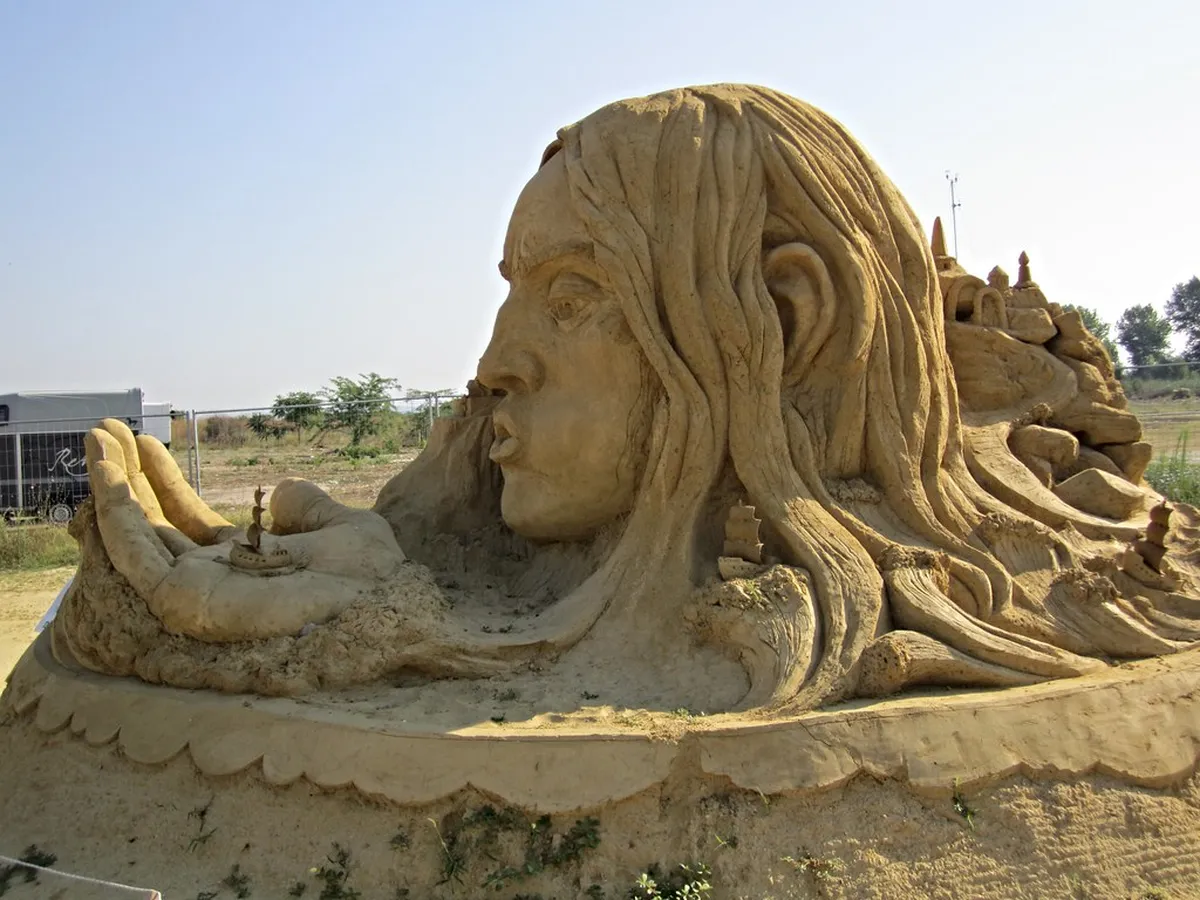
Summer adds a final layer: from July to September, the Sand Sculptures Festival turns Park Ezero into an open-air gallery of giant carved figures, and the boat to St. Anastasia Island runs its full daily schedule. This guide covers Burgas's 10 most-visited sights - organized by neighborhood, by category, and by ticket price - plus verified 2026 euro pricing and the logistics that decide whether a plan actually works.
Burgas's sights fall into five walkable-to-drivable clusters, which makes route-planning straightforward even on a first visit.
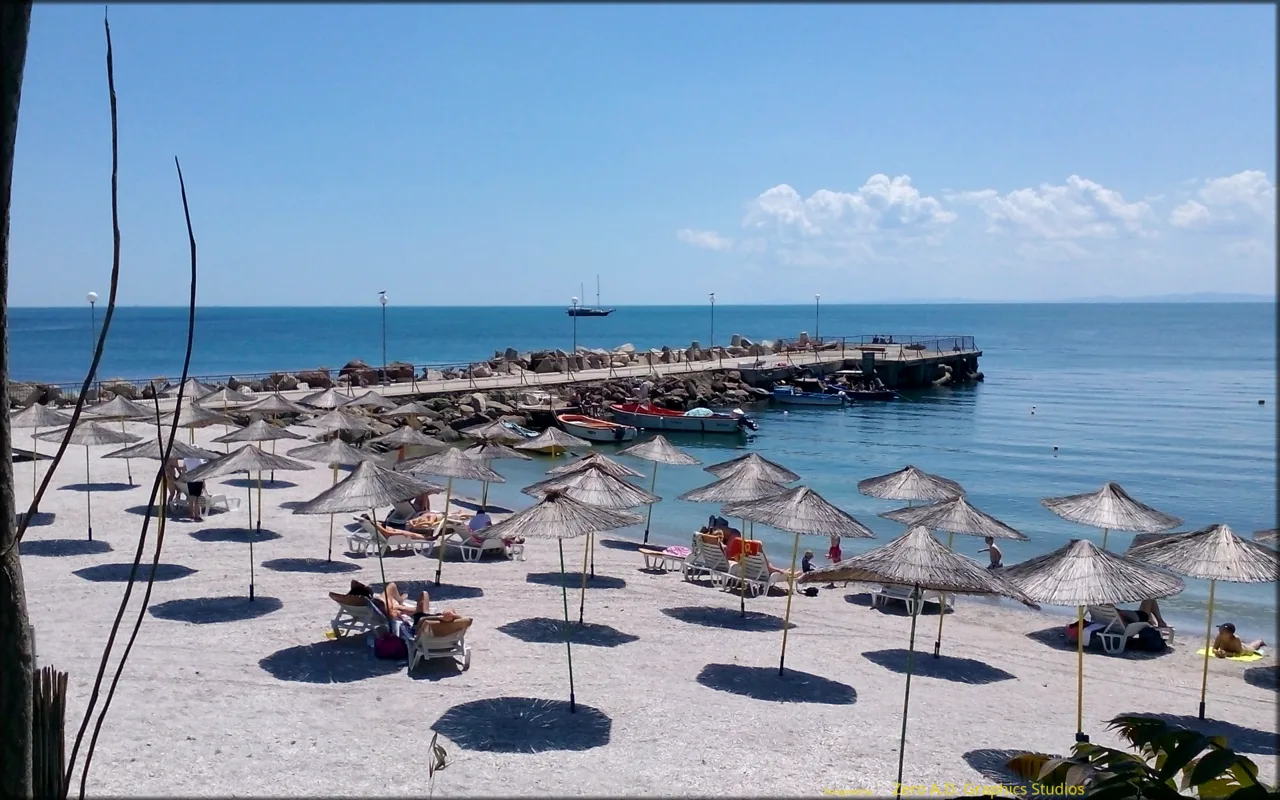
The seafront. The Sea Garden runs along the coast above Central Beach and leads straight out onto the Pier, where the park meets the sea. Further south, the same seafront strip continues into Park Ezero, home each summer to the Sand Sculptures Festival. All three are free to reach and connect on foot.
The bay.St. Anastasia Island is reached only by boat, departing from the Magazia 1 sea terminal at the Port of Burgas - the terminal itself is a 10-minute walk from the city centre, but the island trip needs a half-day slot on your itinerary.
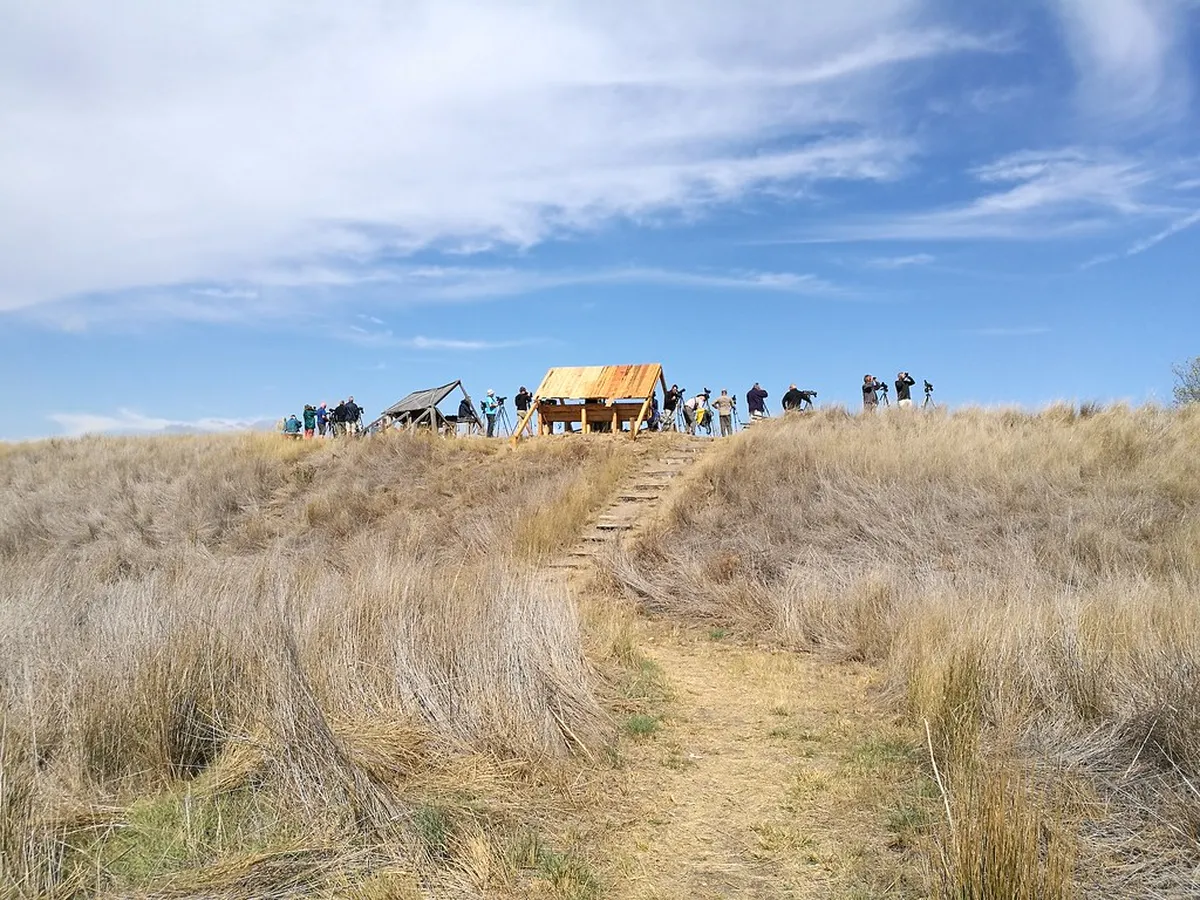
The lakes ring. Two saline wetlands bookend the city: Atanasovsko Lake Visitor Guide sits on the northern approach into Burgas, and Poda Protected Area Visitor Guide sits on the E87 just south of it. Neither is walkable from the centre, but both are easy stops if you're driving or busing in either direction.
Vetren quarter. The 7 Key Insights for the Aquae Calidae Thermal Complex Visitor Guide sits alone in Burgas's western Vetren district, on the site of the Roman-era spa town of the same name - it pairs naturally with a lakes-ring stop, since it sits roughly between the city centre and Atanasovsko Lake.
Burgas attractions by category
If you're planning around interests rather than geography, here's how the 10 sights sort.
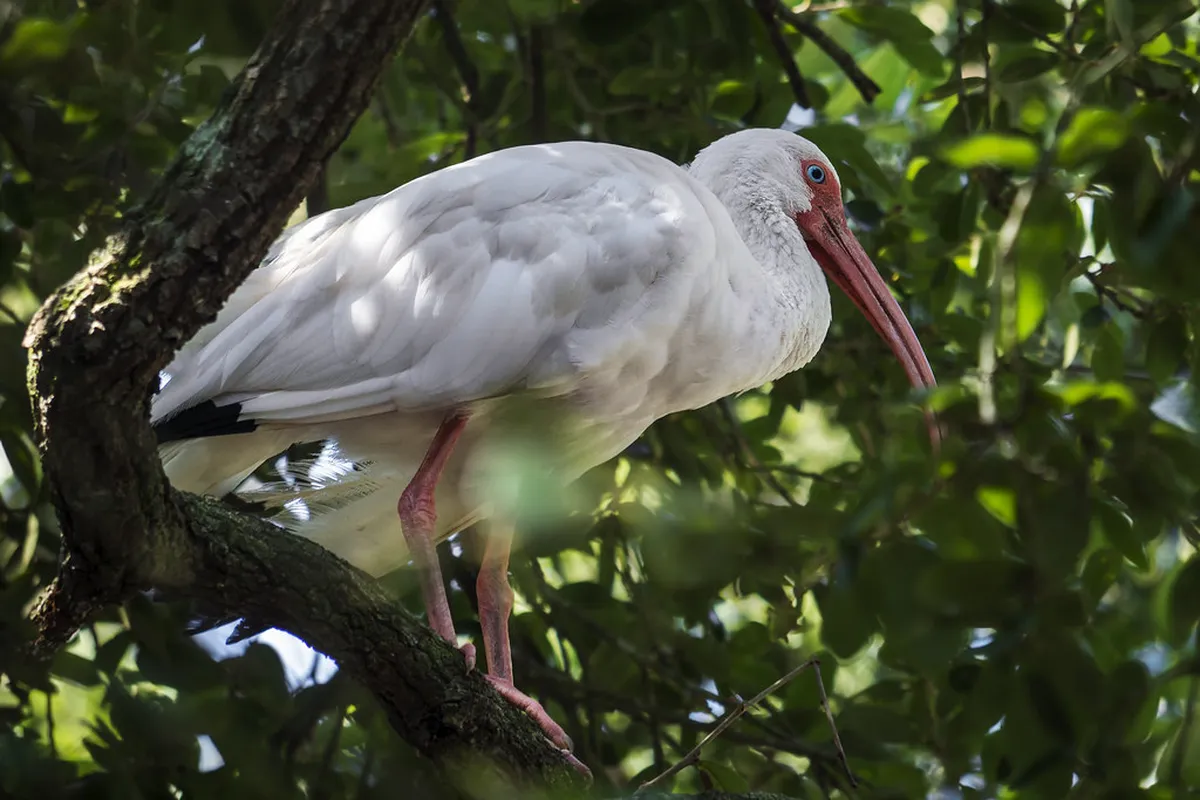
Nature & birdwatching. Poda Protected Area and Atanasovsko Lake both sit on the Via Pontica migration flyway, and together they're the reason Burgas shows up on serious birdwatching itineraries, not just beach ones.
Beaches & seafront. The Sea Garden, the Pier, and the seasonal Sand Sculptures Festival at Park Ezero cover the coastal, free-to-walk side of the city.
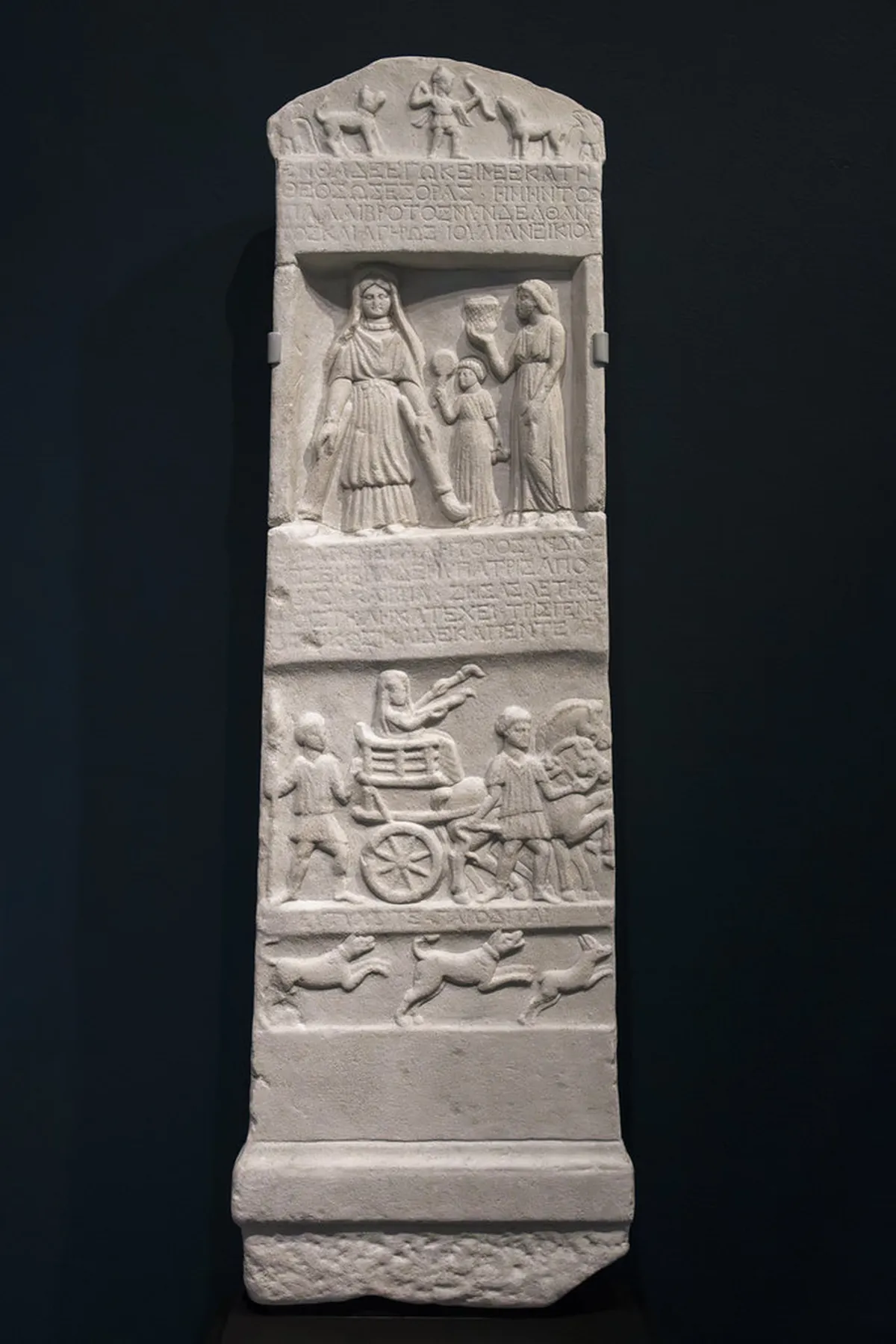
History & museums. The Cathedral, the Ethnographic Museum, and the Regional Historical Museum's history exposition cover Burgas's Revival-era and urban history; the Aquae Calidae complex reaches further back, into the Roman and Ottoman periods.
Island & day trips. St. Anastasia Island is the one sight on this list that requires a scheduled departure rather than a walk-up visit - build it around the boat timetable, not the other way around.
Free vs paid: what actually costs money
Four of Burgas's most-visited sights cost nothing to enter; the rest are ticketed, and 2026 prices vary by attraction.
Free:
Sea Garden - open access, no ticket
Burgas Pier - free and open around the clock
Cathedral of Sts. Cyril and Methodius - free to enter as an active place of worship
Atanasovsko Lake - free to visit, including its open-air mud and lye pools by the Southern Salt-Works
Paid (verified 2026 EUR):
Ethnographic Museum - €3.00 adult (€9.00 on the Burgas Regional Historical Museum's combined ticket, which covers all four of its branches)
Aquae Calidae - hamam €3.50, archaeological museum €8.00, mineral-water aqua center €8-€13 depending on session
St. Anastasia Island - boat €9.50, plus a €1.50 pier fee at Magazia 1 and €3.00 for the island museum
Poda Protected Area - €4.00 adult at the visitor centre
Burgas Sand Sculptures Festival - a small seasonal ticket paid on site (price not fixed year-round)
The island trip is the biggest single-day line item once the boat, pier fee, and museum are added together - budget for all three if St. Anastasia is on your list, not just the boat ticket.
Suggested itineraries
One day. Walk the seafront core in the morning - the Sea Garden out to the Pier - then cover the centre in the afternoon: the Cathedral plus one of the two museums. This is the most compact version of the list and needs no transit.
Two days. Keep day one as above, then use day two for the island: the morning boat to St. Anastasia from Magazia 1, followed by an afternoon at Aquae Calidae in the Vetren quarter once you're back on the mainland. If you're visiting July-September, the Sand Sculptures Festival at Park Ezero slots easily into day one's seafront walk.
Three days. Days one and two run as above. Use day three as a lakes day: Atanasovsko Lake on the northern approach in the morning, Poda Protected Area to the south in the afternoon (or reverse the order depending on which direction you're arriving from). This spreads the two nature reserves and the second museum across a full day rather than squeezing them into an already-busy schedule.
Getting around Burgas's attractions
The seafront and centre clusters are walkable from most central hotels - nothing in either group requires transit. Outside the core:
St. Anastasia Island: boats depart from the Magazia 1 sea terminal on a fixed daily schedule - 10:00, 13:30 and 17:00 - so plan around the departure times rather than showing up ad hoc.
Poda Protected Area: buses heading toward Sozopol run along the E87 and pass directly by Poda, making it reachable without a car.
Atanasovsko Lake: the road along the sand strip north of the city runs past the lake and its mud and lye pools, and is the practical route whether you're driving or catching a bus in that direction.
Aquae Calidae: in the Vetren quarter, a short drive or local bus ride west of the centre.
Best time to visit
Burgas runs on two overlapping seasons. Summer (July-September) is when the city is at its fullest: St. Anastasia Island's boats run their complete daily timetable, Atanasovsko Lake's salt pans are at their pinkest, and the Sand Sculptures Festival is running at Park Ezero. Shoulder season - spring and autumn - is better for birdwatching, since the Via Pontica migration through Poda and Atanasovsko peaks outside the summer crowds.
One closure worth planning around: Aquae Calidae is closed on Mondays year-round.
How to save money on Burgas's attractions
The Burgas Regional Historical Museum's combined ticket covers all four of its branches, including the Ethnographic Museum and the history exposition, for €9.00 - cheaper than paying €3.00 at each branch separately if you're visiting more than one.
Atanasovsko Lake and its mud and lye pools are free, and the Sea Garden, Pier and Cathedral cost nothing to enter - four of the ten sights on this list carry no admission fee at all.
Children under 7 are admitted free at every paid attraction on this list.
Frequently asked questions
What are the top attractions in Burgas?
The Sea Garden, Burgas Pier, St. Anastasia Island, Aquae Calidae and Atanasovsko Lake are the five most-visited sights, with Poda Protected Area, the Cathedral of Sts. Cyril and Methodius, the Ethnographic Museum, the Regional Historical Museum and the Sand Sculptures Festival rounding out the top 10.
Is Burgas worth visiting?
Yes - Burgas combines a walkable Black Sea seafront with a pink salt lagoon, a birdwatching wetland, an inhabited monastery island and a Roman spa town, a natural and historical range that's unusual for a single, compact city.
How many days do you need in Burgas?
Two to three days covers this list comfortably: one day for the seafront and centre, a second for St. Anastasia Island and Aquae Calidae, and a third for Atanasovsko Lake and Poda Protected Area.
Is the Sea Garden free to visit?
Yes, the Sea Garden and the Pier at its seaward end are both free and open around the clock.
How do you get to St. Anastasia Island?
By boat from the Magazia 1 sea terminal at the Port of Burgas, on a fixed daily schedule (10:00, 13:30 and 17:00 in 2026). The trip takes about 30 minutes each way, and the round-trip boat, pier fee and island museum ticket are paid separately.
Is Atanasovsko Lake really pink?
In high summer, yes - the lake's hypersaline salt pans take on a bright pink hue from the salt-tolerant algae in the water, most visible in July and August.
When is Aquae Calidae closed?
Aquae Calidae is closed every Monday; the hamam, archaeological museum and aqua center all follow the same closure day.
What is the Burgas Sand Sculptures Festival?
An open-air sand-carving exhibition held at Park Ezero each summer - in 2026 it runs from early July to the end of September under the theme "Sand Heroes from the Screen" - with a small entrance ticket paid on site.