Shiroka Laka Visitor Guide
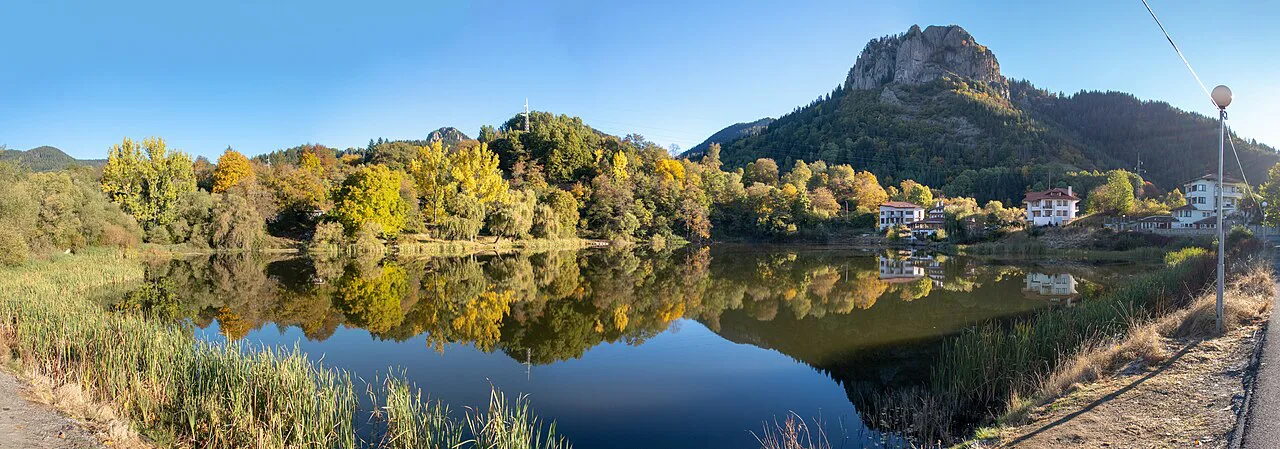
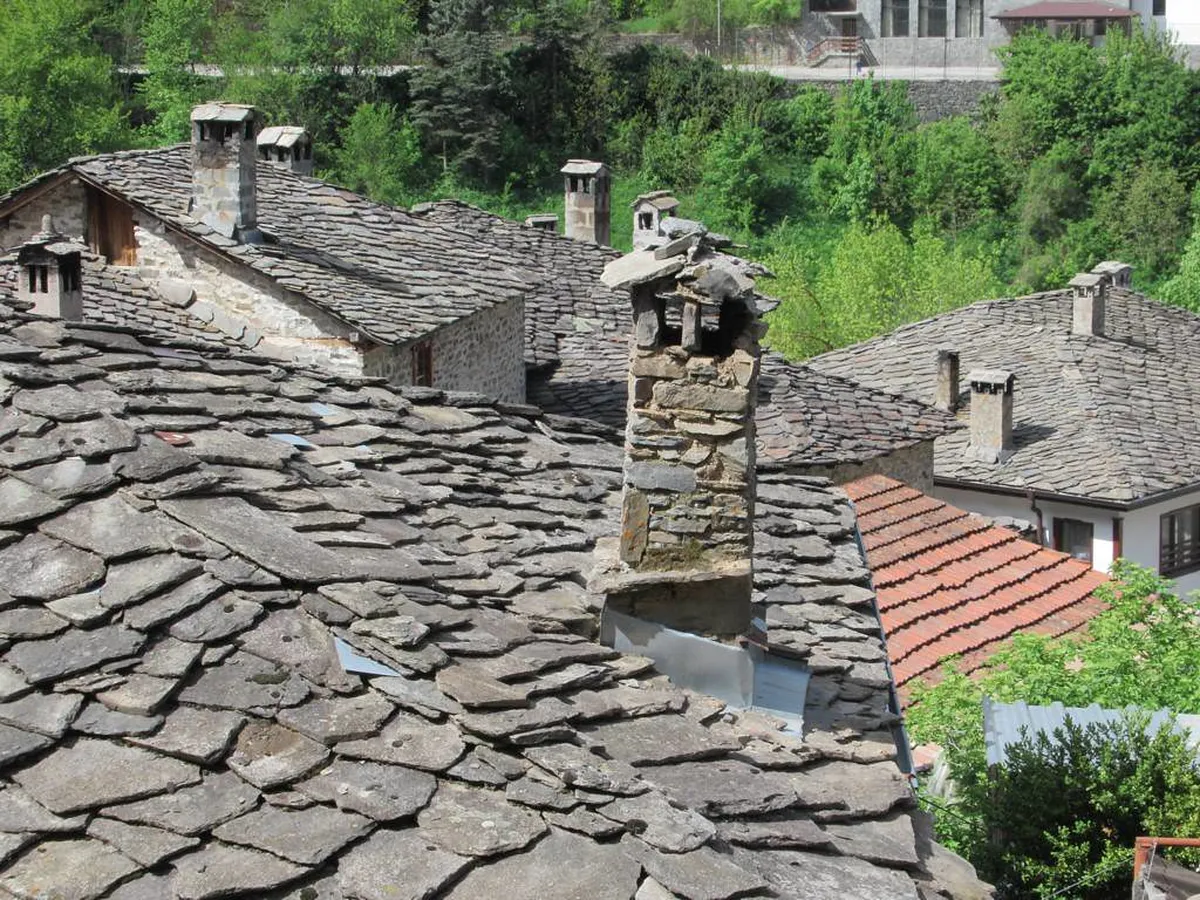
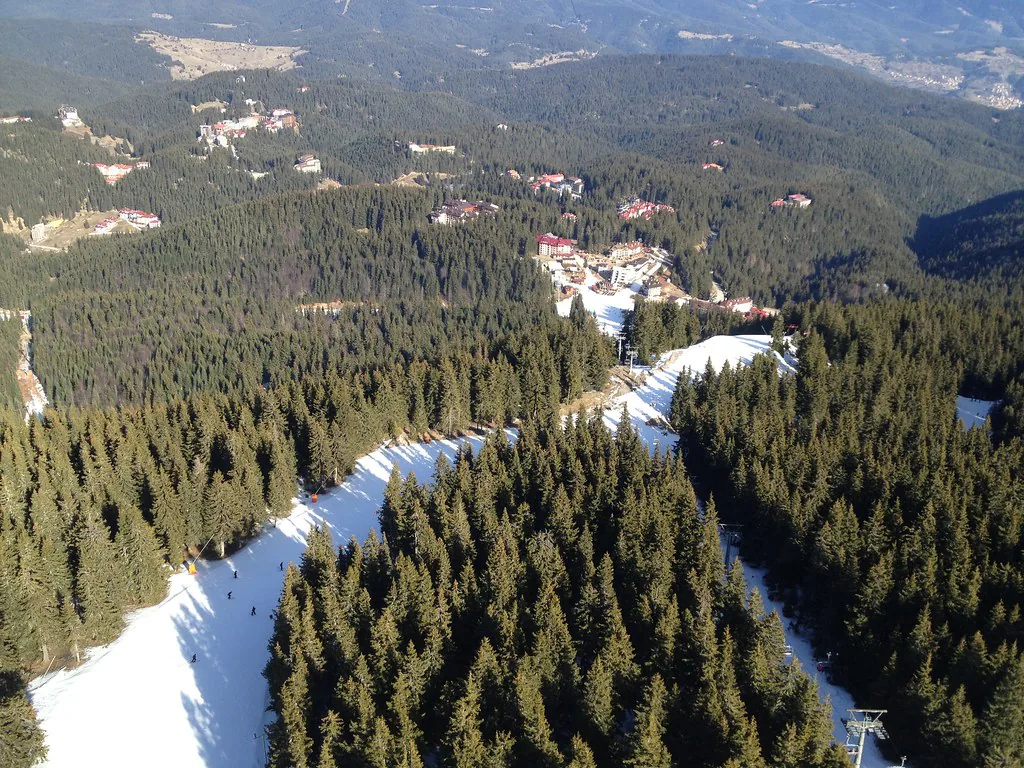
Shiroka Laka is a stunning village hidden in central the Rhodope Mountains of Bulgaria. This historic settlement serves as an architectural reserve and offers a glimpse into the past. Travelers often visit this peaceful spot while staying in the nearby ski resort of Pamporovo Attractions during the winter.
This short video walk-through captures the village's charming streets and historic character:
The village is famous for its unique stone houses and rich musical traditions. You will find beautiful bridges and narrow cobblestone streets that tell stories of old times. Our shiroka laka visitor guide will help you discover the best things to do in this mountain gem.
Whether you love history or nature, this village provides a perfect escape from modern life. Plan your trip to explore the local culture and enjoy the fresh mountain air. Let us dive into the must-see spots and practical tips for your next Bulgarian adventure.
Must-See Shiroka Attractions
The Church of the Assumption is the most significant landmark in the village. Local legend says the entire community built the structure together in just thirty-eight days in 1834, and the interior still holds the original icons and woodwork that define the Rhodope architectural style. Entry is free, and a modest donation box supports its upkeep.
Walking through the village center brings you to the famous arched stone bridges, which cross the small river that splits the settlement in two. They remain some of the best-preserved examples of 19th-century Rhodope stonework and make the most reliable photo stop in the village, especially just after sunrise before day-trip buses arrive. They are one of the region's Wonderful Bridges (chudnite Mostove) Visitor Guide worth building a morning around.
The Zgurovski Konak, a preserved 19th-century merchant house, shows how a wealthy Rhodope family lived at the height of the Bulgarian National Revival. Two other houses nearby, known locally as the Uchikovska and Grigorovska houses, share the same two-storey layout with bay windows and internal wooden staircases, and together the three give a clearer sense of the building style than any single house on its own.
Museums, Art, and Culture in Shiroka
The Zgurovski Konak also functions as the village's Ethnographic Museum, with traditional costumes, tools, and household items from the 19th century arranged room by room. It is a small museum, so plan on twenty to thirty minutes rather than a full stop.
Music is the other pillar of the village's identity. The National School of Folk Arts, founded here in 1972, has trained generations of Rhodope singers and kaba gaida bagpipe players, several of whom became well known nationally, and you can still hear students practicing near the school on weekday afternoons.
The village's best-known event is the Pesponedelnik festival, held on the first Sunday of March. Masked mummers called Kukeri, hung with heavy Rhodope bells and dressed with garlic, beans, and peppers, parade through the streets banging wooden swords to drive out evil spirits, joined most years by visiting mummer troupes from other Bulgarian towns and abroad. It is loud, crowded, and one of the most authentic folklore events left in the Rhodopes.
Parks, Gardens, and Outdoor Spots in Shiroka
Marked trails start right from the village edge and climb through pine forest to viewpoints over the Rhodope range. None of them are technical, so a couple of hours in trainers is enough for the closer ones.
A short drive brings you to 10 Essential Tips for Your Smolyan Lakes Visitor Guide, a cluster of glacial lakes ringed by forest and popular for a picnic stop on the way back toward Pamporovo. Closer to the village itself, look for the two named rock formations Momata (the Maiden) and Glavata (the Head), plus three small roadside chapels dedicated to St. Theodore Stratilates, Ss. Cyril and Methodius, and St. Atanas, none of which draw a crowd but all of which are worth the short detour for hikers who want the village without the village center's foot traffic.
The air at this elevation is noticeably cooler and drier than down in Plovdiv or on the coast, which is part of why the surrounding pine forest has stayed this intact.
Family-Friendly and Budget-Friendly Options in Shiroka
Shiroka Laka is genuinely inexpensive. There is no entry fee to walk the village, the bridges, or the church, and only the Ethnographic Museum charges a modest fee for entry. Children can cover the whole center on foot without needing a car once you have parked.
Small bakeries near the square sell banitsa and patatnik for a couple of leva each, which is far cheaper than a sit-down meal in Pamporovo and gives kids something to eat while walking rather than sitting through a long lunch.
The village is compact and flat enough for younger legs, with shaded spots by the river where kids can cool off while adults linger over the architecture. It is one of the easiest half-day stops in the region for families traveling on a tight budget.
How to Plan a Smooth Shiroka Attractions Day
Shiroka Laka sits about 16 km from Pamporovo and roughly 23 km from Smolyan. The drive from Pamporovo takes about twenty minutes on a narrow, curving mountain road, and parking is at the village entrance, with the center itself walkable from there.
Arrive early morning or late afternoon if you want the bridges and church without a tour bus crowd; midday in July and August, and especially the Pesponedelnik weekend in March, brings the most visitors. The Exarch Stefan Community Centre in the village square doubles as an information point for current museum and church hours, and it is the easiest place to confirm anything before you commit to a schedule, alongside the official tourism site.
Cobblestones get uneven and slick after rain, so wear real walking shoes rather than sandals, and bring a layer even in July, since the mountain air cools fast once the sun drops. The Snezhanka TV Tower (Pamporovo Tower) Visitor Guide pairs easily with a Shiroka Laka morning if you want to fill a full day.
Getting There, Parking, and Where to Base Yourself
Most visitors reach Shiroka Laka by car or taxi rather than public transport, and that is worth planning around rather than discovering on arrival. There is no rail link, and the rural bus route connecting the village to Smolyan runs only a handful of times a day, on a timetable that can shift with the season. A first-timer mistake worth avoiding: do not build a same-day return around the printed schedule alone. Confirm the current departure times at the Smolyan bus station, or through your accommodation, before you rely on the bus back.
A taxi from Smolyan or Pamporovo is the simplest fallback if you are without a car, and self-driving on the Smolyan–Pamporovo road remains the most flexible option since it lets you add Smolyan Lakes or Snezhanka Tower to the same loop without waiting on anyone else's timetable.
For where to stay, the village itself has a handful of small family-run guesthouses in restored Rhodope houses, and staying overnight puts you on the bridges at dawn before the day-trip buses arrive — genuinely worth it during the Pesponedelnik weekend, when same-day parking fills fast. Basing instead in Pamporovo or Smolyan trades that early-morning quiet for more restaurant and transport options, which suits travelers treating Shiroka Laka as one stop among several rather than the main event.
History and Notable Residents of Shiroka Laka
The village was founded in the 17th century and later declared an architectural and ethnographic reserve to protect its Bulgarian National Revival character. Its name comes from the old Bulgarian word "laka," meaning a curve or meander, a reference to the bend in the river the village sits along.
Two historical figures give the village more weight than its size suggests. Exarch Stefan I, a leading figure of the Bulgarian Orthodox Church in the 20th century, was born here, and his birth house and a monument in the village center mark the connection. Captain Petko Voyvoda, a Bulgarian revolutionary who fought Ottoman rule, based his operations in the village as well, and the house that served as his headquarters still stands near the center alongside a monument to him.
Residents still live in these historic houses year-round, which is part of what separates Shiroka Laka from a preserved open-air museum: the gardens, workshops, and crafts you see are lived-in, not staged, so it is worth treating side streets and private courtyards with the same courtesy you would show any residential neighborhood.
Independent Visit or Guided Day Tour
Both approaches work well here, and the right choice depends mostly on how much history you want explained versus how much you want to set your own pace.

- Independent travelers get to linger at the bridges or the church as long as they like and can build the visit around Smolyan Lakes or Snezhanka Tower without coordinating with a group.
- A local guide adds context on the Kukeri traditions, the house architecture, and the village's Revival-era history that is easy to miss walking through on your own.
- Shared group day tours from Pamporovo or Smolyan typically run cheaper per person than a private taxi round trip, which matters if you are traveling solo without a car.
Booking early for the 2026 season is worth it if you want a specific date, particularly around the March Pesponedelnik festival, when both guesthouse rooms and guided slots fill up well in advance.
Continue planning: Use Pamporovo Attractions: Top 9 Things to Do in the Rhodope Mountains to connect this guide with the rest of your Bulgaria itinerary.
Frequently Asked Questions
What is Shiroka Laka known for?
It is a National Revival architectural and folklore reserve famous for its tiered Rhodopean stone houses, old arched stone bridges, the 1834 Church of the Assumption, the National School of Folk Arts, and its Kukeri (mummers') festival.
How far is Shiroka Laka from Pamporovo and Smolyan?
It lies about 16 km west of Pamporovo and roughly 23 km from Smolyan, in the central Rhodope Mountains.
Is it free to visit Shiroka Laka?
Yes. Walking the village streets, stone bridges and squares is free and there is no entrance fee for the reserve, though individual small museums or workshops may charge a modest fee.
When is the Kukeri festival held?
On the first Sunday of March (called Pesponedelnik), when masked dancers in bell-hung costumes parade through the village to chase away evil spirits.
What can you see in Shiroka Laka?
The Church of the Assumption (built in 1834), old arched stone bridges over the river, traditional tiered Rhodope houses, the National School of Folk Arts, and small museums and craft workshops.
Why is Shiroka Laka important for Bulgarian folk music?
It is considered a capital of Rhodope folk song and bagpipe (gaida) music, and since 1972 has hosted the National School of Folk Arts, which has trained many of Bulgaria's leading folk performers.
When is the best time to visit Shiroka Laka?
It is a year-round destination: early March for the Kukeri festival, and late spring to autumn for pleasant walking and exploring the surrounding Rhodope Mountains.
Is Shiroka Laka a good day trip from Pamporovo?
Yes. It is a short drive from the Pamporovo ski resort and makes an easy half-day or day trip, often combined with the Smolyan Lakes and other Rhodope sights.
Shiroka Laka is a magical destination that captures the spirit of the Bulgarian mountains. From the ancient stone bridges to the sounds of the bagpipes, it offers a rich experience. We hope this shiroka laka visitor guide helps you plan an unforgettable trip to the Rhodopes.
Remember to respect the local traditions and take your time exploring every corner. The beauty of this village lies in its quiet streets and historical atmosphere. Safe travels as you discover one of the most beautiful villages in all of Bulgaria.
For more Pamporovo planning, read our Things to Do in Pamporovo, Bulgaria: Complete 2026 Guide and Day Trips from Pamporovo 2026: Smolyan, Caves & Rhodope Highlights guides.
For official details, visit the Shiroka Laka on Wikipedia.