Veliko Tarnovo Attractions: 10 Top Things to Do (2026 Guide)
The 10 best Veliko Tarnovo attractions, from Tsarevets Fortress to Arbanasi village — 2026 EUR ticket prices, free vs paid picks, 1-3 day itineraries, and visitor FAQs.
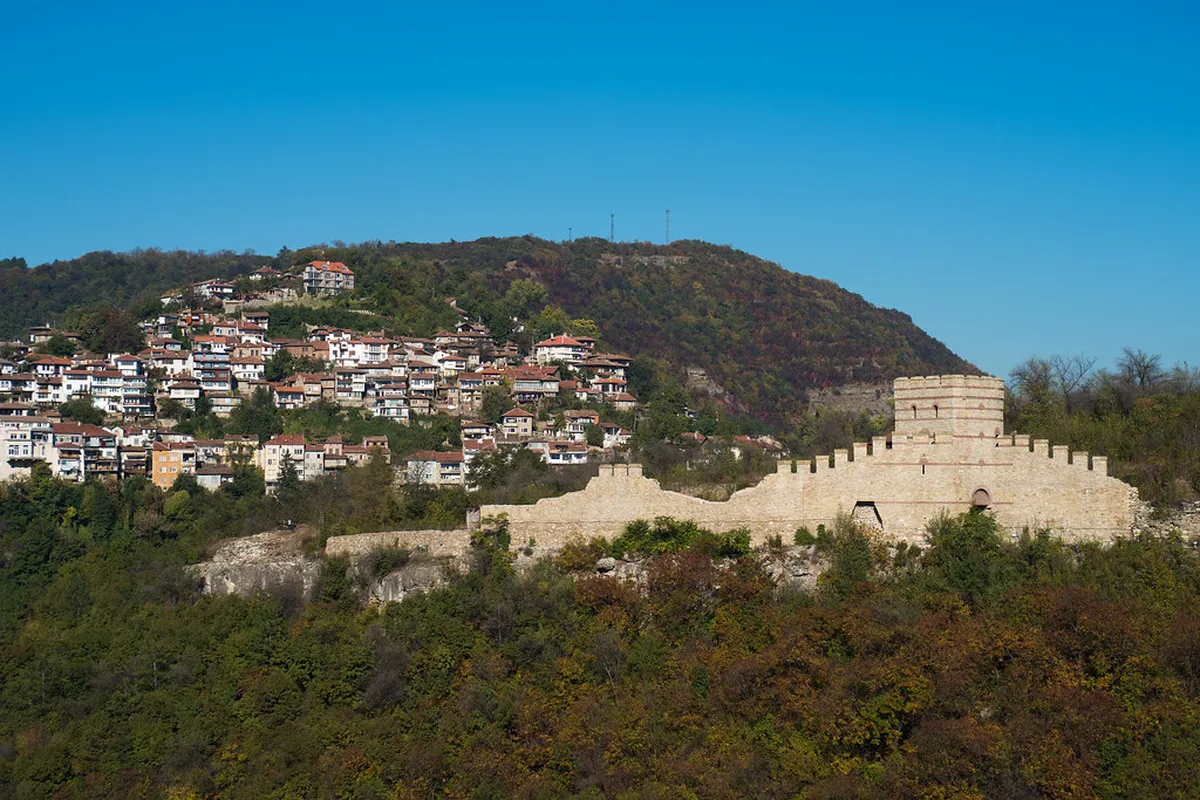
Veliko Tarnovo was the capital of the Second Bulgarian Empire for more than two centuries, and the medieval city still shapes how you experience it today. Two fortified hills, Tsarevets and Trapezitsa, face each other across a gorge cut by the Yantra River, their walls and church ruins visible from almost anywhere in the old town. Below them, tiered Revival-era streets climb from the riverbank to the ridge — the same streets where Bulgaria's independence from the Ottoman Empire was proclaimed in 1908, inside the Holy Forty Martyrs Church at the foot of Tsarevets.
Guide focusTop 10 attractions in Veliko-Tarnovo · Veliko Tarnovo attractions by neighborhood
Also coveredVeliko Tarnovo attractions by category · Free vs paid: what costs money in Veliko Tarnovo
Planning areaBulgaria
That combination — a genuinely dramatic medieval site paired with an intact 19th-century old town — is why Veliko Tarnovo draws day-trippers from Sofia and multi-night visitors alike. It's compact enough to see the highlights in a day, but the fortress hills, the artisan streets of Samovodska Charshia, and two worthwhile day trips (Arbanasi village and Preobrazhenski Monastery) genuinely reward two or three.
Bulgaria's move to the euro in 2026 also means every price below is quoted in EUR rather than the old lev — we've verified each figure for 2026 so you can budget accurately. Below, we've grouped Veliko Tarnovo's 10 essential attractions by neighborhood and by category, then covered what's free, what costs money, suggested itineraries, getting around, the best time to go, and how to save on tickets.
Veliko Tarnovo sits roughly 230 km northeast of Sofia — about a 3-hour drive or bus ride — which is close enough for a long day trip but tight if you want to see more than Tsarevets and the old town. Most visitors who make the trip end up wishing they'd budgeted a second night, precisely because the two day trips below (Arbanasi and Preobrazhenski Monastery) don't fit comfortably into a single-day Sofia round trip.
This 4K walking tour shows Veliko Tarnovo's fortress and streets as you'll experience them:
Explore more: Veliko Tarnovo Attractions: 10 Top Things to Do
Use these focused guides to plan the details, compare options, and build an itinerary that fits your trip.
The 10 attractions above cluster into four walkable groups, plus two day trips outside town.
The fortress hills
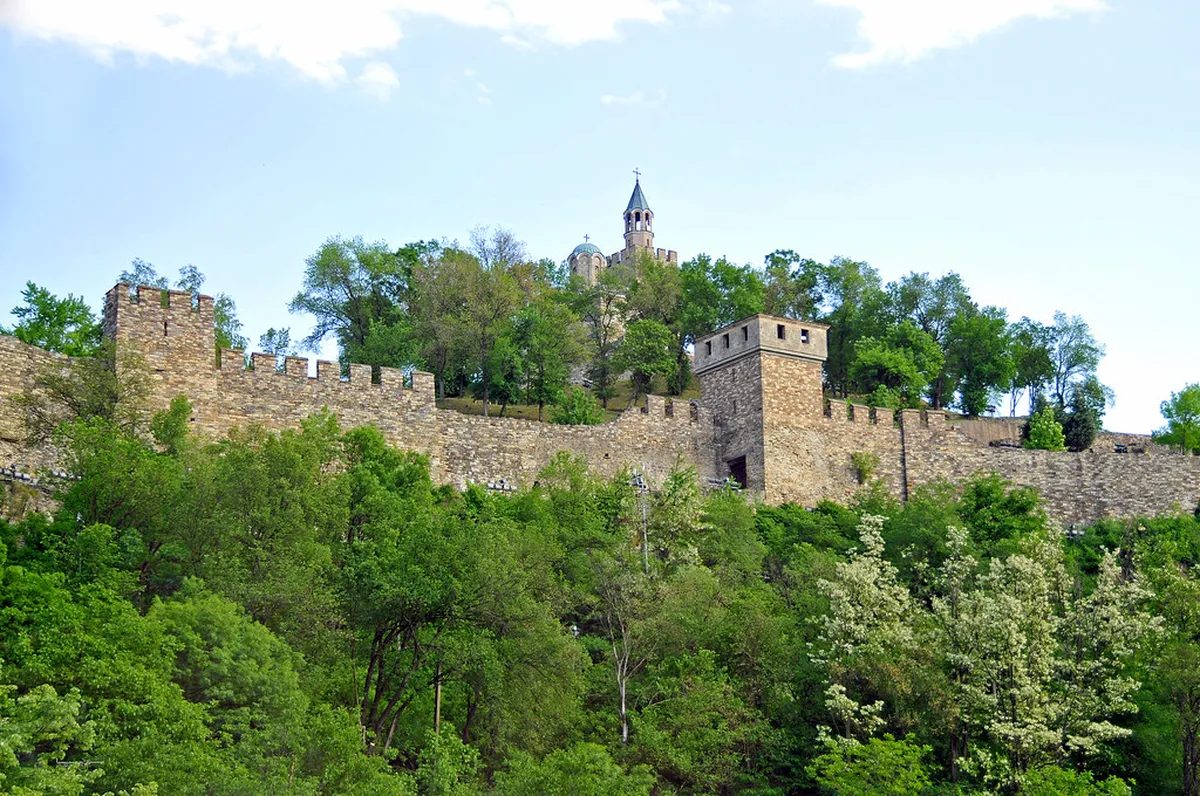
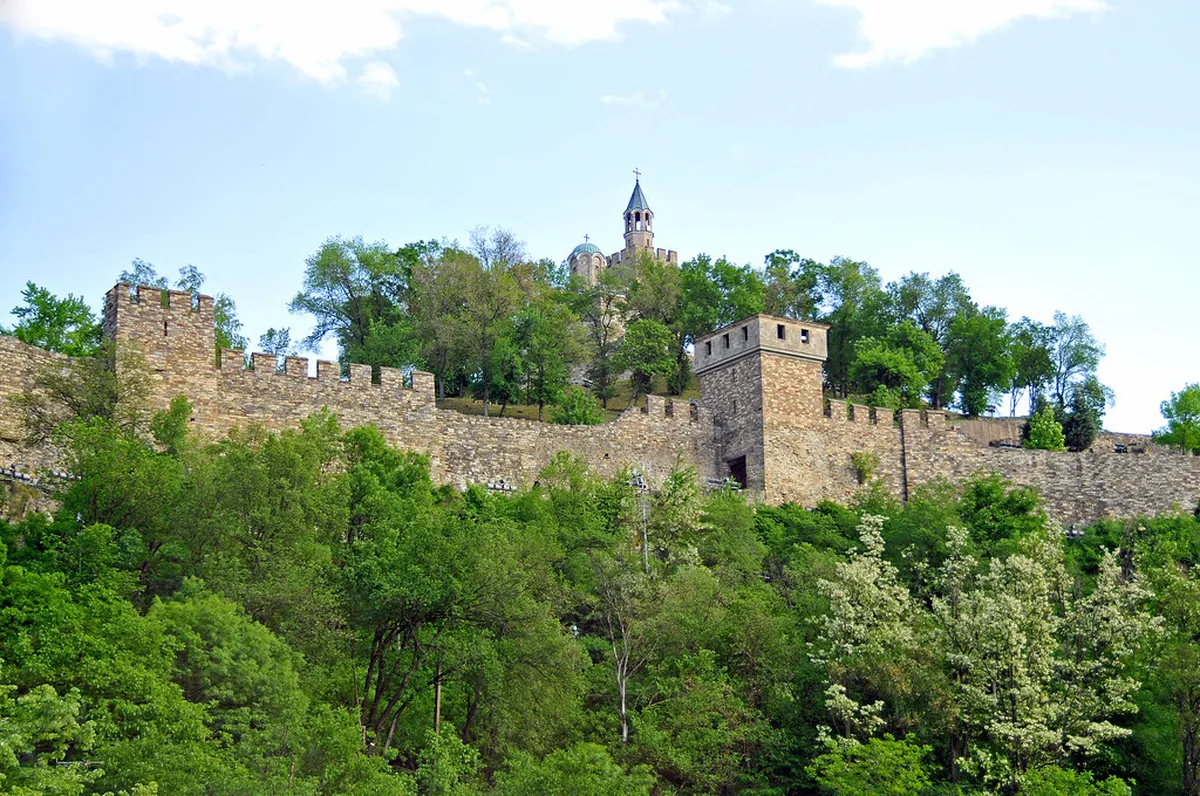
Tsarevets and Trapezitsa face each other across the Yantra gorge and are the reason most people come. Tsarevets Fortress Visitor Guide is the larger and better-preserved of the two, with the Patriarchal Cathedral and palace ruins at its summit. Trapezitsa Fortress Visitor Guide, on the opposite hill, is quieter and covers the excavated foundations of dozens of churches. Below Tsarevets, in the Asenov quarter, the Holy Forty Martyrs Church Visitor Guide holds the tombs of two medieval tsars, and at the foot of the hill, Mini Bulgaria Park Visitor Guide makes a good stop for kids who've had enough of ruins.
The old town
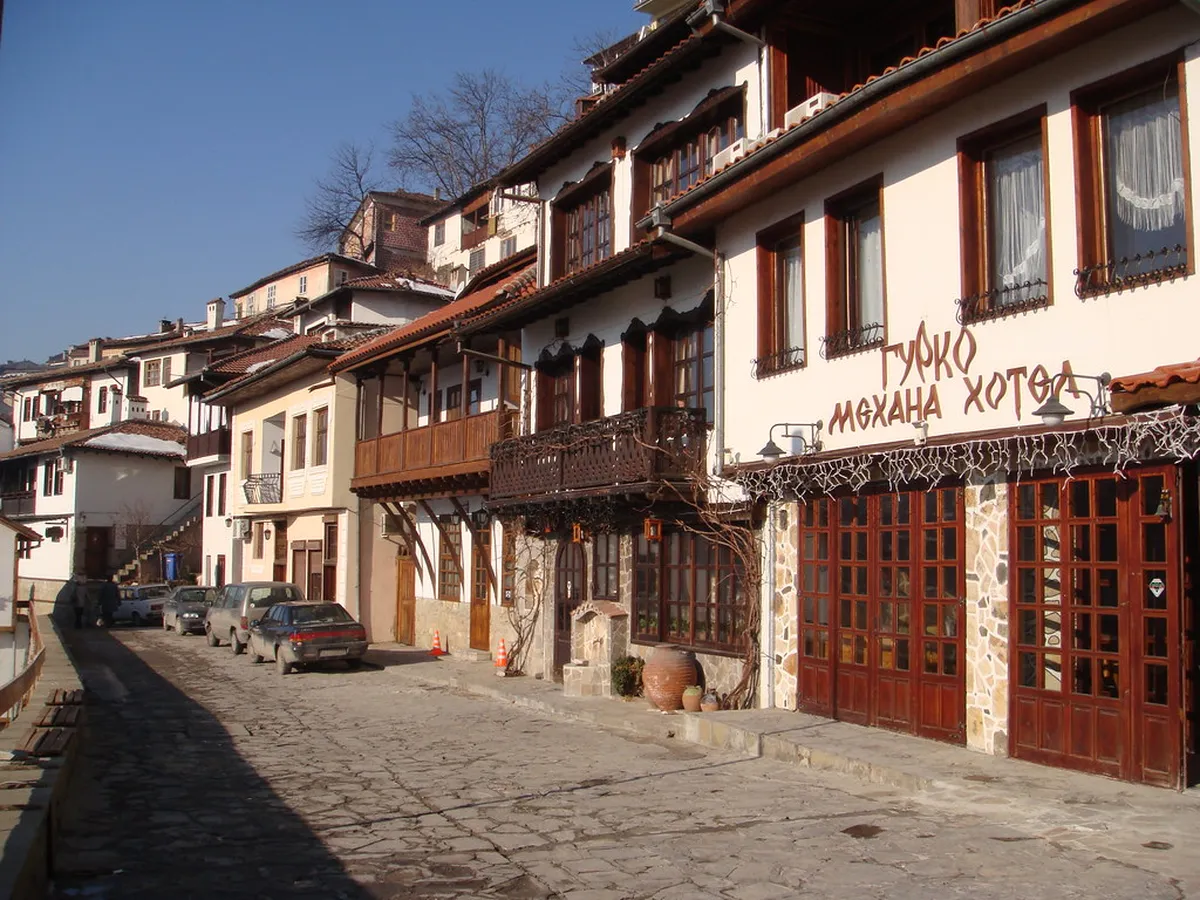
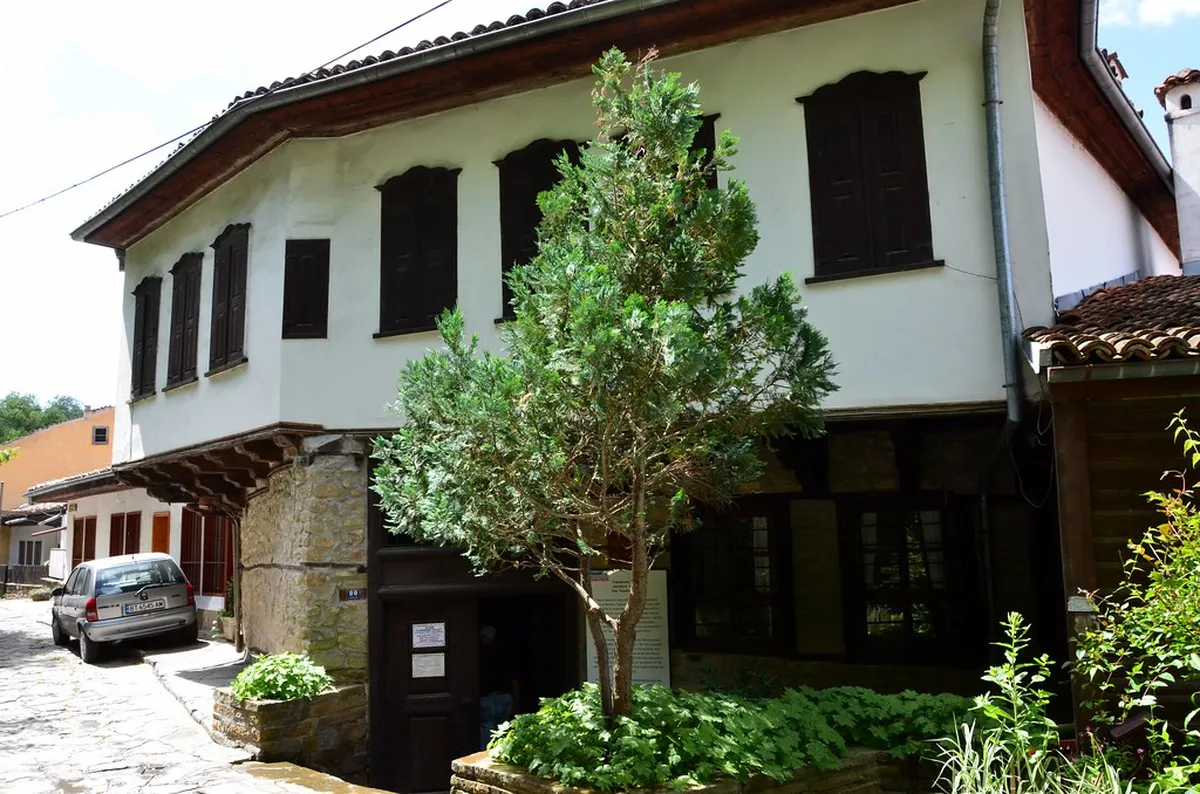
West of the fortresses, the old town centers on Samovodska Charshia Visitor Guide, a Revival-era craft street where potters and coppersmiths still work in open workshops, and Gurko Street Visitor Guide, whose tiered houses step down toward the river. Partway along Gurko Street, the Sarafkina House Visitor Guide museum shows what one of those houses looked like furnished. The two streets are a five-minute walk apart, so it's easy to work both into a single loop rather than backtracking through the old town twice.
If you're planning around a theme rather than a map, here's the same 10 attractions sorted by type.
Fortresses & medieval sites: Tsarevets Fortress and Trapezitsa Fortress — the two hilltop citadels of the Second Bulgarian Empire. Prioritize these if you only have a few hours and want the raw medieval history without the museum detail.
Revival streets & houses: Samovodska Charshia, Gurko Street, and Sarafkina House — the 19th-century craft-town side of the city, better suited to a slower, browsing pace than a checklist.
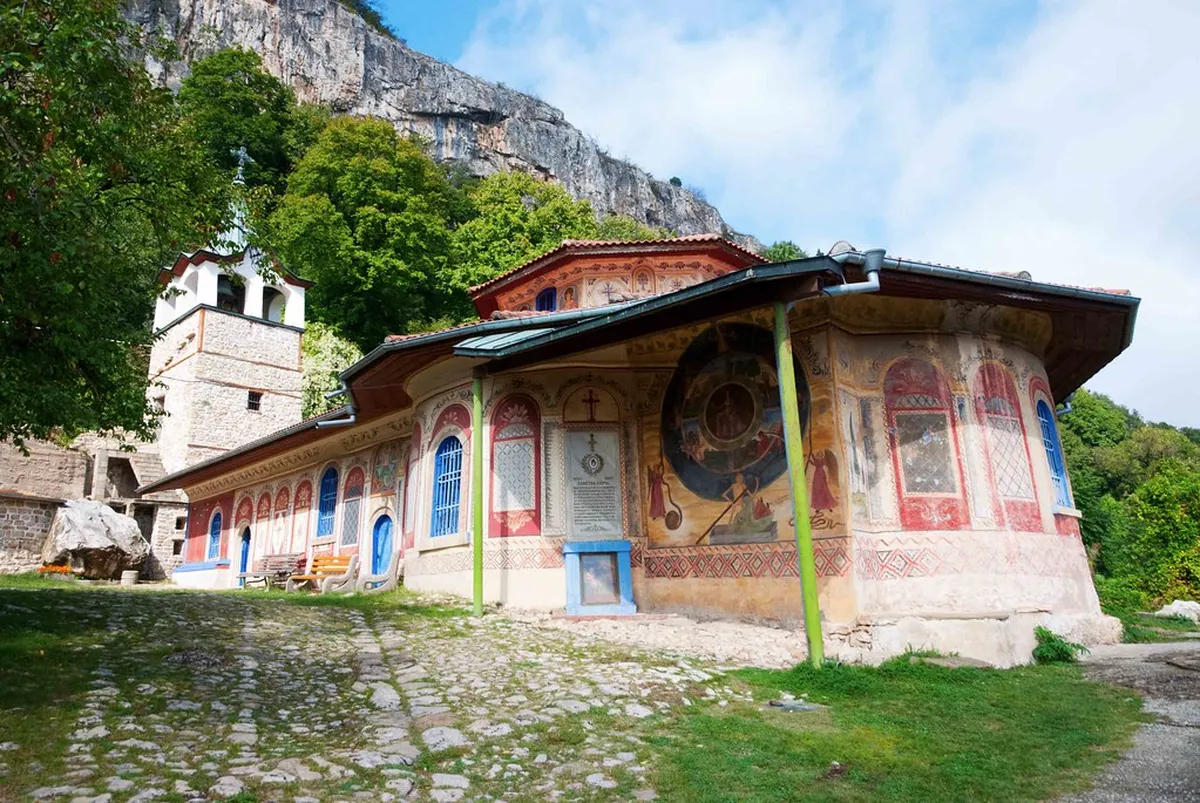
Monasteries & churches: Holy Forty Martyrs Church, Preobrazhenski Monastery, and Arbanasi's fresco-filled churches — the religious and artistic thread that runs from the medieval capital through the Ottoman-era village.
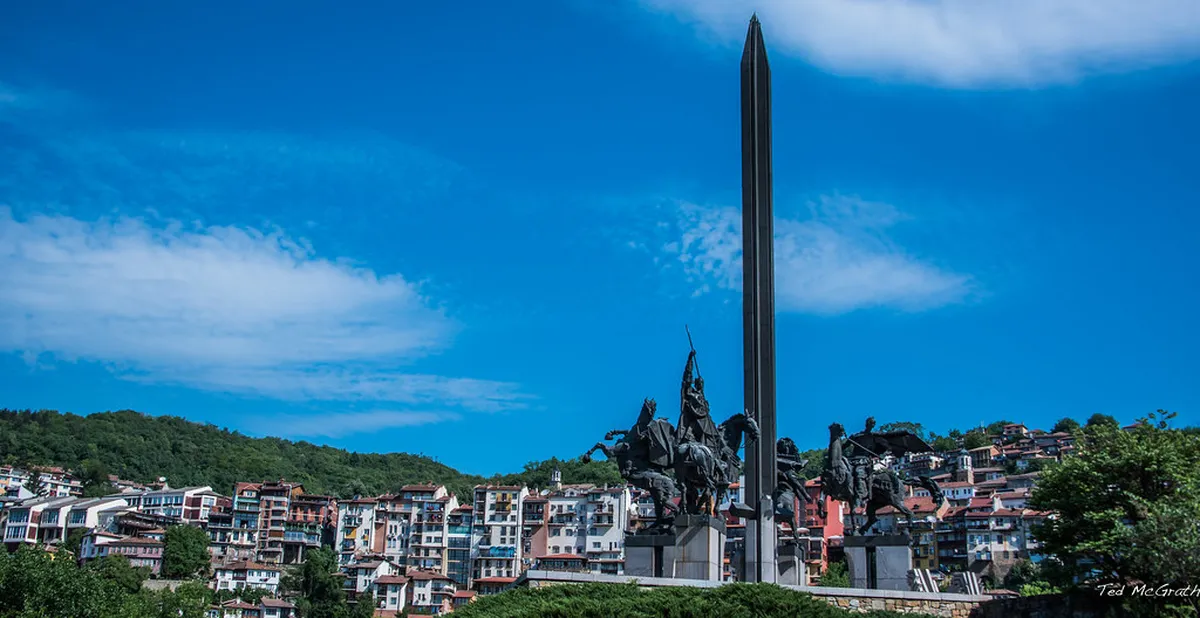
Family-friendly: Mini Bulgaria Park (scale models kids can run between) and the Monument to the Asen Dynasty (open space, no tickets or queueing, and a genuine landmark rather than a consolation stop).
Free vs paid: what costs money in Veliko Tarnovo
Five of the 10 attractions cost nothing to visit; the rest charge a ticket. Prices below are verified for 2026, quoted in euro following Bulgaria's 2026 currency changeover.
Free: Samovodska Charshia, Gurko Street, the Monument to the Asen Dynasty, Preobrazhenski Monastery, and Arbanasi's village streets (its two museum houses charge separately, see below).
Tsarevets Fortress — €7.67
Trapezitsa Fortress — €5.11 (plus €5.11 round trip on the seasonal funicular, May–October)
Holy Forty Martyrs Church — €5.11
Sarafkina House — €5.11
Mini Bulgaria Park — €9.00
Arbanasi's ticketed museum sites (Church of the Nativity, Konstantsalieva House) — €7.67 each
A combined 10-site museum pass covering most of the above costs €20.45 and is sold April–October; museum sites also waive admission on the last Thursday of the month.
Suggested itineraries: 1, 2, and 3 days in Veliko Tarnovo
One day
Start early at Tsarevets Fortress (allow 2–3 hours to reach the summit and walk the walls before the midday heat and tour-bus crowds arrive), then walk down into the old town for Samovodska Charshia, Gurko Street, and Sarafkina House — roughly another 2 hours if you browse the workshops. Finish at the Monument to the Asen Dynasty for the sunset view over the gorge. If a Tsarevgrad Tarnov Sound and Light show is scheduled that evening, it's visible free from Tsar Asen Square across the ravine, so it's worth checking the calendar before you book dinner.
Two days
Follow the one-day plan above, then dedicate day two to the two day trips: Arbanasi in the morning (2–3 hours covers the village streets and both ticketed sites), Preobrazhenski Monastery in the afternoon. Both are a short taxi ride from the old town and pair well together since they're in the same direction, so one driver for the whole day is usually the simplest arrangement.
Three days
Add Trapezitsa Fortress and Mini Bulgaria Park at a slower pace, and leave room to double back to any museum you rushed — the 10-site combined pass makes this cheap to do. A third day is also the more comfortable option if you're traveling with kids, since it spreads the steep old-town walking across more, shorter outings rather than two long ones.
Getting around Veliko Tarnovo
The old town is walkable but steep — expect cobbled hills between the fortresses and the river, not a flat stroll, and comfortable shoes matter more here than in most Bulgarian cities. The Trapezitsa funicular only runs May through October; outside that window, reaching the fortress means walking the access road. Parking near the Tsarevets entrance fills up by mid-morning in high season, so arriving on foot from an old-town base is usually faster than driving in. For Arbanasi and Preobrazhenski Monastery, there's no convenient public transport — a short taxi ride is the practical option for both, and drivers are used to combining the two into one loop.
Best time to visit Veliko Tarnovo attractions
Spring and autumn give the clearest light for the hilltop views and cooler temperatures for the climb up to Tsarevets — April, May, September, and October are the sweet spot for walking the fortress walls without midday heat. Summer brings the fullest Sound and Light show calendar but also the biggest crowds and the hottest exposed walking on Tsarevets. Winter is quiet and the old town still photographs well under snow, but two closures need to be planned around: Trapezitsa Fortress closes for the season, December through March, and Sarafkina House is closed Sundays and Mondays year-round regardless of season.
How to save money on Veliko Tarnovo attractions
The 10-site combined museum pass (€20.45, April–October) covers most of the ticketed sites above and is cheaper than paying separately for more than three. Museum sites also waive admission on the last Thursday of every month. Beyond that, five of the city's best attractions — Samovodska Charshia, Gurko Street, the Monument to the Asen Dynasty, Preobrazhenski Monastery, and Arbanasi's streets — are free viewpoints or public spaces year-round.
FAQ: Veliko Tarnovo attractions
What is Veliko Tarnovo famous for?
Veliko Tarnovo was the capital of the Second Bulgarian Empire (1185–1393), and it's best known for Tsarevets Fortress, the hilltop citadel where that empire's tsars ruled, plus its intact 19th-century Revival-era old town.
How many days do you need in Veliko Tarnovo?
One full day covers the fortress and old town highlights. Two to three days lets you add the Arbanasi and Preobrazhenski Monastery day trips without rushing.
Is Tsarevets Fortress worth visiting?
Yes — it's the city's flagship attraction, with restored walls, the Patriarchal Cathedral, and palace ruins across a 206-metre hill, plus seasonal evening Sound and Light shows.
Are Veliko Tarnovo's attractions free?
Five of the 10 main attractions are free: Samovodska Charshia, Gurko Street, the Monument to the Asen Dynasty, Preobrazhenski Monastery, and Arbanasi's village streets. The rest charge between €5.11 and €9.00.
What is the best time to visit Veliko Tarnovo?
Spring and autumn for comfortable hiking weather and clear hilltop views; summer if you want to catch the Sound and Light show calendar. Avoid winter if Trapezitsa Fortress (closed December–March) is a priority.
How do you get from Veliko Tarnovo to Arbanasi?
Arbanasi is 4 km from the old town — a short taxi ride, or a manageable walk/cycle if you don't mind the incline.
Is Trapezitsa Fortress open in winter?
No — it closes for the season from December through March. Visit Tsarevets instead if you're in Veliko Tarnovo in winter.
What is the Sound and Light show at Tsarevets?
The Tsarevgrad Tarnov Sound and Light show uses lights and music projected onto Tsarevets Fortress on selected evenings, usually in the warmer months. It's visible free from Tsar Asen Square on the opposite side of the gorge.
Plan your Veliko Tarnovo trip
For more detail on any of the above, see our full guides: