Ultimate Rock-Hewn Churches of Ivanovo Visitor Guide
The Rock-Hewn Churches of Ivanovo offer a stunning glimpse into medieval spiritual life within Bulgaria. These cliffside sanctuaries sit high above the scenic river valley near the city of Ruse. Visitors can explore ancient frescoes that have survived for hundreds of years inside solid stone walls. This UNESCO World Heritage site remains a top destination for history lovers and hikers alike.
To see the cliff-carved churches and their UNESCO-listed frescoes, this video offers a visual tour of the complex:
Reaching the site requires a short drive through the beautiful landscapes of the Rusenski Lom Nature Park Visitor Guide. Most travelers start their journey from the nearby urban center to enjoy a full day of exploration. You will find the transition from city streets to rugged cliffs quite refreshing. Planning your visit in 2026 ensures you see the latest preservation efforts at this historic location.
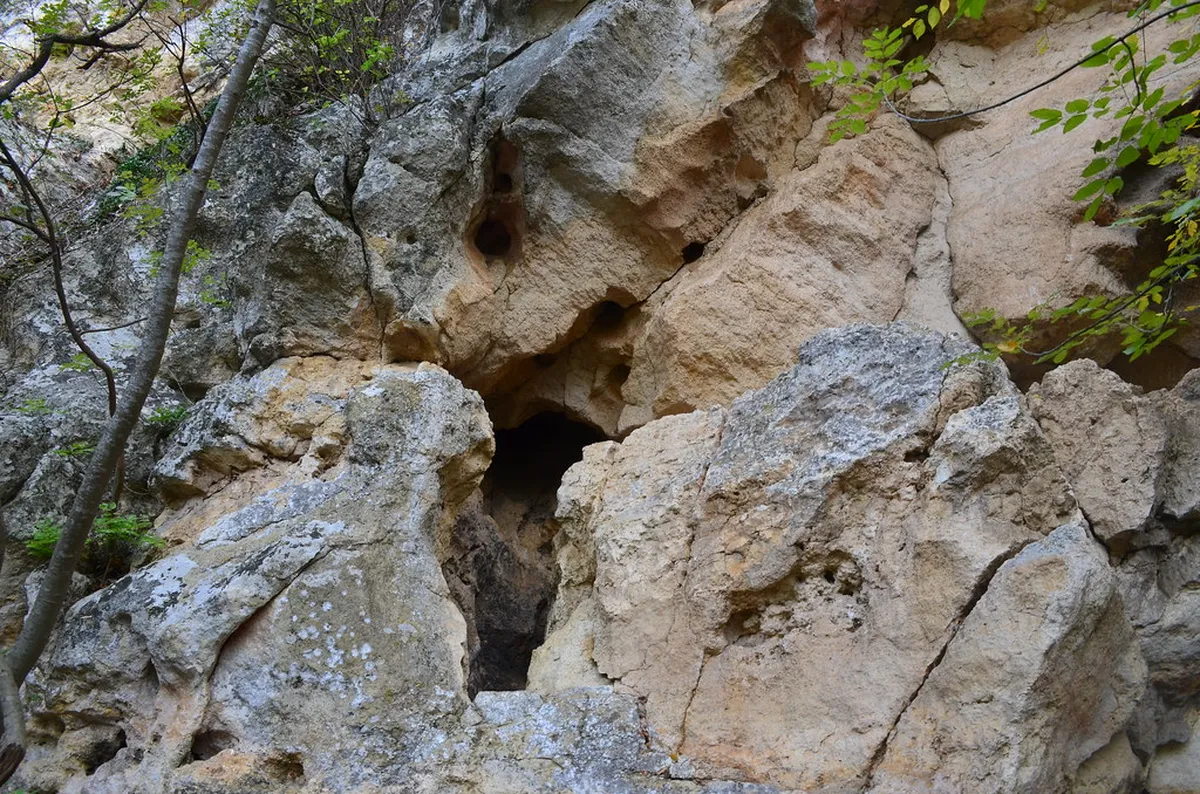
The complex consists of several chapels, churches, and cells carved directly into the limestone rock. These structures represent a peak in medieval Bulgarian artistry and monastic dedication. Every step along the cliff paths reveals a different perspective of the surrounding canyon. This rock-hewn churches of ivanovo visitor guide will help you navigate the trails and history with ease.
History and Cultural Significance
The complex began in the early 13th century, when the monk Joachim carved the first cells into the Rusenski Lom cliffs to found a hermit lavra. Tsar Ivan Asen II of the Second Bulgarian Empire backed the growing monastery, and Joachim later became the first Patriarch of the restored Bulgarian Church — a rare direct link between a rock-cut sanctuary and the top of the medieval Bulgarian church hierarchy. Later tsars kept funding new chapels and cells, and the site grew into the largest rock-hewn monastery complex in the country.
The Bulgarian state declared the surrounding cliffs a National Archaeological Reserve in 1978, and UNESCO added the churches to its World Heritage List the following year, in 1979 — one of Bulgaria's first inscriptions. The listing singles out the 13th- and 14th-century murals in the 'Holy Mother of God' church as a benchmark of Palaeologan-style painting, the last great flowering of Byzantine-influenced art before the Ottoman conquest. You can learn more about this era at the Regional Historical Museum Ruse Visitor Guide before your trip.
For roughly two centuries the complex doubled as a scriptorium and school: monks copied religious manuscripts and trained students inside the rock-cut cells, helping keep Bulgarian literacy alive through a turbulent period for the Second Bulgarian Empire. Earthquakes, erosion, and the Ottoman conquest emptied most of the dozens of churches, chapels, and cells that monks carved into the cliff face, and only a handful remain open to visitors today, chief among them the frescoed 'Holy Mother of God' church. Understanding this monastic and scholarly legacy adds real depth to the physical climb up the cliff.
Getting to Ivanovo from Ruse
Most visitors start from 10 Top Things to Do in Ruse, Bulgaria, about 20 km north of the site. The drive south on the well-marked road toward Ivanovo village takes roughly 25 minutes, and a small parking area sits near the base of the trail leading up to the church cliff. Renting a car is the easiest way to combine the churches with other stops in Rusenski Lom Nature Park Visitor Guide on the same day.
A taxi from central Ruse is a straightforward alternative if you don't want to drive. Expect a round trip in the region of 40-60 BGN (roughly 20-30 EUR), and agree the fare and a pickup time before you set off, since taxis rarely wait at the site itself. Many travelers arrange their driver near Freedom Square (Ploshtad Svoboda) Visitor Guide early in the morning to beat the day-trip coach groups.
Without a car, take a train on the Ruse-Gorna Oryahovitsa line to Ivanovo station, a ride of about 20-25 minutes. From there it's roughly 3-4 km east through the nature park to the church cliff — walkable in under an hour, or a short local taxi ride if you'd rather save your legs for the stairs. Confirm the current 2026 timetable before you go, since the Ivanovo line runs a limited number of trains per day.
Exploring the Main Church Complex
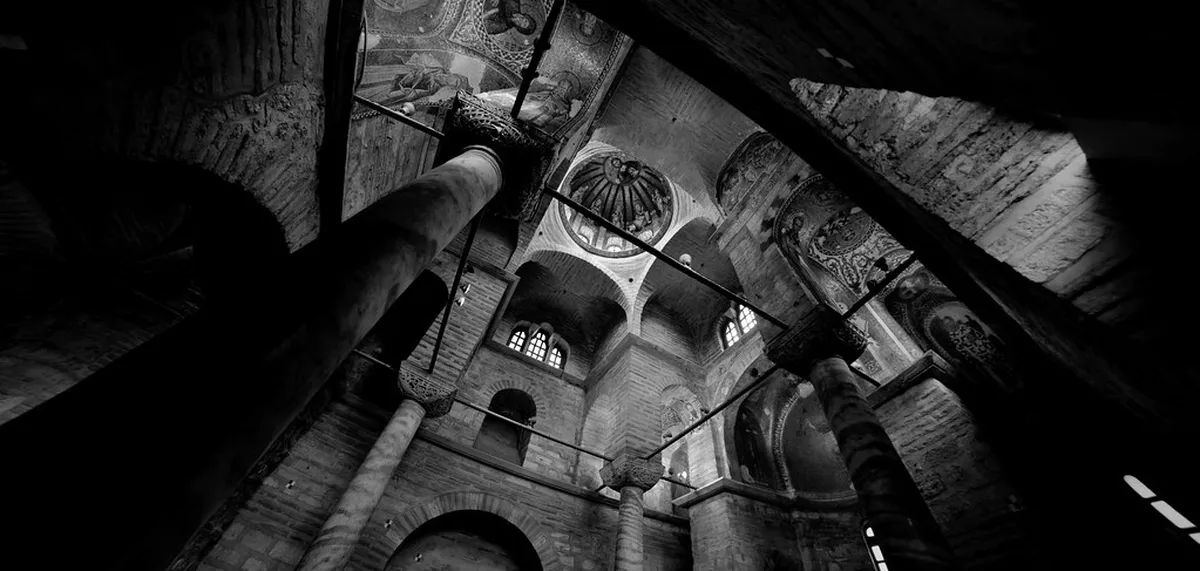
The 'Holy Mother of God' church — known locally as 'Tsarkvata,' simply 'the Church' — is the reason most people make the trip. It holds the best-preserved fresco cycle in the whole complex, reached by a steel staircase bolted to the cliff face that climbs well above the valley floor. The stairs are safe but exposed in places, and the view back down the river canyon is worth the pause halfway up.
Inside, the 13th- and 14th-century murals cover biblical scenes in colors that have held remarkably well against centuries of damp limestone. Photography inside the church is restricted to protect the pigments — flash is banned outright, and whether non-flash shots are allowed depends on the curator on duty that day, so ask before you raise a camera. Exterior and canyon photography is unrestricted, and most visitors get better shots of the cliff face from the opposite bank anyway.
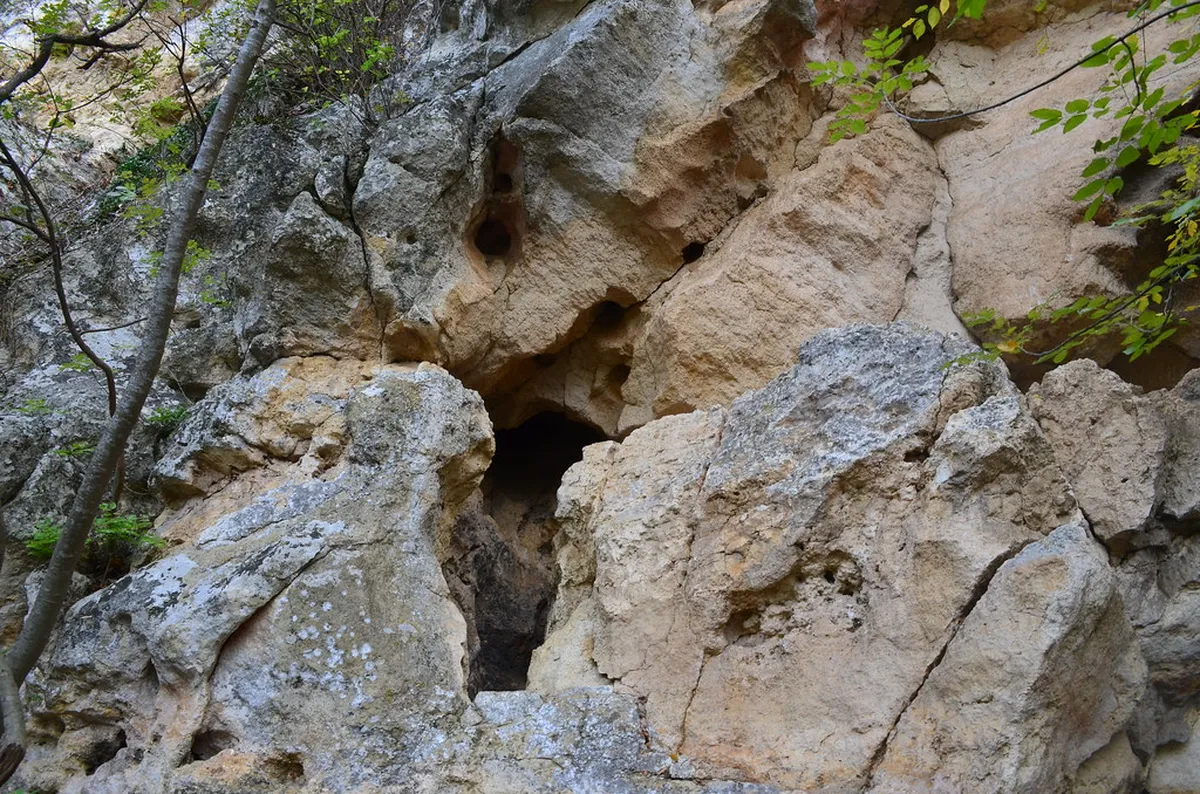
Several smaller chapels and monk cells are cut into the same stretch of cliff, though a number of them are closed to visitors for ongoing conservation work. The ones you can reach show bare rock walls and simple carved niches — a plainer, more humbling contrast to the frescoed main church. Each one is a reminder that most of the medieval complex was a working monastery, not a gallery.
- Key Features of the Main Church
- Location: Main cliff face, 'Holy Mother of God' church
- Art Style: Palaeologan Renaissance frescoes (13th-14th c.)
- Access: Steel staircase bolted to the cliff
- Rule: No flash photography inside
Hiking in Rusenski Lom Nature Park
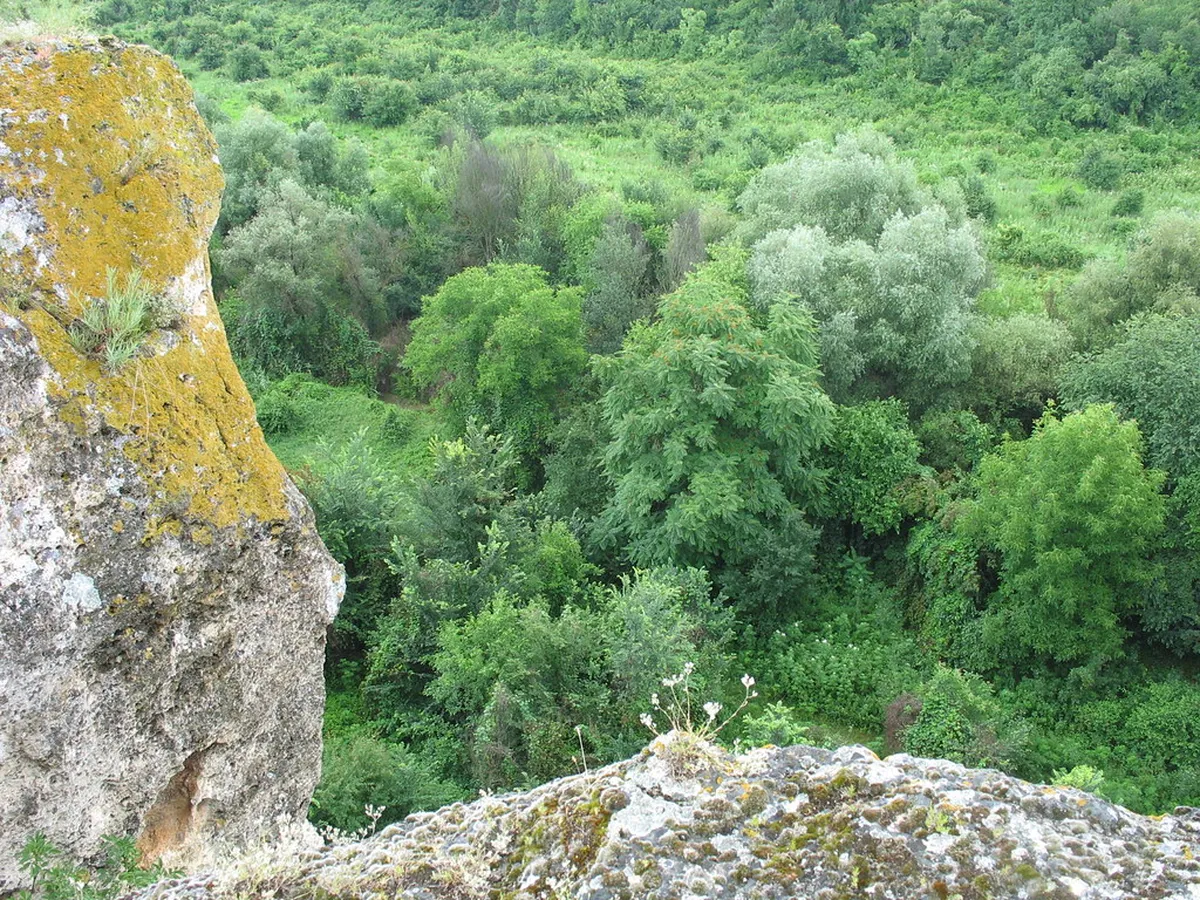
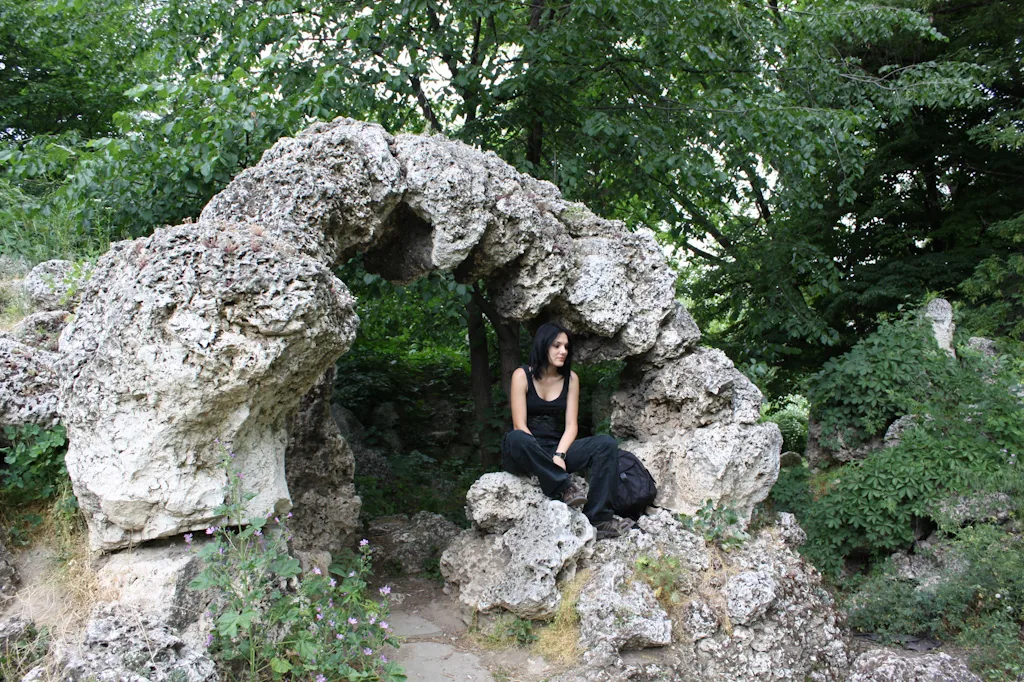
The churches sit inside a protected river canyon known for its rock formations, mixed forest, and the birdlife that nests in the cliffs. Combining the historical tour with a stretch of the marked canyon trails is the standard way to spend a half or full day here, and the paths range from short, flat riverside walks to longer climbs suited to fitter hikers.
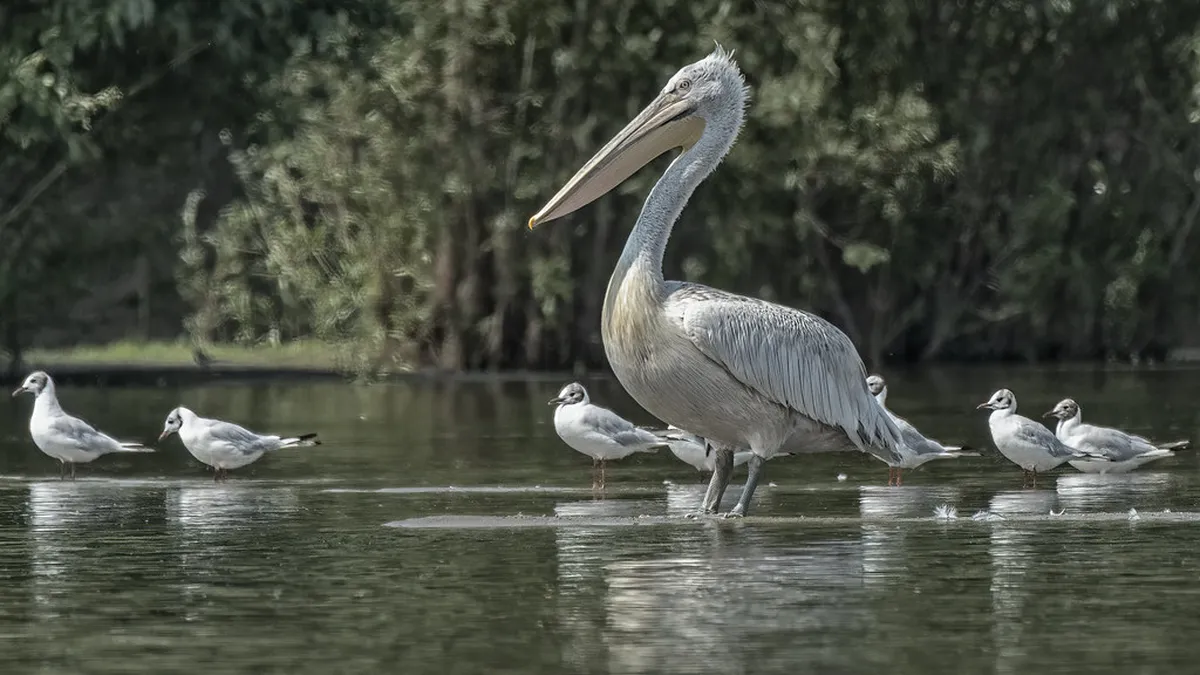
The park is one of the best places in Bulgaria to watch birds of prey and black storks nesting on cliff ledges, especially through spring and early summer. Following the trail network north eventually reaches Basarbovo Rock Monastery, Bulgaria's only still-active rock monastery and a natural second stop for the same day.
Wear proper walking shoes — the limestone paths get slick after rain, and there is minimal shade once you're on the open cliff sections. Bring water and snacks, since the only reliable facilities are near the main parking area, and cell signal is patchy once you drop into the canyon.
Essential Tips for Your Visit
The Ruse Regional Historical Museum, which manages the site, runs it daily from 09:00 to 18:00 between April and the end of November. From December through March the complex is closed for winter, though the museum can sometimes open it for a pre-arranged visit if you contact them ahead of time — a useful option for anyone passing through Ruse outside the main season and unwilling to skip the site entirely.
Under the museum's 2026 price list, adult entry is 5.00 EUR (9.78 BGN), with a reduced rate of 2.50 EUR (4.89 BGN) for students, pupils, and pensioners. Groups of five or more pay 3.00 EUR (5.87 BGN) per person, which is worth organizing if you're traveling with extended family or a small tour group. A guided tour costs 7.50 EUR (14.67 BGN) in Bulgarian or 12.50 EUR (24.45 BGN) in English, and is the easiest way to get the historical context the frescoes don't spell out on their own.
Arrive early to beat both the midday heat and the tour-bus groups that tend to land around midday. The climb to the main church is steep, unshaded, and not wheelchair or stroller accessible, so budget extra time and a couple of rest stops if mobility is a concern. Bring small BGN notes for the ticket booth, since card acceptance at this rural site can be inconsistent.
Continue planning: Use Ruse Attractions: 10 Top Things to Do in Ruse, Bulgaria to connect this guide with the rest of your Bulgaria itinerary.
Frequently Asked Questions
Are the Ivanovo rock churches a UNESCO World Heritage Site?
Yes. The Rock-Hewn Churches of Ivanovo were inscribed on the UNESCO World Heritage List in 1979, among Bulgaria's first entries, and the surrounding area was declared a National Archaeological Reserve the year before. The listing recognizes the exceptional 13th- and 14th-century frescoes as masterpieces of Bulgarian medieval and Palaeologan art.
Which church holds the famous frescoes?
The celebrated murals are in the 'Holy Mother of God' church (locally called 'Tsarkvata' — 'The Church'), the visitable core of the medieval St. Archangel Michael rock monastery. Its 14th-century fresco cycle is considered among the finest Palaeologan-style painting in the Balkans — don't confuse the site with Cappadocia's cave churches or other Bulgarian rock monasteries.
What are the opening hours, and is the site open in winter?
The Ruse Regional Historical Museum, which manages the site, lists hours of 09:00-18:00 with no closing day. In practice the complex operates seasonally from April to the end of November; from December through March it is closed for winter and can normally be opened only by prior request to the museum. Check museumruse.com before an off-season trip.
How much is the entrance fee?
Per the Ruse Regional Historical Museum's 2026 price list, adults pay 5.00 EUR (9.78 BGN); students, pupils and pensioners 2.50 EUR (4.89 BGN); and organized groups of five or more 3.00 EUR (5.87 BGN) per person. A guided tour costs 7.50 EUR (14.67 BGN) in Bulgarian or 12.50 EUR (24.45 BGN) in English.
How do I get there from Ruse without a car?
Take a train on the Ruse-Gorna Oryahovitsa line to Ivanovo station (about 20-25 minutes), then walk or take a local taxi the remaining 3-4 km east through Rusenski Lom Nature Park to the church cliff. Alternatively, a taxi or organized day tour from Ruse covers the roughly 20 km directly, often bundled with Basarbovo Monastery.
Can I combine Ivanovo with Basarbovo Rock Monastery in one trip?
Yes — it is the classic Rusenski Lom half-day loop. Basarbovo Monastery lies about 10-12 km from Ruse and Ivanovo about 20 km, in the same river valley, so taxis and tours routinely pair them; allow around 4-5 hours for both including walking time.
Is photography allowed inside the frescoed church?
Photography inside the 'Holy Mother of God' church is restricted to protect the fragile 13th-14th-century murals — flash is prohibited, and whether non-flash photography is permitted can vary, so ask the on-site curator before shooting. Photography of the cliffs, valley and exterior is unrestricted.
The Rock-Hewn Churches of Ivanovo stand as a testament to Bulgaria's rich medieval heritage and artistic spirit. Exploring these cliffside wonders provides a unique blend of adventure, history, and natural beauty. Whether you are admiring the frescoes or hiking the canyon, the experience is memorable. Make sure to include this UNESCO site in your 2026 travel plans for the Ruse region.
Planning ahead with this rock-hewn churches of ivanovo visitor guide ensures a smooth and rewarding trip. From the intricate murals to the sweeping views of the nature park, every moment offers something special. Take your time to soak in the quiet atmosphere of these ancient stone sanctuaries. Your journey into the heart of Bulgarian history starts here among the cliffs.
For more Ruse planning, read our 20 Best Things To Do in Ruse 2026 (Bulgaria's Little Vienna) guide.
For official details, visit the Rock-Hewn Churches of Ivanovo on Wikipedia and Rock-Hewn Churches of Ivanovo official site.