Dzhumaya Mosque Visitor Guide: 7 Essential Tips for Your Visit
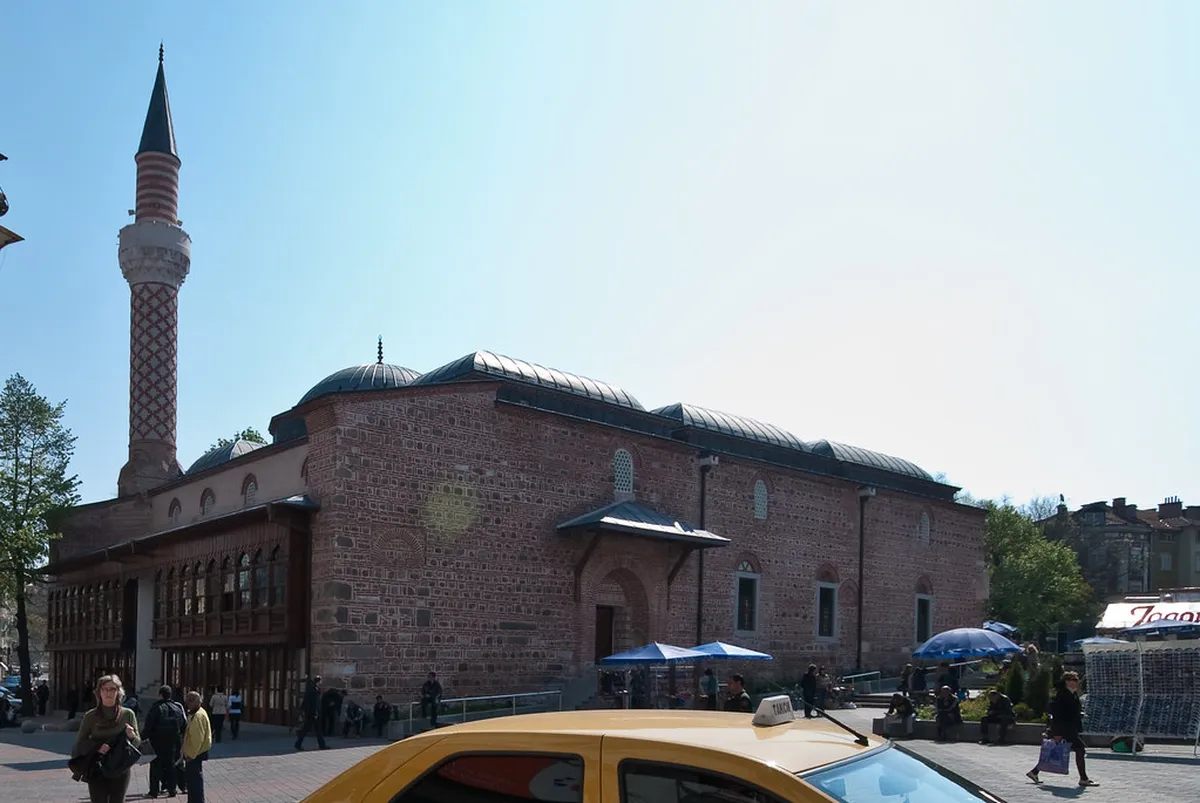
The Dzhumaya Mosque serves as a stunning centerpiece in the vibrant cultural landscape of Plovdiv, Bulgaria. This ancient place of worship showcases the city's unique blend of Eastern and Western influences throughout the centuries. Visitors often find themselves drawn to its towering minaret and distinct multi-domed roof while exploring the main pedestrian street.
To experience the mosque's nine domes and atmospheric prayer hall before visiting, this video offers a thorough walk-through:
Using a comprehensive dzhumaya mosque visitor guide helps you navigate the local customs and historical layers of this active religious site. You will discover how the mosque integrates perfectly with the surrounding Roman ruins and modern cafes. This guide provides everything you need to ensure a respectful and rewarding visit to this Balkan landmark.
Quick Facts: History and Architecture of the Friday Mosque
A mosque first stood on this spot soon after the Ottoman conquest of Plovdiv in 1363-64, raised over the razed St. Petka Tarnovska cathedral church. The building visitors see today was erected later, during the reign of Sultan Murad II (1421-1451), which makes it one of the oldest Ottoman religious structures still standing in the Balkans. Its full name, Ulu Dzhumaya Mosque, translates as "Main Friday Mosque," and older locals still sometimes call it Muradiye, after the sultan who commissioned it.
Architecturally, the mosque is unusual for having nine lead-covered domes rather than the single central dome typical of later Ottoman design. The walls use a "cellular" masonry technique that alternates courses of stone and red brick, a method borrowed from Byzantine and older Bulgarian building traditions. The minaret rises from the northeastern corner in a distinctive zigzag brick pattern and functions as a landmark you can spot from most of the pedestrian zone. According to Historyhit.com, it remains one of the oldest and largest surviving examples of Ottoman religious architecture in the Balkans.
Inside, four massive square pillars divide the roughly 40-by-30-meter prayer hall and carry the weight of the domes above, with the central dome set slightly higher to draw light and the eye upward. The painted decoration on the walls is dominated by twigs, flowers, and garlands framing medallions inscribed with Koranic calligraphy, work dated to the 18th and 19th centuries rather than the building's original construction.
Because "Friday Mosque" was such a common designation across the Ottoman Balkans, it's easy to conflate this one with others of a similar name. Sofia has its own former Buyuk Dzhamiya, or Grand Mosque, from roughly the same era, but that building stopped functioning as a mosque generations ago and today houses Bulgaria's National Archaeological Institute and Museum. Plovdiv's Dzhumaya Mosque is one of the few Ottoman-era mosques in the country still in daily religious use, which is precisely why the etiquette covered below matters here in a way it simply wouldn't at a converted museum building.
Essential Visitor Information: Hours, Entry, and Access
Entry to the mosque is free for everyone in 2026, with no ticket counter and nothing to book in advance. The honest framing for timing is simply "outside prayer times" — the mosque is an active place of worship, so its opening pattern follows the daily prayer schedule rather than a fixed tourist timetable, and it's worth checking with staff on-site or asking locally if you're visiting around a major Islamic holiday.
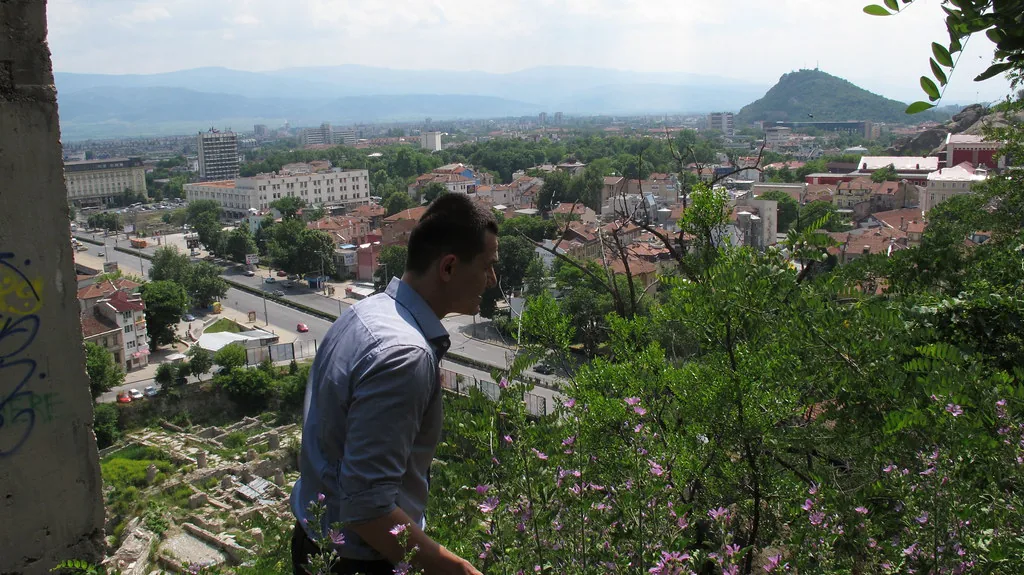
The mosque sits on Dzhumaya Square in the very center of the city, immediately above the northern end of the Roman Stadium of Philippopolis, just west of the Old Town and at the edge of the Kapana creative district. This central position makes it an easy stop during any walk through the Plovdiv pedestrian core. Most visitors spend 30 to 45 minutes exploring the prayer hall and courtyard.
Accessibility is generally good since the mosque sits flush with the flat, fully pedestrianized square, but the entrance itself involves a few worn stone steps with no ramp, which can be a real obstacle for wheelchair users or anyone with significant mobility limitations. The surrounding square is free of vehicle traffic, so the approach itself is safe and unhurried even if the final few steps require some agility.
Staff are usually present near the entrance to answer questions about the building, help with a scarf or wrap, or point you toward the shoe shelves. Their presence keeps the shift from the busy pedestrian street outside to the quiet prayer hall inside feeling calm rather than abrupt.
Best Time to Visit: Timing Your Trip Like a Pro
For the quietest visit, aim for a weekday morning around 10:00, well after the dawn prayer and before the midday rush. Crowds are thinnest then and the low morning light brings out the detail in the painted wall decoration better than the harsher light later in the day.
Friday is the exception that matters most: it's the holy day for Plovdiv's Muslim community, and you should avoid the interior between 12:00 and 14:00, when the mosque is reserved for the main congregational prayer. Beyond Friday, the mosque also pauses tourist entry briefly around each of the five daily prayers — these interruptions are short, nothing like the extended closures you'll find at some larger tourist mosques abroad, so a bit of flexibility rather than a strict schedule is really all you need. Excursionmania.com confirms the mosque is strictly reserved for worshipers during these Friday afternoon hours.
For photography, exterior shots of the minaret and domes are strongest in the late afternoon, when low sun and the shadows of surrounding buildings pick out the texture of the brickwork. Interior photos work better in the morning light described above.
Seasonally, summer brings the heaviest tourist traffic to Dzhumaya Square, while winter is markedly quieter and more contemplative. Spring and autumn split the difference with comfortable walking temperatures for combining the mosque with the rest of central Plovdiv.
Rules and Restrictions: Dress Code and Etiquette
Both men and women need clothing that covers shoulders and knees before entering the prayer hall. If you turn up in shorts or a tank top, don't worry — the mosque keeps free robes at the entrance for exactly this situation.
Women are asked to cover their hair with a headscarf inside the prayer hall. Bring your own or borrow one from the baskets by the front door; it's a small gesture that goes a long way toward respecting the building's living religious function rather than treating it purely as a monument.
Everyone removes their shoes before stepping onto the carpets, and wooden shelves near the entrance hold footwear safely during your visit. Photography is generally allowed inside as long as you skip the flash and avoid pointing your camera at people who are actively praying or performing ablutions; keep your voice low and move slowly rather than cutting across the hall.
A few mistakes trip up first-time visitors more than any others.
- Assuming you need a ticket or a booked time slot the way some larger tourist mosques abroad require — Dzhumaya has neither; you simply walk in outside prayer times.
- Skipping a scarf because "the mosque is closed anyway" during a brief prayer pause, when in fact waiting a few minutes just outside is all that's needed.
- Heading straight to the center of the hall for photos, which blocks the sightline for worshippers; the doorway and side aisles give an equally good view of the domes without getting in anyone's way.
Select Your Experience: Highlights and Interior Details
The prayer hall's four square pillars carry the nine domes overhead, and the central dome sits slightly higher than the rest, opening up a sense of verticality that's easy to miss if you only glance up once on your way through.
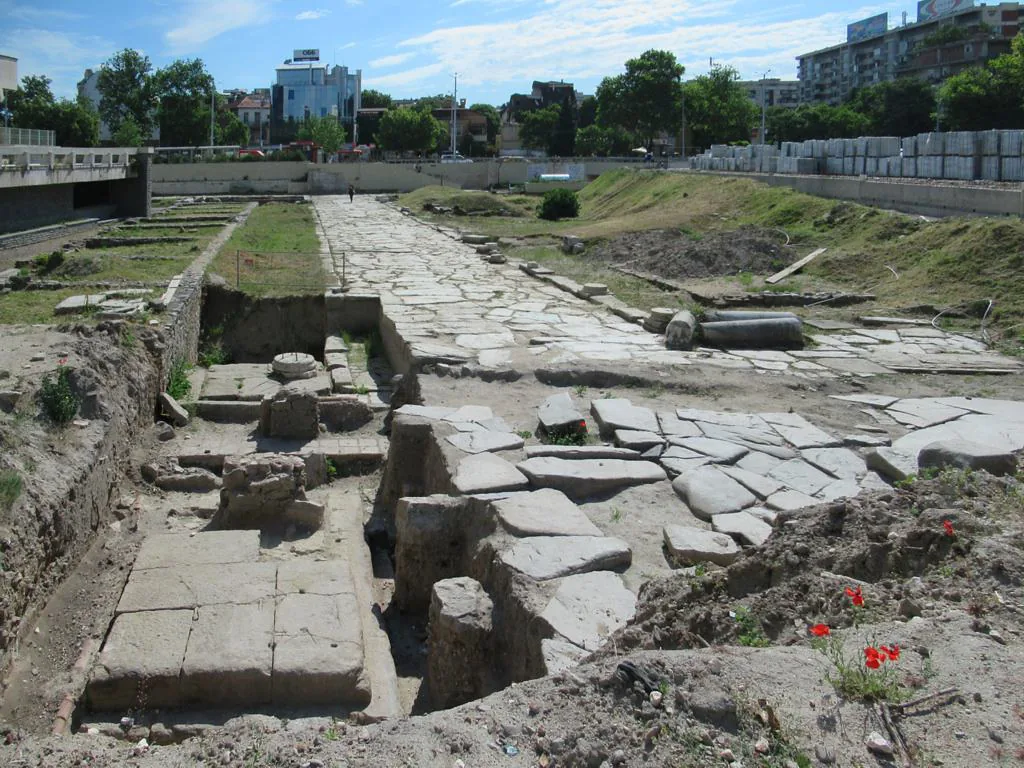
One perspective many visitors skip entirely is the view from the adjacent, excavated Roman Stadium level: walk down the stairs into the lower stadium area on the square and look back up at the mosque's foundations and walls from below. It's the clearest single vantage point in the city for seeing how modern and Ottoman Plovdiv are literally built on top of Roman Philippopolis.
Right at the mosque's entrance sits the Dzhumaya Cafe, worth a stop for sand-brewed Turkish coffee and honey-soaked baklava, typically 3 to 5 BGN a cup. Weekends bring a genuine wait for a table given the tiny footprint of the seating area, while a weekday visit almost always gets you a seat with a view of the minaret within a few minutes — the trade-off is simply busier, more atmospheric weekends versus a near-instant weekday seat.
Inside, take a slower pass along the walls to pick out the medallions of Koranic calligraphy framed by painted twigs and garlands — restoration work from the 18th and 19th centuries that's easy to walk past if you're focused only on the domes and the minaret outside.
What Else is Worth Visiting Nearby in Plovdiv?
The mosque sits directly above the northern end of the Roman Stadium of Philippopolis, so you can view the marble seating and track of this ancient arena just a few steps from the entrance. This proximity lets you take in two distinct eras of Plovdiv's history in a single glance.
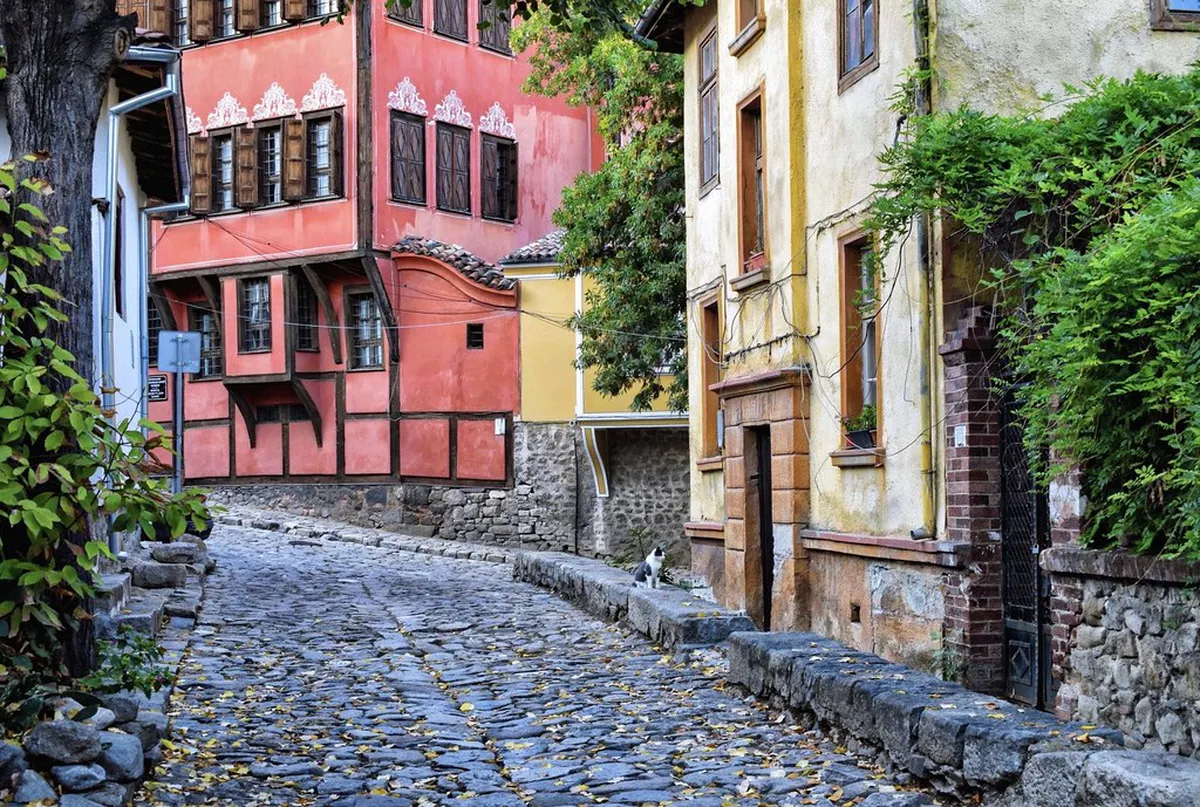
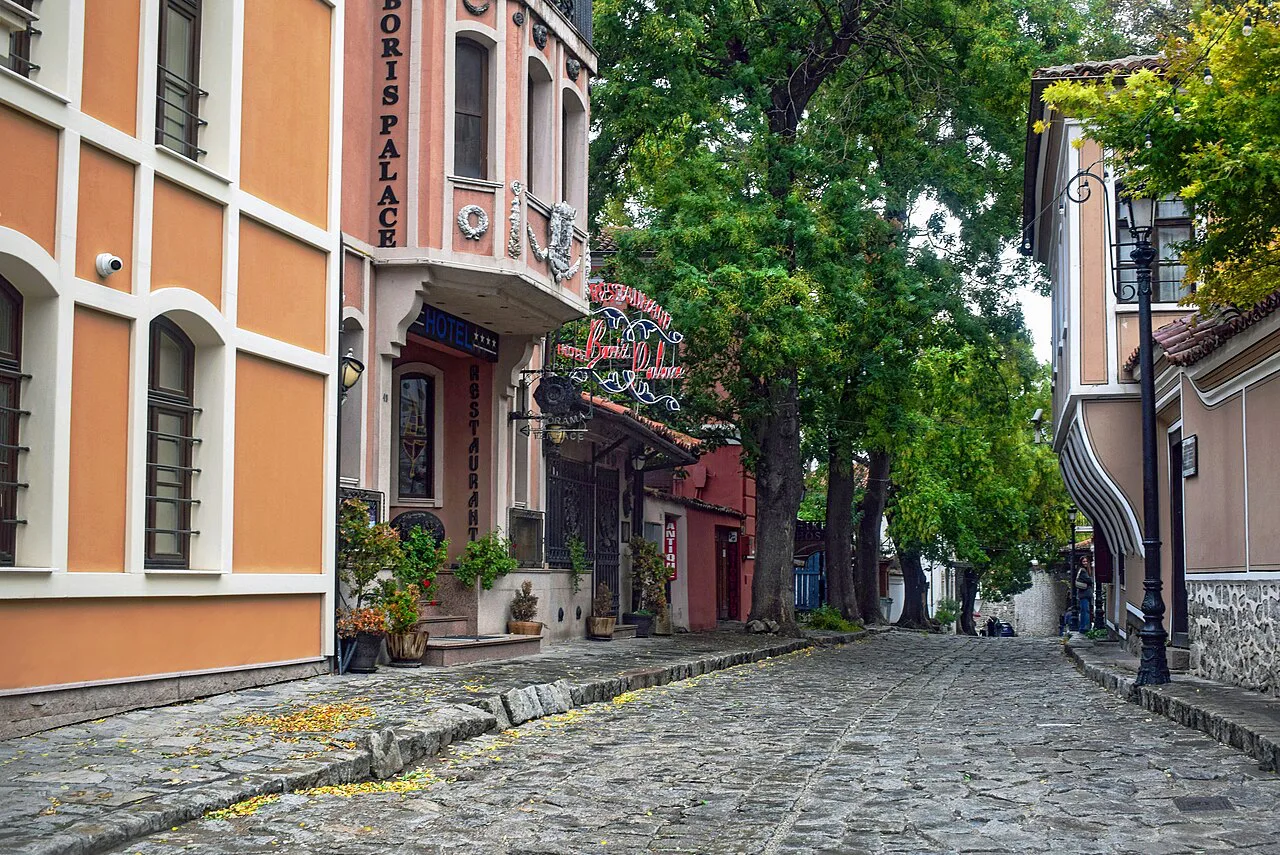
A short walk brings you into the Plovdiv Old Town, packed with colorful 19th-century mansions and cobblestone streets that feel like a living museum. It's the natural place to continue a historical walk after leaving the mosque.
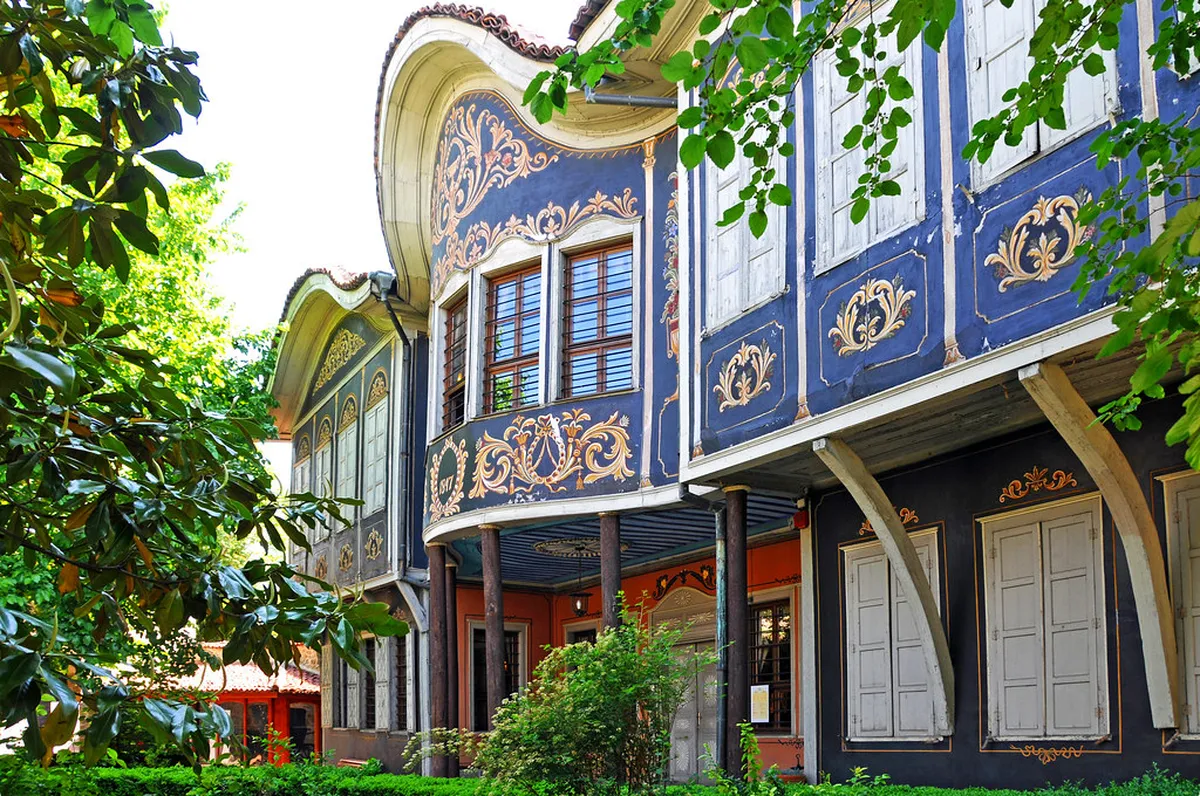
The Regional Ethnographic Museum Plovdiv, housed in a striking baroque-style mansion, is only a short walk away and covers the traditional crafts, costumes, and everyday life of the wider Plovdiv region. It rounds out the Ottoman-era story the mosque tells with a more domestic, civic angle.
Nearby too is the Ultimate Balabanov House Visitor Guide, a well-preserved example of the symmetrical Bulgarian National Revival architecture that took over from Ottoman styles in the 19th century, and now hosts cultural events and exhibitions. Together, these sites give a fuller picture of the layered heritage that makes Plovdiv's center such a dense, walkable "cultural melting pot" — Roman, Ottoman, and Revival-era Bulgarian, often within sight of each other.
Continue planning: Use Plovdiv Attractions: 12 Top Sights, Tickets & Tips to connect this guide with the rest of your Bulgaria itinerary.
Frequently Asked Questions
Is there an entry fee for Dzhumaya Mosque?
No, there is no entry fee for the Dzhumaya Mosque in Plovdiv. It is free for all visitors to enter and explore the interior prayer hall. You can find more details about local landmarks in our Plovdiv city guide to help plan your budget.
What is the dress code for visiting a mosque in Bulgaria?
Visitors must dress modestly by covering their shoulders and knees. Women are also required to wear a headscarf inside the prayer hall. The mosque provides free robes and scarves at the entrance for those who need them during their visit.
Can non-Muslims enter the Dzhumaya Mosque?
Yes, non-Muslims are welcome to enter the mosque every day of the week. However, you should avoid entering during active prayer times, especially on Friday afternoons. Respectful behavior and silence are expected from all visitors regardless of their faith.
What is the best time to visit the Dzhumaya Mosque for photos?
The best time for interior photos is a weekday morning when the natural light is soft and crowds are small. For exterior shots, the late afternoon sun provides the best highlights on the minaret and domes. Always remember to turn off your flash when taking pictures inside.
The Dzhumaya Mosque is more than just a religious site; it is a vital piece of Plovdiv's historical puzzle. Its central location and stunning architecture make it an essential stop for any traveler in Bulgaria. By following this visitor guide, you can enjoy the beauty of the mosque while respecting its spiritual significance.
Do not forget to pair your visit with a stop at the nearby Roman Stadium and a coffee at the traditional cafe. These experiences together highlight the multicultural essence that makes Plovdiv so special. Taking the time to understand the local etiquette ensures a smooth and respectful journey through the city's past.
Whether you are interested in Ottoman history or simply want to see beautiful art, this mosque will not disappoint. Plan your visit for 2026 to see the continued preservation of this magnificent Balkan treasure. The mosque remains a symbol of peace and history in central one of Europe's oldest cities.
To verify current details, consult the Dzhumaya Mosque on Wikipedia.
For more Plovdiv planning, read our Plovdiv Old Town Guide: Architecture, History, and Travel Tips guide.