Balchik Botanical Garden (University Botanical Garden) Visitor Guide: 10 Planning Tips
The Balchik Botanical Garden (University Botanical Garden) visitor guide helps you navigate this stunning coastal complex with ease. This unique site combines a royal summer residence with one of the most diverse plant collections in Europe. Visitors often feel enchanted by the blend of Balkan history and exotic Mediterranean flora overlooking the Black Sea.
Exploring the grounds requires some planning due to the separate management of the palace and the gardens. Our guide provides essential tips on tickets, transport, and the best walking routes for a perfect day trip. You will discover why this quiet corner of 4 Top Things to Do in Balchik remains a top destination for travelers in 2026.
For a visual feel of the palace grounds and garden terraces before you go, this walk-through covers the layout and main attractions:
Why Visit the Botanical Garden of Balchik?
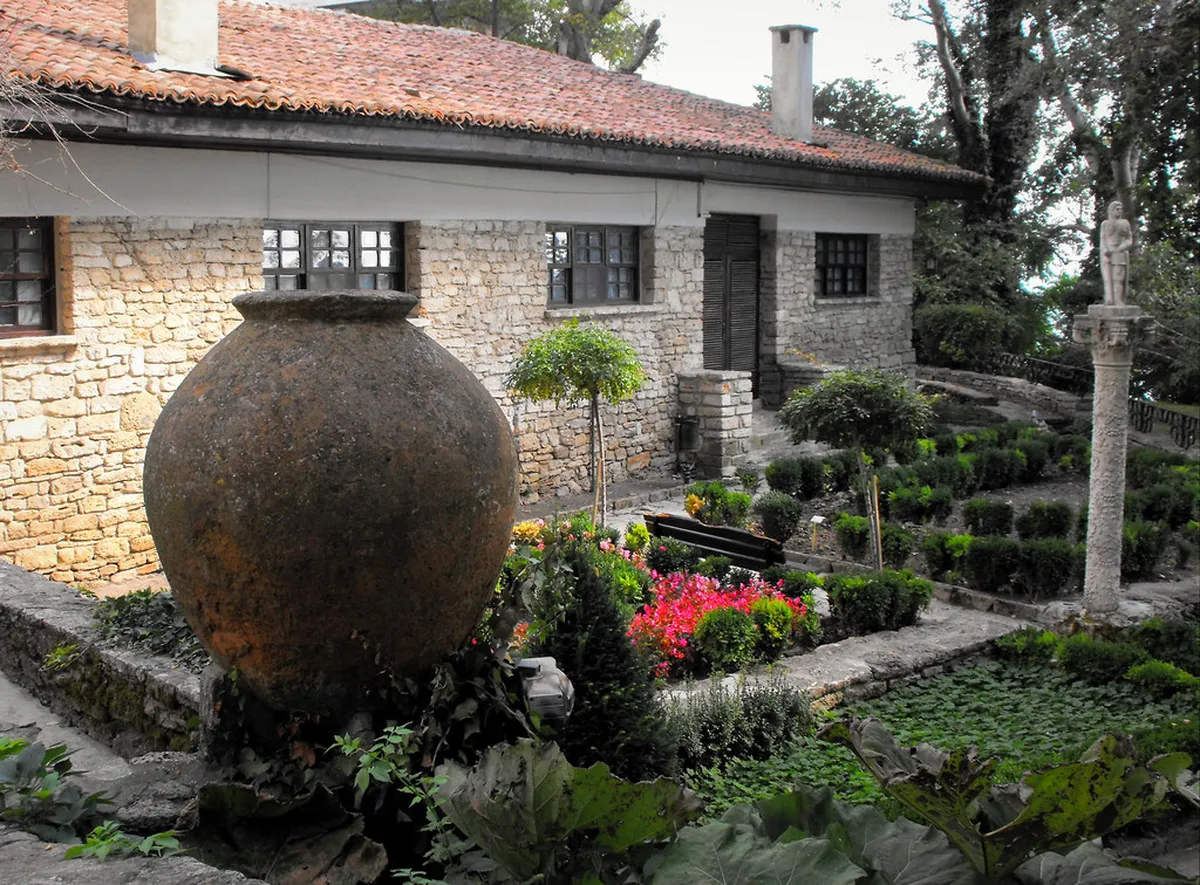
The botanical garden offers a peaceful escape where history meets natural beauty on the edge of the sea. Walking through the terraced landscapes provides breathtaking views of the turquoise waters below. You can admire rare plant species that thrive in the mild climate of the northern Bulgarian coast.
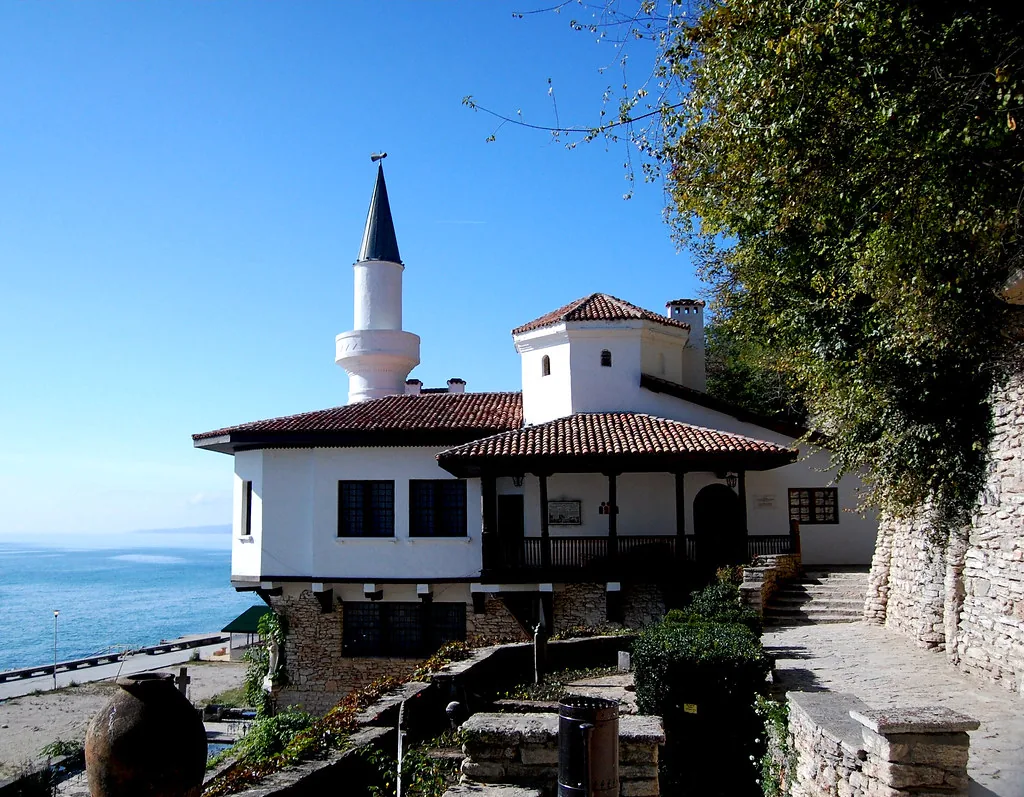
The complex serves as a bridge between different cultures and architectural traditions from the early twentieth century. It is a perfect spot for photography enthusiasts who enjoy capturing vibrant flowers against historic stone walls. Many travelers find that the serene atmosphere makes it one of the most relaxing attractions in Balchik today.
The garden also includes a section adapted for visitors with limited physical abilities, spanning roughly 0.7 hectares and fitted with Braille descriptions for visually impaired guests. That detail matters because most of the wider 19.4-hectare terrace follows the natural hillside on uneven stone steps, so ask staff at the entrance kiosk to point you toward the accessible route rather than assuming the whole site is step-free. Planning around that split ensures a rewarding visit for every type of traveler.
History: Queen Marie's "Quiet Nest" and the University Garden
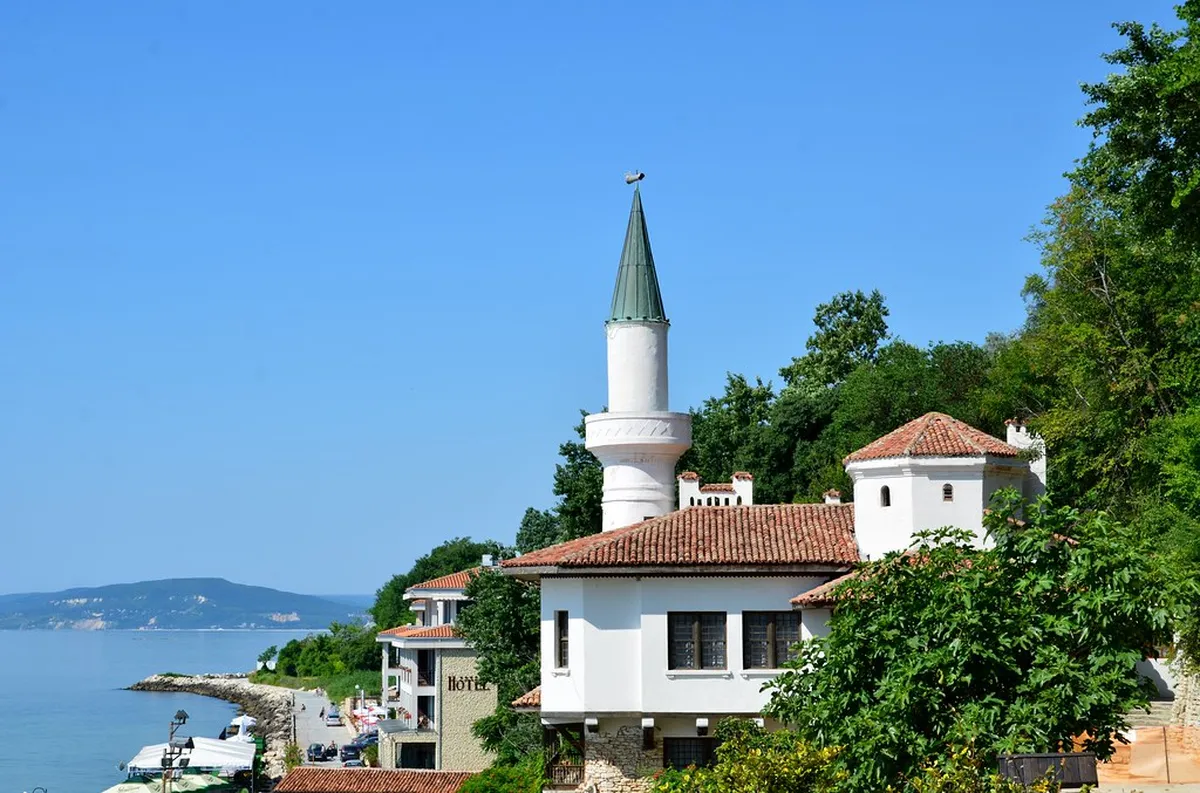
Queen Marie of Romania fell in love with Balchik when the region was part of Romanian territory. She commissioned the construction of her summer residence, known as the Quiet Nest, starting in 1924, with work on the terraced villas continuing until the year of her death in 1937. The queen envisioned a place where she could reflect and find peace away from the royal court.
The architecture reflects the queen's diverse spiritual interests and her appreciation for different world cultures, blending Byzantine, Italian, and Oriental influences across the villas that cascade down the cliffside. The Wikipedia article on Balchik Palace provides further detail on that architectural mix and the estate's transformation over the decades.
After Southern Dobrudja was returned to Bulgaria in 1940, the estate eventually passed into the hands of Sofia University "St. Kliment Ohridski," which founded the botanical garden on the palace terraces in 1955 under academician Daki Yordanov. What began as Queen Marie's ornamental grounds has since grown into a working research collection of more than 4,900 plant species, which is the garden you walk through today.
The University Botanical Garden and Cactus Collection
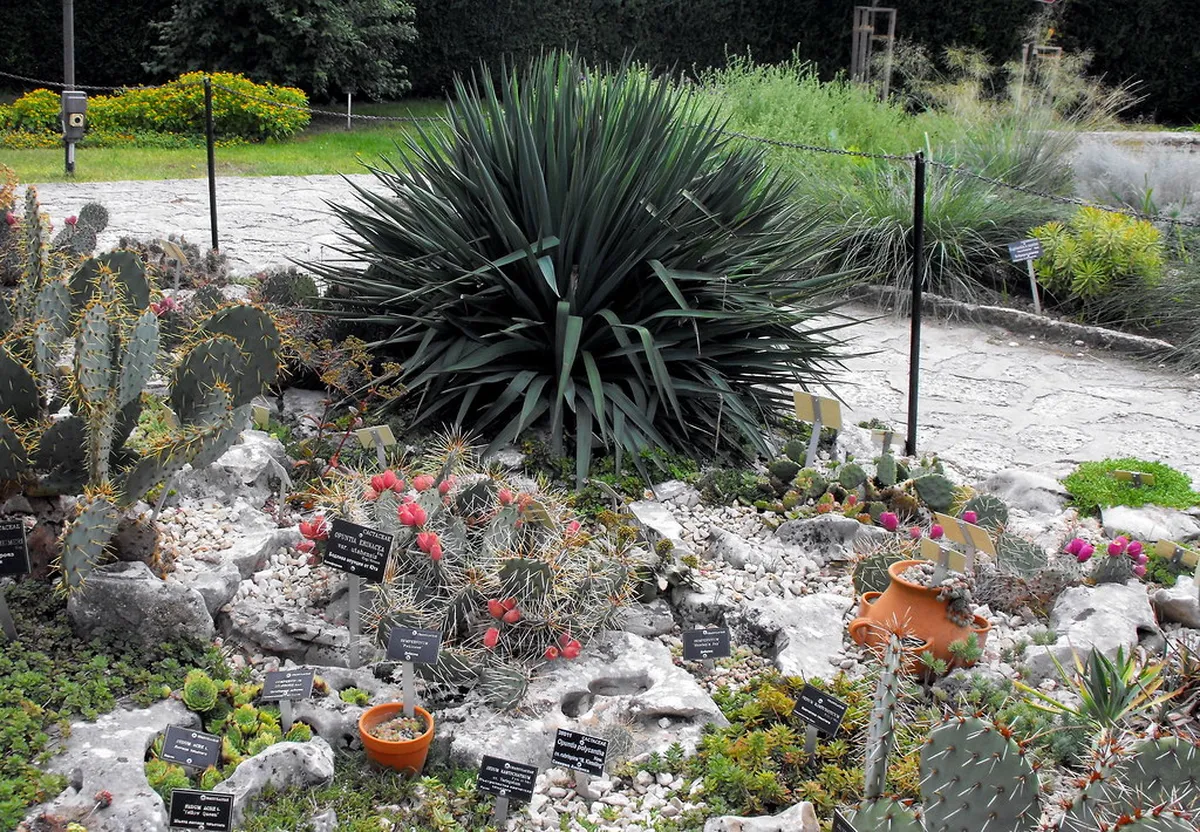
Sofia University manages the botanical portion of the complex, focusing on scientific research and conservation. The garden holds the second-largest outdoor cactus collection in Europe, surpassed only by the one in Monaco, spread across roughly 1,000 square metres of open terrace. Among the more than 4,900 plant species recorded here you will find ancient trees like the Ginkgo, the Meta-sequoia, and the Japanese raisin tree.
The succulent collection is particularly impressive during the summer months when many desert plants are in bloom. Outdoor displays feature massive cacti that have grown in this specific microclimate for decades, since the south-facing limestone terrace stays warmer and drier than the Bulgarian average. Check the Sofia University Botanical Gardens Official Site for seasonal highlights and research updates.
Beyond the cactus terrace, the grounds are organised into a rose garden that peaks with more than a hundred cultivars in late May and June, an aquatic section with water lilies and bog plants shaded by willows, and a collection of Balkan endemic species found only on limestone terrain across the region. A medicinal herb section and stands of deciduous and coniferous trees round out the collection, giving the garden a scientific depth that goes well past its famous cacti.
Timing your visit around the bloom calendar changes what you see:
- April brings the spring tulip display, with dozens of colourful varieties planted along the upper terraces.
- Late May into June is peak rose season, when the rose garden and most Mediterranean shrubs are at their fullest.
- July and August favour the cactus and succulent terrace, when the desert plants flower in the summer heat.
Nature lovers should allow at least 45 minutes to appreciate the botanical diversity found here, longer if you are visiting during peak bloom.
The Stella Maris Chapel, the Allah Water Spring, and Queen Marie's Heart
The Stella Maris Chapel is a small Byzantine-style building that held great spiritual meaning for Queen Marie. It stands as a symbol of the queen's desire to unite different religious traditions in one place. The interior features beautiful frescoes and a calm environment for quiet contemplation.
Nearby, the Allah Water Spring flows through the garden and is said to have healing properties. This natural spring has been integrated into the garden's design with traditional stone carvings. Local legends suggest that drinking from the spring brings good luck and health to visitors.
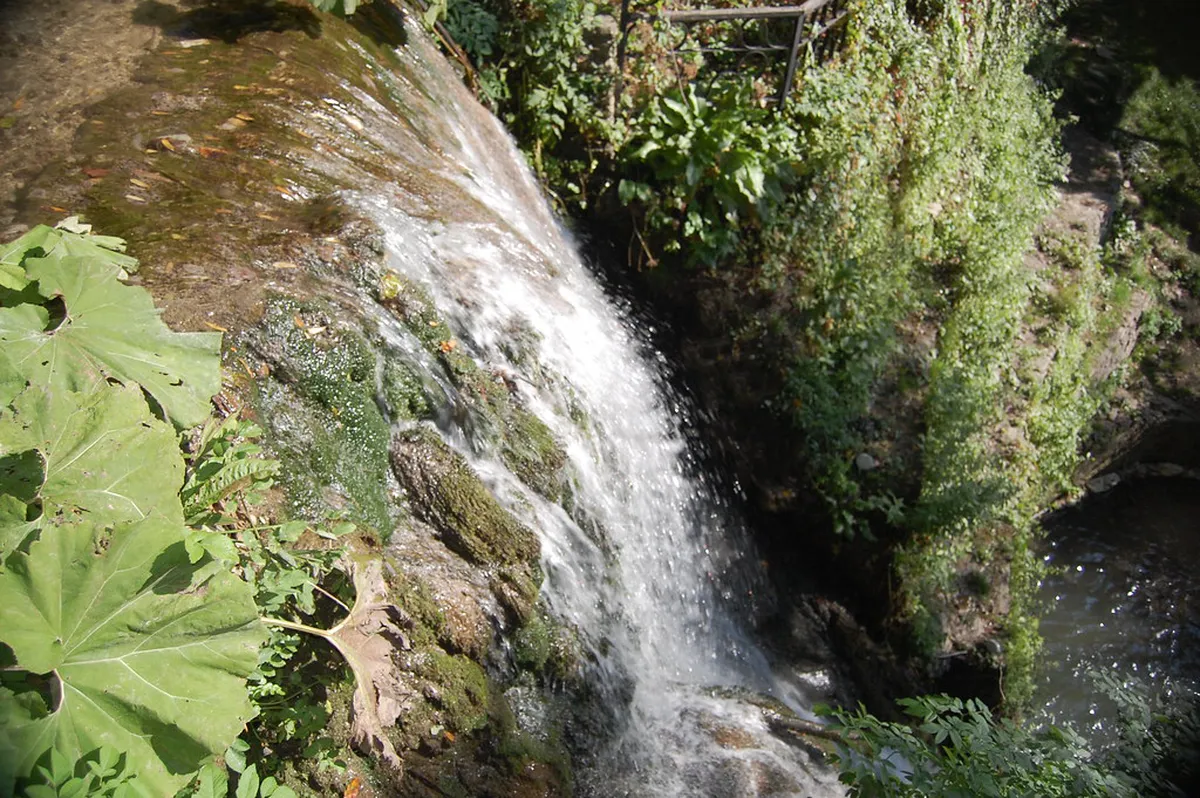
The sound of running water from the spring and waterfalls adds to the tranquil mood of the area. You will find many stone benches near these water features for resting during your walk. These spiritual landmarks are essential stops in any Balchik Palace (palace Of Queen Marie) Visitor Guide itinerary.
Queen Marie left instructions for her heart to be kept in this chapel after her death, and it remained here until 1940, when the region was returned to Bulgaria and the royal family moved it to Bran Castle in Romania for safekeeping; it rests today in Pelisor Castle in Sinaia. The original marble sarcophagus intended for her heart still sits within the chapel grounds, a quiet reminder of the shifting borders and personal history bound up in this corner of the garden.
Tickets, Opening Hours, and the "Two-Ticket" Rule
Visitors must understand the two-ticket rule to avoid confusion at the entrance gates. The Palace is managed by the Ministry of Culture, while the Botanical Garden belongs to Sofia University. You pay two separate fees at two different kiosks to access the entire complex, and each authority sets its own prices.
For 2026, the Botanical Garden itself prices tickets like this:
- Standard adult admission is 10.00 EUR (19.56 BGN); students and pensioners pay 3.60 EUR, and children aged 6 to 18 pay 3.00 EUR, with under-6s entering free.
- A family ticket for parents with children under 18 costs 20.00 EUR, and a multi-day adult pass valid for up to seven entries costs 16.00 EUR.
- Guided tours can be booked for 20.00 EUR with a Bulgarian-speaking guide or 30.00 EUR with a foreign-language guide.
The neighbouring Palace charges separately, at roughly 10 EUR per adult and about 18 EUR for the same family package, so budget close to 20 EUR per adult if you want to see both sites in one visit. One change worth watching for in 2026 is a unified combined ticket the two authorities have been phasing in to replace the separate queues; it was not consistently available at both kiosks as of this guide's most recent update, so ask at either booth whether the combined option is running that day before you buy two tickets out of habit.
Opening hours vary by season to make the most of the available daylight. From May through August the complex is open from 08:00 to 20:00, narrowing to 08:00-19:00 in September and 08:30-18:00 in October. Between November and March, hours run 08:30 to 17:00, and the complex stays open every day of the year with no weekly closure.
How to Get to Balchik from Varna or Golden Sands
Getting to Balchik is straightforward if you are staying in Varna or the Golden Sands resort area. Minibuses depart regularly from the Varna South Bus Station, also known as Avtogara Yug. The journey typically takes between 45 and 60 minutes depending on the local traffic.
One-way tickets for the minibus cost between 6 and 8 BGN per person. If you prefer driving, the road follows the scenic coastline and offers several parking areas near the garden. Check Wikivoyage's Balchik entry for the most current transit schedules and local taxi tips.
Many travelers choose to combine this trip with a visit to the nearby Cape Kaliakra Visitor Guide cliffs. Organized tours often include both locations for a full day of coastal exploration. Public transport is reliable, but a rental car offers the most flexibility for your schedule.
Combining the Garden with Balchik Town
A smart strategy is to enter the complex from the top gate located on the cliff road. This allows you to walk downhill through the gardens instead of climbing the steep stairs. You can then exit through the lower gate which leads directly to the seaside promenade.
That lower gate is a one-way exit only: once you pass through the turnstile onto the promenade, your ticket is no longer valid for re-entry. If you parked near the upper entrance, finish exploring the terraces, chapel, and cactus collection before heading down, or you will end up walking back uphill outside the complex to reach your car.
The promenade offers a scenic walk back toward the town center and the main marina area. You will pass several local restaurants that serve fresh seafood and traditional Bulgarian dishes. This route provides a complete view of Balchik town and its unique white limestone cliffs.
If you have extra time, consider visiting the Tuzlata (Balchik Mud Baths / Salt Lake) Visitor Guide located just north of the town. The mud baths are famous for their therapeutic properties and offer a different local experience. Ending your day at the beach is the perfect way to finish your Balchik adventure.
Continue planning: Use Balchik Attractions: 4 Top Things to Do in Balchik to connect this guide with the rest of your Bulgaria itinerary.
Frequently Asked Questions
How much is a ticket to the Balchik Botanical Garden?
Adult admission is 10.00 EUR (about 19.56 BGN). Students and pensioners pay 3.60 EUR (about 7.04 BGN), children aged 6-18 pay 3.00 EUR (about 5.87 BGN), and children under 6 enter free. A family ticket for parents plus children under 18 is 20.00 EUR (about 39.12 BGN), and an adult multi-day pass valid for up to seven entries costs 16.00 EUR. Prices are euro-first following Bulgaria's January 2026 euro adoption (fixed rate 1.95583 BGN per euro).
Is the Botanical Garden the same ticket as Balchik Palace?
The garden and the Palace occupy the same seafront site but are run by different bodies - the garden by Sofia University and the Palace by a state cultural institute - so each has traditionally required its own ticket. A unified combined ticket is being introduced in 2026; check the ticket office for the current combined price before you pay separately for each.
What is the Balchik Botanical Garden famous for?
Its signature attraction is the open-air collection of large cacti and succulents spread across about 1,000 square metres - the second largest of its kind in Europe after Monaco. Beyond the cacti, the terraced garden showcases Mediterranean plantings, roses, water gardens and rare specimens including ancient ginkgo, metasequoia and Japanese raisin trees among more than 4,900 species.
How long should I spend in the garden?
Most visitors spend about 1.5 to 2 hours wandering the terraces, the cactus exposition and the seafront paths. Combined with the adjoining Palace, allow 3 to 4 hours for the whole complex.
When is the best season to visit?
May to June and September are the sweet spots, when Mediterranean plants, roses and the terraced beds are at their most colourful and the coastal heat is manageable. The garden is open all year, but many plants are past their peak and hours are shorter in winter (November-March).
How do I get to the garden from Varna or Albena?
From Varna, take an intercity bus to Balchik (about 45-60 minutes) then a short taxi or downhill walk to the seafront entrance, or drive in roughly 40-45 minutes. From the Albena resort it is only about 10 km, reachable by frequent summer buses, seasonal boat trips or a 15-minute taxi.
Is the garden open in winter?
Yes. The garden is open daily year-round, but winter hours (November-March) are shorter, roughly 08:30-17:00, and the outdoor plantings are far less colourful than in spring and summer. Many tender plants are protected or dormant in the colder months.
Are guided tours available?
Yes. Guided tours of the garden can be booked for 20.00 EUR (about 39.12 BGN) with a Bulgarian-speaking guide, or 30.00 EUR (about 58.67 BGN) for a foreign-language guide. Independent visits with the standard entry ticket are also fine if you prefer to explore at your own pace.
The Balchik Botanical Garden offers a rare combination of scientific plant collections and quiet coastal scenery, with Queen Marie's Palace as a natural next stop right next door. By following our guide, you can navigate the two-ticket rule and find the best walking paths easily. This destination remains a highlight of the Bulgarian coast for anyone seeking beauty and history.
Whether you are interested in rare cacti or the legends of Queen Marie, the garden will not disappoint. Plan your visit for the early morning to enjoy the terraces before the peak afternoon crowds arrive. Your trip to Balchik will surely be one of the most memorable parts of your Bulgarian holiday.
To verify current details, consult the Balchik Botanical Garden (University Botanical Garden) official site and Balchik Botanical Garden (University Botanical Garden) on Wikipedia.
For more Balchik planning, read our Balchik Palace & Botanical Garden: Complete 2026 Guide guide.