12 Best Things To Do In The Rhodope Mountains
Our editors have spent years exploring the jagged peaks and deep gorges of Southern Bulgaria to bring you this guide. The Rhodope Mountains offer a soul-stirring mix of ancient Thracian mysteries and dramatic limestone landscapes. This region feels distinct from the rest of the country, partly due to the haunting sound of the Kaba Gaida bagpipes. Last updated June 2026, this list reflects the latest trail conditions and entrance fees for the upcoming season.
We recommend basing yourself in Smolyan or the nearby village of Shiroka Laka. These hubs provide easy access to the most iconic caves, bridges, and viewpoints mentioned in our curated selection. Whether you seek the adrenaline of a steel platform over a gorge or the quiet of a medieval bridge, there is plenty to see. Prepare for winding roads and warm hospitality that define the authentic Rhodope experience.
Key Takeaways
- Quick pick (Best Overall): The Devil's Throat Cave for its unique mix of mythology and dramatic geology.
- Quick pick (Best for Families): Gradishte Historical Park for its easy paths and imaginative rock formations.
- Quick pick (Best Free Activity): The Wonderful Bridges (chudnite Mostove) Visitor Guide, offering massive natural arches with no entry fee.
- Practical Tip: Always carry cash in BGN, as card machines are rare in remote mountain villages and taverns.
Planning a route? The Wikivoyage Rhodope Mountains guide is a handy free trip-planning companion for 2026.
12 Best Things To Do In The Rhodope Mountains
We have grouped these twelve essential experiences to help you organize your itinerary across this vast region. The Rhodopes stretch roughly 240 kilometres from west to east, covering terrain from alpine meadows near Pamporovo to volcanic canyons near Kardzhali. Most visitors base themselves in Smolyan or Trigrad and work outward from there. Plan at least four full days to avoid feeling rushed on the winding mountain roads.
The Rhodopes are famous for their karst topography, which has created some of Europe's most impressive cave systems. You will find that many of the caves and gorges cluster in the Trigrad and Buynovsko areas, making them efficient to combine in a single day. Entrance fees across the region remain very affordable, typically ranging from 5 to 15 Bulgarian Lev per person. Most attractions open daily during summer, though winter hours are often significantly reduced.
Marvel at the Medieval Devil's Bridge near Ardino
Devil's Bridge is a massive stone bridge built in the early 16th century spanning the Arda River near Ardino village. It measures 56 metres long and 12 metres high, with a mysterious footprint carved into the stone that local legend attributes to the devil himself. There is a parking area at the start of the path, and the walk to the bridge takes around 35 minutes. Entry costs approximately 5 BGN and the site is open daily from 8:00 to 20:00 during summer.
The bridge is one of the most photographed spots in Bulgaria and serves as a perfect gateway stop when you are driving from Plovdiv into the deeper parts of the Rhodopes. Late afternoon is the best time for photos, when golden light reflects off the Arda River below. The path itself is flat and easy, making it a good first stop for families or anyone arriving after a long drive. We recommend combining this with the Horseshoe Bend of Kardzhali Dam on the same day, as both sites sit in the eastern part of the range.
Stand Above the Clouds at Eagle's Eye Viewpoint
Perched 670 metres above the Buynovsko Gorge, the Eagle's Eye steel platform offers a dizzying perspective of the surrounding peaks. On clear days the 360-degree views extend to the Rila and Pirin ranges and even reach the mountains of northern Greece. Getting here requires a 4x4 vehicle, which you can hire in the village of Yagodina for approximately 60 BGN per jeep. The platform itself is free to access once you reach the summit.
Two access options exist: the jeep ride or a steep 90-minute hiking trail from Yagodina village. We recommend doing the jeep ride up and hiking down, which gives you the best of both perspectives. Go early in the morning to avoid midday heat and the largest crowds. This viewpoint pairs naturally with Yagodina Cave Travel Guide, which sits at the bottom of the same gorge and can be visited before the jeep ride.
Walk Beneath the Massive Wonderful Bridges
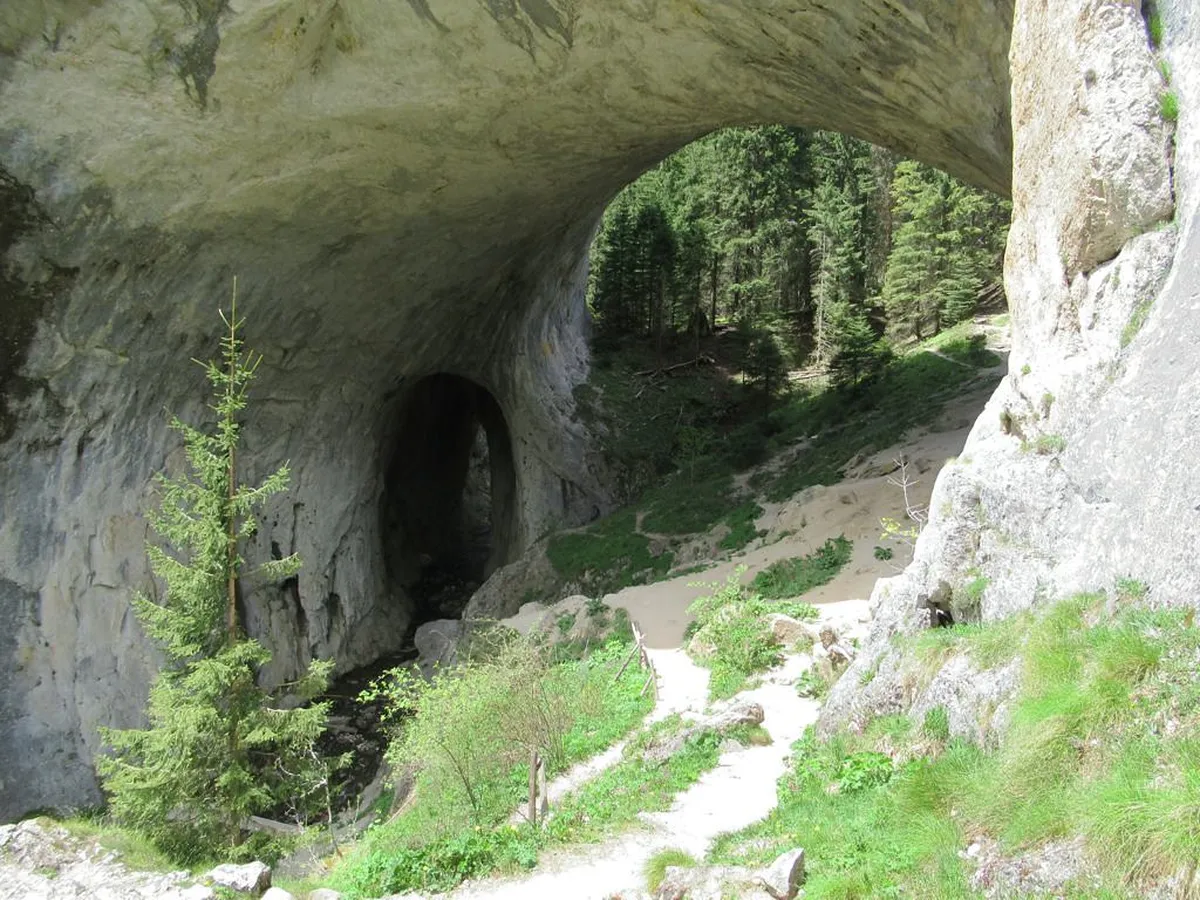
The Wonderful Bridges are enormous natural marble arches formed over millennia by the ancient Erkyupriya River eroding through a former cave system. The largest bridge stands nearly 45 metres high and spans a width of roughly 100 metres, making it one of the most impressive natural phenomena in Bulgaria. Access is free and the site is open year-round, though the access road can be narrow and potholed in sections.
Walk the short trail that passes directly beneath the arches to appreciate their true scale. A small mountain hut nearby serves bean soup and grilled meats — a welcome stop after exploring the surrounding forest trails. The site sits at about 1,450 metres elevation, so temperatures are noticeably cooler than the valleys below, even in July. We suggest a morning visit so you can continue to Pamporovo or Shiroka Laka in the afternoon.
Descend into the Mythical Devil's Throat Cave
Located in central the Trigrad Gorge, this cave is famous for its enormous underground waterfall, where the Trigrad River plunges 42 metres into a dark underground lake. Legend says this is where Orpheus descended into the underworld to find Eurydice, and the cave's acoustics — the roar echoes in what locals call the Hall of Thunder — make it easy to believe. Entry costs roughly 10 BGN and includes a guided walk through the main chambers and up 301 steep stairs to the exit.
The cave is open daily from 09:00 to 17:00, but bring a jacket as temperatures inside stay around 8 degrees Celsius year-round. The experience is vastly better after a period of rainfall or snowmelt, when the waterfall is at full power. If you are visiting during a dry summer, check recent visitor photos before committing to the long drive. Late spring, particularly May and June, is when the cave is at its most dramatic.
Directly between Trigrad village and the cave entrance you will find a small Bear Museum dedicated to brown bears native to the Rhodopes. It houses interactive exhibits about bear habitats and behaviour and takes about 30 minutes to visit. Admission is 4 BGN and it makes an excellent stop for families, turning the cave trip into a half-day circuit rather than a single-attraction visit.
Explore the Subterranean Halls of Yagodina Cave
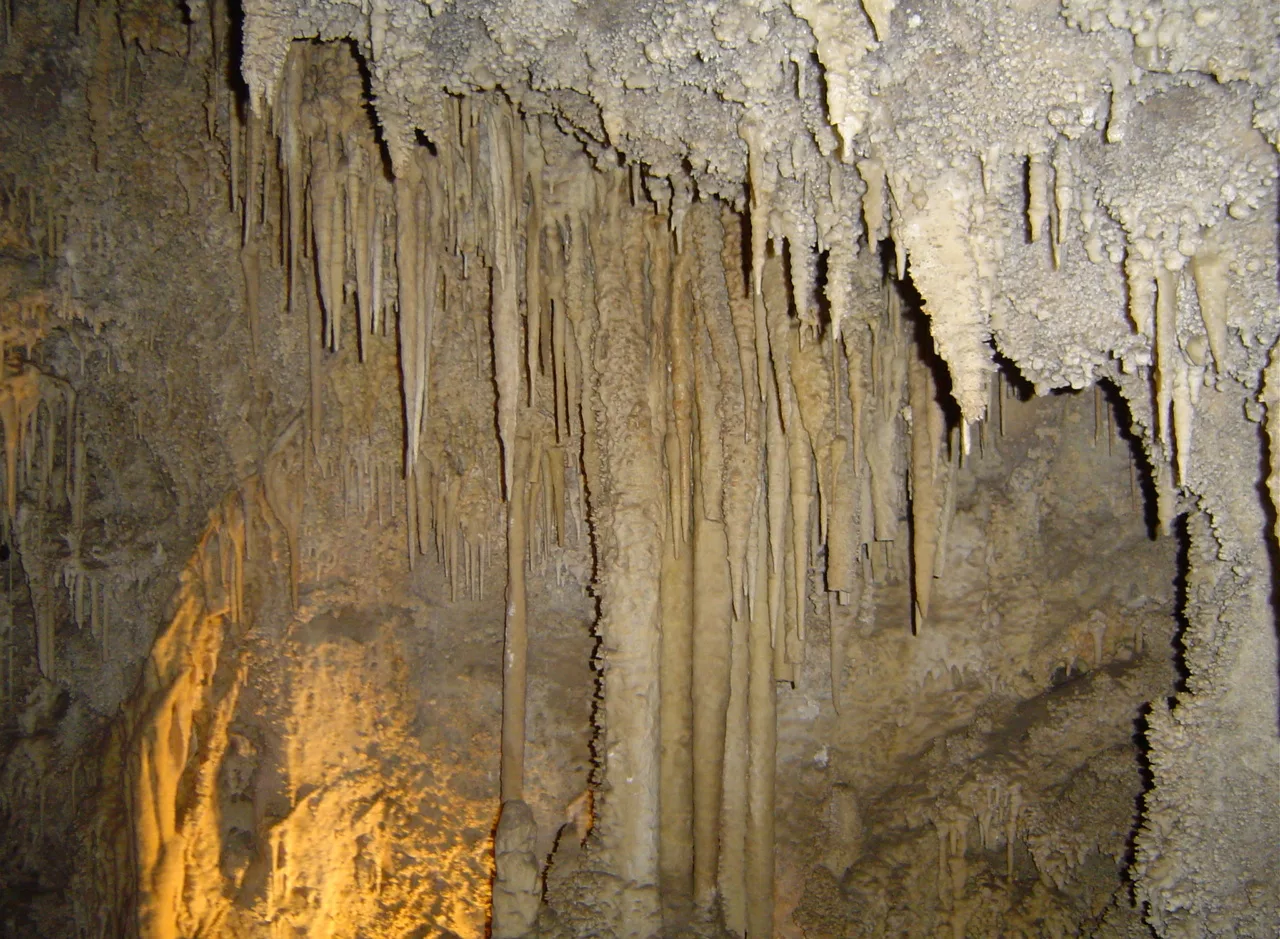
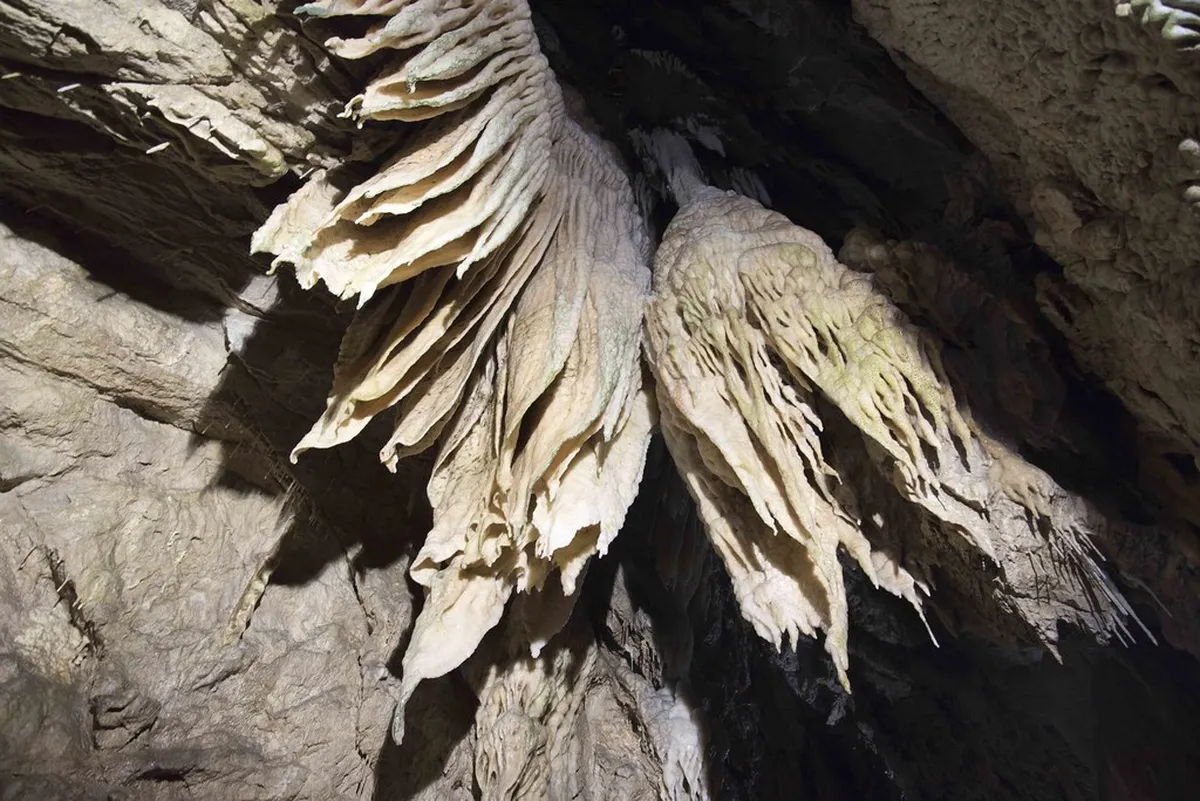
This three-storey karst system spans over 10.5 kilometres and is one of Bulgaria's longest caves, famous for its unique cave pearls and intricate stalactites. A visit to Yagodina Cave Travel Guide takes about 45 minutes and follows a well-lit, flat path suitable for most ages. Tickets are 12 BGN for adults, and guided tours start roughly every hour from 09:00 to 16:00. The cave maintains a constant temperature of around 6 degrees Celsius, so a light jacket is essential.
The cave sits at the bottom of the Buynovsko Gorge, making it the logical starting point for a day that continues up to the Eagle's Eye viewpoint. Look for the small Christmas tree inside, which local cavers decorate every December in one of the dry chambers — a detail that surprises most visitors and makes for a memorable photograph. Prehistoric human remains dating back approximately 7,000 years have been discovered inside, giving the cave an archaeological depth that few competitors cover in their guides.
Experience Tradition in Shiroka Laka Village
This architectural reserve is the cultural heart of the Rhodopes and home to the famous National School of Folk Arts, where students still learn to play the Kaba Gaida bagpipe. Walking through Shiroka Laka feels like stepping back into the 17th century, with its distinctive black-and-white stone houses lining narrow cobbled lanes. The village is free to explore, but a small ethnographic museum charges 4 BGN for entry and provides good context for what you are seeing.
If you visit in early March, you can witness the Kukeri festival where locals wear elaborate hand-made masks to ward off evil spirits — one of the most photogenic traditions in the entire Balkans. At any time of year, stop at a local tavern to hear the deep drone of the Kaba Gaida over dinner; several restaurants in the village host live music on weekends. The village is also a practical base for hikes into the surrounding meadows, where wild herbs including Mursalski tea grow in abundance at altitude.
Climb the Historic Walls of Asen's Fortress
Situated on a high cliff 2 kilometres south of Asenovgrad, this medieval fortress dates back to Thracian times and was expanded by Tsar Ivan Asen II in 1231. The most well-preserved structure is the 12th-century Church of the Holy Mother of God, which has been declared a National Cultural Monument and remains in remarkable condition. The entrance fee is 4 BGN and the site is open from 09:00 to 18:00 during high season. The climb to the top is short but steep, so wear shoes with good grip.
From the fortress walls the panoramic views over Asenovgrad and the Rhodope foothills are exceptional, particularly in autumn when the forests turn amber and gold. This is the ideal first stop when driving south from Plovdiv into the mountains, effectively marking the gateway between the lowlands and the deeper Rhodope valleys. Allow 90 minutes for a relaxed visit that includes the church interior and the cliff-edge viewpoints. Combine it with nearby Bachkovo Monastery Visitor Guide, just 12 kilometres further south, for a rewarding half-day of historical sites.
Visit Bachkovo Monastery, the Rhodopes' Spiritual Anchor
Bachkovo Monastery is Bulgaria's second-largest monastery, founded in 1083 by Georgian nobles serving the Byzantine Empire. It sits in a narrow gorge above the Bachkovo village, roughly 30 kilometres south of Plovdiv, and remains an active pilgrimage site. Entry to the monastery grounds is free; donations are welcome. The frescoes in the main church date from the 17th century and represent some of the finest examples of Bulgarian Renaissance religious art.
Most visitors combine Bachkovo with Asen's Fortress on the same day, as the two sites are only 12 kilometres apart and share the same access road from Plovdiv. The monastery's courtyard cafe serves strong coffee and honey pastries worth stopping for. Allow at least an hour on site to properly explore the ossuary, the main church, and the smaller chapel higher up the hillside. The site is at its most atmospheric on feast days, particularly the Assumption of Mary on 15 August, when thousands of pilgrims gather.
Hike the Lush Canyon of Waterfalls near Smolyan
This 15-kilometre loop trail near Smolyan features over forty waterfalls of various sizes tucked into dense beech forest. The Orpheus Waterfall is the most impressive, dropping nearly 70 metres in a single cascade that can be heard before it comes into view. The trail is free to access and well-marked with wooden bridges and picnic spots for a full day of hiking. Allow at least four to five hours to complete the full circuit at a comfortable pace.
June is the best month for this hike, when snowmelt keeps the water flow high and the forest is at its most vibrant green. Autumn also works well — the trail is quieter and the foliage colours frame the falls beautifully. Wear proper hiking boots as some sections can be muddy even in summer. Download an offline map before you go, as mobile signal disappears in the deepest parts of the gorge. Back down in town, the Smolyan Lakes Guide 2026 offer a much gentler lakeside walk to round out the day.
Take in 360-Degree Views from Snezhanka TV Tower (Pamporovo Tower) Visitor Guide in Pamporovo
Located at the summit of Snezhanka mountain (1,926 m) in Pamporovo, this television tower stands 156 metres tall and holds a panoramic observation deck and rotating restaurant. On clear days the views extend across the Rila and Pirin ranges and, in exceptional conditions, all the way to the Aegean Sea. Entry to the observation platform and cafe costs 10 BGN, accessible via a modern lift. In summer the tower is the focal point for hikers and mountain bikers, while winter transforms the area into the popular Pamporovo ski resort.
The resort area also makes an excellent base for exploring the central Rhodopes. A network of marked summer hiking trails fans out from the Snezhanka lift station, ranging from easy meadow walks to more demanding ridge routes. The village of Pamporovo itself has a good selection of hotels and guesthouses at competitive prices, making it one of the most practical overnight bases in the region. We recommend grabbing coffee at the top before starting your day on the trails below. Stargazers can extend the day with a drive to the Rozhen Observatory: Visiting Bulgaria's Star Mountain on Rozhen Peak, home to the largest optical telescope in Southeastern Europe.
Discover the Ancient Mysteries of Gluhite Kamani
Also known as the Deaf Stones, this Thracian cult complex near the village of Malko Gradishte in the eastern Rhodopes features 459 trapezoidal niches carved into the rock faces. Archaeologists believe the niches served as memorial complexes or ritual containers for offerings to the Great Mother Goddess, though no definitive consensus exists. The site is free to visit and the raw mystery of it — no crowds, no ticket booth, no audio guide — is a large part of its appeal.
Access involves a steep climb through forest on an unmarked path, so bring a printed map or download the GPS track before you leave your car. Signage is minimal and the path forks in ways that can confuse first-time visitors, particularly in the section after the second stream crossing. Allow two hours for the round trip including time at the top. The autumn visit is particularly rewarding when changing leaves frame the ancient carved stone in reds and golds, and the silence of the forest matches the mood of this extraordinary and undervisited place.
Wander Through Gradishte Historical Park
This prehistoric rock sanctuary occupies a high ridge near the village of Dolno Dryanovo, 20 kilometres east of Gotse Delchev. Natural stone formations shaped almost like human heads, turtles, and other animals cover the hilltop, and the site includes rock stairs, two ancient tombs, and a small Roman bridge in the canyon below. Entrance is approximately 6 BGN and the park is typically open from 09:00 until sunset during the warmer months. Well-maintained wooden walkways make it navigable for families with children.
The signature feature is the Profile of the Warrior rock formation, which from the right angle looks strikingly like a human face gazing skyward. The park's canyon also hides several small waterfalls that most visitors miss because the main trail sticks to the ridge. If time allows, descend into the canyon for a quieter and more dramatic perspective on this unusual landscape. We recommend visiting in spring or autumn to avoid the summer heat on the exposed ridge.
Photograph the Horseshoe Bend of Kardzhali Dam
This dramatic meander of the Arda River creates a near-perfect horseshoe shape around a forested peninsula in the Kardzhali reservoir. The view rivals famous bends found in the American West and is consistently one of the most shared Rhodope photographs on travel forums in 2026. To reach the best vantage point, type "Horseshoe bend of Kardzhali Dam" into Google Maps and drive to the marked location near Star Chitak village, then walk a short dirt track to the viewpoint.
There is no entrance fee, but a car with decent ground clearance handles the final approach more comfortably after rain. Sunrise and sunset both deliver exceptional light, with morning mist often sitting in the reservoir creating an ethereal atmosphere. There are no facilities at the viewpoint, so bring your own water and snacks. This site pairs well with a morning visit to Devil's Bridge, which sits about 30 kilometres to the north, making both accessible on the same eastern Rhodopes day trip.
Best Time to Visit the Rhodope Mountains
Late May through September is the prime window for hiking, cave visits, and village exploration. During these months all mountain passes are clear of snow, cave hours are at their longest, and the wildflower meadows above Pamporovo and Shiroka Laka are at their most vibrant. June is our top recommendation for the Canyon of Waterfalls and the Devil's Throat Cave, when snowmelt keeps the water features at full strength.
Autumn (October to mid-November) is arguably the most photogenic season. The forests turn deep amber and the crowds thin dramatically compared to July and August. Winter is excellent for skiers at Pamporovo but many smaller trails and some cave tours run reduced schedules. If you visit in winter, consider combining the slopes with a relaxing stay at the mineral spas in Devin, which are at their most appealing when temperatures drop below zero outside.
Where to Stay in the Rhodope Mountains
Smolyan is the largest town in the central Rhodopes and the most practical base for accessing the western cave circuit. It has a reasonable range of hotels, guesthouses, and restaurants, and sits within 30 kilometres of both Trigrad and the Wonderful Bridges. For a more atmospheric stay, the village of Shiroka Laka offers a handful of small guesthouses inside the architectural reserve itself, with mountain views and home-cooked meals included in most rates.
Pamporovo is the best choice if you plan to split your time between skiing (winter) or trail hiking (summer) and use the resort infrastructure as a base. Hotel prices in the Pamporovo area tend to be 20 to 40 per cent higher than equivalent guesthouses in surrounding villages, so budget travellers often stay in nearby Chepelare or Progled and drive in. For the eastern part of the range near Devil's Bridge and the Horseshoe Bend, the town of Ardino has a small selection of family guesthouses at very reasonable prices. Wherever you stay, book ahead for July and August — the Rhodopes attract large numbers of domestic tourists during Bulgarian school holidays.
Getting to and Around the Rhodope Mountains
Renting a car is the only practical way to cover the majority of the sites on our list. Public buses connect major towns such as Smolyan, Kardzhali, and Devin from Plovdiv and Sofia, but services rarely reach remote trailheads or the caves. The Rhodopes Narrow Gauge Railway — running from Septemvri to Dobrinishte through the western edge of the mountains — is the exception: a scenic and affordable option for travellers arriving from Sofia who want to experience the landscape by rail before picking up a car in Bansko or Velingrad.
From Plovdiv to Smolyan the drive takes about 1.5 hours on mostly good roads. From Sofia the journey is roughly 2.5 to 3 hours depending on your route. Be prepared for narrow, winding mountain roads that require full attention, especially when passing logging trucks or local tractors on hairpin bends. Download offline maps before you leave any town — mobile signal disappears regularly in the deep gorges and high valleys. We recommend allowing 45 to 60 minutes of extra drive time for any day trip plan, as the mountain roads consistently take longer than navigation apps estimate.
Rhodope Flavors: What to Eat
Food in the Rhodopes is hearty, rustic, and deeply tied to the mountain landscape. You must try Patatnik, a slow-cooked dish made of grated potatoes, onions, and local mint, traditionally prepared on a stone stove called a cheverme. Smilyan beans are another regional staple, grown in the upper Arda valley and prized for their large size and creamy texture — the village of Smilyan even hosts an annual Beans Festival celebrating this single ingredient.
We recommend ordering these dishes in small village taverns rather than larger resort restaurants, where the quality drops and the prices often rise. For dessert, look for thick mountain yogurt topped with wild berry jam or honey collected from the high meadows. Mursalski tea, a herb that grows only at altitude in the Rhodopes, makes a perfect souvenir and is sold loose-leaf in the markets of Smolyan and Shiroka Laka. Many local festivals combine traditional Kaba Gaida music with outdoor cookouts, offering a window into the soul of the region that no restaurant menu can replicate.
Is the Rhodope Region Worth Visiting?
The Rhodope Mountains offer a softer, more mystical landscape compared to the rugged alpine peaks of Rila or Pirin. This range suits travelers who love deep forests, ancient history, and a slower pace of discovery. We believe it is the most culturally rich mountain region in Bulgaria, combining Thracian archaeology, medieval monasteries, and living folk traditions in a single road trip.
Travelers seeking high-end luxury may find the infrastructure basic, but that is part of the region's charm. The focus here is on natural beauty and genuine human connection rather than polished resort experiences. We recommend it for hikers, history enthusiasts, and families who want an adventurous but accessible mountain holiday. For more planning tips across the country, browse the latest updates on the Tours Bulgaria blog.
Explore more: Best Things To Do In The Rhodope Mountains
Use these focused guides to plan the details, compare options, and build an itinerary that fits your trip.
- 10 Best Things to Do in Pamporovo in Summer
- Shiroka Laka Village Travel Guide: Bulgaria's Architectural Reserve
- Trigrad Gorge and Devil's Throat Cave: A Complete Visitor's Guide
- 8 Essential Tips for Visiting the Wonderful Bridges in the Rhodopes
- Yagodina Cave Travel Guide: Exploring the Rhodopes' Longest Cave
Frequently Asked Questions
What is the best time of year to visit the Rhodope Mountains?
Late May to September is the best time for hiking and visiting caves. The weather is warm, and all mountain passes are clear of snow. Winter is ideal specifically for skiing in Pamporovo.
Do I need a 4x4 car to see the main attractions?
A standard car is fine for most paved roads and major sites like the caves. However, reaching the Eagle's Eye viewpoint requires hiring a local 4x4 jeep in Yagodina. Some remote viewpoints also have rough dirt access.
How many days should I spend in the Rhodope region?
We recommend spending at least 4 to 5 days to cover the highlights. This allows time for winding drives between Smolyan, Trigrad, and Ardino without rushing. A week is better for serious hikers.
The Rhodope Mountains are a place where nature and mythology are inextricably linked in every gorge and cave. From the heights of Eagle's Eye to the depths of the Devil's Throat, the variety of experiences is truly remarkable. We hope this guide helps you navigate the winding roads and discover the authentic heart of Southern Bulgaria. Pack your hiking boots and prepare for an adventure that will stay with you long after you leave the peaks.