Holy Trinity Church, Bansko Visitor Guide: 10 Essential Tips
The Holy Trinity Church stands as a symbol of Bulgarian resilience and faith within central the historic Old Town. Travelers often start their journey at this landmark to understand the local heritage better. The structure dates back to the mid-19th century and remains a functioning house of worship today. This guide provides everything you need to know for a meaningful visit in 2026.
Watch this one-minute walkthrough of Bansko's defining landmark:
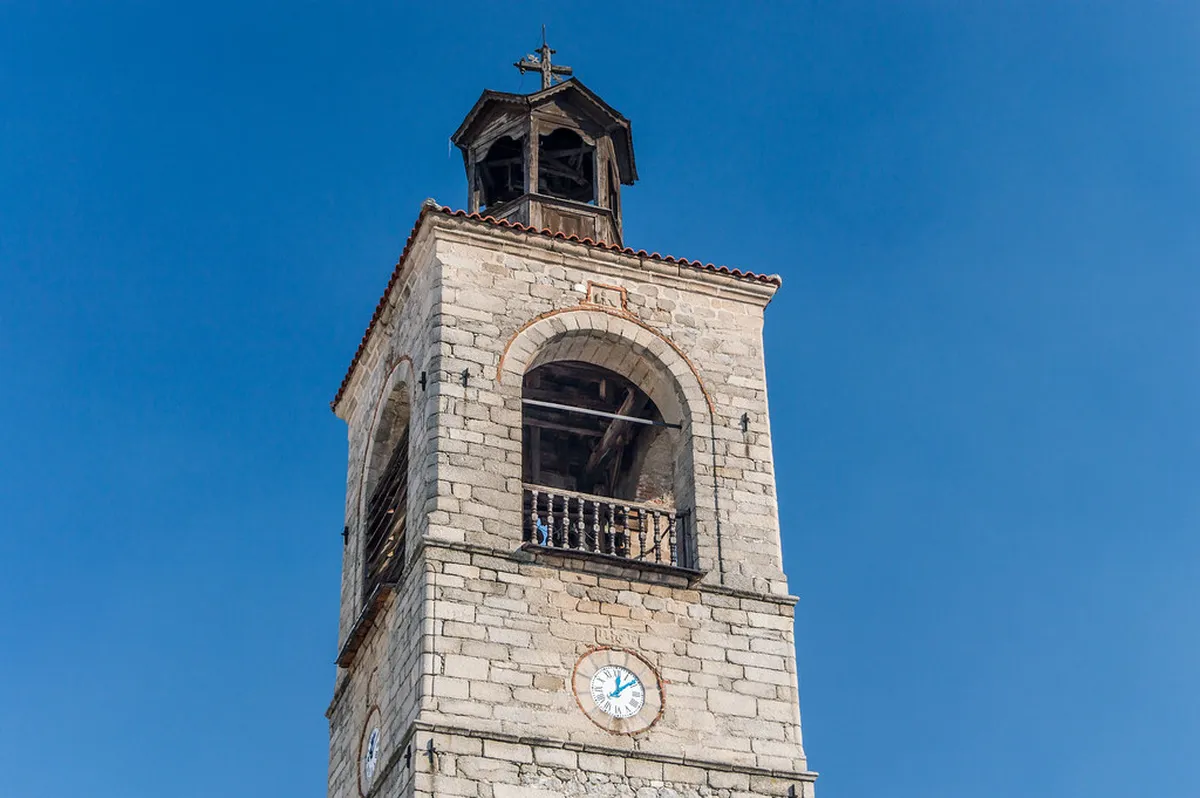
Visitors are frequently struck by the impressive stone walls and the towering bell tower that dominates the skyline. The church represents a peak of the Bulgarian National Revival period in architecture and art. Planning your visit involves more than just checking the opening hours. You will discover hidden symbols and masterful frescoes that tell a story of cultural survival.
The History and Significance of Holy Trinity Church
The construction of this spiritual hub began in 1833 under the leadership of Lazar German. It took the local community many years to secure permission from the Ottoman authorities for such a large building. Local families donated their own funds and materials to ensure the project reached completion. The church finally opened its doors in 1835 as a testament to the town's prosperity.
One of the most fascinating features is the clever use of religious symbols above the main entrance. Builders placed a Christian cross and a Turkish crescent side-by-side to appease the ruling authorities. This rare historical survival tactic allowed the church to remain standing during turbulent times. It serves as a powerful reminder of the religious tolerance that shaped the region.
The church was once the largest in Bulgaria until the Alexander Nevsky Cathedral was built in Sofia. Its massive dimensions were a bold statement of local identity and strength. Today, it remains a central part of life in Bansko for residents and tourists alike. Stepping inside allows you to feel the weight of nearly two centuries of history.
A National Symbol: The 1912 Liberation of Bansko
The church's importance goes beyond its scale and artistry. On 5 October 1912, during the First Balkan War, the poet and voivode Peyo Yavorov stood on the church grounds and proclaimed Bansko's liberation from five centuries of Ottoman rule. The same building where the cross and crescent had once been carved side-by-side to keep the peace became, decades later, the stage where that era formally ended for the town.
Few visitors realize the full scale of what they are standing in front of. The church measures roughly 44 meters long and 22 to 24 meters wide, a three-nave pseudo-basilica that dwarfs most other Bulgarian Revival-era churches in the region. A quiet visit typically runs 30 to 45 minutes, enough time to take in the frescoes, the iconostasis, and the walled garden without rushing. Combine that with the historical weight of the 1912 proclamation, and the church earns its place as more than a photo stop on the way to the ski lifts.
Architectural Masterpieces: Frescoes and the Bell Tower
The exterior is defined by a magnificent 30-meter high bell tower that was added in 1850. Master Gligor Doyuv designed this structure to be seen from almost every corner of the town. In 1866, Todor Hadzhiradonov added a clock to the tower that still keeps time for the community. The tower houses four heavy bells that produce a deep and resonant sound during services.
Inside the church, the art of the Bulgarian Revival comes to life through intricate murals. Velyan Ognev, a famous master artist, painted the stunning frescoes that cover the walls and ceilings. The iconostasis is another highlight, featuring detailed woodcarvings and religious icons. These works were created by the talented Molerov family, who were leaders of the local art school.
- Master Artist Velyan Ognev
- Role: Chief mural painter
- Specialty: Decorative interior frescoes
- Style: Bulgarian National Revival
- Contribution: Main nave artwork
- The Molerov Family
- Role: Icon painters
- Specialty: Woodcarving and icons
- Style: Bansko Art School
- Contribution: Detailed iconostasis
Essential Visitor Information: Opening Hours and Entry Fees
Planning your logistics is simple because the church maintains consistent daily schedules. The doors typically open at 8:00 AM and close for the evening at 6:00 PM. Entry to the church grounds and the main building is free for all visitors. You are encouraged to leave a small donation or purchase a candle to support maintenance.
The location is very convenient as it sits right in the center of the historic district. You can easily walk here from most hotels or the main town square. If you are looking for Search all hotels in Bansko, try to find a spot near the Old Town. Proximity to the church ensures you are close to many traditional restaurants and shops.
Best Times to Visit: Sunday Bells and Morning Light
For the most atmospheric experience, aim to arrive on a Sunday morning. The traditional Sunday service usually begins around 9:00 AM each week. This is the best time to hear the historic bells ringing across the valley. The chanting and incense create a deeply spiritual environment that is worth witnessing.
Photographers should prioritize visiting during the early morning hours. The morning light filters through the high windows and illuminates the gold on the iconostasis. Outside, the 30-meter tower looks best when the sun is low in the sky. Try to visit mid-week if you prefer a quiet environment for personal contemplation.
Adventure Tours: Buggy and Enduro Excursions from Bansko
Many travelers choose to combine their cultural visit with high-energy outdoor activities. Bansko Extreme offers a variety of Buggy and Enduro tours that depart from the town. These excursions allow you to explore the rugged terrain of the Pirin National Park Visitor Guide after your church visit. The contrast between the quiet church and the roaring engines makes for an exciting day.
Tour options range from short one-hour trips to multi-day mountain journeys. Basic excursions start at approximately 15€, while premium tours can cost much more. Most operators provide all the necessary safety gear and professional guides for the trip. Booking in advance is highly recommended during the busy summer and winter seasons.
Exploring the Old Town: Nearby Attractions and Museums
The area surrounding the church is filled with other historical gems to explore. Just a short walk away, you will find the Neofit Rilski House Museum Visitor Guide, which showcases traditional architecture. This museum honors a key figure in Bulgarian education and the National Revival. The stone walls and wooden balconies provide a glimpse into 19th-century life.
Another essential stop is the Velyanova House Visitor Guide, which features unique wall paintings. This was the home of the master artist who decorated the Holy Trinity Church. You can also visit the Nikola Vaptsarov House Museum Visitor Guide to learn about a famous local poet. The Bansko Old Town Visitor Guide is best explored slowly on foot to appreciate every detail.
Practical Tips for Planning Your Visit
Respecting local customs is important when entering any Orthodox house of worship. Visitors should wear modest clothing that covers the shoulders and knees. Women often choose to wear a light scarf, though it is not always strictly required. Silence should be maintained inside to avoid disturbing those who are praying.
Photography rules are strictly enforced within the interior of the church. Taking photos or videos of the frescoes and icons is generally not allowed. You are free to take as many pictures as you like of the exterior and the garden. Always check for signs or ask a staff member before pulling out your camera.
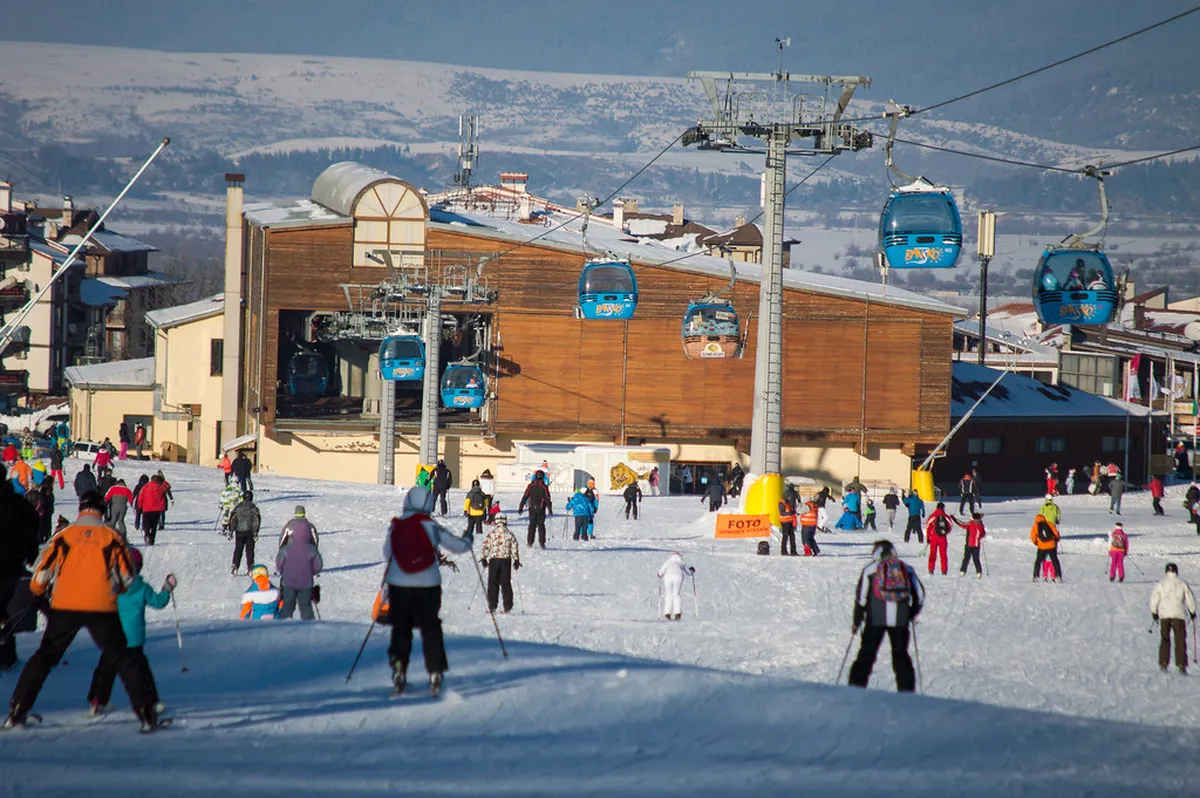
The church is the perfect 'rest day' activity for those on a skiing holiday. The thick stone walls keep the interior cool in summer and relatively warm in winter. It provides a peaceful escape from the busy crowds at the gondola station. Spending an hour here allows you to recharge while soaking in the local culture.
The 100 National Tourist Sites Stamp Program
The Holy Trinity Church is part of the prestigious '100 National Tourist Sites' of Bulgaria. Visitors can purchase a small passport booklet at the entrance or local tourist centers. Collecting stamps from these sites is a popular way to explore the country's best landmarks. The church provides one of the first stamps many people get when visiting the region.
Earning stamps can eventually lead to bronze, silver, or gold badges for dedicated travelers. The 'Sofia Map' helps you track your progress across different regions of Bulgaria. It is a fun and rewarding way to ensure you don't miss any major cultural highlights. Ask the staff at the candle desk where to get your booklet stamped.
Seasonal Advice: Visiting During Winter vs. Summer
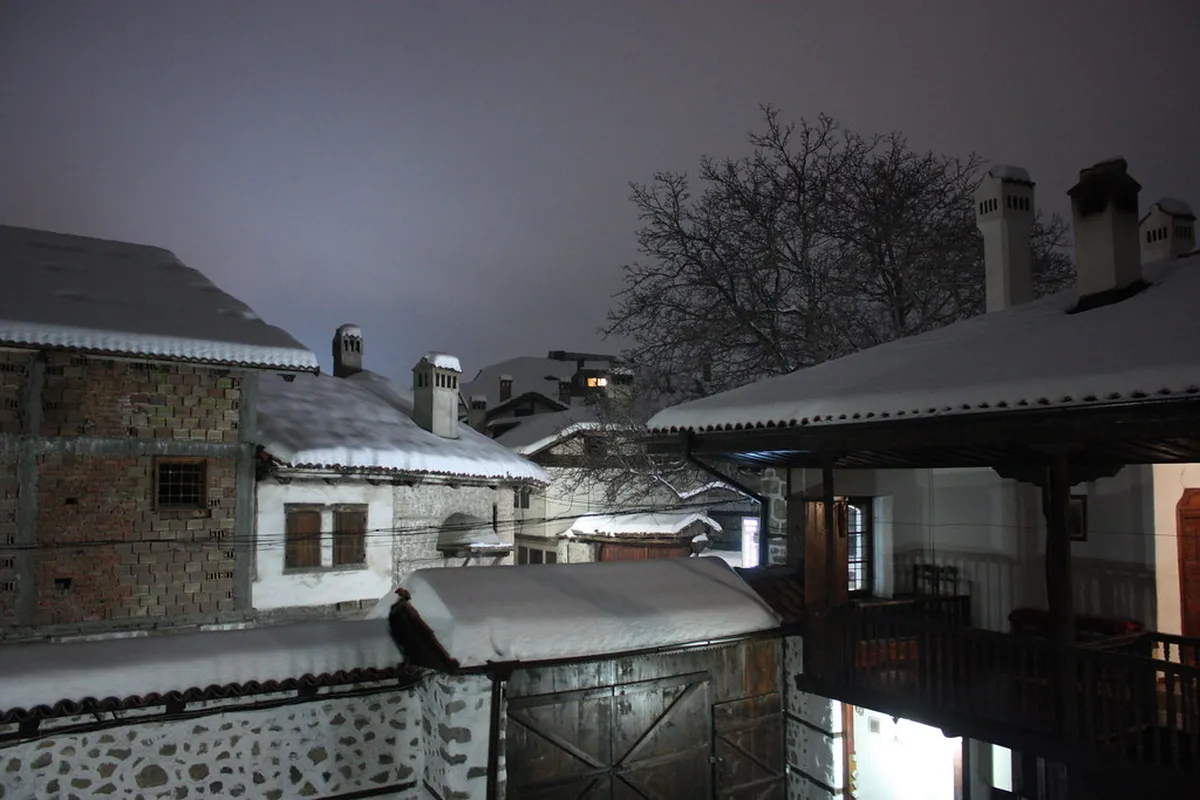
Winter in Bansko brings a magical atmosphere with snow-covered roofs and festive lights. The church garden looks particularly beautiful when blanketed in fresh white snow. Many skiers visit the church in the late afternoon after the slopes close for the day. It is a great time to experience the warmth of the community during holiday services.
Summer visits offer the chance to enjoy the lush greenery and blooming flowers in the courtyard. The outdoor benches provide a comfortable place to sit and admire the bell tower. Walking through the Old Town is much easier when the cobblestones are clear of ice. The cool interior offers a welcome relief from the bright Bulgarian sun in July.
Continue planning: Use Bansko Attractions: Top 8 Things to Do in Bansko to connect this guide with the rest of your Bulgaria itinerary.
Frequently Asked Questions
When was the Holy Trinity Church in Bansko built?
Construction began in 1833 and the church was consecrated in 1835. The project was initiated by the town's mayor Lazar German (Dyado Lazko), and the whole community took part — wealthy families donated funds while poorer residents contributed labour.
How tall is the bell tower and when was it added?
The free-standing stone bell tower in the churchyard rises about 30 m and was added roughly 15 years after the church, around 1850, with its bells installed in 1855. It doubles as a clock tower and remains one of Bansko's most recognisable landmarks.
What are the opening hours and is there an entrance fee?
The walled church complex is open for sightseeing daily from 08:00 to 18:00, and entry is free — it is an active Bulgarian Orthodox parish church, so dress modestly and be discreet during services.
How big is the church?
It is a three-nave pseudo-basilica about 44 m long and 22-24 m wide, which made it one of the largest Bulgarian churches of its era — remarkably ambitious for a church built under Ottoman rule in 1835.
What can I see inside the Holy Trinity Church in Bansko?
The interior showcases the Bansko Art School: the iconostasis features work by the icon painters Dimitar and Simeon Molerovi, while Velyan Ognev painted the ceiling as a starry sky with angels. There is also an ornate pulpit reached by a spiral staircase, and a peaceful walled garden around the church.
Why is this church historically important?
Beyond its architecture — it is considered one of the finest examples of middle and late Bulgarian National Revival church building — the church is a national symbol: on 5 October 1912, during the Balkan War, the poet and voivode Peyo Yavorov proclaimed Bansko's liberation from Ottoman rule here.
Where exactly is the church — is it on Nikola Vaptsarov Square?
The church complex stands on Vazrazhdane Square in the centre of Bansko's old town, a short walk along Pirin Street from Nikola Vaptsarov Square. Its 30 m bell tower is visible from across the town centre, so it is easy to find.
The Holy Trinity Church is more than just a historical building in the center of town. It is a living monument to the spirit and artistry of the Bulgarian people. Whether you come for the history, the art, or the spiritual peace, it leaves a lasting impression. Make sure to include this landmark in your next trip to the Pirin Mountains.
For more Bansko planning, read our Bansko Itinerary: 10 Essential Sections for Your Trip guide.
For the latest official information, see the Holy Trinity Church, Bansko on Wikipedia.