Freedom Square (Ploshtad Svoboda) Visitor Guide
Freedom Square is the physical and symbolic center of Ruse, the Danube port city in northern Bulgaria known for its ornate 19th-century facades. Locals call it Ploshtad Svoboda, and it is where twelve streets converge on the bronze Monument of Liberty. This guide covers the landmarks worth seeing around the square, the architectural story behind Ruse's "Little Vienna" nickname, and practical details for a 2026 visit, from cafe picks to getting here from the 10 Top Things to Do in Ruse, Bulgaria train station.
The square itself is a mix of paved plaza, formal gardens, and a working fountain, ringed by government buildings and pavement cafes. It has no opening hours and no entrance fee, so most visitors treat it as the starting point for a longer walk through the historic center rather than a single stop. Give it at least an hour on its own, longer if you plan to step inside the theatre or a museum nearby.
This walking video gives a close look at the square and Monument of Liberty:
Must-See Landmarks and the Monument of Liberty
The Monument of Liberty is the square's centrepiece: a 17.8-metre column topped by a bronze female figure representing Liberty. Italian sculptor Arnoldo Zocchi won the commission and cast the statue holding a raised sword, with a broken chain at her feet symbolising the end of Ottoman rule. Two bronze lions guard the base, a strength-and-resistance motif that recurs on liberation monuments across Bulgaria.
Local guides point out details easy to miss on a quick pass. The relief panels on the pedestal depict scenes from Bulgaria's 1877-78 War of Liberation, and the plinth is oriented so the statue faces down Aleksandrovska Street, the city's main pedestrian spine, rather than toward any single government building - a deliberate choice that puts Liberty facing the people, not the administration. Bronze plaques at the base give a short history in Bulgarian and English.
Surrounding the monument, the square opens into a radial pattern of walkways and flower beds framed by administrative buildings dating to the late 19th century, most with clear Neo-Baroque detailing. For photos, the steps of the Dohodno Zdanie theatre give a symmetrical view down the boulevard toward the monument, and golden hour catches the bronze figures particularly well.
The monument area stays lit at night, so an evening pass is worthwhile even on a short stopover. Check the Trip.com page for recent visitor photos and reviews before you go.
Museums, Art, and Culture Near Ploshtad Svoboda
The building most people photograph after the monument is the Dohodno Zdanie Visitor Guide, the Profit-yielding Building, raised in Neo-Baroque style on the square's western side. Its facade carries seven allegorical statues standing for agriculture, trade, industry, science, and other pillars of civic life - a decorative program typical of the joint-stock "profit-yielding" buildings that Balkan cities financed to fund a municipal theatre. It now houses the Ruse Opera and Philharmonic, so the inside stays as active as the outside is ornate.
The wider ring of buildings around the square is what earns Ruse its "Little Vienna" nickname, and it rewards slowing down to read the detail rather than just the skyline. Grain merchants who grew rich shipping wheat down the Danube in the 1880s-1900s hired architects trained in Vienna and Budapest, and the results borrow from both Neo-Baroque and Neo-Rococo pattern books: mansard roofs with dormer windows, wrought-iron balcony railings, stucco garlands and cartouches over the windows, and corner turrets on buildings facing the main intersections. Few other Bulgarian city centers kept this much of their fin-de-siecle skyline intact.
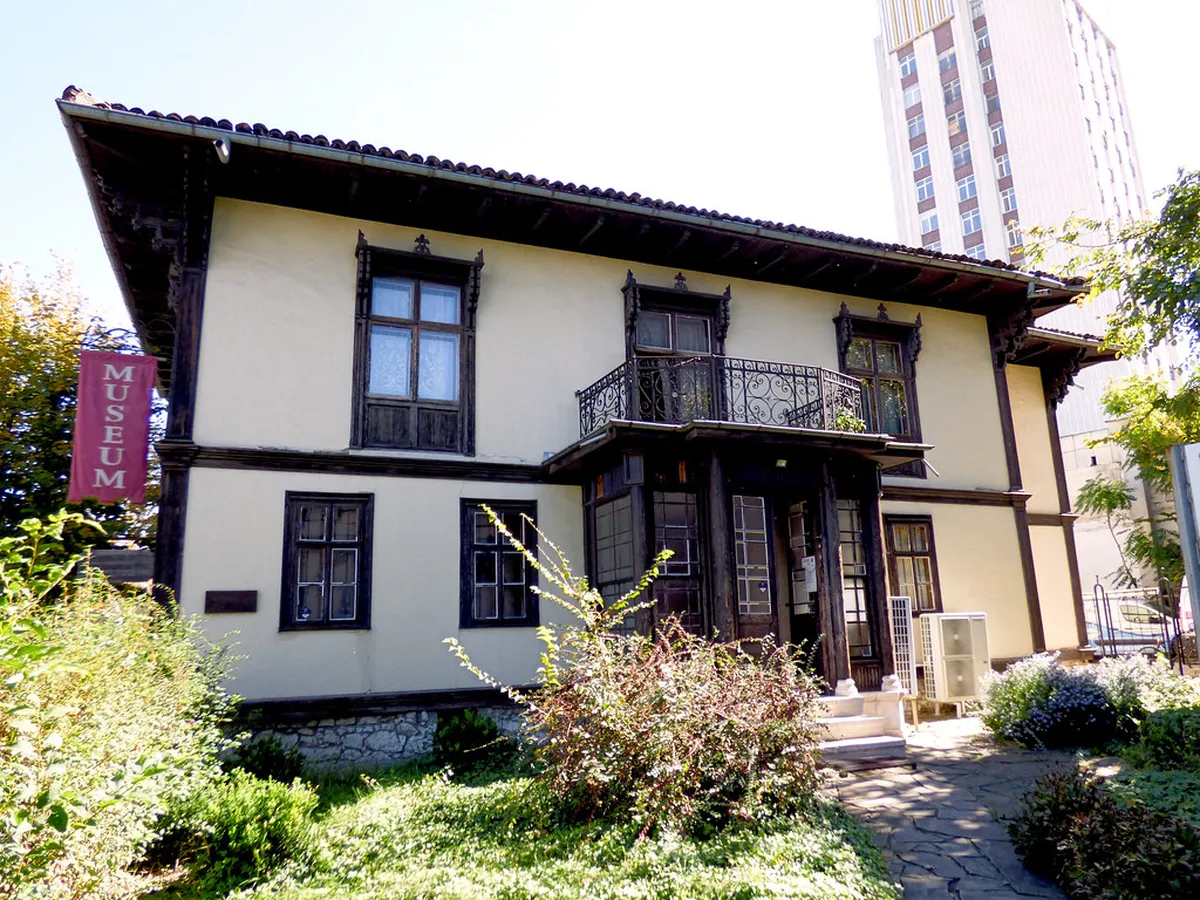
A short walk from the square leads to the Regional Historical Museum, housed in a former palace and covering the Danube region from Roman-era finds through the city's merchant-era boom. The Kaliopa House (Museum of Urban Lifestyle) Visitor Guide shows how one of those 19th-century merchant families actually lived, with period furniture and reception rooms intact.
The cultural density around Ploshtad Svoboda makes it easy to combine several of these sites in one afternoon. Walking between them, look up rather than straight ahead - the balconies and rooflines carry the ornate stone carving and metalwork that define the 'Little Vienna' look, and most of it is easy to miss from street level.
Parks, Gardens, and Outdoor Spaces in Central Ruse
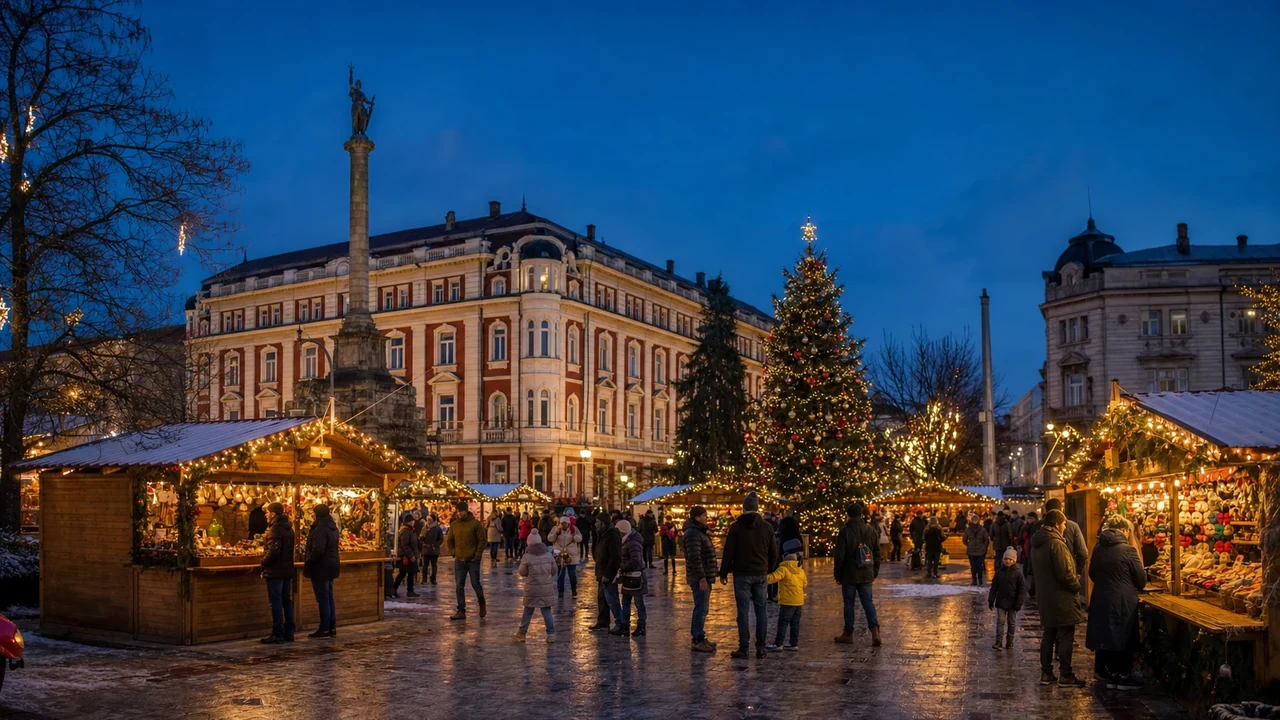
Away from the monument, Ploshtad Svoboda is as much garden as plaza. Formal flower beds are replanted several times a year, mature trees shade a ring of benches, and a working fountain gives children somewhere to cool off in summer. It functions as Ruse's living room more than a monument site - office workers eat lunch here, and in December the square hosts a small Christmas market with wooden stalls and string lights.
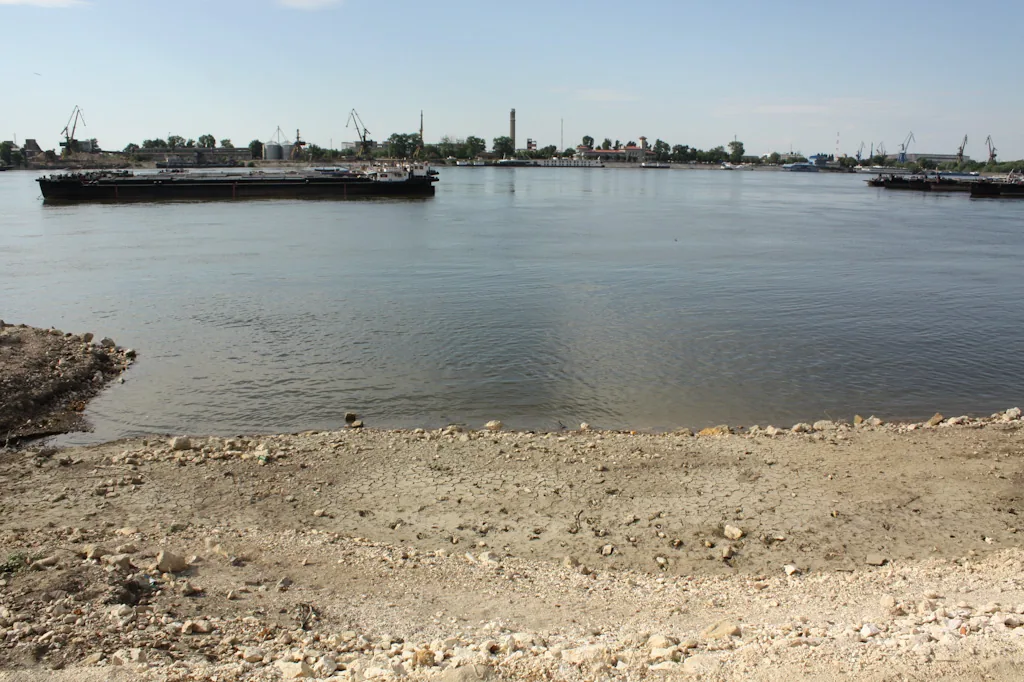
The Komoot.com hiking and cycling community rates the square highly as an urban waypoint, largely because it sits at the head of the pedestrian route down to the river. From the square, wide, level pavements lead straight to the Ruse Danube Riverside Park: 2026 Visitor Guide, and the walk down takes about 15 minutes at an easy pace, popular with joggers and cyclists in the warmer months.
Accessibility is genuinely good here by Bulgarian standards: the square itself and Aleksandrovska Street are flat, wide pedestrian paving rather than cobblestone, so wheelchairs, strollers, and mobility scooters move across the whole plaza with no obstacles. The cobblestones travelers get warned about sit on some of the narrower side streets branching off the square, not on the square itself or the main pedestrian spine - worth knowing if mobility is a concern, since it changes which route you'd plan around the center.
Family-Friendly and Budget-Friendly Tips for Visitors
Freedom Square costs nothing to visit - there is no ticket, gate, or timed entry, and the surrounding architecture and monuments can be enjoyed at any hour. For families, the flat, traffic-free plaza is one of the few places in central Ruse where children can run around without a road to watch for, and the fountain doubles as an informal splash spot on hot afternoons.
Bulgaria adopted the euro on 1 January 2026, so cafes and shops around the square now price in EUR rather than the old lev. A handful of smaller vendors still keep BGN cash on hand out of habit, but card payment in euro is standard everywhere on the square, and Ruse overall stays noticeably cheaper than Sofia or the Black Sea coast even after the currency switch.
- The cafes along the square's north side, facing the theatre, have the most direct sightline to the Monument of Liberty and charge roughly EUR 2-3 for a coffee - arrive before 10:00 for a shaded outdoor table.
- The ice cream and pastry stands along the main pedestrian street toward Aleksandrovska are the cheapest option with kids, usually under EUR 2 a scoop, and stay open into the evening in summer.
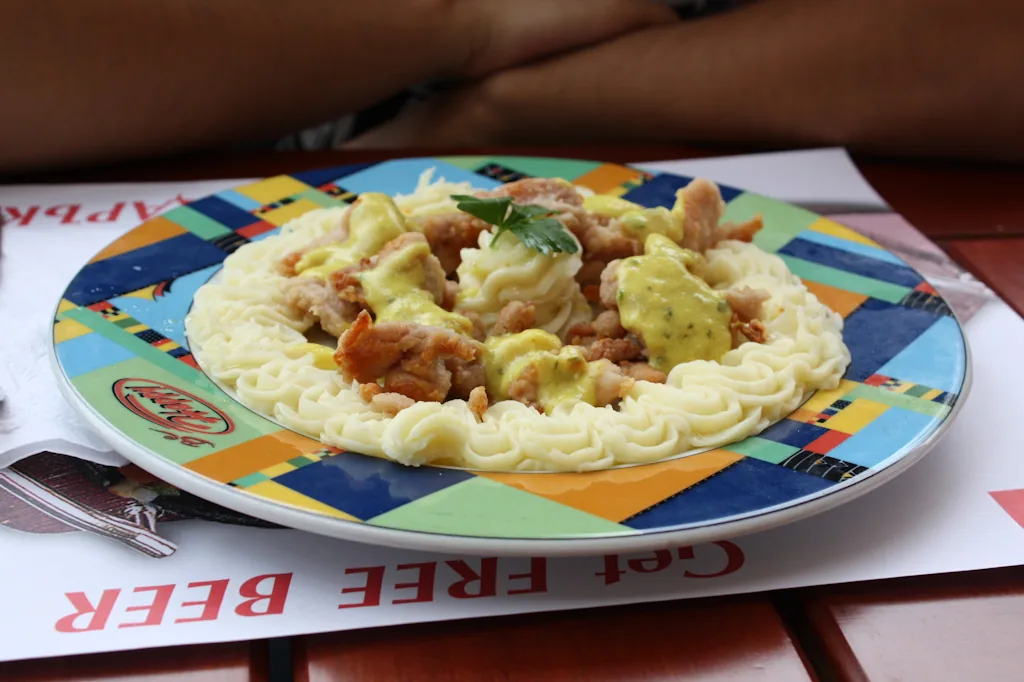
- The small bistros tucked behind the theatre serve fuller Bulgarian lunches - banitsa, shopska salad, grilled meats - for around EUR 5-8, and tend to be quieter than the cafes directly on the square.
How to Plan Your Visit to Freedom Square
Planning a visit to Ruse and its central square needs no advance booking - the square is open around the clock, every day of the year. Mornings before 10:00 give the clearest photos and the fewest tour groups. In summer 2026, expect the square to be used more often for open-air concerts and evening events than in past years, which can mean a temporary stage or barriers near the monument.
From the railway and bus stations it's about a 25-minute walk along Aleksandrovska Street, or a short, inexpensive taxi ride. Local buses also stop near the administrative buildings on the square's edge. There's no official ticketed tour of the square itself, but the tourist information point near the theatre hands out free city maps and can point you toward the seasonal guided walking tours that cover the square as part of a wider old-town route - worth asking about if you'd rather not self-navigate. Check the Imean.ai attraction page for map coordinates.
Wear proper walking shoes: the plaza itself is smooth, level paving, but the surrounding old-town streets are cobbled and uneven. Public restrooms near the theatre charge a small fee, so it's worth carrying a little cash even now that most shops on the square take card in euro.
Spring brings tulips and roses to the flower beds; autumn turns the mature trees gold; and the run-up to Christmas is when the square is at its most festive, with market stalls and lights through late December. Any season works for a first visit - the square is the natural starting point for a walking tour, whichever direction you head from here.
Continue planning: Use Ruse Attractions: 10 Top Things to Do in Ruse, Bulgaria to connect this guide with the rest of your Bulgaria itinerary.
Frequently Asked Questions
Is Freedom Square in Ruse free to visit?
Yes - it is an open public square in the centre of Ruse, free to walk through 24 hours a day, year-round. There are no tickets or entry points; the fountains, benches and surrounding landmark facades can all be enjoyed at no cost.
What is there to see on Freedom Square in Ruse?
The 17.8-metre Monument of Liberty stands at the centre, with the Neoclassical Dohodno Zdanie theatre on the square's western side, the Court House to the north and the municipal building to the south. Fountains, greenery and pavement cafes fill the space between, and the Ruse Opera and Holy Trinity Cathedral are each only a couple of minutes' walk away.
Why is Freedom Square in Ruse famous?
It is considered one of the few squares in Europe where twelve streets converge, and it anchors the elegant fin-de-siecle ensemble that earned Ruse the nickname 'Little Vienna'. Laid out in 1885 on Central European urban-planning lines, it has been the city's showcase space ever since - and note it is Ruse's own square, not the Freedom Squares of Tbilisi, Budapest or Nicosia.
How did Freedom Square in Ruse get its name?
The square has changed names with Bulgaria's history: created in 1885 on the site of a former Ottoman cemetery, it was first named after Knyaz Boris, became Botev Square after the Monument of Liberty was completed, was renamed Lenin Square after 1944, and finally took its present name, Ploshtad Svoboda - Freedom Square.
How do I get to Freedom Square in Ruse?
The square is the heart of Ruse's pedestrian centre, where Aleksandrovska Street crosses the city. From the railway and bus stations it is about a 25-minute walk or a short taxi or city-bus ride, and drivers will find parking areas around the square's edges.
How long should I spend at Freedom Square in Ruse?
Allow 30-60 minutes to circle the Monument of Liberty, admire the Dohodno Zdanie and the square's other facades, and pause at a cafe. It also makes the natural starting point for a walking tour along Aleksandrovska Street toward the Danube riverfront.
Are there events held on Freedom Square in Ruse?
Yes - as the city's main gathering place it regularly hosts open-air concerts, festivals and celebrations, including a stage for the annual Ruse Carnival and seasonal food festivals. Check the events calendar on the official visitruse.info site for what's on during your visit.
Freedom Square remains the essential starting point for any visit to Ruse, the Danube city that spent its wealthiest years building a skyline to rival Vienna. Between the Monument of Liberty, the ornate Dohodno Zdanie, and the merchant-era facades ringing the plaza, an hour here explains more of the city's history than any single museum could.
Whether you come for the architecture, the free open-air space, or a coffee within sight of the bronze statue, the square works for every kind of traveler and every budget in 2026. Take the time to walk a block or two off the main square as well - that is where the "Little Vienna" detail, and the quieter cafes, tend to be.
For more Ruse planning, read our Ruse 2 Day Itinerary: A Guide to Bulgaria's Little Vienna.
For official details, visit the Freedom Square (Ploshtad Svoboda) official site.