Pomorie Salt Lake & Mud Baths 2026: Healing Mud, Lye & the Salt Museum
The first time I walked the narrow sandy spit that separates Pomorijsko ezero from the Black Sea, I wasn't sure what to make of the landscape. On one side the sea caught the afternoon light in long silver strips; on the other, a broad shallow lagoon shimmered with a greenish-pink tinge, edged by low white pyramids of salt and, at the far end, a loose line of flamingos picking through the shallows. It took a moment to register that this wasn't a nature reserve tacked on as an afterthought — this was the main event, and it had been producing salt and therapeutic mud for at least two millennia.
Pomorie Salt Lake is the closest thing Bulgaria has to a spa destination rooted in pure geology rather than hotel marketing. The lake's dark liman mud and concentrated lye brine are genuinely therapeutic substances with a long clinical tradition behind them, and the town has built its wellness identity on both. That makes Pomorie a legitimate detour from the beach circuit, not just another Black Sea resort stop. My guide to 11 Best Things To Do In Pomorie, Bulgaria (2026) Guide covers the whole town; this article goes deep on the lake, the mud, the lye treatments, and the remarkable little Salt Museum that sits at the edge of the pans.
Pomorie Salt Lake at a Glance
Pomorijsko ezero — the Salt Lake — is a shallow hypersaline coastal lagoon, or liman, that sits just north of Pomorie town on Bulgaria's Black Sea coast, roughly 20 km north-east of Burgas. A narrow sandy spit keeps the lagoon separated from the sea, and that geography is the reason the water evaporates, concentrates, and produces two therapeutic by-products: black liman mud (peloid) and dense saline brine called luga — lye.
At a practical level there are three ways to engage with the lake. You can visit the Museum of Salt to understand the centuries-old solar evaporation process and see the heritage salt pans in action. You can wade into the open mud flats on the southern shore and self-apply the dark mud — a raw, slightly theatrical experience that leaves you looking like a sculpture before the sun bakes it stiff. Or you can book a professional course of balneotherapy at one of Pomorie's spa hotels and balneo centres, where mud wraps, lye baths, and combination treatment programmes are administered by trained staff. The lake is also an important protected wetland on the Via Pontica migratory flyway, and flamingos are a genuine feature of the landscape in season — worth factoring in even if the mud is your main objective.
A pricing note for 2026: Bulgaria adopted the euro on 1 January 2026 and you'll see dual lev-and-euro pricing at all spa menus, museum entrances, and shops at the fixed rate of approximately 1.9558 BGN to €1. All price ranges in this guide are indicative; confirm exact costs locally as of 2026.
| Experience | What it's for / what to expect | Good to know |
|---|---|---|
| Open Mud Flats | Free self-application of dark liman mud on the southern shore; you wade in, scoop, spread, and let the sun dry it into a pale mineral crust | Bring old swimwear and water shoes; mud will not wash out of anything you value. Fresh-water rinse facilities exist near the most-used sections |
| Lye Baths | Professional warm saline therapy in concentrated brine; deeply relaxing for tired muscles and joints; often combined with a mud wrap in treatment courses | Single sessions €15–€40 at mid-range spas (as of 2026). Book in advance during summer season. Courses run 3–7+ days at specialist balneo hotels |
| Museum of Salt | Tour the only salt-making museum in Eastern Europe; see the centuries-old solar evaporation process, traditional wooden rakes, and heritage exhibits on Black Sea salt trade | Sits at the edge of active working salt pans; visible real production in summer. Shop at exit sells unrefined Anchialo sea salt in coarse and fine grades |
| Via Pontica Birdwatching | Observe greater flamingos and migratory waders (avocets, stilts, marsh harriers) on the protected wetland during migration peaks | Peak flamingo numbers June–July. Bring binoculars. The spit offers excellent viewing in early morning before midday heat peaks |
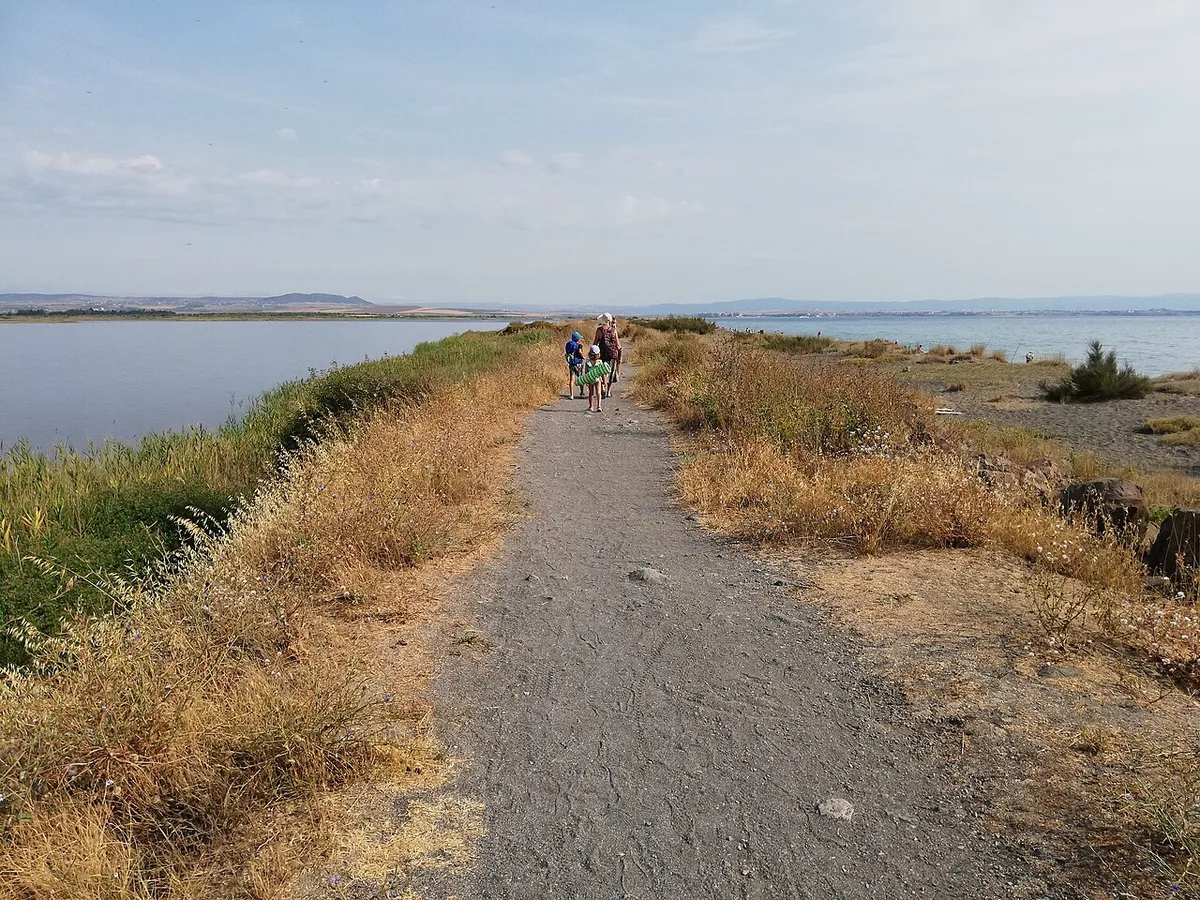
Pomorijsko Ezero: Lagoon, Wetland & Flamingos
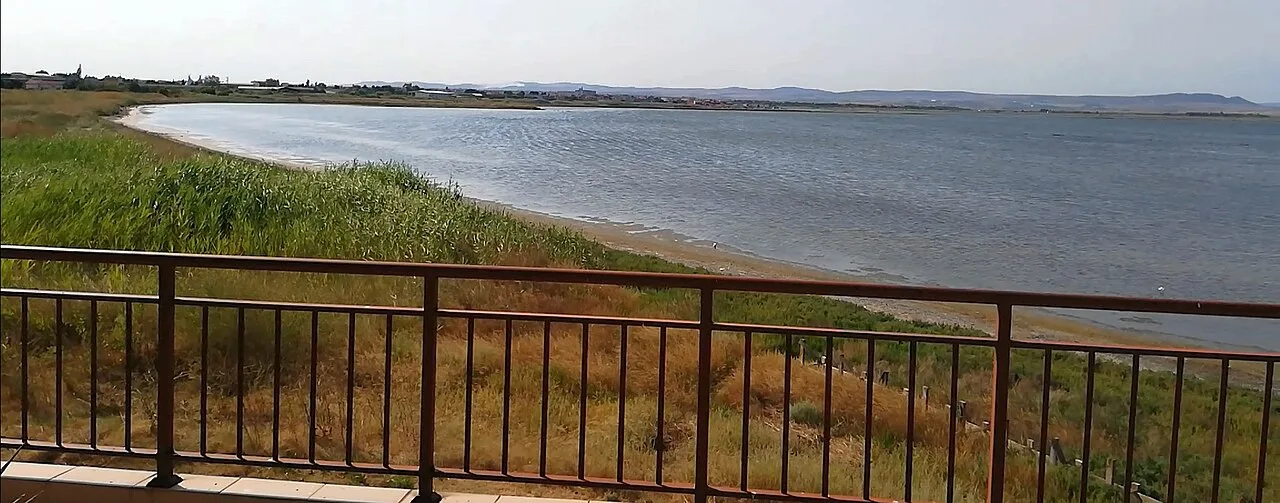
Pomorijsko ezero is not a lake in the conventional sense. It is a liman — a coastal lagoon created when a low valley or estuary was sealed off from the sea by accumulated sediment and a spit of land, then left to evaporate and concentrate over centuries. In Pomorie's case, the spit is just wide enough to carry the coastal road, and the old town perches at its seaward tip while the lagoon stretches behind to the west, surrounded by low salt-pan infrastructure and the reedy fringes of the wetland.
The water is shallow — rarely more than a metre or two deep — and in summer that shallowness combines with the intense Black Sea sun to produce salinity levels that can approach those of the Dead Sea in the densest crystallisation pans. The surface colour shifts through the season: greenish-blue in spring, pink-red in high summer as halophytic algae (Dunaliella salina) and brine shrimps colonise the brine, pale and crystalline by August. Standing on the spit on a clear afternoon and watching the gradient of colours — aquamarine, rose, white — ripple across the lagoon surface is one of those quietly spectacular moments that stay with you.
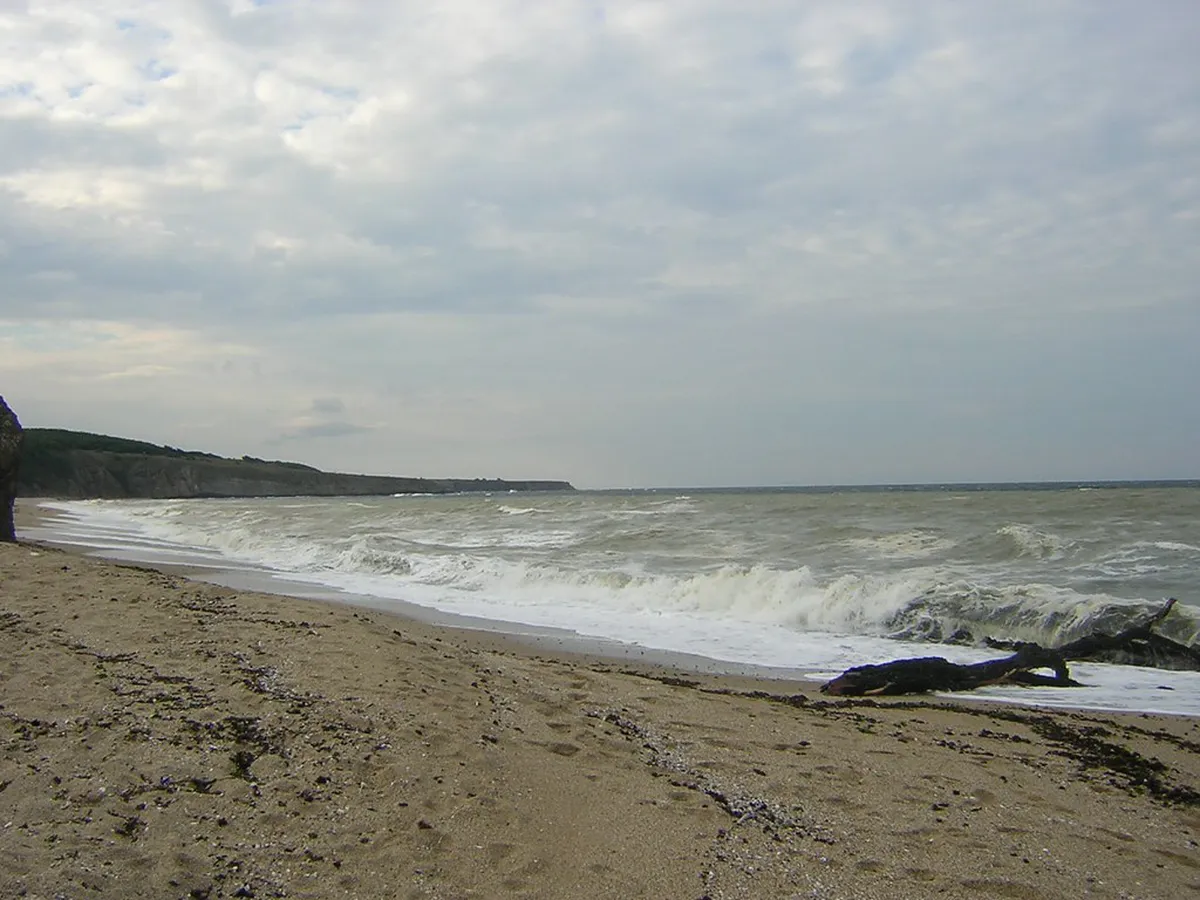
The ecological importance of the lake is considerable. Pomorijsko ezero is a protected wetland and a key node on the Via Pontica migratory flyway, one of Europe's major bird migration corridors running the length of the Black Sea coast. Greater flamingos (Phoenicopterus roseus) feed in the southern shallows and are now a signature sight from late spring onward; avocets, black-winged stilts, marsh harriers, and dozens of wader species use the reserve as a staging post during spring and autumn migration peaks. As of 2026, the reserve draws dedicated birders from across Europe. If you're planning a longer stay, Pomorie's beaches on the seaward side of the spit offer a satisfying landscape contrast to the therapeutic lagoon world.
The Healing Mud: Peloid, Open Mud Flats & What to Expect
The mud — peloid in the clinical literature, liman mud in everyday Bulgarian — is the defining substance of Pomorie's therapeutic identity. It forms on the lake bed through a combination of mineralised sediment deposition, algal decomposition, and microbial activity that produces a dark, fine-grained material with a slick texture and a mineral profile dominated by sodium, magnesium, and potassium salts. The result is subtly sulphurous to the nose and soft as potter's clay against skin.
The therapeutic claims for liman mud are backed by a substantial tradition in Eastern European spa medicine, and the conditions most commonly addressed include joint pain and arthritis, musculoskeletal injuries and post-operative rehabilitation, certain skin conditions including psoriasis, and gynaecological complaints. That breadth of application is part of why Pomorie's reputation extends well beyond the summer beach season — many visitors arrive specifically in September and October, when the lake water is still warm but the resort crowds have gone home.
For casual visitors, the most vivid encounter with the mud is at the open lakeside mud flats on the southern shore. You wade in, scoop the dark material from the shallow bed, spread it across skin, and stand in the sun while it dries — tightening gradually as the water evaporates, then cracking into a pale mineral crust. It's entirely free, popular with Bulgarian families and international visitors alike, and not remotely refined. Practical necessities: bring old swimwear (the mud will not wash out of anything you value), wear water shoes or old trainers for the soft, sometimes sharp lakebed, and plan your approach to rinsing off before you drive home. Basic fresh-water rinse facilities exist near the most-used sections of the southern shore, but as of 2026 confirm availability locally before committing to a specific entry point.
The lakebed can be soft and occasionally sharp beneath your feet, so water shoes or old trainers are essential. Plan to spend at least 30–45 minutes standing in the sun while the mud dries to a pale crust before rinsing — expect to look like a sculpture partway through the process.
Lye Baths & Professional Balneotherapy Treatments
Alongside the mud, the lake produces luga — concentrated saline brine, essentially lye — harvested from the denser saltwater layers and used in therapeutic baths. A lye bath is a different experience from a mud wrap: warmer, more restful, deeply relaxing for tired muscles and joints, and without the dramatic visual of arriving at the water's edge looking like a clay figure. The two are often combined in professional treatment courses, with the mud wrap applied first, then rinsed, followed by a lye bath to close the treatment.
At a clinical level, balneotherapy in concentrated saline brine is thought to work through osmotic effects on the skin, a degree of transdermal mineral absorption, and the buoyancy benefit of high-density water — the body floats with significantly less effort than in fresh water, reducing joint load and allowing the muscles to decompress. The courses offered at Pomorie's specialised balneo hotels and sanatoriums typically run three to seven days or more, aimed at people with chronic conditions or rehabilitation needs rather than single-visit tourists.
For shorter stays, single-session options — a mud wrap, a lye bath, or a combination — are available at the wellness hotels and day-spa centres along the lake shore and on the town fringes. As of 2026, a single treatment session at a mid-range Pomorie spa runs roughly €15–€40 depending on type and duration; confirm the current price locally. My guide to 8 Best Wellness & Spas in Pomorie Experiences covers the hotel-based treatment programmes in full — from the classic sanatorium experience to shorter spa-break packages — and Where to Stay in Pomorie 2026 helps you match a property to your treatment duration and budget. For the broader picture of Bulgaria's thermal and spa scene, 10 Best Spa Towns and Planning Tips in Bulgaria sets Pomorie in a national context worth reading before you book.
The Museum of Salt: Eastern Europe's Only Salt-Making Museum
The Museum of Salt (Muzey na Solta) in Pomorie is, by widely accepted reckoning, the only museum in Eastern Europe dedicated to the craft and history of salt-making. That distinction sounds like tourist-board language until you walk inside and realise how genuinely well-done it is for its scale.
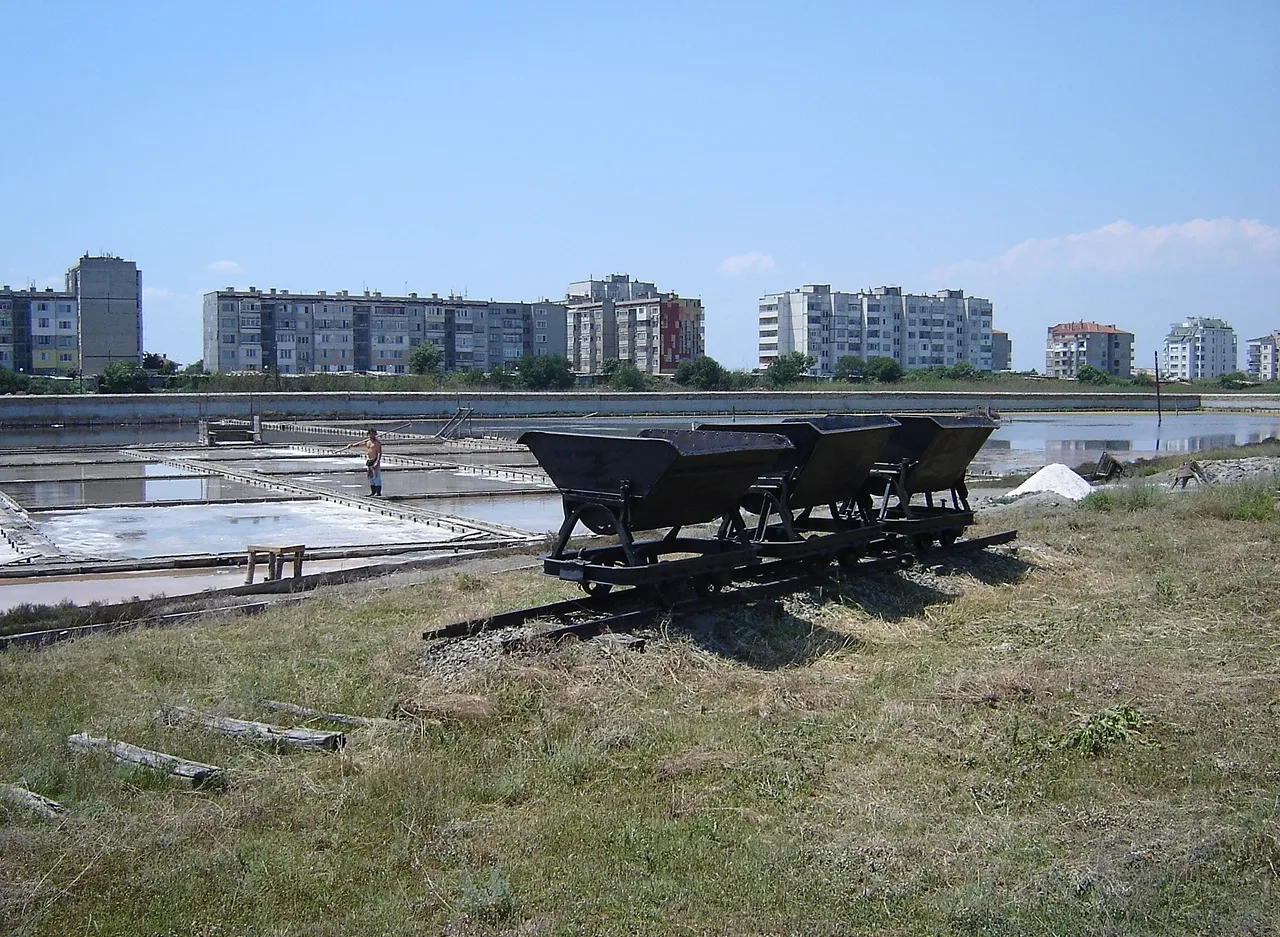
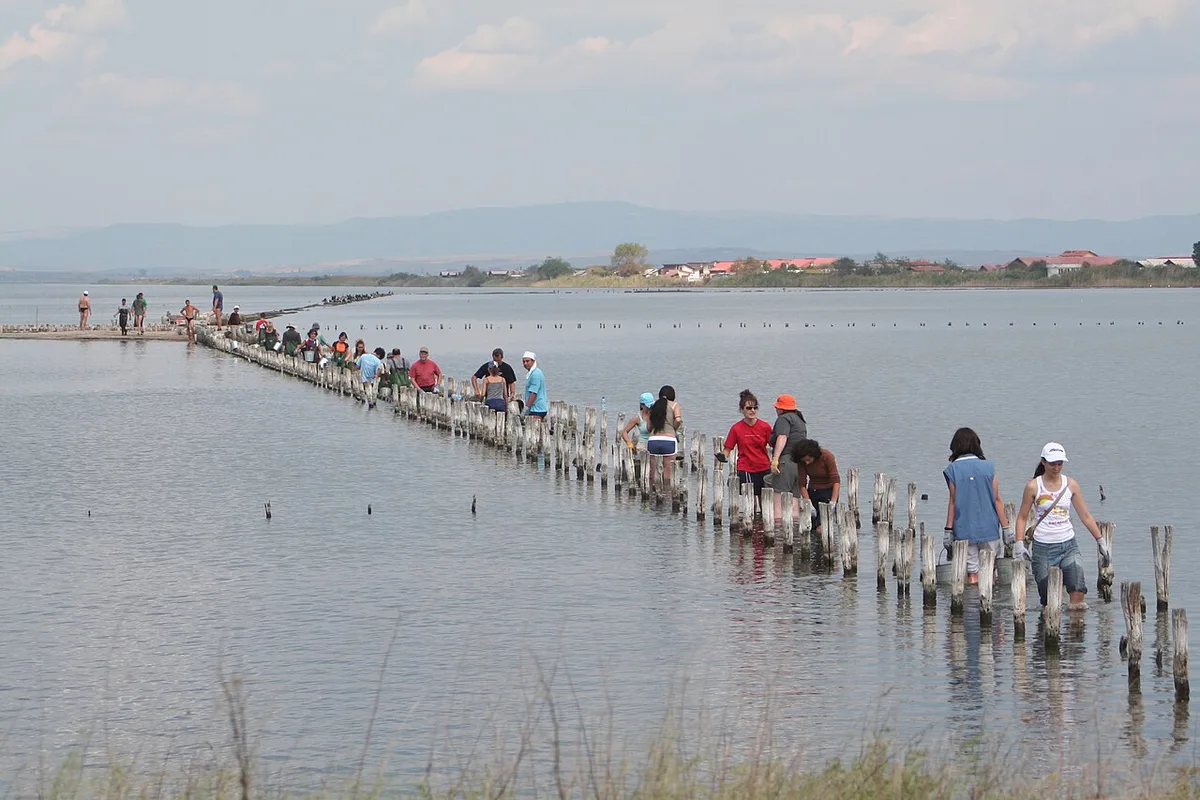
The exhibits explain the solar evaporation method that has been practised here since at least the medieval period — a process that is more logical than it looks once you follow it through. Seawater is drawn into a graduated sequence of increasingly shallow pans. In each successive pan, evaporation raises the salinity, filtering impurities and concentrating the brine until, in the final crystallisation pans, salt begins to precipitate out of solution. Workers then harvest the white crystals by hand using long-handled wooden rakes — the same basic tool has been used here for centuries, and the museum displays a full set alongside period photographs, cartographic records, and explanatory panels tracing salt's history as a trade commodity on the Black Sea coast.
What lifts the museum above a static indoor display is its proximity to the active salt pans. The building sits at the edge of the working production area, and in summer you can see the actual process in context through the windows and from a short walking route around the pans: white crystal ridges accumulating against dark brine, the air carrying a faint mineral tang, workers occasionally moving through the ankle-deep water with rakes. As of 2026, the museum operates seasonally with its main open months running from spring through early autumn; admission is modest (confirm the current price locally). Even on a short visit, it repays an hour comfortably — and the small shop at the exit sells Anchialo salt in several grades, which is worth picking up before you leave.
Anchialo Salt: A Heritage Product with Two Millennia Behind It
The salt produced at Pomorie carries the heritage designation Anchialo salt — Anchialo being the ancient Greek and Byzantine name for the town (the modern Bulgarian name Pomorie derives from a Slavic root meaning "by the sea"). This branding connects the product to a trading history reaching back to antiquity, when salt from this coastline moved along Black Sea merchant routes and appeared in historical records as a specific, valued commodity traded as far as the Danube basin and inland Thrace.
Today, Anchialo sea salt is marketed as an artisan and health product. It is unrefined and minimally processed, retaining trace minerals — magnesium, potassium, calcium — that industrial salt production removes through washing and drying. You'll find it at the Salt Museum shop, at the Pomorie town market, and in specialist food shops in Burgas. It comes in coarse and fine grinds, occasionally blended with locally dried herbs, and it makes a straightforward, genuinely distinctive souvenir that connects directly to the place rather than serving as a generic gift-shop placeholder.
Production quantities are modest — this is not an industrial operation but a heritage craft constrained by the lake's productive surface area and the unpredictability of any given summer's evaporation season. Annual harvests vary with temperature and wind conditions. As of 2026 the salt pans remain actively operational; visiting in July or August gives you the best chance of seeing white crystal ridges freshly forming in the crystallisation pans and workers harvesting with the traditional rakes.
Tip: Pair the open mud flats with an early-morning walk along the spit to catch the flamingos before the midday heat peaks. Bring water shoes and old swimwear for the mud, then head to the Salt Museum while you dry off — the shop at the exit sells Anchialo salt in coarse and fine grades, easily the most locally meaningful souvenir Pomorie offers. Book any professional spa treatment at a Pomorie wellness hotel in advance if you're visiting in summer.
Planning Your Visit: Getting There, Best Season & What to Bring
Getting there. Pomorie sits approximately 20 km north-east of Burgas, which is the main regional hub, the nearest international airport, and the connecting point for trains from Sofia (roughly seven to eight hours) and seasonal European flights. The drive from Burgas takes about 25–30 minutes along the E87 coastal road; local buses connect the two towns regularly throughout the day. Since January 2025, Bulgaria has been a full Schengen member, which simplifies entry formalities considerably for EU travellers and makes a Black Sea coast trip noticeably smoother logistically.
Best season. Late spring through early autumn — May to September — is the window when the Salt Lake is most productive and the open mud flats are at their most rewarding. June and July see the salt crystal formation at its peak and the highest flamingo numbers in the shallows; September is the preferred month for balneotherapy regulars, who value the lower air temperatures combined with still-warm lake water and fewer resort crowds. The museum operates through roughly the same seasonal window. If you're visiting primarily for a professional treatment course rather than the open mud experience, early October can work too — but confirm the balneo centre is open and the museum is operating before you travel.
What to bring. Old swimwear that you don't mind ruining (liman mud will not come out of anything you value), water shoes or old trainers for the soft and occasionally sharp lakebed, sun protection for any time spent standing at the water's edge, and binoculars if the Via Pontica birdlife interests you. A small cash reserve is useful for the museum entrance and salt shop, as not all small facilities reliably accept card payment — though as of 2026 euro cash is accepted everywhere alongside the lev.
Continue planning: Use 11 Best Things To Do In Pomorie, Bulgaria Guide and Pomorie Beaches 2026: Black Sand, the Sandbar & Best Spots to connect this guide with the rest of your Bulgaria itinerary.
Frequently Asked Questions
What is the Pomorie Salt Lake and why is it famous?
Pomorie Salt Lake (Pomorijsko ezero) is a shallow hypersaline coastal lagoon — a liman — separated from the Black Sea by a narrow sandy spit, roughly 20 km north-east of Burgas. It is famous for three things: therapeutic black liman mud (peloid) used in balneotherapy; concentrated lye brine (luga) used in healing baths for joint, skin, and rehabilitative conditions; and the Museum of Salt, the only museum of salt-making in Eastern Europe. The lake is also a protected wetland on the Via Pontica flyway, known for flamingos and migratory waders.
Can you use the Pomorie mud baths for free?
Yes. The open lakeside mud flats on the southern shore of Pomorijsko ezero are freely accessible and free to use — you wade in and self-apply the dark liman mud directly. Bring old swimwear (the mud will not wash out), water shoes for the lakebed, and plan for a fresh-water rinse afterwards. Professional mud wraps, lye baths, and combination treatment courses at Pomorie's spa hotels and balneo centres are paid services, typically ranging from around €15–€40 per session for a single treatment as of 2026 (confirm locally).
What is lye (luga) and what conditions does balneotherapy at Pomorie treat?
Lye (luga) is concentrated saline brine harvested from the denser layers of the Salt Lake and used in therapeutic balneotherapy baths. It works through osmotic effects on the skin, trace mineral absorption, and the buoyancy benefit of high-density water, which reduces joint load. Conditions commonly addressed at Pomorie's balneo centres include arthritis and joint pain, musculoskeletal injuries and post-operative rehabilitation, certain skin conditions such as psoriasis, and gynaecological complaints. Treatment courses typically run three to seven or more days at specialist balneo hotels; single-session options are also available for shorter stays.
What will I see at the Pomorie Museum of Salt?
The Museum of Salt (Muzey na Solta) is the only museum of salt-making in Eastern Europe. It explains the centuries-old solar evaporation method: seawater moves through a graduated sequence of pans, evaporation raises the salinity in each stage, and salt crystallises out in the final pans for hand-harvesting with traditional wooden rakes. The museum displays the full set of tools, historical photographs, and maps tracing the Black Sea salt trade. The building sits beside active working salt pans, so in summer you can see real production underway. The exit shop sells Anchialo sea salt — an unrefined heritage product unique to Pomorie. The museum operates seasonally, mainly spring through early autumn; confirm opening hours and admission price locally.
When is the best time to visit the Pomorie Salt Lake?
Late spring to early autumn — May through September — is the main window. June and July are peak for salt crystal formation, flamingo numbers on the wetland, and the open mud flat experience. September is favoured by balneotherapy visitors for cooler air temperatures combined with still-warm lake water and fewer crowds. The Salt Museum also operates seasonally over roughly this period. Avoid visiting for the open mud experience in winter, when the lake is cold, facilities are minimal, and air-drying mud outdoors is not practical.
The Salt Lake is what makes Pomorie more than a standard Black Sea beach stop. Few places in Bulgaria — few in Europe — give you a functioning salt-production heritage site, a clinically established balneotherapy tradition, a protected flamingo wetland, and a freely accessible open mud flat within easy walking distance of the same compact town centre. It is genuinely singular.
If I were advising a first-time visitor I'd structure the day simply: museum in the morning while the air is cool, a walk along the spit to catch the flamingos in the southern shallows, then the open mud flats mid-afternoon when the sun is high enough to bake the mud dry properly. Round it off with a booked lye bath at one of the lakeside spa hotels before dinner. That sequence covers every layer of what the lake offers and leaves you pleasantly exhausted in the best possible way. My guides to 8 Best Wellness & Spas in Pomorie experiences and Where to Stay in Pomorie 2026 cover the treatment hotels and accommodation in detail; 11 Best Things To Do In Pomorie, Bulgaria (2026) Guide maps the whole town for the broader visit. The lake is the reason to come; the town is a comfortable place to stay for it.