Troyan Monastery
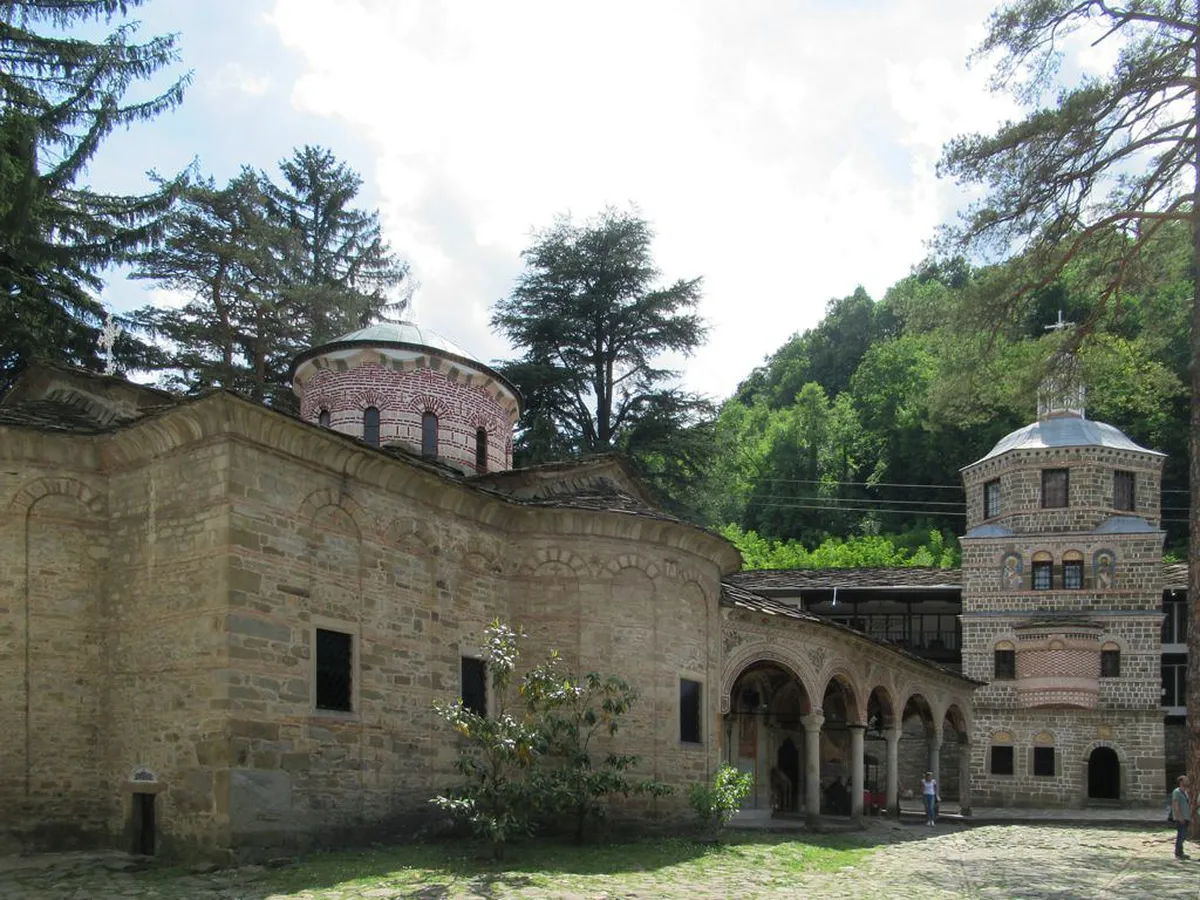
Nestled in the lush folds of the Stara Planina mountains, the Troyan Monastery stands as one of the most historically layered religious sites in Bulgaria. As the country's third-largest monastery, it combines extraordinary frescoes, a miraculous icon, and a revolutionary past that few visitors expect. The complex sits in the valley of the Cherni Osam River, about 10 kilometres south of the town of Troyan in the Lovech region.
Its official name is the Monastery of the Dormition of the Most Holy Mother of God. It is a stavropegial monastery, meaning it answers directly to the Holy Synod rather than to any local bishop. Whether you are a history researcher, a pilgrim, or simply a traveller curious about Bulgarian heritage, a morning here rewards every category of visitor.
For a complete visual sense of the monastery's location within the Stara Planina valley and its architectural layout, this aerial and ground-level tour captures the complex from multiple perspectives:
History and Spiritual Significance of the Dormition Monastery
Historical documents place the monastery's founding around 1600, when a hermit monk settled in the Troyan gorge. The complex was then extensively rebuilt between 1830 and 1865 in its present form — the period of the Bulgarian National Revival, when monasteries served as cultural and educational anchors under Ottoman rule. Patriarch Maxim, the late head of the Bulgarian Orthodox Church, was born in the adjacent village of Oreshak and began his service here; his burial within the monastery in 2012 underlined its continuing spiritual authority.
During the 19th-century independence movement, the monastery sheltered Vasil Levski, Bulgaria's most celebrated freedom fighter. He formed a secret revolutionary committee here composed of around 80 monks, led by Archimandrite Makarius. The cell where plans were drawn up is preserved in its original state and open as a small museum — this is one of the most tangible Levski sites anywhere in the country.
The monastery's civic role extended further during the Russo-Turkish War of 1877–1878, when the entire complex was converted into a field hospital for Russian soldiers. That episode is largely overlooked in travel coverage but is part of why the Bulgarian monastery circuit network is understood as a series of community institutions, not merely religious retreats. Today the monastery hosts christenings, weddings, and monastic life in parallel — a living community, not a static museum.
The Miraculous Icon of St. Mary Troeruchitsa
The monastery's most revered object is the icon of St. Mary Troeruchitsa — the Three-handed Virgin. The theological origin of the third hand traces to Saint John of Damascus in the 8th century. According to tradition, the caliph's court falsely accused him of treason and had his right hand severed. He prayed intensely before an icon of the Virgin Mary, and the hand was miraculously restored. In gratitude, he fashioned a silver hand and attached it to the icon, giving rise to this iconographic type throughout Eastern Orthodoxy.
This particular copy arrived at Troyan in the early 17th century, brought from Mount Athos by a monk traveling through Wallachia. A central element of the local legend is that the monk tried to continue his journey, but the icon repeatedly returned to the monastery — interpreted as a divine signal that it had chosen this place as its home. The icon was also held in Serbia for a period in the 13th century before being returned to Bulgaria.
Believers travel from across the Balkans to pray before it, seeking healing of physical ailments. The icon sits within a gilded, wood-carved iconostasis completed in 1839, a masterwork of the Tryavna Wood-carving School. Approach it quietly; many visitors who come purely for historical interest find the atmosphere around the icon genuinely affecting regardless of their beliefs.
The gilded wood-carved iconostasis housing the Troeruchitsa icon was completed in 1839 and is a masterwork of the Tryavna Wood-carving School — look closely at the detail before approaching the icon itself.
Architectural Highlights and Zahari Zograf's Frescoes
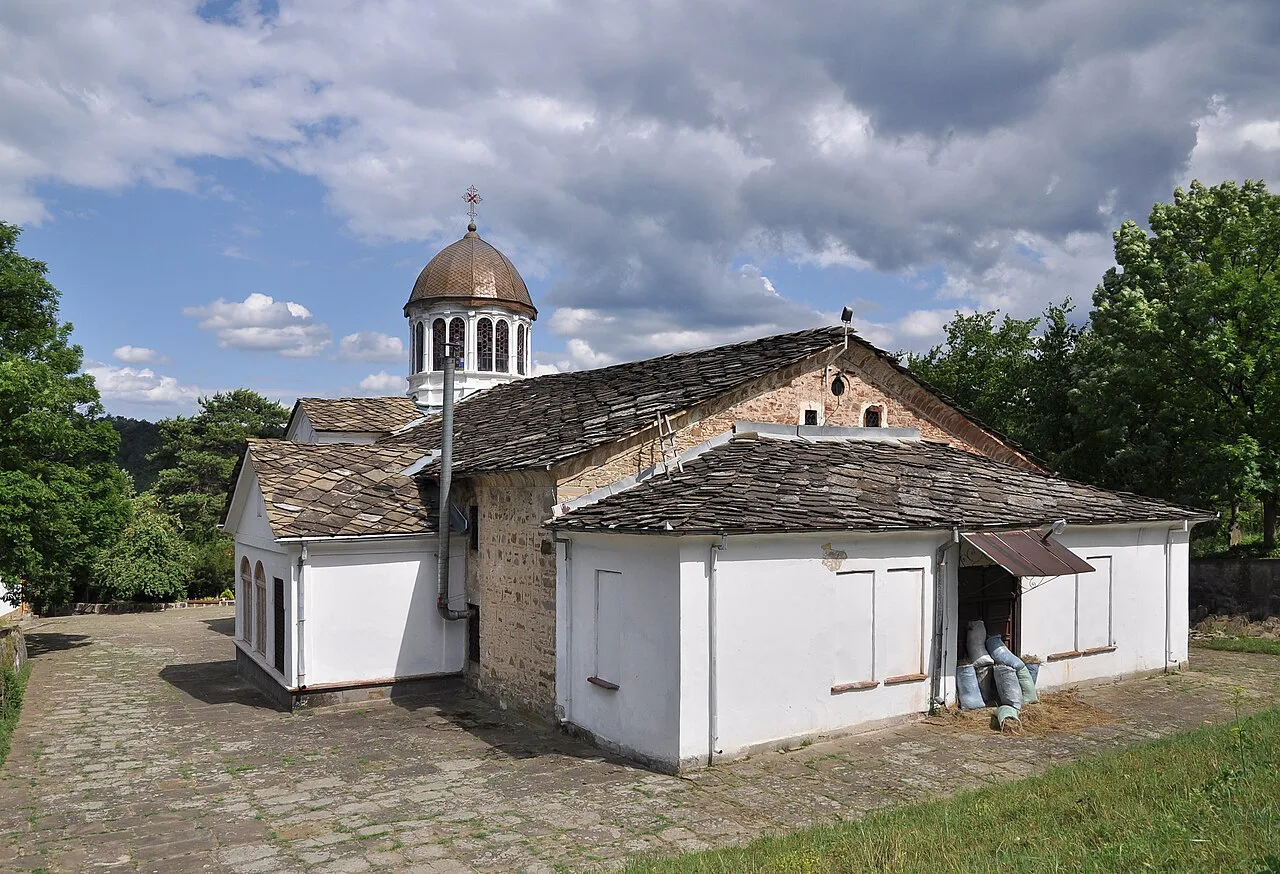
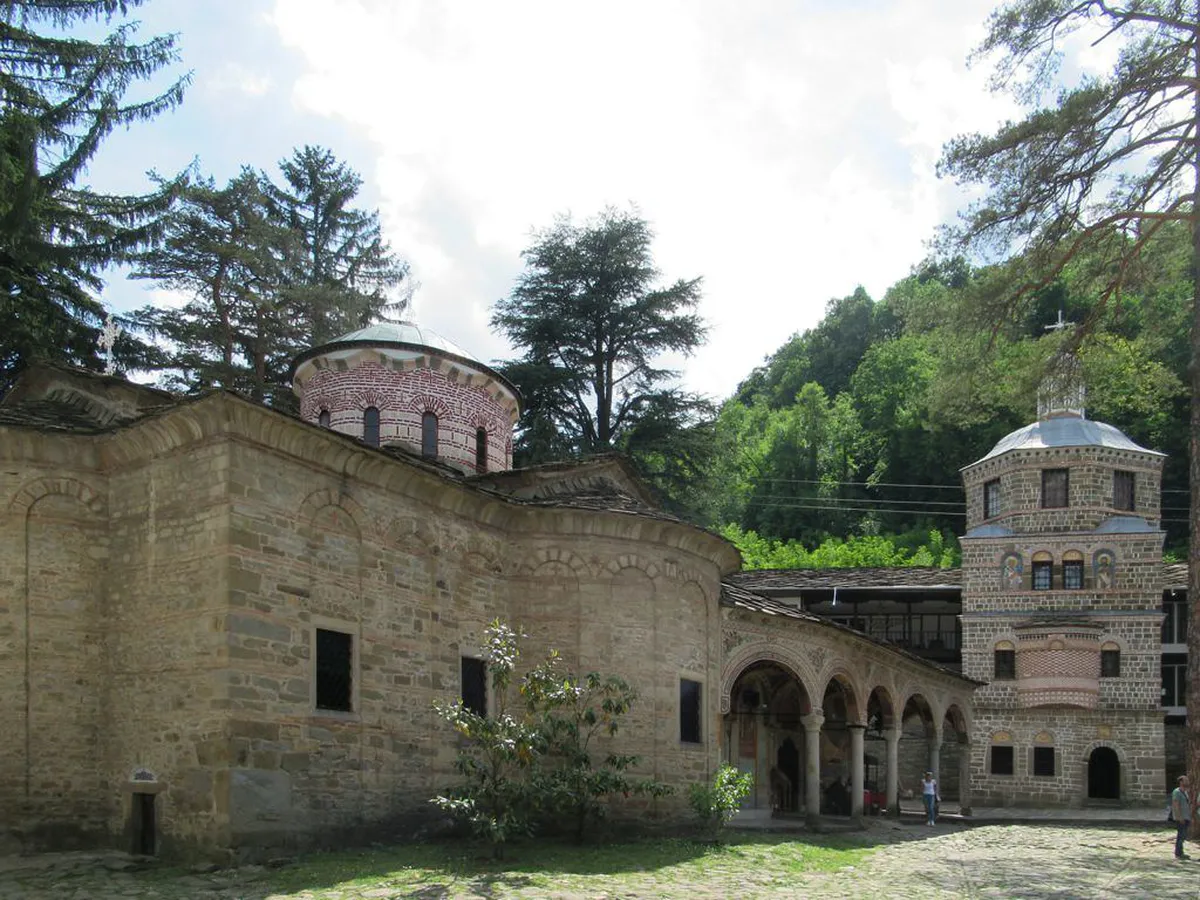
The main church of the Dormition was built between 1835 and 1837 by master builder Konstantin of Peshtera, from the Kyustendil region. Its cross-dome structure uses stone walls reinforced with two-brick belts — solid National Revival construction that has survived nearly two centuries intact. The church was formally declared a national cultural monument in the State Gazette, first in 1927 and again in 1969.
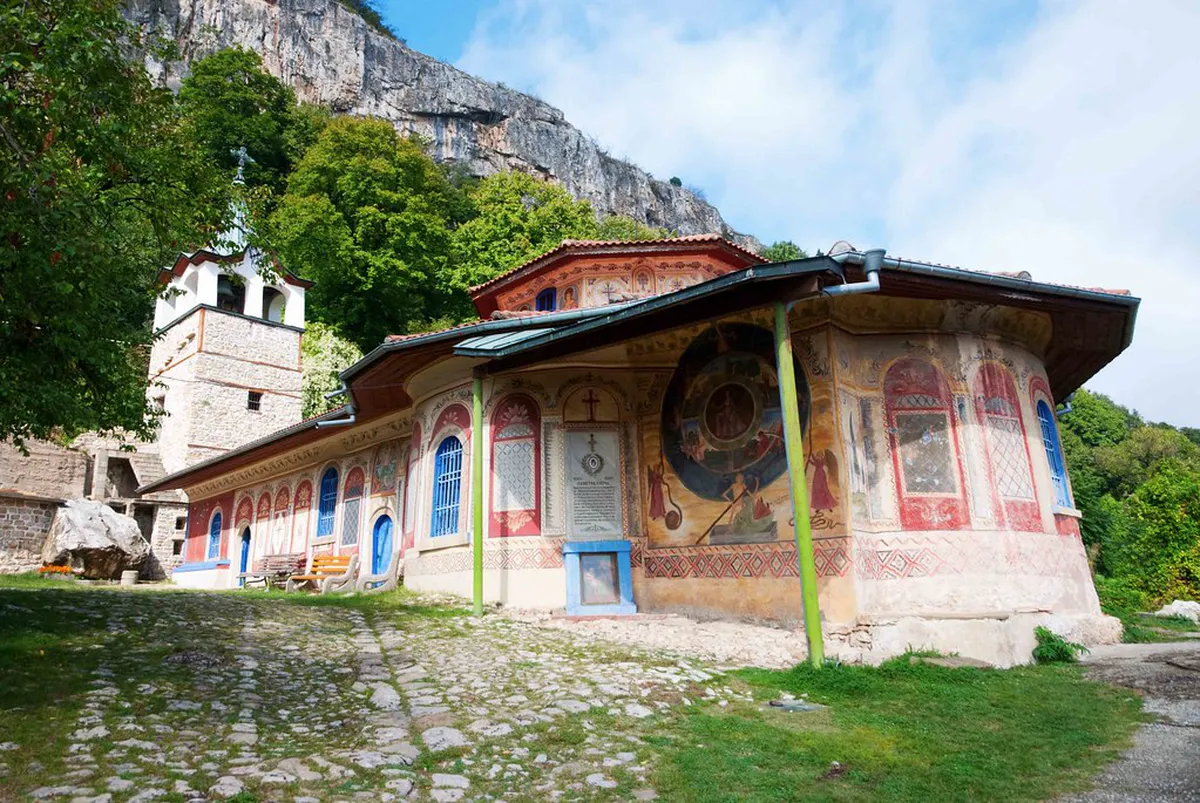
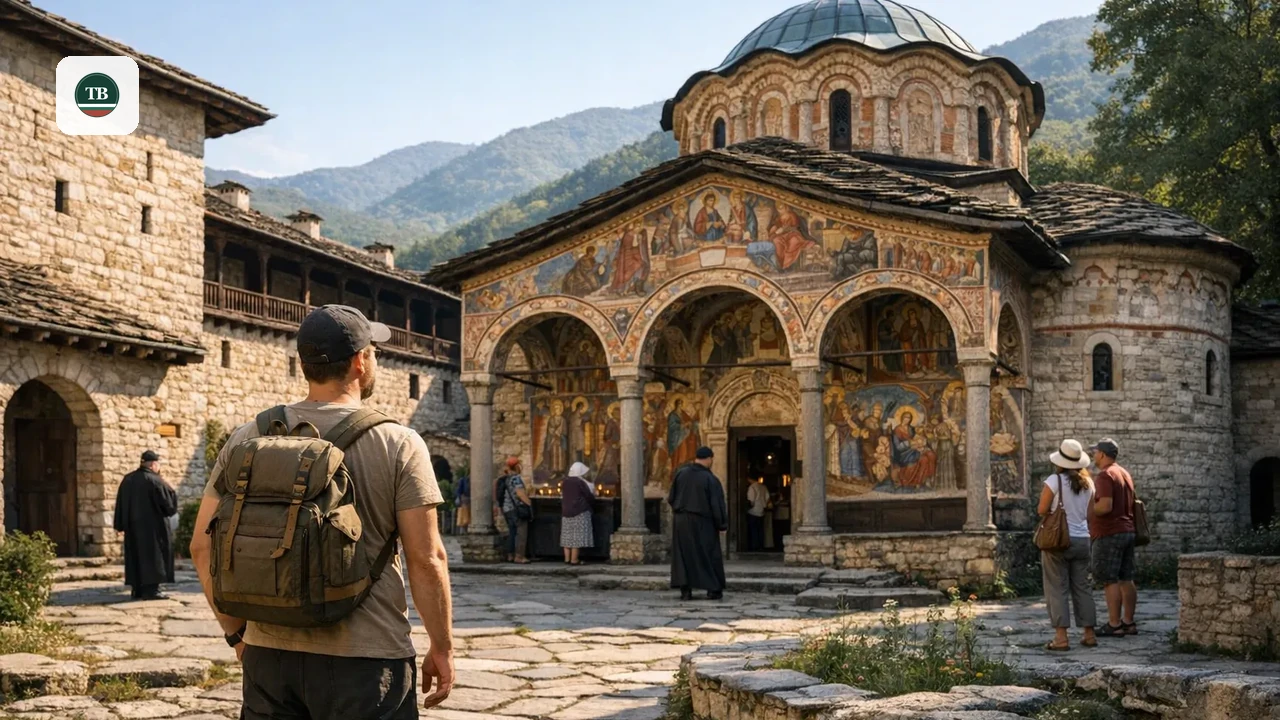
Zahari Zograf (1810–1853), the leading painter of the Samokov School, covered both the interior and exterior with frescoes between 1847 and 1848. The walls of the naos are divided into 360 fields, each containing its own scene or figure — biblical episodes, Bulgarian tsars and patriarchs, Saints Cyril and Methodius, and, uniquely, Bulgarian saints depicted for the first time in monumental fresco. Art historians regard this programme as the richest and most varied single cycle from the entire Revival period. Look for Zograf's self-portrait among the figures: a rare act of personal presence for a 19th-century iconographer.
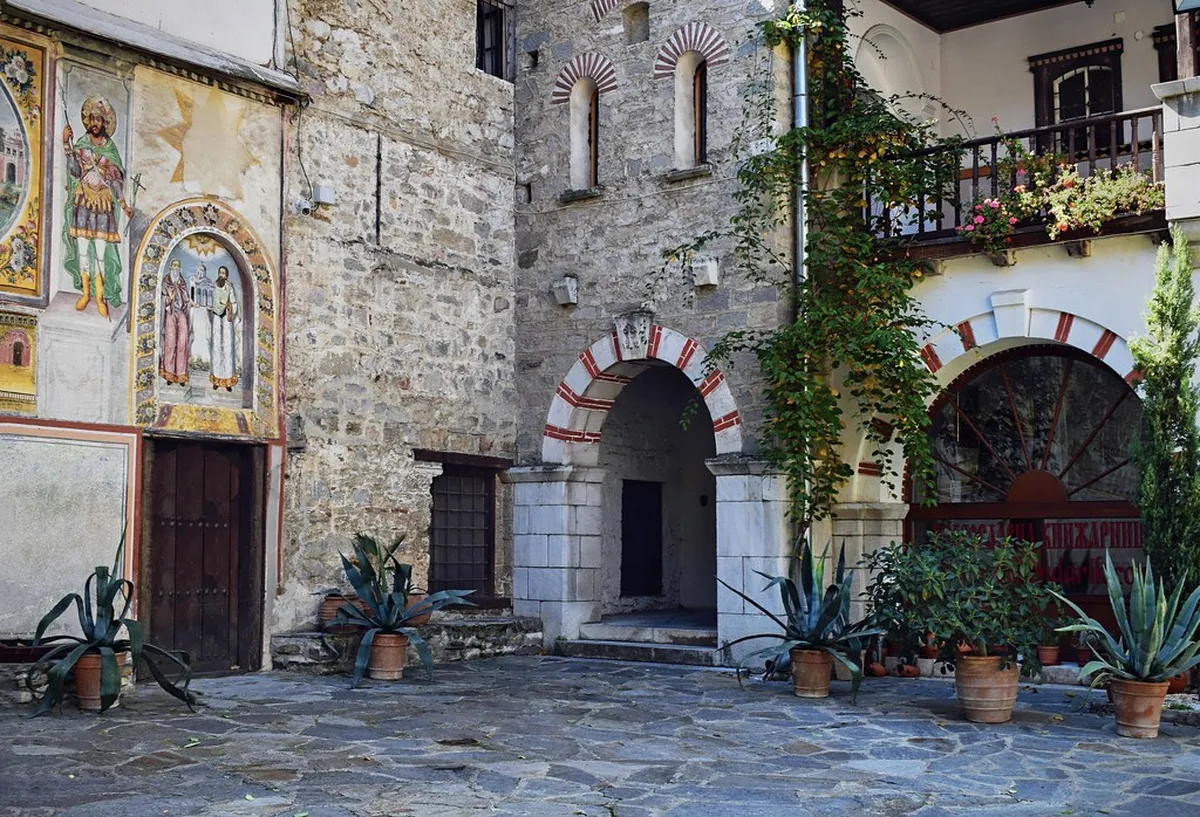
The exterior frescoes include the Wheel of Life, a moral allegory depicting the stages of human existence. They are exposed to weather but remain remarkably vivid. In 1866, a five-storey tower was added to the complex — unique in Bulgarian monastic architecture. Its levels progress from a ground-floor warehouse up through a chapel dedicated to Saints Cyril and Methodius, residential rooms, and a belfry at the top. That chapel was separately listed as a cultural monument in 1971.
The Assumption of the Holy Mary: Festivals and Traditions
August 15th is the monastery's main feast day, the Dormition of the Most Holy Mother of God. Thousands of pilgrims arrive for the evening vigil, and the following morning the miraculous icon and the mantle of the Virgin — symbolising her burial shroud — are carried out in a solemn procession through the monastery gates. The liturgy draws clergy from across the Bulgarian Orthodox Church.
The religious ceremony spills into a folk fair in Oreshak. Local traditions include the blessing of honey and grapes, which are distributed among the faithful. Families perform kurban — a communal meal prepared after an animal sacrifice as a gesture of thanksgiving and prayer for health. This blend of Orthodox ritual and folk practice is characteristic of Bulgarian mountain communities and harder to witness elsewhere.
If you plan to visit on August 15th, book accommodation months in advance. Parking fills well before the liturgy, and many visitors camp in the surrounding meadows. Outside of the feast day, the monastery is quieter but equally atmospheric, particularly on weekday mornings before tour groups arrive.
If visiting on 15 August (the Dormition feast day), book accommodation months in advance — the site draws thousands of pilgrims and parking fills well before the morning liturgy.
Exploring Oreshak Village and the Cherni Osam Valley
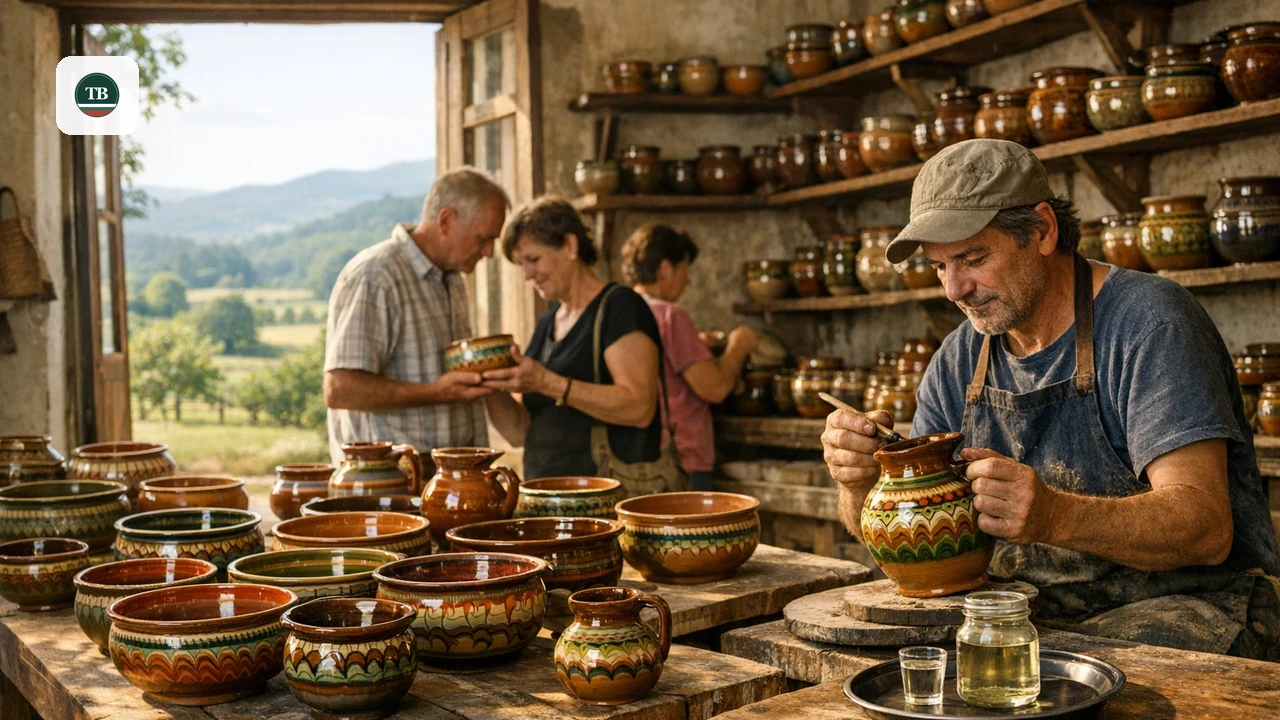
Oreshak is the resort village immediately surrounding the monastery. Its main draw beyond the monastery itself is the National Exhibition of Crafts and Arts, held here for over 150 years. The exhibition runs annually in summer and draws artisans from across Bulgaria, but the craft shops are open year-round. Troyan pottery — made using the distinctive "Troyan drop" technique of dripping paint onto wet clay to create flowing organic patterns in brown, green, and yellow — is the primary product. These are functional pieces used in Bulgarian homes, not decorative tourist trinkets, and the price difference between authentic workshop items and mass-produced copies is immediately visible in the glaze quality.
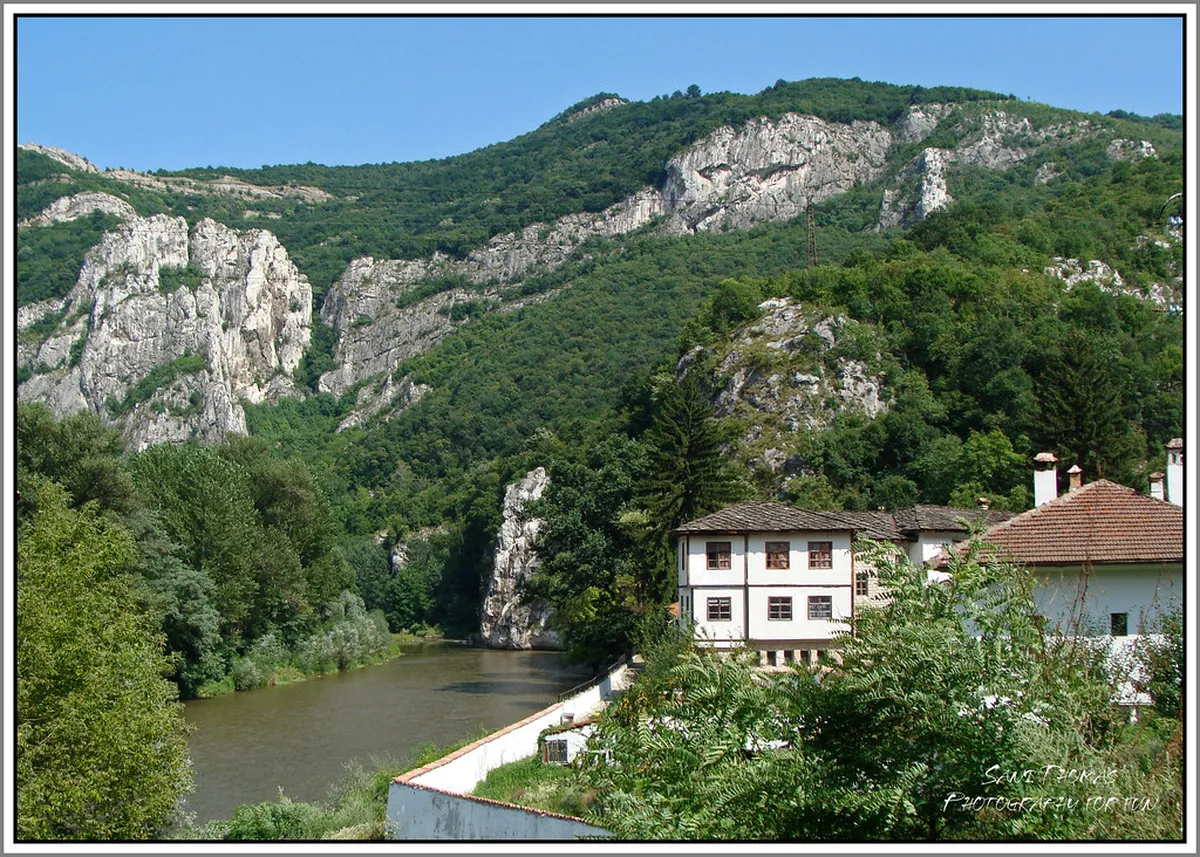
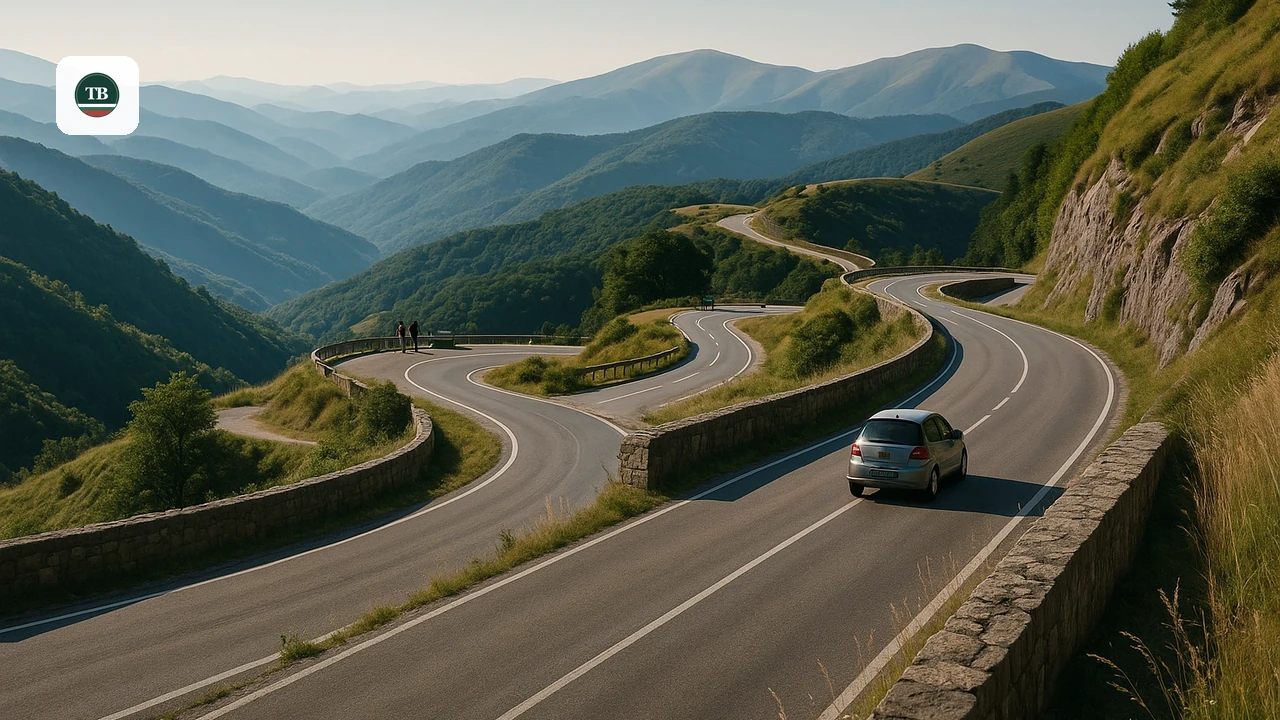
The Cherni Osam River runs alongside the monastery walls. Several picnic areas occupy the riverside meadow, and the sound of the water is part of what makes the complex feel genuinely removed from daily life. The valley road from Troyan to Oreshak is well-signed and asphalted throughout — straightforward by car or taxi.
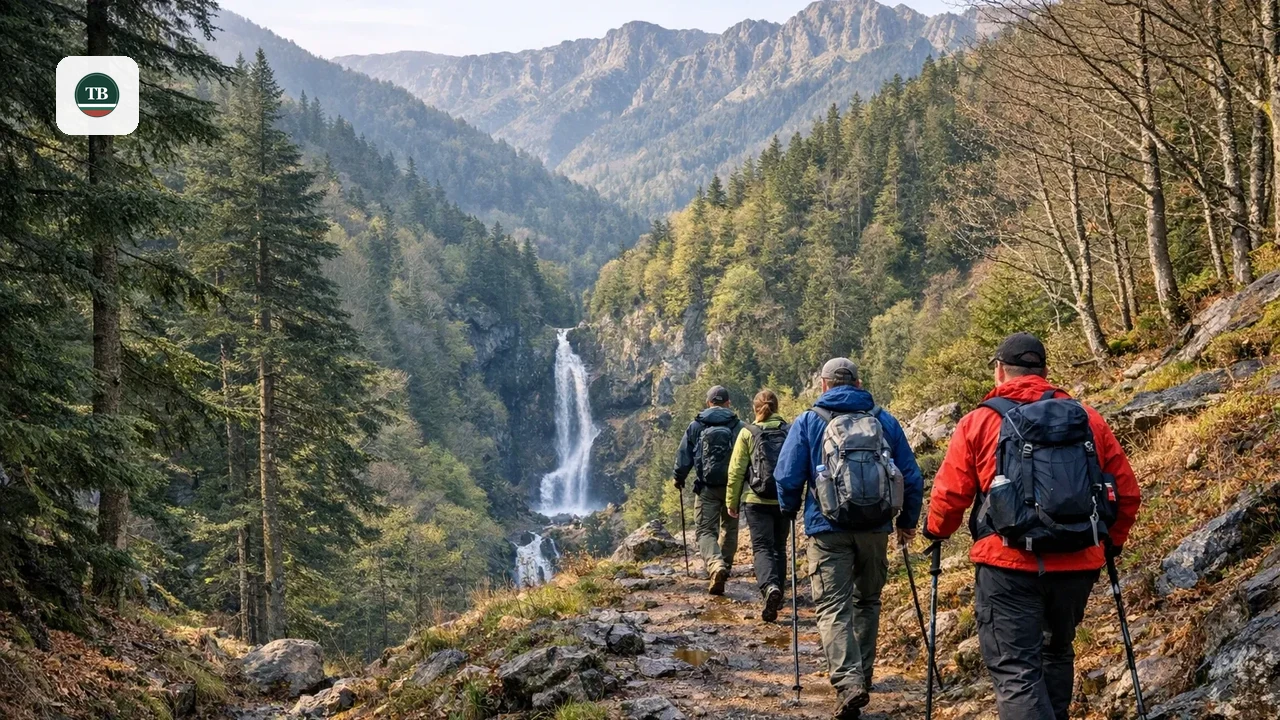
For hikers, the broader Stara Planina range around Troyan offers access to the Kozya Stena wildlife sanctuary, the Steneto reserve, and the Rayskoto Pruskalo waterfall — at 124.5 metres, the highest in the Balkan Peninsula. These make a practical extension if you are spending more than a day in the region.
Troyan, Rila, Bachkovo: Which Monastery to Prioritise
Bulgaria's three largest monasteries each offer something distinct. Rila Monastery is the biggest and a UNESCO World Heritage Site — the obvious choice if you have time for only one visit. Its frescoes and courtyard architecture set a very high benchmark. Bachkovo Monastery in the Rhodope Mountains is the second largest and holds the famous icon of the Theotokos with its own pilgrimage tradition; its setting is arguably the most dramatic of the three.
Troyan's advantage is specificity. It holds the only Zahari Zograf fresco cycle of this ambition outside Rila, the most intact Vasil Levski revolutionary site in any monastery in Bulgaria, and the Troeruchitsa icon with its own distinct legend. It also tends to be less crowded than Rila, particularly midweek. Visitors serious about Bulgarian history — National Revival painting, the independence movement, or Orthodox iconography — often rate Troyan above Bachkovo once they have seen all three.
A realistic combined itinerary: Rila in the morning as a day trip from Sofia, then Troyan on a second day as you travel north toward Lovech. Bachkovo pairs better with Plovdiv on a southern Balkans route. None of the three requires more than a half-day at the site itself.
| Feature | Rila | Bachkovo | Troyan |
|---|---|---|---|
| Size rank | Largest in Bulgaria | Second largest | Third largest |
| Distance from Sofia | 117 km | 27 km from Plovdiv | 155–159 km |
| UNESCO status | World Heritage Site | Tentative List | Not listed |
| Key draw | 1,200+ frescoes, 5 domes | Miraculous icon, ossuary, refectory murals | Troeruchitsa icon, Zograf cycle, Levski cell |
| Best base city | Sofia | Plovdiv | Sofia or Lovech |
| Typical visit time | Half-day | 2–3 hours | Half-day (3 hrs with Oreshak) |
Practical Information: How to Visit and What to Expect
Reaching the monastery is easiest by car. From Sofia, take the Hemus Highway (A2) toward Lovech and then follow signs to Troyan — the total drive is approximately 155 kilometres and takes around two hours. The monastery is listed on the official Bulgarian tourism portal with additional visitor details. Buses from Sofia's Central Bus Station run regularly to Troyan; from the town centre, a local taxi covers the 10 kilometres to the monastery gates in under 15 minutes. There is a paid parking lot at the monastery entrance.
Opening hours in summer (roughly May–October): the church is open Thursday through Sunday 07:30–19:00, Tuesday and Wednesday until 18:00. In winter the church runs Monday through Sunday 08:00–17:00. The on-site museum and the preserved Vasil Levski cell are open daily 09:00–17:00; entrance is 4–6 BGN. The church shops keep slightly shorter hours. Entry to the monastery grounds is free.
Dress code is strictly enforced: shoulders and knees must be covered for both men and women. Wraps are sometimes available at the entrance but it is better to come prepared. Photography is permitted in the courtyard and exterior galleries; it is forbidden inside the main church. Keep mobile phones silent within the religious buildings and avoid entering during active services unless you intend to participate.
- The monastery offers basic overnight accommodation in its residential wing — simple rooms that reflect monastic life. Book at least a day ahead by phone, well in advance for summer weekends and August 15th.
- Several traditional taverns in Oreshak serve regional dishes including luchnik (onion pastry with walnuts) and pork in clay vessels with dried prunes — both specific to this part of the Lovech region.
- Mobile signal is adequate in the main courtyard; coverage drops in the gorge trails beyond.
Nearby Attractions: Zelenikovski Monastery and the Broader Region
A 30-minute walk through the forest from the main complex leads to the Zelenikovski Monastery, dedicated to St. Nikola. This older, much smaller site is rarely visited by day-trippers and offers a markedly different atmosphere — no crowds, no souvenir stands, just a quiet chapel in the trees. It is a worthwhile extension for any visitor with hiking shoes and an extra hour.
The Natural History Museum in the village of Cherni Osam, a few kilometres north, is a good stop for families. It covers the diverse fauna of the Central Balkan range with extensive taxidermy displays and provides ecological context for the landscape surrounding the monastery. The ancient Roman site of Sostra, 12 kilometres from Troyan on the Via Trayana road, is another undervisited option — it is open Monday through Friday and entry costs around 2 BGN.
For a broader view of Bulgarian monasteries, the national pillar network links Troyan to sites across the country. You can plan a dedicated multi-day monastery route through central Bulgaria that connects Troyan with sites in the Lovech and Gabrovo regions before heading south toward Plovdiv and Bachkovo.
Continue planning: Use 15 Best Bulgarian Monasteries: UNESCO & lesser-known places and Aladzha Monastery Travel Guide: History, Tickets & Visiting Tips to connect this guide with the rest of your Bulgaria itinerary.
Frequently Asked Questions
What is the legend of the three-handed icon at Troyan Monastery?
The legend says Saint John of Damascus had his hand cut off, but it was miraculously healed by the Virgin Mary. In gratitude, he added a silver hand to her icon. This specific copy at Troyan is believed to possess healing powers for those who pray with sincere faith.
When is the best time to visit Troyan Monastery?
Late spring and early autumn offer the most pleasant weather for exploring the mountain region. If you want to experience the local culture, visit on August 15th for the feast day. However, be prepared for large crowds and book your Bulgaria travel essentials well in advance.
How do you get to Troyan Monastery from Sofia?
The most direct way is by car via the Hemus Highway and then through the town of Troyan. Alternatively, take a bus from Sofia's Central Bus Station to Troyan. From the town center, local taxis or a shuttle bus can take you the remaining 10 kilometers to the monastery gates.
Can you stay overnight at the Troyan Monastery?
Yes, the monastery offers basic accommodation for pilgrims and tourists within its residential wings. Rooms are simple and reflect the monastic lifestyle, providing a peaceful experience after the day-trippers leave. It is advisable to call ahead to check availability, especially during religious holidays and summer weekends.
The Troyan Monastery rewards visitors who do a little reading before they arrive. Its frescoes are more historically significant than most guides convey, its Vasil Levski connection is the most tangible of any monastery in Bulgaria, and the surrounding valley gives the visit a natural setting that makes it feel less like a museum stop and more like a destination in its own right.
Allow at least three hours — one for the church and museum, one for Oreshak and the pottery shops, and one simply to sit by the Cherni Osam and let the place settle. That pace is how most of the monks here would prefer you to experience it.