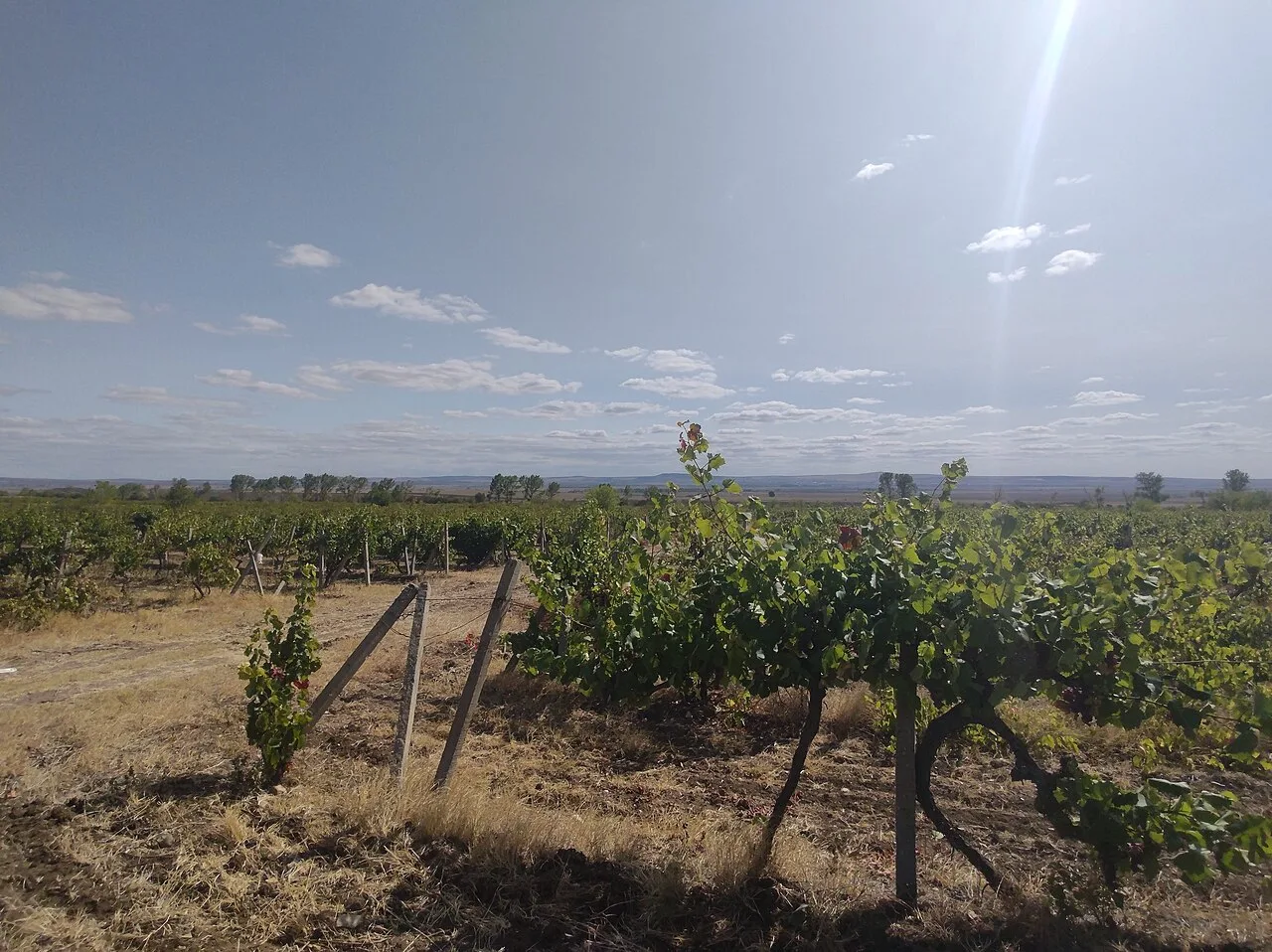
Pomorie Wine & Brandy 2026: Wineries, Tastings & Black Sea Vines
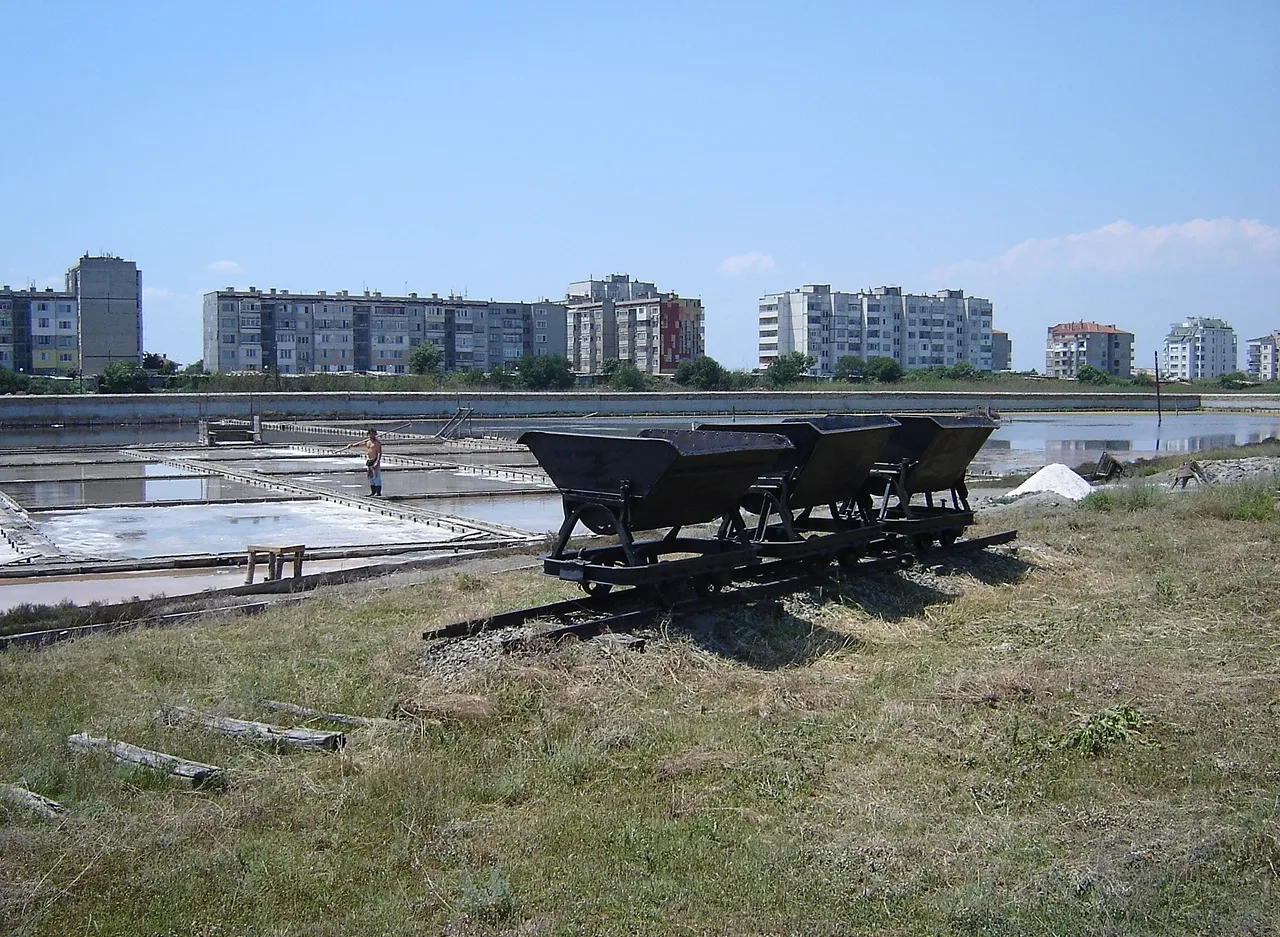
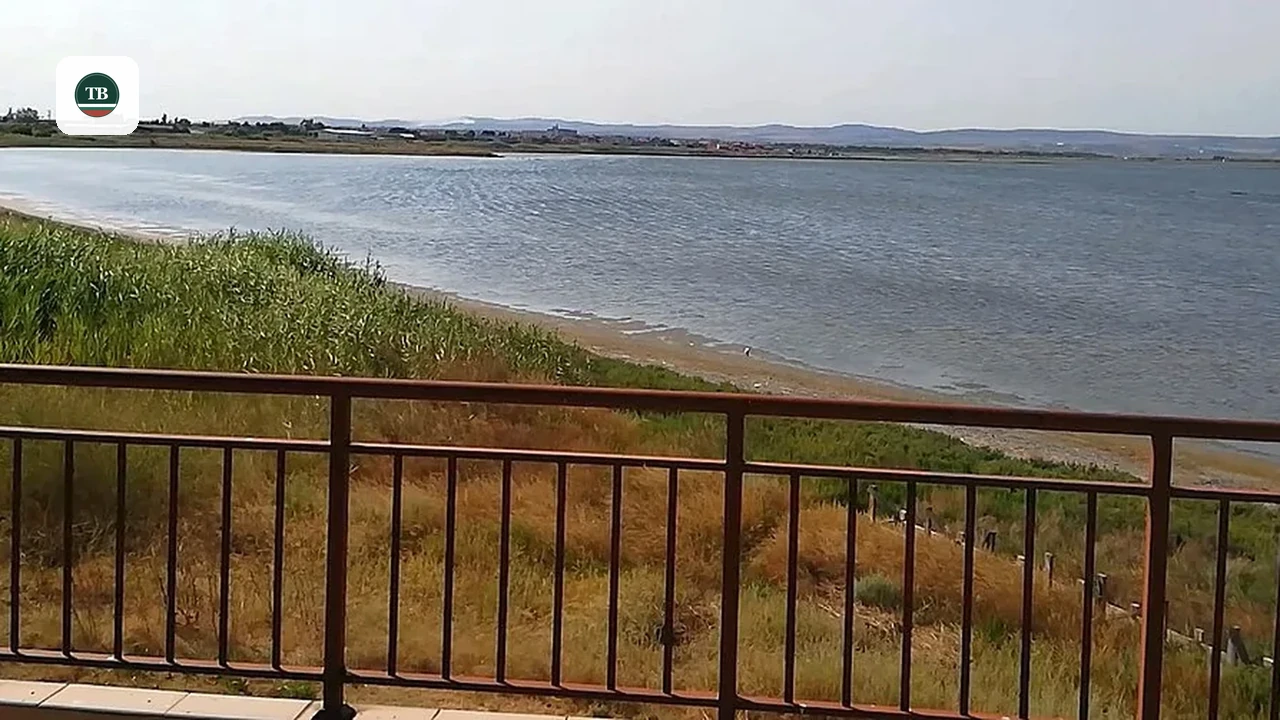
I've spent enough mornings walking the narrow peninsula of Pomorie — watching the salt lake shimmer on one side and the Black Sea roll in on the other — to know that this small town keeps surprising people who expect nothing more than a beach stop. What most visitors don't realise until they're already here is that Pomorie sits at the centre of one of Bulgaria's most interesting wine and brandy stories. The town's flagship winery and brandy house has been making grape spirit on this coast for decades, and a cellar tour here is, in my view, one of the most genuinely interesting things you can do in the area. This guide is my honest, on-the-ground take, updated for 2026.
Below I'll walk you through the Black Sea wine region that Pomorie belongs to, what makes this coast suited to vine-growing, why the town became Bulgaria's brandy capital, what a cellar visit actually looks like, the wine styles worth seeking out, how to pair them with the local seafood, and the practical details — booking, transport from Burgas, and the euro changeover — that make the difference between a smooth trip and a wasted afternoon. If you're still planning your visit more broadly, my round-up of 11 Best Things To Do In Pomorie, Bulgaria (2026) Guide is the place to start.
Pomorie Wine & Brandy at a Glance
Pomorie sits roughly 20 kilometres north-east of Burgas, on a narrow peninsula jutting into the southern Black Sea. Its climate is warm, continental-maritime and well-suited to viticulture — long summers, mild autumns and a sea breeze that moderates the heat. The area has been growing grapes since antiquity: the town's ancient predecessor, the Greek colony of Anchialos, was already known in classical times for its wine, and that tradition never really stopped. Today the town is perhaps best known outside Bulgaria as the home of a large, historic winery and distillery — the flagship producer that has made Pomorie synonymous with aged grape brandy for much of the twentieth century.
A visit here combines well with the salt lake, the beaches and the old town in a single day, especially if you base yourself in Burgas. Cellar tours and tastings are available at the flagship winery and brandy house; some smaller boutique producers are scattered in the surrounding area as well, though these typically require a bit more planning to visit. In 2026, dual lev-and-euro pricing applies everywhere, with the lev fixed at approximately 1.96 BGN to €1 following Bulgaria's euro adoption on 1 January 2026 — so quoted prices may appear in either or both currencies.

The Black Sea Wine Region: What Makes This Coast Different
Bulgaria's wine country divides into several recognised zones, and Pomorie belongs to the Black Sea / Southern Black Sea region — the coastal strip running from the Balkan foothills down toward the Turkish border. What sets this zone apart from the inland Thracian Valley or the northern Danubian Plain is the maritime influence. The sea doesn't just moderate temperatures; it extends the growing season into October, keeps summer nights cooler than the dry Bulgarian interior, and creates the kind of gentle humidity that helps aromatic white varieties hold their freshness and develop complexity before harvest. The result is a coast that has historically been at least as adept at white wine production as red, though both styles are made here.
The area's viticultural history runs deep — deeper, arguably, than any other wine-producing region in the country. The ancient Greek settlers who founded Anchialos (present-day Pomorie) in the fifth century BC didn't choose this site at random: the peninsula's sheltered aspect, fertile soils and reliable sun made it an obvious choice for vine cultivation. Wine from this stretch of the Black Sea was traded across the ancient Aegean. By the time Bulgaria entered the modern wine era, the region had centuries of accumulated knowledge about which varieties suited the coast and which winemaking approaches made the most of the maritime climate. That continuity matters — it's why the wines produced here tend to have a regional character that's genuinely distinct from inland Bulgarian styles.
For the broader picture of where Pomorie fits within Bulgaria's wine landscape, the Bulgaria Wine Regions guide gives a useful overview of all the main zones.
Pomorie as Bulgaria's Brandy Capital
Wine is only half the story. Pomorie's wider reputation in Bulgaria rests as much on brandy — grape brandy, locally called rakia or, in the more formal European style, konyak — as it does on table wine. The town's large, established winery and distillery (widely known simply as the Pomorie brandy house, though it operates under a commercial name you'll encounter the moment you arrive) has been producing aged grape spirit here for decades. When Bulgarians talk about their domestic brandy tradition, Pomorie comes up quickly and often.
What distinguishes Pomorie's grape brandy from the fruit rakia common elsewhere in the country is the base material and the ageing process. The spirit is distilled from wine rather than from fermented whole fruit, which gives it a cleaner, more structured character, and it's typically aged in oak for a period measured in years rather than months. The resulting product has something of the brandy tradition of western Europe about it — mellow, amber, with the gentle oxidative notes of extended barrel contact — while retaining a distinctly Bulgarian character. At the cellar door you can often taste expressions at different ages side by side, which is one of the more instructive things a spirit-curious visitor can do on the Black Sea coast.
The town's brandy output has historically been significant enough to supply a substantial share of the domestic market, and its reputation for quality within Bulgaria is well established, even if the export footprint is modest compared with better-known wine-producing countries. Coming to Pomorie and skipping the brandy would be like visiting Cognac and not tasting the spirit — it's simply the wrong priority.
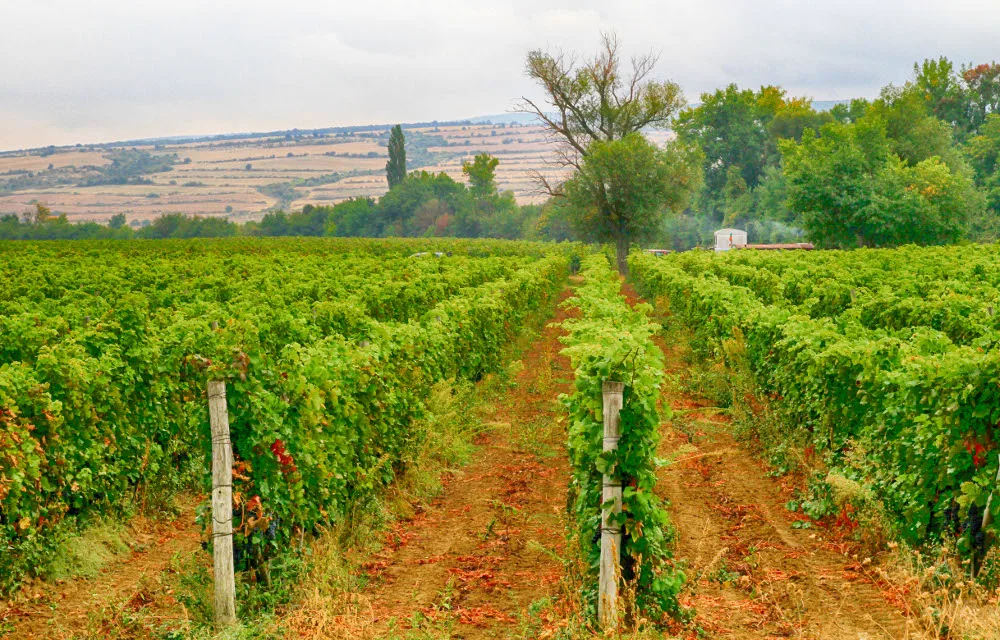
Cellar Tours & Tastings: What to Expect
The flagship winery and brandy house in Pomorie offers guided cellar tours that take visitors through the production process — from the vinification and distillation halls to the barrel ageing cellars — before ending at a tasting counter where you can compare wines and brandy expressions. The tours are informative without being overwhelming; most last somewhere between 45 minutes and an hour and a half depending on the format, and the guide's pace is generally relaxed enough to allow questions. I've found the brandy ageing cellars the most atmospheric part of the visit: rows of oak barrels, the faint vanilla-and-caramel scent of spirit slowly maturing, and a sense of quietness that feels earned rather than engineered for tourism.
The tasting itself typically covers a selection of the winery's whites and reds alongside one or more aged brandies. The staff at the counter are usually knowledgeable about the production history and happy to explain what distinguishes the barrel-aged expressions from one another. You can buy bottles directly from the cellar door, often at prices below what you'd find in Burgas or Sofia supermarkets, and a mixed selection — a couple of wines and a bottle of brandy — makes a genuinely distinctive souvenir of the Black Sea coast.
Smaller boutique cellars in the Pomorie area also exist, though these tend to operate more informally and may require advance contact to arrange a visit. If you're serious about exploring the area's smaller producers, it's worth researching options before you travel rather than arriving and hoping for the best — the local tourism office in Pomorie can sometimes help with introductions.
For context on how the Pomorie experience compares with other producers around the country, the 10 Best Wineries in Bulgaria guide is a useful companion.
Wines to Try: Styles from the Black Sea Coast
The Black Sea coast's maritime climate favours a fairly broad stylistic range, and the Pomorie flagship winery produces across it. Among the whites, you'll typically find varieties suited to the cooler-ripening coastal conditions — styles in the Chardonnay and Sauvignon family, sometimes with the fresh acidity and aromatic character that sea-breeze nights tend to preserve well. The reds are generally medium-bodied rather than massively structured: the coastal warmth is sufficient for phenolic ripeness, but the wines don't have the weight of, say, a deeply extracted Thracian red. That's not a criticism — it's a stylistic signature, and it makes them very food-friendly.
Local and international grape varieties both appear in the range; the winery, like most Bulgarian producers of its size, blends domestically bred varieties — some of which are genuinely interesting and not widely planted elsewhere — with international grapes that have become standard across Bulgarian viticulture since the 1980s. I'd encourage you to try at least one wine made from or including a native variety if the option is offered: the flavour profile is often quite different from what you'd expect, and it's the kind of thing you can only really experience on the ground rather than from a wine shop at home.
Sparkling wine production is also part of the coastal tradition here, and if you see a pétillant or a method-traditional fizz on the tasting menu it's worth trying — Black Sea-coast sparkling wines have a track record that surprises many visitors who aren't expecting it. The Bulgarian Red Wine goes deeper into the country's red-wine landscape if you'd like more context before or after your visit.
Tip: Book your cellar tour and tasting in advance — especially outside peak summer season (July–August) when the flagship winery may run tours on a more limited schedule. Email or phone ahead rather than turning up unannounced, and ask whether a combined wine-and-brandy tasting format is available; it's the best way to understand the full range in one visit.
| Wine / Brandy / Experience | What to expect | Good to know |
|---|---|---|
| Black Sea whites | Fresh, aromatic character in the Chardonnay and Sauvignon family | Made for seafood pairings; sea-breeze nights preserve acidity |
| Medium-bodied reds | Food-friendly rather than heavily extracted | Pair well with grilled meat and shopska salad |
| Aged grape brandy (konyak) | Mellow, amber colour with gentle oxidative notes from barrel ageing | Drink slowly after dinner; the barrel ageing rewards 20 minutes of sitting with it |
| Sparkling wine | Pétillant or method-traditional fizz | Black Sea sparkling wines surprise many visitors unfamiliar with the region |
| Cellar tour | Guided tour through vinification, distillation, and barrel-ageing halls; 45 minutes to 1.5 hours | Book in advance; the brandy ageing cellars are atmospheric with vanilla-and-caramel aromas |
Pairing Pomorie Wine with Local Seafood
One of the genuine pleasures of visiting a coastal wine region is that the food pairings are obvious in the best possible way. Pomorie's Black Sea whites are made for seafood, and the seafood in and around the town is as fresh as you'd hope this close to an active fishing harbour. The combination of a crisp, aromatic coastal white and a plate of Black Sea mussels, grilled fish, or the local-style stuffed squid is one of those straightforward pleasures that doesn't need overthinking.
The town's restaurants — particularly those on the waterfront and in the old town — typically stock local wines, and some have direct arrangements with the Pomorie winery. If you're eating lunch in town before or after your cellar visit, ask whether they carry the local label: the answer is usually yes, and drinking the wine at its place of origin, alongside the local catch, is the kind of experience that converts people who'd never previously thought of Bulgaria as a wine destination. The reds, with their medium body and food-friendly character, also pair well with the grilled meat and shopska salad staples that appear on virtually every Bulgarian menu alongside the seafood.
For the brandy, the pairing instinct is different: this is after-dinner territory. A small glass of aged Pomorie grape brandy at the end of a long Black Sea lunch, with nothing more than a piece of good banitsa or a square of dark chocolate on the side, is about as well as a spirit can be drunk. Don't rush it. The barrel ageing gives the spirit a slow-opening aromatic structure that rewards sitting with it for twenty minutes rather than finishing it in two.
Practical Tips: Getting There, Booking & 2026 Prices
Pomorie is easy to reach from Burgas, which is the nearest city and transport hub and sits about 20 kilometres to the south-west. Bus services between the two run regularly throughout the day, with the journey taking roughly 30–40 minutes depending on stops. Taxis between Burgas and Pomorie are widely available and the fare is modest given the short distance. If you're already on the Black Sea coast for a beach holiday — Sunny Beach, Nessebar or Sozopol — Pomorie is a natural day-trip addition, and a half-day is sufficient to take in both the cellar tour and a lunch in the old town.
The most important practical point is don't drive after tasting. This sounds obvious, but a combined wine-and-brandy session at the cellar — even a moderate one — leaves most visitors well beyond the legal driving limit. Plan to come by taxi, bus, or as part of an organised tour from Burgas, and arrange your return transport before you go in, not afterwards. Several Burgas-based tour operators run half-day wine and brandy excursions to Pomorie, which solve the logistics entirely and often include a guided commentary on the history of the region. These are worth considering if you'd rather not deal with the bus timetable.
On pricing: as of 2026, Bulgaria uses the euro (adopted 1 January 2026) alongside the lev, which remains legal tender at the fixed rate of approximately 1.96 BGN to €1. Cellar tour prices, tasting fees and bottle purchases are now typically quoted in euros, though you may see dual-currency signs. The costs are genuinely modest by western European standards — a combined tour and tasting, and a couple of bottles to take home, is unlikely to cost more than €25–35 per person in total, though confirm current prices directly with the winery when you book. For accommodation during your visit, the Where to Stay in Pomorie 2026 guide covers the best bases on and around the peninsula.
Don't drive after a cellar visit — a combined wine-and-brandy tasting, even a moderate one, leaves most visitors beyond Bulgaria's legal driving limit. Plan to come by taxi, bus, or organised tour from Burgas and arrange your return transport before you start the tasting.
Continue planning: Use 11 Best Things To Do In Pomorie, Bulgaria Guide and Pomorie Beaches 2026: Black Sand, the Sandbar & Best Spots to connect this guide with the rest of your Bulgaria itinerary.
Frequently Asked Questions
Is Pomorie known for wine or brandy?
Both. Pomorie sits in Bulgaria's Black Sea wine region and has a long viticulture history going back to the ancient Greek colony of Anchialos. The town is also widely regarded as Bulgaria's brandy capital, thanks to its large, long-established winery and distillery that produces aged grape brandy alongside table wine. A cellar visit typically covers both, which is part of what makes Pomorie interesting as a wine-tourism destination.
Can I visit the Pomorie winery and do a tasting?
Yes. The town's flagship winery and brandy house offers guided cellar tours and tastings that cover both wines and aged grape brandy. It's advisable to book in advance, particularly outside peak summer season when tours may run on a more limited schedule. Contact the winery directly to confirm availability and ask whether a combined wine-and-brandy tasting format is on offer.
How do I get from Burgas to Pomorie for a wine tasting?
Burgas to Pomorie is roughly 20 kilometres. Buses run regularly between the two (journey time approximately 30–40 minutes), and taxis are widely available at a modest fare. Several Burgas-based tour operators also offer half-day wine and brandy excursions to Pomorie, which is often the easiest option since you don't need to worry about driving after a tasting. Do not drive after a cellar visit — the combined wine and brandy tasting exceeds Bulgaria's legal driving limit.
What wine styles does the Pomorie region produce?
The Black Sea coast's maritime climate suits a range of styles. Whites — including varieties in the Chardonnay and Sauvignon family — tend to retain freshness and aromatic character well here. Reds are generally medium-bodied and food-friendly rather than heavily extracted. The Pomorie flagship winery also produces aged grape brandy, which is arguably the most distinctive product of the region. Local and international grape varieties are both used; trying a wine made from a native Bulgarian variety is worth doing if offered.
Are wine-tasting prices in euros or leva in Pomorie in 2026?
Both. Bulgaria adopted the euro on 1 January 2026, and you'll see dual lev-and-euro pricing across the country, with the lev fixed at approximately 1.96 BGN to €1. Cellar tour fees, tasting charges and bottle prices at the Pomorie winery are now typically shown in euros, though lev prices may appear alongside them. Confirm current prices directly when you book, as these can vary by season and tasting format.
Pomorie earns a visit on the strength of its wine and brandy tradition alone, quite apart from the beaches and the salt lake. A morning at the flagship winery and brandy house — working through the barrel-aged cellar, comparing wines against aged grape spirit, then carrying a bottle or two back to a seafood lunch on the waterfront — is the kind of experience that stays with you in a way that another afternoon by the pool does not. This is a town that has been making wine since before Bulgaria existed as a political entity, and the seriousness with which it takes that heritage is immediately apparent when you walk into the cellar.
My practical advice for 2026: book the cellar tour before you travel, come by bus or taxi from Burgas rather than driving, and ask specifically for the combined wine-and-brandy format if it's available. Leave time for lunch in the old town afterwards — the local seafood and the Pomorie whites are an obvious partnership. And if you're building a wider picture of Bulgarian wine before or after your visit, the guides to the best Bulgarian wineries, wine regions and tours, and Bulgarian red wine will fill in everything this coast can't cover in a single afternoon.