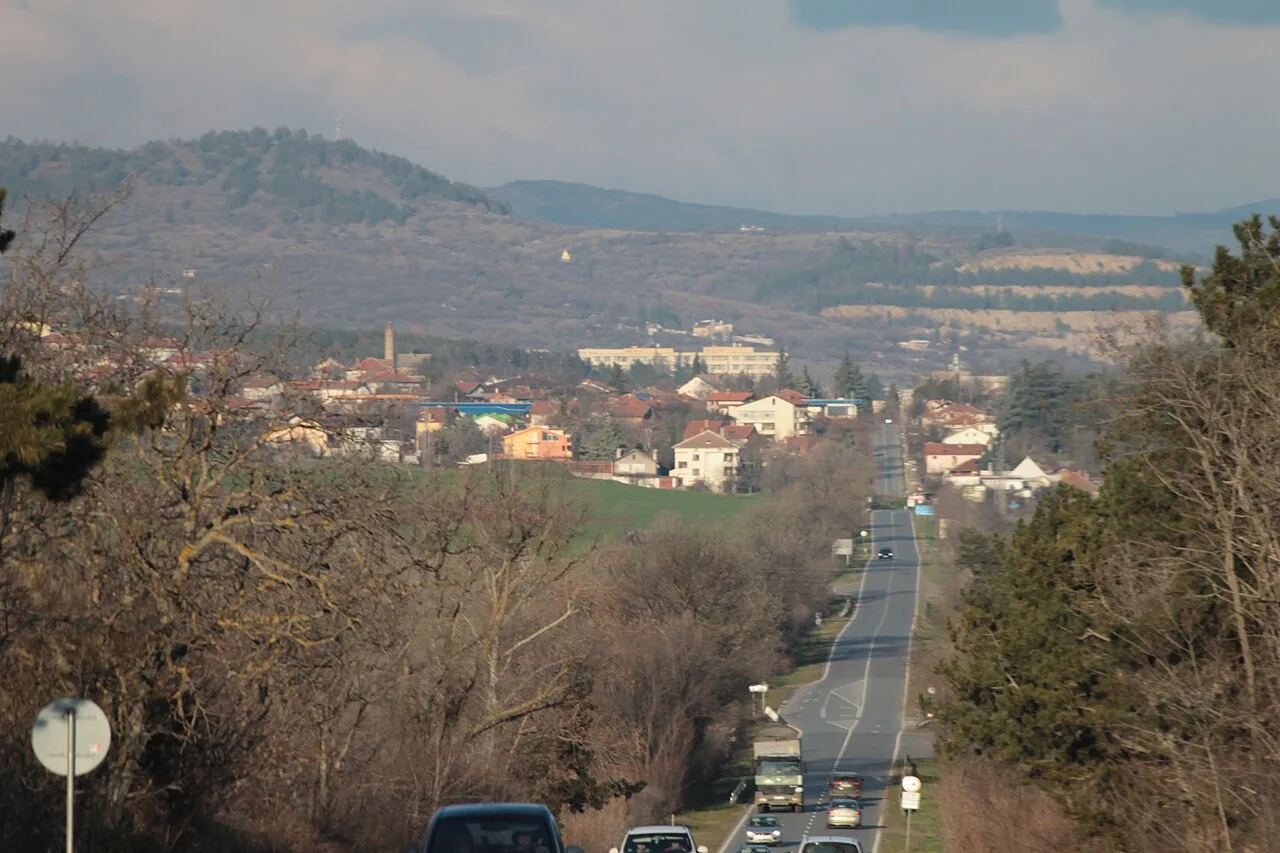
10 Best Things To Do In Stara Zagora, Bulgaria (2026)
I'll be honest: when I first detoured into Stara Zagora a few years ago, I expected a quick coffee stop on the way to somewhere else. Instead I found one of the most quietly remarkable cities in Bulgaria — a place where you can stand inside an 8,000-year-old home, wander a Roman forum in the middle of the modern centre, and then stroll boulevards lined with linden trees that were planted on a ruler-straight grid. I've been back three times since, and I refreshed all of this in June 2026 so the practical details match the city as it actually is right now.
Stara Zagora (Стара Загора) is a green, well-ordered city of about 130,000 people in central Bulgaria, and it is gloriously under-touristed — you'll share its sights with locals far more than with tour groups. In 2026 it's an easy and rewarding stop: Bulgaria has joined the euro and the Schengen area, so prices show in both leva and euros and there are no internal border checks. Below are the ten things I tell every friend to do here, plus how to fold the city into a bigger central-Bulgaria trip. Pick what suits you, but don't leave without seeing those Neolithic dwellings — there is genuinely nothing else like them in Europe.
For a quick visual sense of the city's character and layout, this guided walk covers the highlights:
Key Takeaways
- Stara Zagora is one of the oldest continuously inhabited places in Europe, with roughly 8,000 years of settlement on the same spot.
- Its star sight is the Neolithic Dwellings Museum — two ~8,000-year-old homes preserved in situ, among the best-kept Neolithic dwellings anywhere in Europe.
- The Roman city of Augusta Traiana (later Beroe), founded by Emperor Trajan, survives as an antique forum and theatre complex right in the modern centre.
- It's the "city of linden trees" and "the city of straight streets," rebuilt on a neat grid by architect Lubor Bayer after Ottoman forces burned it in 1877.
- It pairs perfectly with Plovdiv (~90 km) and the Rose Valley / Kazanlak Thracian tombs (~50 km), making it a strong, under-touristed central-Bulgaria base.
Discover Stara Zagora: One of Europe's Oldest Cities
Stara Zagora wears its age lightly, but the numbers are staggering: people have lived on this exact spot for around eight millennia, making it one of the oldest continuously inhabited settlements in Europe. Over that span it has been a Neolithic village, the Thracian and then Roman city of Augusta Traiana, the medieval Beroe, and an Ottoman town — before being burned to the ground during the Russo-Turkish War of 1877.
What rose from those ashes is part of the charm. The city was rebuilt from scratch on a strict grid designed by the Czech-Bulgarian architect Lubor Bayer, which is why locals call it "the city of straight streets." Bayer's plan also gave Stara Zagora its broad, tree-lined boulevards, and the linden trees planted along them earned it a second nickname — "the city of linden trees." In early summer the whole centre smells faintly of linden blossom, which is one of those small sensory details I always associate with the place.
The upshot for a visitor is a city that's unusually pleasant to walk: flat, leafy, logically laid out, and small enough to cover on foot. If you're building a wider route through the country, my guide to the best things to do in Bulgaria puts Stara Zagora in context alongside the headline destinations.
Getting to Stara Zagora
Stara Zagora sits in the centre of Bulgaria, which makes it genuinely easy to reach. From Sofia it's about 230 km east — roughly 2.5 to 3 hours by car on the A1 motorway, or a comparable trip by train or intercity bus. From Plovdiv, the obvious gateway, it's only about 90 km (around an hour), and there are frequent trains and buses on that line. The city is also a stop on the main railway between Sofia and Burgas on the Black Sea coast, so it slots neatly into a cross-country itinerary.
Within the city you won't need a car: the historic core is compact and walkable, and the main sights cluster within fifteen minutes of one another. If you're weighing trains against buses or a hire car for the wider trip, my guide to getting around Bulgaria breaks down the realistic options, costs and journey times. Since Bulgaria joined Schengen on 1 January 2025, there are no internal border checks if you're arriving overland from a neighbouring EU country, which makes a multi-country Balkan loop smoother than it used to be.
Stara Zagora works brilliantly as a half-day or full-day stop on the Sofia–Burgas rail line, or as a quieter, cheaper base than Plovdiv. If you only have a few hours, go straight from the station to the Neolithic Dwellings and the Roman forum — both are central and close together.
Stand Inside the Neolithic Dwellings Museum
If you do one thing in Stara Zagora, make it this. The Neolithic Dwellings Museum protects two of the best-preserved Neolithic homes anywhere in Europe — built in roughly the 6th millennium BC, which makes them around 8,000 years old. Crucially, they're conserved in situ, exactly where they were excavated, so you're not looking at reconstructions but at the actual walls, hearths and household objects of people who lived here before the wheel, before writing, before the pyramids.
I find it genuinely moving to stand there. You can make out the layout of the rooms, the grinding stones, fragments of pottery and the everyday clutter of a farming family from the dawn of European civilisation. The museum is small, focused and superbly done — interpretation panels put the dwellings in context without overwhelming you, and you can take the whole thing in within an hour. It's the single most distinctive sight in the city, and the reason Stara Zagora deserves to be far better known than it is.
I've written a dedicated deep dive on the site — its discovery, what the artefacts tell us, and exactly how to visit — in my Neolithic Dwellings of Stara Zagora guide. As of 2026, entry is modest (around a few leva / a euro or two), but opening hours shift seasonally, so confirm before visiting, especially on Mondays when many Bulgarian museums close.
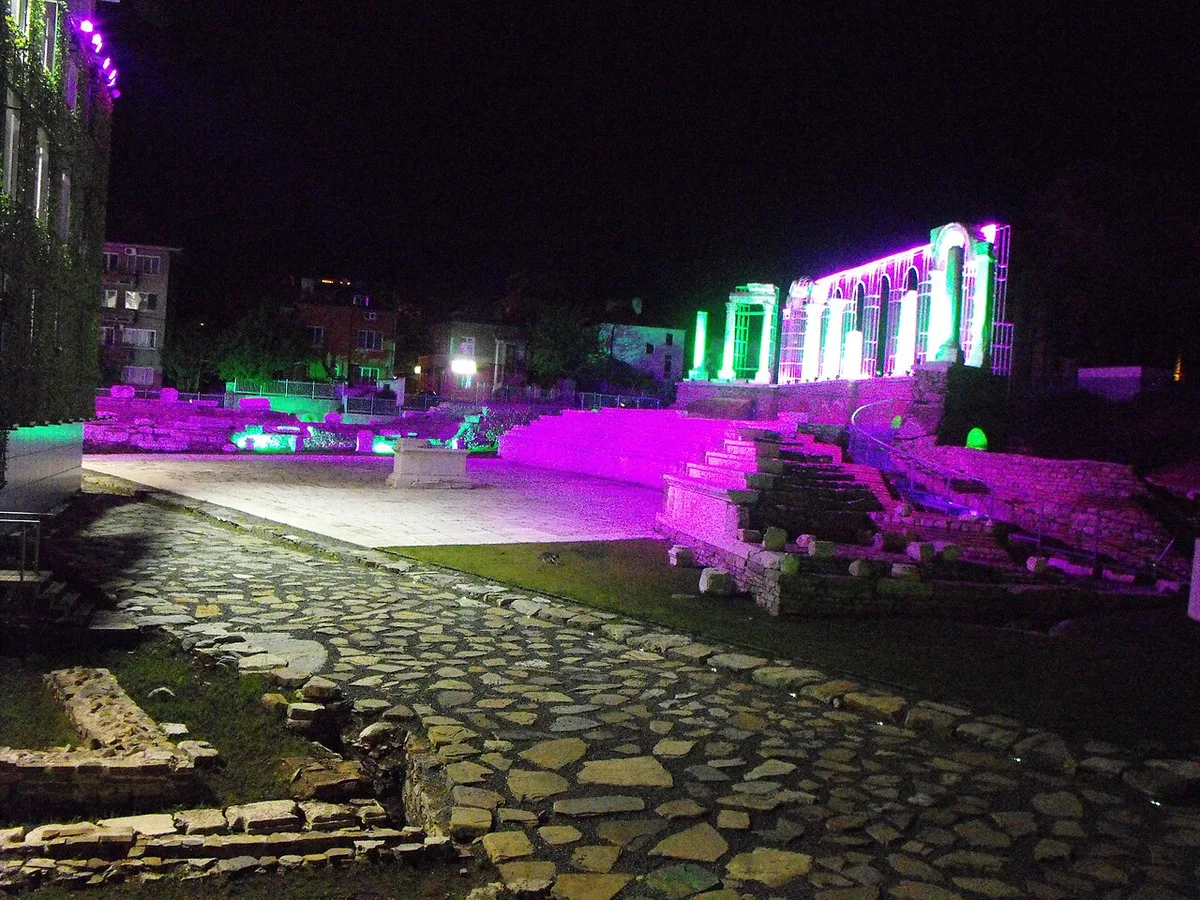
Walk the Roman Forum of Augusta Traiana
Stara Zagora's second great surprise is how much Rome survives right in the modern centre. The ancient city here was Augusta Traiana, founded by the Emperor Trajan in the 2nd century AD and later known as Beroe — a substantial regional centre with the full Roman toolkit of forum, streets and public buildings. Today you can wander the excavated antique forum complex, complete with the remains of a Roman theatre, set into the heart of the contemporary city.
What I love about it is the layering: you're standing among 1,800-year-old columns and paving with a 21st-century shopping street a stone's throw away. The site is open-air and partly integrated into the urban fabric, so it doubles as a pleasant public space as much as an archaeological monument. There's no need for a guide to enjoy it, though the on-site panels help you picture how the forum once functioned. Between this and the Neolithic dwellings, Stara Zagora gives you two of the deepest chapters of European history within a few hundred metres of each other.
The Roman forum is best in the soft light of late afternoon, when the stone warms up and the crowds (such as they are) thin out. Combine it with the Neolithic Dwellings and the Regional History Museum for a single, very rich half-day of deep history.
Museums: Regional History & the Geo Milev House
For all that long history, you'll want context, and the Regional History Museum supplies it brilliantly. Housed in a modern, purpose-built space, it walks you from the Neolithic, through the Thracians and Romans, to the medieval and Ottoman city and the dramatic events of 1877 — pulling together the threads you'll have glimpsed at the individual sites. The displays are well presented and English-friendly enough to follow comfortably, and it's the best single place to understand why this unassuming city matters so much.
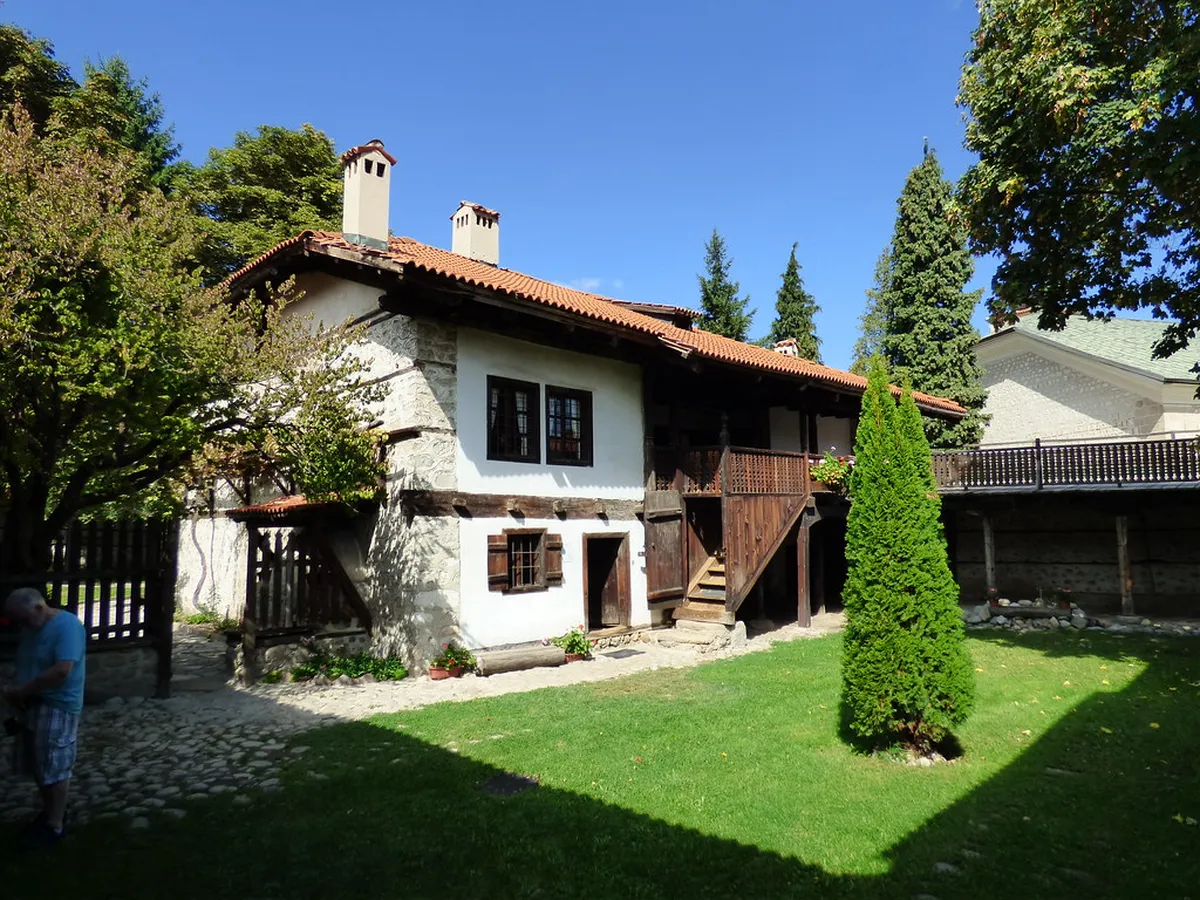
Literature lovers should also seek out the Geo Milev House Museum, the home of the celebrated Bulgarian poet who was born here, preserved as it was in his lifetime. It's a quieter, more intimate stop, but it gives you a feel for early-20th-century bourgeois Stara Zagora and the cultural life that flourished in the rebuilt city. If you still have appetite for culture after that, the city art gallery is another worthwhile stop for a quick look at Bulgarian painting beyond the archaeological story. Both museums keep modest admission as of 2026 — confirm hours before you go, as smaller Bulgarian museums sometimes close mid-week or shorten winter hours.
Pay Respects at the Samara Flag Memorial
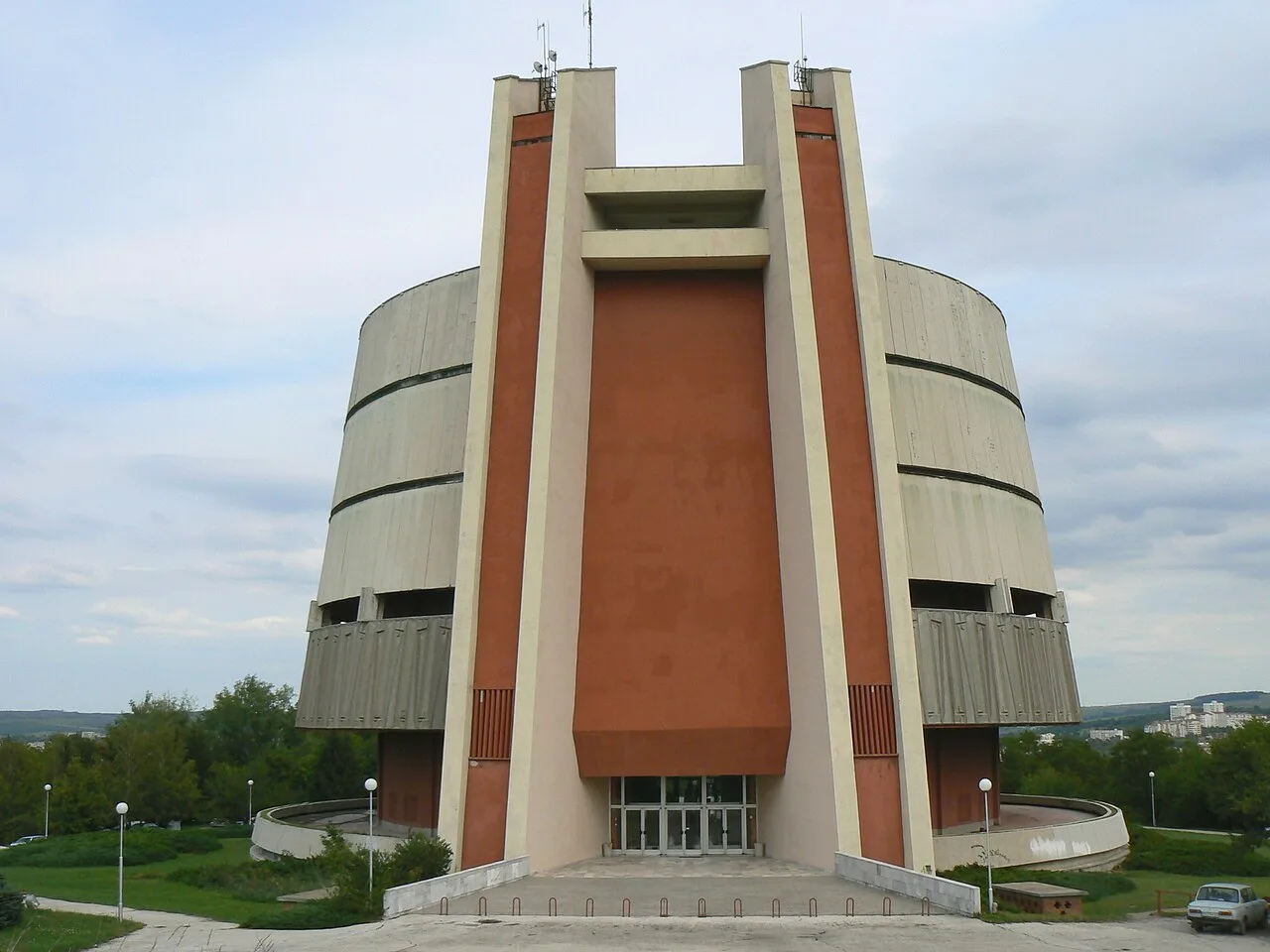
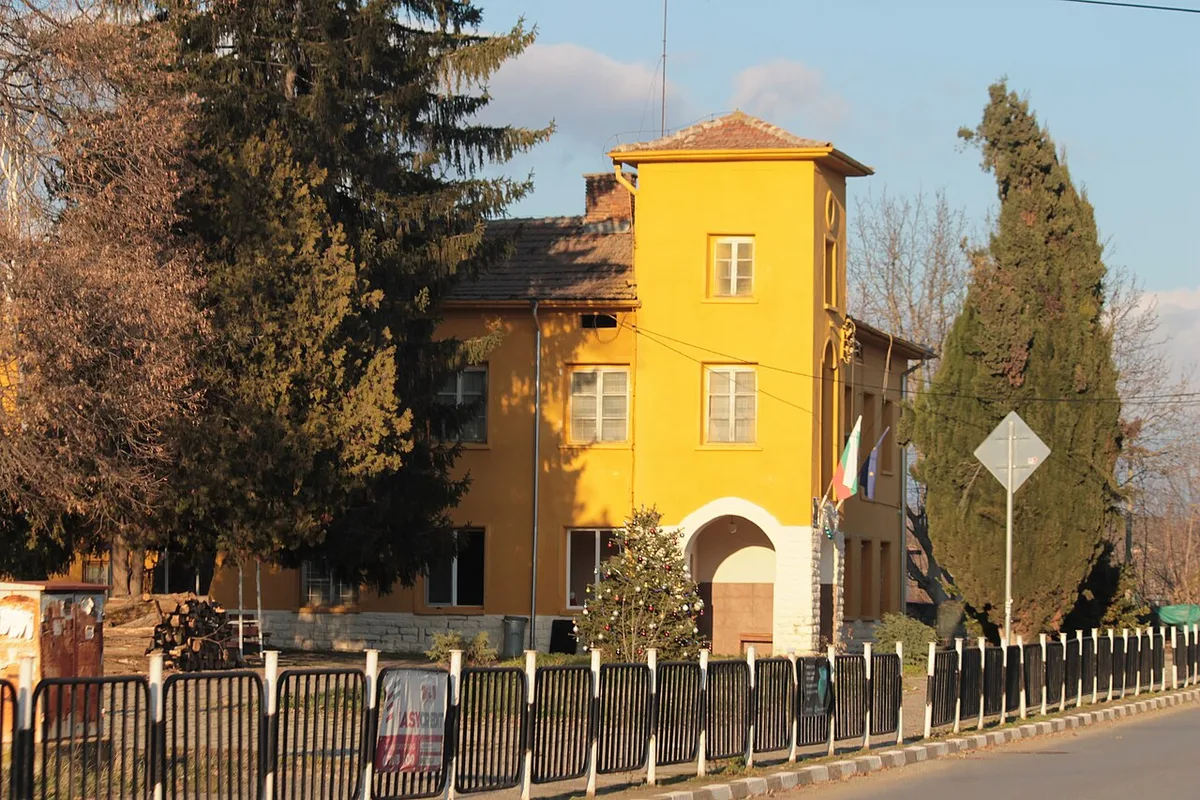
On a hill on the edge of the city stands one of Bulgaria's most emotionally charged monuments: the memorial complex of the Samara Flag (Самарско знаме). The flag itself — a banner embroidered by the women of the Russian city of Samara and presented to Bulgarian volunteers — became the first Bulgarian battle flag of the Russo-Turkish War of 1877–78, and it was defended at terrible cost in the fighting around Stara Zagora. For Bulgarians it's a near-sacred national symbol.
The memorial, with its tall monument and views back over the city, commemorates the volunteers who fell defending the flag during the battle that also saw the old town burned. Even if you're not deep into military history, the site is worth the short trip for the panorama and for the sense it gives you of how central 1877 is to the city's identity — almost everything you see in central Stara Zagora exists because of what happened, and what was destroyed, that year.
Escape into Ayazmo Park
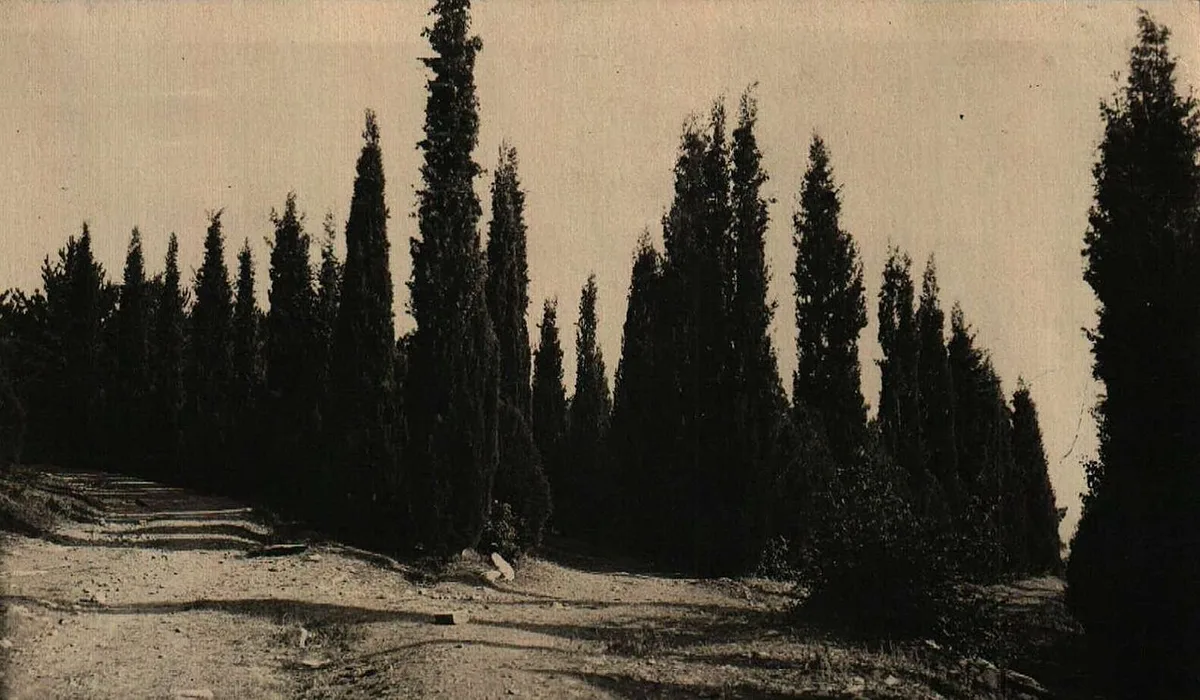
When you need to swap monuments for greenery, head up to Ayazmo Park (Аязмото), officially Metropolit Methodius Kusev Park, the huge forested park draped over the hill above the city. It's one of the loveliest urban parks in Bulgaria, and it has a wonderful origin story: it was created from bare hillside in the early 20th century on the initiative of Metropolitan Methodius Kusev, who set out to clothe the slope in trees. The result, a century on, is a mature forest park laced with shady walking paths, viewpoints, a small lake, monuments and quiet corners.
I like to climb up in the late afternoon, follow the paths to a viewpoint, and look back down over the grid of straight streets and linden boulevards — it's the best way to grasp the city's unusual layout. Locals come here to walk, jog, picnic and escape the summer heat, and it's all free and open. Pair an hour or two in Ayazmo with the Samara Flag memorial, since both sit on the high ground above town and make a natural green half-day.
Linden Boulevards, the Opera & City Life
Stara Zagora rewards aimless wandering more than most Bulgarian cities, precisely because of that ruler-straight grid. The central pedestrian streets are wide, leafy and lined with cafés, and the linden trees that give the city its nickname make summer strolling genuinely pleasant even when the lowland heat builds. There's a relaxed, lived-in feel here — this is a working Bulgarian city getting on with its day, not a stage set for tourists, and I find that refreshing.
For an evening out, the Stara Zagora State Opera is one of Bulgaria's respected regional opera houses, with a programme of opera and ballet that's astonishingly good value by Western standards. Even outside the season, the central squares, the city garden and the café terraces give you plenty of low-key pleasure. Sit out with a coffee or a glass of Bulgarian wine, watch the city go by, and you'll understand why I keep coming back to a place most guidebooks barely mention. When it's time to choose where to base yourself, my where to stay in Stara Zagora guide breaks down the best central neighbourhoods and hotels.
Unwind at the Stara Zagora Mineral Baths
About 15 km out of town, tucked into the wooded foothills, lie the Stara Zagora Mineral Baths (Старозагорски минерални бани) — a long-established spa settlement built around natural hot mineral springs. Bulgarians have a deep-rooted spa culture, and this is a classic example: a green, restful resort village where you can soak in thermal water, book wellness treatments, and stay overnight at one of several spa hotels if you want to slow right down.
It makes a relaxing counterpoint to a day of museums and monuments, and it's an easy short hop from the city by car or local transport. Prices for day spa access and treatments stayed reasonable as of 2026, though as always you'll want to confirm current rates and opening times directly with the hotel or bath complex you're heading for, since these vary by season and operator.
Day Trips: Plovdiv & the Rose Valley
One of the strongest arguments for Stara Zagora is its position. The wonderful old city of Plovdiv — one of the oldest continuously inhabited cities in Europe, with its Roman theatre and painted Revival-era houses — is only about 90 km west, an easy day trip or a natural pairing; see my things to do in Plovdiv guide to plan it. North of the city, across the mountains, lies the Rose Valley around Kazanlak (~50 km), famous for the rose harvest in late May and June and for its UNESCO-listed Thracian tombs.
The Rose Valley makes a superb excursion in early summer, when the rose fields are in bloom and the distilleries are at work — my Rose Valley and Kazanlak guide covers the timing and the tombs in detail. With Plovdiv to the west, the Rose Valley to the north, and the Black Sea reachable by the same rail line to the east, Stara Zagora is a genuinely good hub for central Bulgaria. If you'd rather work it into a longer loop, my Bulgaria Itinerary 2026 shows how the pieces fit together.
More Stops If You Have Extra Time
If you have already covered the headline sights and want a few more local-name stops the city is known for, I would look at Bedechka Park, the area around Lake Zagorka, the Zagorka Brewery Museum, and the Cathedral of St. Dimitar. Bedechka is a gentler, everyday sort of green space than Ayazmo — good for a family walk rather than a viewpoint climb — while the lake adds another easy promenade if you want a break between museums.
The Zagorka Brewery Museum is a niche pick, but a fun one if you like industrial heritage or beer culture; as of 2026, tours and tastings are usually modestly priced, around the cost of a standard museum ticket or a little more, but confirm directly before visiting because access can depend on scheduled tours. St. Dimitar, meanwhile, is one of the churches I like dropping into for a quieter moment in the centre. None of these four would replace the Neolithic Dwellings or Augusta Traiana for me, but together they round out the version of Stara Zagora that shows up again and again in top travel results.
Planning Your Stara Zagora Trip in 2026
A few practicalities to finish. On money: Bulgaria adopted the euro from 1 January 2026, with the old lev still quoted alongside at the fixed rate of about 1.96 BGN to €1, so you'll see dual pricing on menus, tickets and hotel pages — handy for budgeting. Cards are widely accepted in hotels and larger restaurants, but carry some cash for small museums, the local bus and market stalls. The city joined the rest of Bulgaria in Schengen from 1 January 2025, so there are no internal EU border checks on overland arrivals.
For timing, I'd aim for late spring (May–June) or early autumn (September–October): the parks are green, the heat is bearable, and late May overlaps with rose season in the nearby valley. Give the centre a full day, or two days if you want to add Ayazmo Park, the mineral baths and a day trip. For the broader seasonal picture across the country, see my best time to visit Bulgaria guide, and for the small stuff — tipping, transport apps, etiquette — my Bulgaria Travel Tips: Your Essential Guide to Planning a Trip will save you a few rookie mistakes. Treat the prices and hours above as 2026 guidance and confirm the current details before you set out.
Kazanlak and the Valley of the Thracian Kings make one of the easiest day trips from the city — see our guide to attractions in Kazanlak to plan it.
Explore more: Best Things To Do In Stara Zagora, Bulgaria
Use these focused guides to plan the details, compare options, and build an itinerary that fits your trip.
Explore more: Best Things To Do In Stara Zagora, Bulgaria
Use these focused guides to plan the details, compare options, and build an itinerary that fits your trip.
Explore things to do in other cities
Frequently Asked Questions
Is Stara Zagora worth visiting in 2026?
Yes. Stara Zagora is one of the oldest continuously inhabited cities in Europe, with around 8,000 years of settlement. Its standout sights — the in-situ Neolithic Dwellings Museum and the Roman forum of Augusta Traiana — sit in a green, walkable, under-touristed centre, and it pairs easily with Plovdiv and the Rose Valley. In 2026, with the euro and Schengen, it's a smooth, good-value stop.
What is Stara Zagora famous for?
It's famous for its extraordinary depth of history: roughly 8,000 years of continuous habitation, two of the best-preserved Neolithic dwellings in Europe, and the Roman city of Augusta Traiana. It's also known as the "city of linden trees" and "the city of straight streets" after being rebuilt on a neat grid following its destruction in the 1877 Russo-Turkish War.
How do I get to Stara Zagora from Sofia or Plovdiv?
From Sofia, Stara Zagora is about 230 km east — roughly 2.5 to 3 hours by car on the A1 motorway, or a similar trip by train or intercity bus. From Plovdiv it's only about 90 km (around an hour), with frequent trains and buses. The city also sits on the main Sofia–Burgas railway, so it fits neatly into a cross-country route.
How long do you need in Stara Zagora?
One full day is enough for the central highlights — the Neolithic Dwellings, the Roman forum, the Regional History Museum and a stroll along the linden boulevards. Add a second day if you want to climb up to Ayazmo Park and the Samara Flag memorial, relax at the Stara Zagora Mineral Baths, or take a day trip to Plovdiv or the Rose Valley.
What is the best time of year to visit Stara Zagora?
Late spring (May–June) and early autumn (September–October) are ideal — mild weather, green parks and pleasant café terraces. Late May is especially good because it overlaps with rose season in the nearby Rose Valley. Summer can be hot in central Bulgaria, though Ayazmo Park offers shade; winters are quiet and cold but the museums stay open.
Stara Zagora is the kind of place I'm almost reluctant to write about, because part of its charm is how few visitors it sees. But that's exactly why it deserves a spot on your central-Bulgaria route: where else can you stand inside an 8,000-year-old home, walk a Roman forum, and climb to a forest viewpoint over a city of straight, linden-shaded streets, all in a single unhurried day — and do it without crowds?
If you're plotting a 2026 trip, give the city a proper day, lean on the linked guides to dig into the Neolithic dwellings and where to stay, and consider basing yourself here to reach Plovdiv and the Rose Valley. Quiet, green and impossibly old, Stara Zagora rewards the curious traveller far more than its modest reputation suggests.
Explore More Stara Zagora Guides
This pillar is the hub for everything Stara Zagora. Dive into the focused guides below to plan each part of your trip — and the wider central-Bulgaria region — in detail.
Stara Zagora Guides
Nearby & Day Trips
Plan Your Bulgaria Trip
- Things To Do in Sofia, Bulgaria
- Best things to do in Bulgaria
- Bulgaria Itinerary 2026
- Getting Around Bulgaria: The Ultimate Transportation Guide
- Best Time To Visit Bulgaria: Seasonal Weather & Travel Guide
- Bulgaria Travel Tips: Your Essential Guide to Planning a Trip
- Best Restaurants in Stara Zagora, Bulgaria
- Best Time to Visit Stara Zagora
- Day Trips from Stara Zagora
- How to Get to Stara Zagora
- Stara Zagora Roman Heritage Day Trip