Kukeri: Bulgaria's Masked Ritual Dancers and the SURVA Festival
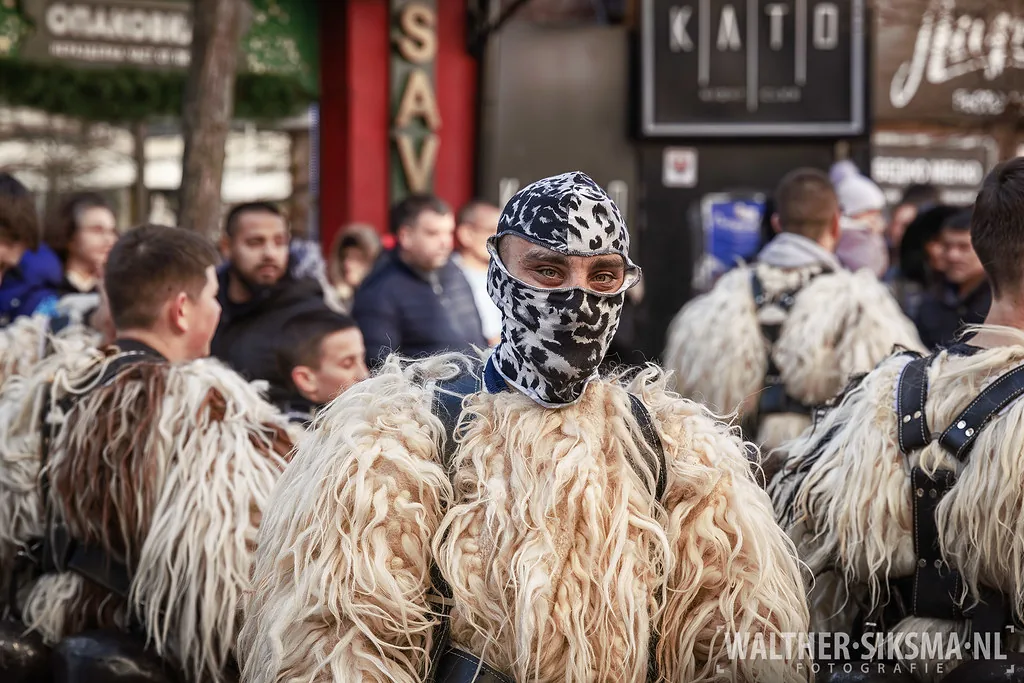
Every winter, the streets of Bulgarian towns fill with a thunderous clanging of bells and the sight of towering figures draped head to toe in animal pelts, their carved wooden masks twisting into the faces of beasts, mythical creatures, and spirits. These are the kukeri — male ritual performers at the heart of one of Bulgaria's most dramatic and ancient traditions. They dance, they roar, they shake their bells until the noise is almost physical, all in service of a single purpose: to drive out evil spirits and call in a year of health, fertility, and good harvest.
The kukeri tradition is one of Bulgaria's most distinctive contributions to world folklore. Inscribed on the UNESCO Representative List of the Intangible Cultural Heritage of Humanity in 2015, it draws thousands of visitors each January to the city of Pernik for the International Festival of Masquerade Games SURVA — one of the biggest masquerade gatherings in the entire Balkans. Whether you encounter kukeri in a village square at dawn or watch hundreds of groups parade through a city center, the spectacle is unforgettable. This guide covers everything you need to know about the tradition and how to experience it yourself. For a broader view of Bulgarian heritage, see our guide to Bulgarian Traditions and Customs: A 2026 Guide.
To experience the theatrical intensity and scale of the spectacle firsthand, watch this video of the Surva festival procession:
The Costumes and Bells: Armour Against Evil
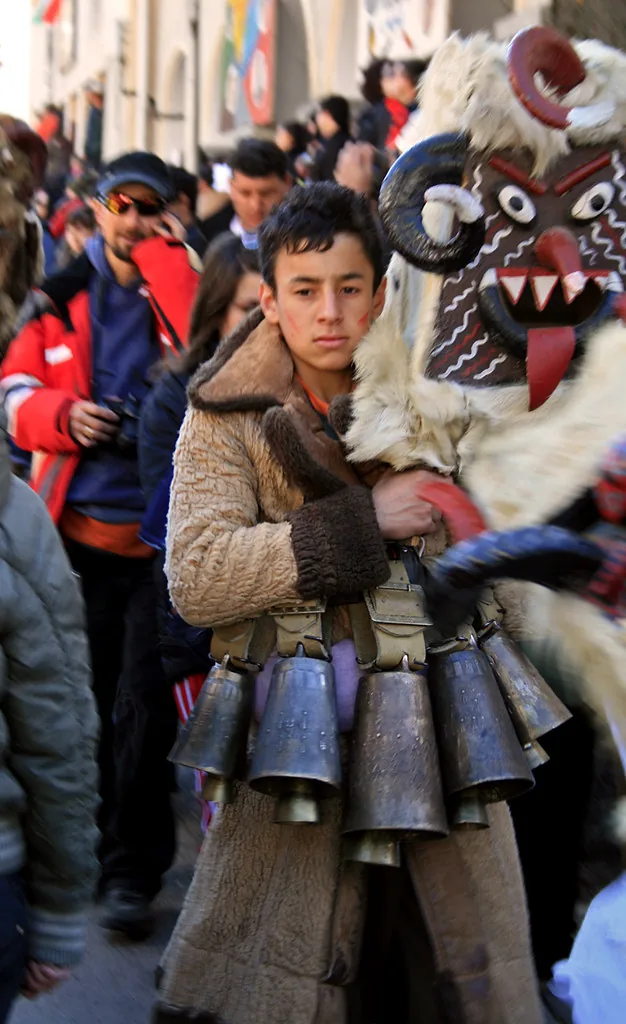
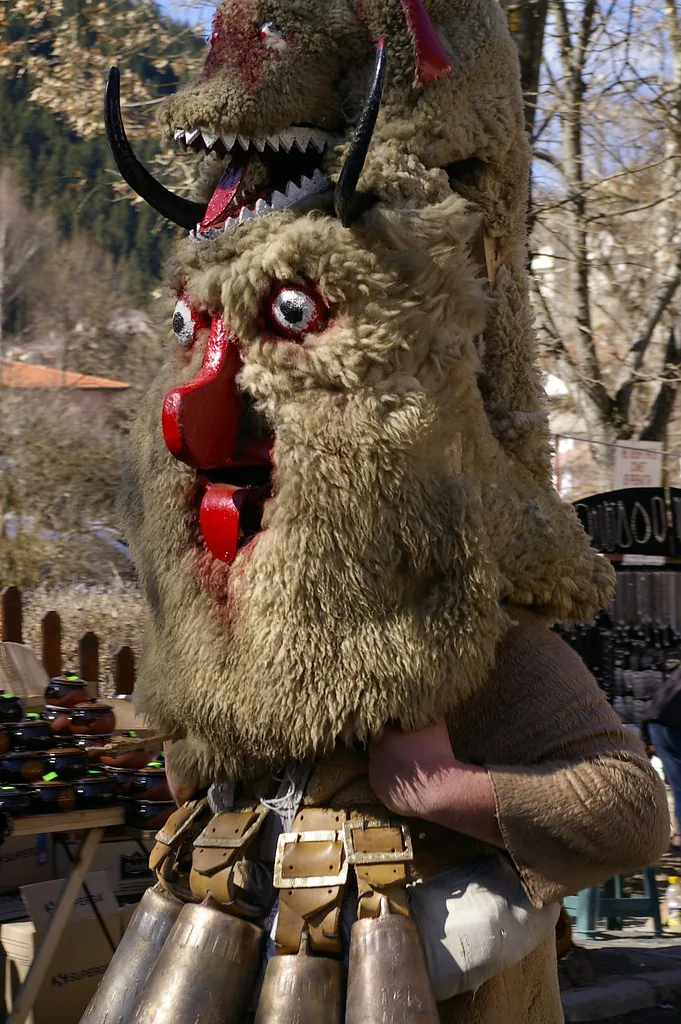
A kuker's costume is not merely a disguise — it is a ritual instrument. The body is encased entirely in the pelts of goats and sheep, leaving no human skin visible. Atop this shaggy frame sits a carved wooden mask depicting animals, demons, or mythical beings: some masks are double-faced, looking both forward and backward; others have hinged jaws that snap open and shut as the performer moves. Masks are decorated with ribbons, feathers, beads, thread, lace, mirrors, bones, and animal horns. In eastern Bulgaria, masks also incorporate sequins and mirror shards, with colours carrying symbolic weight — red for the sun and fertility, black for the earth, white for light and water.
The centrepiece of any kukeri costume is the belt of heavy copper or bronze bells, called chanove, worn around the performer's waist. Individual bells weigh roughly 5 to 8 kilograms each, and a complete costume — pelts, mask, and bells combined — can weigh tens of kilograms in total. Wearing one is a genuine physical feat. Performers hop rhythmically from side to side to set the bells ringing, and the cumulative noise of dozens or hundreds of kukeri moving together is staggering: a wall of sound that tradition holds is powerful enough to scatter any evil that might be lurking nearby.
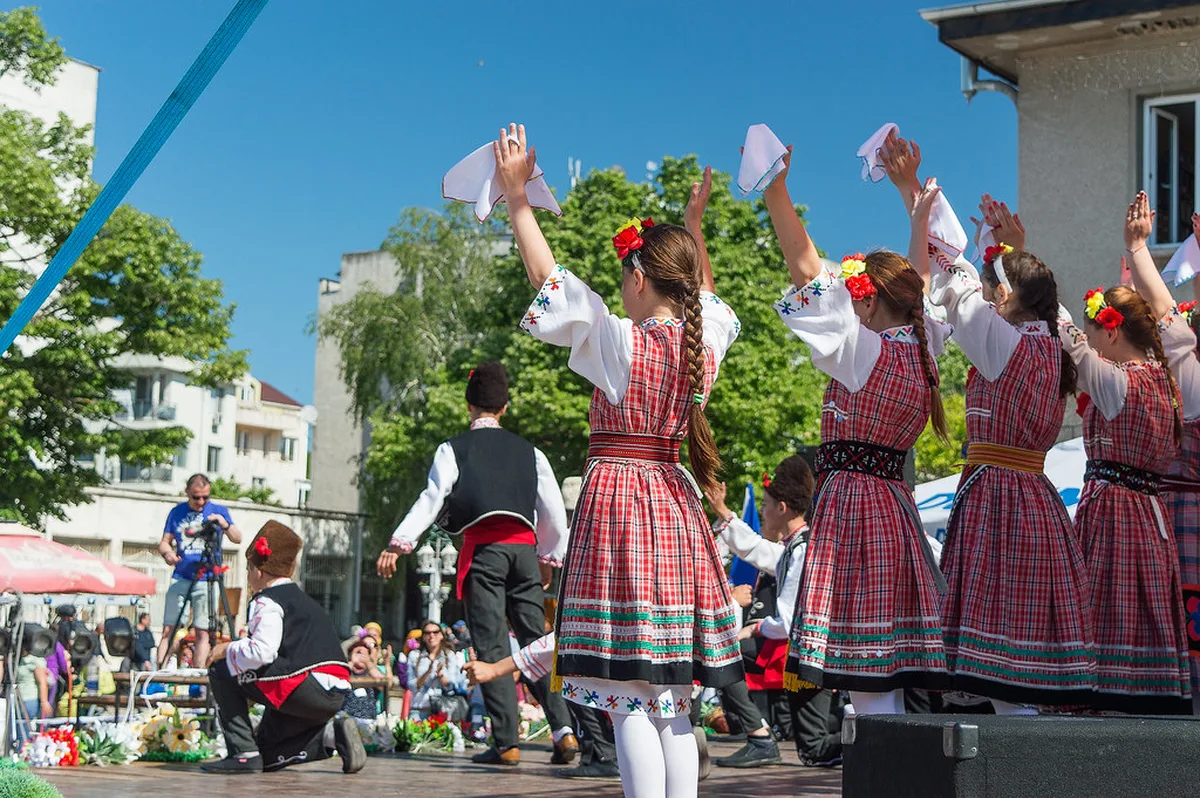
All roles in the kukeri pantomime, including female characters such as the bride, have traditionally been performed by men. The tradition is passed down within families and communities, with young men learning the steps, the mask-carving, and the specific choreography of their local group from older performers.
The Ritual and Its Meaning
The kukeri performance follows a loose but recognisable dramatic structure. At its core is a symbolic death-and-resurrection cycle: a tsar or king character is ritually killed by a kuker (representing the death of winter), then brought back to life (representing spring's return). This central act is followed by a bawdy ploughing pantomime in which two kukeri are yoked to a wooden plough and draw three concentric ritual circles on the ground, while the tsar scatters grain seeds — a direct enactment of the agricultural hope that drives the whole ceremony.
Individual performers also act out gestures with specific agricultural meanings. Rolling on the earth is meant to absorb its strength and vitality. Jumping as high as possible encourages the crops to grow tall. Swaying imitates the motion of heavy sheaves of grain at harvest. The whole performance is physically demanding, communal, and deeply serious in its intent, even as it contains comic and grotesque elements.
Going door to door is an integral part of the tradition. Groups of kukeri visit homes in the neighbourhood, and residents welcome them with bread, wine, rakia, and sometimes coins. In return, the kukeri bless the household. One telling detail preserved in Bulgarian ethnographic records: the ritual was always performed at night, so "the sun would not catch them on the road." This nocturnal quality gives kukeri gatherings an even more otherworldly atmosphere when they do occur after dark. Understanding the full sweep of Bulgaria's festival calendar — including where kukeri fits alongside religious observances — is easier with our 10 Best Bulgaria Festivals guide.
When and Where: Two Regional Traditions
Bulgaria's kukeri tradition divides broadly into two regional streams, each with its own timing and its own cast of characters.
In western Bulgaria, the tradition is associated with the survakari. Performances run from Christmas through Epiphany (December 25 to January 6). The survakari troupe represents a full wedding party — bride, groom, priest, dancing bear, musicians, and gypsies — led by a figure called the Byulyukbashiya (from the Turkish for "group leader"). Their ceremony includes a public wedding enactment and fire-leaping for ritual purification. This western tradition is the one most visible at the big SURVA festival in Pernik, held in late January.
In eastern Bulgaria, kukeri proper perform around Sirni Zagovezni (Cheese Sunday, also called Shrove Sunday) — the last Sunday before Orthodox Lent. In 2026, this falls on February 22. Because the Orthodox Easter calendar shifts each year, the exact date of Sirni Zagovezni changes annually; always check in advance if you are planning to attend a village performance. Regional names for the performers vary considerably across Bulgaria: survakari in the west, babugeri, jamali, babushar, and mechkari in other areas — each name reflecting local costume styles and ritual emphases.
| Region | Local Name | Timing | Key Feature |
|---|---|---|---|
| Western Bulgaria | Survakari | Christmas–Epiphany (Dec 25–Jan 6) | Wedding party cast; fire-leaping |
| Eastern Bulgaria | Kukeri / Kukerovden | Sirni Zagovezni (Shrove Sunday, pre-Lent) | Ploughing pantomime; grain-scattering |
| Other areas | Babugeri, Mechkari, Jamali | Varies (winter–early spring) | Distinct local mask styles |
SURVA International Masquerade Festival, Pernik
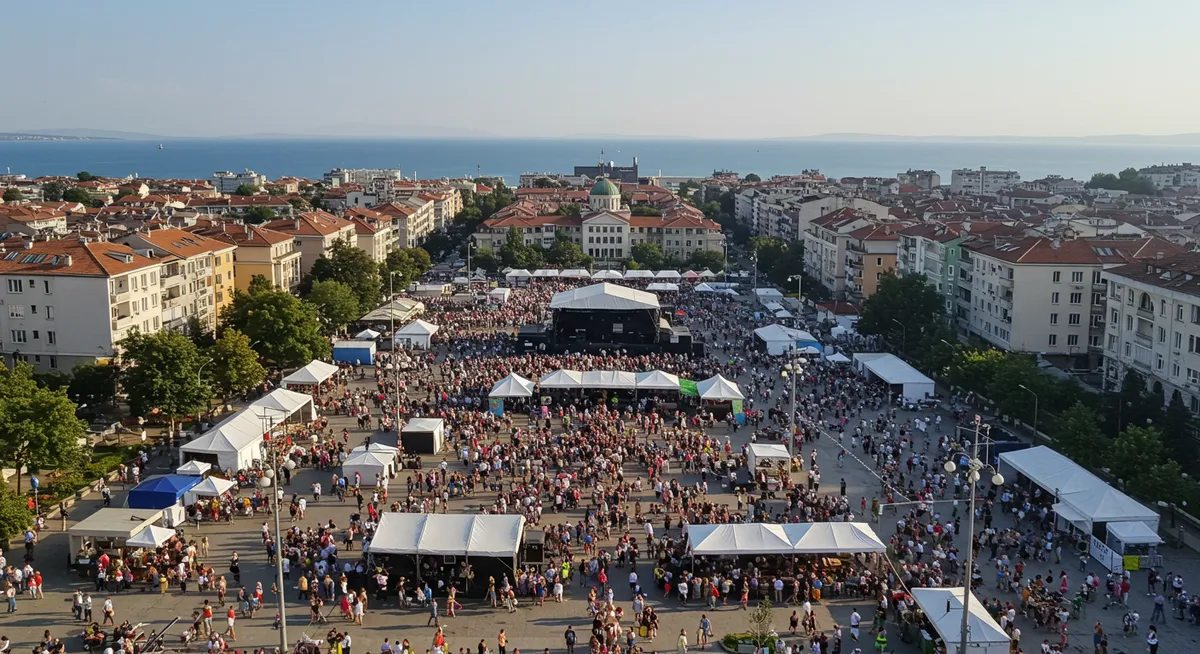
The biggest single event in the kukeri calendar is the International Festival of Masquerade Games SURVA, held every year in Pernik, a city about 30 kilometres southwest of Sofia. The festival has been running since 1966, was biennial until 2009, and has run annually ever since. It draws masquerade groups from across Bulgaria and from countries around the world.
The 32nd edition — SURVA 2026 — ran from January 16 to January 25, 2026. For the first time in the festival's history, the main parades were split across two consecutive weekends (January 17–18 and January 24–25) to accommodate a record number of participants: roughly 13,000 performers from Bulgaria and internationally, including groups from the USA, France, Italy, Spain, Ireland, Portugal, and Indonesia. This two-weekend format may not recur in every future edition — the split was introduced specifically to manage the 2026 record crowd — but the festival's standing pattern is late January. Entry to all main outdoor parades and masquerade events is free. Some indoor concerts or exhibitions may have separate admission.
The Municipality of Pernik organises the festival in the city centre. Beyond the parades, SURVA includes craft demonstrations, folk music performances, and exhibitions on the history of Bulgarian masquerade traditions. It is an outstanding opportunity to see not just Pernik's own survakari groups but dozens of distinct regional styles from across Bulgaria side by side — a living survey of the country's masquerade heritage. For planning purposes, check the official listing at visitbulgaria.com closer to the event for confirmed dates for future editions.
SURVA is one of the most photographed events in Bulgaria. Arrive early on parade days — by mid-morning the best viewing spots along the main route fill quickly. The performers move through the crowds at close range, giving exceptional photo opportunities, but the noise level from the bells is genuinely intense. Earplugs are a sensible precaution, especially for children.
Getting to Pernik from Sofia
Pernik is one of the easiest day trips from the Bulgarian capital, which makes SURVA very accessible even if you are basing yourself in Sofia for a wider Bulgaria trip. By car, the journey takes around 40 minutes. By train from Sofia Central Station, hourly departures run throughout the day; the journey takes just over 45 minutes and costs under €2. Regular bus services (Union Ivkoni and others) cover the same route at a similar price. Organised day tours from Sofia are also available from around €60 per person and can be a convenient option during the festival, when independent transport becomes congested.
During SURVA parade weekends in particular, transport links between Sofia and Pernik become very busy. The strong advice is to travel early, before the parades begin. January in Pernik is cold — temperatures typically sit between −5°C and 5°C — so waterproof and warm clothing is essential. Sofia has far more accommodation options than Pernik; most visitors treat SURVA as a day trip and return to Sofia in the evening. For logistical planning across Bulgaria more broadly, our Bulgaria Travel Tips: Your Essential Guide to Planning a Trip guide covers transport, currency, and practicalities. And if you want to fill out your Sofia itinerary around a SURVA visit, see Things To Do in Sofia, Bulgaria.
Shiroka Laka: A More Intimate Alternative
For travellers who want to experience kukeri in a quieter, more village-scale setting, the village of Shiroka Laka in the Rhodope Mountains is a compelling alternative to the large urban festival in Pernik. Every year on the first Sunday of March (in 2026, this fell on March 1), multiple regional kukeri groups converge on Shiroka Laka for a gathering that is considered among the most authentic in Bulgaria.
The Rhodope setting — a traditional village with characteristic stone architecture, surrounded by mountain scenery — gives the event a very different character from Pernik. Shiroka Laka is roughly 200 kilometres from Sofia, making it a longer drive (around 3 hours), but it can also be combined with a visit to the wider Rhodope region. Groups attending Shiroka Laka bring distinct mask styles from their own areas, so the gathering functions as an informal comparison of regional traditions. If you are interested in Bulgarian cultural heritage more broadly, combining this with a visit to one of the region's 15 Best Bulgarian Monasteries (2026) makes for a rich itinerary.
The first Sunday of March date for Shiroka Laka is a stable annual tradition, but village events can change scale or format from year to year. It is worth confirming locally or via Bulgarian tourism boards before making a long journey specifically for this event.
Origins, UNESCO Recognition, and Balkan Connections
The word kukeri most likely derives from a Proto-Slavic root meaning "evil spirit" combined with a suffix meaning "chaser" — literally, a chaser of evil spirits. Alternative theories link the word to the Latin cuculla (hood) or to a pre-Slavic deity. What is clear is that the tradition forms part of a wider Balkan and eastern Mediterranean mumming complex, with related practices found in Greek Thrace (kalogeros), North Macedonia (babari/mechkari), and Romania (capra/turca). The popular theory connecting kukeri directly to ancient Thracian Dionysian rituals is appealing but not supported by current scholarship, which views these traditions as emerging primarily in the early modern period from a mix of Greek, Slavic, Albanian, and Turkish cultural influences.
The international recognition of the tradition came in 2015, when the Surova folk feast of the Pernik region was inscribed on the UNESCO Representative List of the Intangible Cultural Heritage of Humanity (10th session). The official UNESCO record is specific to the Pernik regional variant, but the inscription has raised awareness of kukeri traditions across Bulgaria as a whole, supporting community efforts to transmit costume-making, mask-carving, and ritual choreography to younger generations. The tradition sits firmly within the broader landscape of Bulgarian Traditions and Customs: A 2026 Guide that distinguish the country's cultural identity in Europe.
Continue planning: Use Bulgarian Traditions and Customs guide and Buzludzha Monument: How to Visit in 2026 to connect this guide with the rest of your Bulgaria itinerary.
Frequently Asked Questions
What are kukeri and what do they do?
Kukeri are male ritual performers who dress in full-body animal pelt costumes, carved wooden masks, and heavy copper or bronze bells. They perform energetic dances, visiting homes and public spaces to drive away evil spirits and bless the community with health, fertility, and a good harvest. The tradition is practiced across Bulgaria each winter, with regional variations in timing and costume style.
When is the SURVA festival in Pernik?
The SURVA International Festival of Masquerade Games is held annually in late January in Pernik, approximately 30 kilometres southwest of Sofia. The 2026 edition ran from January 16 to January 25, with main parades on January 17–18 and January 24–25. Future editions follow the same late-January pattern; check visitbulgaria.com for confirmed dates each year. Entry to all outdoor masquerade parades is free.
Is the SURVA festival free to attend?
Yes — all main outdoor masquerade parades and public events at SURVA are free and open to anyone. Some indoor concerts or side exhibitions may have separate admission charges, but the core spectacle costs nothing. The festival is organised by the Municipality of Pernik and held in the city centre.
What is the difference between kukeri and survakari?
Both are Bulgarian masquerade traditions, but they come from different regions and different times of year. Survakari are from western Bulgaria and perform from Christmas through Epiphany (December 25–January 6), representing a full wedding party. Kukeri proper are associated with eastern Bulgaria and perform around Sirni Zagovezni (Shrove Sunday, the last Sunday before Orthodox Lent). SURVA in Pernik features mainly the western survakari tradition.
Is the kukeri tradition recognised by UNESCO?
Yes. The Surova folk feast of the Pernik region was inscribed on the UNESCO Representative List of the Intangible Cultural Heritage of Humanity in 2015, at the organisation's 10th session. The full record is available on the official UNESCO intangible heritage website.
Kukeri are not a museum piece or a tourist performance put on for cameras — they are a living tradition that Bulgarian communities have sustained through generations because it still carries meaning. The bells that ring to chase away evil, the masks that depict the wild forces of the natural world, the symbolic ploughing that invokes a good harvest: all of it connects modern Bulgaria to a long continuum of winter ritual that reaches across the Balkans. Attending SURVA in Pernik, or watching a village group perform at Shiroka Laka, is a chance to see that continuity in action — noisy, physical, and genuinely extraordinary.
If you are planning a January trip to Bulgaria, building your itinerary around SURVA is one of the best decisions you can make. Pernik is close enough to Sofia to visit in a day, the festival is free, and there is simply nothing else quite like it. Layer in a few days in Sofia before or after, check our 18 Best Places to Visit in Bulgaria for wider ideas, and you have the foundation of a remarkable winter journey through one of Europe's most underrated travel destinations.