Is Bulgaria Safe to Visit?
Bulgaria is, by most measures, one of the safer corners of Europe to visit in 2026. Violent crime against tourists is rare, locals are generally hospitable, and the country's EU membership means standards across transport, healthcare, and law enforcement align broadly with Western Europe. That said, "safe" doesn't mean risk-free.
Petty crime, a handful of well-documented tourist scams, and some patchy road infrastructure are the real concerns here — not violence. Knowing what to watch for makes the difference between a frustrating trip and a smooth one. This guide covers everything that actually matters: specific scams by city, solo and family safety, health risks, and the emergency contacts you should save before you land.
For a quick overview of Bulgaria's safety landscape and main travel concerns, this video provides the essentials:
Is Bulgaria Safe to Visit? An Overview
Bulgaria is widely considered a safe destination for tourists. Its violent crime rate is low relative to most Western European countries, and the U.S. travel authorities currently advise only "normal precautions" — the same level assigned to Germany or Japan. The National Statistical Institute recorded over 10 million international arrivals in recent years, and the overwhelming majority reported no safety problems.
The country joined the EU in 2007 and has been part of the Schengen Area since 2024, which has brought tighter border controls and improved policing standards. EU citizens can also access healthcare through the European Health Insurance Card (EHIC), a practical benefit no competitor travel guide consistently flags for European visitors.
The main risks are opportunistic: pickpocketing in crowded tourist zones, overcharging by unlicensed taxis, and a small number of nightlife scams. None of these are unique to Bulgaria — you'd face the same in Prague or Lisbon. Understanding them before you arrive is straightforward, and this guide walks through each one specifically.
Crime and Common Scams in Bulgaria
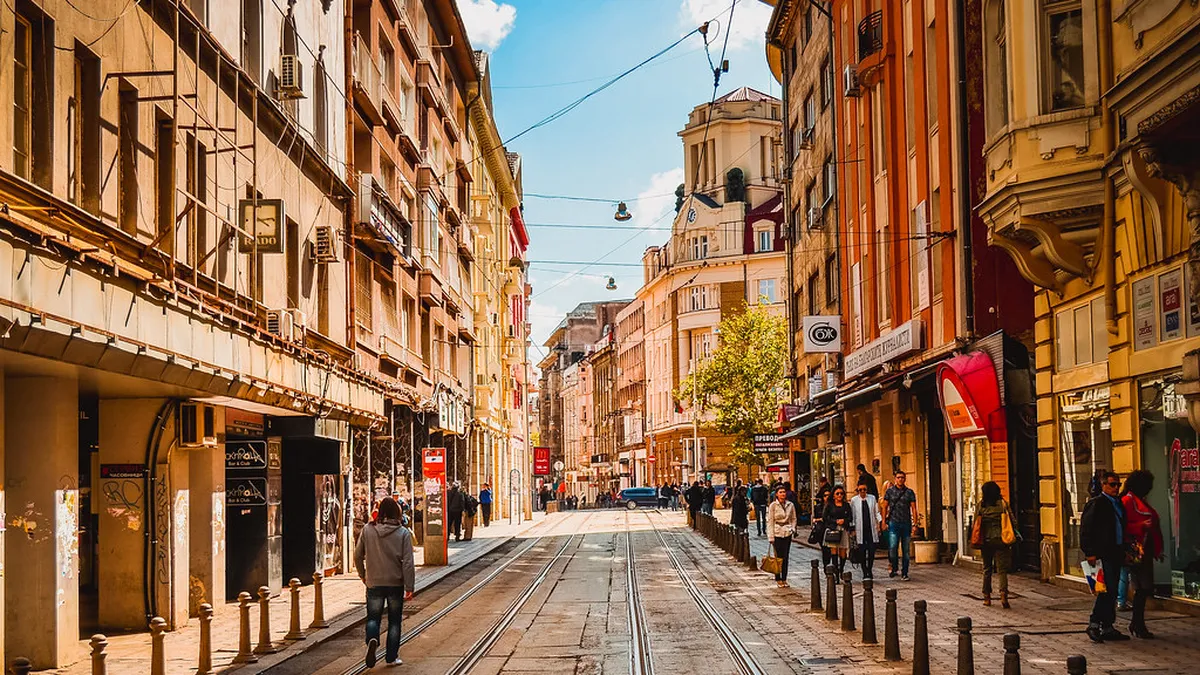
Petty theft is the dominant concern. Pickpockets operate in the same places they do anywhere in Europe: crowded markets, busy bus and tram routes, and tourist hotspots. Sofia's central metro stations and the area around Vitosha Boulevard Visitor Guide see the most incidents. Keep your phone in a front pocket, use a cross-body bag, and don't leave your wallet visible on café tables.
The most complained-about scam for new arrivals is unlicensed taxis at Sofia Airport. Drivers without meters approach passengers in the arrivals hall and quote flat rates of 50–80 BGN (25–40 EUR) for what is a 10–15 EUR fare. Only use the official taxi rank outside the terminal, insist the meter runs, or book a licensed transfer in advance. The app-based services Bolt and Yellow Taxi operate in Sofia and show the fare upfront.
ATM skimming occurs — use machines attached to bank branches rather than standalone street ATMs. Cover your PIN. If a stranger offers unsolicited help at an ATM, decline and move to a different machine. Credit card fraud is worth monitoring: check your statements after any trip that involved a lot of cash withdrawals.
The "fake police officer" scam is rarer but worth knowing. Plainclothes individuals approach tourists, flash a card, and demand to inspect wallets for "counterfeit currency." Legitimate Bulgarian police do not do this. If someone claiming to be police insists on checking your cash, ask to go to the nearest police station together — that request ends the scam immediately.
Sofia Airport taxis are notorious for overcharging. Drivers without meters quote 50–80 BGN (25–40 EUR) for a 10–15 EUR journey. Use only the official taxi rank outside the terminal, insist the meter runs, or use Bolt and OK Supertrans desk apps which show fares upfront. Fake police demanding wallet inspections for "counterfeit currency" are scammers — legitimate officers never do this.
| Scam | Where | How to Avoid |
|---|---|---|
| Unlicensed taxi overcharging | Sofia Airport arrivals | Use official taxi rank or pre-book Bolt/OK Taxi |
| Fake police wallet inspection | Streets, tourist areas | Insist on going to a police station; legitimate police never do this |
| ATM skimming & PIN theft | Standalone street ATMs | Use bank-attached ATMs, cover PIN, move machine if unsolicited help offered |
| Pickpocketing | Metro stations, markets, trams | Use cross-body bag, keep phone in front pocket, avoid visible valuables |
| Nightlife overcharging | Sunny Beach clubs, strip venues | Check price menus, stick to venues with online reviews, avoid door touts |
Top Safety Tips for Travelers in Bulgaria
Always keep your belongings secure, especially in crowded areas. Use a cross-body bag or money belt to protect passports and cash. Never leave your phone or wallet unattended on tables, and avoid carrying large amounts of cash when you don't need to.
Avoid flashing expensive jewelry or camera equipment in heavily touristed spots. Blending in is easy — Bulgarians dress casually, and looking like you know where you're going makes you a less obvious target for opportunistic crime.
Research your accommodation thoroughly and read recent reviews. Staying in well-regarded hotels or reputable Airbnb options in central neighborhoods is advisable. Always secure your room doors and windows, and use the in-room safe for passports and backup cash.
Consider getting a local SIM card or an eSIM for Bulgaria before or just after arrival. Reliable mobile data means you can navigate with confidence, call ahead to restaurants and accommodation, and reach emergency services without relying on Wi-Fi. Learn a few basic Bulgarian phrases — locals respond warmly to any attempt, and it signals you're not an easy mark for scammers.
Safest Places and Areas in Bulgaria
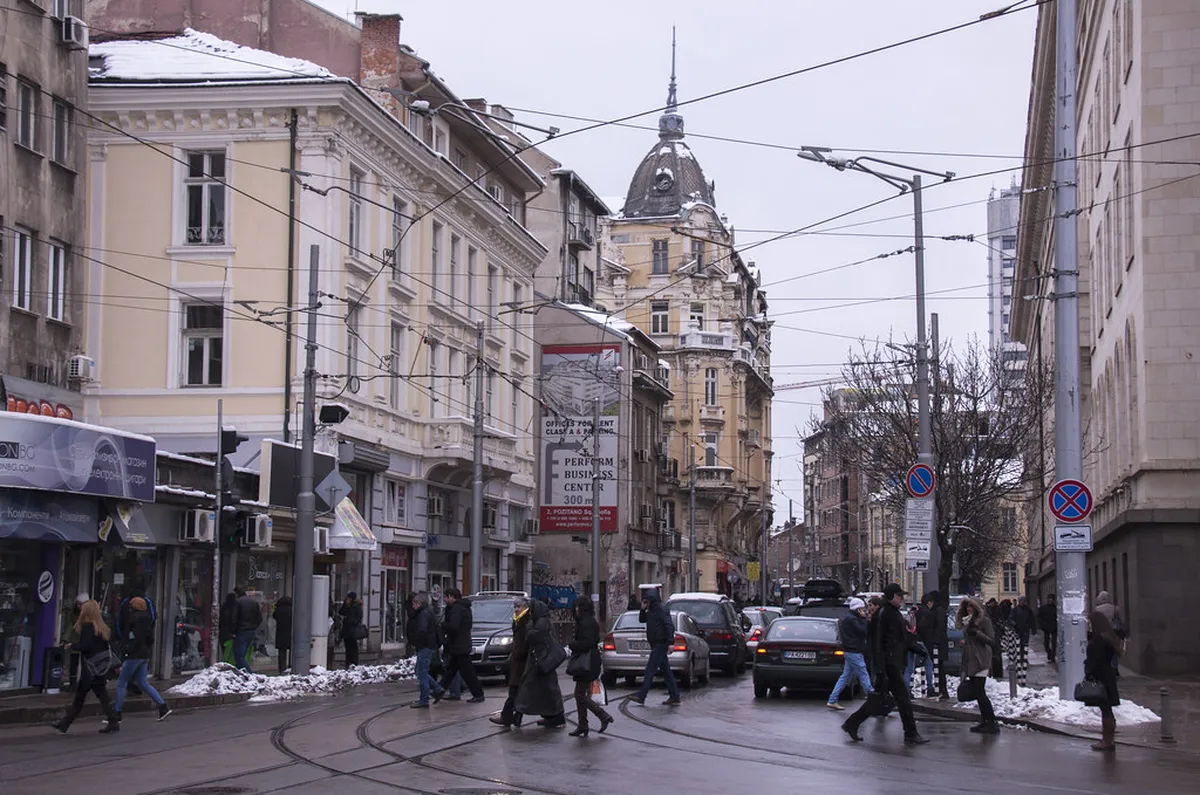
Sofia is generally safe for tourists throughout the day and well into the evening. The main concern is pickpocketing around NDK (National Palace of Culture), the central train and bus stations, and the Serdica metro hub. The Sveta Nedelya Square area has a rougher reputation after midnight — stick to the well-lit main boulevards if you're out late, and avoid the side streets near the Pliska Hotel area, which functions as a red-light district.
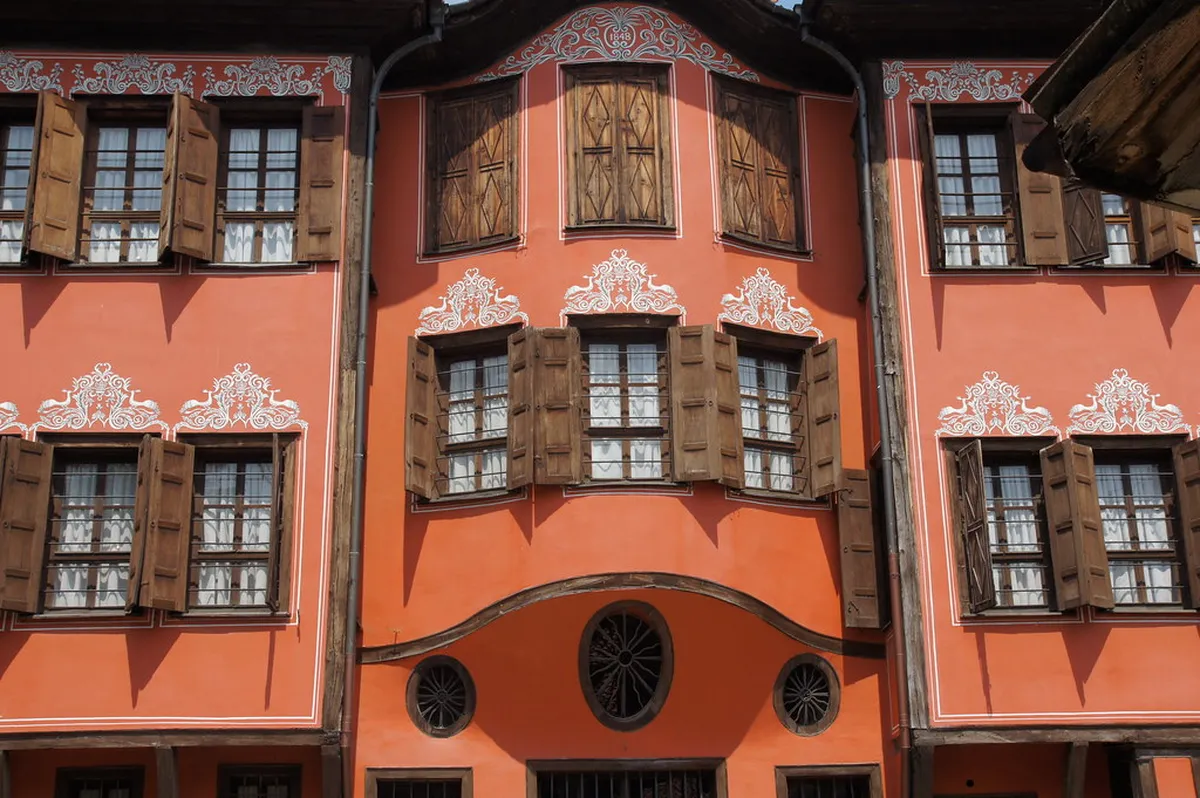
Plovdiv is considered the most relaxed of Bulgaria's major cities. Its pedestrianised Old Town is safe to walk at almost any hour, and the compact centre means you're rarely more than five minutes from a main road. It's an excellent choice if you want a low-stress base.
Varna and the wider Black Sea coast are popular in summer. The city itself is safe, but Sunny Beach — the large resort strip to the south — has a different atmosphere. Aggressive overcharging in beach clubs and strip venues, property crime from hotel rooms (particularly in peak season), and a general rowdiness are the main concerns. If you're staying in Sunny Beach, use the safe in your room, avoid leaving valuables on the beach unattended, and be cautious in any venue that doesn't display its prices clearly.
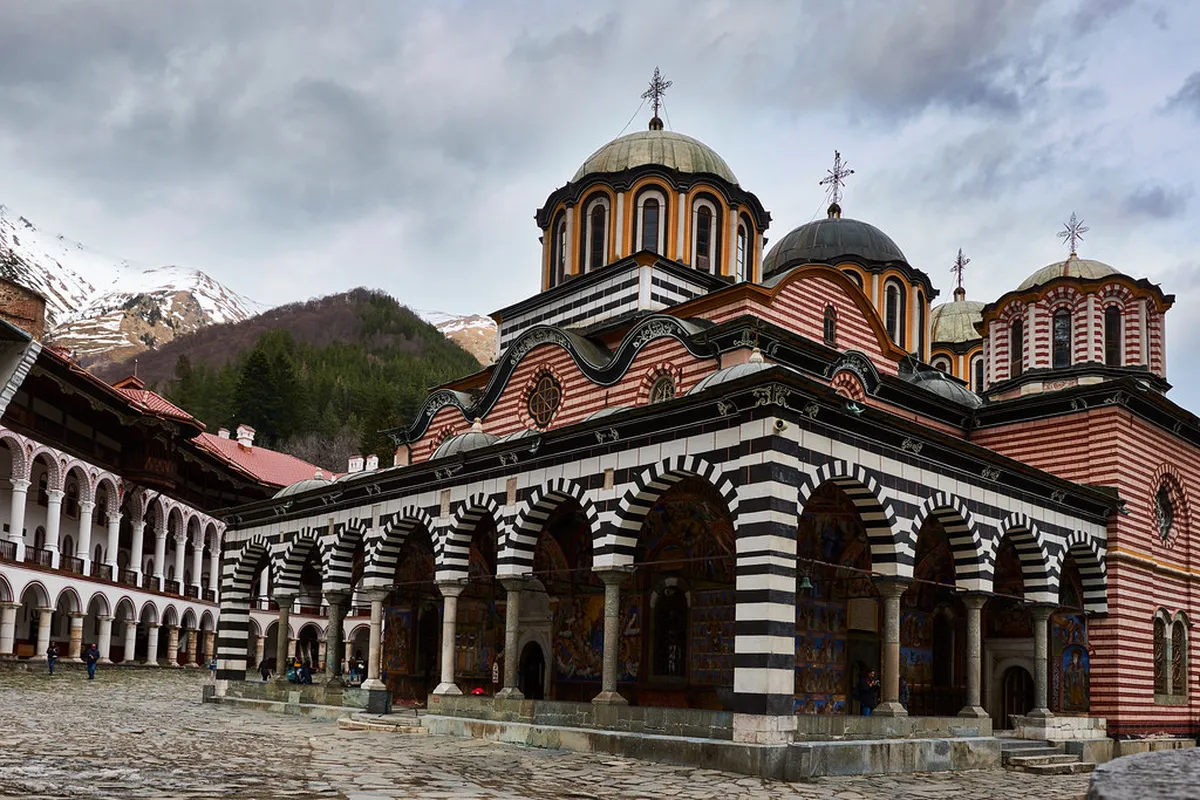
Bansko and the mountain regions (Rila, Pirin, Rhodopes) are very safe. Crime is minimal. The practical risks here are environmental: mountain weather changes fast, trails above 2,400 m can be challenging, and skiing/hiking accidents do happen. Always review the best time to visit Bulgaria for the activity you're planning, and tell someone your route and expected return time if hiking independently.
Is Bulgaria Safe for Solo Travelers? (Including Solo Female)
Bulgaria is a well-established solo travel destination. Its cities have sizable hostel scenes — Sofia in particular has a large backpacker community — and free walking tours run daily in both Sofia and Plovdiv, making it easy to orientate yourself and meet other travelers quickly. The general advice applies: don't get excessively drunk alone, keep people at home updated on your plans, and use licensed taxis or Bolt rather than walking unfamiliar routes at night.
Solo female travelers find Bulgaria manageable with standard precautions. Bulgarian men can be vocal with unwanted attention in nightlife settings and on the beach — mostly harmless but worth knowing. A firm "no" handles most situations. Where it matters: avoid walking alone late at night in unfamiliar parts of any city, and consider joining a guided tour, such as the Budapest to Sofia Adventure, which provides structured itineraries and built-in companionship.
Dress code matters more outside the cities. In rural areas and at religious sites, women are expected to cover shoulders and knees. Most Orthodox churches and monasteries provide scarves at the entrance, but carrying your own is simpler. Observing how local women your age are dressed in each setting is a reliable guide.
LGBTQ+ travelers should exercise discretion outside of Sofia. Homosexuality is legal and Sofia has a small but active queer scene, but same-sex public displays of affection draw unwanted attention in rural areas and smaller towns. Sofia Pride requires a significant police presence each year — a useful indicator of the broader social climate.
Is Bulgaria Safe for Families?
Bulgaria is a very family-friendly destination in terms of safety. Violent crime is rare, and the country's EU standards mean food hygiene, water quality, and transport infrastructure meet expectations. Tap water is safe to drink in cities; mountain spring water is also safe. The main summer risk for children is sun exposure — July and August temperatures on the Black Sea coast regularly exceed 35°C, so high-factor sunscreen, hats, and frequent hydration are non-negotiable.
The main hazard specific to families (and all travelers) in Bulgaria is stray dogs. Feral dog packs are genuinely common, particularly in smaller towns, rural roads, and the outskirts of cities. Rabies does exist in Bulgaria — it is not a theoretical risk. The rule is simple: never approach a stray dog, even if it looks calm. If bitten, go to the nearest hospital or clinic immediately for post-exposure prophylaxis. This is widely available and effective, but you must act quickly. Children especially need to understand this rule before arrival.
Mosquitoes are present near lakes, rivers, and forested areas — bring repellent. Tick-borne encephalitis is a risk if you're hiking in wooded terrain; cover arms and legs on forest trails. Neither is a reason to avoid the country, but families planning mountain hikes should pack accordingly. The mountain regions — Rila, Bansko, Rhodopes — are otherwise excellent for families, with well-maintained trails and a calmer pace than the beach resorts.
Health and Medical Safety in Bulgaria
Bulgaria's public healthcare system operates below Western European standards in terms of facilities and English-language capability. Private clinics in Sofia, Plovdiv, and Varna offer a significantly better experience for tourists: English-speaking staff, modern equipment, and costs that are still affordable by European standards. If you need non-emergency medical care, go private and confirm prices before treatment.
EU citizens should register for a European Health Insurance Card (EHIC) before travel — it covers emergency medical treatment in Bulgarian public hospitals at no cost. This doesn't replace travel insurance (it excludes repatriation, private care, and trip cancellation), but it is a meaningful safety net for minor emergencies. Non-EU visitors should carry comprehensive travel insurance that explicitly includes medical evacuation.
Ensure routine vaccinations are current before you travel. Pharmacies (look for the green cross symbol) are well-stocked in all towns and cities and carry common over-the-counter medications. Carry prescription medications in their original packaging with a doctor's note to avoid issues at customs. A small personal first-aid kit — plasters, antiseptic, rehydration sachets — is useful, particularly for hiking trips.
Getting Around Bulgaria Safely
City public transport in Sofia is safe and functional. The metro is clean and efficient; trams and buses are more crowded and are where pickpocketing is most likely to occur. Validate your ticket immediately on boarding to avoid fines from inspectors. Keep your bag in front of you on busy routes.
When using taxis, always opt for licensed vehicles with a visible meter and price-per-km sticker. The two most trusted services in Sofia are Yellow Taxi and OK Taxi. Bolt also operates in most Bulgarian cities and shows the fare upfront, making it the safest option for airport and late-night journeys. Never accept a fare quote from an unlicensed driver at the airport or a major train station.
Intercity trains, operated by Bulgaria State Railways, are a safe and affordable way to travel between cities. Book tickets in advance for longer routes, especially Sofia–Varna in summer. Keep your luggage within sight in overnight compartments. Roads, particularly outside cities and in mountain areas, can be poorly maintained and poorly lit at night. Drive defensively, avoid rural routes after dark, and ensure your rental car is fully insured — consider an essential travel insurance plan that includes roadside assistance.
Nightlife Safety in Bulgarian Cities
Sofia's nightlife is genuinely lively and largely safe. The main strip runs through the center — clubs and bars around Vitosha Boulevard and the student quarter are well-frequented and relatively well-policed. Stick to venues with visible price menus and online reviews. The serious overcharging problems are concentrated in strip venues and some clubs in Bansko and Sunny Beach — places where staff are incentivised to run up your tab and then aggressively pursue payment. If a door tout approaches you on the street offering a "special deal," walk past.
Never accept drinks from strangers, and never leave your drink unattended. Drink spiking does occur, most commonly in Sunny Beach and in some Sofia venues that cater exclusively to tourists. Going out in a group and watching each other's drinks is the most effective protection. If you feel suddenly and disproportionately unwell, get to a safe public location and call 112 immediately.
When leaving a venue late at night, use Bolt or a pre-booked licensed taxi rather than flagging down a car. Avoid walking alone in unfamiliar streets after 01:00, particularly in less central parts of Sofia or Varna. Plan your return transport before you head out — not as an afterthought at 03:00.
Understanding Bulgarian Culture and Local Interactions
The most practically important cultural fact for any visitor: in Bulgaria, a nod means "no" and a shake of the head means "yes." This is the reverse of almost everywhere else. It causes genuine confusion in transactions and interactions. When in doubt, use words rather than gestures to confirm.
Bulgarians outside the tourism industry can seem reserved at first. This is cultural — it isn't unfriendliness. Younger Bulgarians in cities typically speak good English and are genuinely helpful to tourists who ask politely. In rural areas and with older generations, patience and a translation app go a long way. Learning the Cyrillic alphabet, even just to sound out place names, dramatically improves your ability to navigate — bus stops, restaurant menus, and road signs all use it.
When visiting Orthodox churches and monasteries, modest dress is expected: covered shoulders and knees for both men and women. Most sites provide wraps at the entrance. Photographing the interior of churches is often restricted; look for signs or ask before raising your camera. Avoid political conversations with strangers, particularly around topics like EU membership, NATO, and relations with neighboring countries — these are genuinely divisive and not the ground you want to debate on.
Essential Travel Insurance for Bulgaria
Travel insurance is not mandatory for Bulgaria, but it is one of the most important things you can arrange before departure. A good policy should cover medical emergencies, emergency evacuation, trip cancellations and delays, and lost or stolen baggage. These are the scenarios that turn a minor incident into a financial crisis.
Look for policies that explicitly cover adventure activities if you're planning to ski in Bansko, hike in Rila, or try any water sports on the Black Sea. Standard policies often exclude these. Personal liability coverage is also worth having — useful if a road accident or property damage puts you in a dispute.
EU citizens with an EHIC card have emergency hospital cover, but this doesn't replace comprehensive insurance. Non-EU visitors especially should not skip this. Compare providers, read exclusions carefully, and tailor your policy to your actual itinerary. An investment in comprehensive travel insurance costs far less than a single night in a private Bulgarian clinic without it.
Emergency Contacts and Resources in Bulgaria
The single most important number to save is 112. This is Bulgaria's universal emergency number for police, ambulance, and fire services — it works throughout the EU and operates 24 hours. English-speaking operators are available. Save it in your phone before you arrive, not after something goes wrong.
Keep your embassy or consulate's contact information accessible. They can assist with lost or stolen passports, legal issues, and medical emergencies that require consular coordination. Most embassies recommend registering your trip with them before departure. If you experience a crime, report it to the local police and get a written police report — you will need this for any insurance claim.
Tourist information centers operate in Sofia, Plovdiv, and Varna and can provide local guidance, maps, and basic translation help. Pharmacies (green cross) are a first port of call for minor medical issues. For altitude-related problems in the mountains, descend immediately, rest, and hydrate — do not push on. If symptoms worsen, call 112. Keep a small card in your wallet with key phrases: "I need help" (Нуждая се от помощ — "Nuzhdaya se ot pomosht") and "Call the police" (Извикайте полицията — "Izvikáyte politsiyta") can be invaluable in a stressful situation.
Bulgaria's universal emergency number is 112 — save it in your phone before arrival. English-speaking operators are available 24/7 for police, ambulance, and fire emergencies. Violent crime against tourists is rare; the country is widely considered one of Europe's safer destinations. Public transport, healthcare standards, and law enforcement meet EU norms as a result of Bulgaria's 2007 EU membership.
Continue planning: Use Bulgaria Travel Tips: Your Essential Guide to Planning a Trip and Backpacking Bulgaria: A Complete 2026 Budget Travel Guide to connect this guide with the rest of your Bulgaria itinerary.
Frequently Asked Questions
How safe is Bulgaria for tourists?
Bulgaria is generally safe for tourists, with most visits being trouble-free. Petty crime like pickpocketing is the primary concern, especially in crowded areas. Violent crime is rare, and common sense precautions will ensure a smooth trip.
Is public transport safe in Bulgaria?
Public transport in Bulgarian cities is generally safe and efficient. Be vigilant with your belongings in crowded buses and trams to prevent pickpocketing. Always validate your tickets to avoid fines and ensure a smooth journey.
What kind of crime is common in Bulgaria?
The most common crimes targeting tourists in Bulgaria are petty theft and scams. This includes pickpocketing in crowded areas, overcharging by unofficial taxis, and occasional credit card fraud. Awareness helps avoid these issues.
Do I need travel insurance for Bulgaria?
While not strictly mandatory, travel insurance for Bulgaria is highly recommended. It covers medical emergencies, trip cancellations, and lost luggage, providing essential financial protection. A good policy ensures peace of mind during your travels.
Are there any specific cultural considerations for safety in Bulgaria?
Yes, understanding local customs helps. Bulgarians are generally hospitable, but a nod means 'no' and a head shake means 'yes,' which can be confusing. Being respectful and calm in interactions contributes to a safer experience. You can learn more in our Bulgaria etiquette guide.
Bulgaria offers an enriching and largely safe travel experience for visitors in 2026. The real risks — airport taxi scams, Sunny Beach overcharging, stray dogs, and ATM fraud — are specific and avoidable once you know what to expect. The general backdrop of low violent crime and EU-standard infrastructure means the country rewards prepared travelers generously.
From exploring Sofia's Soviet-era boulevards and Plovdiv's ancient streets to hiking Rila and relaxing on the Black Sea coast, Bulgaria's appeal is broad. Save 112 in your phone, get travel insurance, and use licensed taxis. Everything else is details — and this guide has covered them. Read our Bulgaria Travel Tips: Your Essential Guide to Planning a Trip for more practical advice before you go.