Arbanasi Day Trip From Veliko Tarnovo
Arbanasi sits just 4 kilometres northeast of Veliko Tarnovo, making it one of Bulgaria's most rewarding half-day escapes. The village earned status as an architectural and historical reserve, and every street reflects that distinction. Centuries-old fortified merchant houses, frescoed churches, and quiet monastery courtyards cluster within a compact area you can cover comfortably on foot. Whether you have three hours or a full afternoon, this guide covers every transport option, attraction, and practical detail you need.
The village feels entirely different from the dramatic hilltop drama of Tsarevets — calmer, more domestic, and surprisingly intimate. Most visitors who combine Arbanasi with a full day of Veliko Tarnovo sightseeing rate it among the best decisions of their trip. Knowing what to prioritise and how long each site takes will help you avoid rushing through the frescoes or missing the Konstantsalieva House before it closes.
Getting to Arbanasi from Veliko Tarnovo
Three realistic options connect Veliko Tarnovo to Arbanasi: local bus, taxi, and walking. Each suits a different traveller, and the right choice depends on your pace, budget, and how much energy you want to save for the site itself. The journey by bus or taxi typically takes 15 to 20 minutes from the city centre.
The Alex Ok bus line departs from the main bus station in Veliko Tarnovo and runs on a fixed schedule throughout the week. A one-way ticket costs around 2 to 3 BGN (roughly 1 to 1.50 EUR), making it the most affordable choice by far. Weekday departures leave at 7:05, 8:05, 11:35, 14:20, 17:20, and 18:20; weekend services run at 8:05, 13:05, and 17:20. Plan your return carefully — buses back to Veliko Tarnovo are less frequent in the afternoon.
Taxis from Veliko Tarnovo to Arbanasi are plentiful at the taxi ranks near the old town and typically cost 8 to 12 BGN (around 4 to 6 EUR) one way. The ride is direct and door-to-door, which makes taxis the smart choice for families or anyone with a tight schedule. One important caveat: taxis are scarce in Arbanasi itself, so arrange your return pickup before the driver leaves. Ask your hotel reception to call a cab in advance or save the number of the driver who brings you up.
Walking is possible but demanding — the trail through the woods takes 45 to 60 minutes and was reportedly overgrown and poorly maintained as recently as 2023. The road route is narrow with no safe shoulder, so walking along the highway is not recommended. Save your energy for the sights and take the bus or a taxi instead, especially in summer heat.
- Bus (Alex Ok line)
- Costs around 2 to 3 BGN one way, the cheapest option available.
- Journey takes roughly 15 to 20 minutes from the main bus station.
- Best suited for budget travellers who can match the fixed timetable.
- Return buses are less frequent on weekends, so check the schedule first.
- Taxi from Veliko Tarnovo
- Fare typically ranges from 8 to 12 BGN for the one-way trip.
- Door-to-door service makes it ideal for families and time-pressed visitors.
- Taxis are scarce in Arbanasi, so arrange your return pickup in advance.
- Ask your hotel or the driver to book a return cab before they leave.
- Walking via trail or road
- Trail through the woods takes 45 to 60 minutes depending on your pace.
- Route was overgrown and poorly maintained in recent years — proceed cautiously.
- Road walking is not advised due to the narrow lane and lack of a safe shoulder.
- Best reserved for experienced hikers who do not mind rough terrain underfoot.
Ottoman Origins and Merchant Prosperity
Arbanasi's story begins in the 16th century, when Ottoman authorities granted the village special tax privileges that attracted Greek-speaking merchants from across the Balkans. These privileges created an unusually prosperous community at a time when most Bulgarian towns struggled under heavy taxation. Wealthy merchant families built the grand fortified houses — known as konaks — that still define the village's skyline today.
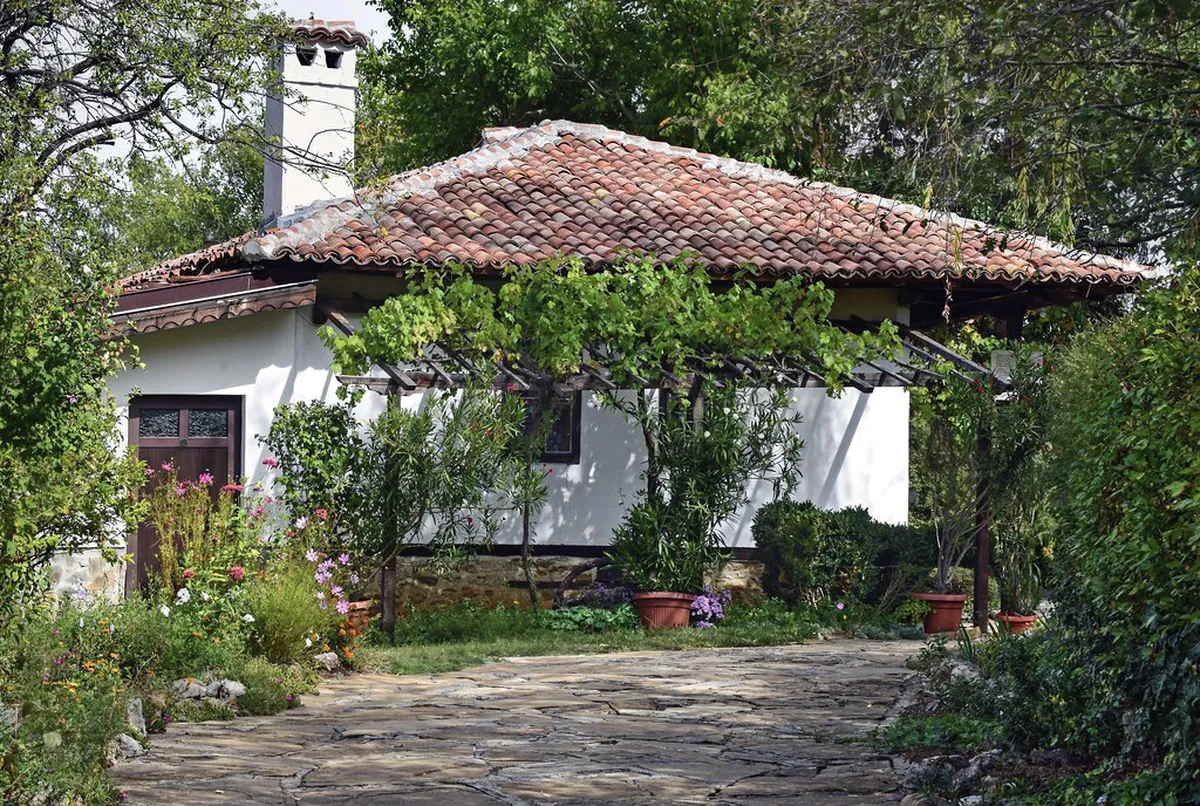
The 17th and 18th centuries were Arbanasi's golden age, when merchant wealth funded the decoration of churches with thousands of vivid frescoes. Skilled craftsmen from across the Orthodox world were commissioned to paint interiors that rivalled monastery churches elsewhere in the Balkans. The village counted dozens of prosperous households, several active churches, and two functioning monasteries at its peak. This concentration of wealth in a small hill village explains why the surviving buildings feel so unexpectedly grand.
The 1798 raid by the Kardzhali — irregular Ottoman troops operating outside central control — destroyed much of the village and drove most residents away permanently. Arbanasi never fully recovered its former population, which is partly why so many buildings survived intact rather than being demolished and rebuilt. Today that frozen-in-time quality is exactly what draws visitors seeking something beyond the standard tourist circuit.
Arbanasi's Historic Churches and Frescoes
Five churches survive in Arbanasi, and each holds frescoes painted between the 16th and 18th centuries. The ticket sold at the main site covers entry to the Church of the Nativity of Christ and usually extends to the Church of Saints Archangels Michael and Gabriel. Entry is typically 6 BGN (around 3 EUR) for adults, and sites generally open daily from 9:00 AM to 5:00 PM. Confirm hours on arrival, as they can shorten in the off-season.
The Church of Saints Archangels Michael and Gabriel is smaller than the Nativity church but worth the extra 15 minutes inside. Its iconostasis — the carved wooden screen separating the nave from the sanctuary — shows exceptional craftsmanship from the 17th century. Both churches are active places of worship, so dress modestly: shoulders and knees should be covered, and loud behaviour is out of place. Photography may be restricted or require a small additional fee, so ask at the entrance before raising your camera.
Visiting all five churches in one go is feasible only with a full day, and even then it risks fresco fatigue. We recommend prioritising the Church of the Nativity as your anchor stop, then adding one or two others based on time and energy. The complete Arbanasi village guide covers each church in greater depth if you want to prepare before your visit.
The Church of the Nativity: A Fresco Museum
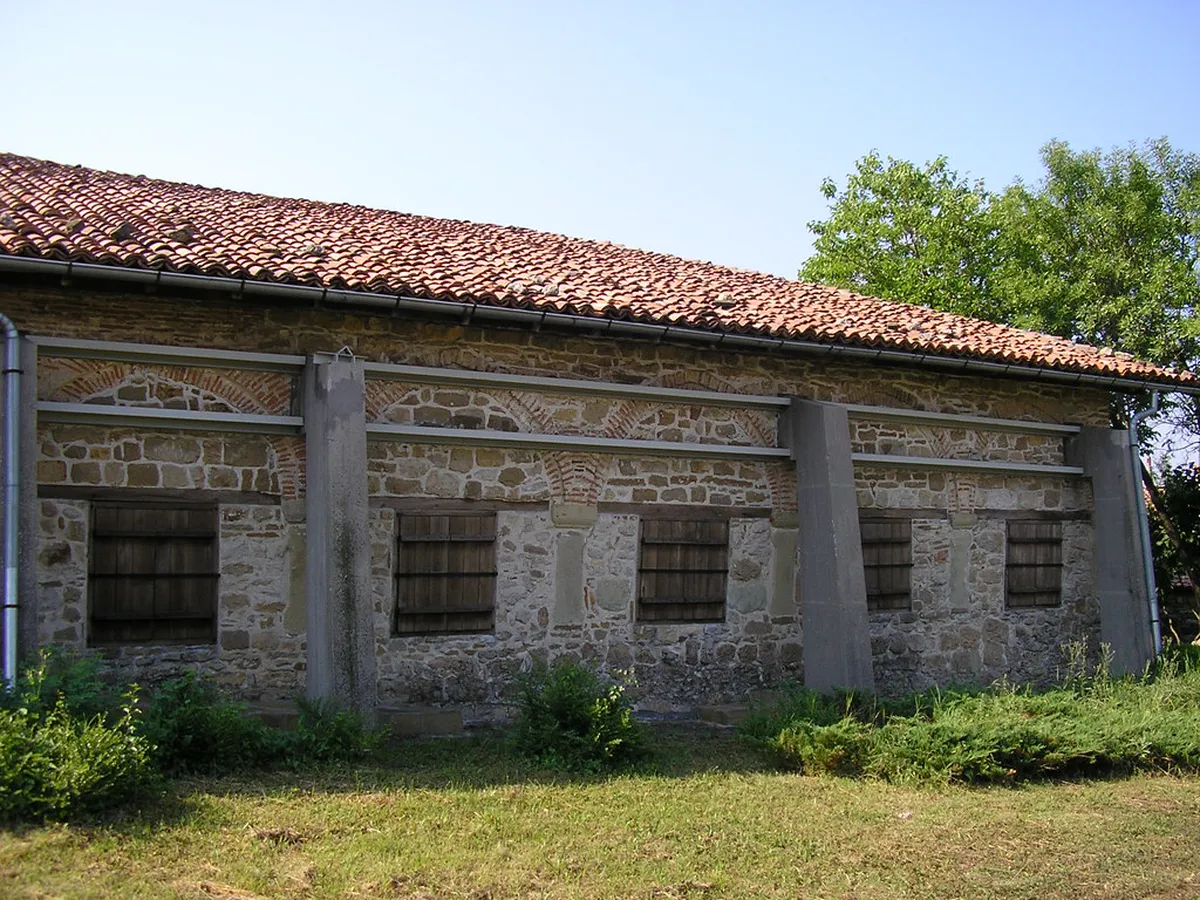
The Church of the Nativity of Christ is the single most important stop on any Arbanasi day trip from Veliko Tarnovo. Built in the late 16th century, it looks modest from outside — a low stone structure with no tower — which makes the interior all the more astonishing. Every surface, from the floor-level dado to the ceiling vaults, is covered with more than 3,500 painted figures depicting scenes from the Old and New Testament.
The painters worked in at least three distinct phases across the 17th century, and art historians can still trace shifts in style between the earliest and latest sections. Look for the vivid Last Judgement cycle on the western wall, where sinners and saints are depicted with unusual expressive detail. This level of narrative ambition is rare in Bulgarian village churches and helps explain why scholars compare it to far larger monastic complexes.
The entry ticket — typically 6 BGN in 2026 — is among the best-value cultural admissions in Bulgaria given what it covers. Spend at least 30 to 45 minutes inside rather than rushing through, and let your eyes adjust to the lower light before scanning the upper registers. Mornings on weekdays see fewer visitors, which makes it easier to stand quietly in front of the frescoes without a crowd pressing behind you.
The Konstantsalieva House and Fortified Konaks
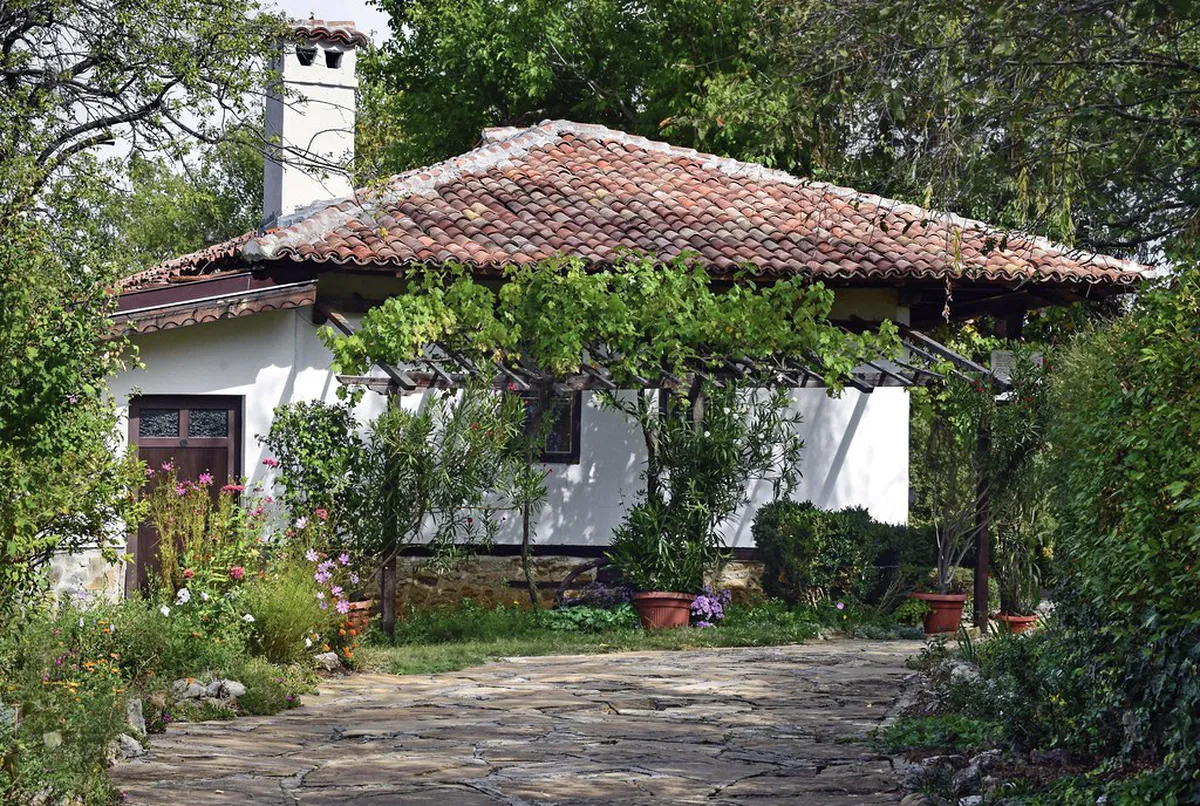
The Konstantsalieva House is the best-preserved example of Arbanasi's merchant domestic architecture and functions today as an open museum. From the street it presents high stone walls with few openings — the defensive logic of an era when banditry was a real threat to wealthy families. Step inside and the contrast is striking: richly painted ceilings, carved wooden furniture, and textile collections that reveal the owners' considerable taste and means.
The ground floor includes stables and storage, the middle level holds reception rooms for business guests, and the upper floor contains the private family quarters. This three-storey logic was standard among prosperous Arbanasi merchants and mirrors layouts found in other Balkan commercial towns of the period. Walking through the rooms gives a concrete sense of how merchant families balanced security, hospitality, and comfort in an uncertain political climate.
Outside the museum, the village streets reward slow exploration — look for the distinctive overhanging upper storeys and the way stone walls absorb rather than reflect the afternoon light. Several other fortified houses, known locally as konaks, are visible from the streets even if their interiors are not open. Allow at least 30 minutes for the Konstantsalieva House alone, plus another 20 minutes for a wander through the surrounding lanes.
Monasteries, Dining, and Practical Tips
Two monasteries complement the churches and houses: the Monastery of St Nicholas, an active convent run by nuns on a hillside above the village, and the Assumption Monastery of the Holy Mother of God nearby. Both are open to respectful visitors and offer a quieter, more contemplative atmosphere than the main museum sites. The nuns at St Nicholas sell handmade items, and a small donation at the candle stand is appreciated.
For lunch or dinner, Arbanasi has several traditional mehanas — Bulgarian taverns — where a main dish of kavarma or grilled meats typically costs 15 to 30 BGN (7 to 15 EUR). Most restaurants have terraces with views across the Yantra valley toward Tsarevets Fortress, which makes a meal here feel like a genuine reward after a morning of sightseeing. Carry cash, as smaller establishments do not always accept cards.
Spring (April to June) and early autumn (September to October) offer the most comfortable temperatures for walking between sites. Summer is hot and can bring coach-tour crowds in the peak midday hours, so arriving early — before 10:00 AM — helps. A half-day trip of 3 to 4 hours is enough to cover the Nativity church, one or two other churches, the Konstantsalieva House, and lunch. Add the monasteries and a full streets wander and you are looking at 5 hours comfortably.
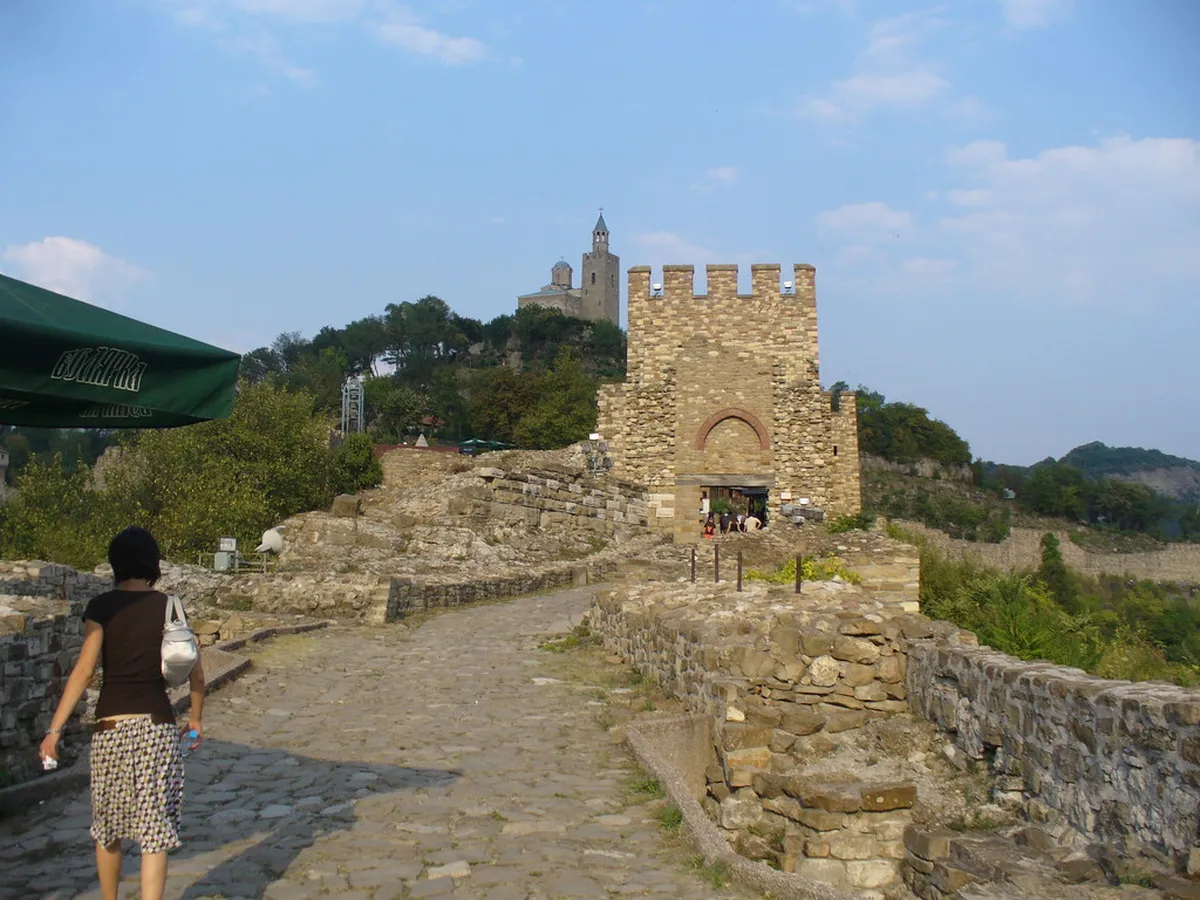
For anyone planning multiple sites in one day, combining Arbanasi with Tsarevets Fortress Visitor Guide in Veliko Tarnovo is very feasible. Visit Arbanasi in the morning when churches are fresh and uncrowded, then descend to Tsarevets in the afternoon for the dramatic hilltop views. Browse the full list of day trips from Veliko Tarnovo if you want to extend your stay and explore the wider region.
Continue planning: Use Things To Do in Veliko Târnovo and Arbanasi Village Guide: Churches, History & Visiting Tips to connect this guide with the rest of your Bulgaria itinerary.
Frequently Asked Questions
How long does an Arbanasi day trip from Veliko Tarnovo take?
A half-day of 3 to 4 hours covers the Church of the Nativity, one additional church, the Konstantsalieva House, and a meal. Adding both monasteries and a slow wander through the konak streets extends the visit to around 5 hours. Travel time by bus or taxi is 15 to 20 minutes each way.
Is it easy to get to Arbanasi without a car?
Yes. The Alex Ok bus line runs between Veliko Tarnovo and Arbanasi for around 2 to 3 BGN one way, and taxis cost 8 to 12 BGN for the direct trip. Walking the trail is possible but poorly maintained and not recommended for most visitors. Check the Regional Museum of History Veliko Tarnovo site for updated transport links and museum admission details.
What are the entrance fees for Arbanasi's churches and museums?
Entry to the Church of the Nativity of Christ is typically 6 BGN (around 3 EUR) for adults in 2026, and the ticket usually covers the neighbouring churches as well. Sites generally open from 9:00 AM to 5:00 PM daily, though hours may shorten in winter. Always verify on arrival as schedules can shift seasonally.
Can I visit Arbanasi and Tsarevets Fortress in the same day?
Yes, combining both sites in one day is very manageable. Visit Arbanasi in the morning while churches are quiet and uncrowded, then return to Veliko Tarnovo for Tsarevets Fortress in the afternoon. Allow 3 to 4 hours for Arbanasi and at least 2 hours at Tsarevets. Check the broader Best Things To Do in Veliko Târnovo guide to plan the full day.
What is the best time of year to visit Arbanasi village?
Spring (April to June) and early autumn (September to October) offer the most pleasant temperatures for walking the cobbled streets and exploring church interiors. Summer brings more visitors and midday heat, so an early start before 10:00 AM is advisable. Winter sees fewer crowds but some attractions may run reduced hours.
Arbanasi packs a remarkable density of history, art, and atmosphere into a compact village that sits just 15 minutes from Veliko Tarnovo by taxi. The frescoes inside the Church of the Nativity alone justify the trip, but the merchant houses, monasteries, and sweeping valley views add layers that linger long after you leave. Planning the visit around a weekday morning and staying for lunch on a terrace above the Yantra valley turns a straightforward day trip into one of Bulgaria's most memorable cultural afternoons.
Confirm transport options before you leave Veliko Tarnovo, carry some cash for entry fees and smaller restaurants, and dress appropriately for the active churches. If Arbanasi sparks a deeper interest in the region, the Arbanasi Village: Frescoes, Fortified Houses, and the View over Tsarevets covers the history and architecture in full detail. For other excursions beyond the city, the Best Day Trips from Veliko Târnovo page outlines the full range of options within easy reach.