Sozopol Old Town Visitor Guide
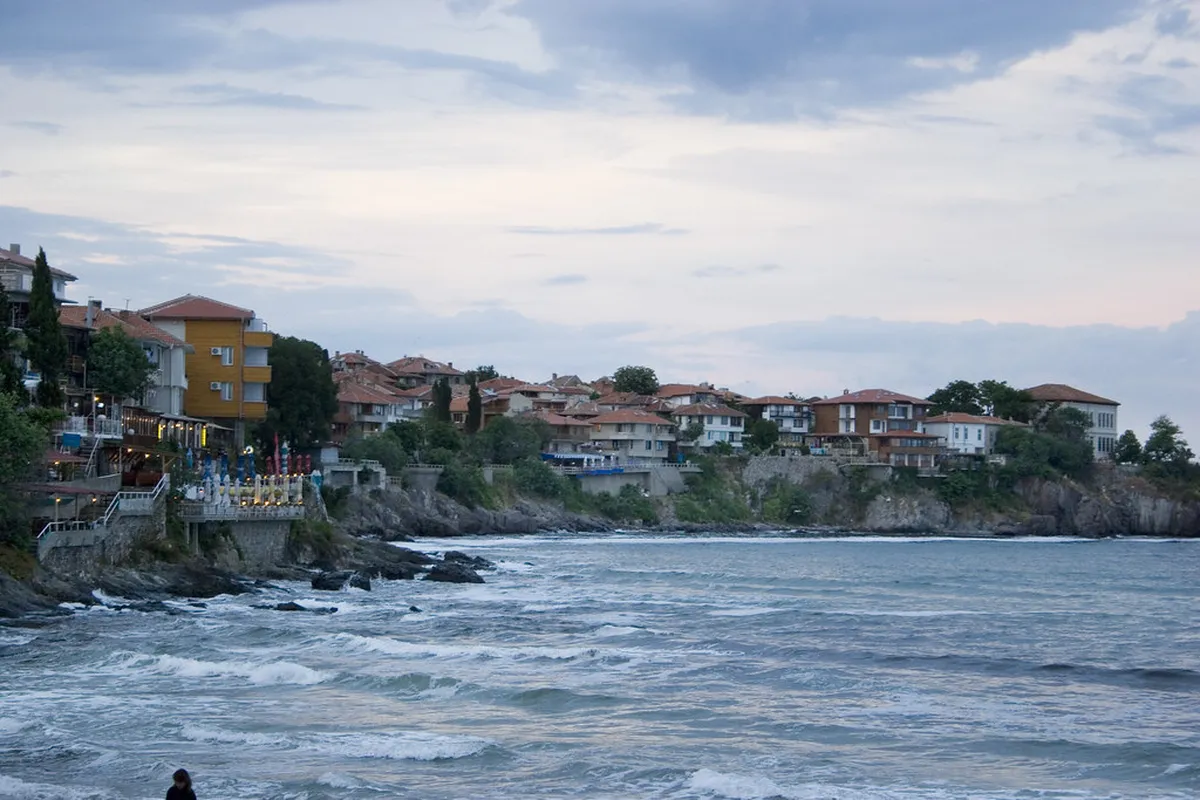
Sozopol is one of the oldest and most beautiful towns on the Bulgarian Black Sea coast. This ancient settlement sits on a rocky peninsula about 35 kilometers south of the city of Burgas. Visitors in 2026 will find a mix of ancient ruins and modern seaside charm. Our sozopol old town visitor guide helps you navigate the narrow cobblestone streets with ease.
The town offers a unique atmosphere that feels frozen in a different century. You can explore medieval churches, traditional wooden houses, and impressive fortress walls. It serves as a cultural hub where history meets the relaxing pace of coastal life. Planning your visit early ensures you see the best landmarks without the summer rush.
Watch this walking tour to see the Old Town's narrow cobbled streets, fortress walls, and historic buildings in action:
Must-See Sozopol Attractions
The Southern Fortress Wall and Tower Visitor Guide is a highlight for any history lover. Walking along these restored ramparts provides stunning views of the vast Black Sea horizon. This site showcases the defensive power of the town during the medieval era. Many tourists visit during sunset to capture the warm light hitting the ancient stones.
Cape Skamni marks the northeastern tip of the peninsula and offers a dramatic, wind-battered coastal landscape. Digs here between 2011 and 2015 turned up ceramics and figurines linked to a Sanctuary of Demeter and Persephone from the 6th century BC, alongside the remains of the Monastery of the Holy Apostles, once a beacon for sailors entering the bay. Little survives above knee height today, so treat it as a short, atmospheric detour rather than a full sightseeing stop.
The Church of the Holy Mother of God is another essential stop in central town. Built in 1482, the church is partially buried underground, a common workaround for Christian buildings raised under Ottoman-era construction rules that restricted their height. Inside, wood-carved icons and a late-18th-century iconostasis sit beneath an ornate bishop's throne, and the building remains one of the oldest continuously active churches on the Bulgarian Black Sea coast.
Churches and Chapels Beyond the Main Square
Sozopol packs an unusual number of Orthodox churches and chapels onto a peninsula you can cross on foot in fifteen minutes. Many of the smallest were built neighborhood by neighborhood, often funded by a single family or a group of sailors fulfilling a storm vow, which is why several still sit tucked inside private courtyards rather than facing the street.
The Church of Saint George the Victorious, near the main square, is one of the town's active parish churches and holds 19th-century icons alongside relics associated with several saints. Between early November and 6 May it also takes custody of relics attributed to Saint John the Baptist, which spend the warmer months at the Church of Saints Cyril and Methodius, built in 1889 and known for its frescoed ceiling and icons by the painter Ivan Dimitrov. That seasonal handover is one of the more distinctive local traditions in Sozopol.
2026 added a new layer to this circuit: Sozopol became the coastal terminus of the newly created Camino Bulgaria pilgrimage route, which threads down from the Strandzha Mountains and finishes here. Opening hours for the smaller churches shift with the season and whichever priest is on rotation, so treat any posted schedule as a guideline and simply try the door if you are walking past.
Museums, Art, and Culture in Sozopol
Exploring the Archaeological Museum Sozopol Visitor Guide reveals thousands of years of human history. The collection includes Greek pottery, stone anchors, and rare Christian relics. You can see how the ancient city of Apollonia thrived as a major trading port. The museum is well-organized and provides English descriptions for international visitors.
The Ethnographic Museum offers a look into the daily lives of local residents in the past. It is housed in a traditional 19th-century building with classic wooden architecture. Exhibits feature traditional costumes, weaving tools, and antique furniture from the region. Admission runs around €2 (4 BGN) — check the price board, since museums are still settling into euro-first pricing after the January 2026 changeover.
Art galleries are scattered throughout the Old Town, showcasing works by contemporary Bulgarian artists. Many painters are inspired by the unique light and scenery of the Sozopol coast. You can often meet the artists and purchase original pieces to take home. These small studios add a creative energy to the historic neighborhood.
Parks, Gardens, and Outdoor Spots in Sozopol
The coastal promenade is the best place for a relaxing stroll during the early evening. Benches are placed along the path so you can watch the fishing boats return to port. Lush gardens often surround the private homes that line the rocky cliffs. This area provides a refreshing breeze even during the hottest summer afternoons.
Nature lovers should consider a short trip to the Ropotamo Nature Reserve Visitor Guide nearby. This protected area features unique rock formations and diverse wildlife along the riverbanks. Boat tours are available to take you through the calm waters and thick forests. It offers a great contrast to the busy streets of the Old Town.
Small parks within the town provide shade and a place for children to play. You will find many locals gathering in these green spaces to chat and drink coffee. The trees offer protection from the sun while you plan your next move. These spots are ideal for a quick rest between visiting different historical sites.
Family-Friendly and Budget-Friendly Options in Sozopol
Budget travelers can enjoy most of Sozopol's charm for free. Wandering the narrow streets and admiring the Revival houses costs nothing, several public chapels welcome visitors at no charge, and you can view the fortress walls from outside without paying to enter. Packing a picnic to eat by the sea is an easy way to cut costs further.
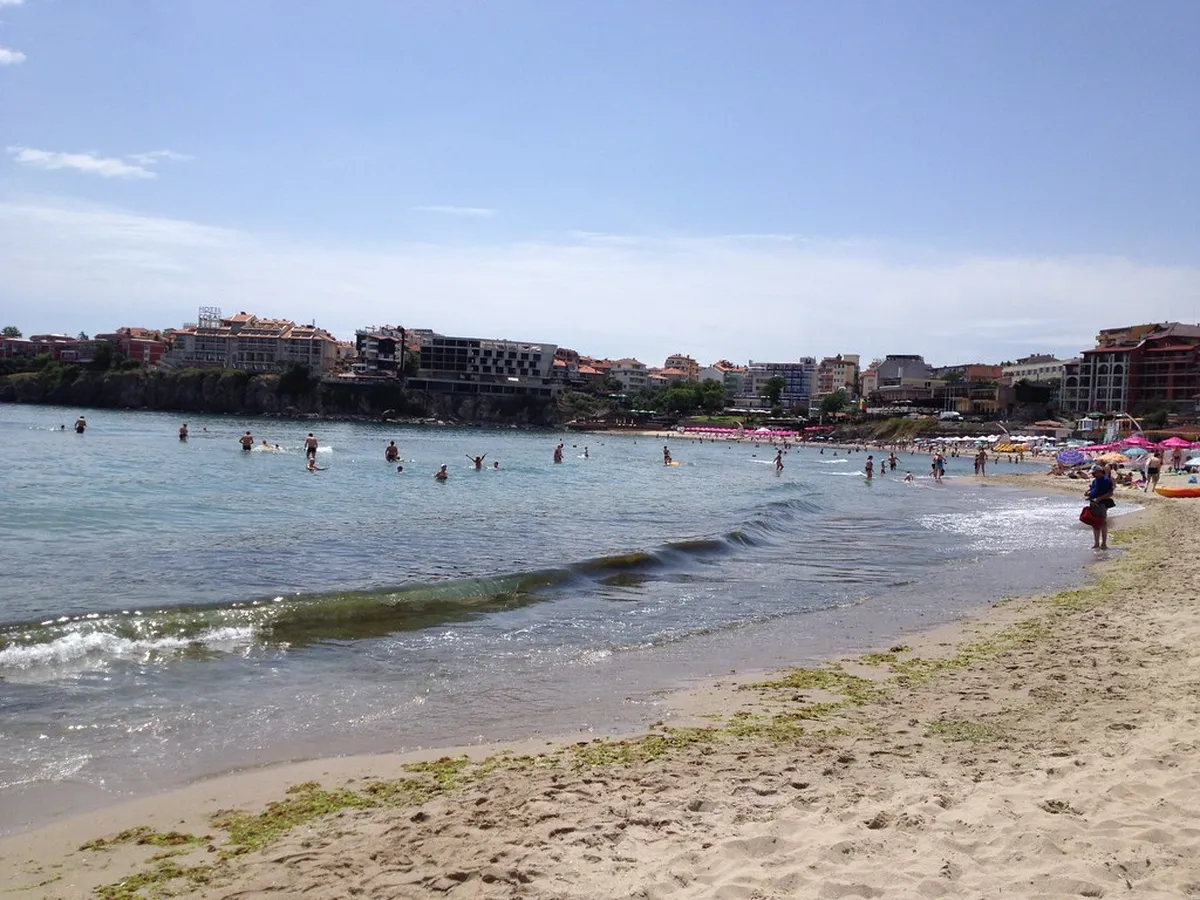
Three beaches cover most tastes within a short walk of the Old Town, each with a different crowd and pace.
- Sozopol Central Beach sits right at the Old Town entrance, with shallow, calm water, free access, and optional sunbed rental for the day — the easiest pick for families with young children.
- Harmani Beach is a short walk into the New Town, wider and sandier, with more beach bars and a livelier atmosphere.
- Kavatsite Beach lies a further ten to fifteen minutes south past Harmani, calmer and less built-up, and regularly ranks among the better-rated beaches on the Burgas coastline.
Planning Your Sozopol Old Town Visitor Guide Trip
Getting to Sozopol from Burgas is simple and takes about 40 minutes by bus. Buses run regularly between 6:30am and 9:30pm during the busy summer months, and the fare is paid in cash to the driver, roughly €2.50 (5 BGN) each way. You can check the latest schedules on Mstravelsolo.com for accurate timing. The bus station is conveniently located near the entrance to the Old Town.
Parking in the Old Town is extremely limited and often restricted to residents. Visitors should use the large public parking lots located at the town entrance. Fees are usually charged by the hour or for a full-day stay. Walking is the best way to explore since most streets are too narrow for cars.
Most museums and attractions open at 9:00am and close by 6:00pm in summer. Arriving early helps you avoid the large tour groups that arrive by midday. Some sites may have shorter hours or close on weekends during the winter. Always verify the current opening times at the local tourist information center.
Bulgaria completed its switch to the euro in January 2026, and Sozopol's Old Town has adjusted more unevenly than the shops in Burgas or Sofia. Museums and larger restaurants now price in euros, with lev shown only as small print, but a few fig-jam stalls and church donation boxes still default to lev out of habit — carry small notes of both. Cards work fine at museums and sit-down restaurants, but beach umbrella stands and small kiosks stay cash-only, and change for large notes can be scarce before midday.
Sozopol Old Town Map and Layout
The Old Town is built on a small peninsula that is easy to navigate on foot. The Main Square serves as the central hub where most visitors begin their journey. From here, you can choose to follow the coastal path or head into the center. Most major landmarks are within a ten-minute walk of each other.
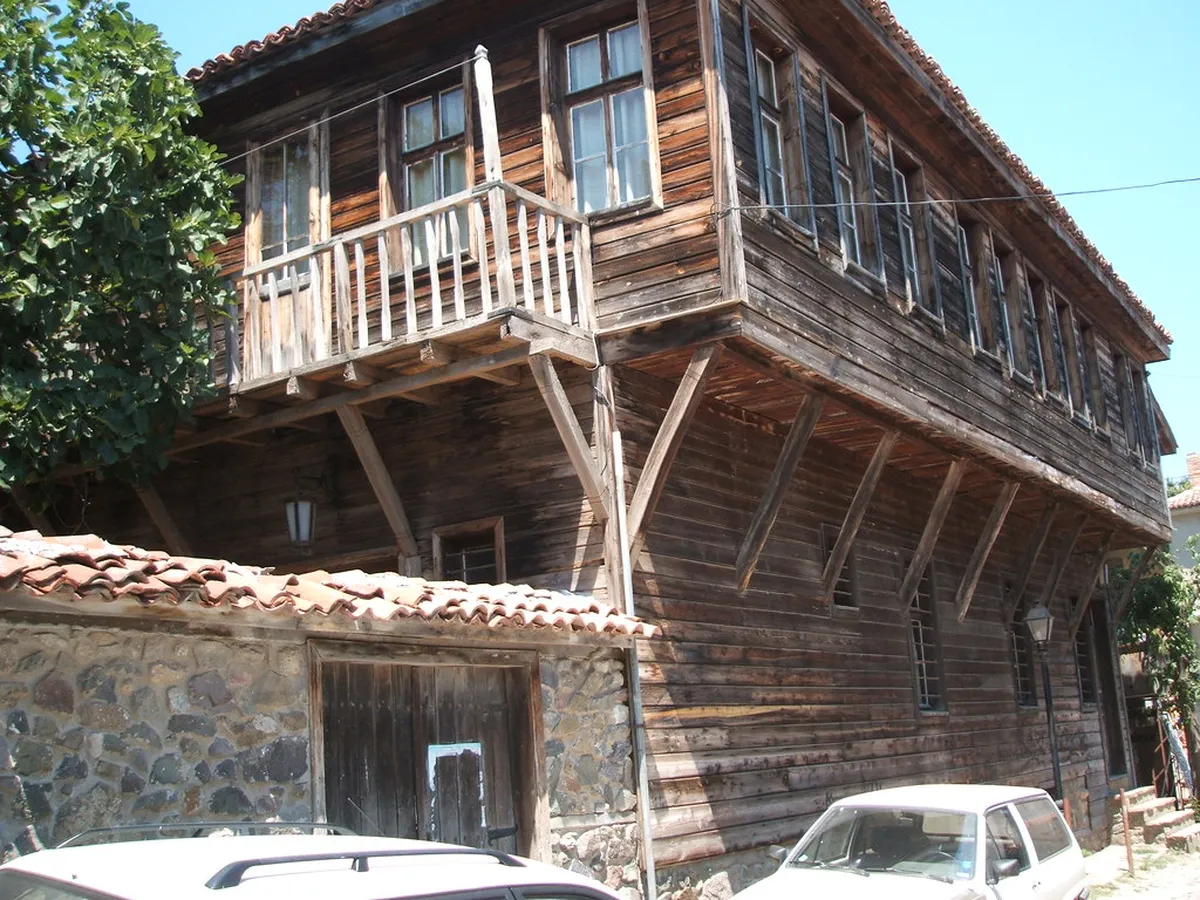
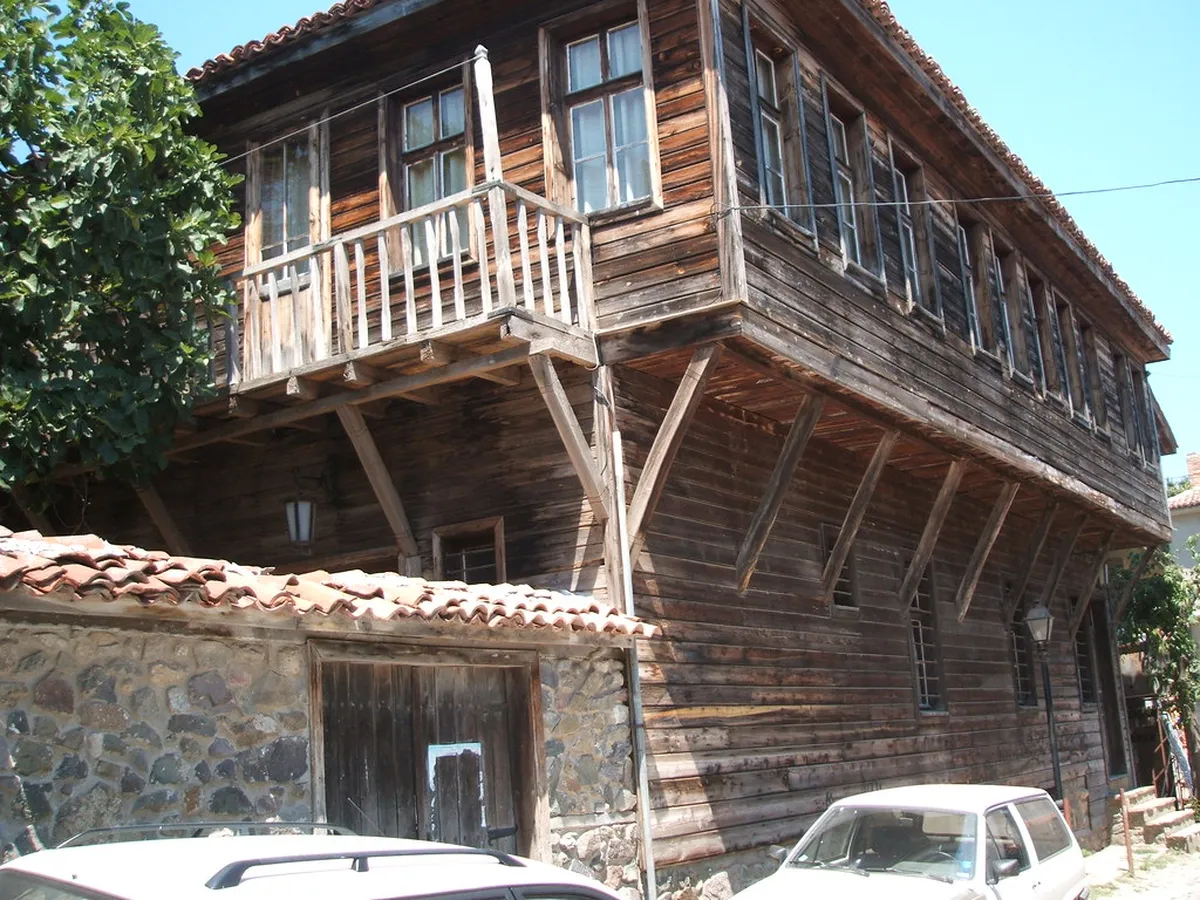
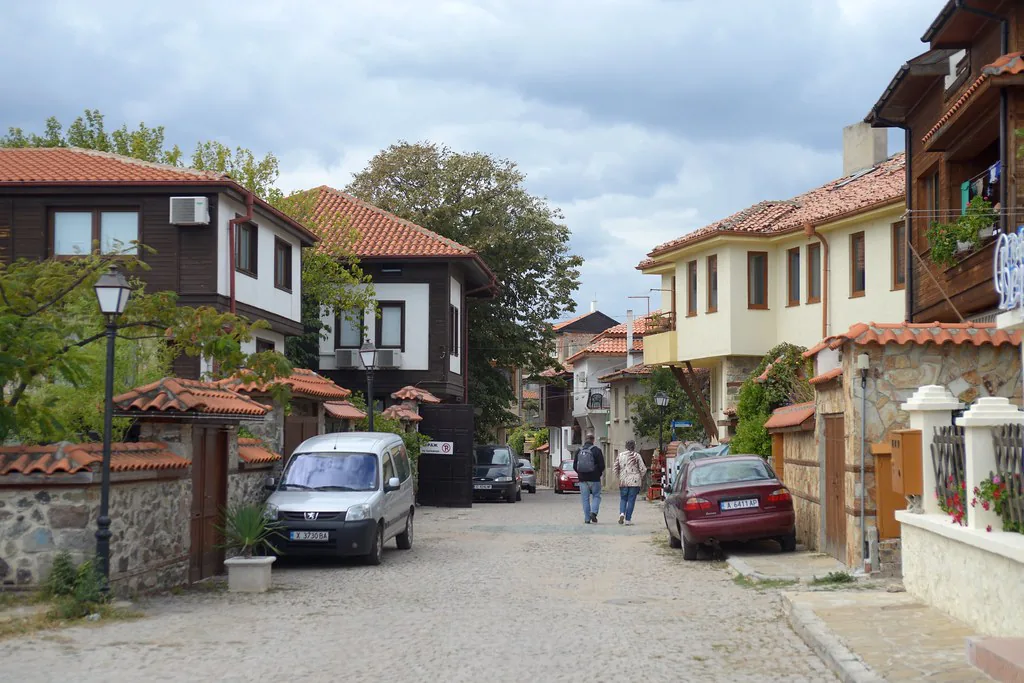
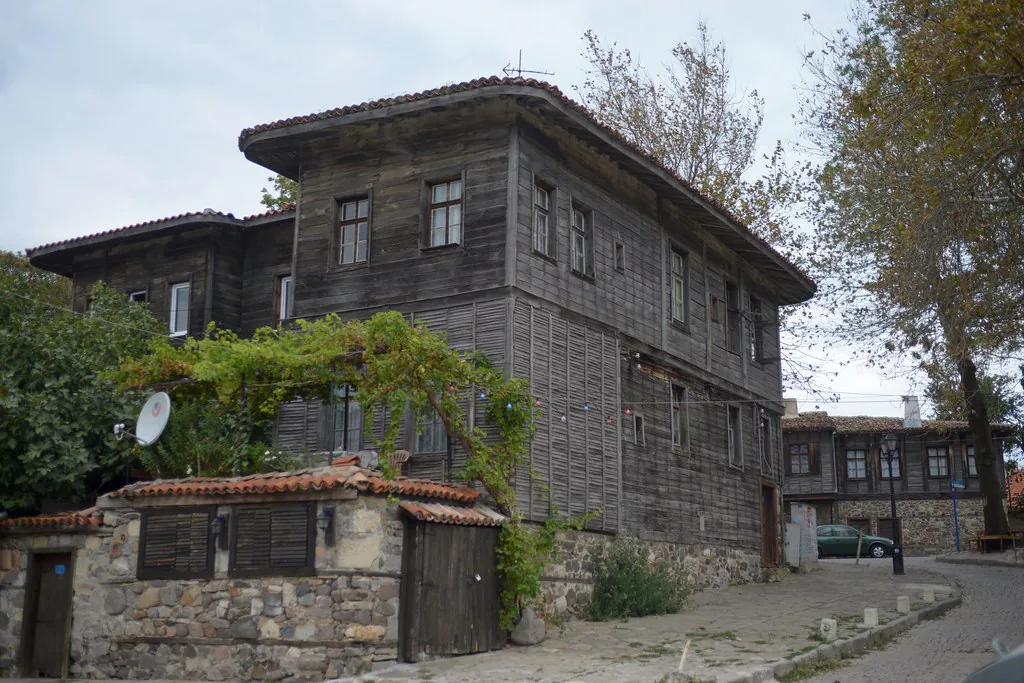
More than 100 traditional houses with stone ground floors and wooden upper levels line the streets, protected as National Revival monuments that give the town its character. You will notice many houses have small gardens filled with colorful flowers. The layout can feel like a maze, but you will always find the sea nearby.
Signage is generally good, with many maps posted in public areas for tourists, and a full Sozopol attractions guide can help you plan connections to sights outside the Old Town itself. The northern side of the peninsula is where most of the fishing activity happens, while the southern side carries the highest concentration of historic walls and ruins.
One practical detail worth flagging: the cobbles are uneven and occasionally steep near the fortress stairs, a slow, bumpy walk for wheelchair users, strollers, or anyone with limited mobility. The coastal promenade and the Main Square are the flattest stretches if that is a concern, and both still put you within sight of the sea and several of the churches above.
What to Eat in Sozopol
Fresh seafood is the star of the local culinary scene in this coastal town. You must try the small fried fish called sprat, often served with cold beer. Grilled mackerel and mussels from local farms are also highly recommended choices. Most restaurants use ingredients caught that same morning by local fishermen.
Traditional Bulgarian dishes like shopska salad are perfect for a light lunch. You should also look for local fig jam, which is a specialty of the region. Many bakeries sell banitsa, a savory pastry filled with cheese and eggs. These snacks are both delicious and very affordable for travelers on a budget.
Dining at a restaurant overlooking the rocky cliffs is a memorable experience. The sound of the waves adds a peaceful soundtrack to your evening meal. Reservation is often necessary for the best tables during the peak summer weeks. Prices in the Old Town are slightly higher than in the newer parts of Sozopol.
Summer or Winter: Two Very Different Trips
Summer in Sozopol is full of life, music, and crowded seaside terraces. The town hosts numerous festivals, including the famous Apollonia Festival of Arts. You will find a wide variety of shops and entertainment options open late. This is the ideal time for those who enjoy a vibrant holiday atmosphere.
Winter offers a quiet and contemplative experience for the adventurous traveler. The streets are empty, and the sea often looks dramatic under grey skies. Many tourist shops and seasonal restaurants close from November until April. It is a great time for photography and enjoying the town's raw natural beauty.
The shoulder seasons of June and September provide the best balance for most visitors. The weather is warm enough for swimming, but the crowds are much smaller. You can enjoy lower prices on accommodation and more personalized service in restaurants. Most attractions remain open with their full summer operating schedules.
Apollonia Summer Theatre (Sozopol Amphitheatre)
The Apollonia Summer Theatre is the primary venue for cultural events in the town, built to resemble an ancient Greek theatre right at the entrance to the Old Town. It hosts concerts, folklore festivals, film screenings, and literary evenings throughout the summer. Watching a show here under the stars is a highlight for many visitors.
The annual Apollonia Festival of Arts takes place here around late August into early September. It attracts top artists, musicians, and writers from all over Bulgaria. Tickets for major performances should be booked well in advance to ensure entry. The theatre serves as a symbol of the town's long-standing devotion to the arts.
Even when no show is scheduled, the theatre is a beautiful place to visit. It offers great views of the harbor and the surrounding historical buildings. You can sit in the stone tiers and imagine the ancient spectacles of the past. It remains one of the most photographed spots in the entire Old Town.
Archaeological Museum “Prof. Bozhidar Dimitrov”
This museum is named after a famous Bulgarian historian who was born in Sozopol. It contains the most significant collection of ancient artifacts in the southern coastal region. You can see the legendary relics of Saint John the Baptist found on a nearby island. The museum is located near the bus station at the entrance to the Old Town.
Admission for adults runs around €3.50 (7 BGN), with discounts available for students and seniors, and like most Sozopol museums the price board now leads with euros following the country's 2026 currency changeover. Summer hours are usually 9:00am to 6:00pm, but winter hours are often shorter. You should plan to spend at least one hour exploring the various exhibit halls. Check the official Expedia.com page for any travel updates or holiday closures.
The exhibits are arranged chronologically to show the town's evolution over 2,600 years. You will find rare coins, ancient anchors, and beautiful marble statues on display. It provides essential context for the ruins you will see while walking through town. The museum is a worth considering forone interested in the deep history of the Balkans.
Continue planning: Use Sozopol Attractions: 7 Top Things to Do in Sozopol Old Town to connect this guide with the rest of your Bulgaria itinerary.
Frequently Asked Questions
Is it free to walk around Sozopol Old Town?
Yes. The Old Town of Sozopol is a living neighbourhood of narrow cobbled lanes, and walking its streets to admire the National Revival houses, sea views and fortress remains is completely free. You only pay if you choose to enter specific museums, churches or galleries inside the reserve.
What is Sozopol Old Town famous for?
It is famous for its dense concentration of 18th- and 19th-century Bulgarian National Revival houses, built with stone ground floors and overhanging wooden upper storeys in the distinctive Black Sea coastal style. The Old Town sits directly on top of ancient Apollonia Pontica, giving it thousands of years of layered history.
What was Sozopol called in ancient times?
In antiquity it was Apollonia Pontica, founded around 610 BC by Greek settlers from Miletus and dedicated to the god Apollo. The ancient city was famous for a roughly 13-metre bronze statue of Apollo and minted its own coins.
When was the Old Town declared a protected reserve?
Sozopol's Old Town was recognised as an architectural and archaeological reserve, and Bulgaria's tourism authorities note it was formally designated a museum-reserve, protecting well over a hundred surviving National Revival residences built between the mid-18th and early 19th centuries.
How do I get to Sozopol Old Town?
Sozopol lies about 35 km south of Burgas on Bulgaria's southern Black Sea coast. Regular buses run from Burgas bus station, and by car it is roughly a 40-minute drive; the Old Town peninsula is a short, well-signed walk from the harbour and new-town parking areas.
Are there museums and churches to see inside the Old Town?
Yes. Highlights include the Archaeological Museum with finds from ancient Apollonia, the restored Southern Fortress Wall and Tower, and historic churches such as St Zosima and the Church of Sts Cyril and Methodius, which today holds relics attributed to John the Baptist. These attractions charge their own modest admission.
Is Sozopol Old Town the same as Nessebar or Plovdiv's old town?
No. Sozopol is its own peninsula town south of Burgas; Nessebar is a separate UNESCO-listed old town further north, and Plovdiv's old town is an inland city. While all three preserve National Revival architecture, the facts here refer specifically to Sozopol (ancient Apollonia Pontica).
Sozopol Old Town remains a treasure of the Bulgarian coast that every traveler should experience. The combination of ancient ruins, traditional architecture, and sea views is truly unique. Whether you visit for the history or the beaches, the town will leave a lasting impression. Use this guide to plan your perfect trip to this historic seaside gem in 2026.
Remember to bring comfortable walking shoes for the uneven cobblestone streets. Do not forget to try the local seafood while enjoying the sunset over the Black Sea. The town offers something special for every type of traveler, from families to solo explorers. Enjoy your journey through one of the most ancient and charming towns in Europe.
For more Sozopol planning, read our 25 Best Things to Do in Sozopol, Bulgaria (2026) and Is Sozopol Worth Visiting? An Honest Travel Guide for 2026 guides.
For authoritative information, refer to the Sozopol Old Town on Wikipedia.