Sozopol Attractions: 7 Top Things to Do in Sozopol Old Town (2026)
The complete guide to Sozopol attractions — Sozopol Old Town, Ravadinovo Castle, Sveti Ivan Island and more, with verified prices, itineraries and FAQs for 2026.
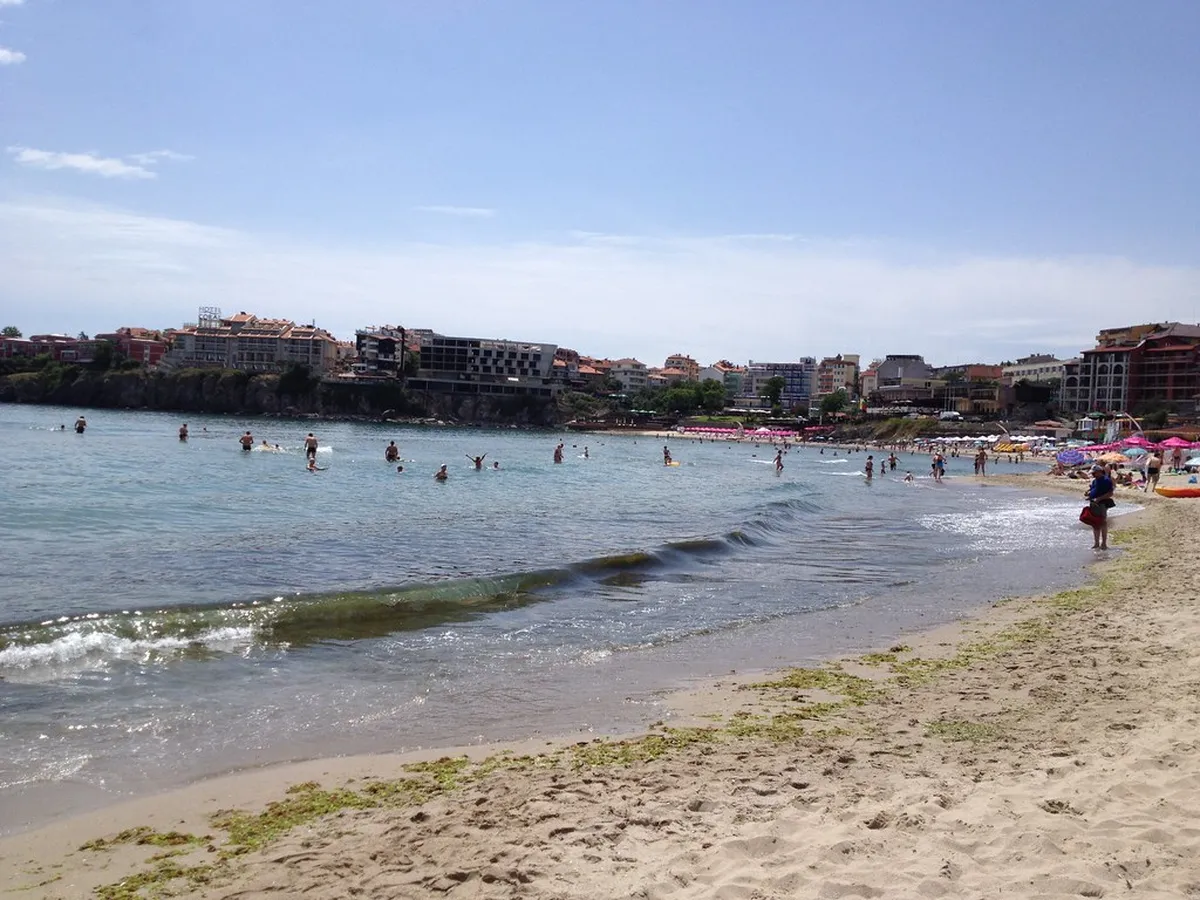
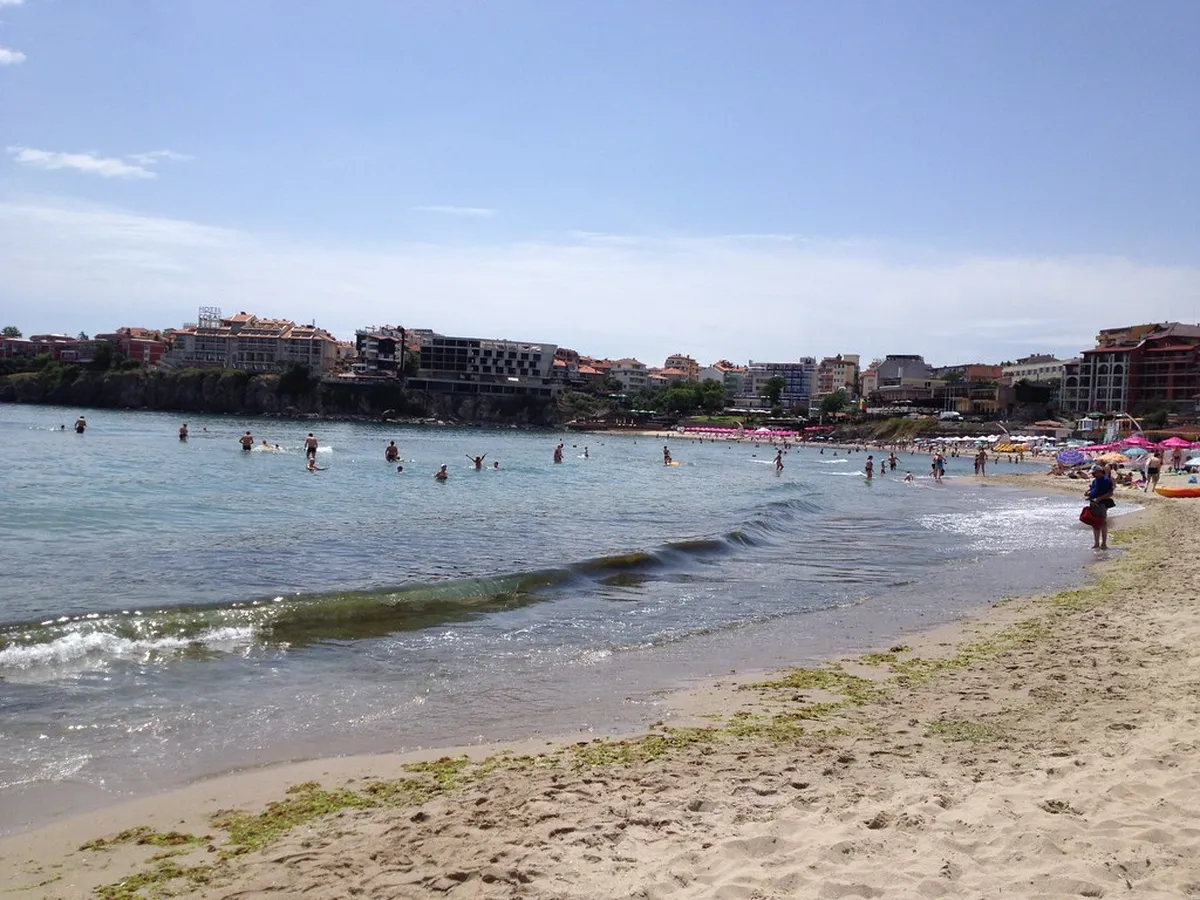
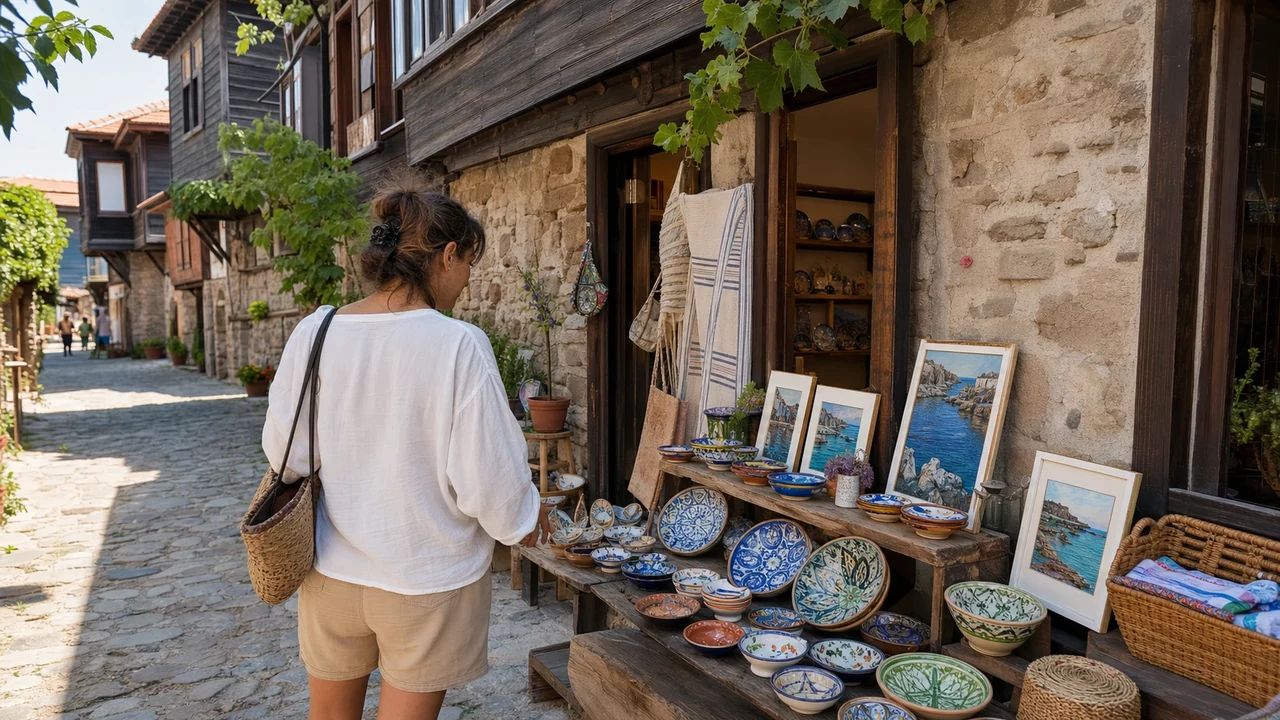
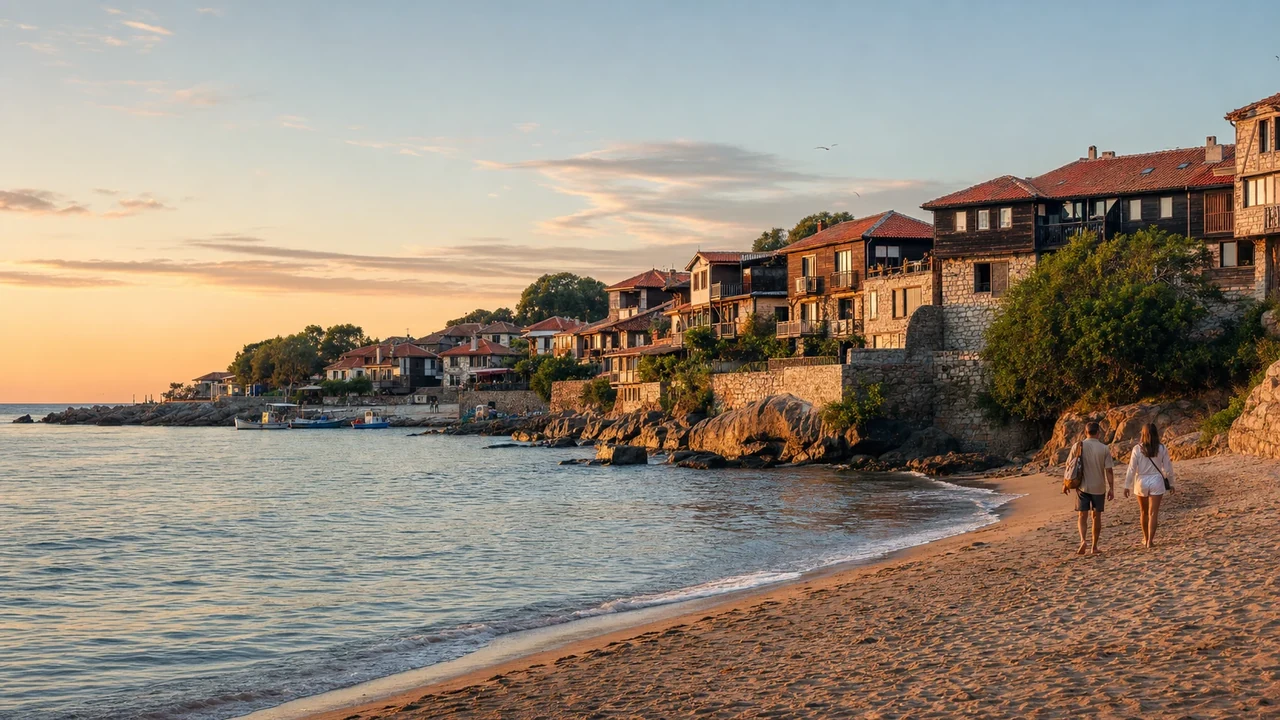
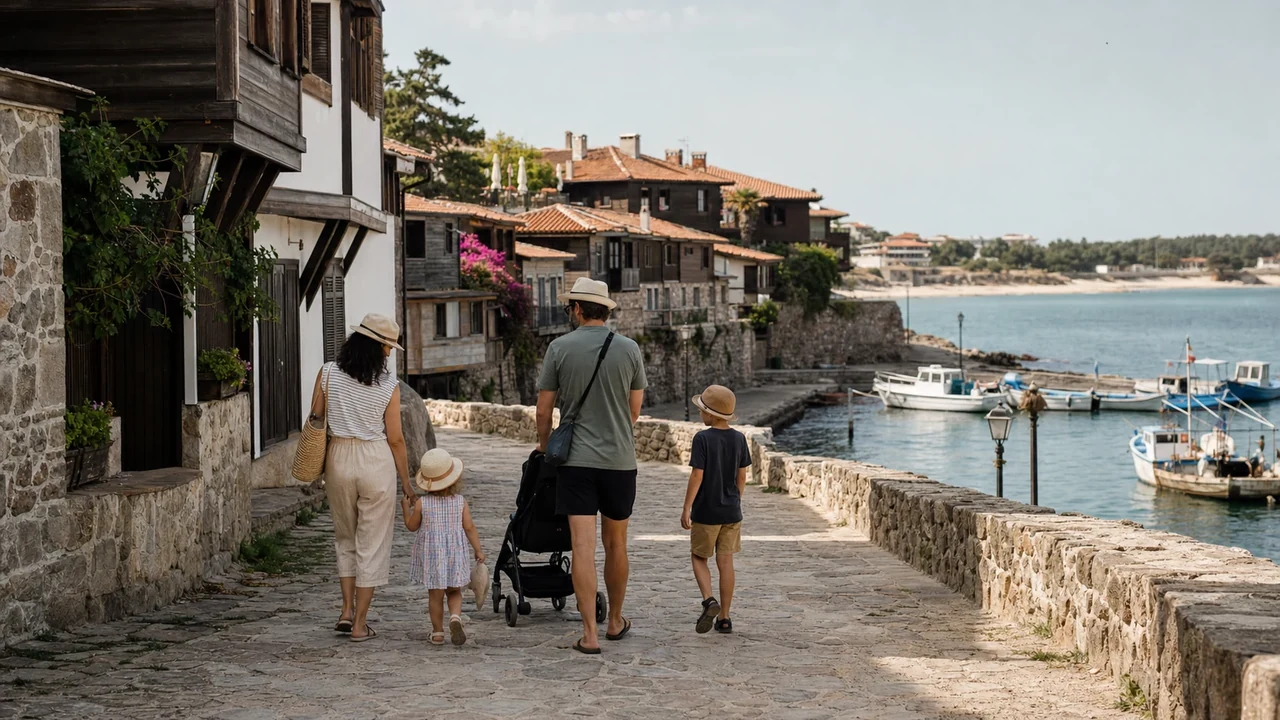
Sozopol is one of Bulgaria's oldest towns, founded around 610 BC by Greek colonists from Miletus as Apollonia Pontica — a name still stamped on museum labels and the old town's wine and gift shops. Two and a half millennia later, the rocky peninsula that anchored that Greek colony is a National Architectural Reserve: a tight grid of cobbled lanes lined with 19th-century Bulgarian National Revival houses, their stone ground floors carrying timber upper storeys that lean out over the street. Around that historic core, modern Sozopol has grown into one of the Black Sea coast's most popular beach resorts, a short drive south of Burgas, with sandy beaches flanking the peninsula and a working fishing harbour that still supplies the old town's seafood restaurants.
Guide focusTop 7 attractions in Sozopol · Sozopol attractions by area
Also coveredSozopol attractions by category · Free vs paid: what actually costs money in Sozopol
Planning areaBulgaria
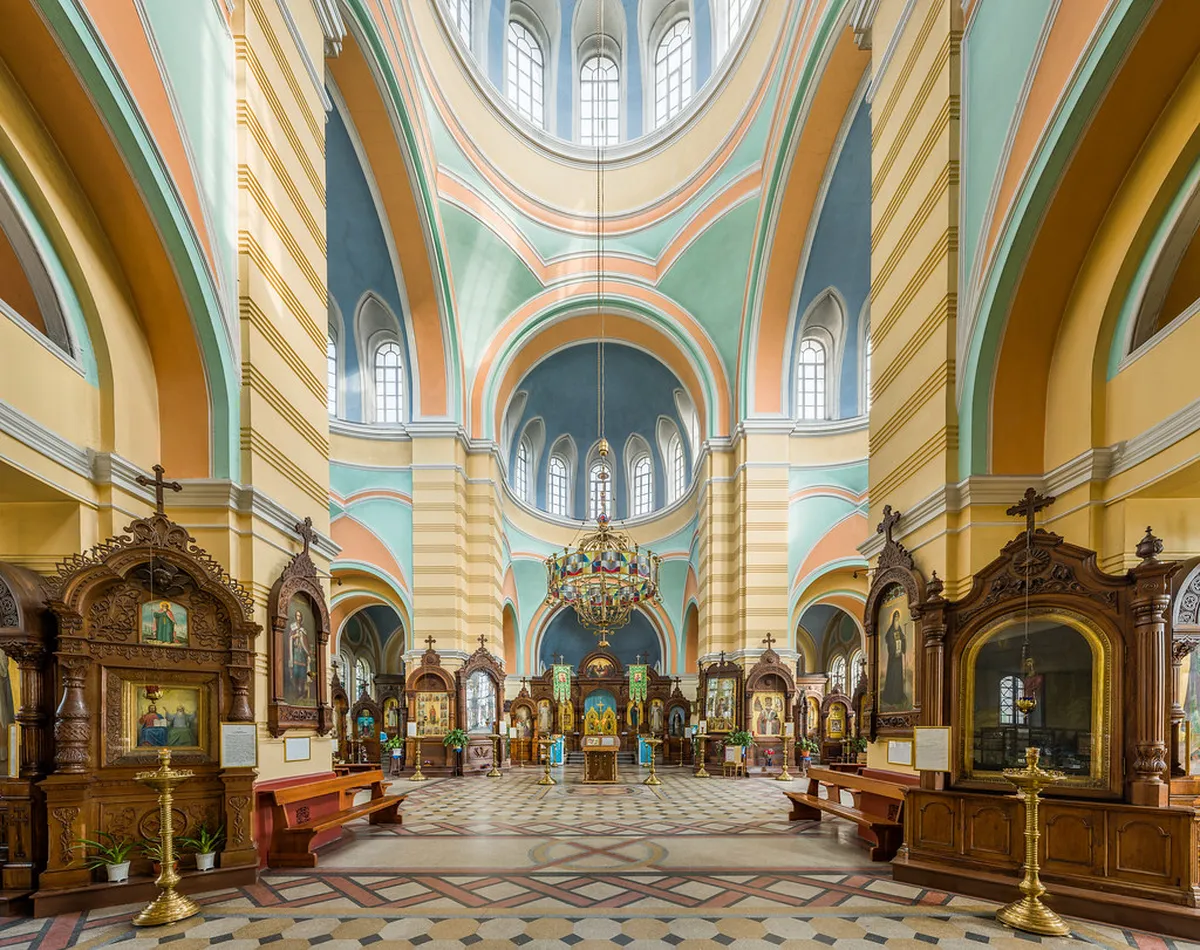
What sets Sozopol apart from other coastal towns is a genuinely remarkable archaeological story. In 2010, a team excavating the ruined monastery on Sveti Ivan Island — Bulgaria's largest Black Sea island, just offshore — uncovered a small alabaster reliquary containing bone fragments and an inscription identifying them as relics of St John the Baptist. The find, now kept in Sozopol's Church of Sts Cyril and Methodius, turned a quiet monastery ruin into a pilgrimage site and gave the old town's low-key churches an unusually high-stakes backstory. This guide covers Sozopol's seven essential attractions — old town, castle, island, museum, fortress wall, church and nature reserve — plus verified prices, suggested itineraries, and answers to the questions visitors ask most.
For a feel of the old town before you visit, this 4K walk-through covers Sozopol's cobbled lanes and harbor:
Sozopol's sights fall into three practical clusters, which matters more here than in a big city because the transport options differ sharply between them.
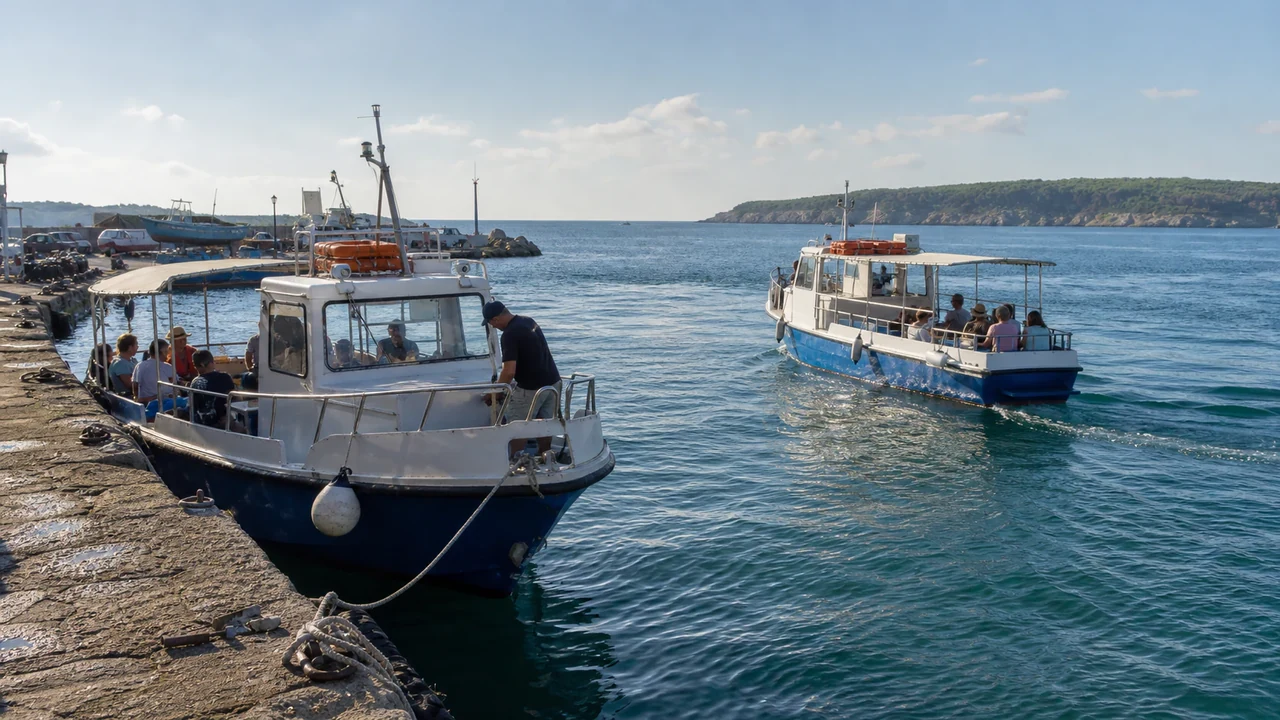
By boat only is St. Ivan Island (sveti Ivan) Visitor Guide, reached on a private boat trip from Sozopol harbour during the warm season — there's no bridge or scheduled ferry, and the island's monastery ruins are the reason relics of St John the Baptist ended up in Sozopol in the first place.
Sozopol attractions by category
If you're planning around interests rather than geography:
Old town and churches — Sozopol Old Town's Revival-era lanes and the Church of the Holy Mother of God, a 15th-century church built below street level to sidestep Ottoman-era restrictions on church height.
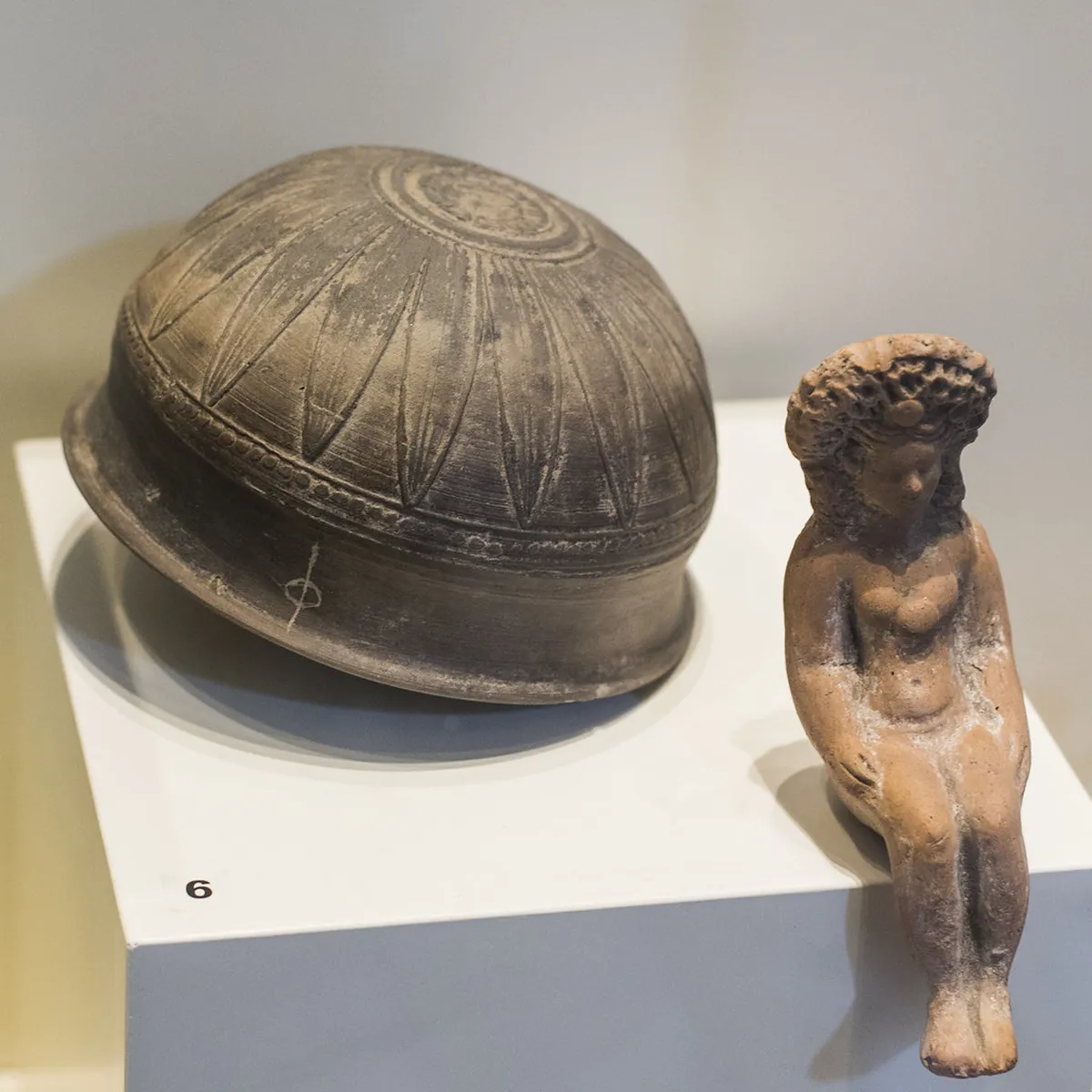
Museums and history — the Archaeological Museum, home to Bulgaria's richest collection of ancient Greek painted vases and the alabaster reliquary tied to the Sveti Ivan relics find, plus the Southern Fortress Wall and Tower's excavated Nymphaeum well and Roman-era granary.
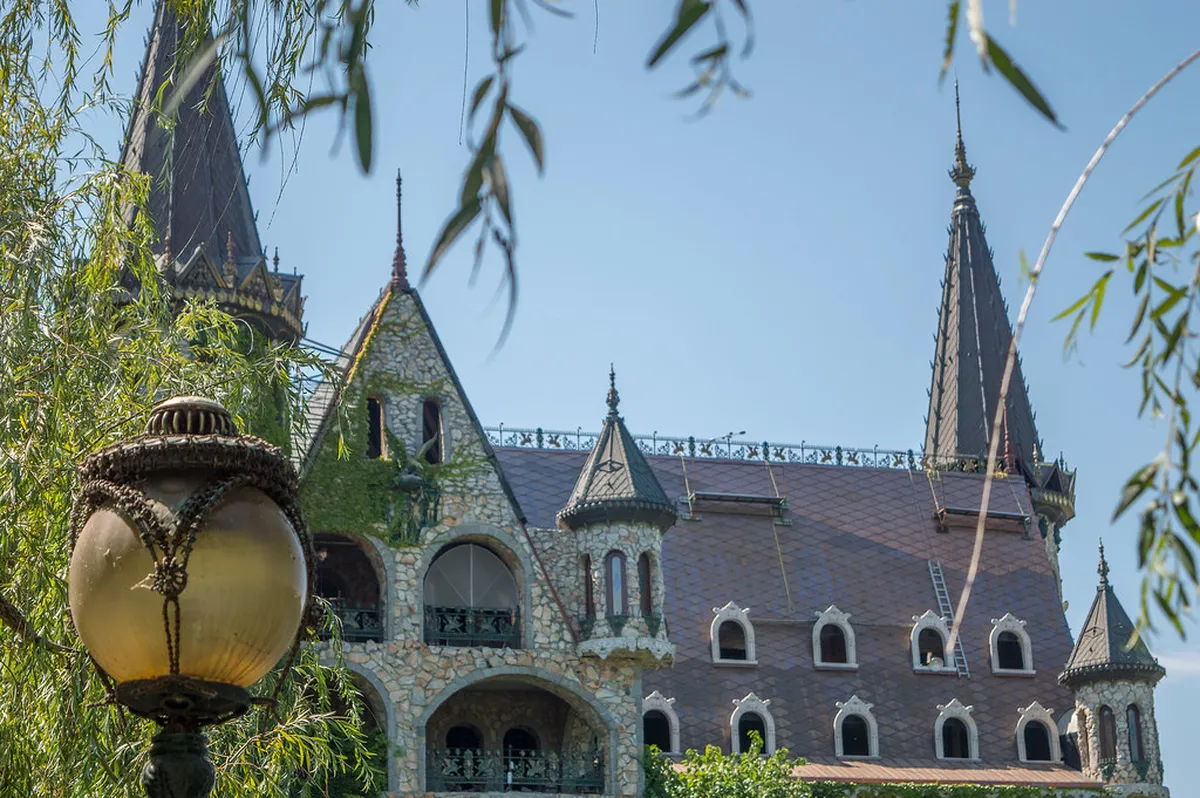
Castle and gardens — Ravadinovo Castle, a modern fantasy castle (built from 1996) with lakes, gardens and a wine cellar rather than a medieval ruin.
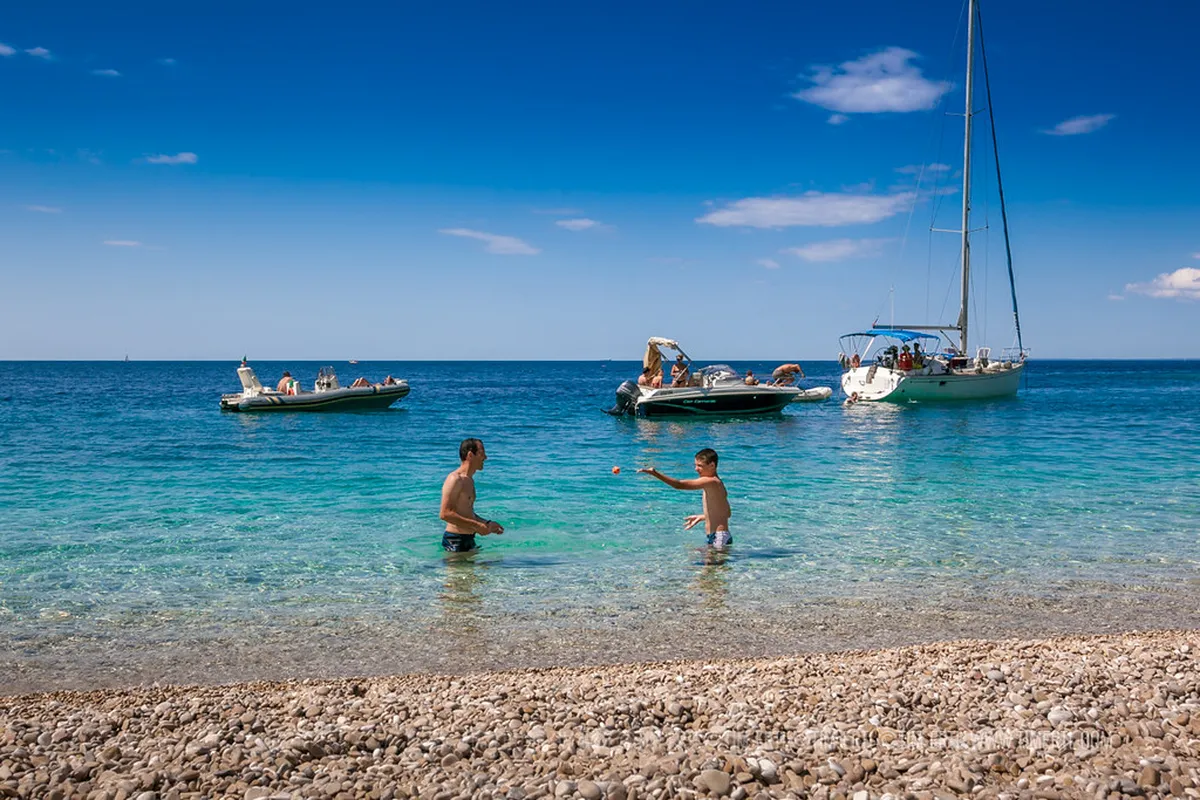
Nature and boat trips — Ropotamo Nature Reserve's river cruises past the 'Lion's Head' rock and water-lily beds, and the boat crossing to Sveti Ivan Island.
Free vs paid: what actually costs money in Sozopol
Sozopol rewards a mostly-free day if you're not chasing every ticketed sight.
Free: walking Sozopol Old Town's lanes and fortress-wall promenade costs nothing, and landing on Sveti Ivan Island itself carries no admission fee — you only pay for the boat that gets you there.
Paid: the Archaeological Museum charges 3.58 EUR (7 BGN) for adult admission — modest by any standard. Ravadinovo Castle is the one genuinely expensive ticket in the cluster, at 30.00 EUR (58.67 BGN) for a standard adult entry (a 10% discount applies to tickets booked online in advance). The Southern Fortress Wall and Tower and the Church of the Holy Mother of God both charge small on-site entrance fees, but neither publishes an official fixed rate — expect a modest cash charge at the door rather than a posted ticket price, and budget a few euros for each. Ropotamo Nature Reserve's paths are free to walk, but the boat cruise past the river mouth is a paid trip, commonly quoted around 13 EUR (25 BGN) per person for a standalone excursion — rates vary by operator and season, so confirm the current price at the boat station.
All prices reflect Bulgaria's euro adoption in January 2026; BGN figures are the fixed conversion (1 EUR = 1.95583 BGN).
Suggested itineraries
Most visitors comfortably see Sozopol's seven attractions across two to three days; here are three itineraries that group them sensibly.
Old-town half day: Start at the Southern Fortress Wall and Tower for sea views and the Nymphaeum well, then the Archaeological Museum, then the Church of the Holy Mother of God, leaving the rest of the afternoon free to wander the Revival-era lanes and watch the sunset from the fortress promenade. Everything is walkable.
Castle-and-Ropotamo day: This pairing needs a car or taxi, since neither sight is walkable from town. Visit Ravadinovo Castle in the morning before tour groups arrive, then continue roughly 20-25 minutes further to Ropotamo Nature Reserve for an afternoon boat cruise.
Boat day to Sveti Ivan: Book a morning boat from the harbour to Sveti Ivan Island, walk the monastery ruins and hear the St John the Baptist relics story, then return to town in time to add the old town's churches and museum to the same afternoon.
Getting around Sozopol's attractions
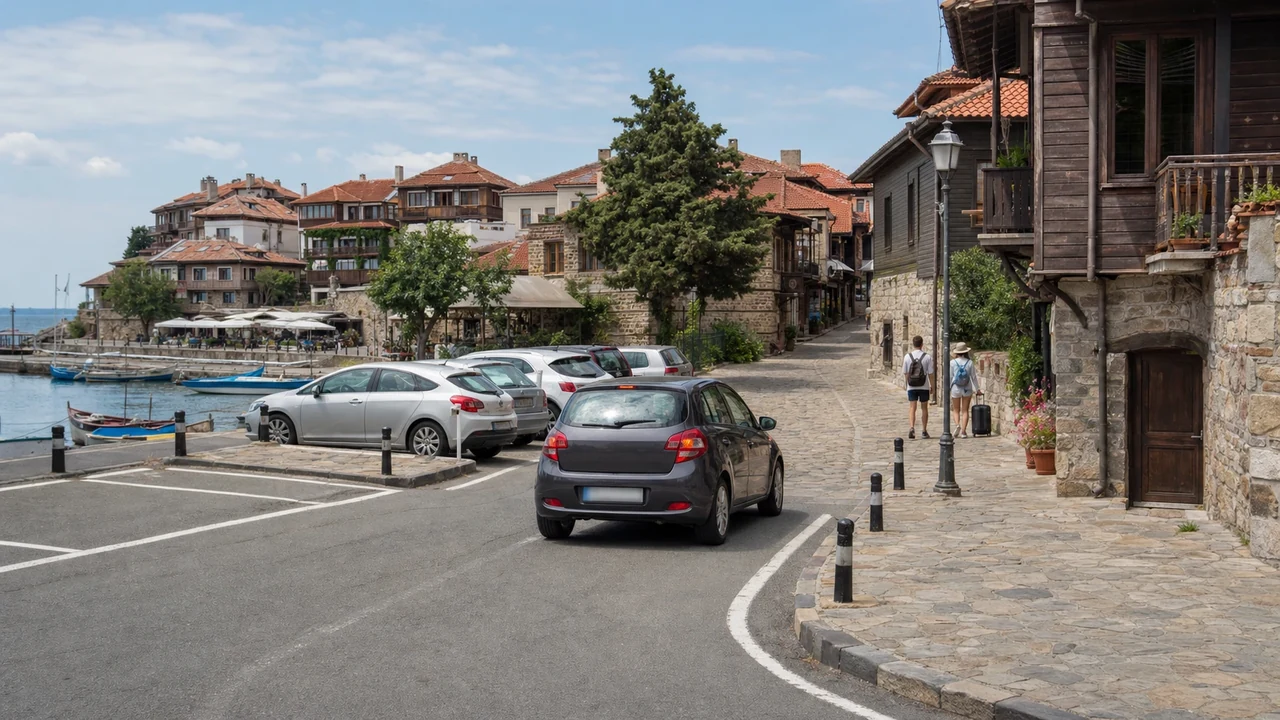
The old town peninsula itself is entirely walkable and largely car-free in its historic core — the cobbled lanes weren't built for traffic, and most visitors park (or arrive by taxi) at the neck of the peninsula and walk in from there. For Ravadinovo Castle and Ropotamo Nature Reserve, you'll need a taxi, rental car, or an organized excursion, since both sit several kilometres outside town with no old-town-based public transit connecting them. Sveti Ivan Island has no vehicle access at all — it's boat-only, with departures from Sozopol harbour concentrated in the warm season and scaled back or suspended outside it.
Best time to visit Sozopol attractions
June through September is Sozopol's peak season: warm-enough seas for the beaches, full boat schedules to Sveti Ivan Island and Ropotamo, and every attraction on extended summer hours (the Archaeological Museum, for instance, runs 09:00-18:00 daily in summer versus weekdays only in winter). The trade-off is crowds, especially in the old town's narrow lanes during July and August. May and September thin out the visitor numbers while keeping most boat trips and full opening hours running, and are generally the better window for unhurried old-town walking and museum visits. Late August into early September also brings the Apollonia Arts Festival, a decades-old multidisciplinary arts festival staged across the old town's churches, galleries and open-air venues — worth timing a trip around if you enjoy cultural events, though it does add extra crowds during exactly those two weeks. Outside the summer season, expect reduced hours at ticketed sites and little to no boat service to Sveti Ivan Island or along the Ropotamo.
Money-saving tips
Sozopol's biggest attractions are also its cheapest: walking the old town and landing on Sveti Ivan Island cost nothing beyond the boat fare. Book Ravadinovo Castle tickets online in advance for the standard 10% discount rather than paying at the gate. If you're visiting both Ravadinovo Castle and Ropotamo Nature Reserve, share a taxi or book a single combined excursion rather than arranging two separate return trips — both sit in roughly the same direction out of town. Travelling in May or September instead of peak summer typically means cheaper accommodation and tour prices, with only a modest trade-off in boat-trip frequency.
Frequently asked questions about Sozopol attractions
How many days do you need for Sozopol's attractions?
A focused visitor can cover the old town, museum and fortress wall in half a day, but allow two to three days to comfortably add Ravadinovo Castle, a Ropotamo boat cruise and the crossing to Sveti Ivan Island without rushing between them.
Is Sozopol Old Town free to visit?
Yes — walking the old town's lanes and fortress-wall promenade is free. You only pay for specific sights inside it, like the Archaeological Museum or the Church of the Holy Mother of God.
How do you get to Sveti Ivan Island?
By private boat trip from Sozopol harbour, mainly during the warm season. There's no bridge, ferry timetable, or public transit — landing on the island itself is free, but the boat crossing is a paid trip.
Is Ravadinovo Castle worth the entry price?
At 30.00 EUR (58.67 BGN) for adult admission, it's the most expensive single ticket in Sozopol's attraction cluster, but it's also unlike anything else in the area — a modern fantasy-style castle (built from 1996) with lakes, gardens and a wine cellar rather than a historic ruin. Book online for a 10% discount.
What is Sozopol famous for?
Two things above all: it was founded as the ancient Greek colony of Apollonia Pontica around 610 BC, and in 2010 archaeologists on nearby Sveti Ivan Island discovered relics attributed to St John the Baptist, now kept in the town's Church of Sts Cyril and Methodius.
When is the best time to visit Sozopol's attractions?
June to September for full boat schedules and extended opening hours, or May and September specifically if you'd rather avoid peak-summer crowds in the old town's narrow lanes while keeping most attractions fully open.
Can you visit Ropotamo Nature Reserve from Sozopol without a car?
You'll need a taxi, rental car, or organized excursion — there's no public transit link from Sozopol's old town to the reserve, which sits about a 20-minute drive south towards Primorsko.
Plan your Sozopol trip
Once you've mapped out which of Sozopol's seven attractions fit your schedule, a few companion guides fill in the practical gaps this page doesn't cover in depth: a full one-day Sozopol itinerary for a tightly packed single visit, a seasonal breakdown of when to visit if your dates are flexible, and 10 Best Day Trips from Sozopol if you want to pair the town with the wider southern Black Sea coast.