Nessebar Windmill Visitor Guide
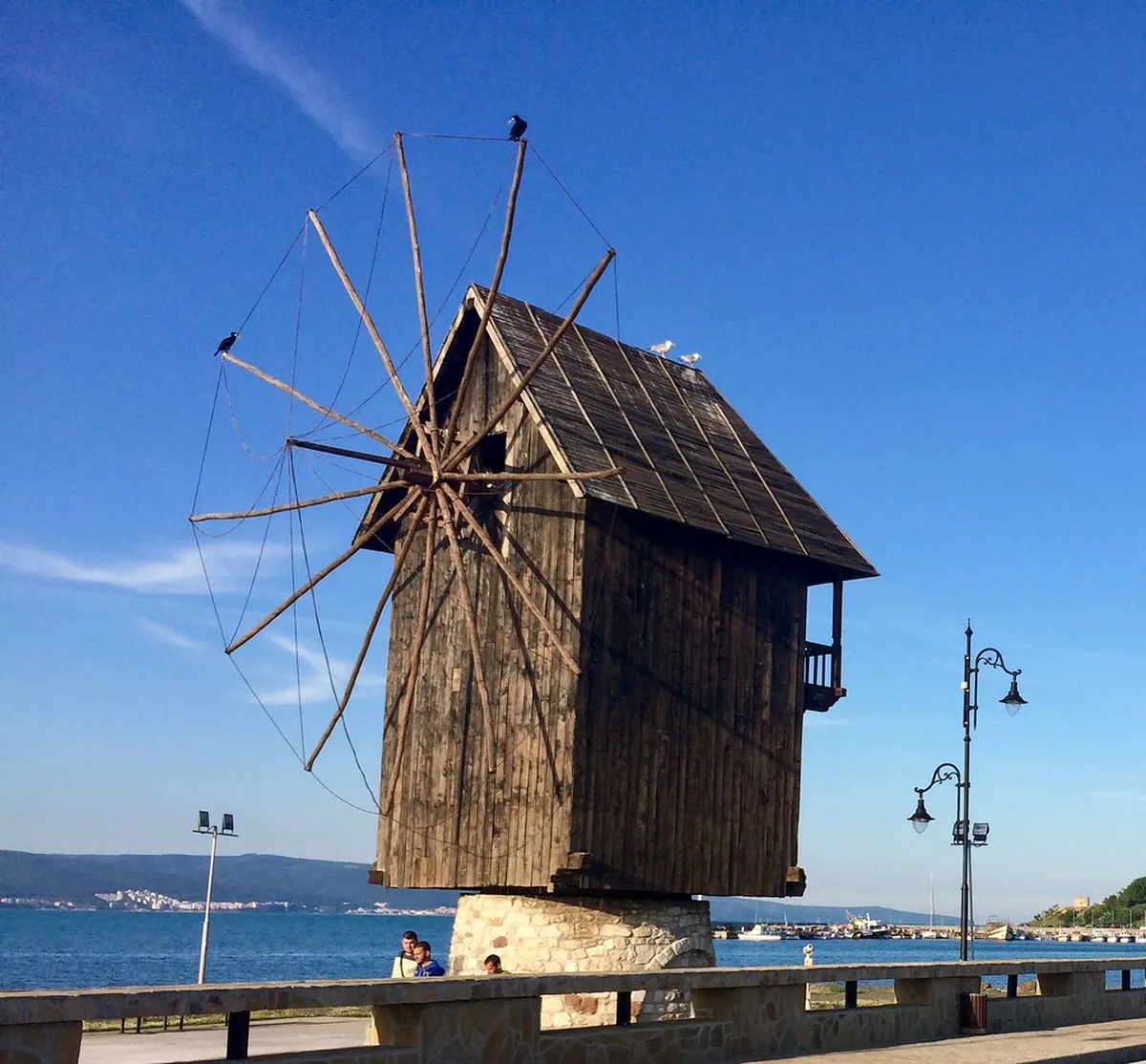
The Nessebar Windmill is the wooden mill that stands mid-way across the narrow causeway linking the mainland new town with the UNESCO-listed Old Town peninsula. It has no ticket booth, no opening hours, and no gate - the mill sits on public ground in the open air, so you can walk up and photograph it at any hour, day or night. Locals treat it as the town's unofficial welcome sign, since almost everyone entering the Old Town on foot or by car passes within a few meters of it.
To see the windmill's position on the causeway before your visit, this video captures the structure in summer daylight.
This nessebar windmill visitor guide uses the mill as a starting point, then walks through the rest of what makes the Nessebar region worth a full day rather than a quick photo stop. Beyond the causeway, the Old Town layers Thracian, Greek, Byzantine, and Ottoman history across a peninsula barely 850 meters long, so the walking distance is short but the sightseeing is dense.
Arriving in the first two hours after sunrise, before the tour-bus groups reach the causeway, is still the best single piece of planning advice for 2026 - the windmill gets crowded fast once coach groups land mid-morning. The rest of this guide covers the churches, museums, beaches, and family options within a short walk, plus the transport details you need for a smooth day trip.
Must-See Nessebar Attractions
The windmill itself rewards a closer look. Most sources date its stone-and-brick base and wooden tower, just over 10 meters tall, to the Ottoman period, roughly the 17th or 18th century, though some accounts place it closer to the late 19th century. What general write-ups rarely mention is the mill had three working floors - grain storage on the ground level, the miller's living quarters with a hearth on the second, and a work room on the third that still holds its original millstones. None of that interior is open on a regular schedule, so treat the visit as exterior-only, but knowing the layout makes the silhouette mean more than a generic photo prop.
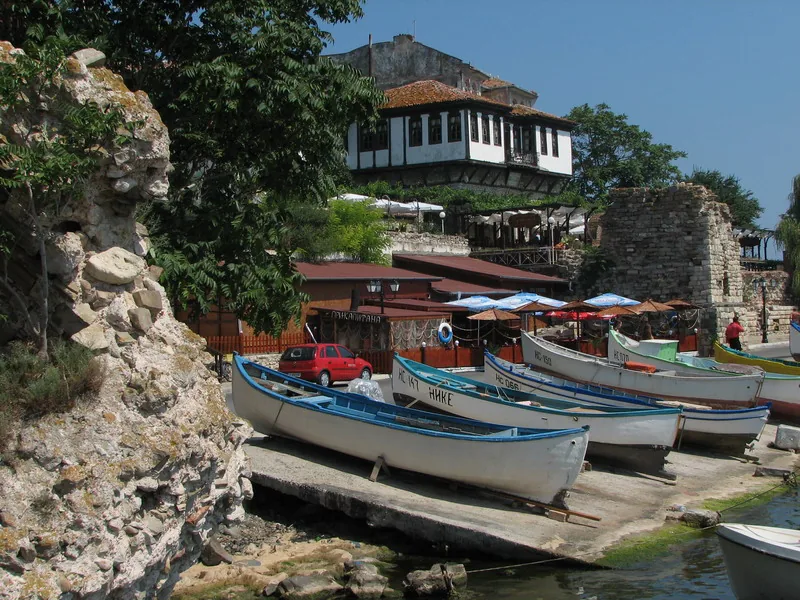
It also helps to know this causeway mill isn't Nessebar's only windmill. A second, now-ruined mill sits on the north coast of the peninsula, and a third stands at the edge of the new town - neither is restored or promoted like the causeway mill, so photos online that don't quite match are likely one of the other two. The causeway mill is the one everybody means by "the Nessebar windmill."
Walking past it puts you directly at the ancient city gate and fortress walls that have guarded the peninsula since the 4th century. These fortifications form the formal entrance to the Nessebar Old Town Visitor Guide, and passing through them is where the atmosphere shifts from modern seaside town to open-air museum.
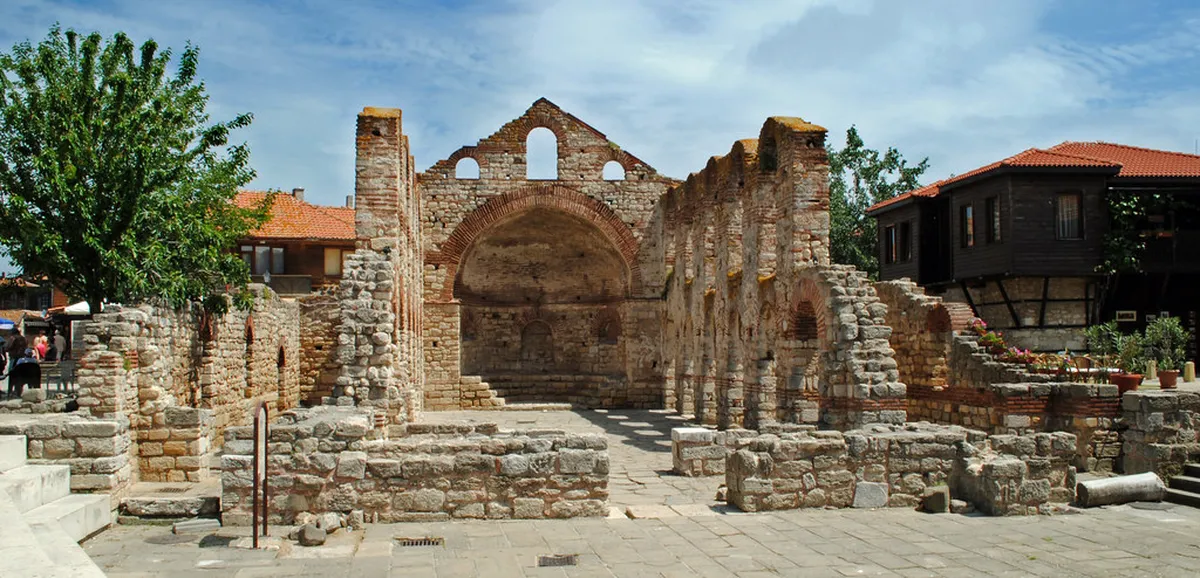
Look for the medieval churches scattered through the streets beyond the gate. Each one shows different brickwork and decorative ceramic bands built into the walls. The ruined Church of Saint Sophia, just past the entrance, is one of the more striking examples and gives a good first sense of the peninsula's religious history before you go further in.
- The windmill sits mid-causeway on the main bridge into the Old Town, costs nothing to view, and takes about 15 minutes to properly photograph from a few different angles.
- The 4th-century city gate and fortress walls just beyond it are protected under Nessebar's UNESCO listing and free to walk through at any hour.
Museums, Art, and Culture in Nessebar
Nessebar earns its "open-air museum" nickname from sheer density of sites, and the Archaeological Museum near the Old Town entrance is the best place to get context first. Its galleries hold Thracian gold, Greek and Roman pottery, and coins minted when Mesembria was an independent city-state. Visiting more than one museum site in a day? Ask about the combo ticket - it usually costs less than paying separately. Check the Ancient Nessebar Museum's website for current 2026 pricing.
The Church of Christ Pantocrator Visitor Guide is the cultural highlight most visitors remember best, thanks to the red-and-white stone patterning worked into its exterior walls. It's a short walk from the windmill, so it's an easy add to a museum-focused morning.
Small private galleries occupy several of the old Revival-period houses, and local painters regularly sell canvases of the windmill and the sea from doorway stalls in summer. Open-air concerts inside the ruined basilicas are common on warm evenings between June and September, turning centuries-old stone into a stage for folk music and dance.
Parks, Gardens, and Outdoor Spots in Nessebar
The peninsula is mostly stone and cobblestone, but small green pockets are tucked between the Byzantine basilica ruins, offering shade on a hot walking day. The sea breeze keeps these spots noticeably cooler than the open causeway, which matters if you're visiting in July or August.
The 9 Essential Tips for the Nessebar South Beach Visitor Guide is the pick for anyone who wants sand and calm, shallow water after a morning of sightseeing - it's a short walk from the Old Town and popular with families for exactly that reason. Cafes and beach bars line the stretch, so you don't need to plan lunch separately.
The northern shore of the peninsula, near the ruined second windmill mentioned earlier, offers a quieter, rockier stretch where fishing boats moor overnight. It's a good early-morning walk if you want the coastline without the South Beach crowds, and on clear days you can see the Balkan foothills inland.
Family-Friendly and Budget-Friendly Options in Nessebar
Plenty of a Nessebar day costs nothing at all. Walking the Old Town streets and the causeway around the windmill is free, and kids tend to enjoy the ruins and the mill itself as much as adults do - there's no queue to manage and no expensive ticket line to stand in.
For a full activity day, Aquapark Nessebar in the new town is one of Bulgaria's larger water parks, with slides and pools scaled for different age groups. A free shuttle bus often connects it with the town center in peak season, so check current 2026 shuttle times once you arrive.
Budget eating is easy here. A banitsa from a local bakery makes a filling, cheap breakfast, and kiosks near the harbor sell fresh grilled fish at prices well below the sit-down restaurants on the promenade. Picnicking near the sea walls, close to the windmill, stretches a tight travel budget without sacrificing the view.
- Aquapark Nessebar suits children and teens best, sits in the new town a short ride from the Old Town, and is often reachable by a free shuttle bus from the center.
- A free self-guided walk through the ruins covers roughly two hours, needs nothing but comfortable shoes, and costs nothing beyond what you spend on snacks along the way.
How to Plan a Smooth Nessebar Attractions Day
Arrive before 09:00 if you can. The causeway and the windmill are far quieter before the large tour-bus groups reach the Old Town, and you'll get clear photos without dodging other visitors' phones.
The cobblestones throughout the Old Town are original and can be slippery, especially after rain, so comfortable, closed walking shoes matter more here than in most seaside towns. Carry water and sun protection - the causeway and the open squares offer very little shade, and the glare off the sea intensifies the heat in the afternoon.
Bus 10 runs the Sunny Beach - Nessebar - Pomorie - Burgas route every 10 to 20 minutes in season, and since the resort strip already sits close to the isthmus, the hop into Nessebar takes only about 7 to 10 minutes - pay the conductor on board. A taxi covers the same distance in a few minutes if you're short on time or hauling beach gear.
Discover the Remains of the Western Wall and the Main Gate of Mesembria
The Western Wall and its fortified gate mark the main historical land entrance to ancient Mesembria, and it's one of the most significant archaeological sites on the peninsula. Two large towers flank the gate, and the visible stonework shows several distinct building periods layered on top of each other.
Plaques along the wall explain the construction techniques across those periods, from the earliest Greek fortifications through later Byzantine reinforcement. Walking through the gate, with the windmill visible back across the causeway, is a good way to picture how the town's two eras - ancient fortress and modern resort - sit side by side.
The ruins are lit after dark, which makes dusk a good time to visit if you've already covered the windmill and Old Town streets earlier in the day. It's a quieter stop than the causeway, with far fewer visitors lingering after sunset.
Watch the Fireworks on August 15th
August 15th is Nessebar's official town holiday, tied to the Orthodox feast of the Assumption of the Virgin Mary and the patron holiday of the "Uspenie Bogorodichno" church. The town fills with concerts, exhibitions, and folk performances all day. Check Nessebar's events program here for the full 2026 schedule.
The fireworks display over the sea, a tradition that's run since 2012, is the evening's centerpiece. The lights reflect off the water and frame the windmill's silhouette, and crowds gather along the causeway and the promenade specifically for that view.
Expect very heavy crowds and near-impossible parking if you're driving in. Public transport or a taxi is the more reliable option that day, and restaurant tables fill up fast, so book at least a few days ahead if you want a sit-down dinner before the show.
Walk Down the Promenade During Sunrise or Sunset
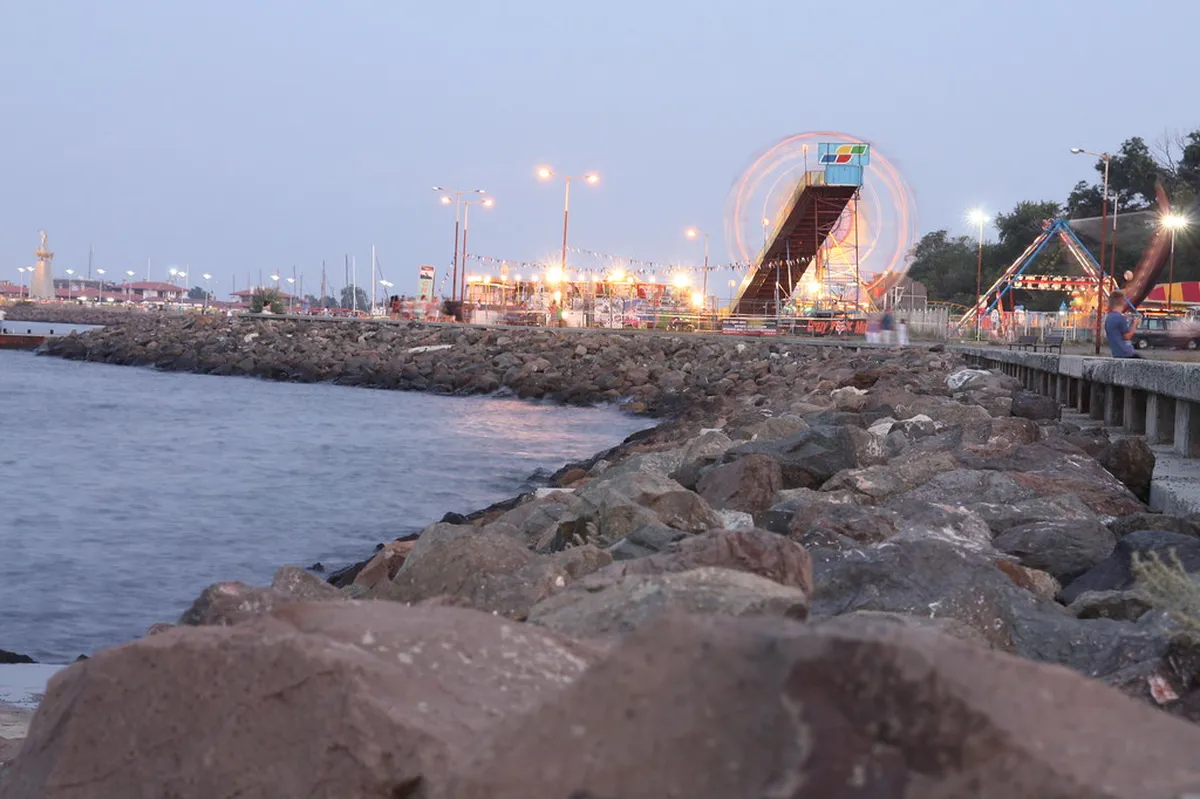
The promenade wraps the full peninsula and gives unobstructed sea views in both directions. A sunrise walk here is quiet and largely tourist-free - most visitors are still asleep, and the town is just waking up around the fishing boats.
Sunset draws a bigger crowd, especially near the windmill, where the low light turns the old timber a warm gold against the darkening water. It's the single most reliable spot on the peninsula for the classic Nessebar photo, so arrive a few minutes early if you want space at the rail.
Either way, you'll pass fishermen unloading or preparing boats along the shore. It's worth timing a slow walk around one of these two windows rather than rushing the promenade at midday, when the light is flatter and the heat is higher.
A Unique Experience in Nessebar Old Town
Nessebar's Revival-period houses are unlike anything else on this coast - a stone ground floor topped by a wooden upper story that often juts out over the street. Around a hundred survive today, most dating to the 18th and 19th centuries, and the St. Sophia Old Metropolitan Church sits at the center of the district they surround.
Several of these houses are now small museums or guesthouses, and stepping inside one is worth the short detour if you have the time - the stone base kept food and wine cool in summer, while the wooden upper floor stayed warmer in winter, a practical design choice as much as an aesthetic one.
Don't skip the Old Fountain on your way through. Locals have gathered here for generations, and the water is still drinkable, which makes it a genuinely useful stop rather than just a photo op on a hot walk.
Other Nearby Places You May Find Interesting
With extra time, look beyond the peninsula. Sunny Beach sits a few kilometers north with the region's liveliest nightlife, a sharp contrast to Nessebar's quieter pace. More on the wider area is in the Nessebar area guide.
![Nessebar -Hagia Sophia Church [5th century] in Nessebar, Bulgaria](https://toursbulgaria.com/images/nessebar-windmill-other-nearby-places-you-may-find-int.webp)
Pomorie, about 20 kilometers south, is known for its salt pans and mineral mud baths, and it also works as a base for a wine-tasting detour - DiVes Estate winery, near Pomorie, is one of the more popular stops for visitors doing a day trip out of Nessebar.
Renting a car opens up the Balkan foothills inland, where the scenery shifts fast from coastal plain to forested hills and villages that see far fewer tourists. It's a solid extra day once you've covered the windmill, the Old Town, and the beaches.
Continue planning: Use Nessebar Attractions: 8 Best Things to Do in the Old Town to connect this guide with the rest of your Bulgaria itinerary.
Frequently Asked Questions
Where exactly is the Nessebar Windmill?
It stands in the middle of the narrow man-made isthmus (causeway) that connects Nessebar's new town on the mainland with the Old Town peninsula. Everyone walking or driving into the UNESCO-listed Old Town passes right beside it, which is exactly why it has become the town's unofficial gateway and symbol.
Is the Nessebar Windmill free to visit?
Yes. The windmill is an open-air landmark on the public causeway, so viewing it costs nothing and it is accessible at any hour. There is no ticket booth or entry fee.
Can you go inside the windmill?
It is essentially an exterior-only landmark. The three-floor mill originally held grain storage on the first floor, the miller's living quarters with a hearth on the second, and the work room with its preserved millstones on the third, but the interior is not open to visitors on any regular public schedule - plan to admire and photograph it from outside.
How old is the Nessebar Windmill and what is it made of?
Sources disagree on the exact date: it is most often dated to the Ottoman era, around the 17th-18th centuries, while some accounts place it in the late 19th century. What is certain is its construction - a stone-and-brick base topped by a wooden tower over 10 meters high, in the traditional style of Black Sea coast windmills.
What are the best photo spots for the Nessebar Windmill?
Photographers rate sunrise and sunset as the most rewarding times, when low directional light and long shadows transform the scene; a low angle from the causeway walkway makes the silhouette dramatic against the Black Sea. The benches and low walls around the mill double as stable supports for long exposures, and early mornings in spring or autumn bring the softest light with the fewest people in frame.
How do I get to the windmill from Sunny Beach?
Take bus 10 (Sunny Beach - Nessebar - Pomorie - Burgas), which runs every 10-20 minutes through the day in season; the hop to Nessebar takes only about 7-10 minutes. Get off in Nessebar and walk toward the Old Town - the windmill is right on the causeway. A taxi covers the same short distance in a few minutes.
Is this the only windmill in Nessebar?
No - three windmills survive in Nessebar. The famous one stands mid-isthmus on the causeway, a second (now ruined) sits on the north coast of the Old Town peninsula, and a third is at the edge of the new town. The causeway mill is by far the most visited and photographed of the three.
Nessebar earns its reputation one landmark at a time, and the windmill on the causeway is where nearly every visit starts and ends. Free, unticketed, and impossible to miss, it works as both a five-minute photo stop and the anchor for a full day that takes in the Old Town's churches, museums, beaches, and family activities.
Plan around an early arrival, comfortable shoes, and - if your dates line up - the August 15th fireworks, and the rest of the visit falls into place with very little extra effort. Whether you're here for the history, the beach, or just the light on the water at sunset, the windmill remains the moment most people remember first.
For more Nessebar planning, read our 12 Best Things to Do in Nessebar (2026), The Best 3-Day Nessebar Itinerary: A UNESCO Journey, and Best Time to Visit Nessebar: 10 Seasonal Tips & Insights guides.
For official details, visit the Nessebar Windmill on Wikipedia, Nessebar Windmill official site and Nessebar Windmill guide on Tripadvisor.