Church Of St. Stephen (New Metropolitan Church) Visitor Guide
The Church of St. Stephen stands as a crowning jewel within the ancient streets of Nessebar. Known as the New Metropolitan Church, this site offers a rare glimpse into medieval Bulgarian artistry. Visitors often find the preserved frescoes and architectural details to be the highlight of their trip.
Exploring the Nessebar Old Town Visitor Guide allows you to walk through centuries of history in one afternoon. This specific church is famous for its incredible interior which remains largely intact today. It serves as a vital part of the UNESCO World Heritage designation for this seaside city.
Planning your visit requires understanding the local ticket systems and seasonal opening times. Our guide provides everything you need to know for a smooth and rewarding experience. Discover why this landmark is a must-see destination for every traveler in Bulgaria.
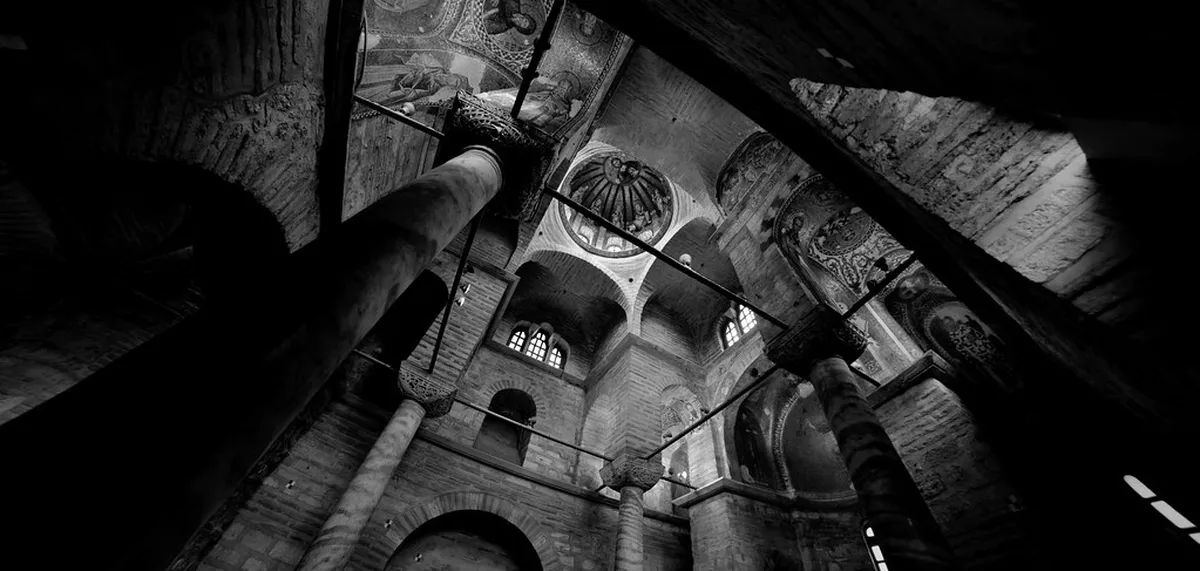
This walkthrough provides a visual tour of the church's medieval interior and fresco cycle:
Why Visit the Church of St. Stephen?
The Church of St. Stephen is one of the most significant cultural monuments in the entire Black Sea region. Its interior walls hold more than 1,000 individually painted figures across 258 mural scenes, added in stages between the late 16th and 18th centuries. History enthusiasts appreciate how the building itself is far older than its decoration — a three-nave basilica raised between the 11th and 13th centuries, well before a single brushstroke was applied.

Walking through the heavy wooden doors feels like stepping back into a different era of spiritual devotion, even though the church no longer holds services. The small footprint means you rarely share the space with more than a handful of other visitors at once, a contrast to the busier harbor-front lanes just outside. You can trace how local religious art evolved over hundreds of years within this single protected room.
The site anchors the broader Nessebar Attractions heritage trail, which links dozens of preserved churches and ruins across the Old Town peninsula. It offers a more intimate look at medieval religious life than the larger open-air ruins nearby, and most visitors who see all three of the Old Town's ticketed churches rank St. Stephen's interior as the most complete.
Must-See Interior Highlights and Medieval Frescoes
The frescoes inside the New Metropolitan Church form the most complete surviving cycle of post-Byzantine mural painting on the Bulgarian coast. A donor's inscription dates the earliest layer to 1599, the work of three named artists who covered nearly every wall with scenes from the life of the Virgin Mary and the miracles of Christ. Natural light filtering through small windows still catches the original mineral pigments, which have held their color far better than most murals of the same age.
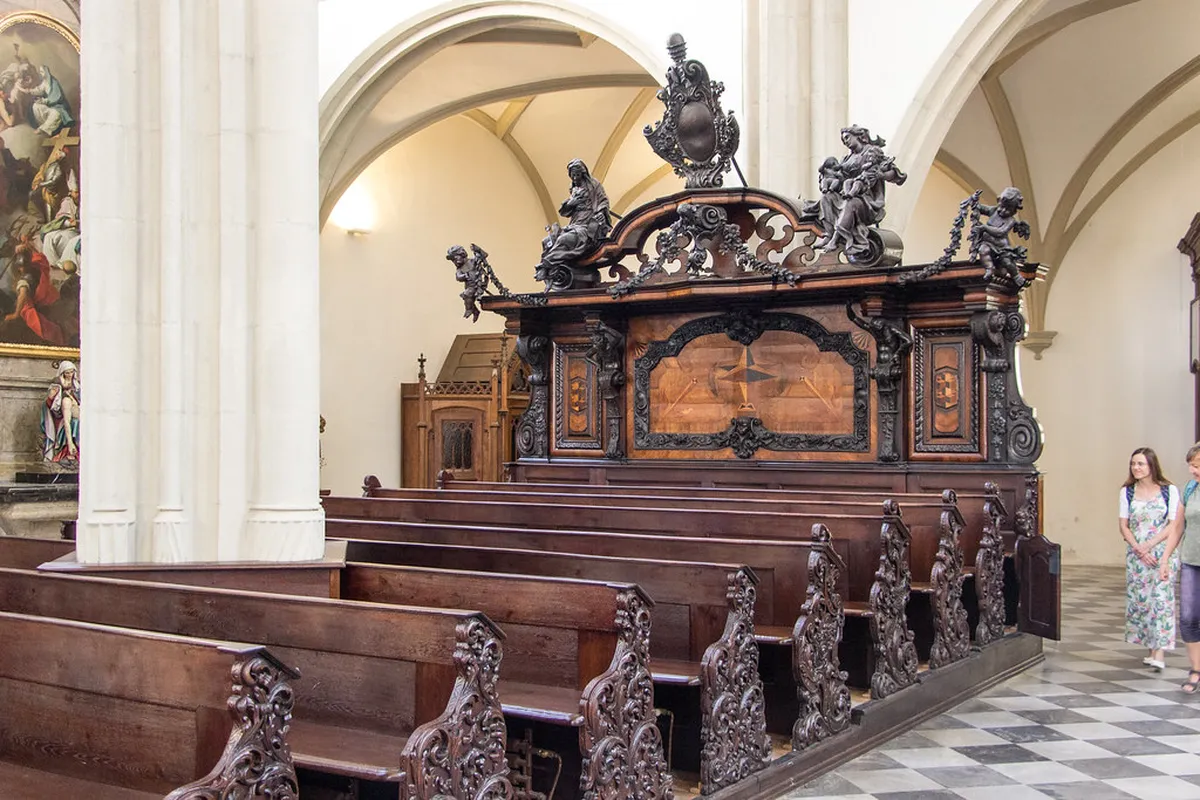
A 16th-century carved wood iconostasis anchors the nave, its detail matched by the bishop's throne and pulpit, both added in the 18th century. Portraits of the donors who funded the decoration line the lower walls, a common convention in Orthodox church murals that lets modern visitors put faces to the merchants and clergy who paid for the work.
An 18th-century Last Judgment scene, added roughly two centuries after the main fresco cycle, is the single most photographed panel inside. Art historians visit specifically to study how the later additions blend with the 1599 originals, since the museum counts 258 separate mural compositions across the building — one of the densest surviving fresco programs anywhere in Bulgaria.
Ticket Options, Prices, and Booking Advice
Entry to the church requires a paid ticket, sold at the kiosk right outside the main entrance, and the fee funds the museum's ongoing conservation of the murals. A standard adult ticket costs EUR 4.60 (9.00 BGN); children and students pay EUR 2.30 (4.50 BGN). No advance booking is needed for individuals — the queue rarely runs more than a few minutes even in August.
If the Archaeological Museum Nessebar Visitor Guide is also on your list, buy the combined ticket for EUR 7.67 (15.00 BGN) rather than paying for each site separately — it adds a full second sight for just EUR 3.07 (6.00 BGN) more than the church alone. Travelers planning to see three or more of Nessebar's paid museum sites in one visit should look at the all-inclusive pass instead.
- Standard adult ticket to St. Stephen only: EUR 4.60 (9.00 BGN); children and students EUR 2.30 (4.50 BGN).
- Combined ticket covering St. Stephen and the Archaeological Museum: EUR 7.67 (15.00 BGN) per adult.
- All-sites museum pass, covering every Ancient Nessebar site in the Old Town: EUR 17.90 (35.00 BGN) for adults, EUR 8.69 (17.00 BGN) for children — it typically pays for itself once your itinerary reaches a third ticketed stop.
Large groups should call the museum office ahead — +359 554 46012 or 46019 — to arrange guided access and confirm group rates; individual travelers can simply walk up any day of the week.
Opening Hours and the Best Time to Visit
The church follows the same seasonal schedule as the rest of the Ancient Nessebar museum sites: 09:00-19:00 daily from June 2 through September 14, 09:00-18:00 in the shoulder weeks (May 1-June 1 and September 15-October 12), and 09:00-17:00 the rest of the year, from October 13 through April 30. There is no midday closure and no weekly rest day, so the schedule is easy to plan around even on a short stopover in 2026.
Nessebar's Old Town sits at the tip of a narrow isthmus that funnels every visitor across the same land bridge, and that bottleneck shapes the crowds inside St. Stephen far more than the calendar does. Coach excursions from Sunny Beach and Burgas tend to arrive between roughly 10:30 and 14:00, which is exactly when the church's single small nave fills up fastest. Arriving right at opening or after 16:00 avoids the bulk of these organized groups and gives you a genuinely quiet room to study the frescoes.
Plan for 30-45 minutes inside. The building was built for a modest Byzantine congregation, not modern tour groups, so it can feel crowded with as few as fifteen to twenty people standing shoulder to shoulder near the iconostasis — timing your visit around the coach schedule matters more here than at almost any other Old Town sight.
St. Stephen vs. Other Nessebar Churches
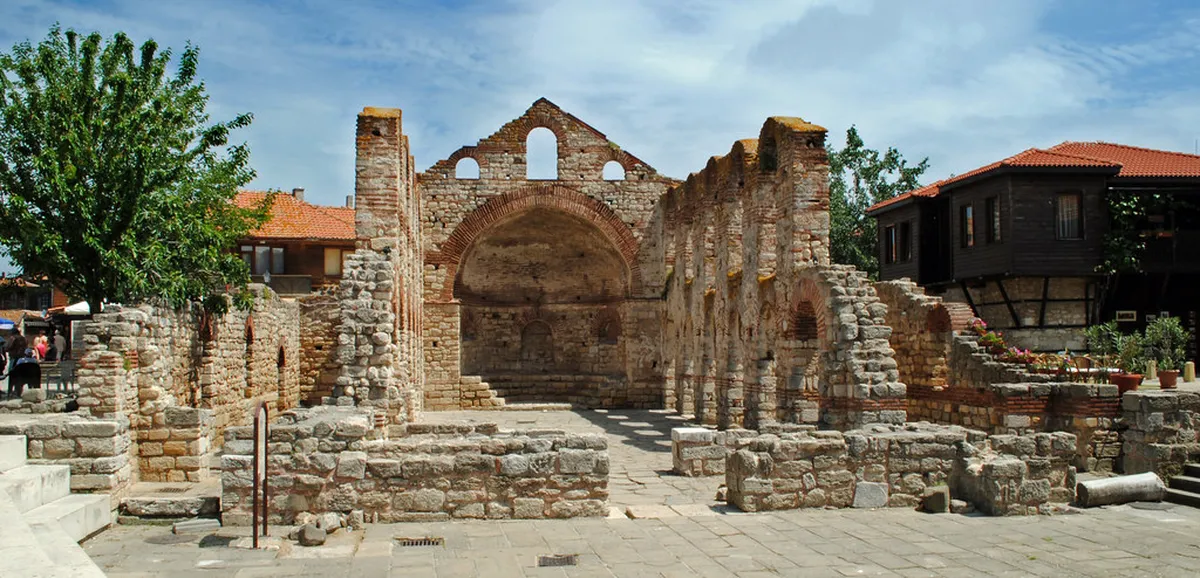
The St. Sophia Old Metropolitan Church is the more dramatic photograph — a roofless 5th-6th-century ruin open to the sky — but it has no surviving interior art. St. Stephen took over St. Sophia's role as the town's cathedral church centuries ago, which is why locals still call the two Stara Mitropoliya (old) and Nova Mitropoliya (new). Choosing between them comes down to whether you want grand ruins or a complete, roofed collection of medieval painting.
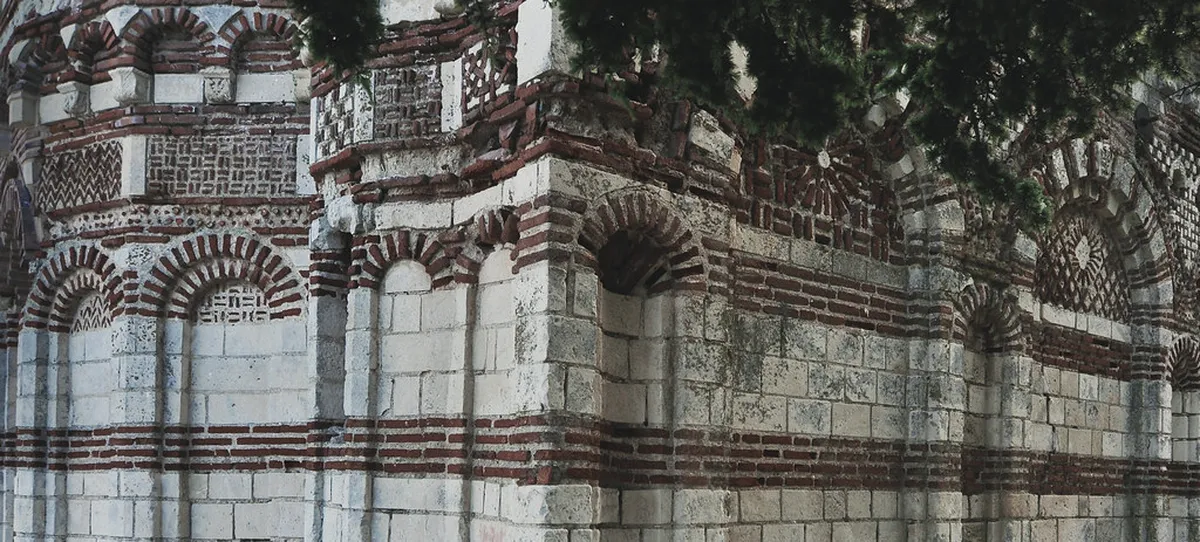
The Church of Christ Pantocrator Visitor Guide, a short walk away, is prized for its patterned brick-and-ceramic exterior rather than anything inside. St. Stephen is the clear winner if interior art is the priority — it is the only Old Town church where the frescoes survive close to complete.
With limited time, prioritize St. Stephen for that reason alone. The St. John Aliturgetos ruins, right on the waterfront, add a third data point on local masonry if you have an extra fifteen minutes. Seeing all three within the same afternoon gives a fuller picture of how Nessebar's churches evolved across a thousand years, from Byzantine ruin to fully decorated museum.
Accessibility and Visitor Considerations
The streets leading to the church are paved with traditional cobblestones, so sturdy, flat shoes matter more here than in most European old towns. The entrance has a single small step, generally manageable for most visitors, though anyone using a wheelchair should expect some assistance getting through the narrow lanes leading up to it.
Interior lighting stays low year-round to protect the frescoes from fading, so visitors with visual impairments may want a small flashlight for the darker corners near the entrance. The stone interior stays noticeably cooler than the streets outside even at the height of a Bulgarian summer, which makes it a welcome few minutes' break from the heat.
Because St. Stephen operates purely as a museum rather than a working parish church, the dress expectations are more relaxed than at Nessebar's still-functioning churches — there is no requirement to cover shoulders or knees before entering. Restrooms and other facilities sit in the cafes surrounding the square rather than inside the building itself, so plan accordingly if you're visiting with children.
Exploring the Old Town Surroundings
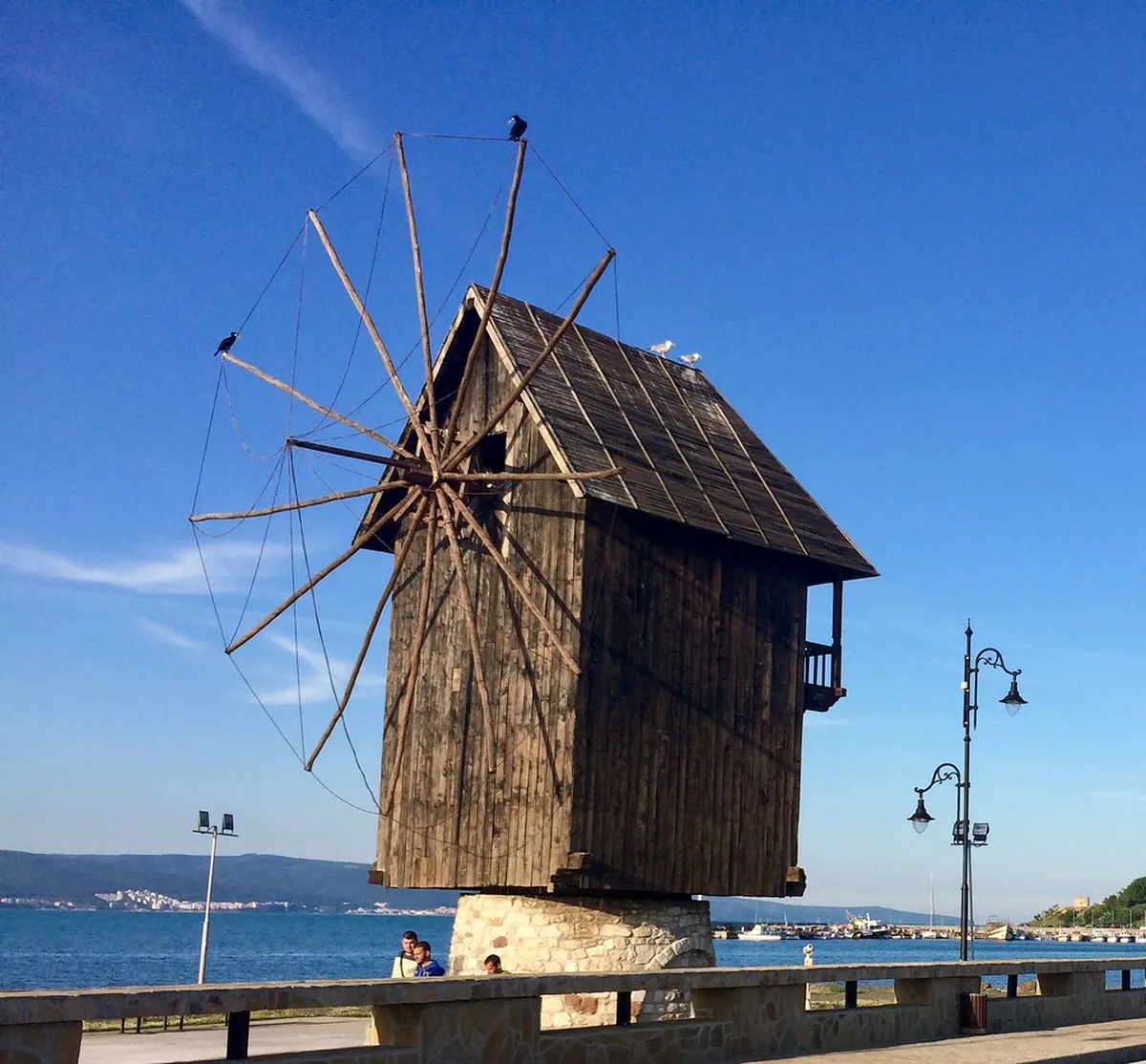
After your visit, walk toward the Nessebar Windmill Visitor Guide at the entrance to the peninsula for one of the best photo angles of the Old Town skyline. The lanes around the church are lined with small workshops selling local crafts, lace, and Bulgarian rose oil, and several seafood restaurants overlook the water within a few minutes' walk.
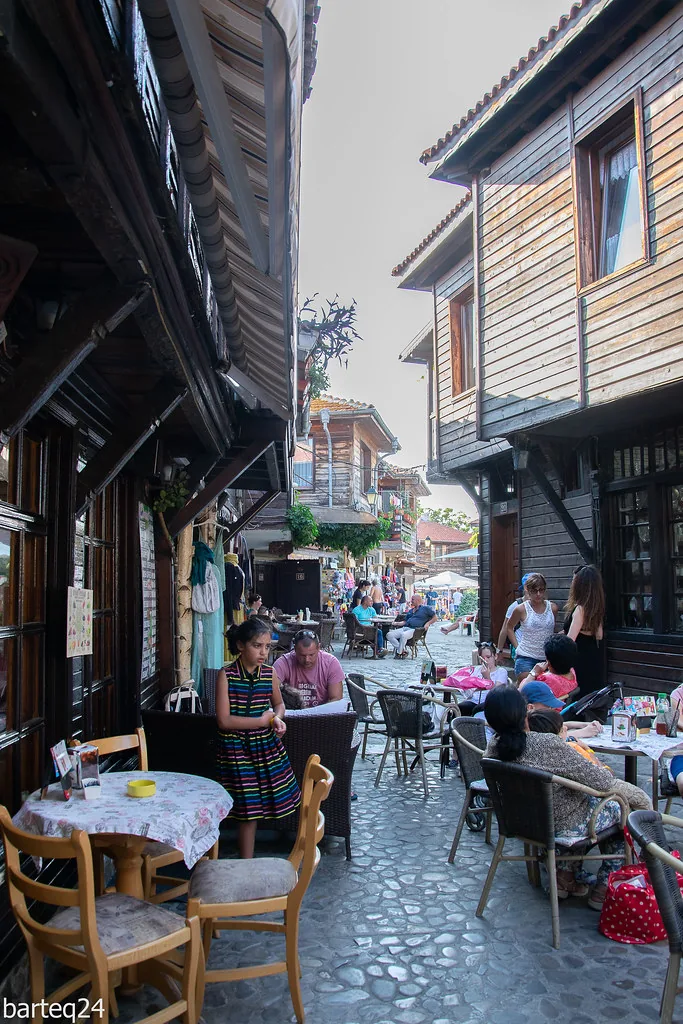
The old town is entirely pedestrian-only, which makes wandering on foot easy and safe at any hour. Quiet side alleys lead to viewpoints over the modern resort skyline across the bay — a useful contrast to the medieval streets you've just walked through. Local artists still set up easels near the church most afternoons, painting the weathered stone facade for sale to passersby.
Continue planning: Use Nessebar Attractions: 8 Best Things to Do in the Old Town to connect this guide with the rest of your Bulgaria itinerary.
Frequently Asked Questions
How much is the entrance ticket to St. Stephen Church?
Per the official Ancient Nessebar museum price list, entry costs EUR 4.60 (9.00 BGN) for adults and EUR 2.30 (4.50 BGN) for children and students. A combined ticket with the Archaeological Museum is EUR 7.67 (15.00 BGN), and a pass covering all of the museum's Nessebar sites costs EUR 17.90 (35.00 BGN) for adults and EUR 8.69 (17.00 BGN) for children.
What are the opening hours?
The church is open daily year-round on a seasonal schedule set by the Ancient Nessebar museum: 9:00-19:00 in high summer (June 2 to September 14), 9:00-18:00 in the shoulder weeks (May 1 to June 1 and September 15 to October 12), and 9:00-17:00 through the rest of the year (October 13 to April 30).
What makes the frescoes of St. Stephen so famous?
The interior is wall-to-wall painting: the museum counts 258 mural compositions with more than 1,000 figures, painted by three artists and dated by a donor's inscription to 1599, with 18th-century Last Judgement scenes added later. They depict the life of the Virgin Mary and the miracles of Christ, and are considered among Bulgaria's finest post-Byzantine church murals.
Why is it called the New Metropolitan Church?
It took over the role of Nessebar's cathedral (metropolitan) church from the ruined 5th-6th-century St. Sophia basilica, the Old Metropolitan Church, in the town centre. Hence the local names: Stara Mitropoliya (old) for St. Sophia and Nova Mitropoliya (new) for St. Stephen.
Is St. Stephen still an active place of worship?
No. The church, built between the 11th and 13th centuries, is preserved as a museum site managed by the Ancient Nessebar museum. Besides the frescoes, it keeps an original 16th-century iconostasis and 18th-century wood-carved furnishings, including the bishop's throne and pulpit.
Where exactly is the church in the Old Town?
It stands on ul. Ribarska in the southern part of Nessebar's Old Town peninsula, a short walk from the harbour and within the UNESCO World Heritage zone. Note this is the St. Stephen church in Nessebar, Bulgaria - not to be confused with St. Stephen churches elsewhere.
Is photography or a guided visit possible?
The Ancient Nessebar museum offers guide services bookable by phone (+359 554 46012 / 46019), and organized groups get discounted rates. Check conditions on site, as rules inside the frescoed interior are set by the museum.
The Church of St. Stephen remains one of the most rewarding stops on the Bulgarian coast for anyone interested in medieval art and architecture. Its combination of a near-complete fresco cycle and an intact carved iconostasis makes it a rare survivor among Black Sea churches of its age. Most visitors leave with a far deeper appreciation for how much religious art has survived intact in this small corner of the Old Town.
Pair your visit with the nearby ruins and the Archaeological Museum to see the fuller arc of Nessebar's history, from Thracian settlement to Byzantine stronghold to today's UNESCO-listed resort town. Time your visit around the coach schedule rather than the calendar in 2026, and you'll likely have the frescoes largely to yourself.
For more Nessebar planning, read our 12 Best Things to Do in Nessebar (2026), The Best 3-Day Nessebar Itinerary: A UNESCO Journey, and Best Time to Visit Nessebar: 10 Seasonal Tips & Insights guides.
For the latest official information, see the Church of St. Stephen (New Metropolitan Church) on Wikipedia, Church of St. Stephen (New Metropolitan Church) official site and Church of St. Stephen (New Metropolitan Church) official site.