Best Time to Visit Nessebar: 10 Seasonal Tips & Insights
Late September often offers a balance of warmth and quieter streets in Nessebar. Late spring (May to early June) and early fall (September to October) are the sweet spots for Bulgaria.
This ancient town sits on a rocky peninsula jutting into the deep blue Black Sea. Most travelers come here to explore the narrow streets and Byzantine churches. Choosing the right month ensures you avoid the heavy crowds of nearby Sunny Beach. It also helps you find the best deals on local boutique hotels.
The weather varies significantly between the hot summer months and the chilly winter days. Planning your trip around local festivals adds a layer of cultural depth to your stay. This guide breaks down everything you need to know about the local climate. We will help you decide when the best time to visit Nessebar is for you.
Here's a walking tour through Nessebar's narrow streets and ancient sites:
Nessebar Weather and Climate Overview
Nessebar enjoys a temperate maritime climate with four distinct seasons. The Black Sea helps regulate the temperatures, keeping summers from becoming overly oppressive. Winter remains relatively mild compared to the mountainous regions of inland Bulgaria. Spring and autumn bring the most comfortable conditions for long walking tours.
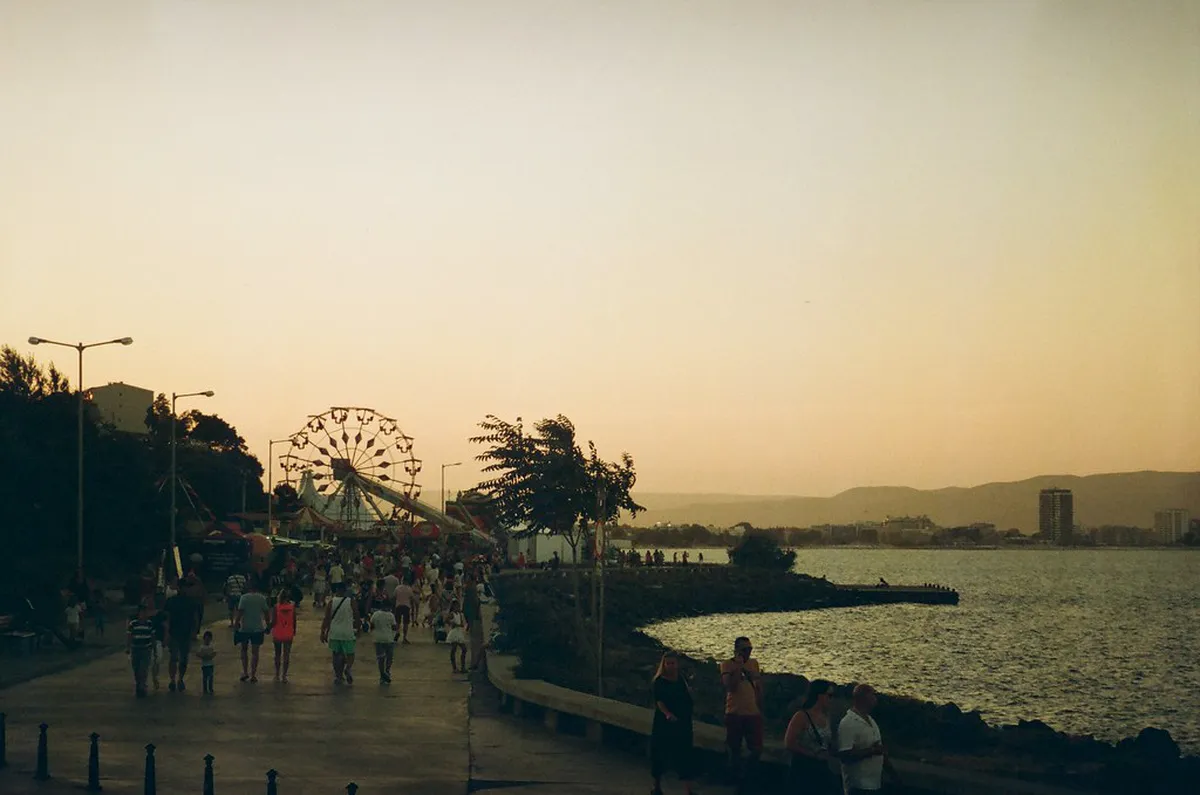
Summer temperatures typically range from 21–29°C / 70–84°F during the day. Rainfall is generally low in July and August, making it ideal for sun seekers. Sea temperatures reach a peak of 24°C / 75°F in mid-August. These conditions are perfect for the many our complete Nessebar guide by the water.
The sea breeze provides a refreshing cooling effect during the hottest afternoon hours. Data from tui.Co.uk shows that sunshine hours peak in July. Winter can see temperatures drop to 1–7°C / 34–45°F in January. Snow is rare but occasional cold winds can make the peninsula feel quite brisk.
Detailed Season Comparison and Monthly Weather
Comparing the seasons side-by-side helps you visualize the trade-offs of each travel window. High season offers the most energy but comes with much higher accommodation prices. Low season provides total solitude but limits your dining and museum options. Shoulder months strike a balance between availability and comfortable sightseeing weather.
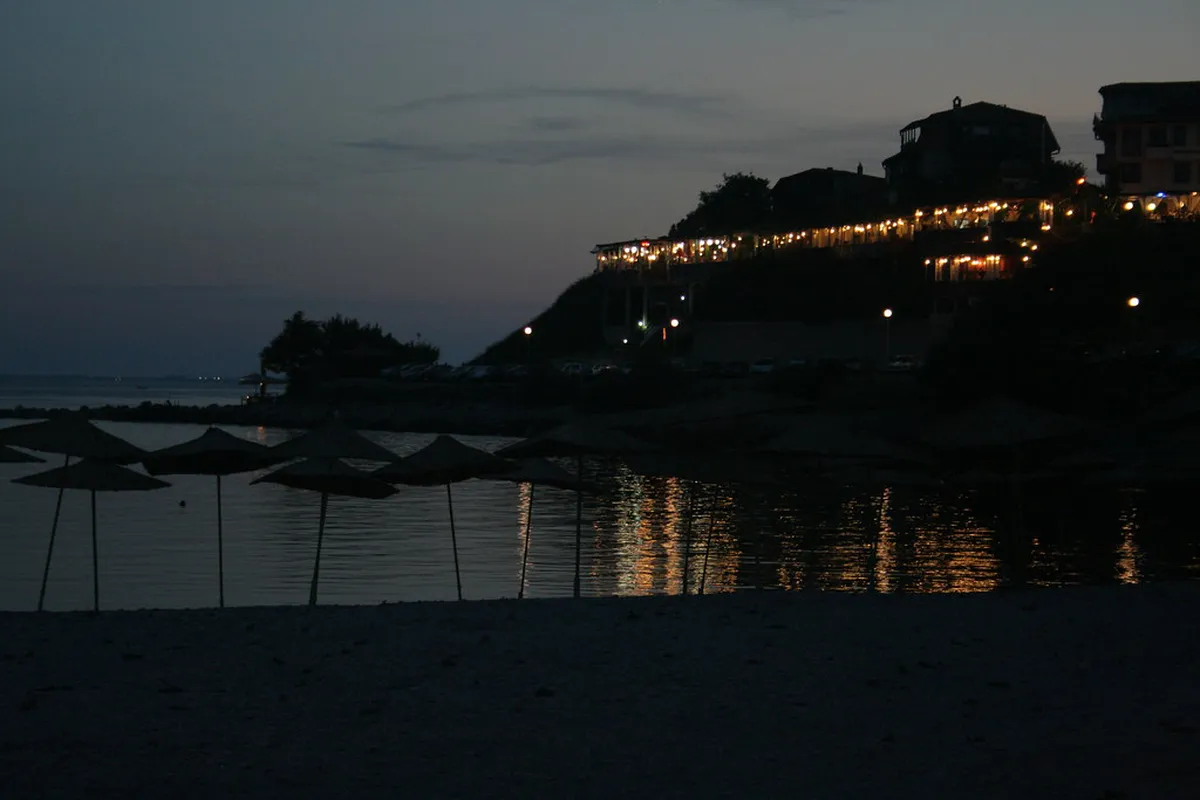
The transition from spring to summer happens quickly in late May. Autumn lingers longer, with warm sea water often lasting well into late September. Visitor numbers drop sharply as soon as the school year begins in mid-September. This shift makes the Old Town feel like a different world entirely.
| Season | Weather | Crowds | Prices | Events | Best for |
|---|---|---|---|---|---|
| Spring (Mid-April to May) | 15–20°C / 59–68°F | Low to Moderate | Low | Easter Markets | Sightseeing |
| Summer (June to August) | 25–30°C / 77–86°F | Very High | High | Day of Nessebar | Beaches |
| Fall (September to October) | 18–24°C / 64–75°F | Moderate | Medium | Wine Festivals | Photography |
| Winter (November to March) | 2–9°C / 36–48°F | Very Low | Very Low | Christmas | Solitude |
Peak Season: Summer Sun and Crowds (June–August)
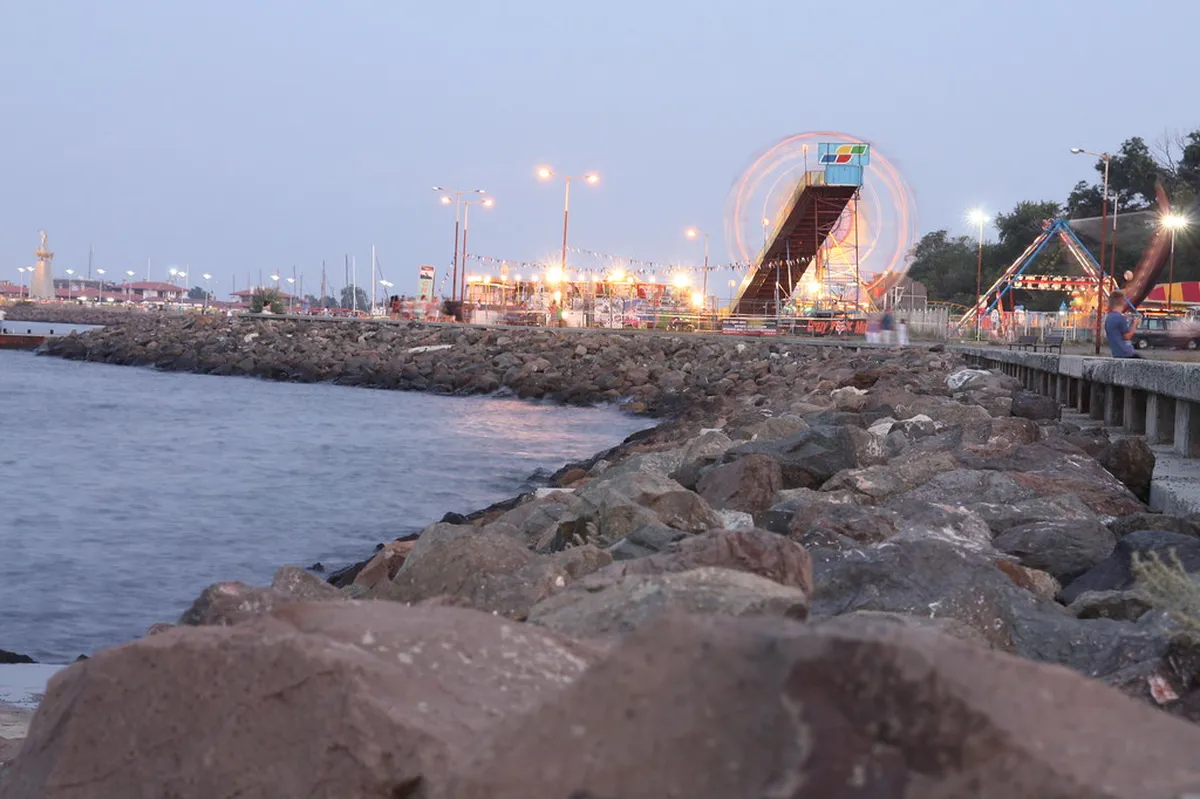
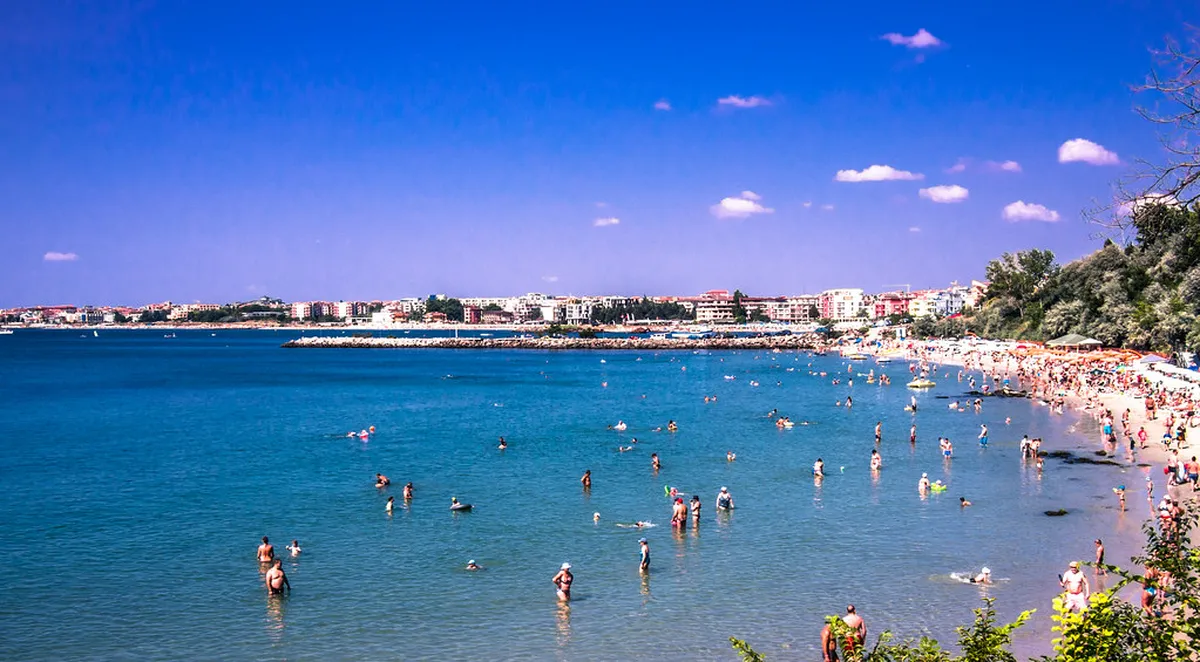
June through August represents the busiest time on the Bulgarian coast. Thousands of visitors flock to the Nessebar Beaches Guide and the nearby Sunny Beach resort. The atmosphere is vibrant, with every restaurant and shop operating at full capacity. Expect to wait for tables at the most popular seaside tavernas.
Daytime heat can be intense, especially when walking on the stone-paved streets. The 'Meltem' style northern winds can occasionally bring choppy waves in late August. Nightlife is at its peak, with beach clubs hosting international DJs nearby. This is the best time for those who love a high-energy holiday environment.
Prices for hotels are at their highest during these three months. We recommend booking your stay at least four months in advance. The Day of Nessebar on August 15 is a major local highlight. It features concerts, religious processions, and spectacular fireworks over the harbor.
Shoulder Season: Ideal for Sightseeing (May & September)
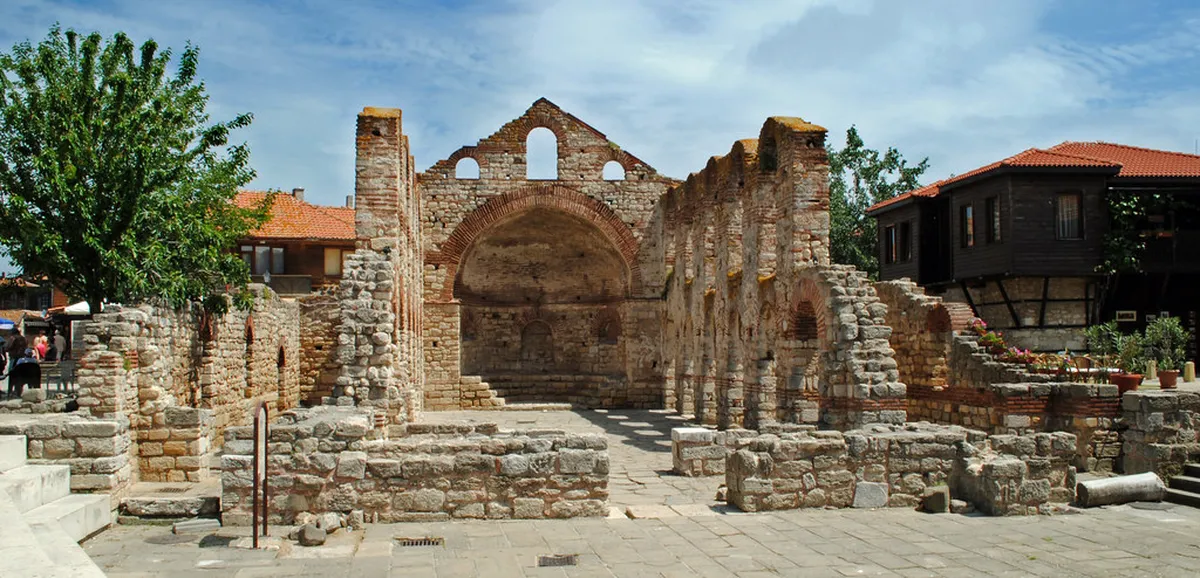
Many experienced travelers consider May and September the absolute best months to visit. Mid-May can bring sea mist over the harbor, creating atmospheric conditions among the ancient church ruins. The air is crisp, and the summer humidity has not yet arrived.
September offers the unique advantage of warm sea water for swimming. Crowds thin out significantly after the first week of the month. You can explore the the historic Old Town peninsula without jostling for space. According to Wanderlog.com, May is excellent for outdoor photography.
Accommodation rates drop by as much as thirty percent during these windows. Most seasonal businesses are still open and eager for customers. The light during the 'golden hour' is particularly beautiful for capturing the timber houses. It is a strong window for a culture- and history-focused trip.
Low Season: Quiet Coastal Winters (October–April)
The low season in Nessebar is marked by a quiet, local rhythm. From November to March, the town sheds its tourist skin completely. Many island tavernas and souvenir shops close their doors for the winter. You will mostly see local fishermen and residents going about their day.
What's Closed in Low Season is a major consideration for your planning. The fast ferry to Sozopol stops running in late September each year. Small museum annexes and several beach-facing restaurants shut down by November. Most large resorts in the New Town also close their doors.
Winter weather can be damp and gray with occasional biting winds. However, the Archaeological Museum and the main churches remain open for visitors. This is the cheapest time to visit if you don't mind the cold. It offers a rare chance to see the UNESCO site in total peace.
Pick X If: Choosing Your Ideal Travel Time
Choosing the right month depends entirely on your personal travel goals. Some people prioritize swimming, while others want to avoid the heat. Budget is often a deciding factor for families traveling during school breaks. Use these simple rules to find your perfect window.
- Pick July or August if you want
- Hot beach weather and nightlife
- Pick May or September if you want
- Quiet sightseeing and mild temperatures
- Pick June if you want
- Long days and moderate prices
- Pick October if you want
- Budget deals and autumn colors
What to Pack for Your Trip
Packing correctly for Nessebar requires preparing for both sun and stone. The Old Town is famous for its uneven, ancient cobblestone streets. Your choice of footwear will determine how much you enjoy your walks. Evening temperatures can drop quickly even during the summer months.
- Comfortable walking shoes for cobblestones
- Essential for the Old Town
- A light jacket or sweater
- For chilly Black Sea breezes
- High SPF sunscreen and hats
- The Bulgarian sun is strong
- Modest clothing for church visits
- Respectful attire for sacred sites
Is January too cold for a visit?
Many travelers ask if a winter trip to the coast is worth the effort. January is the coldest month, with averages around 3°C / 37°F. The damp air from the sea can make it feel much colder than the thermometer suggests. You will need a heavy coat and windproof layers to stay warm.
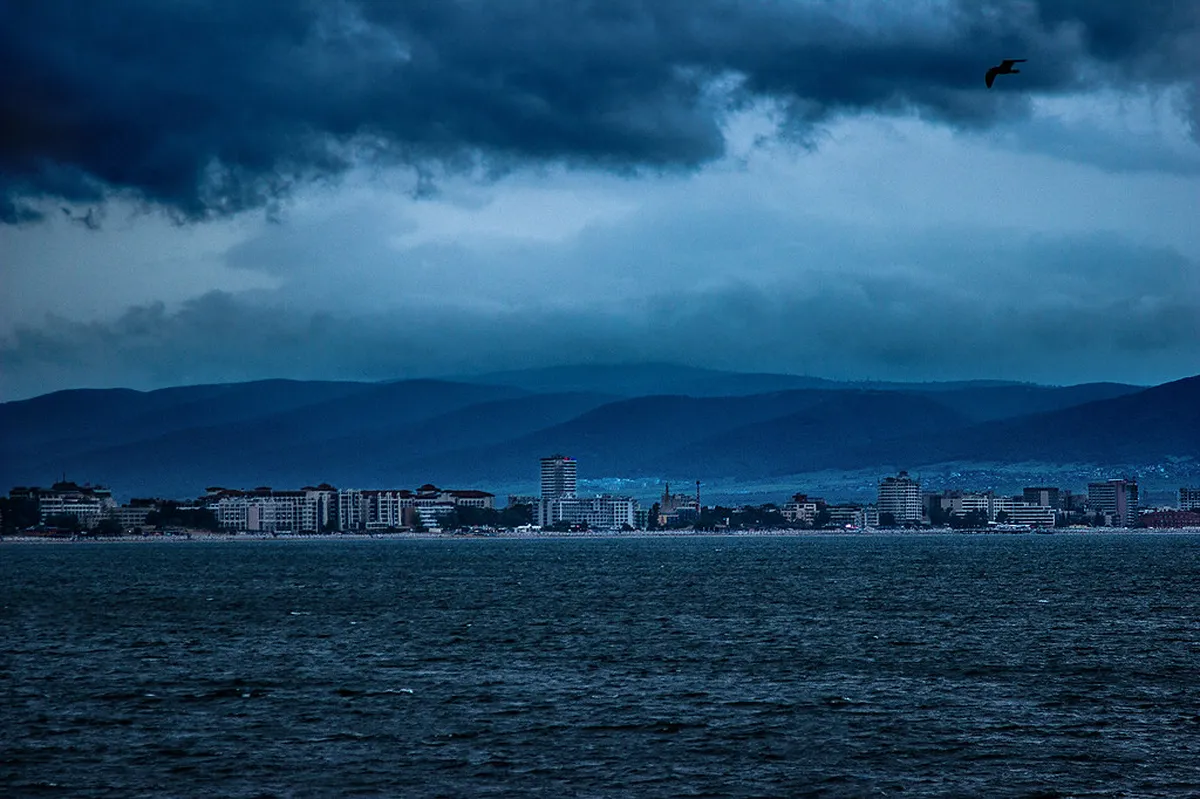
Sightseeing is possible, but the town can feel a bit ghostly. Most of the vibrant flower boxes and outdoor cafes are gone. However, the lack of people allows for incredible, unobstructed photos. It is a unique experience for those who prefer silence over sunshine.
About Old Nessebar: A UNESCO World Heritage Site
Nessebar is one of the oldest towns in Europe and a true historical treasure. It earned its UNESCO status due to its incredible density of medieval architecture. There are over forty Nessebar's Medieval Churches scattered across the small peninsula. The Church of Christ Pantocrator Visitor Guide is a stunning example of 13th-century design.
Walking through the town feels like stepping back through several centuries. You can see Thracian fortifications alongside Ottoman-era timber houses. The Archaeological Museum at the town entrance provides essential context for your visit. It is worth spending at least half a day exploring these ruins.
Finding our accommodation guide within the Old Town adds to the magic. Many historic houses have been converted into charming guest houses. Waking up to the sound of waves against the ancient walls is unforgettable. This area is the heart and soul of the Bulgarian Black Sea coast.
How to Get to Nessebar from Burgas
Getting to the peninsula is easy, especially during the warmer months. Regular buses run from the Burgas South Bus Station throughout the day. The journey takes about forty-five minutes and is very affordable. In summer, buses depart every twenty minutes to accommodate the crowds.
The frequency of the getting across to Sunny Beach shuttle also changes seasonally. During the winter, bus schedules are reduced significantly to once per hour. Taxis are always available but can be expensive if not metered correctly. Always agree on a price before starting your journey from the airport.
Continue planning: Use 12 Best Things to Do in Nessebar and 3-Day Nessebar Itinerary for First-Time Visitors to connect this guide with the rest of your Bulgaria itinerary.
Frequently Asked Questions
When is the best month to visit Nessebar for beaches?
July and August are the best months for beach weather. The sea temperature is warmest then, reaching 24°C / 75°F. However, these months are also the most crowded and expensive for travelers.
Is Nessebar worth visiting in the winter?
Nessebar is worth a winter visit only if you enjoy quiet solitude. Most tourist shops and restaurants close during this time. You will experience the town like a local without any crowds.
What are the most important churches to see in Nessebar?
The Church of Saint Sophia and the Church of Christ Pantocrator are essential stops. They showcase incredible medieval brickwork and frescoes. Most are located within easy walking distance in the Old Town.
Nessebar is a year-round destination that changes its character with the seasons. The best time to visit Nessebar depends on whether you want sun or history. Shoulder months like September offer the most balanced experience for most visitors. Regardless of when you go, the ancient charm of the peninsula will captivate you.
Plan ahead to secure the best accommodation in the historic district. Keep an eye on the weather forecast for those refreshing Black Sea breezes. Enjoy your journey through one of Bulgaria's most beautiful UNESCO World Heritage sites.