Belogradchik Rocks: Bulgaria's Sandstone Wonder
The Belogradchik Rocks Visitor Guide are one of Bulgaria's most striking natural sights, yet most foreign travellers have never heard of them. Rising from the forested foothills of the Balkan Mountains in the country's northwest, these reddish sandstone towers look as though they belong somewhere in the American Southwest — except that they are surrounded by brilliant European green. Formed roughly 230 million years ago, each cluster carries its own set of local legends and names given by generations of Bulgarians who grew up in their shadow. Whether you have one afternoon or a full weekend, this guide covers everything you need to plan a rewarding visit to the Belogradchik Rocks.
What Are the Belogradchik Rocks?
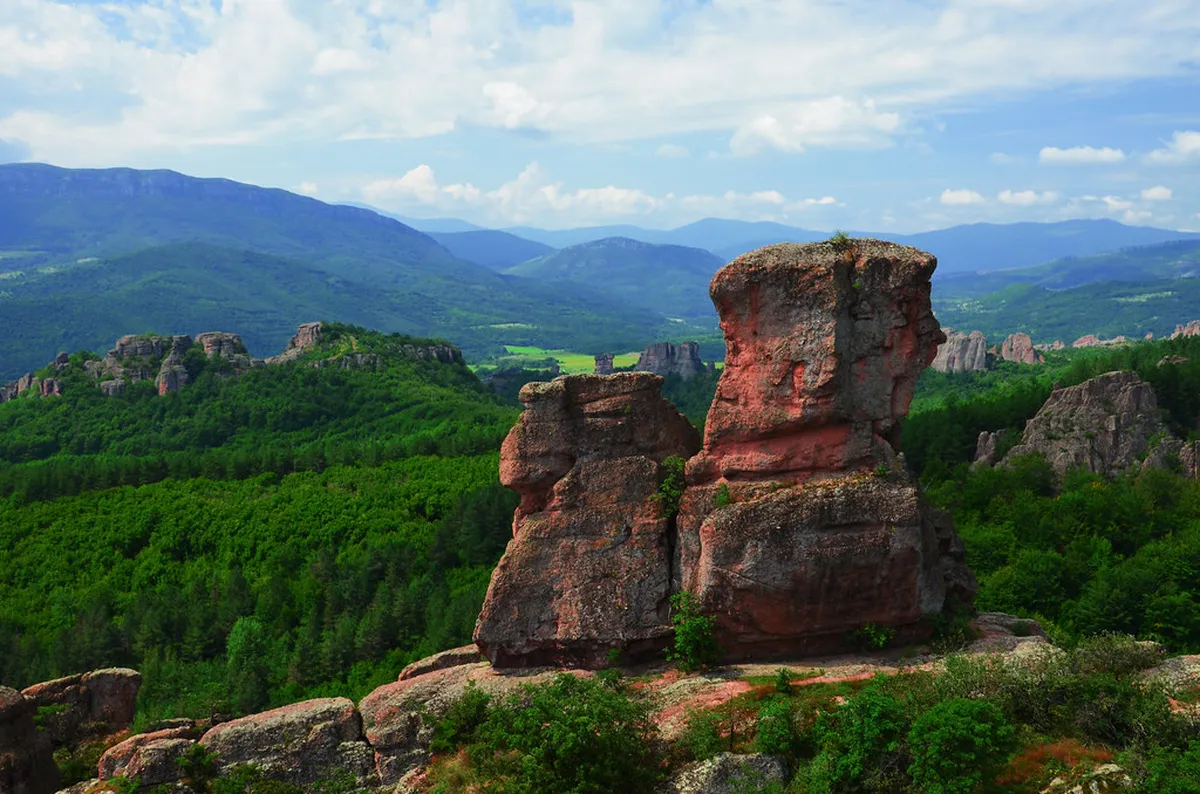
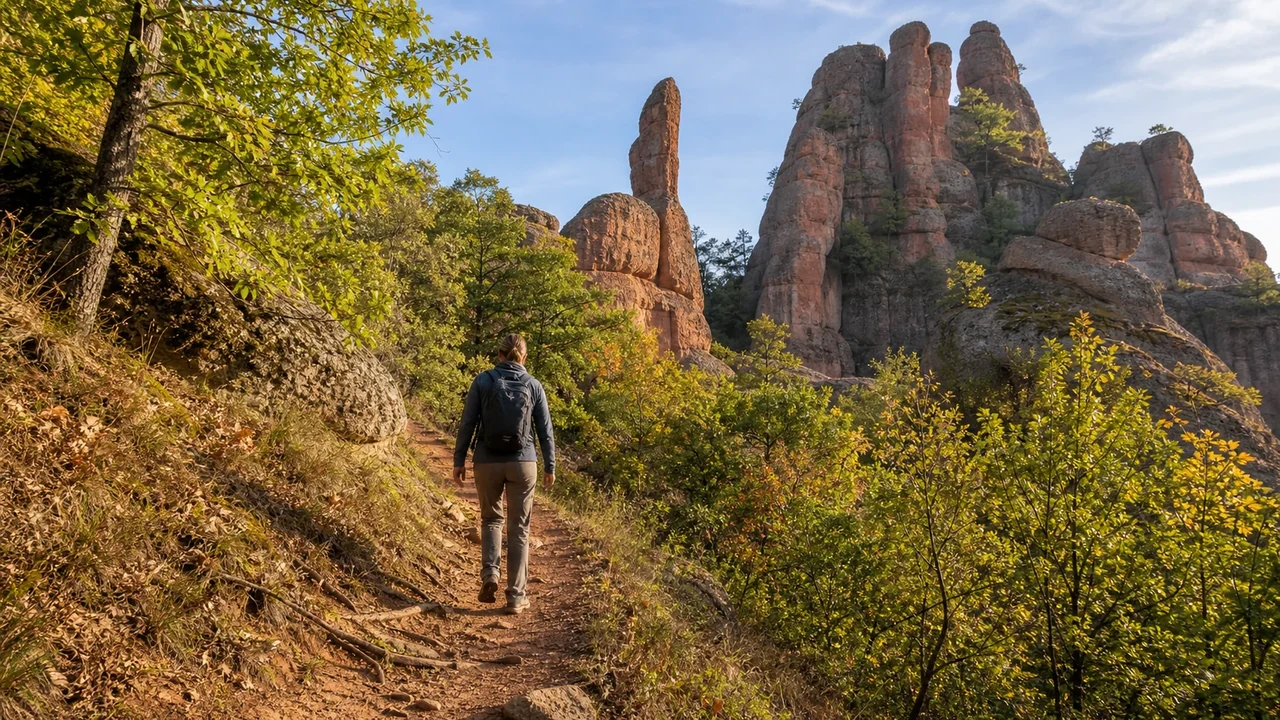
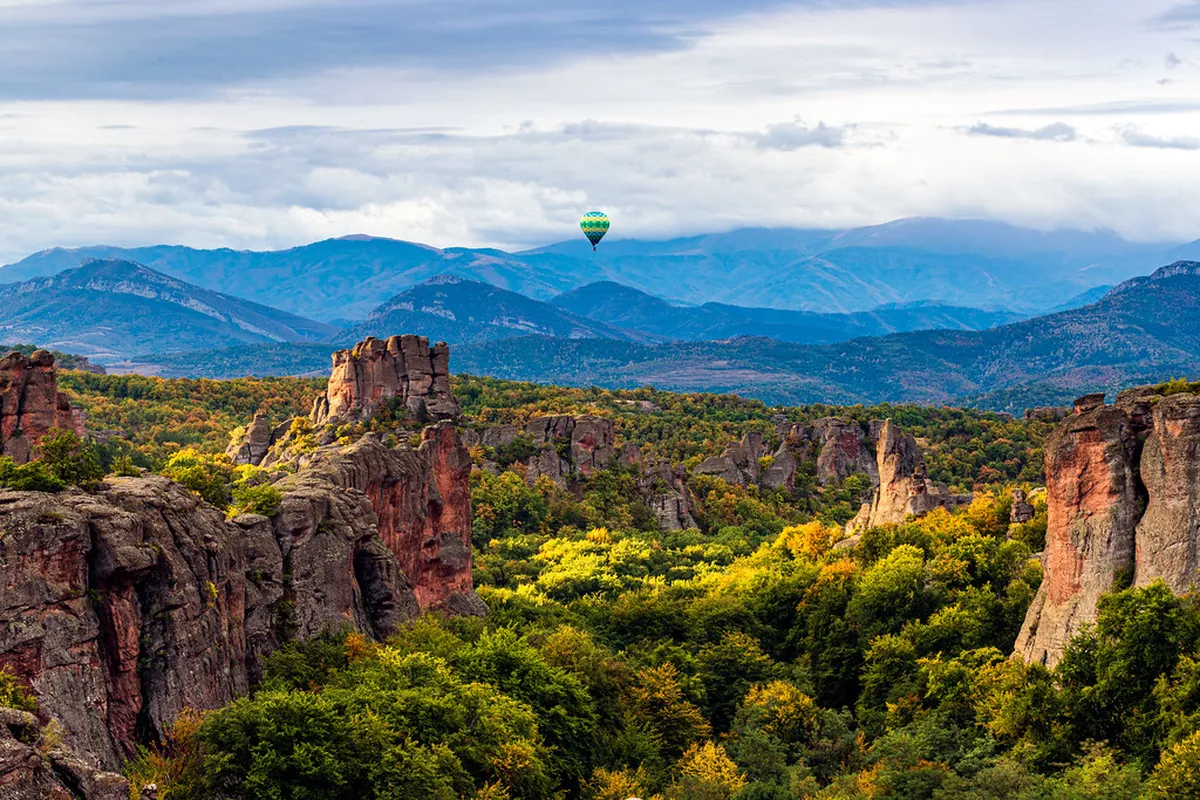
The Belogradchik Rocks are a vast field of sandstone formations that span roughly 30 km in length and up to 6–7 km in width across northwest Bulgaria. Many towers exceed 100 metres in height, and their warm reddish-brown hue comes from hematite (iron oxide) pigments locked inside the rock itself. Geologists trace their origins to sediment deposits laid down around 230 million years ago, later shaped by millions of years of erosion into the sculpted pillars visible today. For the geological background and visiting context, see the Belogradchik Rocks overview and the Belogradchik travel guide.
The formations are divided into three main groups spread around the town of Belogradchik. The first and most visited group sits immediately beside the town and is where the fortress is built. A second cluster lies to the west, while the third group — roughly 4 km to the east — includes the cliffs near the Latin Gate and the Lipenik Cave. Each group has its own character, and exploring more than one rewards visitors willing to drive a few extra kilometres.
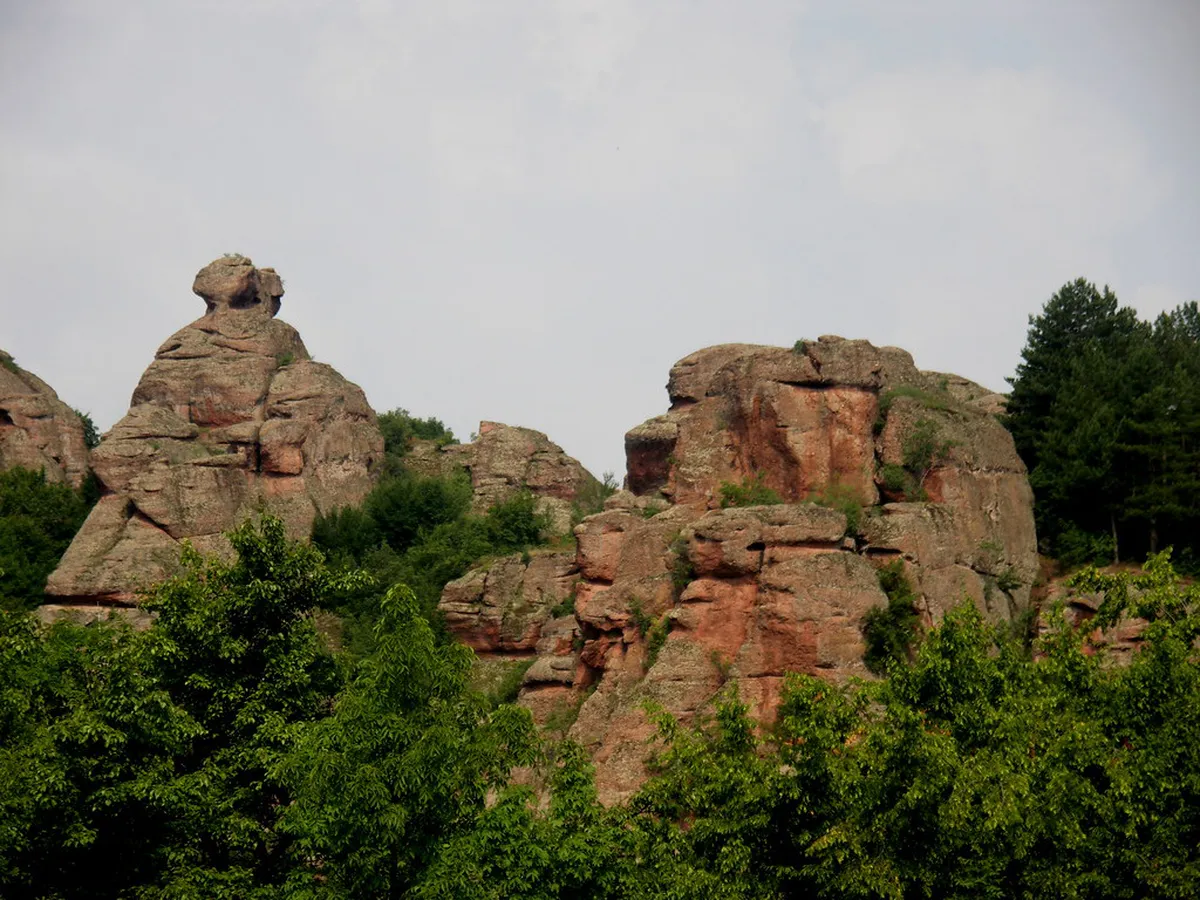
Local people have long assigned names and stories to individual rock shapes — figures that look like a Madonna, a monk, a schoolgirl, or a bear. These named formations give the rocks a storytelling quality that satellite images alone cannot convey. Hiring a local guide unlocks this layer of legend and helps you find paths through the formations that are easy to miss on your own. One well-regarded guide in the area is Kiril Kirilov (known as Kikovski), who knows the surrounding terrain in every season.
Belogradchik Fortress: History Inside the Rocks
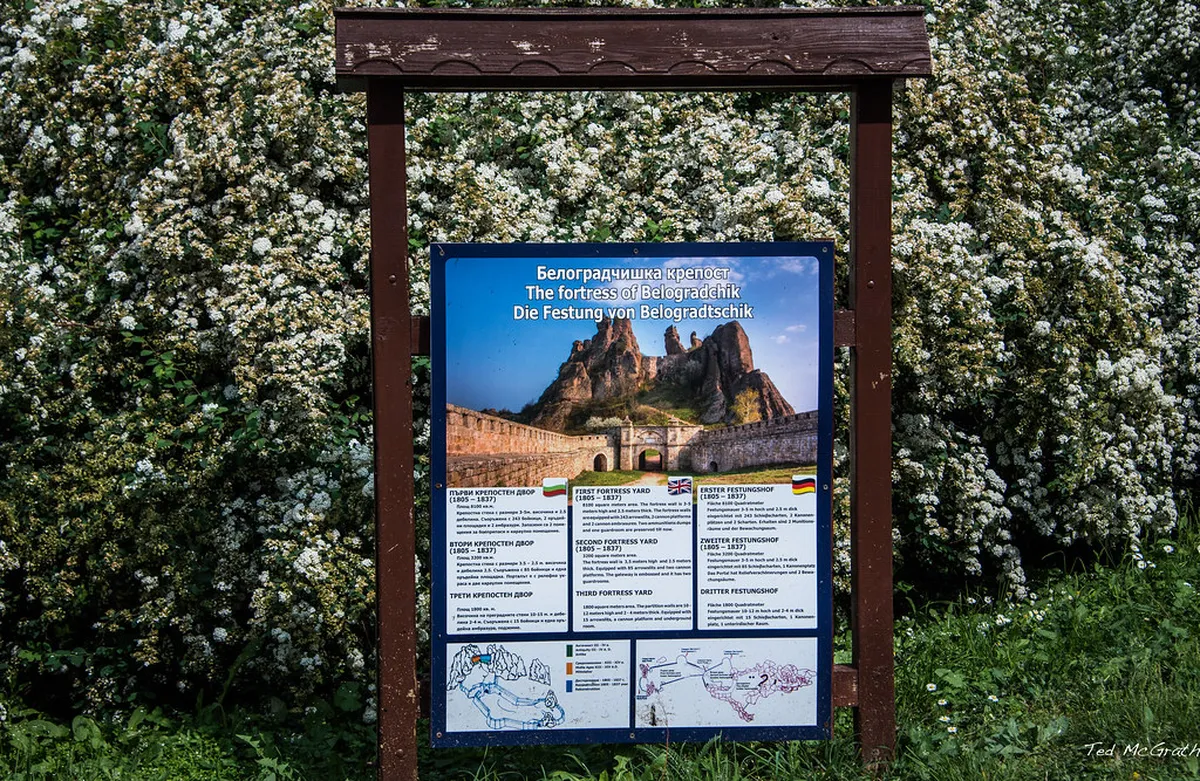
The Belogradchik Fortress (Kaleto) is built directly into the rock formations, using the towering sandstone walls as natural defences on most sides. The Romans established the original fortification here, needing to add man-made walls only on the northwestern and southeastern approaches where the rocks provided no natural barrier. Archaeologists excavating the site have recovered ceramics, iron arrowheads, pike tips, and coins from several Roman emperors.
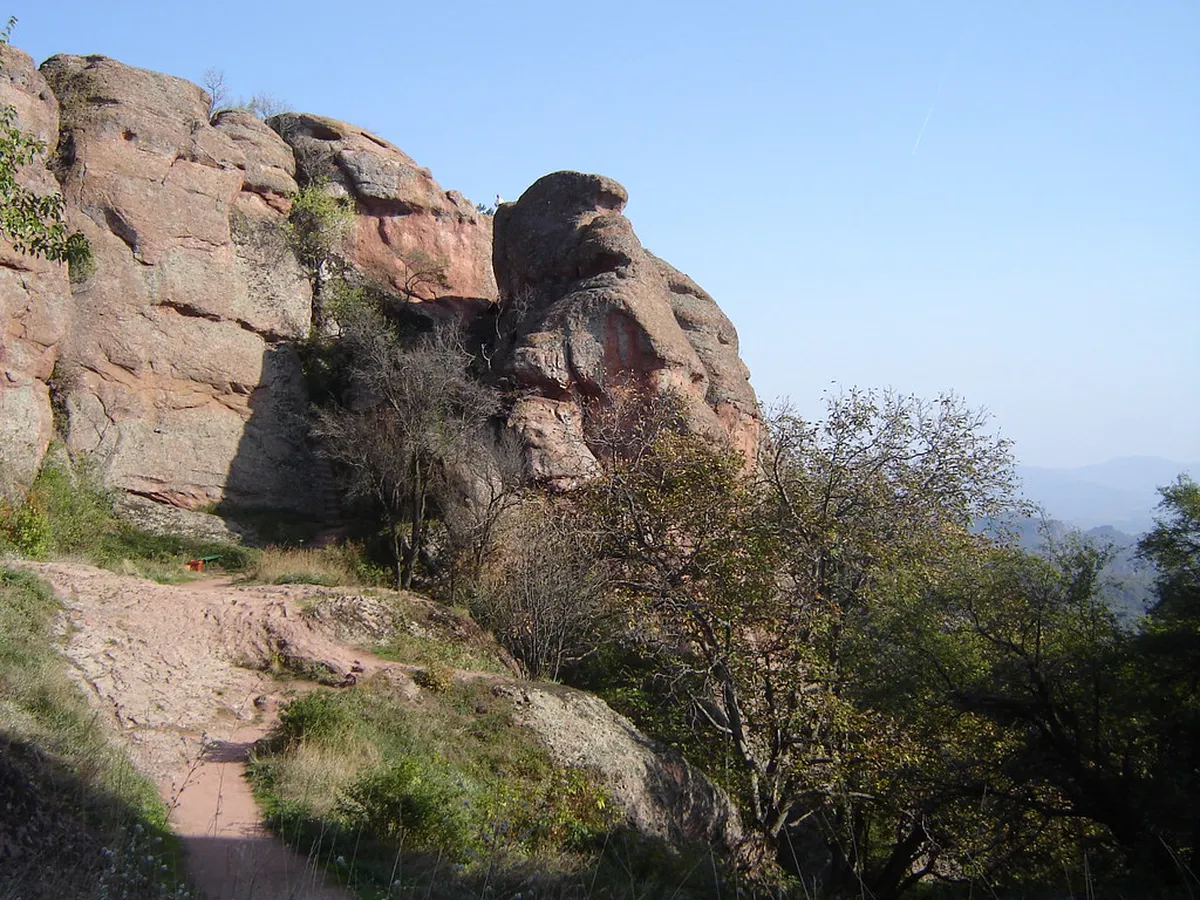
In the 14th century, the Vidin ruler Ivan Sratsimir strengthened the fortress considerably, adding two partition walls, hanging rope bridges, and stone staircases cut into the rock. The Ottomans later took control and carried out the most ambitious reconstruction in the 19th century, bringing in French and Italian engineers to transform the site into a fully equipped defensive facility. They built three courtyards with separate gates, cannon platforms, food and water warehouses, residential buildings, and workshops.
The fortress saw active military use for the last time during the Serbo-Bulgarian War of 1885, when Serbian forces were repelled before its walls. Today visitors can walk through those same three courtyards and climb to elevated viewpoints that frame the surrounding rock landscape. The climb from the car park to the highest point takes no more than 15 minutes and is manageable for most fitness levels, though the stairs are steep in places. Plan at least 90 minutes here to explore properly and absorb the scale of what surrounds you.
Best Times to Visit: Sunrise, Sunset, and Seasons
Timing your visit to the Belogradchik Rocks pays off more here than at most Bulgarian destinations because the reddish sandstone changes dramatically in different light. At sunrise, the cliffs glow a deep amber before the valley below has fully lit up — the small lay-by just before entering Belogradchik from the east offers a wide panorama that catches this early light well. Reaching it requires a roughly 20-minute drive from town, so set your alarm and leave enough margin.
Sunset is equally rewarding and slightly easier to plan around, since you can scope out a good rock perch during the day and return in the afternoon. One popular viewpoint is reached by a short hike from a lay-by near the ruins of a former restaurant on the outskirts of town — look for a path leading up to a flat-topped rock with unobstructed views. The only sounds up there at golden hour tend to be birdsong, which is reason enough to make the effort.
For the widest choice of colours, autumn is the most photogenic season: the warm rock tones contrast beautifully with the amber and red of the surrounding forest trees. Spring brings wildflowers to the lower slopes and comfortable walking temperatures, making it ideal for longer trails. Summer draws more visitors, and the midday heat can make exposed climbs uncomfortable, so aim for morning or late afternoon sessions during July and August. Winter is quiet and can offer dramatic frost and mist effects, but check road conditions through the Petrohan Pass before travelling.
How to Get to Belogradchik from Sofia
Belogradchik sits roughly 190 km northwest of Sofia, and the fastest way to arrive is by car via the Petrohan Pass — a scenic mountain road that keeps the journey to around 3 hours in normal conditions. An alternative route runs through the Hemus Highway toward Vratsa and then Montana; it is longer in distance but takes a similar amount of time and has better road surfaces throughout. Car travellers get the most flexibility, especially if they want to reach sunrise viewpoints before public transport runs.
Public transport is possible but requires planning ahead. A single daily bus departs Sofia's Central Bus Station at 16:30 and arrives in Belogradchik in the evening — this works well if you plan to stay overnight. For those who prefer trains, the nearest station is Oreshets, from which a taxi or pre-arranged hotel transfer covers the remaining distance into town. Verify current schedules on the day of travel, as service frequency on rural Bulgarian routes can change seasonally.
A private transfer from Sofia is the most comfortable option if you are travelling in a group or with luggage, and costs are reasonable when split between several people. Whichever route you choose, the full guide to travelling from Sofia to Belogradchik has current transport details and booking tips to simplify the journey.
- By car via Petrohan Pass
- Travel time is around 3 hours from Sofia under normal conditions.
- The pass road is scenic but winding, so allow extra time in wet or winter weather.
- This route gives the most flexibility for sunrise or sunset visits.
- By public bus from Sofia
- One daily departure leaves Central Bus Station Sofia at 16:30.
- Plan an overnight stay in Belogradchik to make this option worthwhile.
- Verify the timetable at the bus station before travelling, as schedules can change.
- By train to Oreshets then taxi
- The closest rail stop is Oreshets station, not Belogradchik itself.
- A taxi or hotel transfer covers the last stretch into town.
- Best for travellers who prefer rail but can arrange onward ground transport.
- By private transfer
- Door-to-door comfort with no schedule constraints or connection stress.
- Cost is manageable when split across two or more passengers.
- Best option for groups, families, or early morning arrivals at viewpoints.
What Else to See Near Belogradchik
The Belogradchik area rewards visitors who stay at least one full day rather than rushing back to Sofia after the fortress. Around 20 km east of town, Magura Cave is one of the largest and most visited caves in Bulgaria, and its interior walls carry prehistoric rock paintings dating back thousands of years. The complete Magura Cave guide covers opening hours, entry fees, and the best way to combine a cave visit with the rocks in a single day.
Closer to town, the Lipenik Cave and the Latin Gate rock group form the eastern cluster of the Belogradchik formations and see far fewer visitors than the main fortress area. These spots feel quieter and allow for more reflective exploration on foot. A local guide proves especially useful here, as the paths between the eastern rock groups are not always signed clearly.
The village of Varbovo, about 20 minutes by car from Belogradchik, serves as a peaceful base for those who prefer the countryside over staying in town. Guest houses in and around the village are small, family-run, and often cheaper than town-centre options. The surrounding farmland and forest trails give the area a character that complements the drama of the rock formations themselves.
Where to Eat and Stay Near Belogradchik
Dining options in Belogradchik are modest but satisfying. Restaurant Pri Ivan is the most consistently recommended local spot, serving traditional Bulgarian dishes at straightforward prices — think grilled meats, shopska salad, and locally made wine. The town also has a few small cafes near the fortress entrance where you can grab coffee and light snacks after the climb.
Accommodation choices split between staying in town and choosing a rural guest house a short drive away. In town, small family hotels and guesthouses offer comfortable rooms and usually include breakfast. For a more immersive countryside experience, the Torlashka Shreshta guest house near Varbovo village and the Eco Village The Clay Houses are two well-regarded rural options, each offering quiet surroundings and direct access to the natural landscape. Booking ahead is advisable even in low season, as rural properties have limited room counts.
Visitors spending the night benefit enormously from choosing accommodation within 20 minutes of the rocks, as it allows a sunrise run before the day-trippers arrive and a sunset climb after they have left. Check the full guide to where to stay in Belogradchik for up-to-date options and current rates. Most guest houses can also arrange packed lunches or point you to local guides — just ask when booking.
Continue planning: Use 10 Best Things To Do in Belogradchik and Belogradchik Fortress Kaleto Travel Guide to connect this guide with the rest of your Bulgaria itinerary.
Frequently Asked Questions
What are the Belogradchik Rocks?
The Belogradchik Rocks are a vast field of sandstone rock formations in northwest Bulgaria, stretching approximately 30 km long and up to 7 km wide. Shaped by erosion over roughly 230 million years, the towers reach more than 100 metres in height and are grouped into three main clusters around the town of Belogradchik. Their reddish colour comes from iron oxide (hematite) in the rock.
How old are the Belogradchik Rocks?
The Belogradchik Rocks began forming approximately 230 million years ago from sediment deposits laid down during the Triassic period. Millions of years of wind and water erosion gradually carved the sandstone into the dramatic towers and pillars seen today. The iron-rich hematite content responsible for their reddish colour is a remnant of those ancient geological conditions.
Can you hike around Belogradchik Fortress?
Yes, visitors can walk through all three fortress courtyards and climb to elevated viewpoints above the main walls. The hike from the car park to the highest accessible point takes roughly 15 minutes and involves steep stone stairs in places. The path is manageable for most fitness levels; for trails between the wider rock formations, hiring a local Belogradchik guide is recommended.
What is the history of Belogradchik Fortress?
Belogradchik Fortress was first established by the Romans, who used the natural rock walls on most sides and added man-made defences only where the rocks left gaps. The 14th-century Vidin ruler Ivan Sratsimir extended the fortifications with rope bridges and stone staircases. The Ottomans rebuilt it extensively in the 19th century with the help of French and Italian engineers, and it saw its last military use in 1885.
How far is Belogradchik from Sofia?
Belogradchik is roughly 190 km from Sofia, about a 3-hour drive via the Petrohan Pass route. A single daily bus departs Sofia's Central Bus Station at 16:30 for those without a car. Train travellers can reach Oreshets station and then take a taxi for the final stretch into Belogradchik.
The Belogradchik Rocks offer a rare combination of geological drama, layered history, and genuine remoteness that very few destinations in Bulgaria — or Europe — can match. Pairing the fortress with a sunrise or sunset viewpoint, a trip to Magura Cave, and a night in a village guest house turns a quick day trip into a properly rewarding experience. The journey from Sofia is straightforward by car and well worth the three-hour drive for anyone who has grown used to Bulgaria's coastal and mountain resort crowds. Plan at least one overnight stay so you can catch the rocks at both golden-hour extremes — it is the detail that separates a good visit from a memorable one.