Your Complete Guide to Magura Cave, Bulgaria
Magura Cave Visitor Guide sits about 17 km northwest of Belogradchik, tucked inside a limestone ridge called the Rabisha burial mound at 461 meters above sea level. Inside, visitors find one of Bulgaria's most extraordinary underground worlds: vast halls, massive geological formations, and more than 750 prehistoric paintings that date back thousands of years. Unlike many European cave sites where paintings are seen only through glass barriers, Magura lets you walk through the actual galleries where ancient people created their art. Combining the cave with nearby Rabisha Lake and Belogradchik's top attractions makes for a genuinely rewarding day in northwestern Bulgaria.
The cave stretches approximately 2,500 meters in total length, branching from a main gallery into three side passages. Its interior holds a constant temperature of 12 degrees Celsius year-round, which once drew prehistoric communities seeking shelter and still makes it feel dramatically different from the summer heat outside. That same stable climate is now used to mature Magura sparkling wine, a local specialty you can sample and buy at the site.
Must-See Highlights Inside Magura Cave
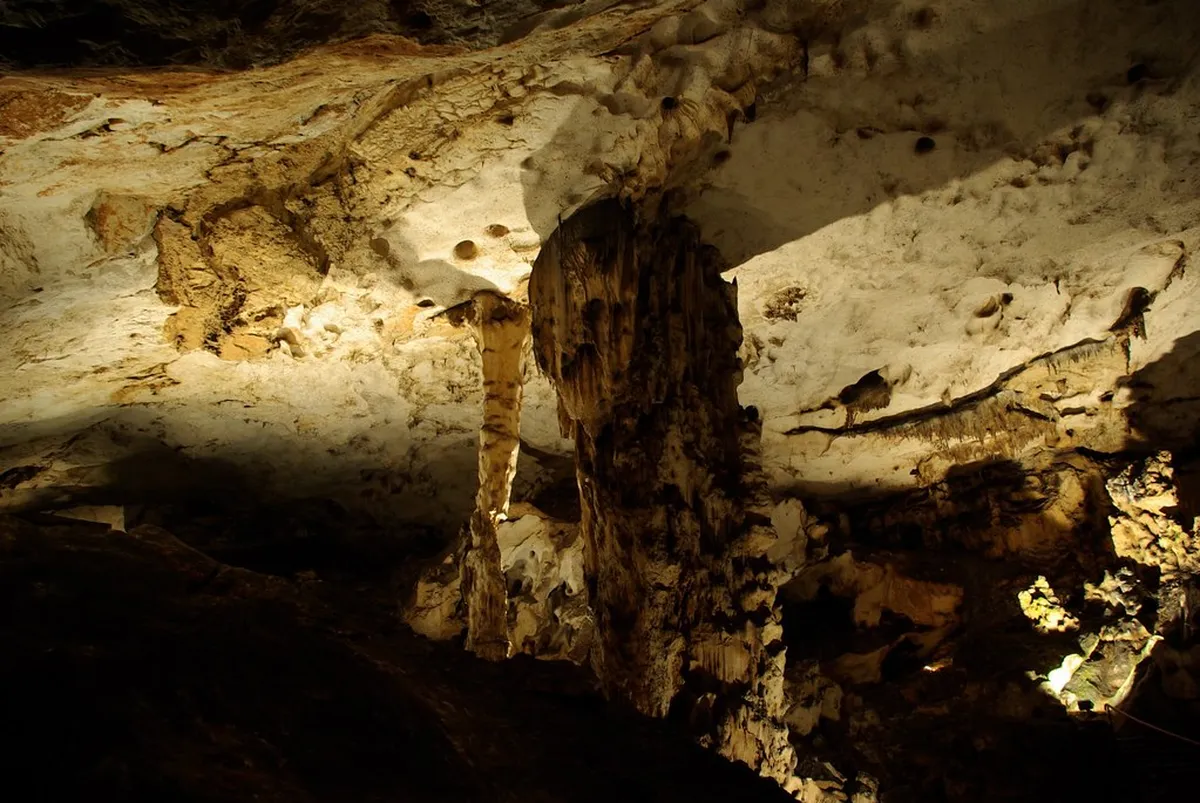
The first thing that strikes most visitors is the sheer scale of the Triumph Hall, also known as the Arch Hall, at the cave entrance. This opening chamber runs over 100 meters long, reaches up to 58 meters wide, and rises to 28 meters high — dimensions closer to a cathedral than a cave corridor. Standing inside it resets your expectations before you have even reached the main galleries.
Two geological formations in particular draw attention from guides and photographers alike. The Giant Column rises more than 20 meters from a 4-meter base, formed where a stalactite and stalagmite fused over millennia. The Fallen Pine is one of the largest stalagmites ever recorded in Bulgaria, measuring over 11 meters in length with a base diameter of 6 meters.
Beyond these landmarks, the cave contains an unusually rich variety of formations: stalactites, cave pearls, sinter lakes, and flows of cave milk — a pale mineral deposit that coats parts of the walls. Guided tours typically last 40 to 60 minutes and cover the main gallery and the sanctuary hall where the paintings are concentrated. Photography is permitted throughout the cave, which is rare at sites of this archaeological importance.
One section of the cave is dedicated to wine production rather than tourist access. The cool, humid air inside several side galleries is used by a local winery to mature sparkling wine using a method similar to the traditional French champagne process. Visitors can taste and purchase bottles near the cave exit, making for an unusual souvenir that carries a genuine story.
- Triumph Hall (also called Arch Hall)
- This vast entrance chamber runs over 100 meters long and rises 28 meters high, providing a dramatic first impression of the cave's scale.
- It sets the tone for the galleries and halls deeper inside the cave system.
- Giant Column formation
- This fused stalactite and stalagmite stands over 20 meters tall on a base measuring 4 meters across, making it one of Bulgaria's most photogenic cave features.
- Guides regularly point it out as a focal stop during the standard tour route.
- The Fallen Pine stalagmite
- Stretching over 11 meters in length with a 6-meter base diameter, this formation ranks among the largest stalagmites found in any Bulgarian cave.
- Its unusual horizontal aspect gives it a sculptural quality distinct from typical upright cave columns.
- Magura sparkling wine cellar
- Local winemakers mature sparkling wine in the cave's side galleries, exploiting the constant 12-degree temperature and high humidity to replicate champagne-style conditions.
- Bottles are available for purchase near the exit and make for a distinctive gift from this region.
Cave Paintings: Art, History, and Significance
The Sanctuary Gallery is the heart of the Magura Cave experience for anyone interested in prehistory. More than 750 individual images cover its walls, all executed in bat guano — a pigment that has proved remarkably durable over thousands of years. The paintings depict hunting scenes, people wearing masks, dancing figures, animals including deer and wild boar, tools, plants, and astronomical symbols.
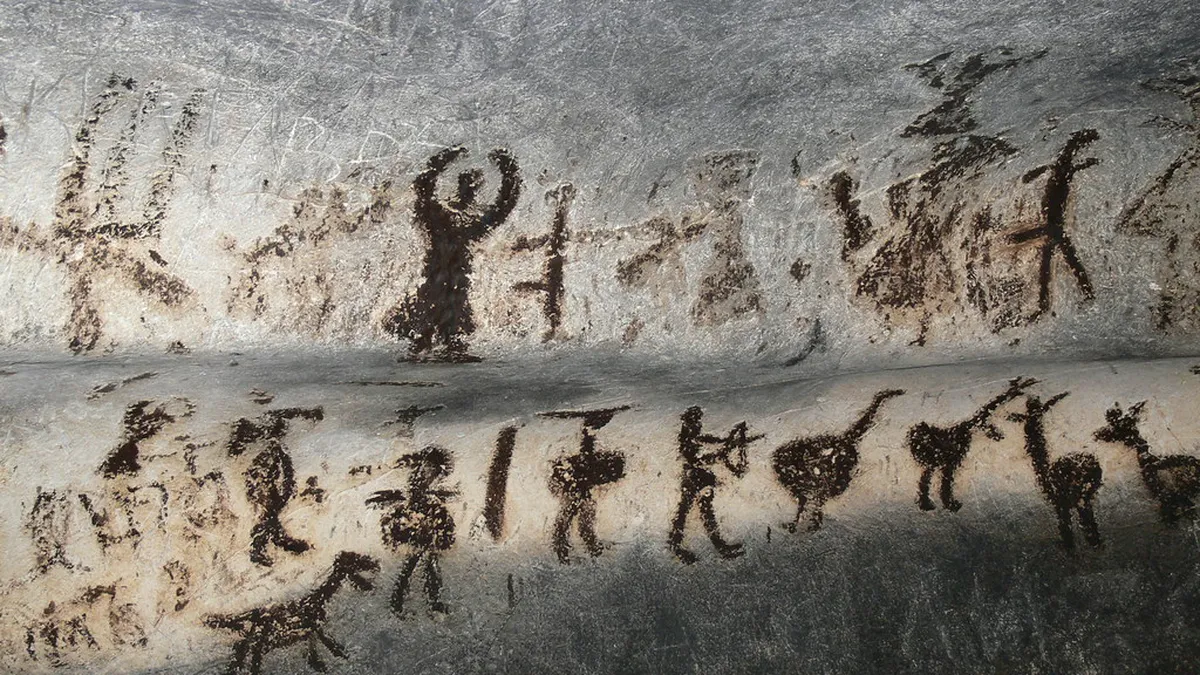
Dating the images is complicated by the fact that different layers span multiple eras, from the early Paleolithic through the Neolithic and into the early Bronze Age. Researchers studying Magura Cave paintings and Bulgarian rock art have identified distinct stylistic phases within the collection, suggesting generations of artists returned to the same site over thousands of years. That continuity is part of what makes Magura unusual: it was not a single-use site but a place with long cultural memory.
The most discussed element in the collection is a solar calendar painted on the sanctuary wall. It depicts 366 days and marks five festivals, which archaeologists interpret as evidence of sophisticated astronomical observation during the late Neolithic. Scholars working with the solar-lunar calendar of Magura Cave suggest this may be among the earliest such calendars discovered in Europe.
Bulgaria submitted Magura Cave to UNESCO's Tentative World Heritage List as the Magoura Cave with Bronze Age drawings, and the site is often compared to Lascaux in France and Altamira in Spain for its cultural weight. Unlike those more famous sites, Magura is still fully accessible to the public without timed-entry booking systems or advance reservations. That open access makes it worth visiting before any future restrictions are introduced.
Rabisha Lake and Outdoor Spots Nearby
A visit to Magura Cave pairs naturally with Rabisha Lake, which lies just a short walk from the cave entrance. The lake is the largest natural inland lake in Bulgaria, reaching depths of 35 to 40 meters and formed through tectonic activity rather than river damming. Its setting — a broad, calm expanse of water surrounded by limestone hills — feels strikingly different from the cave environment and gives the day a sense of variety.
Windsurfing, swimming, fishing, and hiking around the lake shore are all practical options, particularly from late spring through early autumn. Birdwatchers find the area rewarding as well, since the lake attracts a range of wetland species not commonly seen inland at this altitude. There is no entry fee to access the lake itself, so it adds genuine value to the trip without any additional cost.
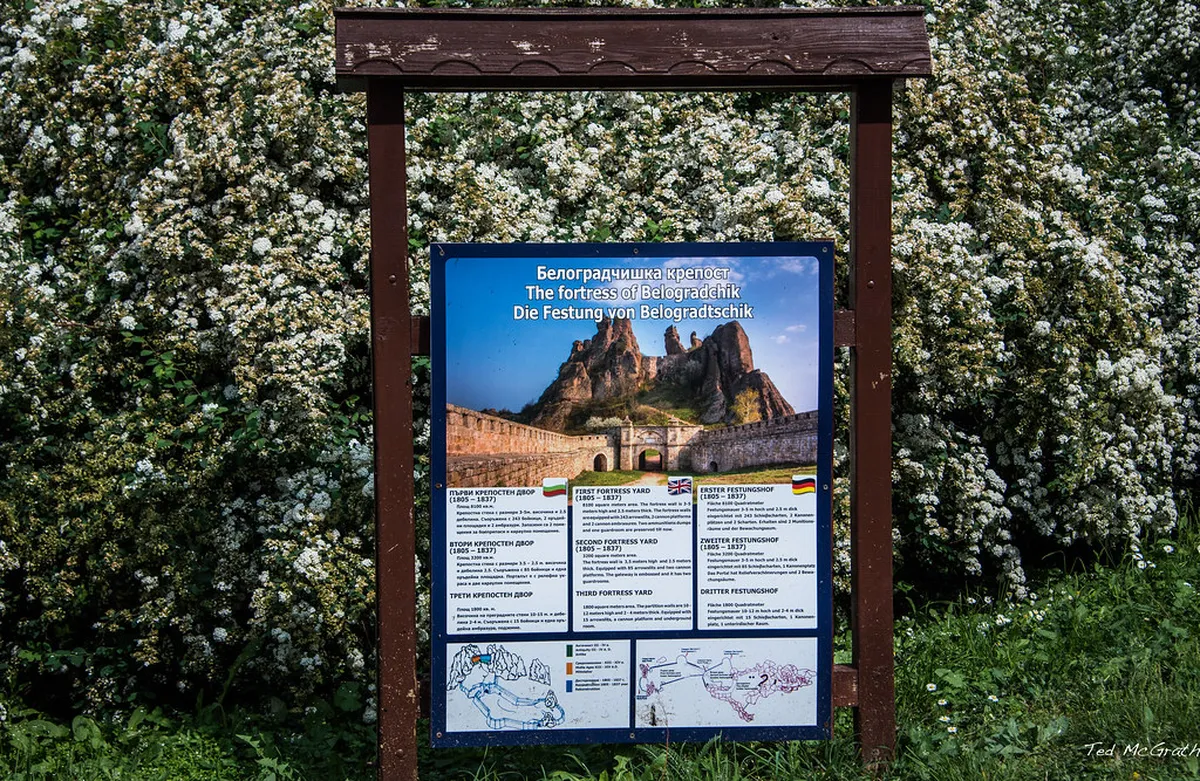
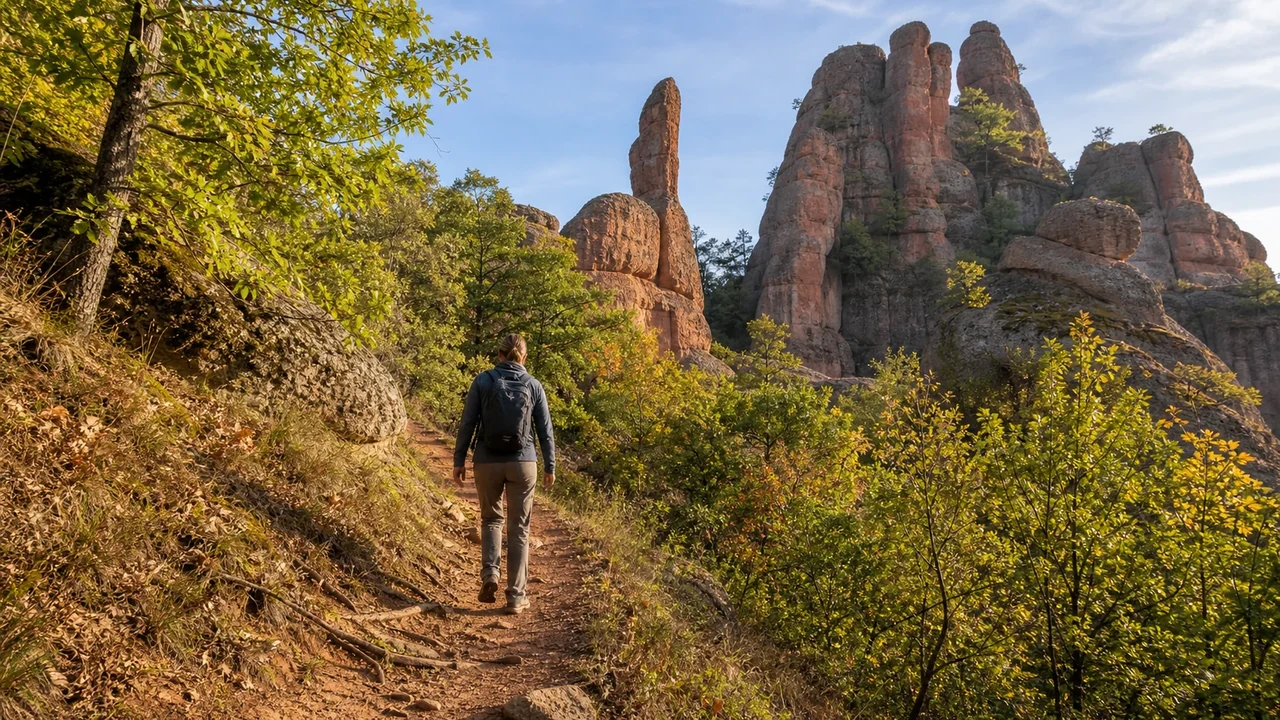
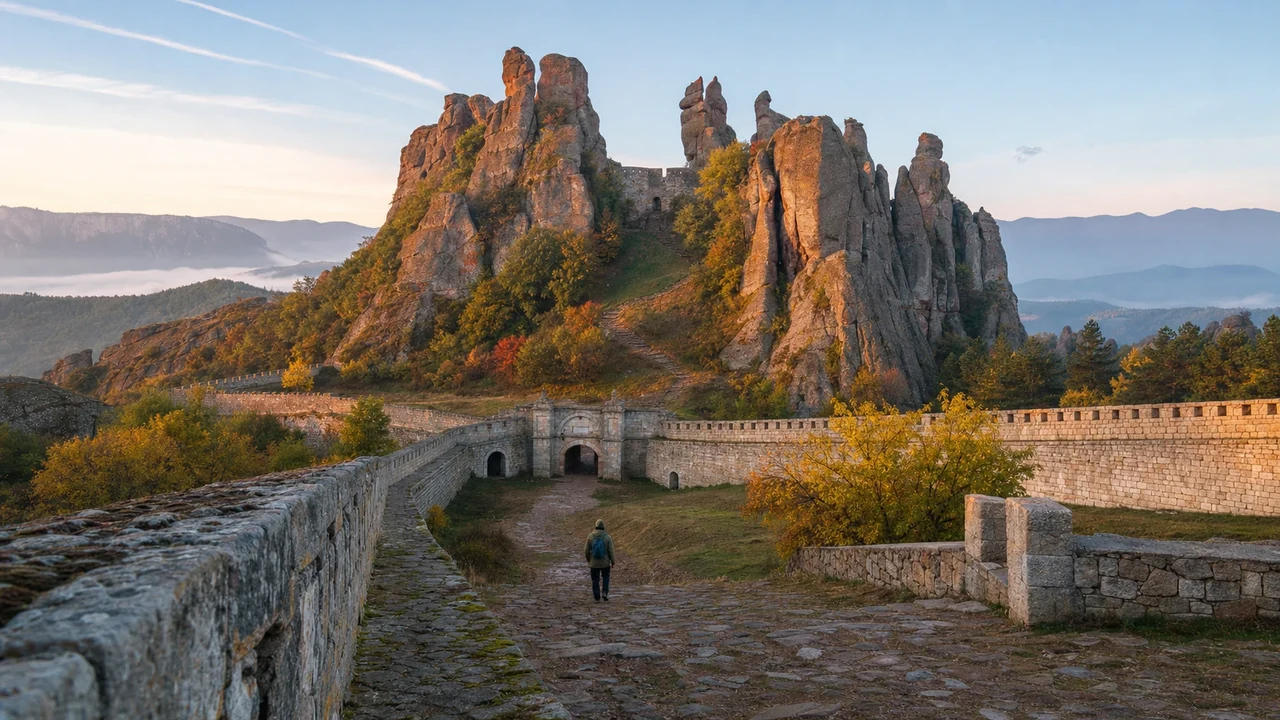
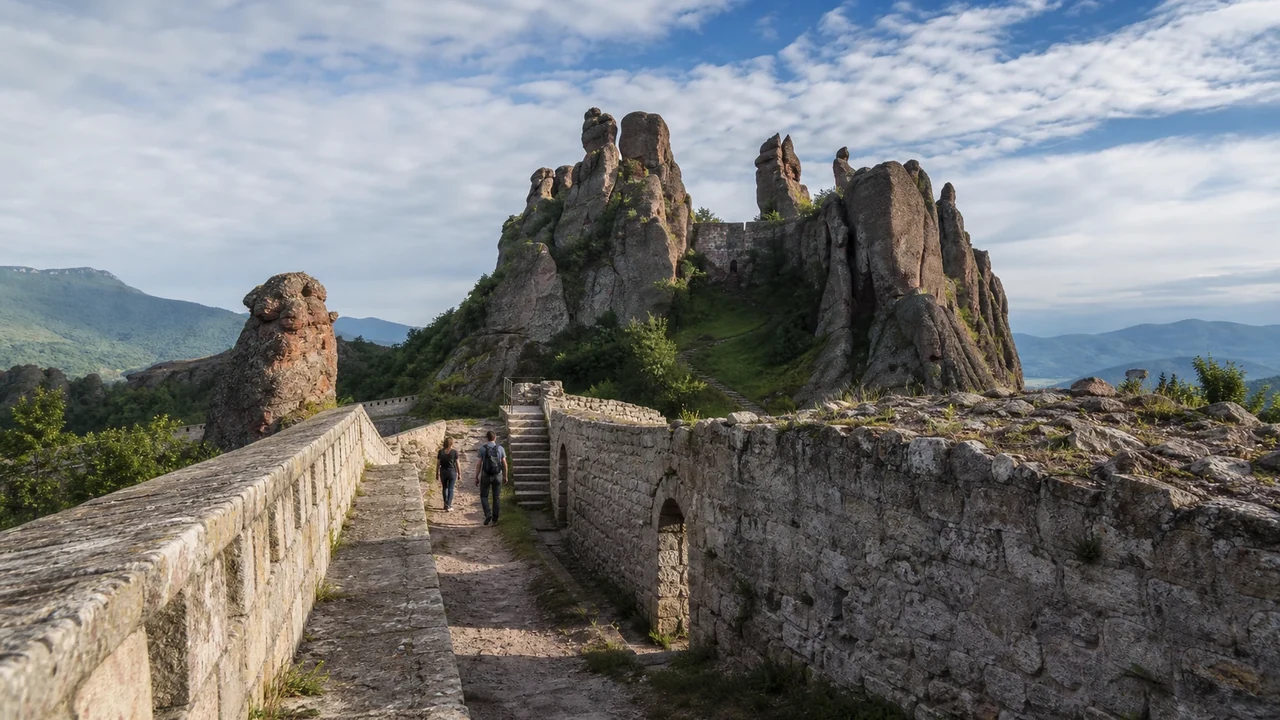
For travelers based in Belogradchik, pairing the cave with a stop at the famous Belogradchik Rocks creates a full-day itinerary that covers both geological and prehistoric highlights. The rocks and the cave are both within 20 km of Belogradchik town, making them a logical pair on the same route. Most visitors who do both agree that the contrasting scales — vertical rock pillars versus underground chambers — complement each other well.
Family and Budget Tips for Visiting Magura
Magura Cave works well for families with children old enough to walk a moderate underground route without difficulty. The paths inside are well-maintained and lit, though uneven rock surfaces mean open-toe shoes are genuinely inappropriate. Wear closed shoes and bring a light jacket or layer, since 12 degrees feels noticeably cold after time spent outdoors in a Bulgarian summer.
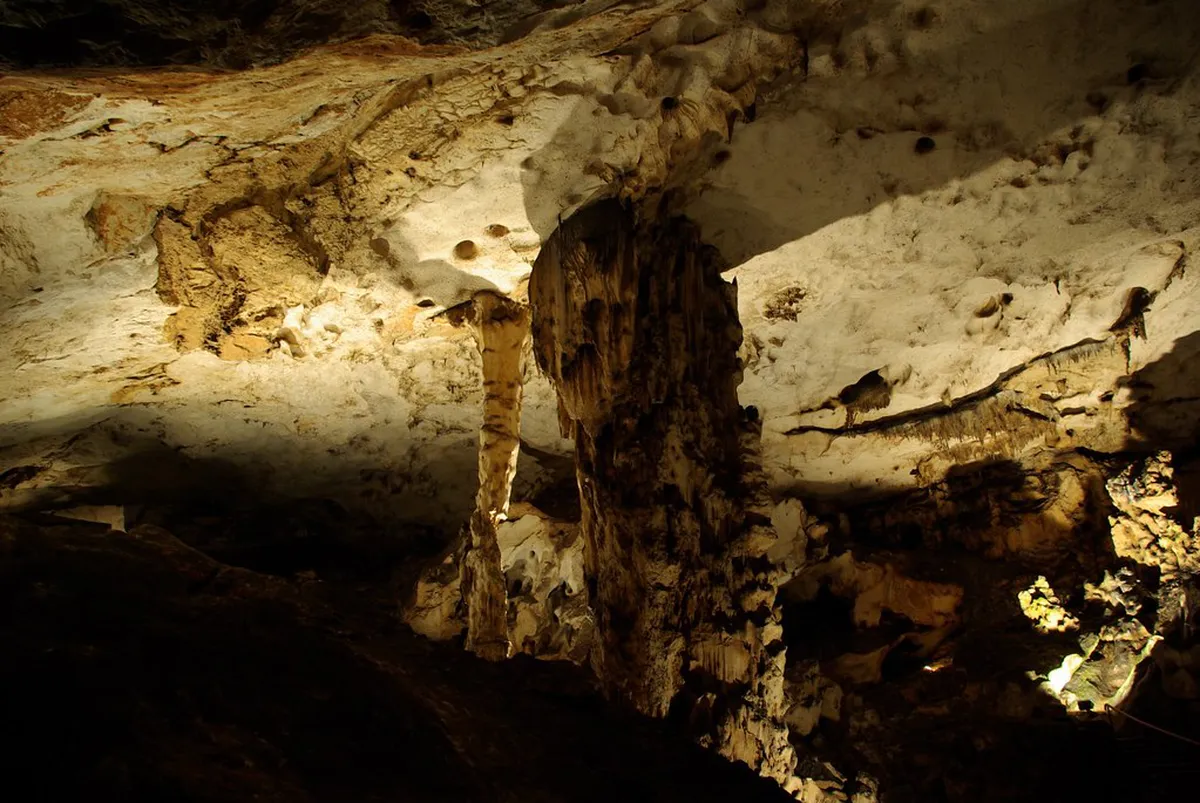
Photography inside the cave is permitted, which is not always the case at prehistoric art sites of this caliber. Avoid flash photography near the painted walls, since repeated light exposure can affect pigment over time — guides generally mention this at the start of the tour. A camera with good low-light performance will serve you better than a phone camera in the darker sections of the gallery.
Budget travelers will find the overall cost of a Magura day reasonable by European standards. Ticket prices have historically been in the range of 8 to 10 BGN per adult (verify the current rate on-site, as prices occasionally adjust), and the cave tour itself typically runs under an hour. Combining the visit with free access to Rabisha Lake and a picnic from Belogradchik keeps the full-day cost low.
Families considering a day trip from Sofia should note that the drive takes roughly two and a half to three hours each way. Traveling from Sofia to Belogradchik by car or bus and then renting a taxi locally for the final stretch to Rabisha village is the most practical approach without a private vehicle. Starting before 9:00 gives enough time for the cave, the lake, and the rocks before returning comfortably.
How to Plan Your Magura Cave Visit
The cave is open every day of the week from 09:30 to 18:30, with the first guided entry at 10:00 and the last entry accepted at 16:30. Arriving after 15:30 risks catching only a partial tour or being turned away if the final group is already inside. Aim to arrive between 10:00 and 14:00 for the most comfortable experience with adequate time afterward for the lake.
By car from Belogradchik, exit the town to the northwest and follow the main road toward Kladorub. Pass through the village of Rabisha, continue past a walnut grove, and take the first right turn marked by a cave sign. The parking area sits 200 to 300 meters beyond that sign and is large enough to handle a moderate number of vehicles.
No public bus runs directly to the cave from Belogradchik, so visitors without private transport typically negotiate a taxi from Belogradchik town. Round-trip taxi rates vary, but most drivers are familiar with the cave and can wait at the parking area during the tour — confirm the waiting arrangement and price before departing. Alternatively, renting a car in Vidin or Sofia allows you to manage the entire route on your own schedule.
Plan to spend at least two to three hours on-site if you want to combine the cave tour with a walk around Rabisha Lake. The full Belogradchik Fortress and Kaleto site can be added as an afternoon stop on the return drive. Visitors interested in accommodation options in Belogradchik will find a handful of small guesthouses and hotels that make a two-day regional trip more comfortable.
Continue planning: Use 10 Best Things To Do in Belogradchik and Belogradchik Fortress Kaleto Travel Guide to connect this guide with the rest of your Bulgaria itinerary.
Frequently Asked Questions
What is Magura Cave and why is it significant?
Magura Cave is a 2,500-meter cave system in northwestern Bulgaria, approximately 17 km from Belogradchik. It contains over 750 prehistoric paintings made with bat guano, spanning the Neolithic through early Bronze Age. The cave is also notable for a solar calendar on its walls and a unique sparkling wine production cellar inside its galleries. Bulgaria has submitted it to UNESCO's Tentative World Heritage List.
When was the Magura Cave painted?
The paintings in Magura Cave were created across several prehistoric periods, ranging from the early Paleolithic through the Neolithic and into the early Bronze Age — roughly 7,000 to 4,000 years ago by most estimates. Different stylistic layers suggest that artists returned to the cave repeatedly over thousands of years. The solar calendar is generally attributed to the late Neolithic period.
How do I get to Magura Cave from Belogradchik?
Drive northwest from Belogradchik toward Kladorub, pass through Rabisha village, and follow the cave signs after the walnut grove. The parking area is 200 to 300 meters past the main sign. No direct public bus runs to the cave, so visitors without a car usually take a taxi from Belogradchik and arrange for the driver to wait. Visit the Sofia to Belogradchik transport guide for broader transit options.
What are the opening hours and ticket prices for Magura Cave?
Magura Cave is open Monday to Sunday, from 09:30 to 18:30. The first guided entry of the day is at 10:00, and the last entry is accepted at 16:30. Ticket prices have historically been around 8 to 10 BGN per adult, but check the current rate on-site when you arrive, as prices can change. Guided tours typically run 40 to 60 minutes.
Can children visit Magura Cave?
Yes, Magura Cave is suitable for families with children who can walk a moderate underground route. The paths are lit and maintained, but rock surfaces are uneven in sections, so closed shoes are essential. The cave stays at 12 degrees Celsius year-round, so a light jacket or layer is advisable, especially for younger children who cool down quickly.
Magura Cave offers something that few sites in Bulgaria can match: a single location where geological spectacle and prehistoric human creativity exist side by side. The scale of the Triumph Hall, the precision of the painted solar calendar, and the novelty of a sparkling wine cellar underground all contribute to a visit that stays with most travelers well after they leave. These are not abstract talking points — they are things you actually see and experience on a standard guided tour.
The practical case for visiting is straightforward: the cave is open daily, does not require advance booking, and pairs naturally with Rabisha Lake and the Belogradchik Rocks within the same day. Travelers who base themselves in Belogradchik overnight have the most flexibility, but the site is reachable as a day trip from Sofia for those pressed for time. Bring a warm layer, wear proper shoes, and arrive before midday for the best experience.
Northwestern Bulgaria remains one of the country's least-visited regions by international tourists, which means Magura Cave rarely feels crowded even during summer. For travelers who want authentic, uncrowded encounters with Bulgaria's deeper history, this corner of the country is worth planning around, not just passing through. The cave rewards curiosity — the more you know about what is on those walls before you arrive, the more the visit gives back.