Shipka Pass — Monument to Liberty (Freedom Monument) Visitor Guide
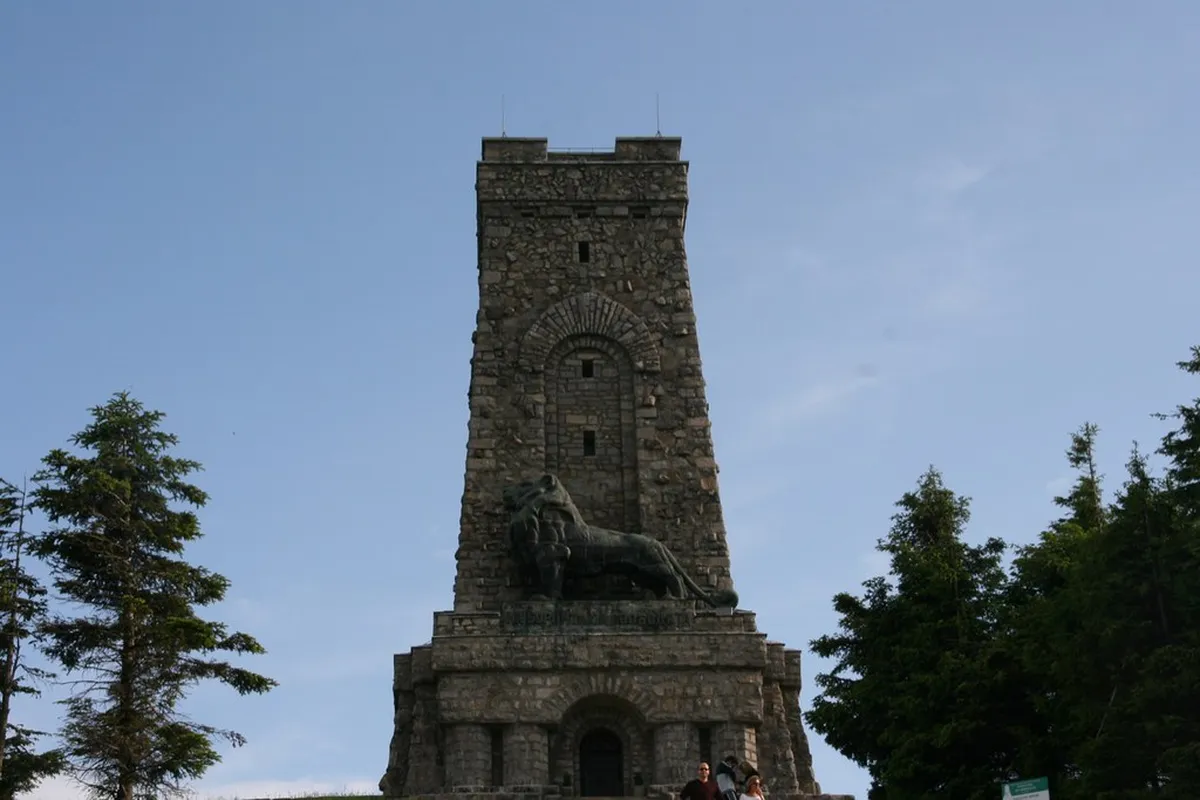
The Shipka Pass Monument to Liberty stands as one of Bulgaria's most powerful symbols of national independence. This massive granite tower honors the soldiers who defended the mountain pass during the 1877 Russo-Turkish War. It crowns a peak in the Balkan Mountains, high above the Rose Valley, with sweeping views over the Thracian Plain. Visitors consistently describe the climb to reach it as both physically demanding and genuinely moving.
This video shows the monument's architecture and the sweeping views from the peak:
Reaching the summit means climbing roughly 890 stone steps from the car park below. The monument commemorates the moment Bulgarian volunteers and Russian troops held this mountain crossing against a much larger Ottoman force, a stand that helped open the road to national liberation. Many travelers combine the visit with a stop in the nearby city of Kazanlak Attractions, using it as a base for the wider Shipka-Buzludzha area.
The tower sits inside the National Park-Museum Shipka-Buzludzha, combining military history with striking architecture and mountain scenery. Four floors of exhibits and a marble sarcophagus wait inside, beneath the bronze lion guarding the entrance. This 2026 guide covers the history, the climb, the museum, and the practical details you need to plan the trip well.
The Historical Significance of the Battle of Shipka Pass
The Battle of Shipka Pass unfolded between July and December 1877, one of the defining engagements of the Russo-Turkish War. A force of around 5,000 Russian soldiers and Bulgarian volunteers, led by General Joseph Gourko, seized the pass in early July and then had to hold it against roughly 30,000 Ottoman troops under General Suleyman Pasha. Losing the pass would have let the Ottomans relieve their besieged forces at Pleven and reverse the course of the war.
By August the fighting had intensified. Roughly 5,500 Bulgarian volunteers and 2,000 Russian soldiers under General Nikolai Stoletov faced an enemy force that had grown to 38,000. When ammunition ran out during the fiercest exchanges, defenders threw rocks, tree trunks and — according to the accounts still taught in Bulgarian schools — the bodies of fallen comrades to hold the line. It is this detail, more than any statistic, that visitors remember once they reach the summit.
The defenders held through a brutal winter siege known locally as the Shipka Waiting, with reinforcements eventually reaching 66,000 men. Cold and exposure killed as many soldiers as combat did. When Pleven fell in December, the Shipka garrison went on the offensive and broke the Ottoman lines; a peace treaty followed in March 1878. Historians count roughly 13,500 killed or wounded defenders and 24,000 Ottoman casualties — readers wanting the full campaign timeline can check Wikipedia's entry on the Shipka Monument.
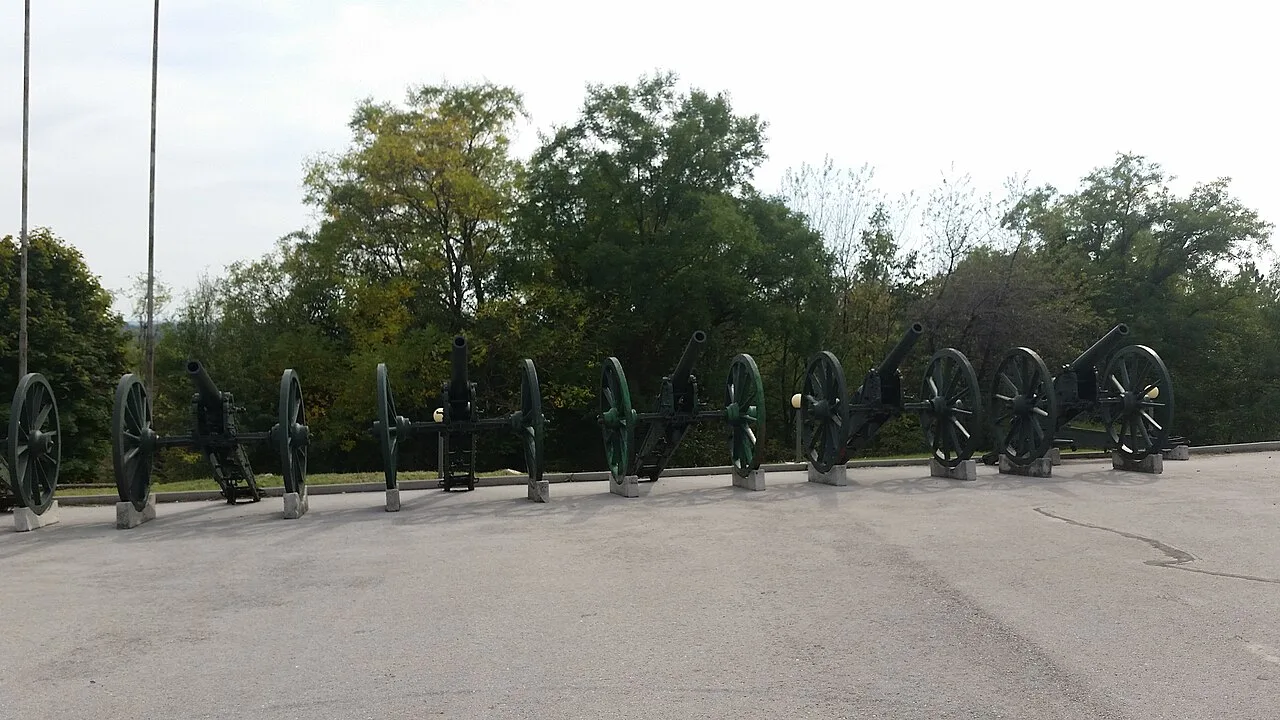
Today the site anchors Bulgaria's national memory of that war. Commemorations on 3 March (Liberation Day) and 11 August (the anniversary of the battle's peak) still draw thousands of visitors and political dignitaries to the peak. Walking past the restored trenches and gun positions before climbing to the tower gives the visit a weight that a photo of the monument alone does not convey.
Architectural Design: The Stone Tower and the Bronze Lion
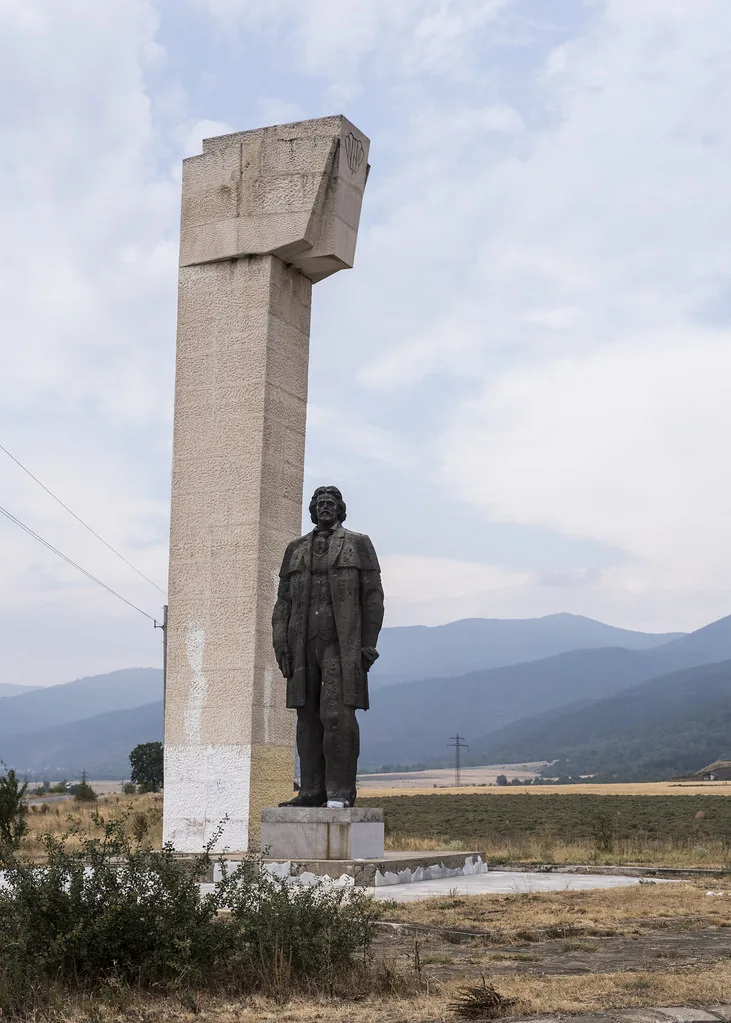
The monument was designed by architect Alexander Pomerantsev and took over a decade to complete. Surviving veterans of the battle launched a nationwide fundraising campaign in the 1920s, the first stone was laid in 1922, and King Boris III attended the official inauguration in 1934. The structure is a truncated stone pyramid built from solid granite blocks, rising 31.5 meters above the peak.
A bronze lion, eight meters long and four meters high, guards the entrance. It represents Bulgarian resolve and remains one of the most photographed details on the mountain. The scale of the casting is easy to underestimate in photographs — standing beside it, the lion is taller than most visitors and weighs several tons.
A well-known local story explains the lion's orientation. Plans originally had it facing south, toward former Ottoman territory, but diplomatic concerns in the early twentieth century led designers to turn it north and east instead. The change is a small but telling reminder of how politically sensitive this history still was when the monument went up.
Stone reliefs around the base depict scenes from the battle, and the interior is designed for vertical, solemn movement rather than casual browsing. The combination of raw granite and formal memorial detailing is deliberate: the architecture is meant to feel like part of the mountain rather than something imposed on it.
- Technical specifications of the monument
- Tower Height: 31.5 meters
- Lion Length: 8 meters
- Lion Height: 4 meters
- Completion Year: 1934 (first stone laid 1922)
- Architect: Alexander Pomerantsev
Climbing the 890 Steps: What to Expect
The only way to reach the monument on foot from the car park is the staircase of roughly 890 stone steps cut into the hillside. Most reasonably fit visitors climb it in twenty to thirty minutes, and benches at regular intervals make it manageable for families and older visitors willing to take it slowly. The steps are paved and railed, but they are steep in sections, so sturdy shoes make a real difference.
Shipka Peak sits at 1,326 meters, and the temperature swing between the summit and the valley below is bigger than most first-time visitors expect. On a warm July afternoon in Kazanlak or near Rose Valley (kazanlak) Visitor Guide, the exposed summit can feel 8-10°C cooler once the near-constant wind picks up. A light windbreaker earns its weight even in mid-summer, and a proper jacket, hat and gloves are sensible from October through April.
Fog is the other variable worth planning around. It can roll in within minutes and cut visibility to a few meters, hiding the monument itself from the staircase. Clear mornings, especially in late spring and early autumn, give the best chance of an unobstructed view over the Thracian Plain to the south and the rolling Stara Planina foothills to the north — check the forecast the night before if the panorama matters to your trip.
Exploring the Museum and the Marble Sarcophagus
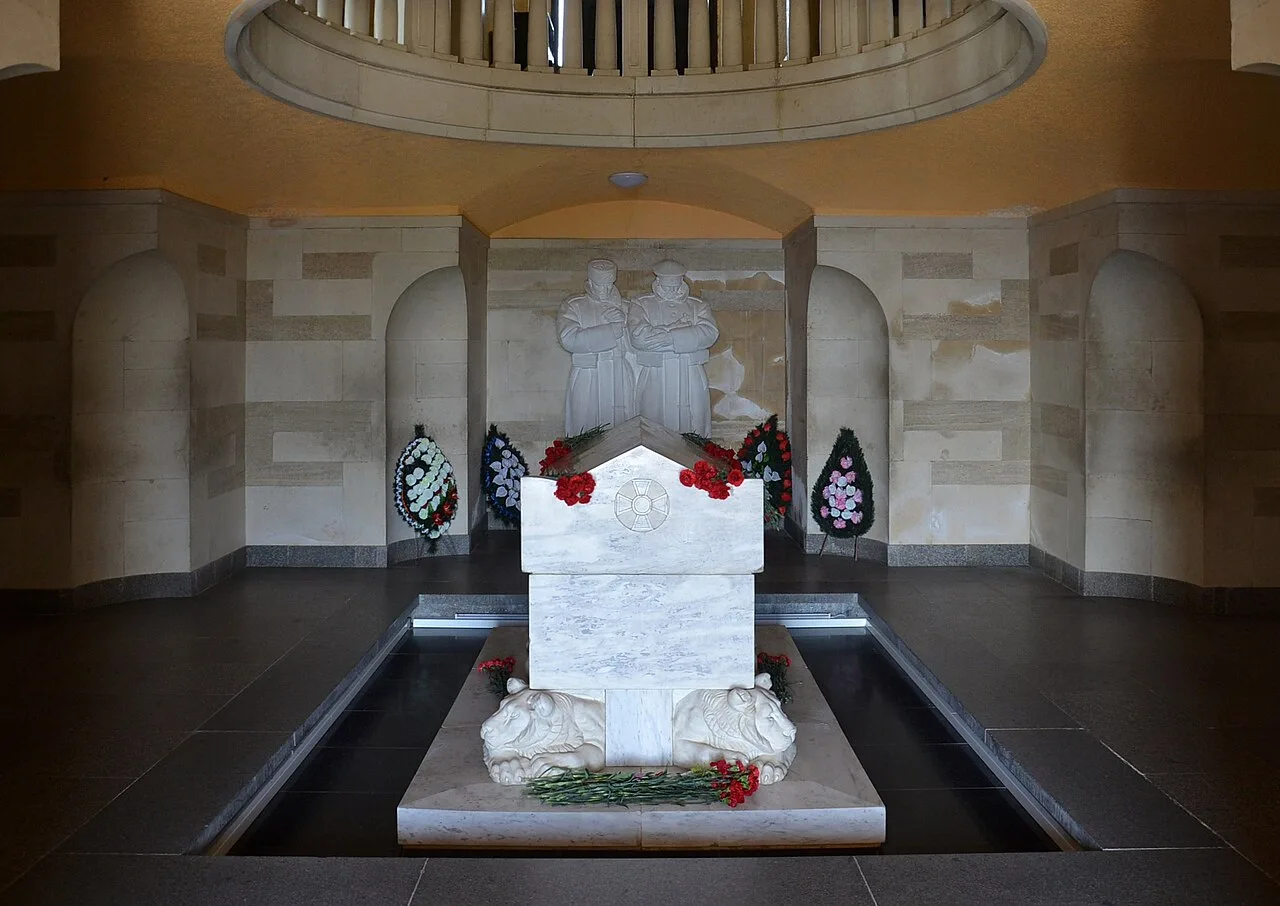
The ground floor holds a marble sarcophagus containing the remains of soldiers who died defending the pass, both Bulgarian and Russian. The room is kept dim and quiet out of respect, and it is common to see visitors leave flowers there rather than take photographs.
Above the sarcophagus, four floors of exhibits trace the campaign through uniforms, weapons and personal letters from the 1870s. The collection includes the Samara Flag, one of the most recognized symbols of the Bulgarian volunteer units, along with maps and dioramas that lay out how the battle lines shifted over the summer and winter of 1877.
The top floor opens onto an observation platform with a 360-degree view, arguably the best reason to buy the museum ticket rather than just climbing the steps for the outdoor viewpoint. Plan on 30-45 minutes inside if you want to read the exhibit panels properly rather than walk straight through.
Essential Visitor Information: Location, Access, and Hours
The monument sits about 28 km north of Kazanlak Attractions and roughly 22 km south of Gabrovo, reached by a paved but winding mountain road with tight hairpin turns. Free parking is available near the base of the staircase. There is no rail or bus link directly to the summit, so plan on a car, taxi or organized tour.
If you are continuing on to the Buzludzha Monument Visitor Guide, budget extra time for the connecting road: the stretch between the two sites is notorious for deep potholes, and local drivers keep to around 30 km/h. It is a slow, careful drive rather than a scenic one, especially after rain or in low light.
The monument-museum is generally open 09:00-19:00 from April to October and 09:00-17:00 from November to March, with the ticket booth closing about 30 minutes earlier; heavy winter snow can close the peak entirely on short notice, so check the National Park-Museum Shipka-Buzludzha official site before a special trip. Climbing the steps and enjoying the outdoor viewpoints costs nothing, but the tower-museum itself charges a small entry fee, roughly €1 for adults and about €0.50 for students — confirm the exact euro price at the ticket window, since prices are still settling after Bulgaria's 2026 switch to the euro. Entry is free on 3 March, Bulgaria's National Day.
A small cafe and souvenir stall sit near the lower parking area, selling postcards and replicas of the monument. Paid public restrooms are available at the base of the stairs. Bring cash in small denominations for the cafe and restrooms, since card readers at the summit are not always reliable.
Nearby Attractions: Shipka Memorial Church and Buzludzha
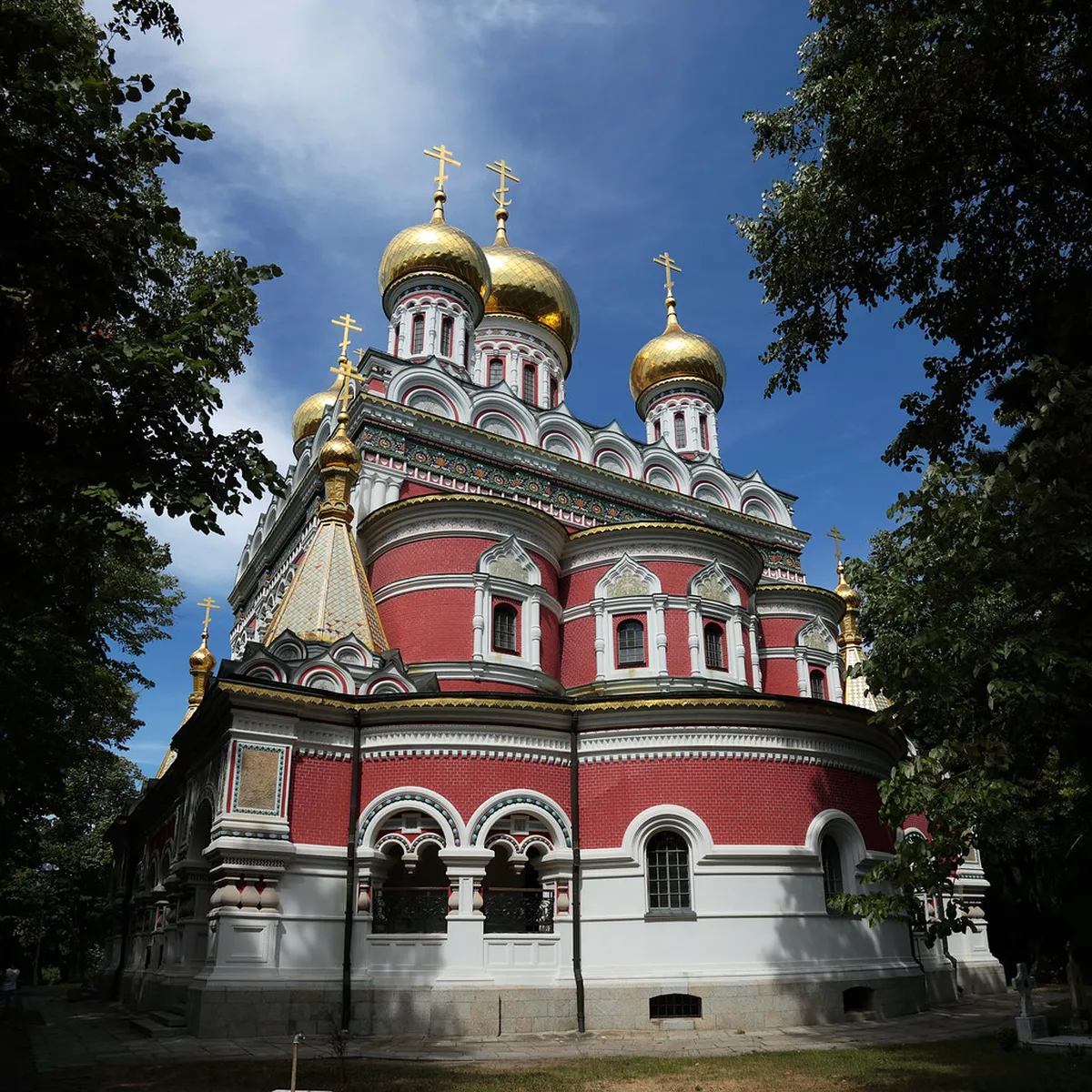
The gold-domed Shipka Memorial Church sits in Shipka village at the base of the pass, clearly visible from the mountain road above. Built with Russian and Bulgarian donations and consecrated in 1902, this Shipka Memorial Church (nativity Memorial Temple) Visitor Guide is a separate site from the monument on the peak — it commemorates the same 1877-78 war but through Orthodox liturgy rather than a war museum, and its crypt holds the remains of soldiers who died in the surrounding battles.
A realistic one-day plan starts at the monument early, before the midday wind picks up: arrive by 09:00, climb the steps, and allow 45-60 minutes at the top including the museum. Back at the car park by 11:00, it is a short drive down into Shipka village for the church, then lunch in Kazanlak or Gabrovo. An early start leaves enough daylight to continue on to Buzludzha in the afternoon.
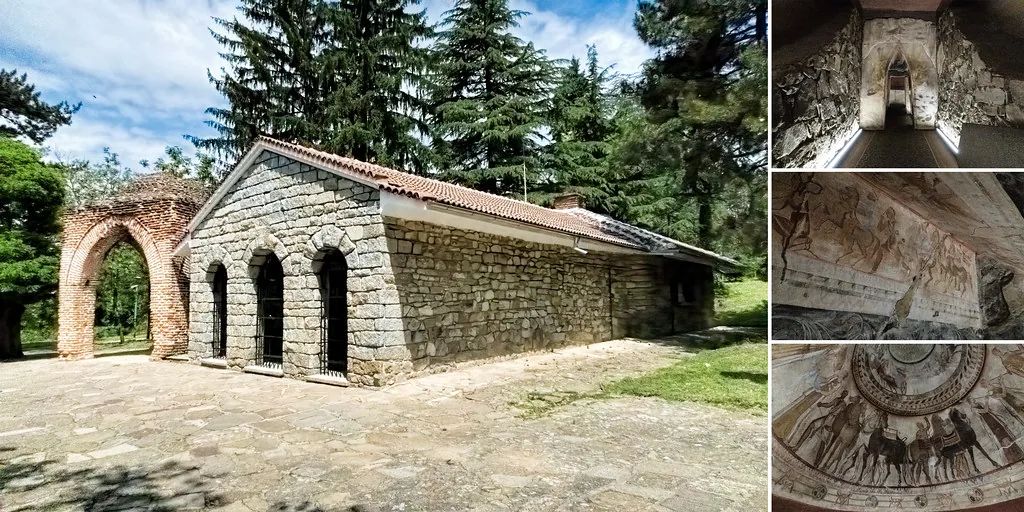
History lovers with less time to spare should prioritize the Thracian Tomb of Kazanlak instead of Buzludzha — it is a UNESCO World Heritage site with fourth-century BC frescoes, and it sits much closer to Kazanlak itself, so it fits into a shorter day trip built around the pass and the church.
Continue planning: Use Kazanlak Attractions: Rose Valley, Thracian Tombs & Shipka to connect this guide with the rest of your Bulgaria itinerary.
Frequently Asked Questions
How many steps lead up to the Shipka Freedom Monument?
About 890 stone steps climb from the road and car park to the monument on Shipka Peak. The staircase is steep in places but paved and railed; take it slowly and it is manageable for most reasonably fit visitors, with resting points and sweeping views along the way.
How much does it cost to enter the Shipka Monument?
Climbing the steps and enjoying the outdoor viewpoints is free; there is a small charge to go inside the monument-museum tower, historically about 2 lev (roughly €1) for adults and 1 lev (about €0.50) for students. Entry is free on Bulgaria's National Day, 3 March. Since Bulgaria adopted the euro in 2026, confirm the exact current euro price at the ticket office.
What are the opening hours of the Shipka Monument?
The monument-museum is open daily, roughly 09:00–19:00 from April to October and 09:00–17:00 from November to March, with the ticket office closing about half an hour before. It occasionally shuts for maintenance, so it is worth checking the National Park-Museum's site (shipkamuseum.org) before a special trip.
How do I get to the Shipka Freedom Monument?
A good asphalt road runs up to Shipka Pass from both Kazanlak (about 28 km south) and Gabrovo (about 22 km north), with free parking near the base of the steps. From the car park you climb the ~890 steps to the summit. There is no rail link, so drive, take a taxi or join an organized tour, often combined with the Shipka Memorial Church and Buzludzha.
Why was the Shipka Monument built?
It honours the Bulgarian volunteers and Russian soldiers who defended Shipka Pass during the decisive 1877 battles of the Russo-Turkish War, which helped liberate Bulgaria from Ottoman rule. Funded by donations from across the country and unveiled in 1934, it has become a national symbol of freedom, crowned by a bronze lion.
How difficult is the climb, and when is the best time to visit?
The main effort is the ~890-step staircase; it is a moderate climb rather than a hike, best taken at a steady pace with water and sturdy shoes. Late spring to early autumn offers the best weather and clearest panoramas from the peak; winter visits are possible but cold, windy and sometimes snowbound, and the exposed summit is often much colder than the valley.
What is there to see at the monument?
Beyond the panoramic views from the top platform, the 31.5-metre tower houses a multi-floor museum displaying weapons, flags, medals, photographs and personal effects of the soldiers and volunteers, plus a symbolic sarcophagus. The bronze lion at the base and the nearby battlefield memorials make it the centrepiece of the National Park-Museum Shipka.
The Shipka Pass Monument to Liberty is more than a stone tower on a mountain road. It represents the cost of a nation's independence, and the climb, the wind and the silence inside the tower all make that history harder to forget once you have stood there. Plan your 2026 visit around clear weather if the view matters, and around 3 March or 11 August if the commemorations do.
Whether you come for the history, the architecture or the panorama from the summit, budget a half-day for the pass alone and more if you are combining it with the church or Buzludzha. The mountain air and the granite walls carry the story better than any photograph can.
For more Kazanlak planning, read our 7 Best Things to Do in Kazanlak (2026), 2-Day Kazanlak Itinerary: Tombs, Roses & Shipka, and Shipka Pass And Memorial Travel Guide guides.
For authoritative information, refer to the Shipka Pass — Monument to Liberty (Freedom Monument) official site.