Rose Valley (kazanlak) Visitor Guide
Bulgaria's Rose Valley lies in the lowland corridor between the Balkan Mountains and the Sredna Gora range, where sandy, gently sloping soil and a wind-sheltered climate made this the historic center of the country's rose-oil industry.
Fields of oil-bearing Rosa damascena bloom here from late May through June, and the town of Kazanlak becomes the focal point of Bulgaria's oldest rose festival, with the 2026 main days set for 5-7 June.
Driving through and viewing the fields costs nothing - only organized rose-picking experiences and guided tours are ticketed, with prices set individually by each operator.
This guide covers when to go, how a typical visit unfolds, and the practical details first-time travelers usually miss, with Kazanlak as the natural base for exploring the valley.
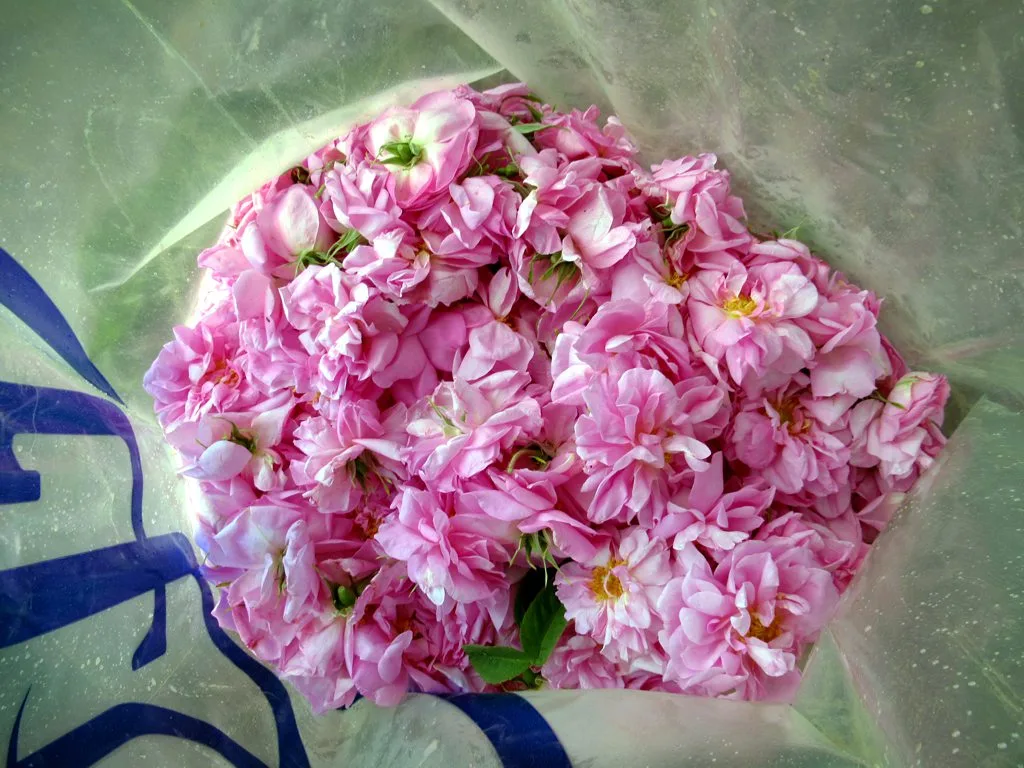
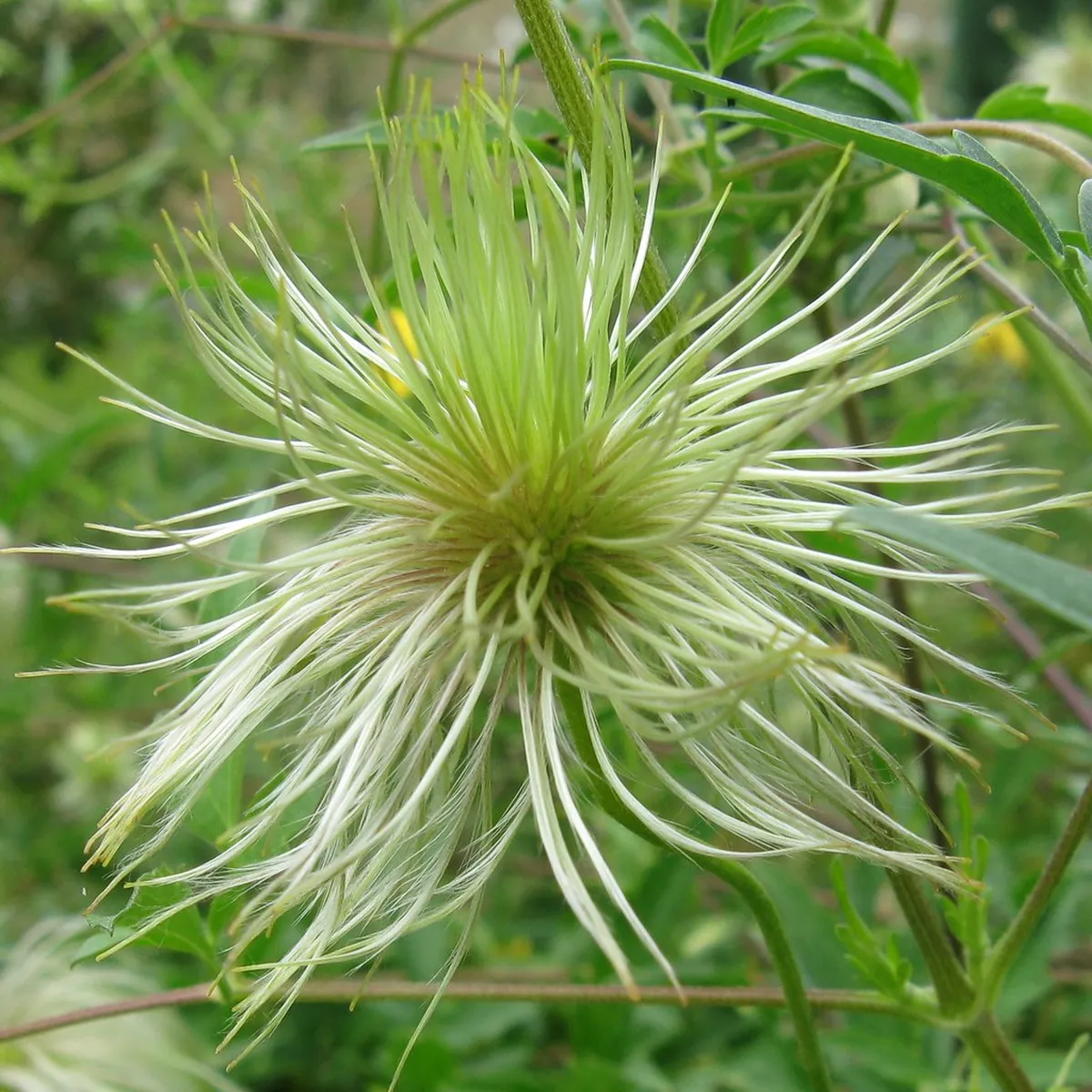
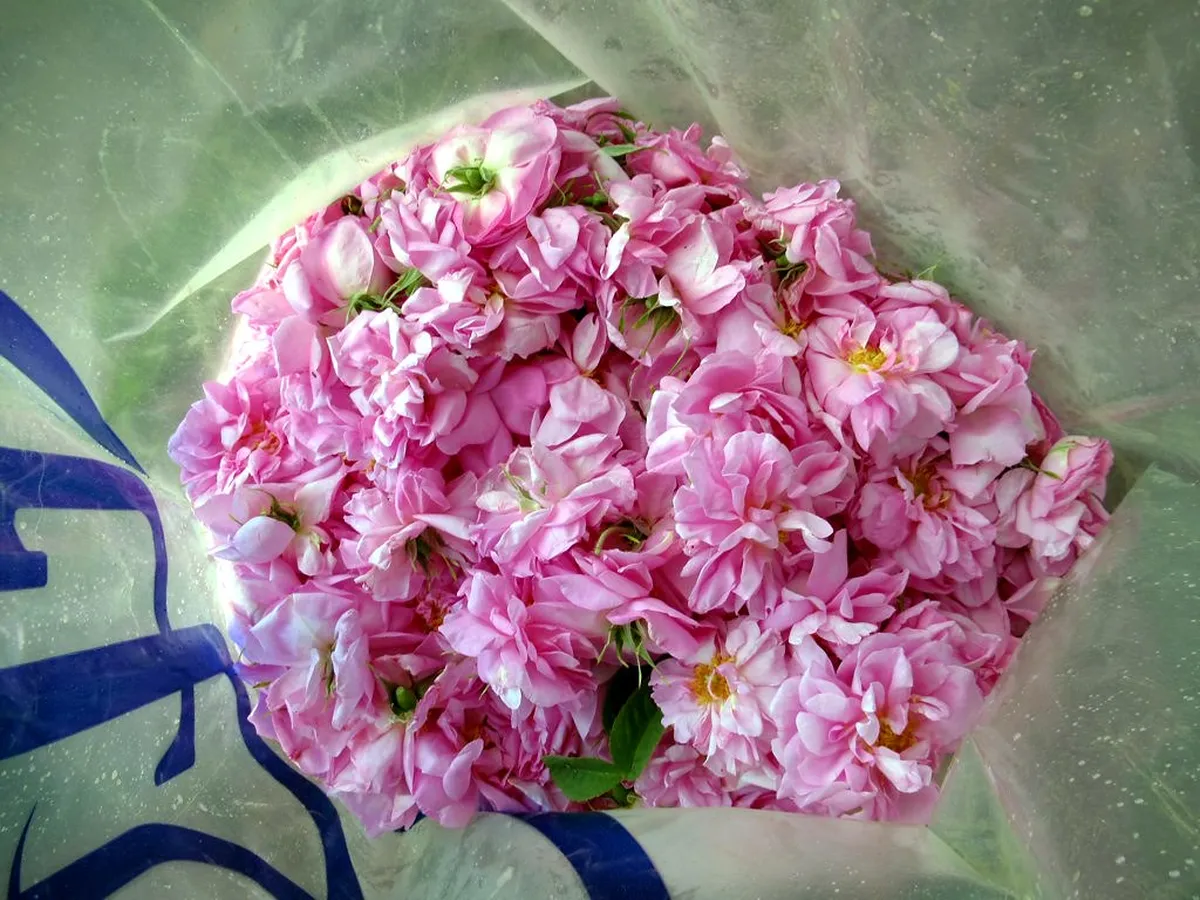
Here's a visual introduction to the valley's iconic rose fields during their fragrant bloom:
Planning a Rose Valley Day Tour
Most visitors see the Rose Valley as a single long day rather than a multi-night stay, and the shape of that day is fairly consistent whether you join an organized tour or drive yourself.
Trips originating in Sofia typically leave early in the morning and follow the Sub-Balkan road through the mountains, a scenic but time-consuming route that puts the first rose fields within reach by mid-morning.
From there, a standard itinerary works through a village distillery stop, a couple of hours in central Kazanlak for lunch and the Rose Museum, and a scenic add-on such as a Thracian tomb or a mountain memorial, before heading back in the late afternoon or early evening.
Because the round trip from Sofia alone runs close to five or six hours of driving, this pattern leaves a narrower window in the valley itself than most first-time visitors expect - worth factoring in before committing to a single-day booking.
Rose Festival Tours
The Rose Festival calendar centers on the first weekend of June, and 2026's main celebrations in Kazanlak fall on 5-7 June, with rose-picking rituals, a rose-queen ceremony, and a parade through the town center.
Multi-day Rose Festival Tours packages, usually spanning four to six days, bundle the parade with visits to distilleries and nearby heritage sites, which suits travelers who want the full program without arranging transport themselves.
Because festival-weekend hotels in and around Kazanlak sell out well ahead of the dates, booking a package or reserving accommodation independently by early spring is the difference between a relaxed festival visit and a scramble for a room.
Catching the Rose Harvest in Progress
Rose pickers work the fields before the morning dew burns off, gathering blossoms roughly between 5:00 and noon, since the oil content drops once the sun warms the petals - a detail that matters more for trip timing than most guides mention.
A typical day tour leaving Sofia around 8:00 and reaching the valley by mid-morning already arrives near the tail end of that window, so travelers who want to watch pickers actually working the rows, rather than simply photographing full fields, do better staying overnight in Kazanlak or a nearby village the night before.
Around the festival weekend, several villages including Enina and Kran run organized rose-picking rituals at dawn specifically for visitors, which is the most reliable way to see the harvest itself rather than arrive once the baskets are already on their way to the distillery.
Travelers without a car can still reach Skobelevo and the closer villages by regional minibus from the Kazanlak bus station, though services thin out outside the festival weeks, so building in a return-taxi buffer is the safer plan.
Contact Info
The Kazanlak Information Center, just off the central square, is the most reliable walk-in source for current opening hours, festival schedules, and directions to the more scattered rose fields and distilleries.
Staff can point independent travelers toward smaller village distilleries that don't always show up in search results, which is useful outside the main festival weeks when the larger sites keep shorter hours.
For visitors who would rather book ahead, established operators such as the one behind this Sofia day-trip itinerary handle transport and entry logistics, which is worth the modest premium during the crowded festival weekend.
Discover Bulgarian History & Traditions
Kazanlak sits at the center of what archaeologists call the Valley of the Thracian Kings, named for the dense cluster of burial mounds uncovered across the surrounding hills.
The Thracian Tomb of Kazanlak Visitor Guide, a UNESCO World Heritage Site, preserves murals from the 4th century BC that are among the best-kept examples of Hellenistic-era painting anywhere in the Balkans - a marked contrast to the valley's rose-farming image.
Nearby, the Golyama Kosmatka mound has yielded some of the country's most significant Thracian gold finds, while the golden domes of the Shipka Memorial Church (nativity Memorial Temple) Visitor Guide on the valley's northern edge add a very different, 19th-century layer of history tied to Bulgaria's war of liberation.
Pairing one or two of these sites with a rose-field stop turns a one-note flower excursion into a fuller picture of why this particular valley, rather than any other rose-growing region, became so central to Bulgarian national identity.
Bulgarian Art Village
Skobelevo, a short drive from central Kazanlak, functions as the valley's most visited rose village, built around demonstrations rather than commercial farming alone.
The Damascena Ethnographic Complex & Rose Distillery here runs visitor-facing tours through its production hall, with rose gardens and a small ethnographic collection of tools used in traditional oil extraction.
Smaller, family-run distilleries around Rozino and Yasenovo offer a quieter alternative for travelers who find Skobelevo's festival-week crowds overwhelming, though their opening hours are less predictable outside peak season.
Artisans at most of these stops demonstrate soap- and jam-making from rose byproducts, and the products sold on-site are usually fresher and better priced than the same items in Sofia gift shops.
Bulgaria Tours
A private tour is the better fit for travelers who want to linger at a distillery or detour to a site like the Buzludzha Monument Visitor Guide without renegotiating a shared schedule.
Group tours run cheaper per person and suit travelers happy to follow a fixed stop list, and they are often the only realistic option for solo travelers who do not want to rent a car for a single day.
Most operators, private or group, offer pickup from hotels in Sofia or Plovdiv, which removes the need to reach a departure point on your own before dawn.
Interesting Facts
The Kazanlak side of the valley runs roughly 95 kilometers long with an average elevation of about 350 meters, covering close to 1,895 square kilometers between the two mountain ranges.
A separate, smaller valley around Karlovo and Kalofer to the west shares the same rose-growing tradition and holds its own festival on a different weekend - worth knowing so you do not confuse the two when researching dates online.
Farmers pick blossoms by hand between roughly 5:00 and noon, before the day's heat evaporates the fragile essential oils, and Bulgaria is commonly credited with 60-70% of the world's rose-oil production, a legacy that earned Bulgarian rose oil a Protected Geographical Indication from the European Commission in 2014.
Payment accepted
Bulgaria's official currency is the lev (BGN), and while larger hotels and tour operators in Kazanlak sometimes quote prices in euros, everyday purchases are settled in leva.
Viewing and driving through the rose fields themselves is free; it is the add-ons - museum entry, distillery tours, and organized rose-picking experiences - that carry a ticket price, and those vary enough by operator and season that it is worth checking current rates directly rather than relying on a fixed figure.
Cards are accepted at most museums, larger distilleries, and restaurants in Kazanlak, but village stalls and smaller producers usually deal in cash only, so keep some leva on hand before heading out to the rose villages.
Recent Posts
The 2026 Kazanlak Rose Festival is set for 5-7 June, and travelers planning around those dates should confirm opening hours at the Kazanlak Rose Museum (Museum of Roses) Visitor Guide closer to the date, since festival-week hours typically extend beyond the museum's usual schedule.
Bloom timing shifts slightly year to year with spring weather, so a mild, early spring can pull the harvest forward by a week or so, while a cold, wet one can push it back into mid-June.
Checking a current-year bloom forecast or the festival's official announcements shortly before travel is a better bet than planning strictly off "late May" as a fixed date.
How Long to Spend: Day Trip vs Multi-Day Stay
A single day trip from Sofia or Plovdiv is the cheapest option and covers the highlights - a distillery stop, the Rose Museum, maybe one heritage site - but it compresses roughly 10-12 hours of travel and sightseeing into one long day and rules out early-morning harvest viewing.
Basing yourself in Kazanlak or nearby Pavel Banya for two to three nights costs more in accommodation but buys back the dawn hours for rose-picking, room to add the Thracian tombs and Shipka church without rushing, and a buffer if festival-weekend traffic slows the return drive.
A longer stay of five days or more, combining the Rose Valley with Plovdiv or the Balkan mountain towns, suits travelers building a culture-and-nature itinerary rather than a single-purpose rose trip, and spreads the cost of transport over more days of sightseeing.
Solo travelers without a car generally get more value from a group day tour or a short guided package than from trying to piece together minibus connections between villages on a tight schedule.
Continue planning: Use Kazanlak Attractions: Rose Valley, Thracian Tombs & Shipka to connect this guide with the rest of your Bulgaria itinerary.
Frequently Asked Questions
When is the best time to see the Rose Valley in bloom?
The oil-bearing Rosa damascena peaks from late May through June, with the first half of June usually the most reliable window for seeing the fields in full bloom.
When is the Kazanlak Rose Festival?
The Rose Festival is held on the first weekend of June each year, with the 2026 main days falling on 5-7 June in and around Kazanlak.
Is it free to visit the Rose Valley?
Yes. It is free to drive through and view the rose fields. Organized rose-picking experiences and guided tours are ticketed, with prices set by each operator.
Where is the Rose Valley located?
It lies in central Bulgaria between the Balkan Mountains (Stara Planina) to the north and the Sredna Gora to the south, with Kazanlak at the heart of the eastern (Kazanlak) valley on the Tundzha River.
What is the Bulgarian Rose Valley famous for?
It is the historic centre of Bulgaria's rose-oil industry, growing oil-bearing Rosa damascena whose petals are distilled into prized rose oil - the wider valley produces close to half of the world's supply.
Can you pick roses in the valley?
Yes, through organized rose-picking rituals and experiences, especially around the festival and in nearby villages such as Enina and Kran, where pickers gather dew-covered petals at dawn.
How do you get to the Rose Valley?
The valley is centred on Kazanlak in central Bulgaria. A car is the easiest way to reach the rose fields and surrounding villages, though tours also run from Kazanlak during the picking season.
Is this the same as other places called 'Valley of Roses'?
This refers specifically to Bulgaria's Rose Valley around Kazanlak - the Kazanlak Valley on the Tundzha River - not similarly named valleys or gardens elsewhere in the world.
The Rose Valley rewards travelers who plan around the harvest's early hours rather than around a single festival weekend on a calendar.
Whether you drive yourself, book a private tour, or join the festival crowds in Kazanlak on 5-7 June 2026, the valley's free-to-view fields and paid experiences can be combined to fit almost any budget or timeframe.
Use the sections above to decide how many days you actually need, then build the history and village stops around whichever rose-picking window you can realistically catch.
For a detailed multi-day plan, consult our 2-Day Kazanlak Itinerary: Tombs, Roses & Shipka guide.
For authoritative information, refer to the Rose Valley (Kazanlak) on Wikipedia.