Golden Sands Nature Park (Zlatni Pyasatsi) Visitor Guide: 9 Tips
Golden Sands Nature Park offers a refreshing escape from the busy Black Sea beaches. This protected area sits right next to the famous Golden Sands resort in Bulgaria. It provides a cool, green canopy that stretches for miles along the coast.
To see the park's trails and forest landscape before your visit, here's a visual walkthrough:
Many travelers visit the region for the sun and sand but miss this lesser-known place. The park is home to ancient forests and historic rock monasteries. You can find peace and quiet just a few steps away from the hotel zones.
This guide covers everything you need to know for a perfect day in the woods. We will explore the best trails, local costs, and essential safety tips for 2026. Get ready to discover the wilder side of the Bulgarian coast.
Essential Park Overview: Location and Geography
The park sits about 17 to 18 kilometers northeast of the city of Varna, wrapping around the back of the Golden Sands resort. It covers a total area of roughly 13.2 square kilometers, making it the smallest declared nature park in Bulgaria. This narrow strip of forest runs parallel to the coastline for about 9.2 kilometers.

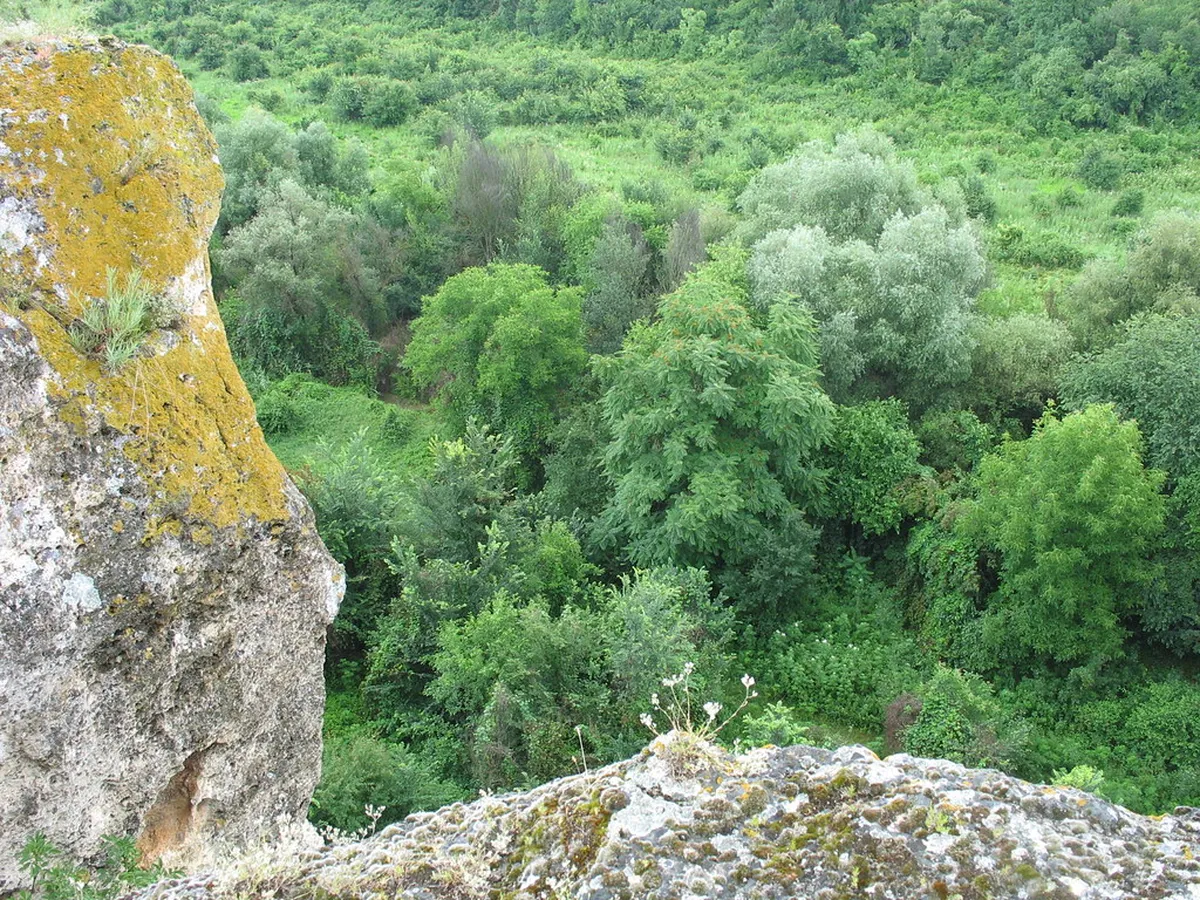
Geography here is defined by rolling hills and dense deciduous forest. The highest point in the park is Chiplak Tepe, which reaches 269 meters above sea level, while the average elevation across the park sits closer to 110 meters. From the higher ridges you can see the blue horizon of the Black Sea through the trees.
Most visitors find the park very accessible thanks to its proximity to the main Varna-Golden Sands road. The average width of the protected zone is only about 1.2 kilometers, so it is easy to cut across the forest on foot in under an hour from most points along the resort's edge. This compact size means you can explore several distinct sections in a single afternoon without a car.
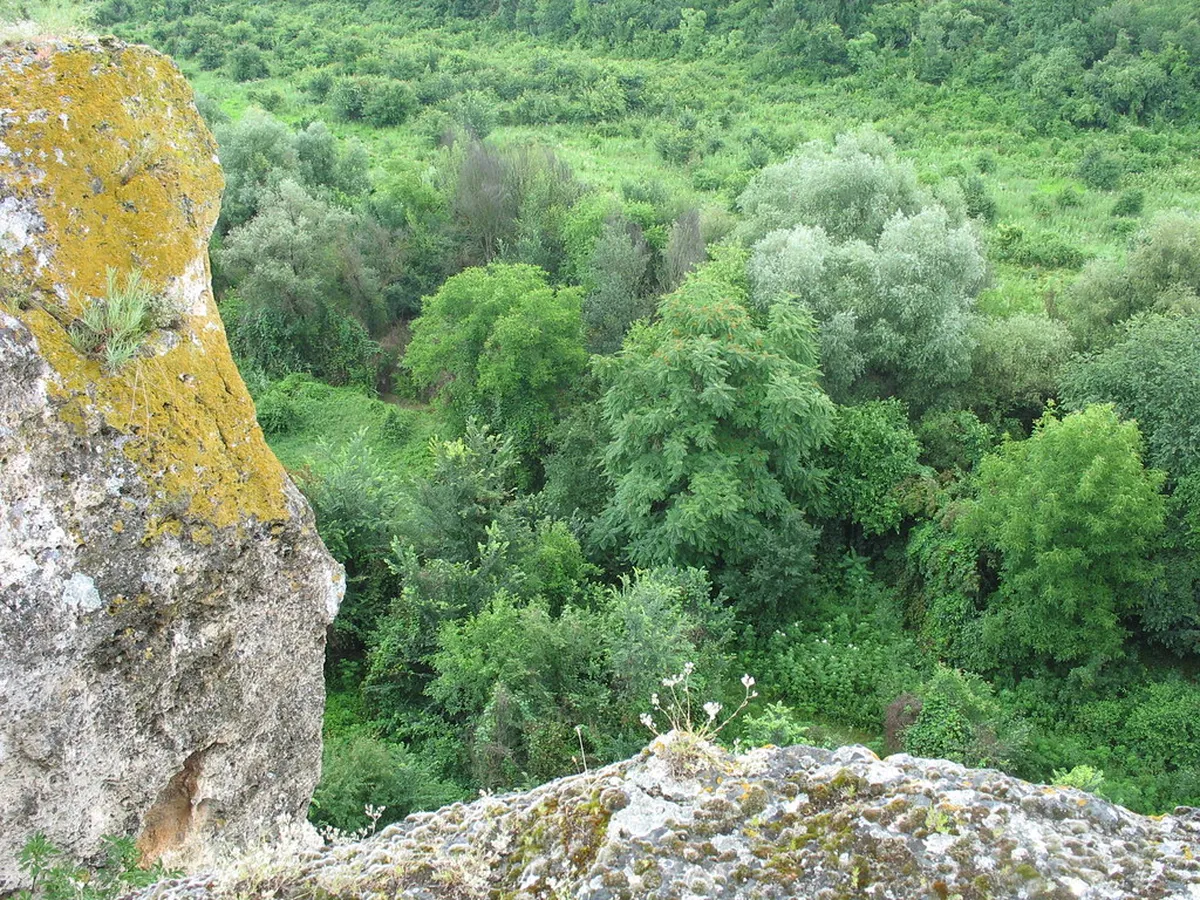
Walking through the park reveals a landscape where forest meets sea. Limestone outcrops break through the soil on many of the higher ridges, creating a rugged texture that contrasts with the soft sand of the beaches just below.
Why Visit: Nature Park vs. Golden Sands Resort
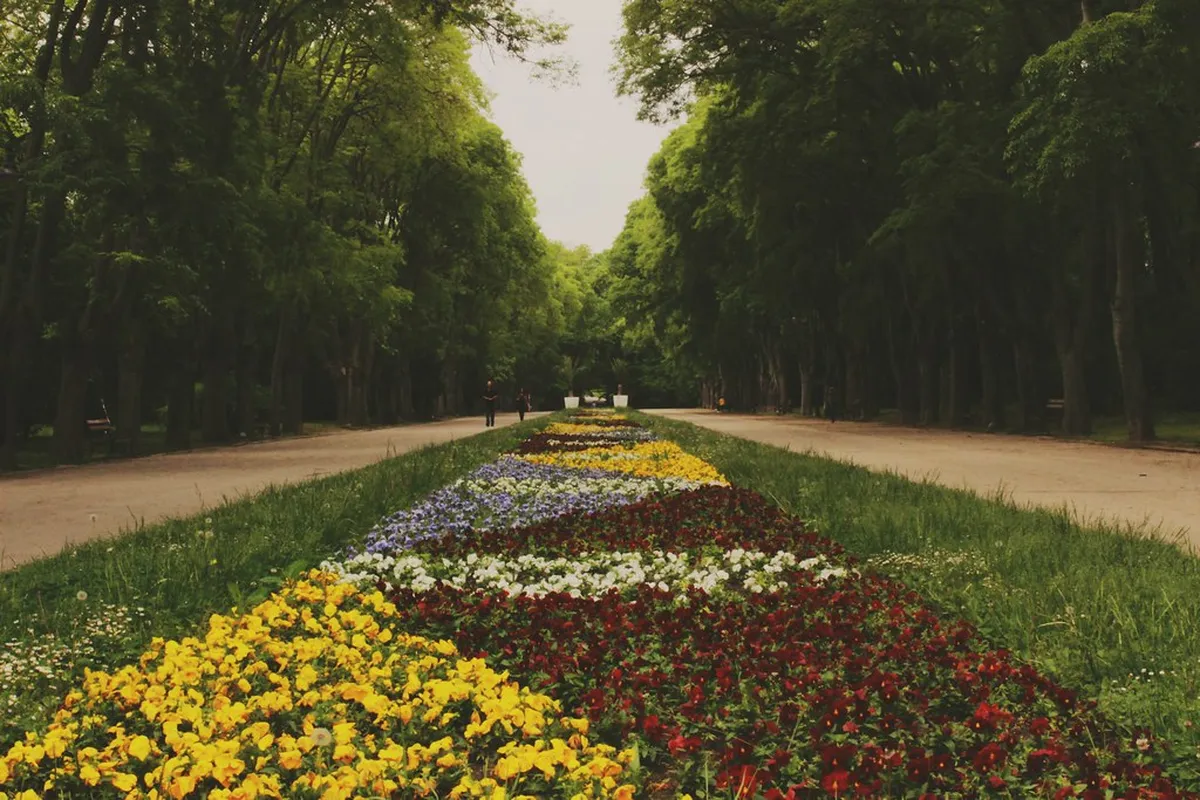
The Golden Sands resort is known for its lively promenade and packed beach clubs. The nature park sitting directly behind it offers the opposite: shade, quiet, and the smell of pine and oak instead of sunscreen and beach music. It functions as the green lungs for the entire resort strip.
Families often prefer the park for its shaded paths during the hottest weeks of summer. The Golden Sands Central Beach (Zlatni Pyasatsi Beach) Visitor Guide is still the better choice for swimming, but the forest is where you go to cool off without leaving the resort area. On days when the midday heat makes hiking uncomfortable, many visitors split the day between a morning walk in the park and an afternoon at Aquapolis Water Park Visitor Guide, which sits close enough to reach on foot.
Stepping off the promenade and into the park feels like stepping back before the hotels arrived. The forest preserves the coastline's original character, and that contrast is part of the appeal for anyone who has already spent a day or two on the beach.
Photographers find steady interest in the dappled light under the older oaks, and birdwatchers come specifically to look for species they will not see from a hotel balcony. The park rewards a slower pace than the resort is built for.
Top Highlights: Aladzha Monastery and Scenic Viewpoints
The most famous landmark inside the park is the Aladzha Monastery, a medieval cave complex carved into a 40-meter limestone cliff in the park's southwestern corner. Hermit monks lived here for centuries, and the site remains the single biggest draw for anyone walking the trails. This guide covers the forest, springs, and trails around it; for the monastery's full history, chapel layout, and current opening hours, see the dedicated Aladzha Monastery guide.
Visitors can climb sturdy metal stairs to reach the different levels cut into the rock face, including the remains of a chapel, monks' cells, and a kitchen. It stands as one of the most distinctive Golden Sands attractions for anyone interested in Bulgarian history rather than just the beach.
A short walk from the monastery leads to older catacombs set deeper in the forest. These chambers predate the monastery itself and are noticeably darker and cooler, so a phone flashlight or small torch makes the difference between a quick peek and a proper look around.
Several marked viewpoints along the ridges above the monastery give clear views back over the resort and the water. Early morning and the hour before sunset are the best windows for photos, before the heat haze sets in over the coast.
Hiking Trails and Outdoor Activities
The easiest way into the forest from the resort side is through the tunnel under the road between the Astoria and Melia hotels, just uphill from the Pirate Ship landmark in front of Melia Grand Hermitage. From there, a well-marked system of color-coded trails fans out across the park; check the Official Map before heading in deeper than the first junction.
Most paths are wide enough to walk two abreast, though some stretches climb steeply enough that trekking shoes earn their weight in your bag. Fire roads crisscrossing the higher ground suit mountain bikers, and bikes can be rented in the resort for anyone covering more ground than a walking day allows. Shorter dendrological and educational loops near both visitor centres move at a gentler pace, with level surfaces suited to strollers and anyone hiking with limited mobility.
- The Blue Trail covers the roughly 80-minute walk between the resort and the Aladzha Monastery fountain, the shortest and by far the most walked route in the park.
- The Green Trail continues past the monastery to the Aladzha hut in about 150 minutes, a good extension once the monastery crowds thin out.
- The Red Trail is the longest at roughly 270 minutes end to end, starting from the bus 31 terminus in Varna's Vinitsa district rather than from the resort, so it needs a half day and an early start.
- The Yellow Trail runs about 14 kilometers through the lower, flatter sections of the park, wide enough for bikes and a common choice for families who want distance without a steep climb.
- Closed-toe shoes with grip, since limestone sections turn slick after rain.
- Insect repellent, since mosquitoes gather near the spring-fed fountains and ticks sit in the leaf litter off-path between May and September; a quick check of socks and ankles after a hike takes two minutes.
- At least one liter of water per person, since the trailside fountains can run dry by August.
- Small BGN notes for the bus fare, or a ride-hailing app if you would rather book a car with the price shown up front.
Flora and Fauna: A Natura 2000 Protected Area
The park is part of the Natura 2000 network, Europe's system for protecting rare habitats and species. For visitors that status is more than a label: it means staying on the marked trails, since wandering off-path damages root systems and the wild orchids that bloom each spring. Open fires are limited to the designated hearths near the picnic shelters, dogs need to stay leashed, and removing plants, rocks, or animal life from the park is against Bulgarian nature-protection law, even for a small souvenir.
The tree canopy sorts itself into distinct bands as you climb. Oriental hornbeam and Turkey oak dominate the drier ridges, while Hungarian oak, downy oak, and manna ash take over on the damper lower slopes near the fountains. Centuries-old sycamores and elms line stretches of the Green Trail, some wide enough that it takes two people to circle the trunk.
Wildlife mostly stays hidden from the main paths but is easy to find early in the morning. Roe deer, wild boar, and badger are the mammals most often reported by hikers, along with plenty of lizards and non-venomous snakes sunning themselves on the limestone.
Bird enthusiasts can look for more than 70 documented species, with woodpeckers and owls among the most reliable sightings in the dense canopy. The park also functions as a stopover for birds migrating along the Black Sea coast each spring and autumn.
Best Time to Visit and Climate Expectations
Spring is arguably the most rewarding season to explore the park. Wildflowers cover the forest floor and daytime temperatures stay mild enough for long hikes without overheating.
Summer visitors appreciate the park mostly for its natural air conditioning. Average summer temperatures hover around 21 to 22°C, and the thick canopy keeps the trails noticeably cooler than the open beach, even during the hottest stretch of July and August.
Autumn brings gold and red foliage to the hillsides, and September through October is a strong window for photography and quieter trails once the peak resort crowds have left.
Winter is quiet, with light snow occasionally settling on the higher ridges and January averages hovering around 1°C. Some facilities scale back their hours, but the trails themselves stay open year-round for anyone visiting the coast outside the summer season.
Practical Visitor Information: Hours, Costs, and Access
The hiking trails and picnic areas are free to enter, with no admission charged anywhere inside the park. Aladzha Monastery, which sits inside the park boundary, charges its own separate entrance fee; check the Official Park Website for current 2026 pricing and hours before you go.
Be careful with taxi prices for short trips from the resort to the park entrance. Drivers commonly charge a flat €10 to €15 regardless of distance, well above the standard metered rate in Varna. Ride-hailing apps such as Bolt and Yandex Go operate throughout Varna and Golden Sands and show the fare before you confirm, which is usually the simplest way to avoid the resort's flat-rate taxi ranks altogether.
Public buses are the cheaper option. Lines 9 and 409 connect Varna with Golden Sands frequently through the summer season; ask the driver to stop near the park administration building for the shortest walk to a trailhead.
The park directorate's visitor centre sits next to Hotel Zora on the Varna-Golden Sands road (+359 52 355591); a smaller information point operates near the Aladzha Monastery entrance. Parking near the monastery fills up fast in summer, so arrive before 10:00 and keep valuables out of sight.
A Brief History: From Uzun Kum to National Park
The area was originally known as Uzun Kum, which means "Long Sands" in Turkish. This name referred to the vast stretch of beach that bordered the forest. It has been a popular spot for locals for centuries.
The nature park was officially established on February 3, 1943. This makes it the second oldest declared park in all of Bulgaria. Its creation was a major step in protecting the coastal environment from development.
Over the decades, the park has grown in size and importance. It was expanded to its current 13.2 square kilometers to include more forest land. Conservationists work hard to keep the ecosystem healthy for future generations.
The history of the park is also tied to the ancient civilizations of the region. Thracian and Roman artifacts have been found within its boundaries over the years. These discoveries show that humans have valued this forest for millennia.
Golden Sands vs. Sunny Beach: Choosing Your Base
Choosing between Golden Sands and Sunny Beach comes down to how you want to spend your days. Golden Sands is hillier and wrapped in the nature park, so it feels more integrated with the coastal landscape than its southern rival.
Sunny Beach is flatter and considerably larger, with more high-rise hotels and a louder, more concentrated party scene. Forest hiking is not really an option there, since the resort itself covers most of the open ground.
Golden Sands is also closer to Varna, which makes cultural day trips to the cathedral, museums, and old town straightforward without booking an organized tour. That proximity, combined with the park, is the main argument for choosing it over a bigger, flatter resort further south.
- Golden Sands sits on wooded hills with the nature park at its back; Sunny Beach spreads across flat, largely treeless ground.
- Golden Sands leans family-friendly and winds down earlier at night; Sunny Beach carries Bulgaria's biggest concentration of clubs and late bars.
- Golden Sands is a short bus ride from Varna's sights; Sunny Beach sits further out and relies more on organized excursions for day trips.
Continue planning: Use Golden Sands Attractions & Things to Do in Bulgaria to connect this guide with the rest of your Bulgaria itinerary.
Frequently Asked Questions
Is Golden Sands Nature Park free to visit?
Yes. Zlatni Pyasatsi Nature Park is a free, open-access public nature park with no admission fee. Its two visitor information centres and guided programmes are also free to use.
How do I hike from the resort to Aladzha Monastery through the park?
The colour-coded Blue Trail is the shortest route, taking about 80 minutes between the Golden Sands resort and the Aladzha Monastery fountain in the park's southwestern part. Aladzha Monastery itself is a separate attraction with its own dedicated guide - the park is the forest you walk through to reach it.
What hiking trails does the park have?
The park has four marked colour trails: the Blue Trail (about 80 minutes, resort to Aladzha Monastery), the Green Trail (from Aladzha Monastery via the Aladzha hut, about 150 minutes), the Red Trail (the longest, about 270 minutes, starting at the bus 31 terminus in Varna's Vinitsa district) and the roughly 14 km Yellow Trail, plus specialised dendrological and educational routes suitable for cycling, photo tourism and visitors with special needs.
How big is the park and what will I see?
At about 13.2 km2 it is Bulgaria's smallest nature park, roughly 9.2 km long and 1.2 km wide, rising to 269 m. Its dense oak, lime and elm forest with centuries-old sycamores shelters mineral springs, more than 70 bird species and mammals such as roe deer, wild boar and badger.
Where is the visitor centre and can I get information there?
There are two visitor centres: the main one with the park directorate is on the Varna-Golden Sands road next to Hotel Zora, and a second sits near Aladzha Monastery. You can reach the directorate on +359 52 355591.
How do I get to the park from Varna Airport?
Varna Airport is about 25 km away. Take airport bus 409 to Golden Sands (about 50 minutes) and walk uphill from the resort into the forest, or use a taxi. The visitor centre by Hotel Zora sits right on the main Varna-Golden Sands road.
Can I cycle or bring children into the park?
Yes. The trails are designed for hiking, cycling, nature study, children's tourism, photo tourism and visitors with special needs, with easier educational routes near the visitor centres.
Is Aladzha Monastery inside the nature park?
Yes. The medieval rock-hewn Aladzha Monastery lies within the park's southwestern part and is its most famous landmark, but it is documented separately in its own Aladzha Monastery guide; this page covers the surrounding forest, trails and springs.
Golden Sands Nature Park is a vital part of any trip to the Bulgarian coast. It provides a unique blend of history, nature, and quiet relaxation. Whether you are hiking the trails or visiting the monastery, you will find something special here.
Remember to plan your visit early to avoid the midday heat and crowds. Use the local buses or a ride-hailing app to save money and stay safe from taxi scams. We hope this visitor guide helps you enjoy the natural beauty of Zlatni Pyasatsi in 2026.
For more Golden Sands planning, read our Golden Sands Itinerary: Your 3-Day Bulgaria Travel Plan and 7 Best Day Trips from Golden Sands, Bulgaria (2026).
To verify current details, consult the Golden Sands Nature Park (Zlatni Pyasatsi Nature Park) on Wikipedia and Golden Sands Nature Park (Zlatni Pyasatsi Nature Park) on Wikipedia.