10 Essential Tips for Your Aladzha Monastery Visitor Guide
The Aladzha Monastery stands as one of the most intriguing historical sites on the Bulgarian Black Sea coast. This medieval rock-hewn complex offers a unique glimpse into the spiritual life of hermit monks from centuries ago. Visitors often find themselves captivated by the dramatic limestone cliffs and the surrounding lush greenery of the forest.
Using an Aladzha Monastery visitor guide is the best way to navigate the steep levels and hidden catacombs. You will discover that this site is not just a museum but a testament to human endurance and faith. The proximity to Varna makes it an ideal destination for those seeking culture away from the busy beaches.
This guide provides everything you need to know about tickets, history, and the best ways to explore the grounds. We will also cover the nearby hiking trails that connect this ancient site to the Golden Sands Nature Park. Prepare for a journey through time as you climb the ancient stairs carved directly into the white rock face.
For a walk-through of the medieval Aladzha cave monastery and its dramatic cliffside setting, this video captures the two-level complex:
The History and Legends of Aladzha Monastery
The monastery reached its peak in the 13th and 14th centuries under the Second Bulgarian Kingdom, one of roughly 500 monastic dwellings that spread across northeastern Bulgaria as Hesychasm took hold in Byzantium and the Balkans. Hesychasm, sometimes called the "religion of silence," centered on repeated, silent prayer and withdrawal from worldly distraction - hence cells hollowed straight into an isolated cliff rather than built in the open.
The name Aladzha comes from Persian-Turkish roots meaning "colourful," a nod to the vivid medieval frescoes that once covered the cave walls. Most of that paint has faded, though fragments survive in the chapel, and the complex was declared a national architectural monument in 1968. Folklore adds a second layer: legends describe a spectral monk, Rim Papa, said to step out of the rock each spring.
The complex declined under early Ottoman rule and stood abandoned for centuries until Karel and Hermengild Skorpil, founders of modern Bulgarian archaeology, documented its significance in the late 19th century. It is now managed by the Varna Regional Museum of History. For a room-by-room walkthrough, our full Aladzha Monastery Travel Guide goes deeper into the layout.
Essential Visitor Information: Tickets, Hours, and Location
- Location: Golden Sands Nature Park, about 17 km north of central Varna.
- Entry: 5.00 EUR for adults, 3.00 EUR for schoolchildren and students, free under age 7, plus 15.00 EUR if you add the on-site guided lecture.
- Hours: daily 09:00-17:00 from May through October; Wednesday-Sunday 10:00-17:00 in March-April and November (closed Monday-Tuesday); fully closed December through February.
- Time needed: 1.5-2 hours for the main complex and museum, plus another hour if you walk out to the catacombs.
Bulgaria adopted the euro in January 2026, so every price here is quoted in EUR rather than lev. The full winter closure catches many visitors off guard: if you're in Varna between December and February, the monastery will not be open regardless of weather, so check the visit.Varna.bg portal before travelling.
Shoulder months such as May and September fall inside the full daily 09:00-17:00 window without the July-August coach-tour crush - the easiest way to see the cliff without a queue at the stairs.
Exploring the Rock-Hewn Levels and Catacombs
The main complex is carved into a limestone cliff roughly 25 meters high, on two levels connected by an external metal staircase. The first level holds the monastery church with its altar and a few fresco fragments, a corridor of six monk cells with small niches once used for icons, a kitchen and dining room split by a wooden partition, and the remains of a small second church. The second level is smaller - a single larger niche housing the chapel, the only brick-built room in the monastery.
A separate cluster of caves, the catacombs, sits about 800 meters northwest, hidden in dense shrubbery and spread across three levels of their own; they predate the visible monastery and were likely early Christian dwellings. Don't confuse the two sites - the catacombs are a separate forest walk, not a wing of the main cliff, and the trail can get overgrown in high summer. The limestone itself is a remnant of the Sarmatian Sea that covered this region roughly 12 million years ago, and floors in both areas are uneven and slippery after rain, so grip-soled shoes matter.
The Aladzha Monastery Museum and Archaeological Collection
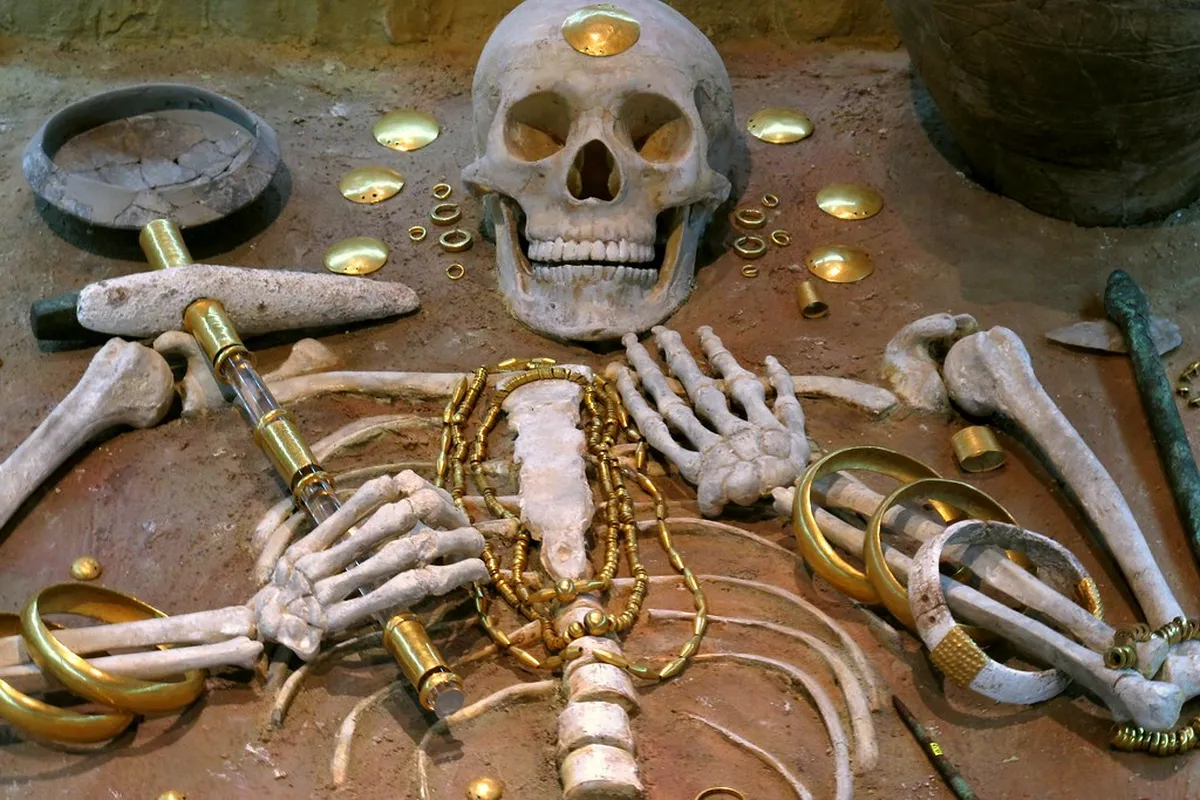
The onsite museum building dates from the 1970s and is run by the Varna Regional Museum of History, the same body that manages the whole site. Exhibits include scale models of the two-level complex at its medieval peak, plus pottery and icons recovered from the caves. Some of the most significant finds have since moved to the Varna Archaeological Museum Visitor Guide in the city center, so the two sites pair well if you want the full artifact picture.
The museum sits right at the entrance, making it a sensible first stop before the climb - the scale models here make the upper-level layout easier to picture once you're on the stairs. The on-site guided lecture (15.00 EUR on top of entry) is worth it if you want the frescoes and cell layout explained rather than read off panels.
Hiking Trails in the Golden Sands Nature Park
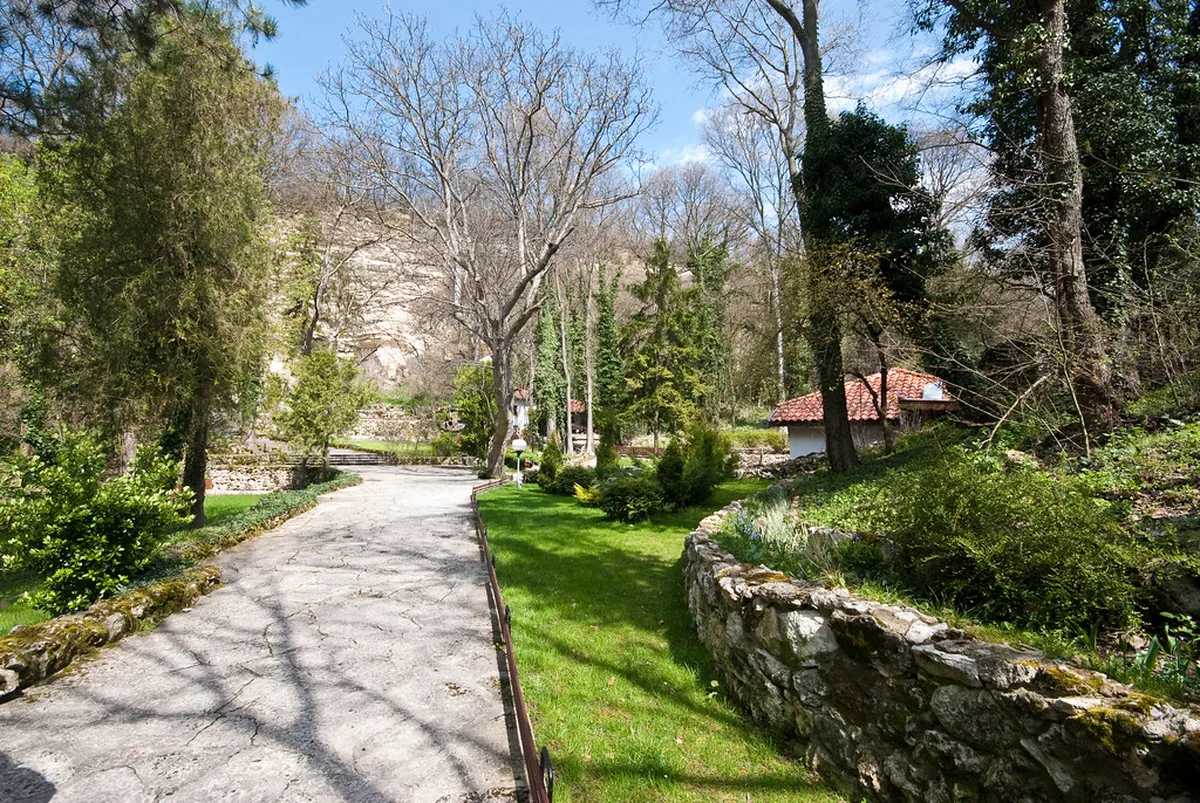
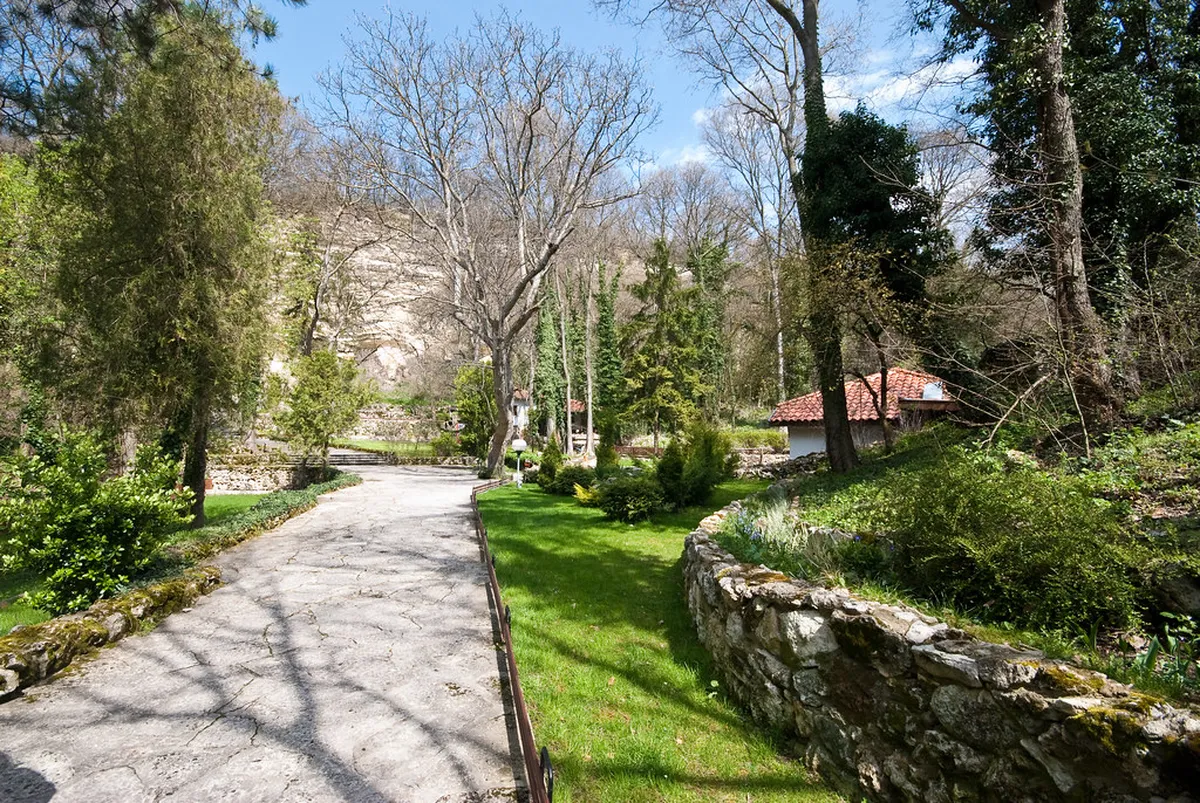
The monastery sits on the edge of Golden Sands Nature Park, one of the largest stretches of near-untouched forest on the Bulgarian coast. Several marked trails start at the monastery entrance, ranging from short loops to longer routes for serious hikers.
The park protects a wide mix of Bulgarian flora and rare bird species, with tree cover offering shade once you step away from the beach. Some paths connect the monastery directly to the resort strips at Golden Sands and St. Konstantine & Helena, doubling as your transfer between cliff and coast. Carry a downloaded map or GPS app in the denser sections, since signage thins out away from the entrance.
Comparing Varna Museum and Monastery Tour Options
Going solo means Bus 29 or Bus 409 from central Varna toward Golden Sands, getting off at the Aladzha stop and walking uphill; a taxi from the city center runs roughly 8-13 EUR one way. That route gives full control of timing but no explanation of what you're seeing beyond a phone or the museum's own audio guide.
The alternative is a combined 5-hour museum-and-monastery tour: hotel pickup around 10:00, a stop at the Varna Archaeological Museum, the walk through Aladzha, and a coffee break in Golden Sands on the way back, with entrance fees usually bundled in. Most allow free cancellation up to 24 hours before departure, so booking early in July and August costs nothing if plans change. Choose the guided version for context as you go; choose bus-and-taxi if two hours on-site is all you have.
The Legends of Aladzha Monastery Sound-and-Light Show
On select summer evenings, the museum stages an outdoor audiovisual reenactment called "Legends of the Aladzha Monastery," created in memory of Karel and Hermengild Skorpil. The narration leans on local folklore - most notably the tale of Rim Papa, the ghostly monk said to emerge from the rock each spring - staged against the floodlit cliff face after dark rather than read off a panel.
This isn't a fixed daily attraction, and the 2026 schedule isn't published far in advance, so don't build a specific evening around it without confirming first. The most reliable way to catch it is to ask at the Varna tourist information center or contact the Varna Regional Museum of History before you travel, since dates tend to cluster around July and August and can shift with weather.
Aladzha Monastery Reviews: What Travelers Should Know
Most travelers rate the site highly for its atmosphere and cliffside views, and reviews consistently mention the spiritual quiet inside the small, hand-carved monastic cells - a contrast most don't expect from a stop marketed alongside the Golden Sands beach strip. The climb up the external stairs is generally manageable but calls for basic fitness and confidence on metal steps.
The most common complaint is that the main complex alone can feel over quickly if you skip the catacombs walk, so build in an extra 45-60 minutes rather than treating it as optional. Crowding is occasionally an issue when several coach tours land within the same hour, typically late morning. For photography, the two hours before sunset put the warmest light on the cliff face, while midday sun washes out what's left of the chapel frescoes.
Best Nearby Attractions in and Around Varna
Aladzha pairs naturally with other Varna-region landmarks in a single day, since most sit within about a 30-minute drive. The Sea Garden Varna Visitor Guide offers an easy seaside walk if you want to unwind after the climb, while the 9 Essential Tips for Visiting the Dormition of the Mother of God Cathedral in the city center gives a very different, gilded contrast to the bare rock cells you just left.
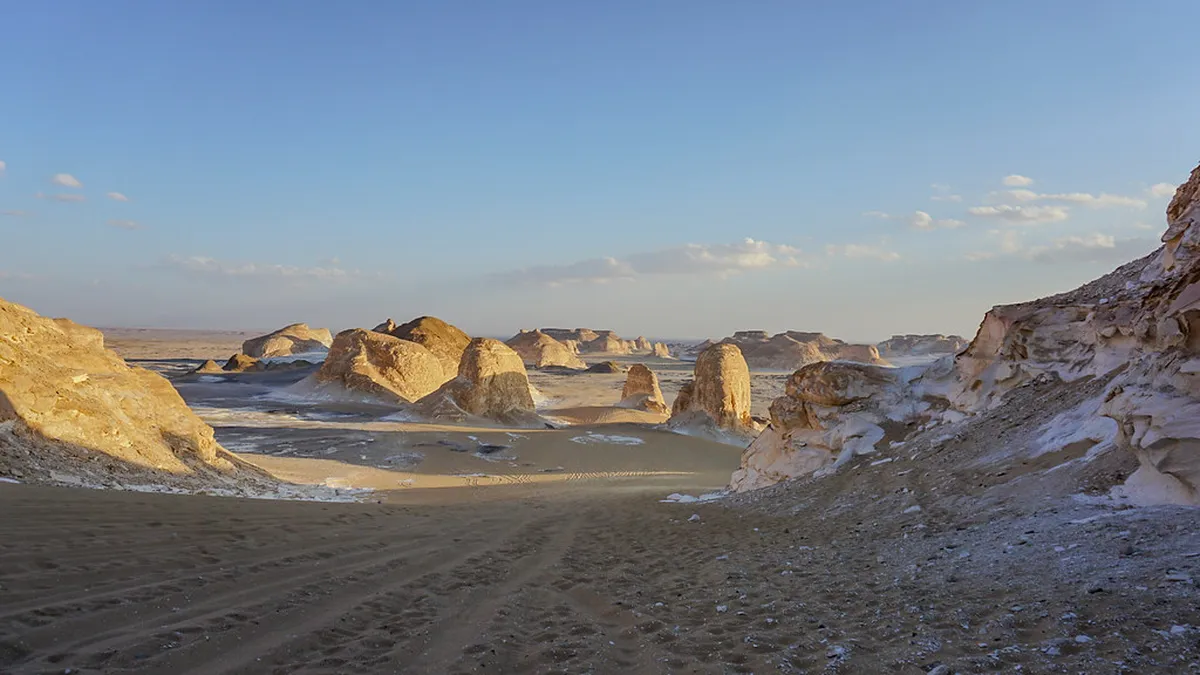
The Pobiti Kamani (Stone Forest) Visitor Guide stone forest west of Varna shows the same coastal limestone shaped into tall, freestanding columns rather than caves. Splitting a day between the monastery, the Varna Archaeological Museum, and one of these stops covers history, faith, and geology without retracing your route.
Accessibility and Mobility Tips for Visitors
Be realistic about what this site involves: reaching the upper monastic level and the catacombs both require a steep, narrow external metal staircase and an uneven forest path, and neither is wheelchair or walker accessible. Anyone using a mobility aid, recovering from a knee or hip issue, or uneasy with height and open metal steps should plan on the ground level only - still a genuine visit, not a consolation prize. The museum building and lower courtyard sit at entrance height, level and paved, holding the scale models, artifacts, and most interpretive panels. The on-site guided lecture (15.00 EUR) is worth considering here, since it delivers the full historical narrative without needing to climb.
Seniors who can manage stairs but want an easier day should use the handrails throughout, wear closed-toe shoes with real grip, and go earlier or later when the metal steps are cooler and less crowded. A weekday morning, outside the late-morning coach-tour window, gives more room to move at your own pace on the narrower sections.
How to Plan a Smooth Day Trip from Varna
Start early to beat the heat and coach traffic from the coastal resorts, and pack water and a light snack, since food options at the site are limited to a small kiosk at best. If you're building the visit into a wider day in the city, our comprehensive guide to Varna covers the route and timing in more detail.
Check the forecast before you leave - the external metal stairs get genuinely slippery in rain. If photography matters, aim for the two hours before sunset, when low light catches the texture of the cliff face and carved cells far better than midday glare.
Dress a little more conservatively than beachwear, since this remains an active religious and historical monument, not just a photo stop. Bring euro cash in small denominations for the ticket counter and the guided lecture add-on - card readers aren't guaranteed at every window, even now that Bulgaria has switched currency.
- Sturdy, closed-toe shoes with real grip - the limestone steps and cave floors get slick, and flip-flops are a bad idea here.
- At least one liter of water per person, since on-site supply is limited and the catacombs walk adds time in the sun.
- Small-denomination euro notes for entry, the guided lecture, and the catacombs walk, in case card machines are down.
Continue planning: Use Varna Attractions: 10 Best Things to Do in 2026 to connect this guide with the rest of your Bulgaria itinerary.
Frequently Asked Questions
How much time should you plan for an Aladzha Monastery visit?
Most visitors should budget between 90 minutes and two hours for a full experience. This allows enough time to see the museum, climb the rock levels, and walk to the catacombs. If you plan to hike the nature trails, add another hour to your schedule.
Is Aladzha Monastery worth visiting for those with mobility issues?
The site is partially accessible, but the main highlight involves climbing steep metal stairs. Visitors with mobility issues can still enjoy the museum and the lower level of the monastery. However, reaching the upper cells and the catacombs may be too difficult for some. Learn more about Varna attractions here.
How do you get to Aladzha Monastery from Varna by bus?
You can take Bus 29 from the Varna city center directly toward the monastery area. Alternatively, Bus 409 travels to the Golden Sands resort, where you can get off at the Aladzha stop. From the bus stop, it is a short uphill walk to the entrance.
Are the catacombs at Aladzha Monastery open to the public?
Yes, the catacombs are open to the public and are included in your standard entrance ticket. They are located about 800 meters away from the main cliff monastery along a forest path. Be aware that the trail can be slightly overgrown and rugged during the summer.
The Aladzha Monastery is a captivating destination that blends history, spirituality, and natural beauty. Whether you are a solo hiker or a family on vacation, the site offers something for every traveler. Planning your visit with the right information ensures a smooth and memorable experience in Bulgaria.
Take the time to explore the quiet corners of the limestone cliffs and the ancient forest paths. The legends of the colorful monastery will stay with you long after you return to the city. Varna remains a gateway to these ancient wonders that define the heritage of the Black Sea coast.
For official details, visit the Aladzha Monastery official site and Aladzha Monastery on Wikipedia.
For more Varna planning, read our Varna to Golden Sands Transport Guide guide.