Explore Tsarska Bistritsa: The Royal Palace Borovets Guide
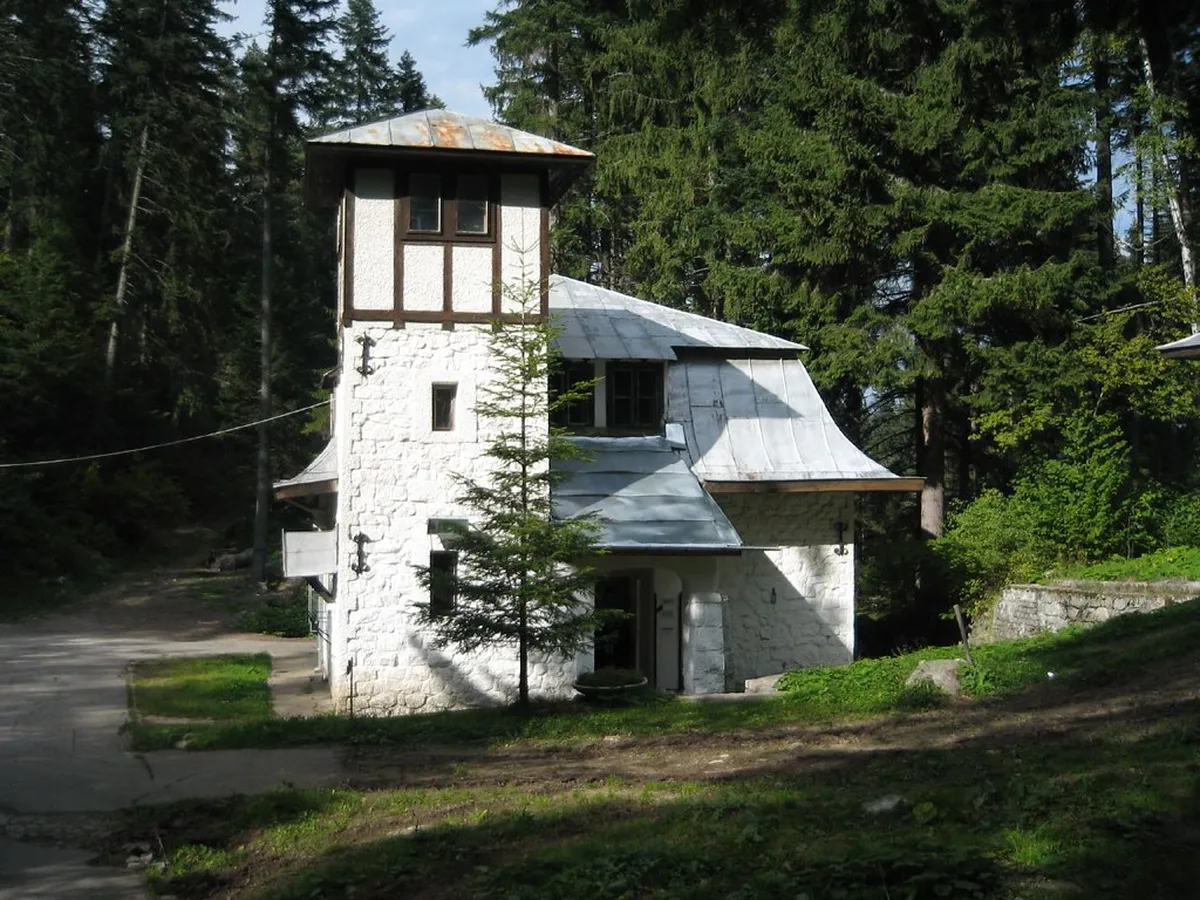
Tsarska Bistritsa stands as a hidden architectural gem nestled deep within the pine forests of the Rila Mountains. This former royal hunting lodge offers visitors a rare glimpse into the private lives of the Bulgarian monarchy.
To preview the palace grounds and forest setting before your visit, this 4K video captures the terraces, gardens, and natural surroundings:
Exploring the grounds provides a peaceful escape from the busy ski slopes and modern hotels of central Borovets. You can walk through history while admiring the unique blend of traditional Bulgarian and European design styles.
Whether you are a history enthusiast or a nature lover, this estate offers a captivating experience throughout the year. Our guide covers everything you need to know for a perfect visit to this royal sanctuary.
The Royal History of Tsarska Bistritsa
King Ferdinand I commissioned this hunting lodge between 1898 and 1914, choosing a forested site above Borovets where the Musalenska Bistritsa River could supply both scenery and running water for the estate's own power plant. It reflects the confidence of the Third Bulgarian Kingdom during a period of rapid modernization, when the royal family split its time between Sofia and mountain retreats like this one.
The palace carries one of the more somber footnotes in Bulgarian royal history. On 28 August 1943, Queen Giovanna was told here that her husband, King Boris III, had fallen gravely ill after returning from a meeting with Hitler; their children, six-year-old Simeon and nine-year-old Marie-Louise, saw their father for the last time within these walls days before his death. That single afternoon still colors how many Bulgarian visitors read the rest of the estate.
The estate was nationalized after 1945 under Communist rule and used for state functions for decades. It was returned to Simeon II, later Bulgaria's prime minister, in October 2002 - a controversial restitution that restored the palace's status as private royal property even as its grounds stayed open to the public.
Architectural Highlights: A Blend of Styles
The architecture of the palace beautifully combines the Bulgarian National Revival style with elements of European Romanticism. Master craftsmen used local stone and timber to create a structure that feels perfectly integrated into the forest.
Intricate wood carvings adorn the ceilings and balconies, showcasing the exceptional skill of Bulgarian woodworkers from the early twentieth century. These artistic details provide a warm and welcoming contrast to the rugged mountain surroundings.
What confuses most first-time visitors is that "the palace" is actually two build phases stitched together, and knowing which is which makes the walk-through much easier to follow.
- Old Palace (completed 1898)
- King Ferdinand I's original hunting lodge, a simpler timber-and-stone build
- Holds the earliest trophy rooms and family quarters
- Closest to the main gate and the river crossing
- Later wings (added through 1914)
- Built as the family's needs grew, in a more ornate National Revival style
- Include the ship's cabin room and the formal reception spaces
- Set slightly higher on the slope, linked to the original block by a covered walkway
Inside the Palace: Hunting Trophies and the Ship’s Cabin
The interior of the palace serves as a museum of royal life, featuring an extensive collection of hunting trophies. These displays highlight the passion for nature and outdoor pursuits shared by several generations of Bulgarian kings.
One of the most fascinating rooms replicates a first-class stateroom from the transatlantic ocean liner New America, right down to the paneling and portholes. It is one of the more unexpected interior details in any Bulgarian royal residence, since nothing else in the building hints at a maritime theme.
Authentic furniture and personal items remain in place, creating the feeling that the royal family has only just stepped out. You can learn more about these treasures through detailed historical records that document the palace's rich heritage.
The Royal Park and Rare Botanical Species
The park surrounding the palace is a botanical wonderland featuring rare tree species brought from across the globe. King Ferdinand I was a passionate botanist who personally supervised the planting of many unique specimens on the grounds.
The Musalenska Bistritsa River flows gracefully through the estate, adding a soothing soundtrack of running water to your walk. Stone bridges and narrow paths invite you to explore the further reaches of the lush alpine garden. A small chapel built for a royal wedding and an open-air gallery of Bulgarian landscape paintings sit along one of these paths, and both are easy to walk past if you don't know to look for them.
This protected area within the Rila National Park Visitor Guide provides a habitat for diverse local wildlife and seasonal flowers. Every season brings a new color palette to the landscape, making it a favorite spot for photographers.
The Historic 1912 Siemens Power Plant
A truly remarkable feature of the estate is the hydroelectric power plant built with specialized parts from Siemens in 1912. This historic facility continues to generate electricity for the entire palace complex even after more than a century of use.
It represents a pioneering moment in Bulgarian engineering and showcases the advanced technology available to the royal family. You can view the exterior of this functional monument while walking along the river banks.
The plant remains in excellent condition and serves as a testament to the quality of early industrial manufacturing. Seeing this lesser-known place is often a highlight for visitors interested in technical history and sustainable energy.
Visitor Information: Hours, Tickets, and Location
Planning your logistics in advance ensures a smooth experience when visiting this popular historical landmark. The palace is conveniently located just a short distance from the main center of the Borovets resort area.
Standard opening hours typically run from Thursday to Sunday, though these can change during the winter season. It is always wise to check the official website for the most current schedule before you travel.
Tickets are sold on-site at the entrance gate and typically cover both the palace interior and the park grounds. Bulgaria adopted the euro in January 2026 at a fixed rate of 1.95583 lev per euro, so prices below are shown in euro, but treat them as indicative - the palace has no published official price list, and card payments are not always available at the small ticket booth, so bring cash.
- Palace Entrance Details
- Adult ticket: around 5.11 EUR (10 BGN), unconfirmed - check on arrival
- Reduced ticket (children/students): around 2.56 EUR (5 BGN)
- Park-only ticket: around 2.56 EUR (5 BGN)
- Last entry: 16:30
- Standard Opening Schedule
- Days: Thursday - Sunday
- Hours: 09:00 - 17:00
- Closed: Monday - Wednesday
- Note: hours can shift for private royal events or winter closures
Best Time to Visit: Seasonal Tips
Summer offers the best conditions for exploring the botanical gardens and enjoying the cool mountain air. The vibrant green foliage and blooming flowers create a stunning backdrop for a leisurely afternoon stroll through the park.
Winter transforms the estate into a snowy fairytale setting that looks like something from a classic storybook. You should wear sturdy, waterproof footwear to navigate the forest paths safely during the colder months in Borovets.
Autumn brings a spectacular display of golden colors to the rare trees, making it ideal for nature photography. Spring visits allow you to see the garden waking up as the snow melts and the river flows with renewed energy.
How to Get There from Borovets Center
The palace is located approximately one kilometer away from the main street and the primary ski lift area. You can enjoy a pleasant twenty-minute walk through the tall pine trees to reach the entrance gate.
Follow the signs leading toward the upper part of the resort near the forest tracks. If you prefer to drive, there is limited parking available near the entrance, but walking is generally more convenient.
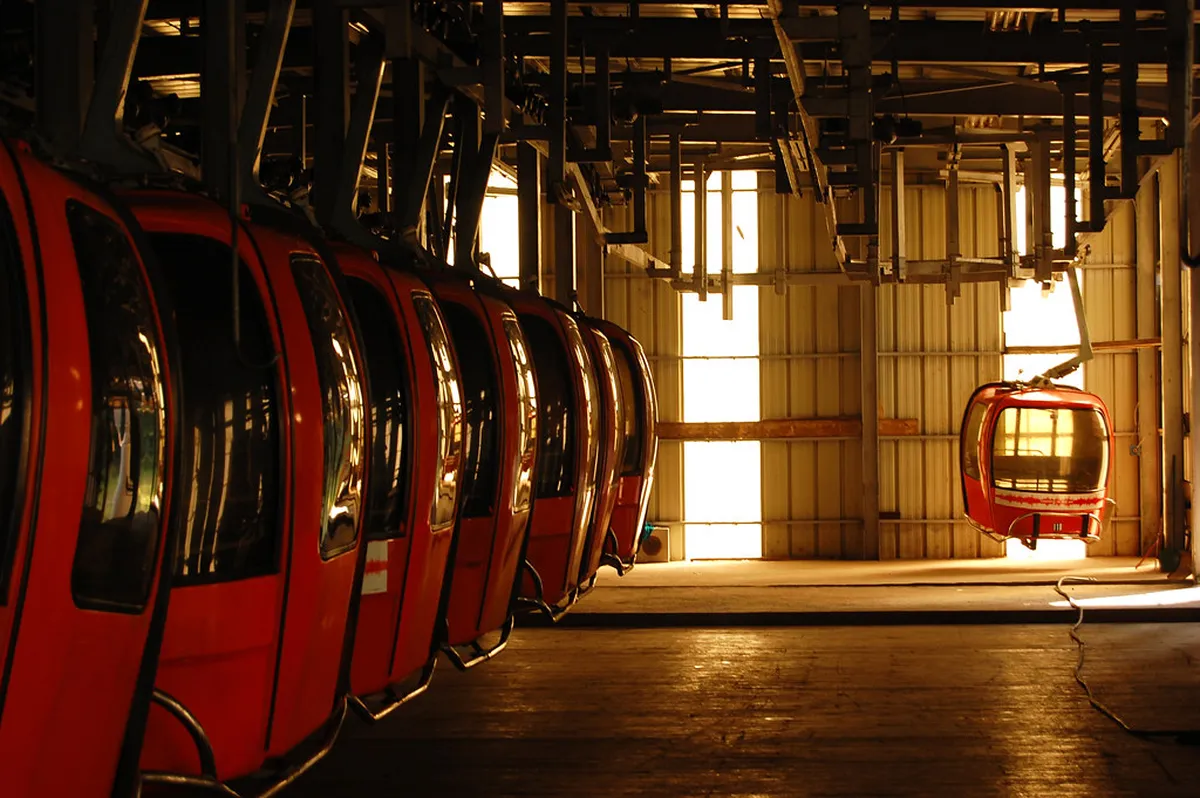
The route is mostly flat, but it's a packed-gravel forest track rather than pavement, so it suits sturdy strollers and is manageable for most wheelchair users on dry days - after rain or snowmelt it turns soft and rutted, a detail most guides to the palace skip entirely. Inside, the older wing has a raised threshold and a short flight of stairs up to the trophy rooms with no lift, so visitors with limited mobility may only be able to see the ground-floor rooms and the ship's cabin. Many visitors stop by after using the Borovets Gondola (Yastrebets Gondola) Visitor Guide for a morning of mountain sightseeing.
Combining Your Visit: The Black Rock Hike
You can easily combine your palace tour with a scenic hike to the nearby Black Rock viewpoint. This trail begins near the estate and takes approximately two hours to complete at a moderate pace.
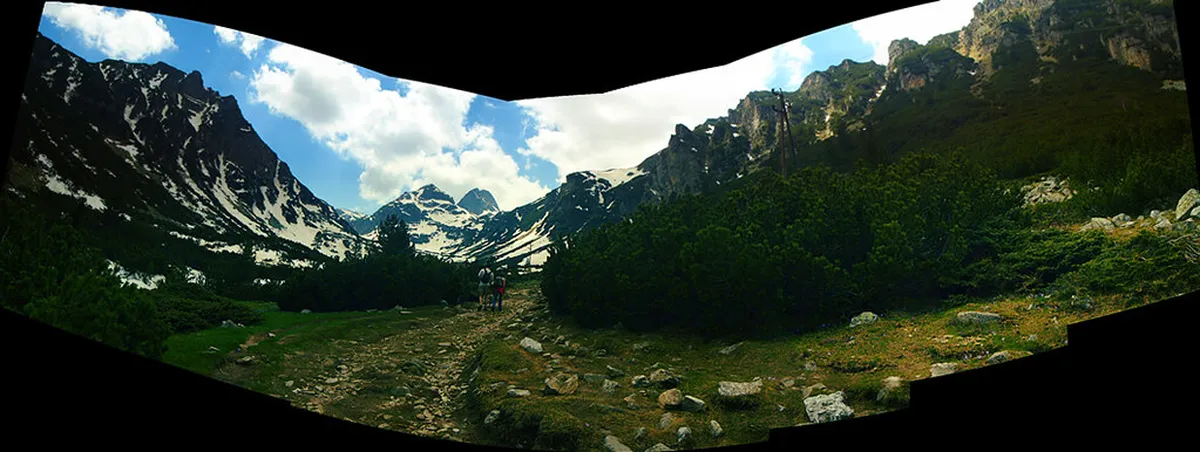
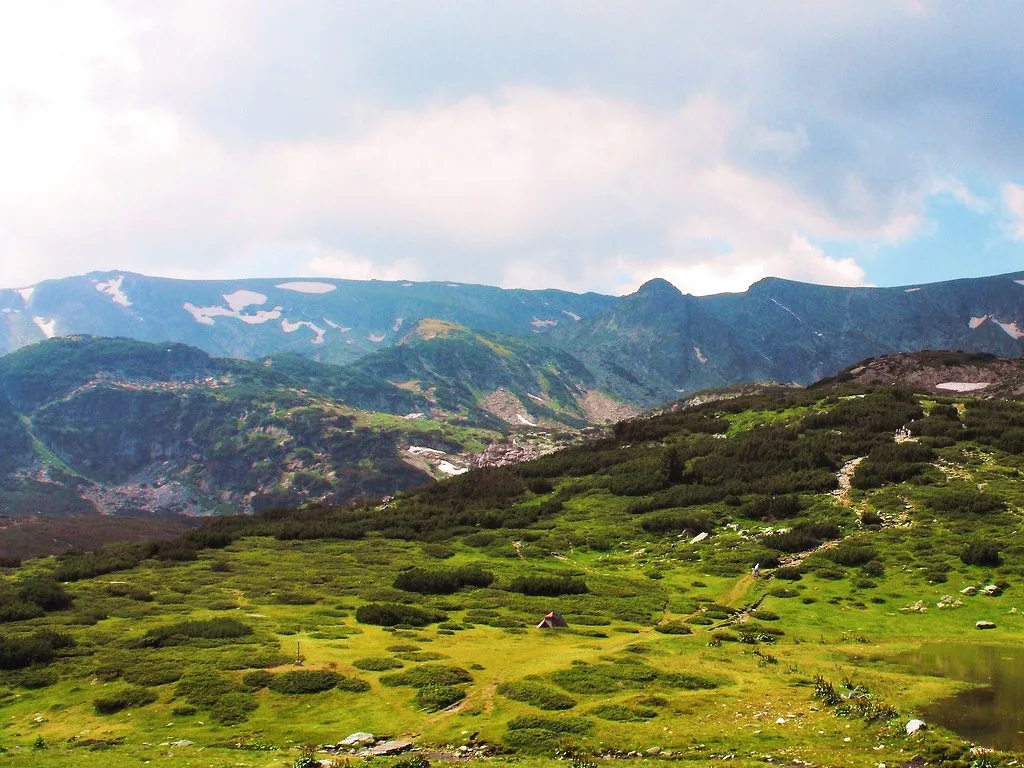
The path winds through beautiful forest scenery and offers breathtaking views of the Rila mountain peaks. It is a great way to experience more of the natural beauty that surrounds this historic royal site.
For those seeking even more adventure, the area serves as a gateway to longer treks toward Musala Peak Visitor Guide. Always carry water and check the weather forecast before heading deep into the mountain trails.
Good to Know Before You Go
Photography is strictly prohibited inside the palace buildings to protect the delicate fabrics and historic artifacts. You are free to take as many photos as you like in the beautiful park and near the power plant.
The palace is occasionally closed for private events hosted by the royal family, so flexibility in your schedule is helpful. Plan to spend at least ninety minutes on the grounds to see everything without feeling rushed.
If you enjoy mountain hiking, consider exploring the trails toward Malyovitsa Visitor Guide for more stunning Rila scenery. Respecting the rules of the estate ensures that this historic treasure remains preserved for future generations.
Continue planning: Use Borovets Attractions: Top 5 Things to Do in Borovets & the Rila Mountains to connect this guide with the rest of your Bulgaria itinerary.
Frequently Asked Questions
What is Tsarska Bistritsa?
Tsarska Bistritsa is the former royal hunting palace of the Bulgarian tsars, set in the woods near Borovets in the Rila Mountains. It was built and enlarged between 1898 and 1914 for Tsar Ferdinand I and later used by King Boris III, and today it is open to visitors with its gardens and historic interiors.
What are the opening hours of Tsarska Bistritsa?
The palace is open Thursday to Sunday from 09:00 to 17:00 and is closed Monday, Tuesday and Wednesday.
How much does it cost to visit Tsarska Bistritsa?
Tickets are bought on-site at the palace ticket office, so confirm the current price when you arrive. Recent visitor reports put adult entry at roughly 5.11 EUR (10 BGN) with reduced rates for children and students, though this is not officially confirmed. Prices are shown in euro since Bulgaria adopted the currency in January 2026, at the fixed rate of 1.95583 lev per euro.
Who built the Royal Palace at Borovets?
It was commissioned by Tsar Ferdinand I, with architect Pencho Koychev among those who designed its expansions, and completed in 1914. It later served King Boris III as a mountain retreat and hunting base.
Can you take a guided tour of Tsarska Bistritsa?
The palace grounds, gardens and parts of the residence are open to visitors during opening days, and organised tour packages from local operators often include a stop here. Check on-site for the current arrangements, as access to some interiors can be limited.
How do you get to Tsarska Bistritsa from Borovets?
The palace sits about 1 km from the main Borovets street, roughly a 15-20 minute walk from the Rila Hotel or the gondola station through the surrounding park.
What can you see inside Tsarska Bistritsa?
Highlights include the royal residence's period interiors, a hunting trophy collection, a 1912 Siemens hydroelectric generator and a preserved cabin taken from the transatlantic liner New America, all set within landscaped gardens.
Tsarska Bistritsa offers a unique combination of royal history, stunning architecture, and natural beauty in central Borovets. It remains one of the most important cultural landmarks in the Rila Mountains for any curious traveler.
By following this guide, you can ensure a smooth and rewarding visit to this historic hunting lodge. Whether you admire the 1912 Siemens plant or the rare botanical garden, the estate will leave a lasting impression.
Make sure to include this royal sanctuary in your next Bulgarian itinerary for a peaceful break from mountain adventures. The palace stands as a timeless reminder of the country's rich monarchical heritage and artistic traditions.
To verify current details, consult the Tsarska Bistritsa (Royal Palace Borovets) on Wikipedia and Tsarska Bistritsa (Royal Palace Borovets) official site.
For more Borovets planning, read our Where to Eat in Borovets 2026: Best Restaurants & Mehana Dining guide.