Yagodina Cave Visitor Guide: 10 Essential Tips & Highlights
Yagodina Cave is the longest show cave in the Rhodope Mountains, tucked into the Buynovo Gorge near Yagodina village. Guided 45-minute tours pass cave pearls, flowstone and a Neolithic ceramics workshop at a constant 6 C. This 2026 guide covers what the visit costs, how to handle the gorge road, and where Devil's Throat and Uhlovitsa fit into a wider Rhodope trip.
Tours run on a rough schedule with group minimums, and the access road narrows to one lane in places. Everything below is built around those realities.
For a visual preview of the Rhodope Mountains and Yagodina Cave, this 4K guide covers Eagle's Eye and the surrounding landscape:
Where Is Yagodina Cave Located?
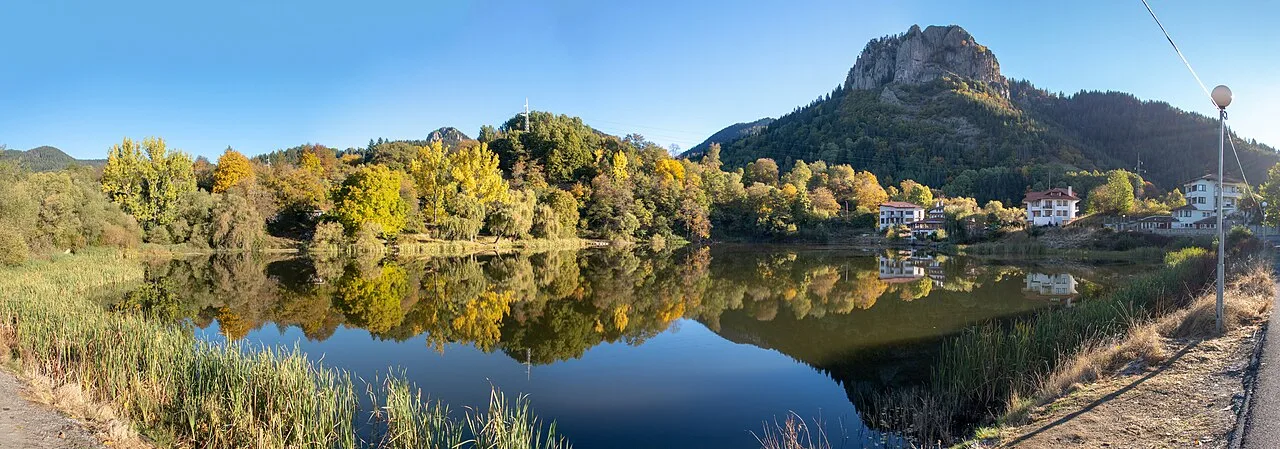
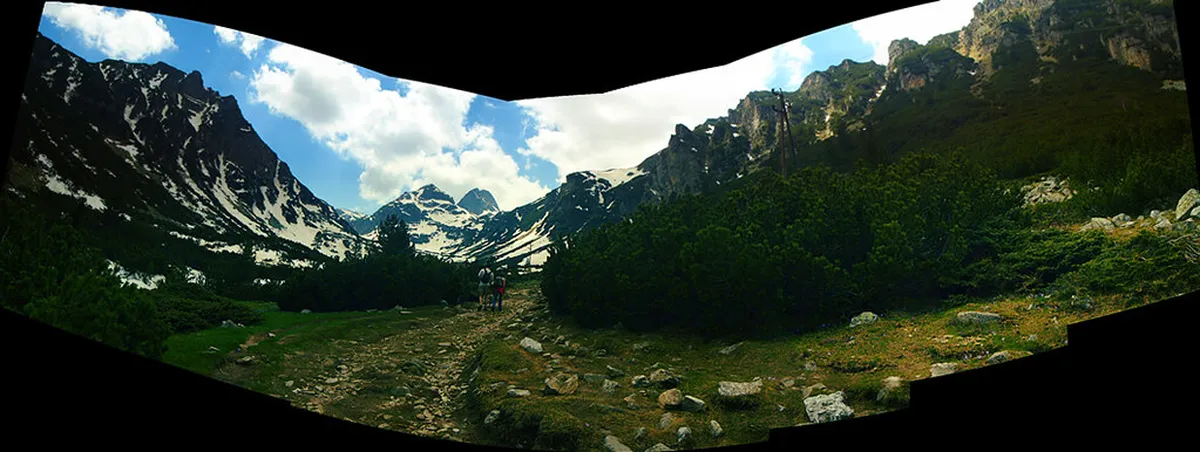
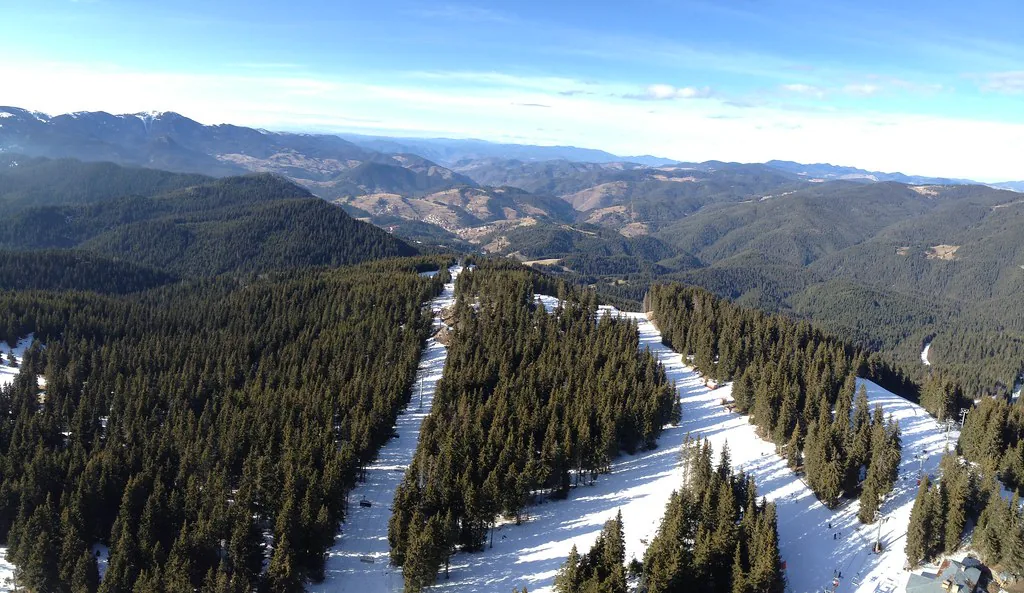
Yagodina Cave sits in the southern Rhodope Mountains, inside Smolyan Province and Borino Municipality, close to the Greek border. It lies within the Buynovo River gorge, roughly 20 km south of Devin and about 3 km from Yagodina village. Visitors from Pamporovo Attractions generally treat it as a half-day or full-day excursion.
The entrance sits at the bottom of the gorge, well below the village that shares its name - a distinction that catches out first-timers expecting the cave near the village center. The terrain is sheer limestone cliffs, dense pine forest and Rhodope hamlets far removed from Bulgaria's coastal resorts.
Because the drive in is slow, most people pair Yagodina with the nearby Trigrad Gorge Visitor Guide and Devil's Throat Cave rather than visiting alone. Budget the whole day if coming from Pamporovo or Smolyan.
Geological Origins and Formations
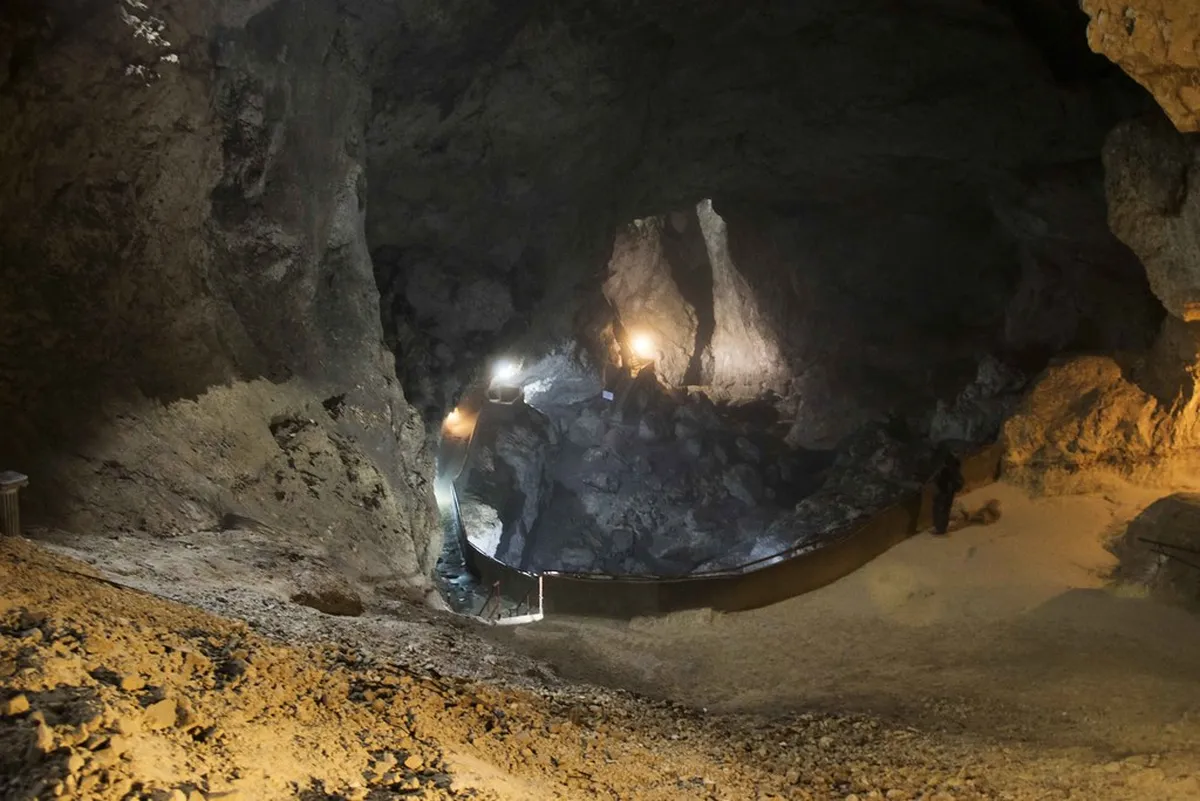
Yagodina Cave ranks among Bulgaria's longest and most complex cave systems, stretching over 10 km across three levels carved by the Buynovo River. Only the lowest level is developed and open to the public, fully electrified with a paved, largely level walkway.
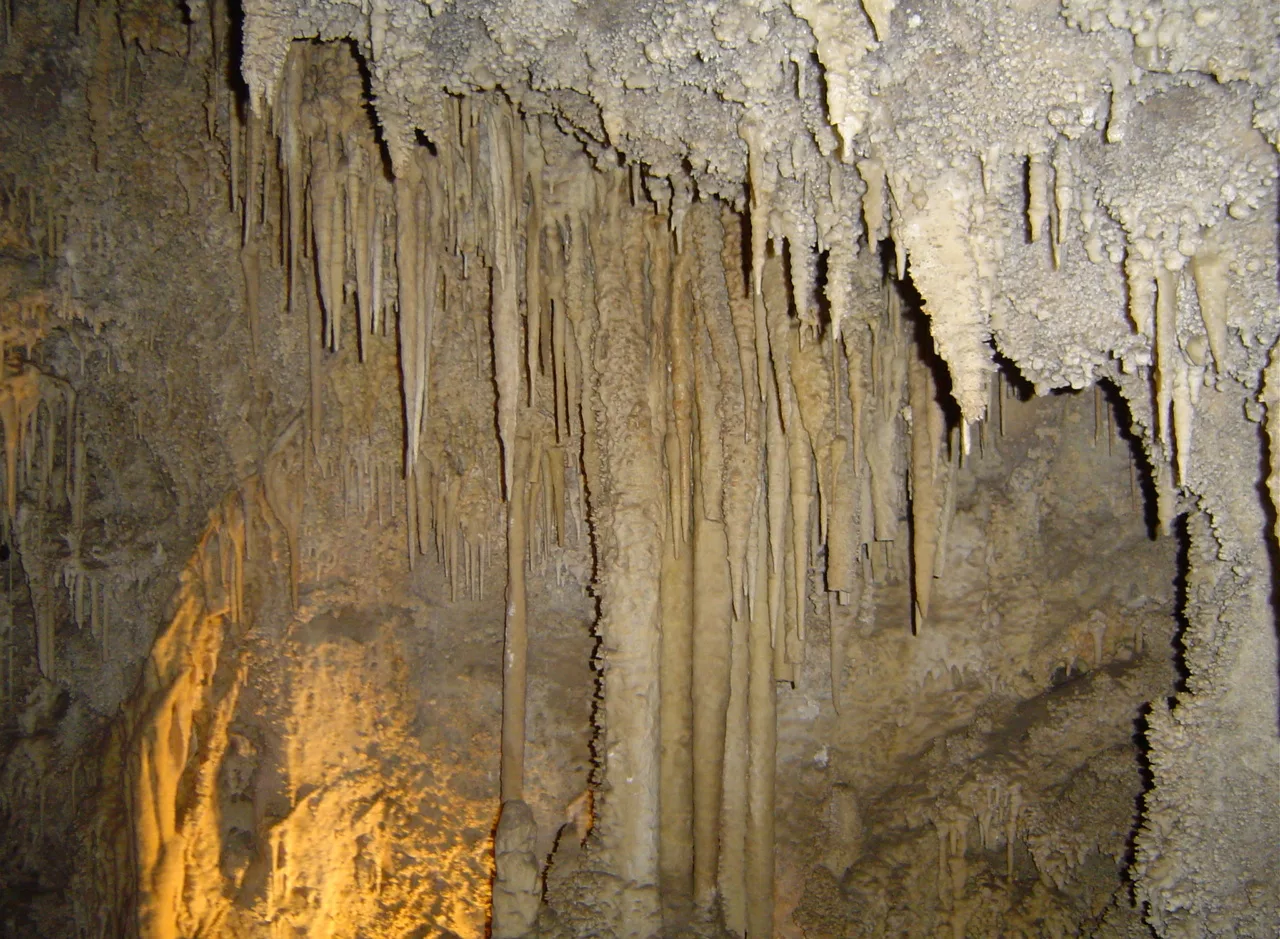
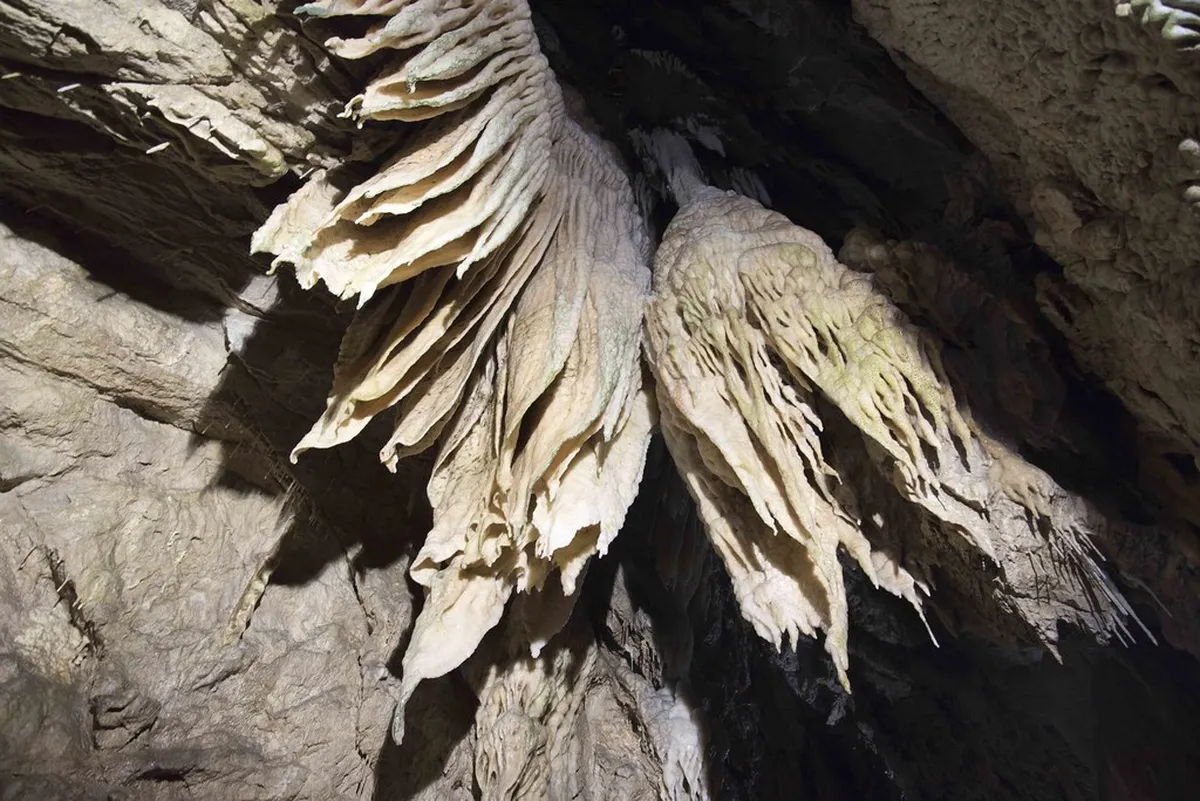
The tour passes a dense concentration of stalactites and stalagmites, plus the cave's signature feature: cave pearls, small polished spheres of calcite formed in shallow pools as dripping water rolls mineral deposits round.
The Snow Hall is the visual highlight, its walls coated in white calcite crystal that catches the tour lighting like fresh snowfall - one of the finest examples of marble-style decoration in the Balkans.
Archaeological and Historical Importance
Human use of Yagodina Cave dates back to the Neolithic period, with the earliest habitation layers traced to roughly the 4th millennium BC. Early inhabitants used the cave's dry upper level as shelter, leaving evidence of a working ceramics site rather than simple camping debris.
Reconstructed hearths along the route show how these communities fired pottery inside, using the cave's stable temperature. Finds include ceramic fragments, stone tools and pigment traces, displayed near the entrance.
This history separates Yagodina from purely scenic caves elsewhere in the Rhodopes - the archaeological story here is as well documented as the geology.
Visiting Yagodina Cave Today (Guided Tours)
Entry is guided-only, no self-guided or after-hours access. The route covers about 1,100 m and takes roughly 45 minutes, departing on a rough hourly schedule - 09:00-16:15 in summer (May-October), 10:00-16:15 in winter (November-April). Arrive early in peak season, since groups sometimes fill ahead of the posted hour.
Tickets are priced in leva but worth knowing in euros: adults pay around 10 BGN (about 5.11 EUR), students about 8 BGN (roughly 4.09 EUR) with valid ID, and children 5 BGN (about 2.56 EUR); under-6s go free. Confirm figures on site since 2026 rates can shift, and bring cash - cards aren't reliable at the gate.
One detail almost no write-up of Yagodina mentions: tours need a minimum group to run, roughly 6 visitors off-season and 10 in summer. Show up alone or as a pair off-season and you won't be turned away, but you'll likely cover the shortfall with a minimum-group charge of around 40 BGN (about 20 EUR) instead of the per-person rate. Solo and shoulder-season travelers should budget for this, or time arrival around a bus or family group.
Photography without flash is allowed, and the guide pauses at each hall, the Snow Hall included.
Practical Tips for Visitors (Clothing and Gear)
The biggest planning mistake is dressing for the Rhodope summer and forgetting the cave. Outside, July and August afternoons in the gorge often hit 28-30 C; inside, the temperature holds at a constant 6 C year-round with humidity around 85-91%, closer to a walk-in fridge.
The walkway is paved and lit but damp and slightly slick near the cave pearls. Trainers or light hikers grip the surface far better than sandals or smooth-soled shoes.
- What to pack for the temperature swing
- Outside in summer: t-shirt, shorts, sun hat - expect 25-30 C in the gorge
- Inside, year-round: fleece or light jacket, closed shoes - expect a steady 6 C
- Footwear: trainers or hiking shoes with grip, not sandals
- Payment: cash in leva
- Extras: a small water bottle is fine; food isn't allowed inside
Children manage the walk well since it's short and level, but the sudden cold and low light can unsettle younger kids for the first few minutes. A warm layer and a reminder that the tour is only 45 minutes usually settles any nerves.
Buynovo River Gorge: The Adventure Drive
Reaching the cave means driving through the Buynovo River Gorge, one of the most dramatic and nerve-testing roads in the Rhodopes. It's well-maintained asphalt but narrow, with long single-lane stretches between the river and vertical rock walls. Preview the route via the Buynovo River Gorge map location before you set out.
Budget about 20 minutes from where the gorge road leaves the main Devin-Dospat route, near the Teshel Reservoir dam, to the Yagodina turn-off - longer with oncoming traffic, and busiest on summer weekends.
- Gorge driving notes
- Passing bays are frequent but not constant - slow before blind bends
- Minor rock debris on the road is normal, not a hazard sign
- A headlight flash or horn tap at corners is local courtesy for "I'm coming through"
- No fuel stations inside the gorge - fill up in Devin or Dospat first
The payoff is real: the gorge's walls rise well over a hundred meters above the river, and slowing down is part of the experience.
Eagle’s Eye Walk from Yagodina Village
Many visitors pair the cave tour with the walk up to the Eagle’s Eye viewing platform, a cliffside deck above Yagodina village. The trailhead starts behind Guesthouse Milka and connects into the Devil's Path Ecotrail, a longer waymarked route for a full day.
Local drivers park at the gorge turn-off and often flag down walkers to offer a paid 4x4 ride to the top - a genuine local hustle, and reasonable if you're short on time. Walking instead takes about an hour up a well-trodden, moderately steep path; a few families with young children turn back partway.
The platform has a glass-floor section for the extra thrill, and on clear days the view stretches into the Greek mountains beyond the border - the best photo stop of the trip.
Where to Stay: Guesthouse Milka and Local Options
Staying overnight in Yagodina turns the cave visit into a proper weekend rather than a rushed day trip. Guesthouse Milka is the best-known option, with private-bathroom rooms around 41 EUR a night and a private jacuzzi for hire at about 15 EUR an hour.
Breakfast and an evening meal of Rhodope dishes are usually available for a small extra charge, and the shared lounge - log burner, valley views - doubles as a workspace, with better wifi than the remote setting suggests.
The village is quiet, with a handful of shops and cafes. Book ahead for July and August weekends, when rooms fill fast.
Comparing Yagodina to Other Bulgarian Caves
Yagodina is most often compared with Devil's Throat Cave, about 30 minutes away in the neighboring Trigrad Gorge. Yagodina is delicate, slow-formed beauty - cave pearls, flowstone, the Snow Hall - while Devil's Throat is drama, built around a thundering waterfall and the legend of Orpheus.
- Yagodina Cave: 45-minute tour, about 1,100 m of route, mostly level, family-friendly, known for cave pearls and Neolithic history
- Devil's Throat Cave: shorter tour with steeper stairs and a loud waterfall chamber, known for acoustics and legend
- Uhlovitsa Cave: smaller and quieter, fewer crowds, a good add-on without a second long drive
Pick Yagodina for accessibility, families and the archaeology angle; pick Devil's Throat for atmosphere and drama. Many visitors with a full day do both, since they sit in adjoining valleys. The Uhlovitsa Cave Visitor Guide and the Wonderful Bridges (chudnite Mostove) Visitor Guide round out a longer Rhodope itinerary.
Weekend Itinerary: Cave, Gorge and Eagle's Eye in One Trip
A satisfying Yagodina weekend follows a simple rhythm: drive in through the gorge on day one, settle into a guesthouse, then split the cave tour and the Eagle's Eye walk across two half-days.
Day one: arrive, check in, and take an afternoon cave tour once midday groups thin out. Day two: walk or jeep up to Eagle's Eye in the cooler morning, then head home or extend to Trigrad Gorge and Devil's Throat Cave, about 30 minutes further along the same road.
For a longer loop, the Bulgaria Road Trip Itinerary: 10 Essential Guide Sections and a dedicated Trigrad Gorge and Devil's Throat Cave guide slot in well either side of this weekend.
Continue planning: Use Pamporovo Attractions: Top 9 Things to Do in the Rhodope Mountains to connect this guide with the rest of your Bulgaria itinerary.
Frequently Asked Questions
How long does the Yagodina Cave tour take?
The standard guided tour covers about 1,100 m of walkway and lasts roughly 45 minutes. Tours leave at approximately hourly intervals throughout the day.
How difficult is the walk inside the cave?
Yagodina is one of the easier Rhodope show caves. The tourist route is largely level along a lit, developed path with far fewer stairs than caves like Devil's Throat, making it suitable for most visitors, including families.
How cold is it inside, and should I bring a jacket?
The temperature inside stays around 6 C year-round with very high humidity (about 85-91%), so a warm jacket is recommended even in summer when it is hot outside.
Is there a minimum number of people to enter?
Yes. A minimum group is needed for a tour to run - roughly 6 people off-season and 10 in summer. If fewer people are present you can still visit by paying a minimum group charge (about 40 BGN / EUR 20).
What will I see inside Yagodina Cave?
The cave is famous for curtain-like flowstone, knotty 'cave pearl' stalagmites and richly decorated galleries across three levels. Its uppermost level also held a prehistoric ceramic-production site dating to the 4th millennium BC.
How do I get to Yagodina Cave from Pamporovo?
The cave sits in the Buynovo Gorge about 3 km from Yagodina village and roughly 20 km south of Devin. Drive from Devin toward Dospat and turn off at the Teshel Reservoir dam; the gorge road is narrow and single-lane in places but leads right to the cave car park.
Is Yagodina Cave open all year?
Yes. It is open year-round on seasonal hours - about 09:00-16:15 in summer (May-October) and 10:00-16:15 in winter (November-April) - though group minimums are more likely to affect off-season visits.
Yagodina Cave is a highlight of the Rhodope Mountains, from the delicate cave pearls to the prehistoric hearths - and knowing the ticket prices and group-minimum rules in advance keeps the visit free of surprises at the gate.
Pack warm clothes for the cave, drive carefully through the gorge, and consider visiting Shiroka Laka Visitor Guide on your way back.
For more Pamporovo planning, read our Things to Do in Pamporovo, Bulgaria: Complete 2026 Guide and Day Trips from Pamporovo 2026: Smolyan, Caves & Rhodope Highlights guides.
For official details, visit the Yagodina Cave on Wikipedia.