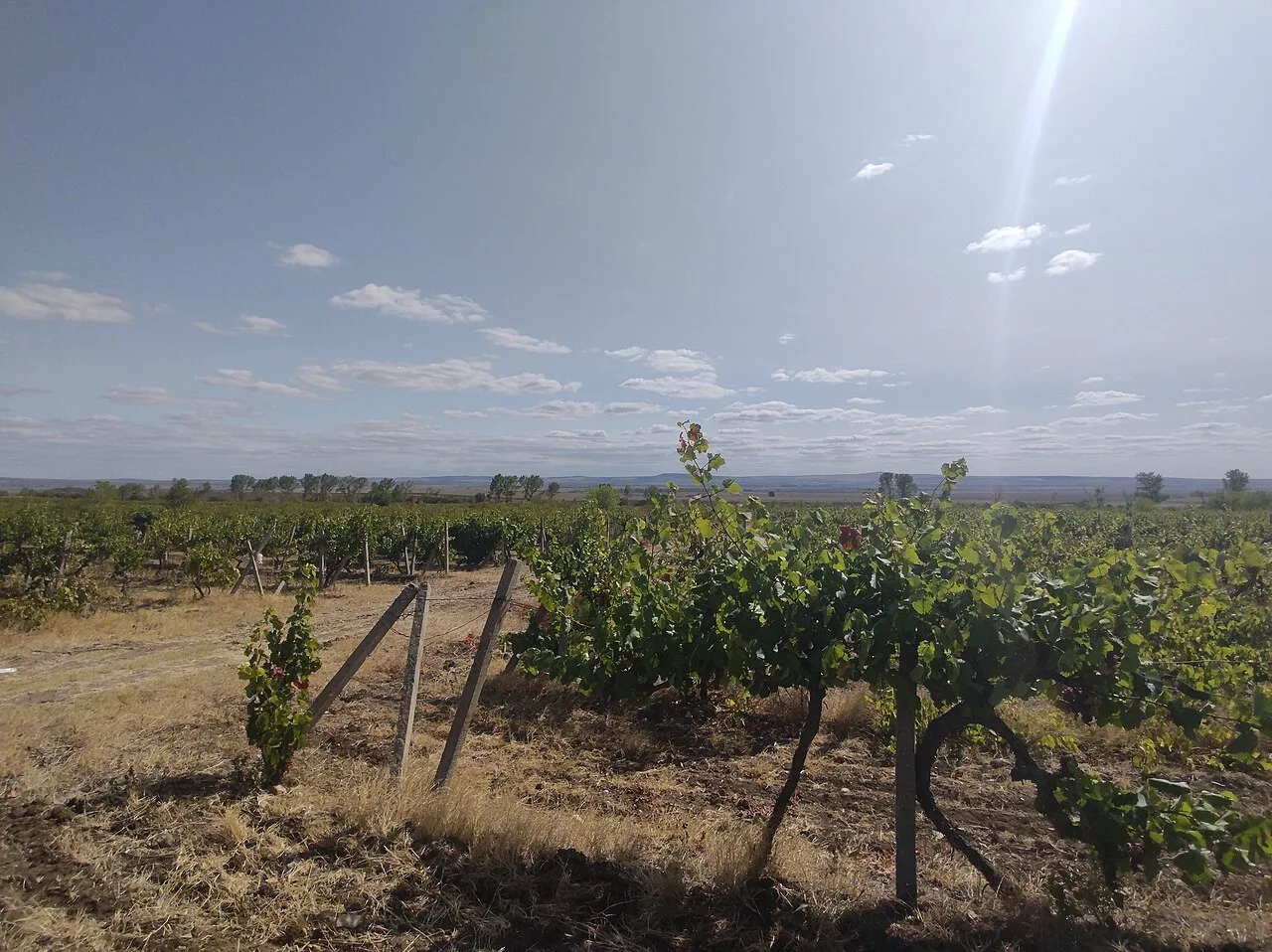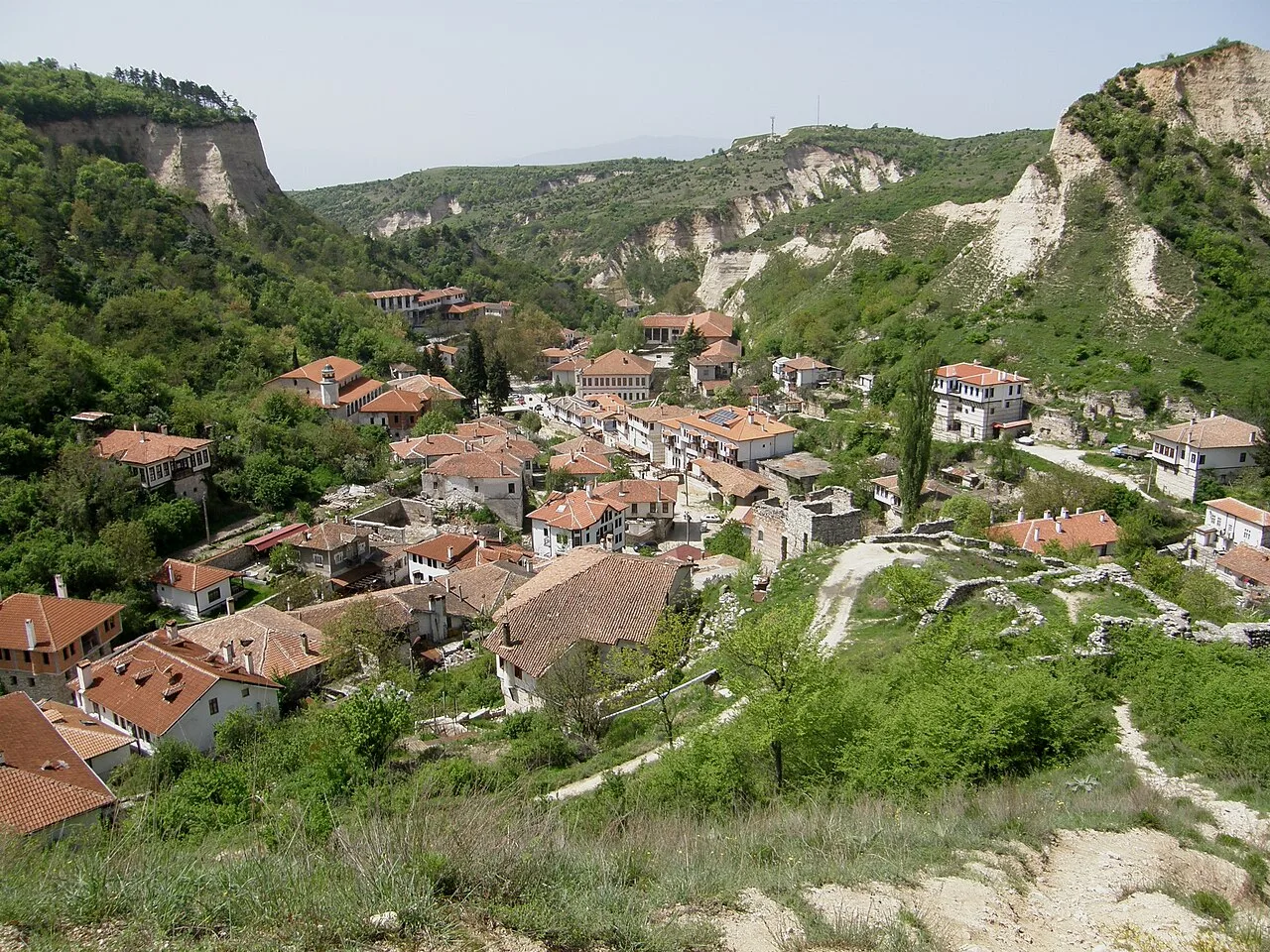
When Is the Best Time to Visit Melnik?
Late September to mid-October is the best time to visit Melnik for most travelers. The wine harvest fills the Struma Valley with activity, and daytime highs of 18–27°C / 64–81°F make hiking comfortable. Shoulder seasons — May to early June and September to October — are the sweet spots most guidebooks underplay.
To see Melnik's wine culture and distinctive landscape in action, this video captures the village charm and surrounding valleys:
Updated June 2026, this guide covers what each season actually delivers. Standing inside a rock-cut wine cellar while the harvest crew unloaded Broad-Leaved Melnik grapes outside — that is Melnik in autumn. No other Bulgarian destination combines this level of heat, wine culture, and canyon scenery in one compact village.
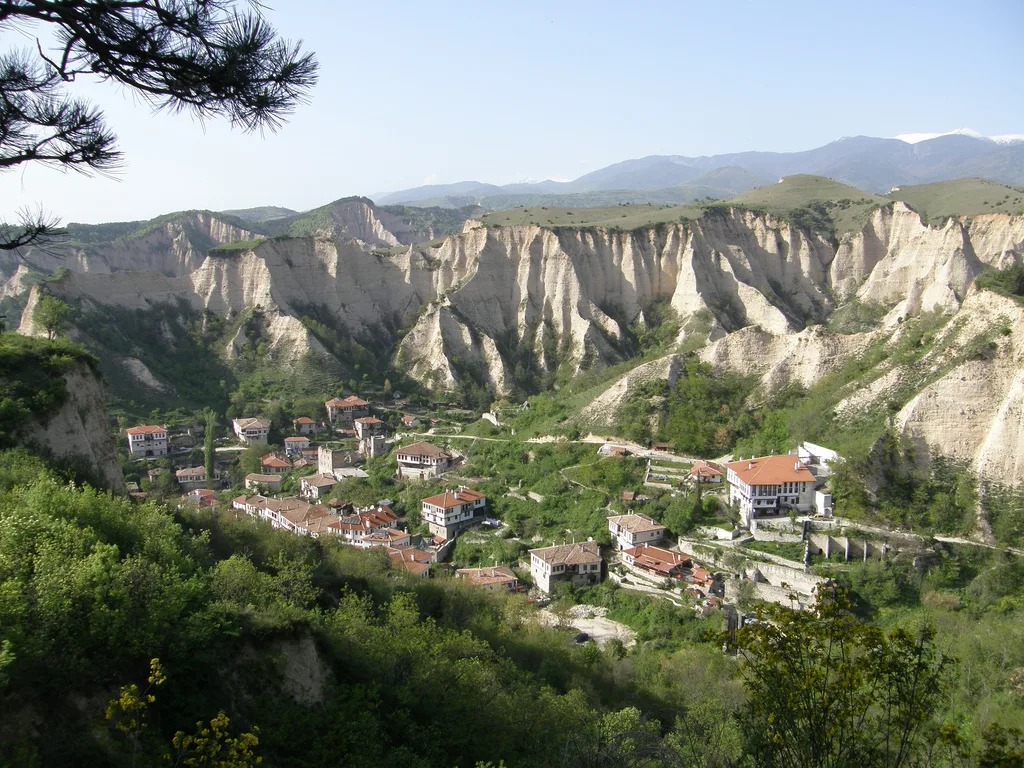
Melnik enjoys Bulgaria's warmest, most Mediterranean-influenced microclimate, sheltered by the Pirin Mountains and the Struma Valley walls. Summer temperatures can hit 36°C / 97°F, making July and August the least comfortable months for active sightseeing. Winter brings quiet streets and genuine local life, but some guesthouses close and the pyramid trails can be icy.
Melnik Weather: Month by Month
Spring arrives in Melnik by early April, when almond trees bloom along the sandstone cliffs. March remains cool, with daytime highs of 12–16°C / 54–61°F and occasional light rain. By May, temperatures climb to 20–24°C / 68–75°F — ideal for hiking the Melnik Sandstone Pyramids Travel Guide. June is the last comfortable month before the Struma Valley heat trap takes full effect.
July and August are Melnik's hottest months, with highs regularly reaching 33–36°C / 91–97°F. The valley walls concentrate heat in a way that amplifies temperatures beyond the rest of Bulgaria. Midday walks to the pyramids become punishing — plan active sightseeing before 9 a.m. or after 6 p.m. Summer crowds from Sofia peak in August, filling Melnik's handful of guesthouses and wine-cellar restaurants.
September is arguably Melnik's finest month, combining harvest activity with highs of 22–27°C / 72–81°F. The Broad-Leaved Melnik grape — a variety found nowhere else in the world — is picked from mid-September onward. October offers golden light on the sandstone formations and cooler air around 14–20°C / 57–68°F.
November marks the start of Melnik's quiet season, with temperatures dropping to 6–10°C / 43–50°F. December through February sees daytime highs of 3–8°C / 37–46°F, with occasional frost or light snow. Winter visitors find an authentic local atmosphere — few tourists, low prices, and open-fire mehana restaurants. The Rozhen Monastery: Travel Guide stays open year-round, though trails to the pyramids can be slippery in January.
Melnik's signature Broad-Leaved grape harvest runs from mid-September to early October — the most atmospheric time to visit, with active cellars and harvest events across the village. Book accommodation at least one month ahead if harvest week is your goal.
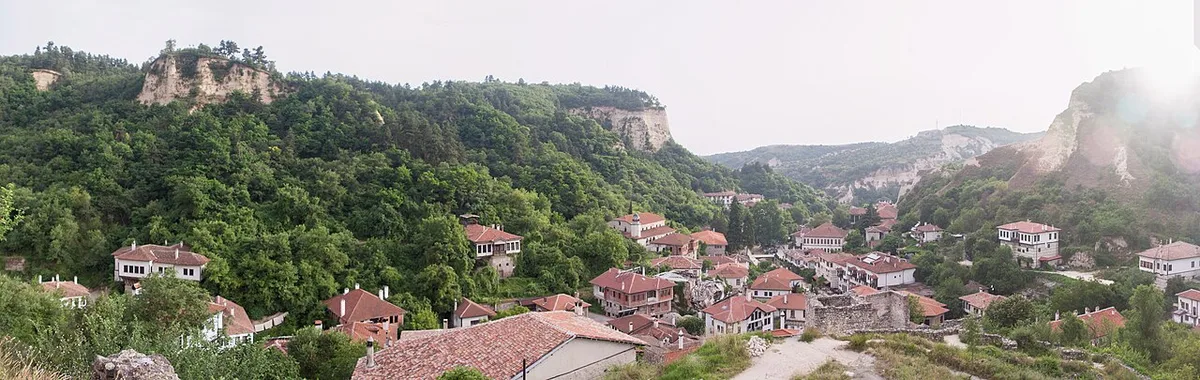
Melnik Season Comparison at a Glance
The table below summarizes what each season delivers in terms of weather, crowds, and key events. Melnik records some of Bulgaria's highest annual sunshine hours, based on regional climate data for the Struma Valley. That Mediterranean influence is what sets it apart from cooler inland Bulgarian towns at similar elevation.
Prices in Melnik follow demand closely, rising 20–30% in July and August for guesthouses and tours. Shoulder-season rates drop noticeably, and proprietors tend to offer more time and attention to fewer guests. Booking two weeks ahead is wise for any weekend in May, September, or October.
The wine harvest in September brings an annual spike in demand that surprises first-time visitors. Local wineries in the Melnik Wine: Guide to Bulgarian Varietals & Wine Country region host tastings that sell out fast during harvest week. Reserve accommodation and cellar tastings at least one month ahead if the harvest is your primary goal.
| Season | Months | Temp (°C / °F) | Crowds | Price Level | Key Events | Best For |
|---|---|---|---|---|---|---|
| Spring | Late March–May | 12–24°C / 54–75°F | Low–Moderate | Low | Wildflower bloom, St. George's Day (May 6) | Hiking, photography, budget trips |
| Summer | June–August | 25–36°C / 77–97°F | High (peaks Aug) | High | Summer wine festivals, long daylight hours | Evening wine tasting, short stays |
| Autumn | September–October | 14–27°C / 57–81°F | Moderate | Moderate | Grape harvest (mid-Sept), Wine Museum events | Wine tourism, hiking, culture |
| Winter | November–February | 3–10°C / 37–50°F | Very Low | Very Low | St. Tryphon Zarezan (Feb 14) | Budget travel, local life, solitude |
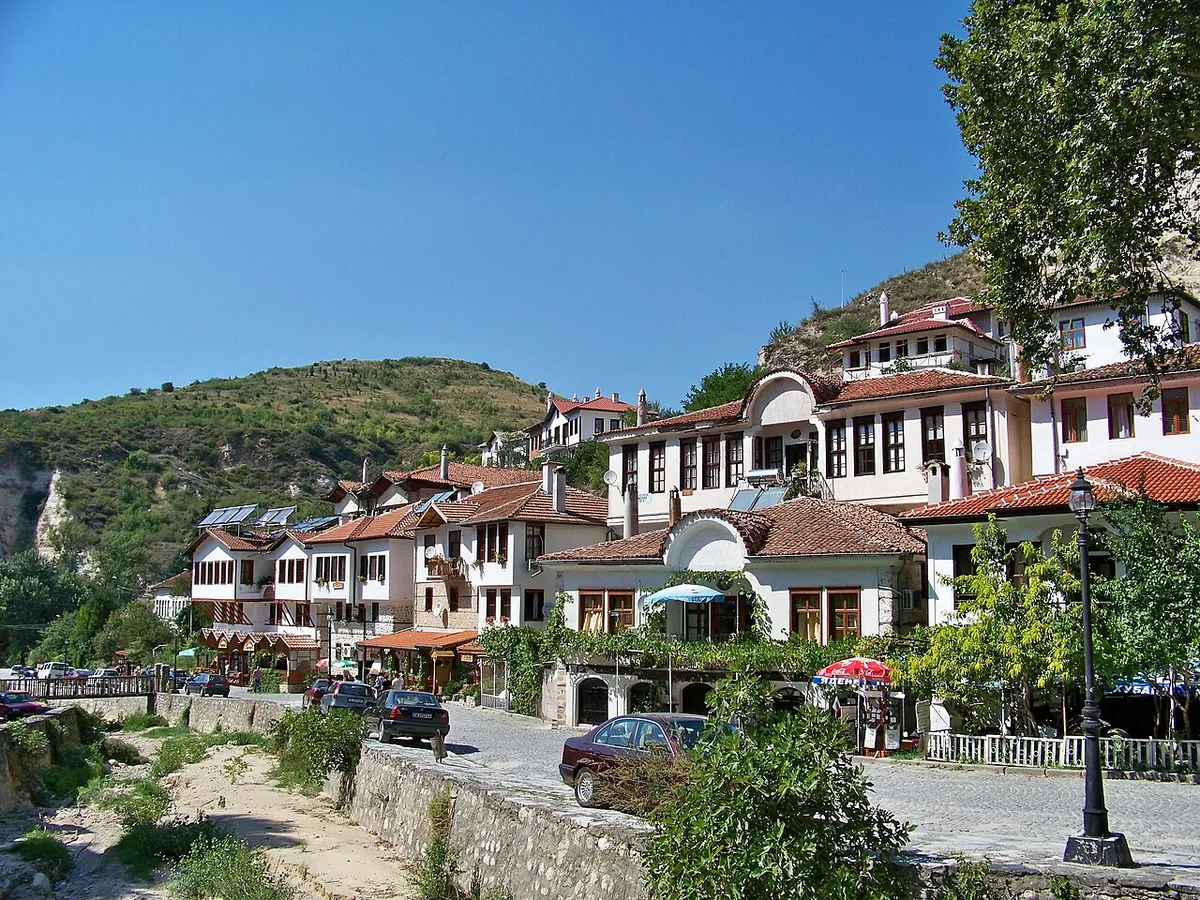
Best Time to Visit Melnik: Spring and Autumn
Late April to early June is the most underrated window for visiting Melnik. The sandstone pyramids are framed by green scrub and wildflowers, creating a strong photogenic contrast with pale rock. Daytime highs sit around 18–24°C / 64–75°F — comfortable for walking the old town lanes all day. Guesthouses are easy to book and prices run well below the summer peak.
Autumn in Melnik — specifically late September to mid-October — is the season most repeat visitors choose. The grape harvest transforms this tiny village into a working winery landscape for three to four weeks. Bunches of Broad-Leaved Melnik grapes hang heavy outside cellars carved directly into the sandstone cliffs. Evenings cool to 14–16°C / 57–61°F, perfect for sitting outside a mehana with a glass of local red.
The one-day Melnik itinerary works especially well during both shoulder seasons. You get enough daylight to cover the pyramid trail, Kordopulov House, and a cellar tasting without rushing. Neither summer heat nor winter darkness cuts your sightseeing day short in May or October.
Spring visitors find green vineyard shoots rather than fruit — a different but equally scenic reward. The town feast of St. George on May 6th is a local celebration worth timing your trip around. Restaurants and guesthouses are fully staffed but uncrowded in May — an ideal combination for a relaxed visit.
Shoulder season (May to early June and late September to mid-October) avoids the Struma Valley heat trap's 33–36°C / 91–97°F summer highs, letting you hike or explore the pyramids comfortably all day. You'll also find easier guesthouse availability and prices 20–30% below July–August peaks.
Pick the Right Time If You Want
Your ideal travel window in Melnik depends on what you want most from the visit. Wine lovers, hikers, budget travelers, and those seeking solitude each have a different sweet spot. The breakdown below maps traveler types to the best months, based on weather, access, and local atmosphere.
Budget travelers often overlook November and early March as surprisingly viable options. Guesthouses drop prices sharply off-season, and local mehana restaurants stay open for the resident community. The day trip from Sofia or Bansko is most reliable in spring or autumn when bus schedules run fully.
Wine tourists visiting in September should reserve cellar tastings at least three weeks ahead. Harvest week in late September fills the village's limited rooms faster than any other period of the year. Local wineries often run special harvest events not advertised online — ask your guesthouse owner directly about access.
- Pick spring (May) if you want
- Mild temperatures and no crowds
- Wildflowers on the pyramid trail
- Lower prices and easy booking
- Pick autumn (late Sept–Oct) if you want
- The grape harvest in full swing
- Wine tastings at peak quality
- Golden light on sandstone cliffs
- Pick summer (June) if you want
- Longest daylight hours of the year
- Full winery schedules and guided tours
- Warm evenings in outdoor restaurants
- Pick winter (Dec–Feb) if you want
- Very low prices and zero tourist crowds
- Authentic local mehana atmosphere
- St. Tryphon wine festival in February
- Avoid July–August if you
- Dislike heat above 33°C / 91°F midday
- Prefer unhurried cellar tastings
- Plan to hike the pyramids trail midday
What to Pack for Each Melnik Season
Melnik's microclimate means packing differs significantly from the rest of Bulgaria. The Struma Valley concentrates heat in summer — light, breathable fabrics are essential from June through August. Conversely, winter nights are cold enough to need a proper mid-layer even when midday feels mild. Sturdy walking shoes with grip are useful in all seasons for the sandy and sometimes muddy pyramid trails.
Autumn visitors should pack a light jacket for mornings and evenings, even when midday hits 24°C / 75°F. The harvest cellars feel cool and damp — a fleece layer earns its weight during extended wine tastings. Dinner reservations at Melnik restaurants are worth booking ahead in October for harvest grape menus.
Spring packing follows the same logic as autumn — layers over a breathable base. Rain is more likely in April than in September, so a packable waterproof shell is worth including. The pyramid trail is soft, sandy soil that can turn muddy after spring showers.
- Spring packing list (April to May)
- Light layers and a packable waterproof shell
- Sturdy shoes for soft sandy trails
- Sun hat for afternoon warmth
- Summer essentials (June to August)
- Breathable linen or technical shirts
- SPF 50+ sunscreen and wide-brim hat
- Large water bottle to refill at guesthouses
- Autumn kit (September to October)
- Fleece for cool cellar tastings
- Light jacket for morning hikes
- Camera for exceptional golden harvest light
- Winter gear (November to February)
- Warm mid-layer and waterproof outer shell
- Grippy soles for icy pyramid trails
- Thermal base layer for cold nights
What's Closed in Melnik's Low Season
Melnik has a permanent population of around 400 people, so low-season closures are genuinely significant. Several family-run guesthouses close from November through February, reducing sleeping options to two or three properties. Calling ahead is essential for winter visits — do not rely on walk-in availability in January or February.
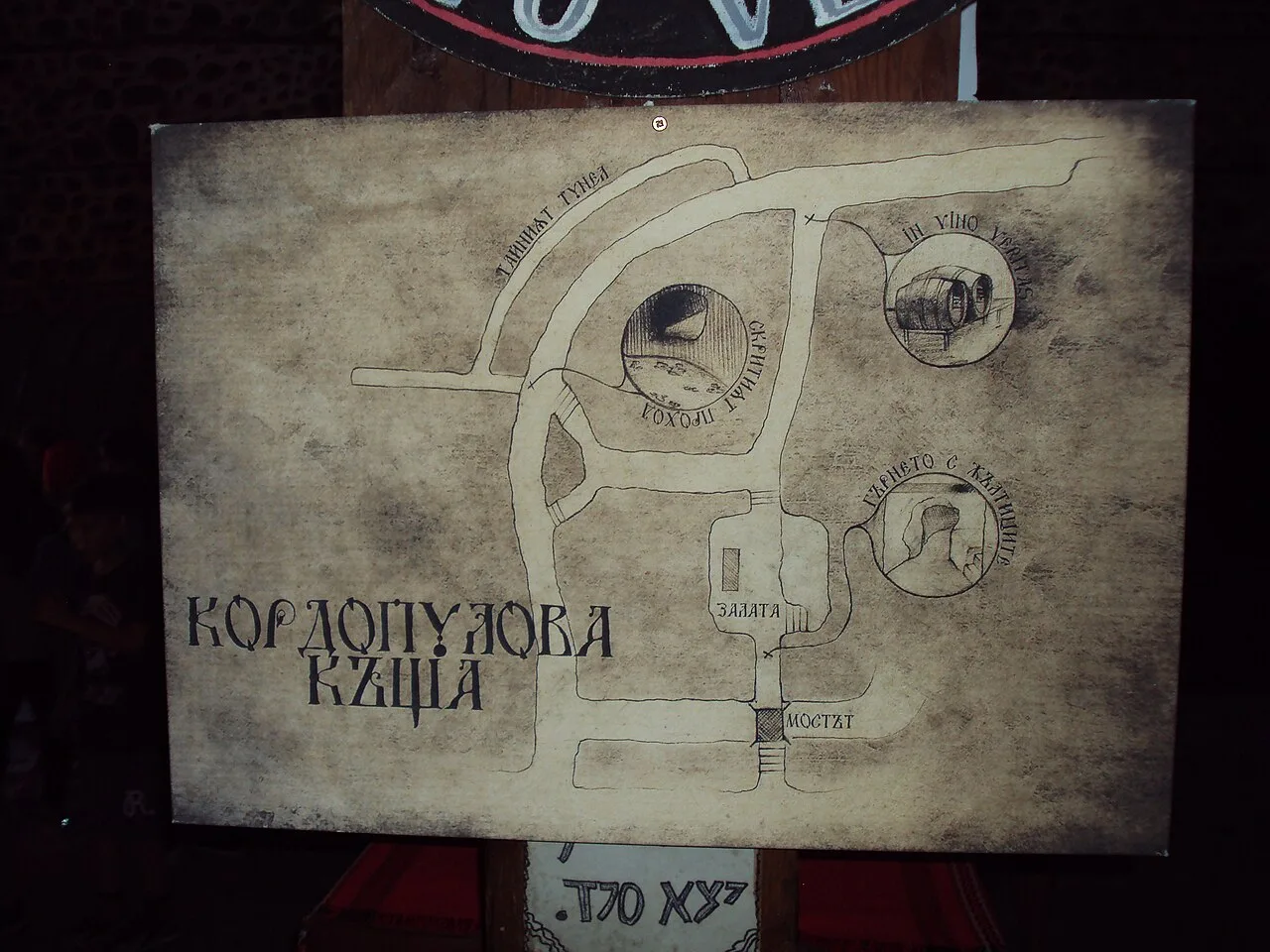
The Kordopulov House Travel Guide museum operates year-round but runs reduced hours from December to February. Some rock-cut wine cellars run by smaller families stop guided tastings entirely from November to early March. The Wine Museum also operates on limited winter access — confirm hours before you travel.
Transport to Melnik is limited at the best of times, and winter bus frequency drops further. The connection via Sandanski runs once or twice daily in January and February on reduced schedules. Anyone without a rental car should confirm bus times at least one day in advance of travel.
The upside of low season is genuine local atmosphere with near-zero tourist pressure. Mehana restaurants that cater to locals rather than tourists stay open all winter. Accommodation prices drop to their lowest in December and January — sometimes 30–40% below summer rates.
How to Get to Melnik
Melnik has no train station — public transport runs via Sandanski, roughly 18 km north on the E79 highway. From Sofia, the standard route is a bus to Sandanski (2.5–3 hours on the A3 motorway), then a local bus or taxi for the final leg. Direct minibuses from Sofia's Ovcha Kupel terminal run once or twice daily, most reliably from May to October. In winter, frequency drops sharply — confirm current schedules at Sandanski bus station the day before you travel.
By car, the drive from Sofia takes around 2 hours. Driving is the most flexible option for shoulder-season visits: you can stop at the Rupite hot springs or Rozhen Monastery without fitting around bus times. From Bansko the route is roughly 1.5 hours through the Pirin foothills. The Melnik day trip from Sofia and Bansko guide covers current timetables and pick-up points in detail.
Continue planning: Use 10 Best Things to Do in Melnik and Kordopulov House Travel Guide to connect this guide with the rest of your Bulgaria itinerary.
Frequently Asked Questions
Is Melnik too hot to visit in summer?
July and August regularly reach 33–36°C / 91–97°F in the Struma Valley heat trap. Midday sightseeing becomes genuinely uncomfortable for most visitors. Plan pyramid walks before 9 a.m. or after 6 p.m. if visiting in peak summer.
When does the Melnik wine harvest take place?
The Broad-Leaved Melnik grape harvest runs from mid-September to early October. This is the most atmospheric time to visit, with active cellars and harvest events across the village. Book accommodation at least one month ahead for harvest week.
What is the cheapest time to visit Melnik?
November to February offers the lowest prices, with guesthouses running 30–40% below summer rates. Some facilities close in winter, so verify opening hours before traveling. March is a budget compromise — low prices without the full closures of deep winter.
Can I visit Melnik in winter?
Yes, but plan with realistic expectations. Some guesthouses and wine cellars close November to February, and pyramid trails can be icy in January. Winter delivers a genuine local atmosphere that summer visitors rarely get to experience.
How does Melnik's climate differ from the rest of Bulgaria?
Melnik sits in the Struma Valley near the Greek border, giving it Bulgaria's warmest and driest microclimate. According to climatestotravel.com, the region records more sunshine hours than Sofia or Plovdiv. This Mediterranean influence keeps the outdoor season comfortable well into October.
The best time to visit Melnik is late September to mid-October, when harvest energy and mild temperatures align perfectly. Spring — specifically May to early June — runs a close second for anyone who prefers wildflowers over wine barrels. Both windows give you the town at its most walkable, photogenic, and culturally active.
Plan your visit around the season that matches your priorities — wine, hiking, budget, or solitude. Whichever month you pick, the full range of things to do in Melnik fills a day comfortably. Book accommodation early in shoulder season, and you have one of Bulgaria's most distinctive small-town experiences waiting.