The Koprivshtitsa Folklore Festival
Once every five years, the quiet museum town of Koprivshtitsa erupts into one of the largest folklore gatherings in Europe. I have stood on those hillside meadows during festival weekend and watched thousands of singers, dancers, and musicians in regional costume perform on open-air stages scattered across the slopes — a wall of bagpipes, bells, and harmony that you feel in your chest. The National Festival of Bulgarian Folklore in Koprivshtitsa is not a tourist show; it is a living heritage event, and it is recognised by UNESCO for exactly that.
This guide explains how the five-year cycle works, what happened at the 2025 edition, and which smaller events make a 2026 visit worthwhile even outside a festival year. For the town itself, start with our pillar guide to 12 Best Things To Do in Koprivshtitsa.
Here's the festival in action from the August 2025 edition, showing the authentic folk performances across the meadow stages:
The Five-Year Cycle Explained
The headline event is the National Festival of Bulgarian Folklore, first held in 1965 and staged once every five years ever since. Because it runs on this long cycle, catching it takes planning — it is not an annual fixture. The most recent edition, the 13th, took place over the weekend of 8–10 August 2025 and drew thousands of performers from across the country and the Bulgarian diaspora. On that schedule, the next full festival is expected in August 2030.
Performers reach Koprivshtitsa through a pyramid of regional and municipal qualifying rounds, so what arrives in town is effectively the best traditional music and dance Bulgaria can field. Groups perform on numbered stages spread across the meadows above the town, and visitors wander between them at will. It is free to attend, though accommodation and transport book out far in advance for festival weekend.
What the Festival Is Actually Like
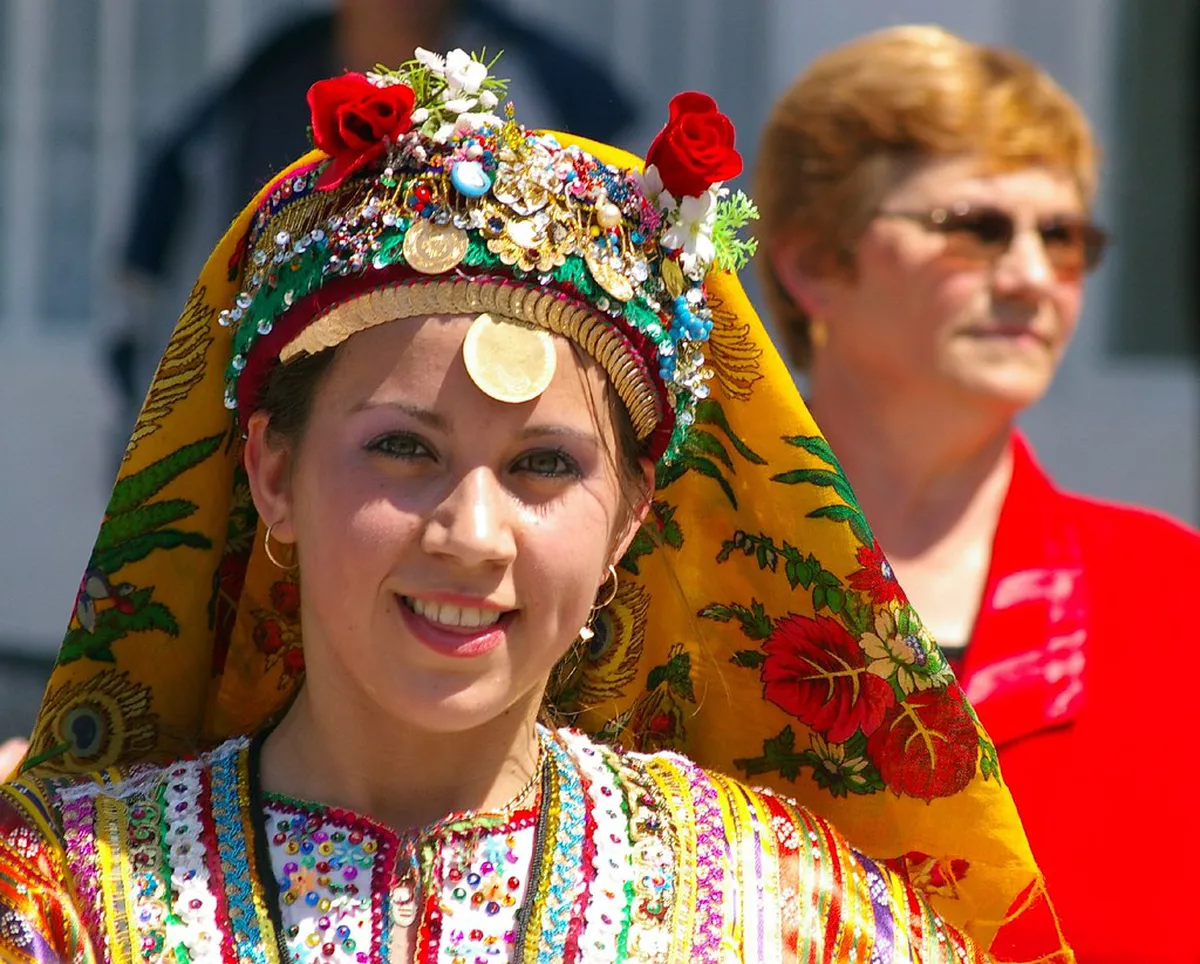
Forget a single main stage. The Koprivshtitsa festival spreads across the hillsides, with multiple open-air platforms running simultaneously from morning to evening. You might catch a women's choir from the Rhodopes on one stage, a Thracian bagpipe ensemble on the next, and a costumed line dance from the Shopluk region just over the rise. The regional costumes alone — each village with its own embroidery, headdress, and colours — are worth the trip.
Practical realities matter here. The stages are reached on foot up grassy slopes, so wear proper shoes and bring sun protection and water — August in the Sredna Gora can be hot by day and cool once the sun drops. Food stalls and craft sellers line the approaches, but the meadows themselves are simple. Come for the music and the atmosphere rather than polished facilities.
Why UNESCO Recognises It
In 2016 the Koprivshtitsa festival was inscribed on UNESCO's Register of Good Safeguarding Practices for intangible cultural heritage. That listing is not about the spectacle; it recognises the festival as a model system for passing folk traditions from one generation to the next. The qualifying rounds, the involvement of village communities, and the documentation of performances all work to keep living traditions alive rather than freezing them in a museum.
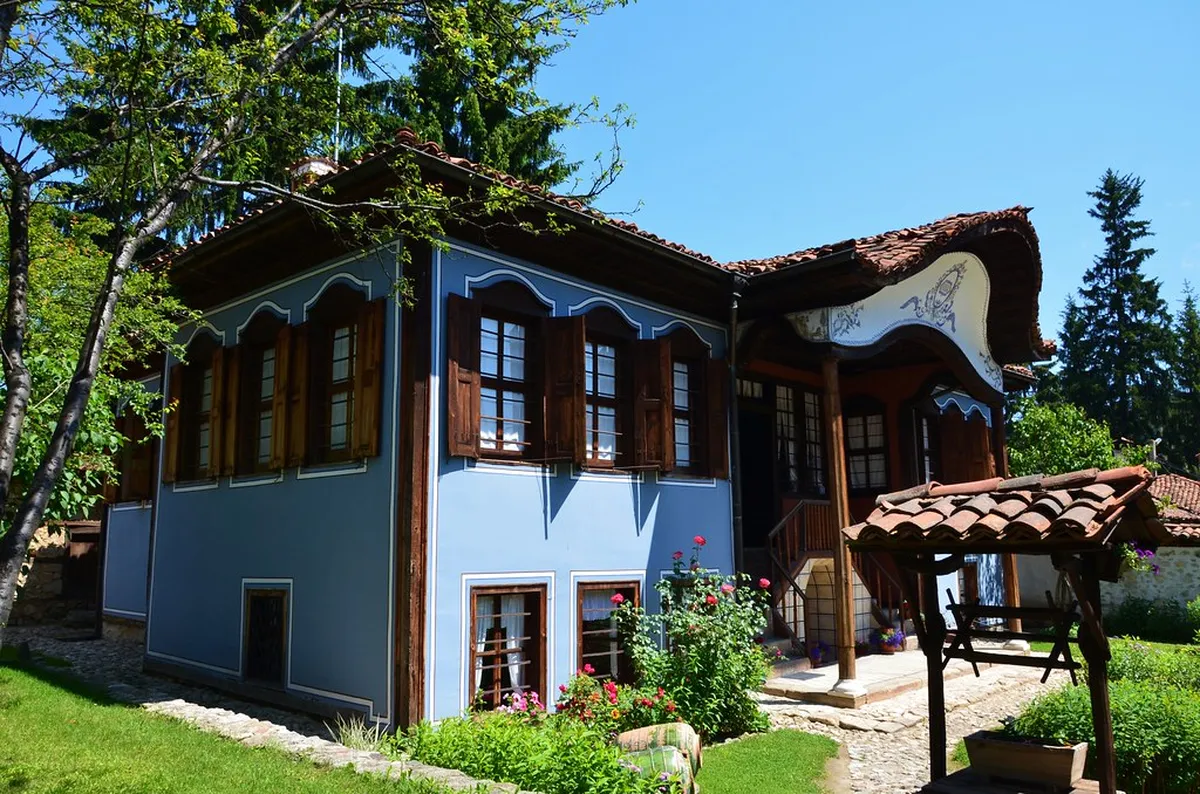
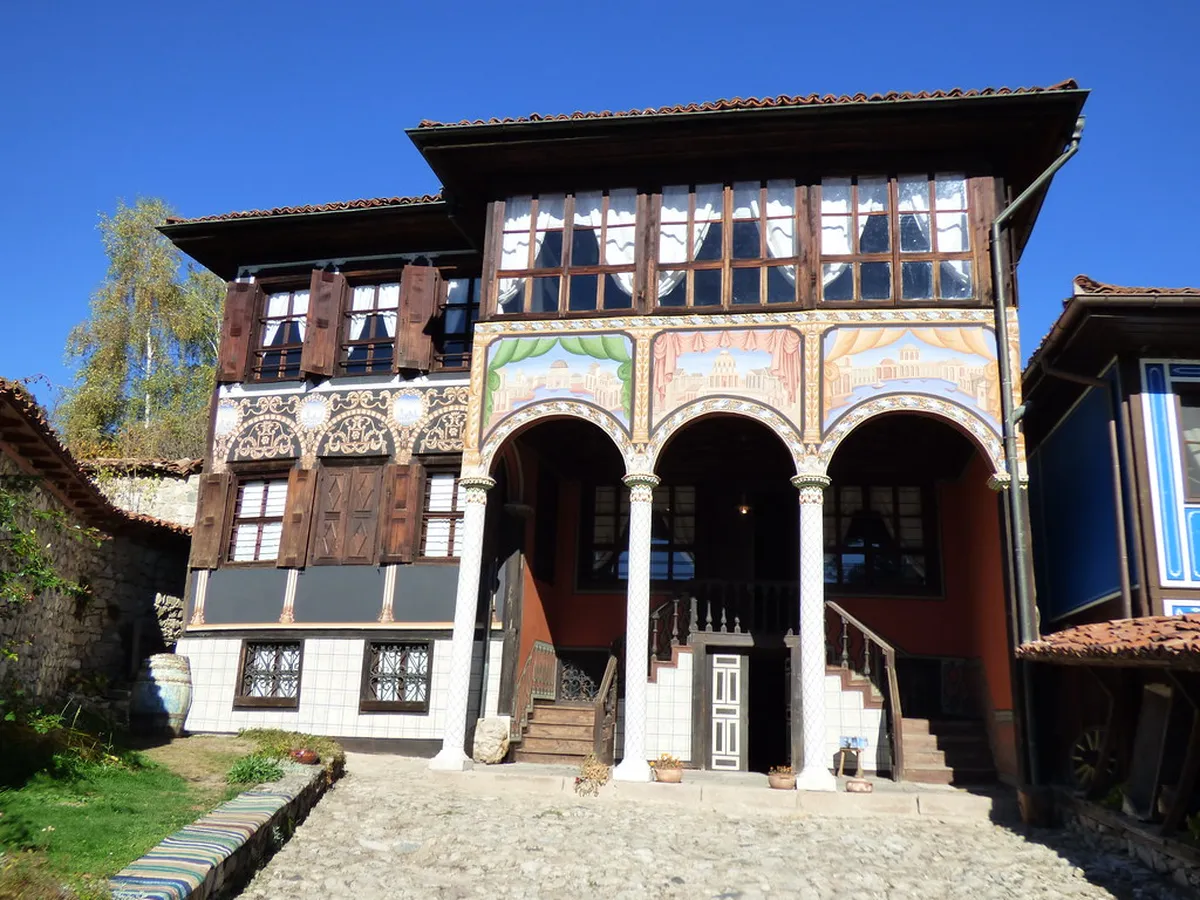
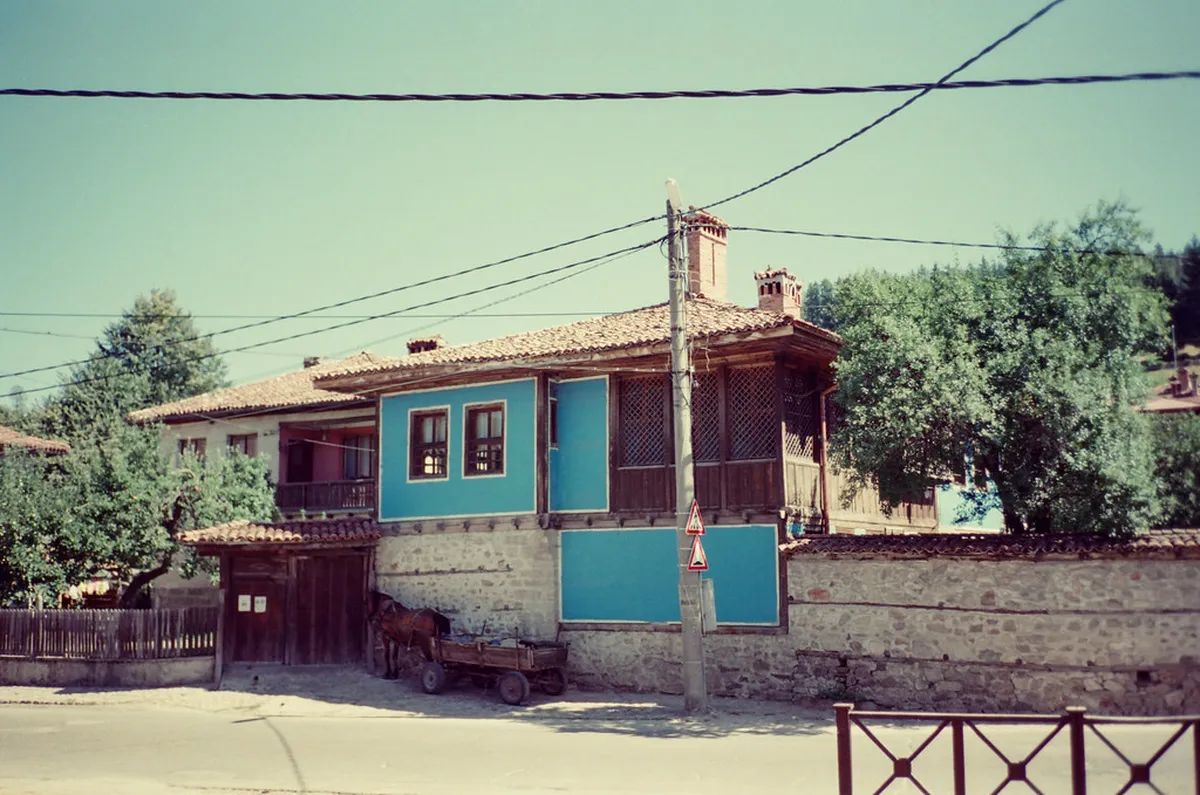
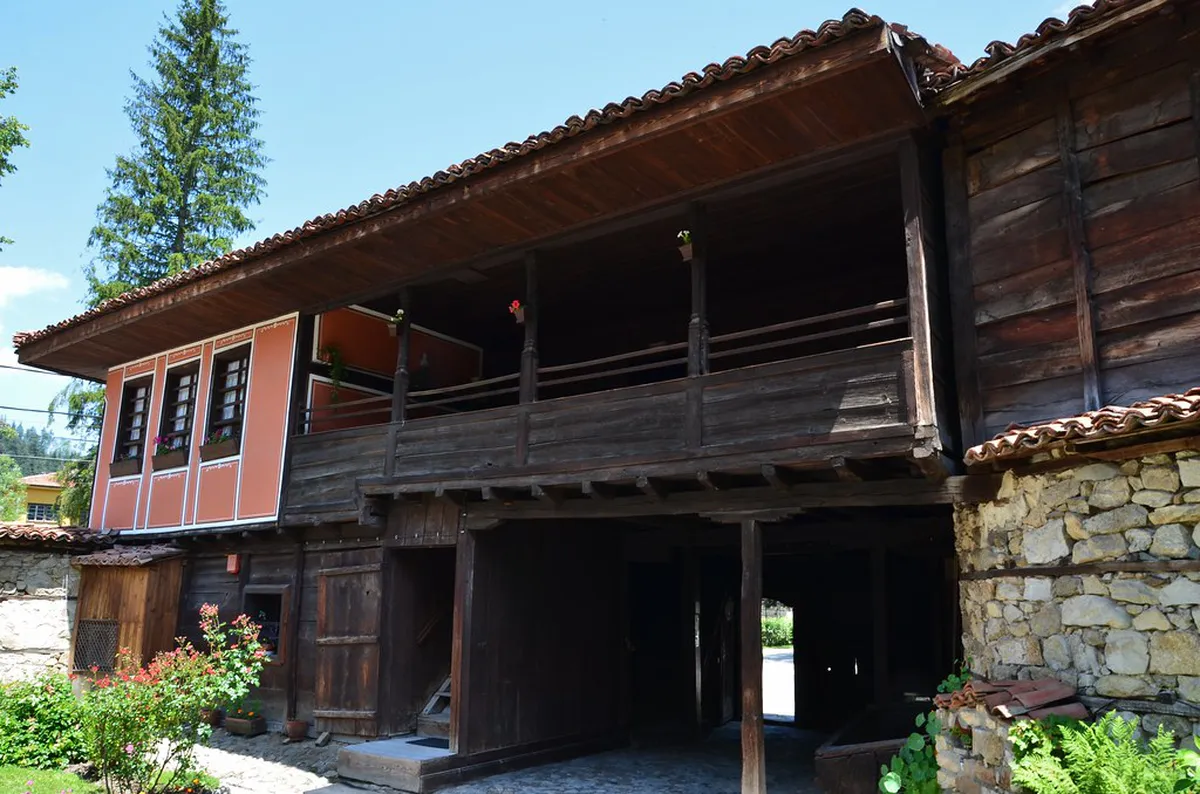
For visitors, that context changes how you watch. The teenager dancing beside her grandmother in matching costume is the safeguarding mechanism in action. It is one of the things that makes Koprivshtitsa, already a town built around the National Revival house-museums, such a concentrated dose of Bulgarian heritage.
Events in Non-Festival Years (Including 2026)
If your trip does not coincide with the five-yearly festival, Koprivshtitsa still has a calendar worth checking. The town marks the anniversary of the April 1876 Uprising each spring with commemorations and re-enactments around the historic sites, a stirring time to visit given the town's revolutionary story. Folk concerts, craft fairs, and seasonal celebrations appear through the warmer months.
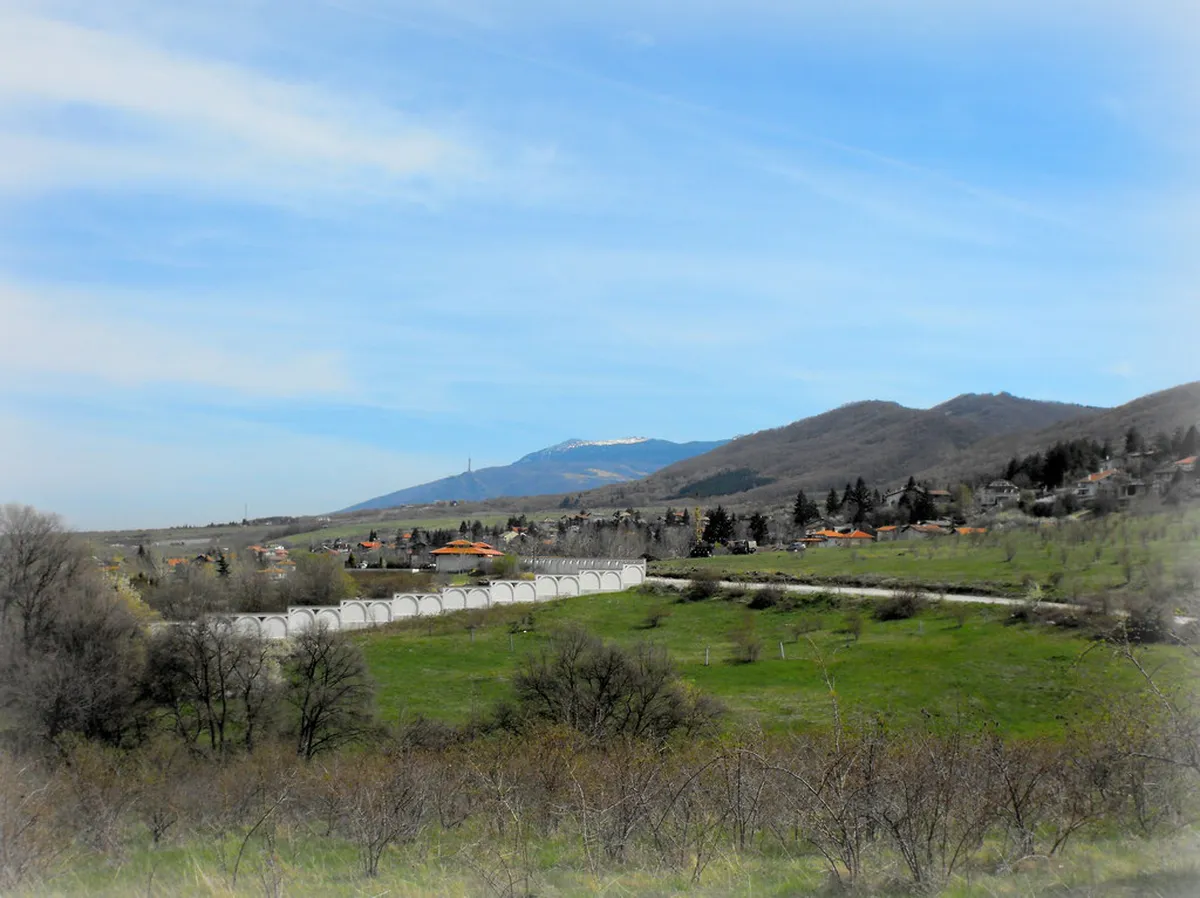
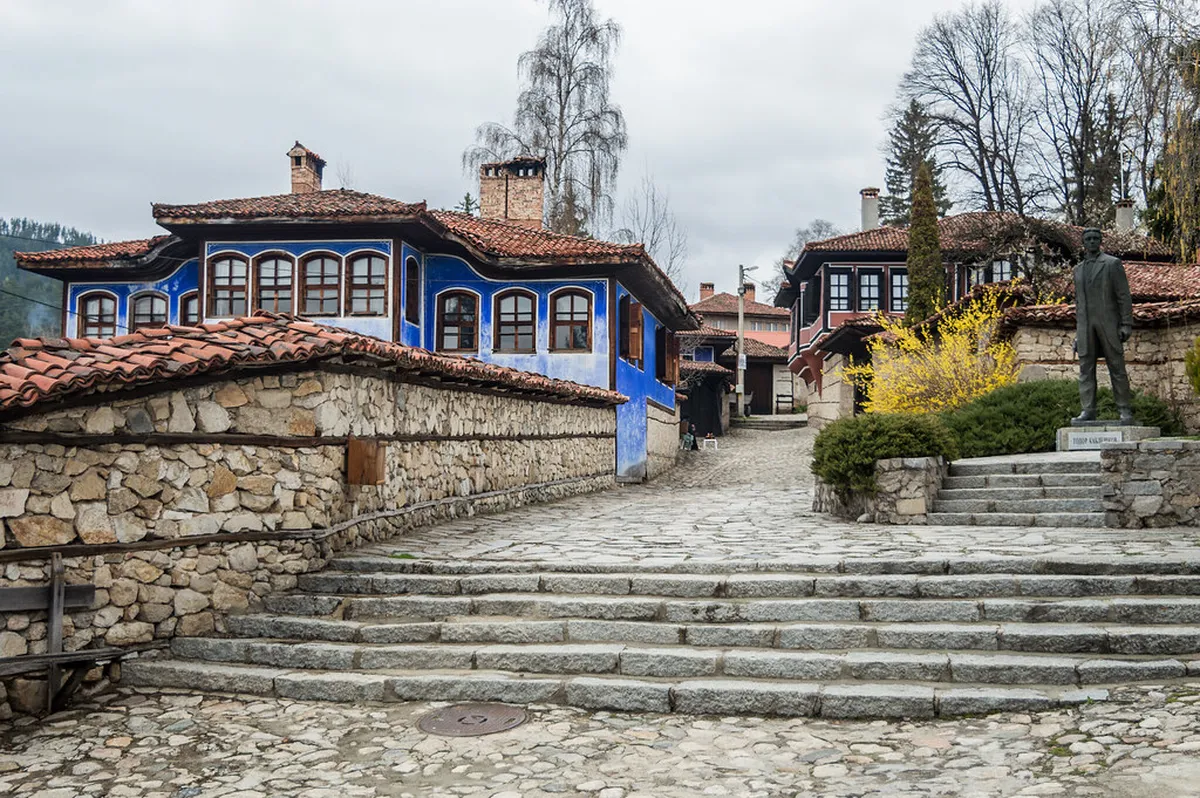
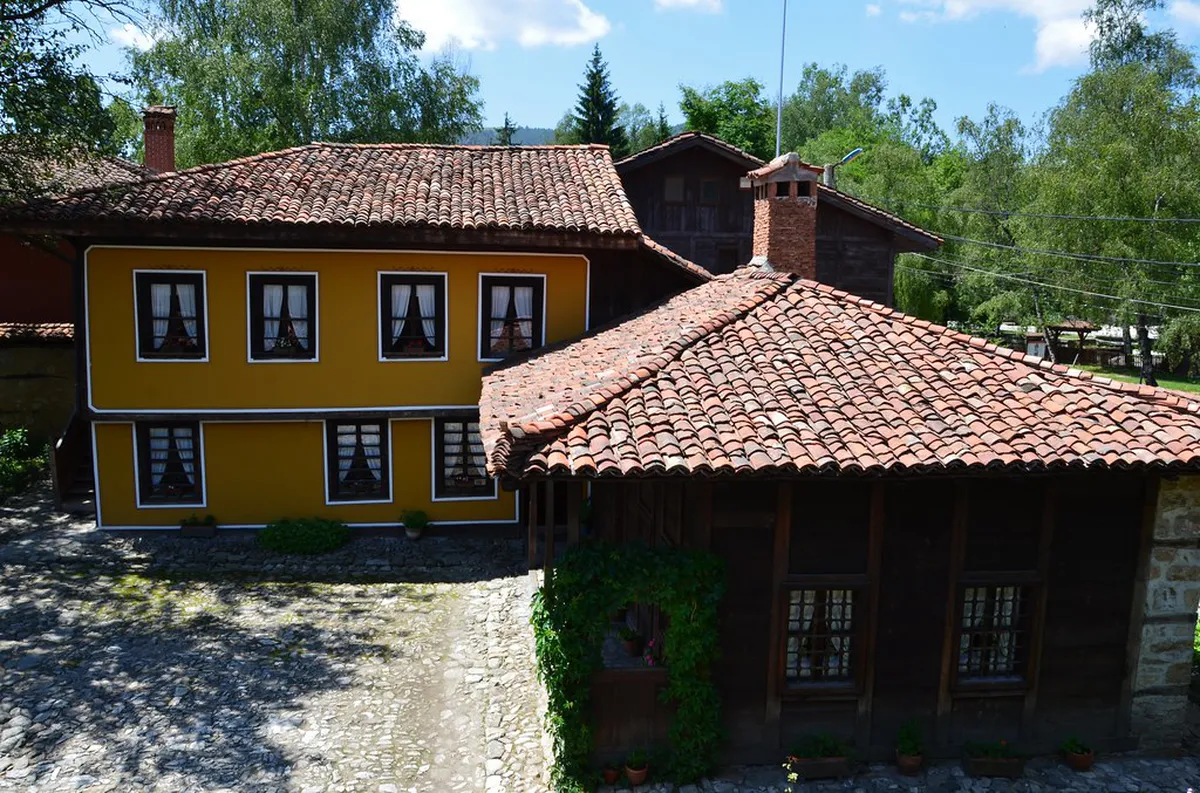
For a 2026 visit, the uprising commemorations in late spring and the general summer events season are the best windows. Even an ordinary weekend rewards you with the museum-houses, the bridges, and the mountain air — and far smaller crowds than festival weekend. Check current dates locally before you commit, as the smaller events shift year to year.
Planning a Festival Visit
For the five-yearly festival, book accommodation months ahead — the town's Revival-house guesthouses sell out fast, and many visitors stay in nearby towns and travel in. Public transport is heavily oversubscribed on festival days, so an early arrival is essential. If you are coming from the capital, our Koprivshtitsa Day Trip From Sofia Travel Guide guide covers the route and timings you can adapt for festival weekend.
Whichever year you visit, pack layers, cash for stalls and tickets, and comfortable shoes for the meadows and cobbles alike. The festival is the headline, but the town's everyday heritage is the reason it earns a place on any Bulgaria itinerary.
Continue planning: Use 12 Best Things To Do in Koprivshtitsa and The Six Koprivshtitsa House-Museums: Combined Ticket Guide to connect this guide with the rest of your Bulgaria itinerary.
Frequently Asked Questions
How often is the Koprivshtitsa folklore festival held?
The National Festival of Bulgarian Folklore in Koprivshtitsa is held once every five years. It was first staged in 1965, and the most recent edition — the 13th — took place in August 2025. On that cycle, the next full festival is expected in August 2030.
When was the last Koprivshtitsa festival, and when is the next?
The last festival ran over the weekend of 8–10 August 2025, drawing thousands of performers. Following the five-year pattern, the next National Folklore Festival is expected in August 2030. Smaller folk and heritage events take place in Koprivshtitsa in the years between.
Is the Koprivshtitsa festival free to attend?
Yes, attending the open-air stages on the hillside meadows is generally free. Your main costs are transport and accommodation, both of which book out far in advance and rise sharply for festival weekend. Food and crafts are sold from stalls near the stages.
Why is the festival recognised by UNESCO?
In 2016 the festival was added to UNESCO's Register of Good Safeguarding Practices. The recognition is for the way the event passes folk music, dance, and costume traditions between generations through regional qualifying rounds and community participation, rather than for the spectacle itself.
Is it worth visiting Koprivshtitsa outside a festival year?
Absolutely. Outside the five-yearly festival, Koprivshtitsa still offers its six house-museums, the April Uprising sites, and a calendar of smaller events including spring commemorations of the 1876 uprising. Visiting in a non-festival year also means far smaller crowds and easier accommodation.
The Koprivshtitsa Folklore Festival is one of Bulgaria's great cultural spectacles — but only once every five years, so it rewards planning. The 2025 edition has passed; the next is expected in 2030, and the wait is part of what keeps it special.
If your 2026 trip falls outside the festival, do not be discouraged: the town's heritage, museum-houses, and spring uprising commemorations make it a worthwhile stop any year. Time your visit, book early, and let Koprivshtitsa show you Bulgarian tradition at full volume.